SAN JOSE, California. — Since the confirmation of the first coronavirus case among detained juveniles on June 14, 65 out of roughly 775 incarcerated youth in different correctional institutions throughout the state have been infected by the virus, according to the Department of Juvenile Justice, or DJJ.
Activists and families demand the early release of youth in correctional institutions amid covid-19 outbreak
Juvenile detention centers are reporting a significant increase of positive covid-19 cases among more than 700 incarcerated teenagers in California. Families and organizations are demanding state authorities to take immediate steps to mitigate a health crisis that has already killed more than 50 inmates and infected thousands more. Lee aquí la versión de este artículo en español.
Video Preocupación por aumento de casos de coronavirus en centros de detención juvenil en California
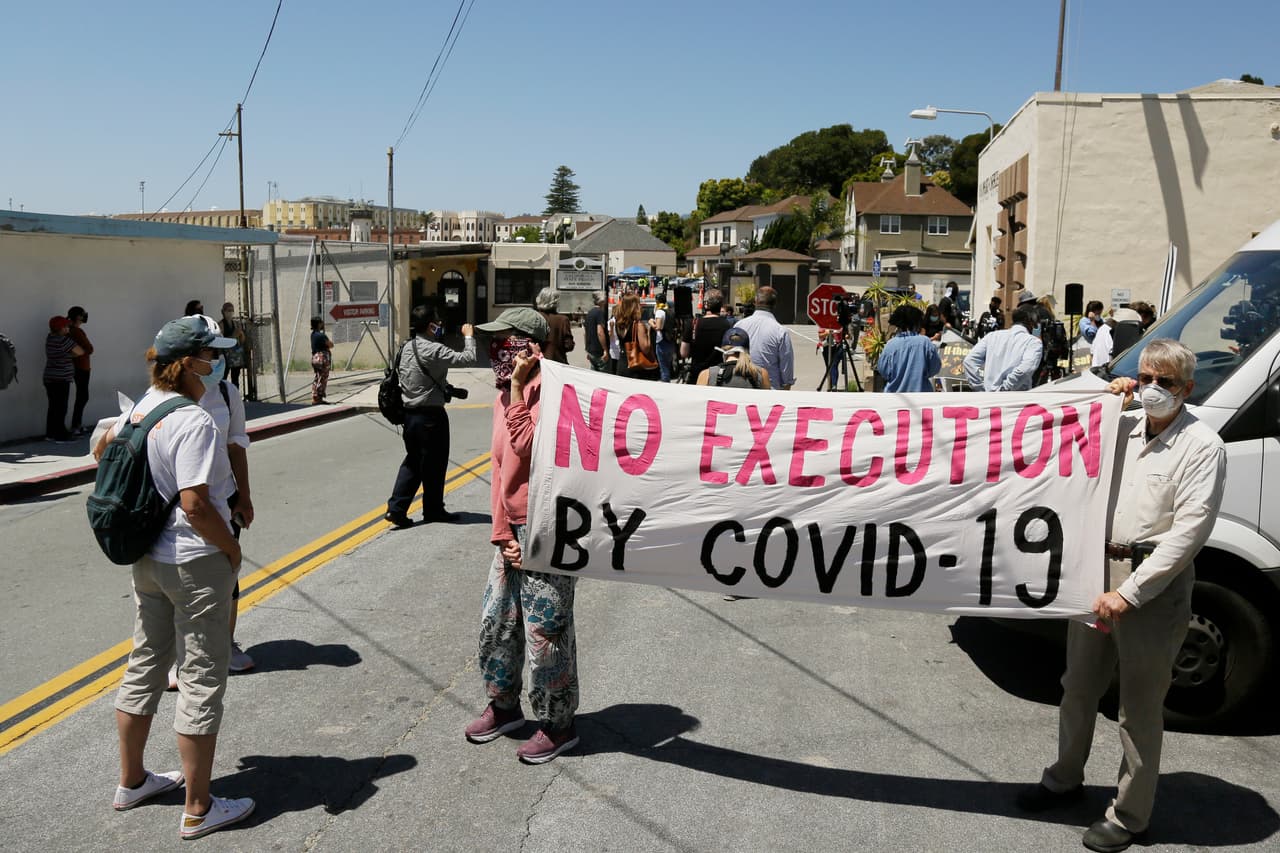
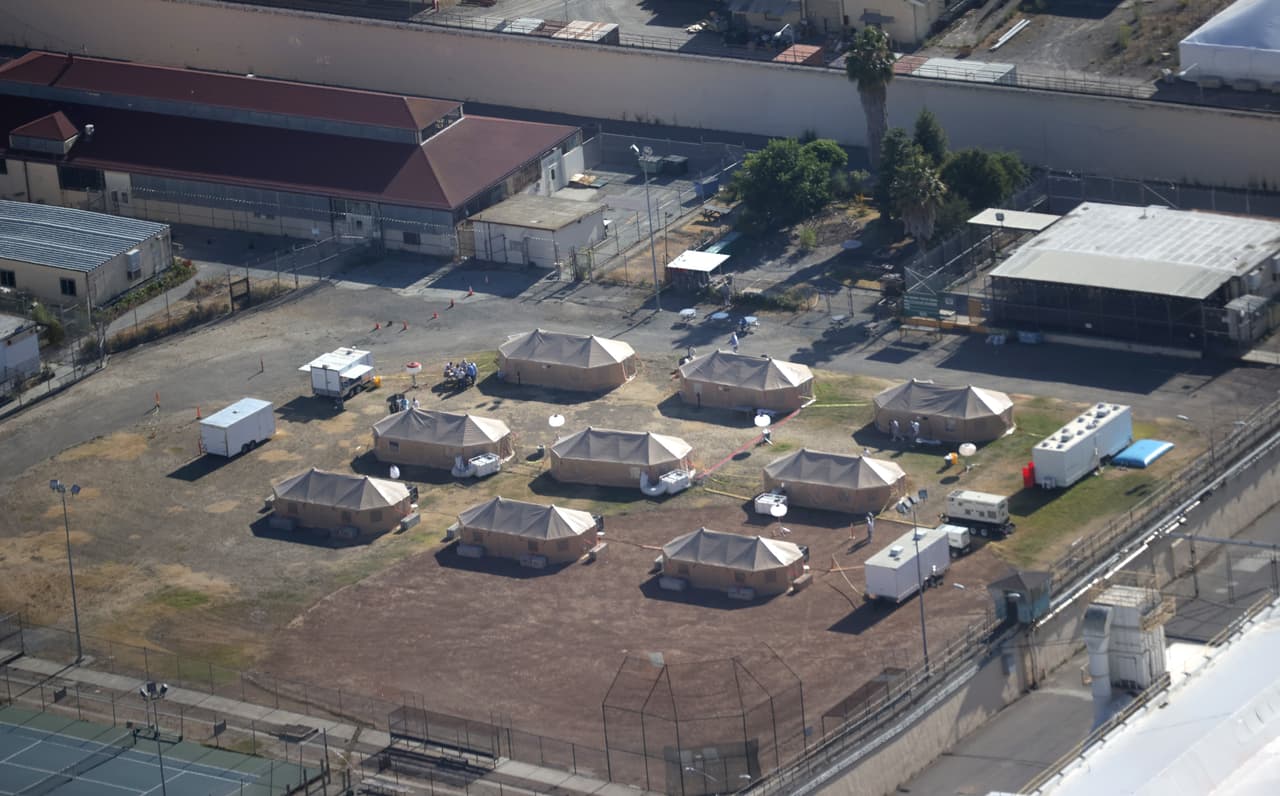
Similar to what is heard from families with relatives in adult prisons, minors either share dormitories with others who are infected; or they are isolated in unsanitary living spaces. For this reason, an organization in San Francisco is urging state authorities to grant early release to youth who are medically vulnerable to the virus, and thus prevent a crisis like what occurred at San Quentin, the adult prison with the largest number of cases and deaths in California.
“My son went there to reflect about the past; not to get infected”
After school authorities informed Yolanda Chavez about her seventh child’s problematic circle of friends, the 16-year-old teen moved out of his home in San Jose to live with his older brother in Las Vegas.
Far from the apparent distractions, the young man excelled at sports, garnering the attention of various competitive clubs. However, it was on the soccer field, where he was once praised for his dazzling skills, that he was severely beaten. This incident turned out to be the cause for his return home to San Jose, and to his old friends and former high school, where he was later arrested for presumably participating in an armed altercation.
“I used to go see him every day…since he was transferred from a jail in Santa Clara County, I haven’t seen him again, I don’t know if he’s fine or what the conditions he’s living under are,” Yolanda said during a phone interview with Noticias Univision 14.
During the first week of February, when there were no reports of covid-19 in the Bay Area, Yolanda’s son was transferred from a correctional facility in Santa Clara County to another one in the city of Stockton.
Although her son’s transfer was a surprise to her, Yolanda become more desolated when she found out family visitation had been suspended weeks later in the month of March. When the pandemic started to impact California, Governor Gavin Newsom declared a state of emergency and DJJ suspended transfers of young detainees.
However, transfers resumed on May 26. According to the DJJ, groups comprised of no more than ten youth arrived approximately every two weeks and were held separately from others while being tested twice for covid-19 before being allowed to join the general population.
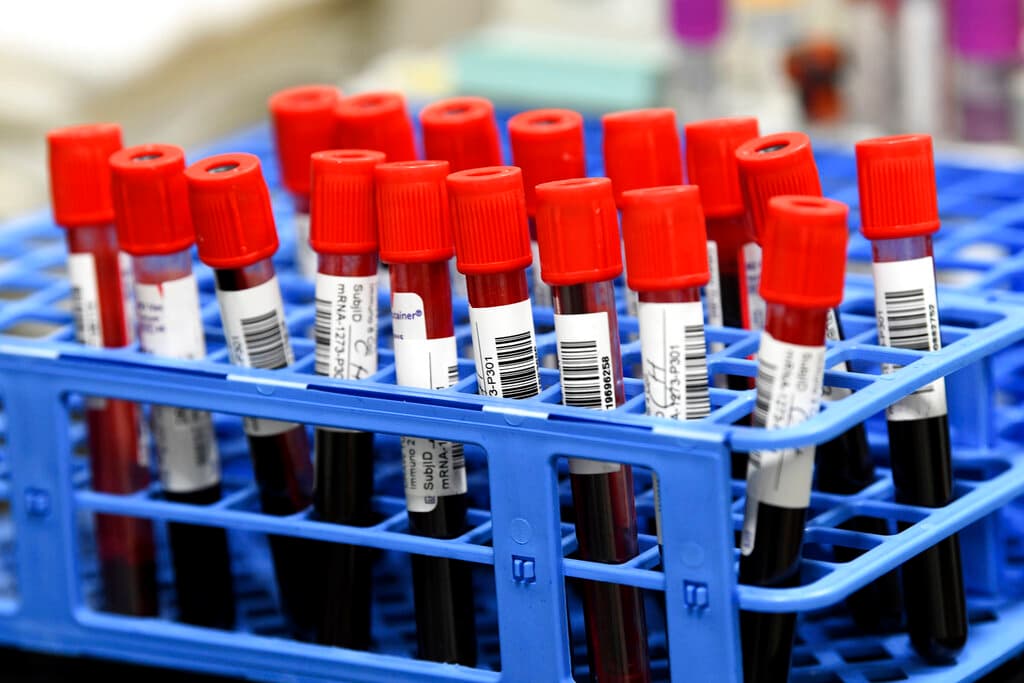




The first positive case for covid-19 within a DJJ facility was disclosed on June 14. Almost a month later, by July 23, at least 25 youth had contracted the virus. DJJ didn’t discuss youth case at specific facilities, citing privacy protections for medical records.
“[My son] says his friend got infected. [His friend] said he couldn’t stand, and that he had a severe headache. So, they took him to the hospital. That friend of his never returned and he slept only three beds apart from my son,” Yolanda said recalling a phone conversation with her son on July 24.
In an email to Noticias Univision 14, the DJJ said detained youths are tested and placed in a separate housing unit to undergo medical isolation if they are believed to have been in contact with a person who tested positive. The department did not elaborate on the living conditions inside this unit.
While she is still uncertain of her son’s current health status, Yolanda said he told her during their last phone conversation that he shares a dormitory and shower with other who have been infected.
“My son went there to reflect about the past; not to get infected,” Yolanda said.
Video “Queremos saber que nuestros seres queridos están bien”: familias exigen saber el estado de salud de reos en la cárcel San Quintín
65 positive cases in 8 weeks
According to the DJJ, positive cases for covid-19 within juvenile correctional facilities in California increased on a consistent basis during a seven-week period starting from June 14 when the first youth tested positive. By July 23 there were 25 positive cases.
On July 30, the figure rose to 47, and one day later, official reports indicated that 64 of 775 young men incarcerated in all state institutions had contracted the virus. This week, one more positive case was confirmed.
Michael Sicilia, a press secretary for the DJJ, said mask-wearing and social distancing are required at all times during the pandemic. His statement, however, is contradicted by testimonies from both minors and workers at correctional facilities.
“There is a real disconnect between the real policy on what should be done and what has actually been implemented in the facilities. For example, we’ve been assured that everyone is provided masks, and yet we are hearing from young people and others inside that that’s not necessarily the case. Some staff are walking around without masks,” said Maureen Washburn, policy analyst for the Center on Juvenile and Criminal Justice in San Francisco.
Washburn and her organization wrote a letter on June 29 asking state authorities to approve the early release of medically vulnerable youths at increased risk of severe illness if they contract the coronavirus. The purpose of the campaign is to prevent a larger health crisis inside the network of juvenile detention facilities.
“We sent a letter to Senator [Nancy] Skinner, as well as the Governor [Gavin Newsom] letting them know that at that time there were only three cases. But we were very concerned about how quickly the virus was going to spread from that point forward. There’s been important gains, most notably the plan to release a substantial number of adults from CDCR prisons, but unfortunately, we didn’t have the same response,” Washburn said.
Seven weeks after the first case was confirmed, the DJJ decided to suspend transfers county jails. Sicilia, the DJJ spokesperson, also confirmed to Noticias Univision 14 that there had not been any early releases of youth to date.
Sigue nuestra cobertura sobre la pandemia y encuentra los recursos que ofrecen las autoridades y las organizaciones no lucrativas para sobrevivir a la crisis del coronavirus:
- Prohibir desalojos hasta 2021, la iniciativa que cobra fuerza en California
- “Cubos de aprendizaje”, un alivio para padres durante el regreso a clases virtual
- “Entraron por una cochera”: la boda clandestina que provocó un brote de covid-19
- Más condados consideran multar con hasta $500 a quienes no usen cubrebocas
- En Silicon Valley, el segundo cheque no alcanza ni para un mes de renta
- Indocumentados tienen una nueva oportunidad para recibir hasta $1,000 de ayuda
- El “santuario” que ofrece pruebas de covid-19, comida y ayuda para el alquiler