
A month after former Honduran president Juan Orlando Hernández was arrested on drug trafficking and related weapons charges, a hearing will be held Wednesday in the capital, Tegucigalpa, to decide whether or not he will be extradited to the United States.
Extradition of Honduras' former president Hernández could be decided Wednesday
The prospects looks bleak for Hernández with legal precedent indicating his U.S. extradition request is likely to be approved, experts say.
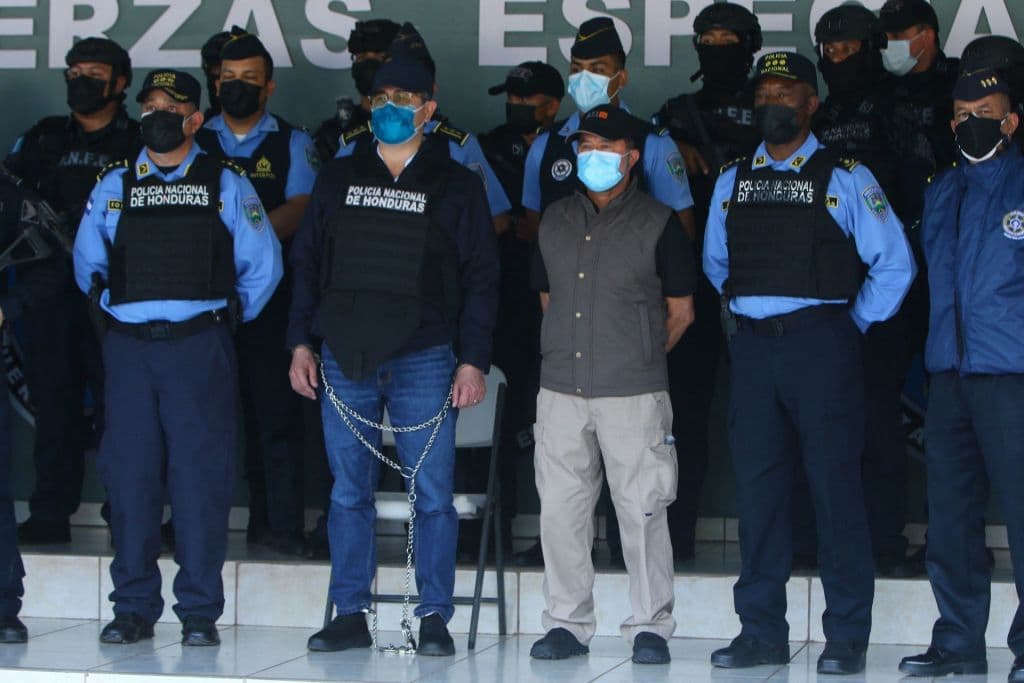
Honduran former President Juan Orlando Hernandez is seen handcuffed at the headquarters of the Honduras Police, after receiving an extradition order from the United States in Tegucigalpa, on February 15, 2022.
Imagen STR/AFP via Getty Images
The hearing will be closely watched in Honduras – where members of the political elite have long evaded justice – and in the United States – where the Department of Justice awaits the arrival of one of its most high-profile targets to date.
In all other extradition cases, the judge has presented the decision the same day as the hearing, though that could take longer in the high profile case of the former president who left office in January.
The decision by the judge overseeing the case could either affirm the legal precedent in cases of extradition, or spark a crisis.
“There’s no doubt that there would be a crowd of people protesting indignantly,” said legal analyst Raul Pineda, in the case that the Supreme Court were to reject Hernández’s extradition. “Congress would remove the judges involved,” he added.
Hernández’s extradition was requested by federal prosecutors from the Southern District of New York, which prosecuted his brother, former congressman Juan Antonio 'Tony Hernández, and other members of the alleged drug trafficking conspiracy.
Former president Hernández, 53, faces a mandatory-minimum sentence of 40 years on the three charges. He is unlikely to be offered a deal that could reduce the sentence. He also appears unlikely to plead guilty. If he were to go to trial and be convicted, he would most likely receive a life sentence.
Ever since he was first linked by U.S. prosecutors to drug trafficking in 2019, Hernández has vehemently denied the accusations, citing his role in the approval of extradition in 2012 and cooperation with U.S. counternarcotics efforts. Since his arrest, his wife, Ana Garcia, has continued with the same line of defense. “We have no doubt that this is about revenge from the drug traffickers,” she said earlier this week.


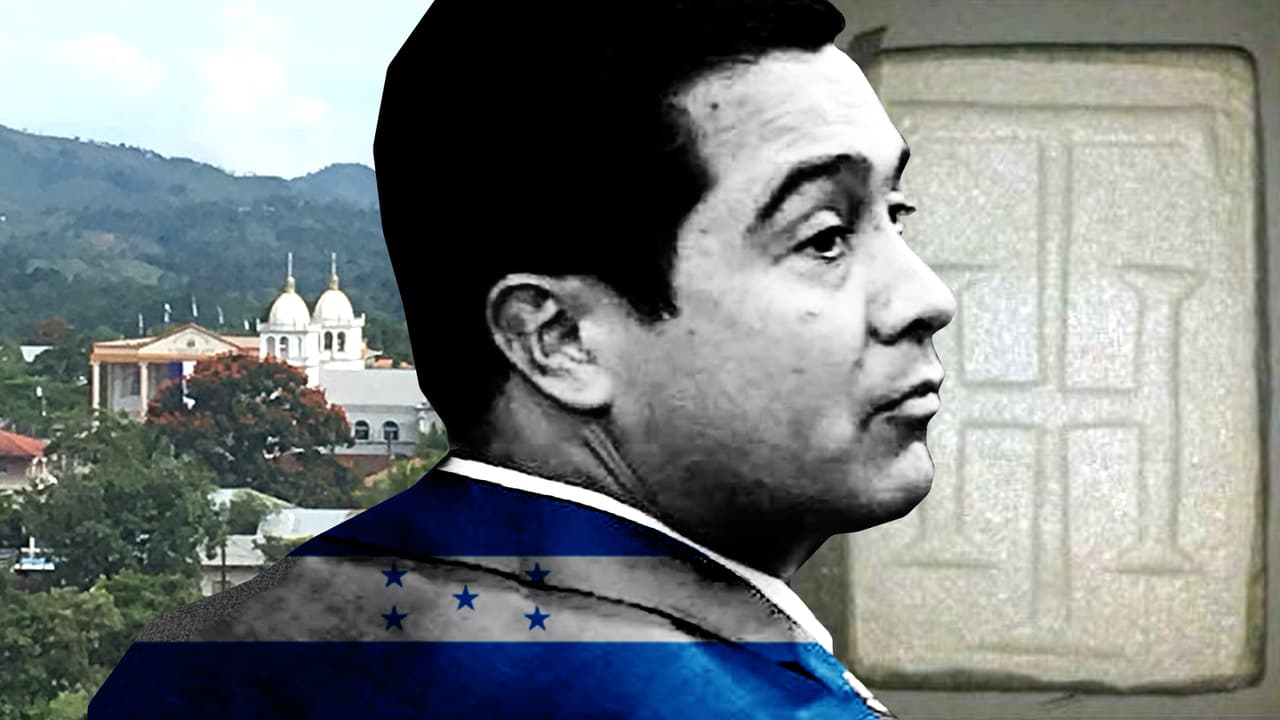
If extradited to the United States, Hernández would join his brother, former legislator Juan Antonio 'Tony' Hernández, who a New York jury found guilty on drug trafficking and related weapons charges in October 2019. He was later sentenced to life in prison – which could be the fate of the former president.
Notas Relacionadas
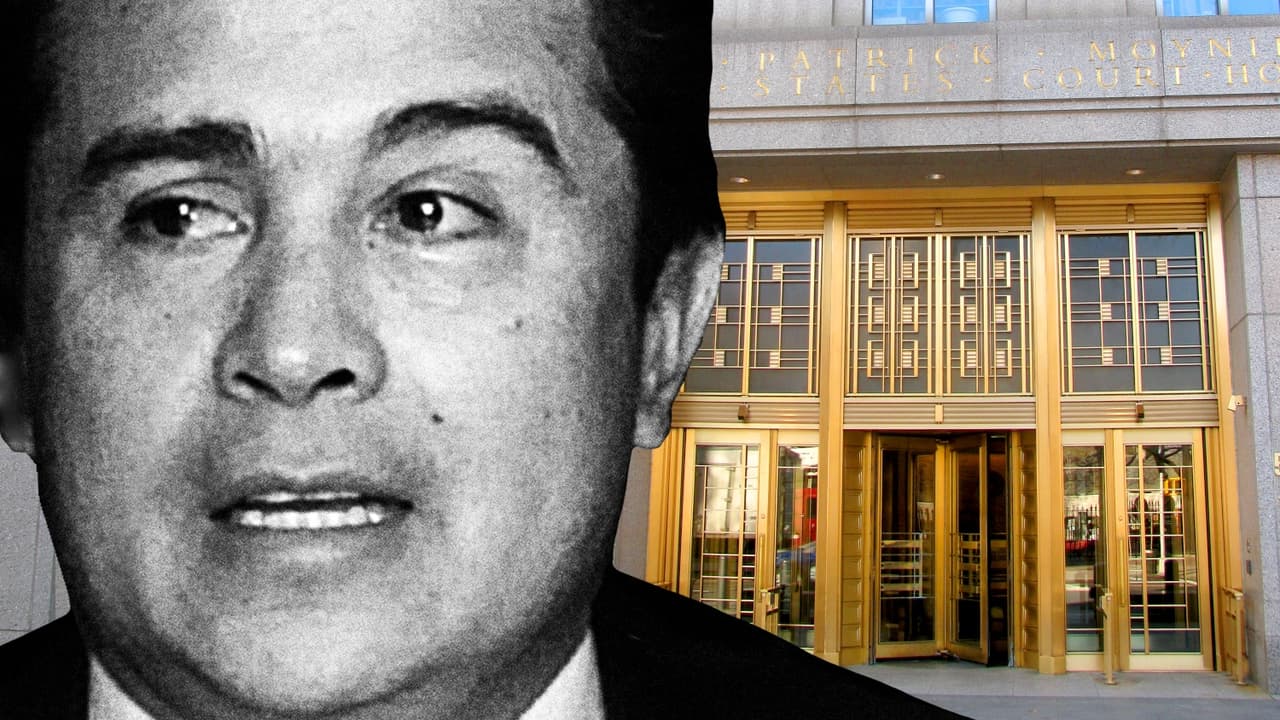
"Extradition: a mere procedure"
Legal analysts agree that there is little recourse for a person who is wanted for extradition to the United States.
“Extradition is a mere procedure, more administrative than judicial,” said Pineda. “The judiciary intervenes but they are simply saying that we want to try this person and the debate on whether that person is guilty or not will take place in the judicial system of the requesting country.”
The only issues that could have impeded the extradition are if Hernández had already served time for the crime, if he were currently facing criminal charges in Honduras or if the statute of limitations had run out, explained Pineda.
Prior to the arrest, Hernández and his lawyers had cited supposed immunity due to his status as a legislator for the Central American Parliament, but the arrest itself disproved that argument.
Notas Relacionadas

The Evidence against Juan Orlando Hernández
During Wednesday's hearing, Honduran lawyers acting on behalf of the U.S. governments will present a pair of affidavits from a prosecutor and a DEA agent who have worked on the case. The affidavits will outline part of the evidence collected against Hernández, but the evidence itself will not be reviewed.
“What will happen... is that they will notify [Hernández] of the means of evidence they have in the United States, testimonial evidence, audiovisual evidence, expert evidence, if any, etc...,” said Marlon Duarte, a Honduran lawyer who has represented persons facing extradition.
The evidence would ultimately be presented at a trial in New York, if Hernández is extradited. Moreover, sensitive evidence, such as testimony from protected witnesses, would likely not be included in the affidavits presented today.
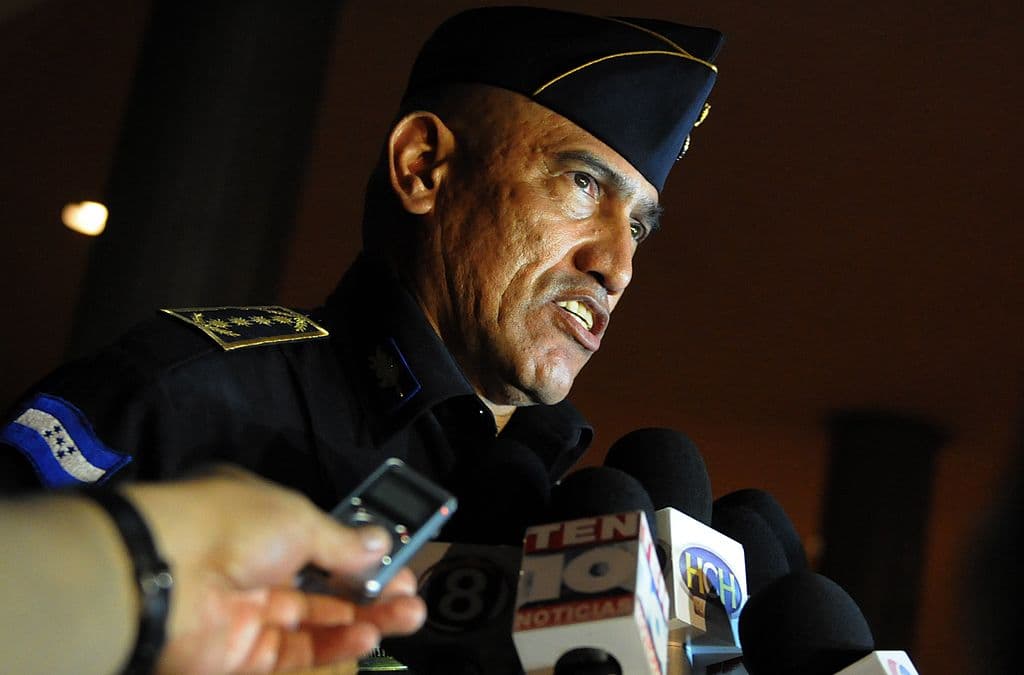
National Director of Police in Honduras, Juan Carlos Bonilla, anwsers questions from the press in Tegucigalpa on May 24, 2012.
Imagen ORLANDO SIERRA/AFP via Getty Images
It’s also likely that more evidence could be collected between now and when Hernández faces trial in the United States, if he chooses that option. Just last week, one of his alleged co-conspirators, former national police chief Juan Carlos 'El Tigre' Bonilla was captured in Honduras after nearly two years in hiding. Bonilla has implied in the past that if he were arrested, he would take others down with him. Bonilla will appear on April 8 for his own extradition hearing.
The defense
Despite the long odds, Hernández’s legal team will likely attempt to impugn the evidence outlined in the affidavits and present supposed exculpatory evidence of their own. As far as is known publicly, no one who has faced extradition has managed to mount a successful defense. Some eight of the accused have appealed the judge’s decision to authorize their extradition, but none of those appeals have been successful either.
According to Duarte, with three cases a legal precedent is set, and in this case, there are many more. “Therefore, the judge could not or practically does not have the possibility of getting out of that scheme when practically it is an already existing jurisprudence that there is an order already established by the extradition system itself,” he explained.
In any event, an appeal would be decided by a majority vote of the 15 Supreme Court judges within days, hardly delaying Hernández’s extradition to the United States.
Notas Relacionadas
Relacionados: