Two new surveys of Latino voters out this week have provided new evidence that Republicans have cemented their surprising recent gains this fast-growing minority segment of the population, but Democrats still have a sizeable advantage going into the upcoming midterm elections.
Polls: Republicans winning over Latino voters on the economy, but lag on other issues, including abortion
Despite Republican inroads into the Latino vote, polling numbers indicate that they hit a ceiling after the November 2020 election. Democrats maintain a wide lead, but will that be enough to keep control on Congress in November? (Leer en español)
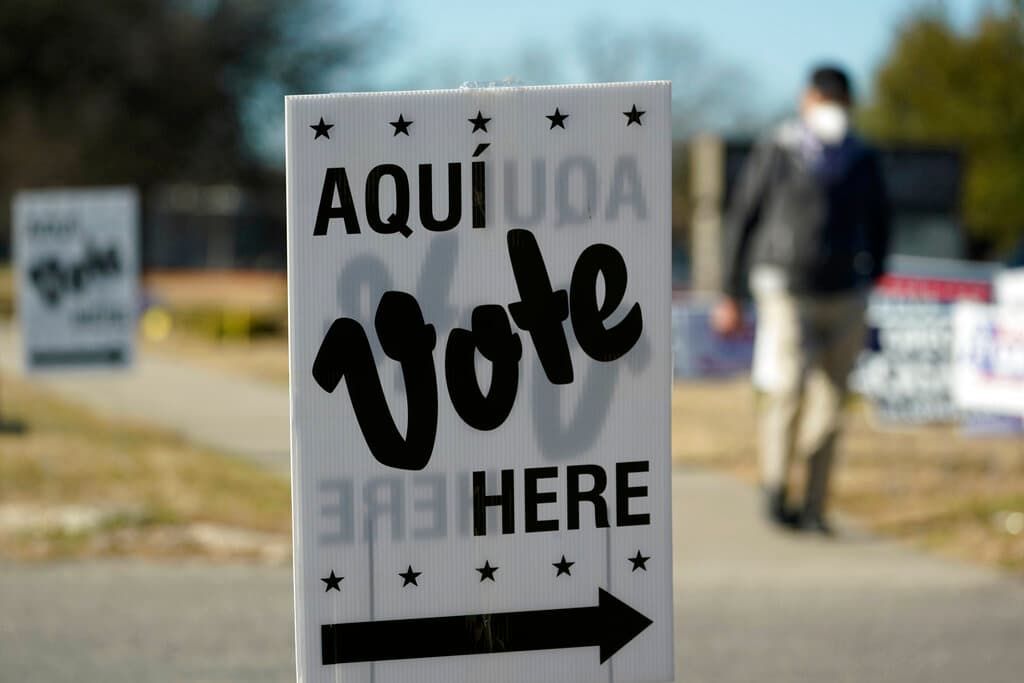
A man passes an early voting poll site, on Feb. 14, 2022, in San Antonio. Voters in heavily Hispanic parts of South Texas cast record numbers of ballots in the state's Republican primary last week, leaving the GOP excited about a growing shift toward their party.
Imagen Eric Gay/AP
Republican dreams over a huge wave of Latino voters switching to their party appear to have hit a wall, while Democrats at the same time are struggling to recover some of the lost territory, with less than two months before the November 8 elections.
The two polls from The New York Times/Siena College and the consulting firm Equis, show Democrats maintaining a hold on the Latino electorate. Asked which party’s candidate they’d vote for if the election were held today, 56% of Latinos sided with the Democrats, compared to 32% for the Republicans, according to the The New York Times/Siena College poll.
Another poll, conducted last month by Mi Familia Vota and Unidos US, found that their priorities have undergone "a seismic shift" as gun violence, crime and abortion have increased dramatically, while the rising cost of living and employment remain the top community priorities.
Majority of Hispanic voters still prefer the Democratic party
Two things I think are clear, says Kristian Ramos, a Hispanic media consultant with Autonomy Strategies.
“Latinos, like most voters, do not like what they see with the Republicans. On just about every issue they favor Democrats,” he said.
But there were warning signs that Democrats need to take heed of, he cautioned. “There is an opportunity for Democrats to do better at reaching these voters who like them. The Republican Party is aggressively targeting these voters right now. Democrats need to match that intensity and fight,” said Ramos.
For decades, the Democratic Party was the home for a vast majority of Hispanics across the nation, with the exception of south Florida where Cuban Americans have traditionally leaned heavily Republican.
In the presidential elections of 2012 and 2016, Democrats won the Hispanic vote by an estimated 40% margin, according to political researchers. But, Republicans saw important gains under Donald Trump, as Republicans stepped up their outreach and battled efforts across the country to shut down businesses to limit the spread of the pandemic.
Democrats need to do better with Hispanic voters to protect their control of Congress, analysts say. The party currently controls the Senate by only a single vote, and Republicans are favored to take control of the House in this year’s midterms. Democrats also acknowledge that they also have a problem getting their Hispanic voters to the polls, especially in midterm elections when the president is not on the ballot.

Supporters of President Donald Trump protest outside the Clark County Election Department on November 7, 2020 in North Las Vegas, Nevada.
Imagen Ethan Miller/Getty Images




Some Latino voters concerned Democrats leaning too far left
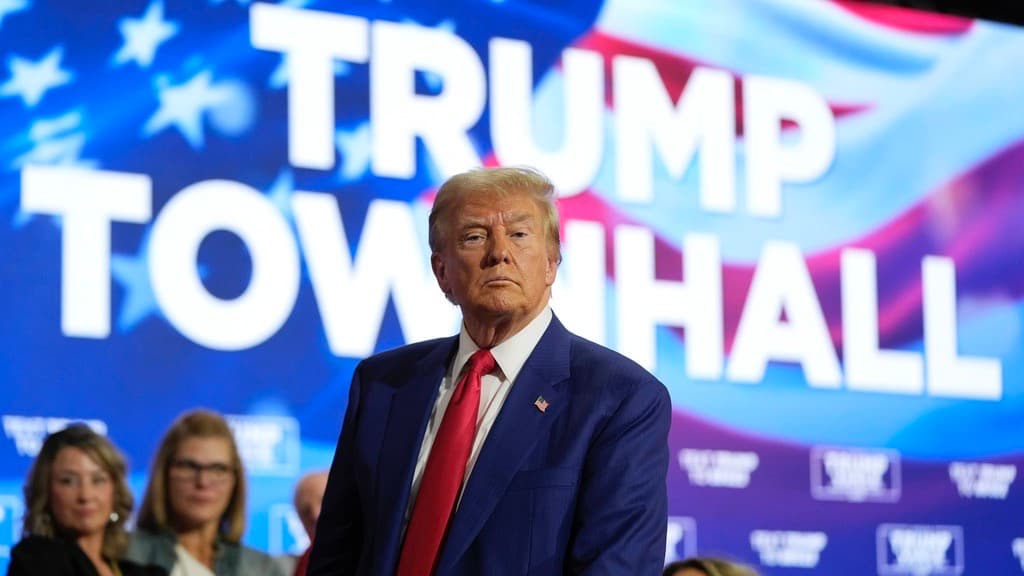
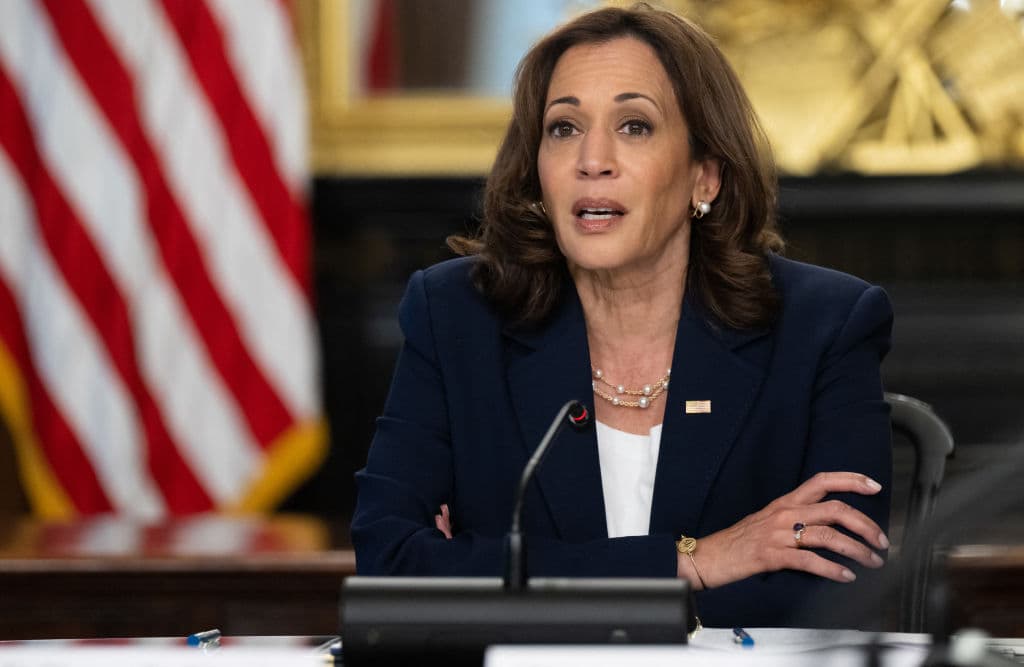
It remains unclear why Trump was able to appeal more to Hispanics, though some have attributed it to concern over the Democratic Party moving further to the left than it had been under Obama, as well as rising inflation, crime, and immigration. "Concerns about the Democrats' approach to the economy rattled some Latinos and allowed them to put aside other fears about Trump and Republicans in 2020,” according to the Equis data which was compiled from polling and focus grTexas at Austinoups over the last year in 10 states.
Focus groups conducted by Univision confirm that many Hispanic business owners and employees were deeply frustrated by the coronavirus lockdown which hurt them economically. “We heard in the focus groups tell us, ‘I don’t like Trump, but we need to restart the economy. I need to open my restaurant,’” said Sergio Garcia-Rios, a Latin policy researcher at the University of Texas at Austin, who also conducts polling for Univision.
Another important factor is a demographic shift resulting from lower immigration in recent years due to tougher border security, combined with the Trump years and the pandemic.
“There are now more second, third and fourth generation immigrants coupled with an increase in people fleeing left wing regimes in Venezuela, Cuba and Nicaragua,” said Garcia-Rios.
Notas Relacionadas

New surprise factors: Latinas and abortion
The August poll conducted by Mi Familia Vota and Unidos US found that the shift among Latina women was even greater, with a significant drop in support for Democrats since 2016, when Hillary Clinton was on the ballot.
That poll also found Democrats with a wide lead on nearly every issue except the economy, where Hispanics are almost evenly split between the two parties. "The economy is where Republicans have the best chance," said Gabriel Sanchez, a Latino polling expert at the University of New Mexico. "Hispanics seem to trust Republicans more on the economy," he added.
One big surprise is abortion, where Latino support for a woman's right to choose, rather than politicians deciding the issue, has increased. More than 70% of Latino voters believe abortion should remain legal, regardless of their personal beliefs on the issue.
Whatever the explanation, the advantage held by Democrats has shrunk in recent years. In 2020, Joe Biden won the Hispanic vote group by only 26 percentage points, down roughly 15% from Hillary Clinton’s failed campaign in 2016.
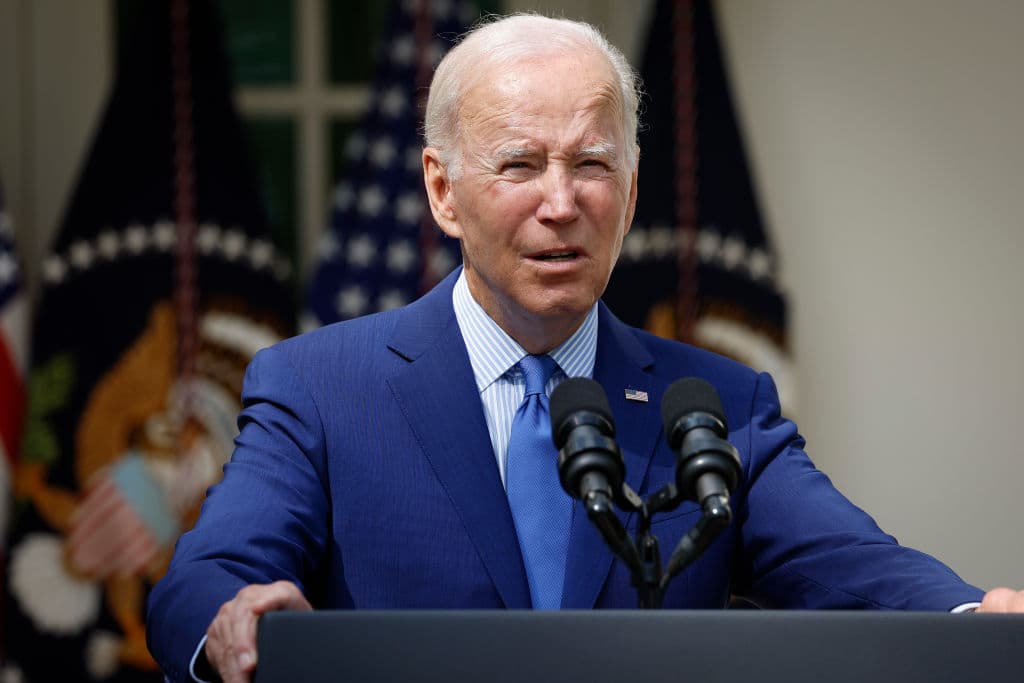
U.S. President Joe Biden speaks during an event in the Rose Garden of the White House September 15, 2022 in Washington, DC.
Imagen Anna Moneymaker/Getty Images
Biden's favorability has recovered slightly
The good news for Democrats is that margin does not appear to have increased since 2020, according to the latest polling. The bad news is that it has not reverted to reverted to where it stood pre-Trump.
Some polling experts caution that polling of Latinos tends to be highly imprecise given the weak sampling in most polls that only reach 500 to 1,000 random people in a typical survey. When distributed around the country in a national polls that ends up being only a handful of people in each state. The New York Times/Sienna poll was based on a random sample of 1,399 registered voters nationwide in Sept. 2022. The poll by Mi Familia Vota and Unidos US was much larger, with 2,750 Latino voters.
“We see very regional variations,” said Eduardo Gamarra, a professor at Florida International University who regularly polls Latino voters. He questioned the latest polling, saying it was too early to tell if the Republican gains would hold through another election cycle. “Given the volatility of the last few years I wonder how deep seated the gains for Republicans are,” he said.
The New York Times/Sienna poll found that younger male Hispanic voters appear to be attracted more to the Republican party. Republican strength among Latino men has now overtaken the appeal of the Democratic party, by a five-point margin, the poll found. The poll found that many Hispanic believe the Democratic Party had moved too far left on social issues.
Another problem for Democrats, according to the poll, is that many voters appear to be unaware of the big-spending economic policies that Biden and Democrats have enacted on infrastructure, health care, and energy, which could potentially benefit Hispanics.
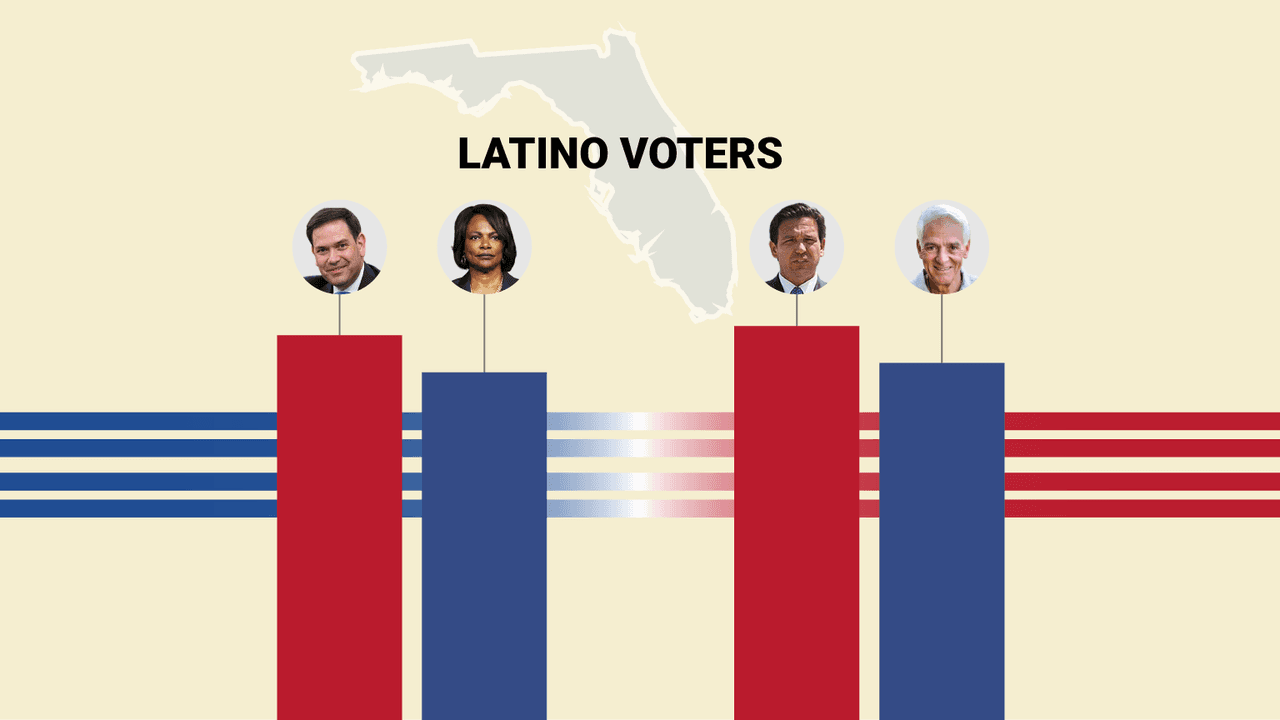
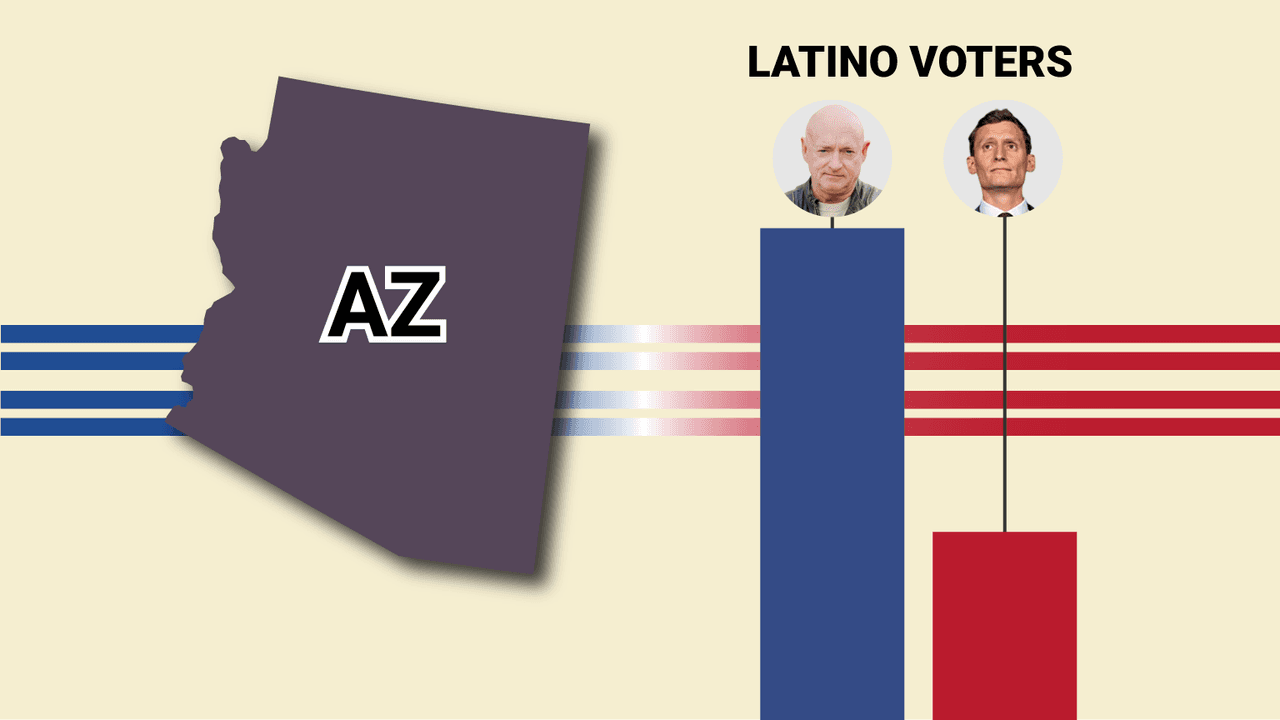
Republicans are performing best with Hispanic voters in the South, including Texas and Florida, where 46 percent of Latino voters say they plan to vote for Democrats, while 45 percent say they plan to vote for Republicans. By contrast, Democrats lead 62 to 24 among Hispanic voters in other parts of the country.
Overall, in recent polls of all voters without ethnic distinction, voters are almost evenly split in their preference for which party should control Congress next year. Biden’s approval rating has risen to its highest in almost a year, while Trump’s favorability has dropped. While 63% said their income is falling behind the cost of living, according to the latest NBC poll, voters also highlighted “threats to democracy” as one of the most important issues.
Experts say economic issues, from inflation to rising interest rates, should give the Republican party a big advantage in November, when incumbents usually do poorly. But Trump’s legal issues, as well as the primary victories of extreme right wing Republicans who have denied the 2020 election results, could limit Democrat losses.