
By Carlos Gutierrez Jr. @cmgutierrezjr and Faquiry Diaz Cala @FaquiryDiaz (*)
Cuba’s “Knowledge Economy”: A Smart Way to Recharge the U.S.-Cuba Relationship
The authors describe a way to propel Cuba’s population and economy from laggards to leaders.

Much of the attention on Cuba following U.S. President Barack Obama’s historic decision on December 17, 2014 to normalize U.S. ties with the island has focused nostalgically on Cuba’s rich past – its crumbling colonial-era architecture, 1950s American cars and world-famous rum and cigars.
Instead, Cuba and U.S. businesses should be looking at the future, specifically, the technological future, as they examine possible investment opportunities and partnerships.
Cuba’s “knowledge economy” – a product of its wealth of skilled university graduates whose technical skills and abilities have been sharpened by material shortages and limitations – provides fertile ground to grow U.S.-Cuban cooperation and enterprise. For example, key opportunities exist not only in the island’s still underdeveloped information and communication technology sector but also in its more established and advanced bio-tech industry.
Cuba’s outdated technical infrastructure – including limited Internet access and connectivity and lagging cell phone and computer usage – offers a golden opportunity to “leapfrog” rapidly into a new generation of technology.
With a combination of the right know-how, high-tech equipment and financing, Cuba’s languishing level of digital and telecoms development can rapidly transform itself into the vanguard of the 21 st century – vaulting from its current and nearly obsolete 2G technology to 5G and version 6 of the Internet protocol (IPv6), and beyond.
“Al decir esta noche mis últimas palabras en el noticiero, me quedé pensando en todo lo que me queda por delante. Después de todo, los periodistas nunca se retiran. Estamos condenados toda la vida a perseguir noticias, a perseguir lo nuevo”.

“El reto de la serie era, en el mejor de los casos, complementar al libro y dar una visión, entre millones, de cómo era la vida en Macondo. Y lo logra. Agradezco las narraciones tomadas íntegramente del libro y las magníficas actuaciones marcadas por las páginas más que por las improvisaciones”.

“En la cabeza de Trump todo conspira para demostrar su poder. Ganó la elección y el voto popular, se desvanecen los juicios en su contra, y legalmente se siente protegido para hacer lo que se le pegue la gana. Se siente en el tope. Es en este contexto que Trump amenazó con la imposición de aranceles contra México, Canadá y China”.

“Duele pero hay que decirlo: en México nadie sabe cómo detener la violencia. Si lo supieran, ya lo hubieran intentado. Lo que hemos visto desde la época de Felipe Calderón, cuando se declaró la guerra contra los narcos, son distintos experimentos -todos fallidos- para enfrentar la violencia”.
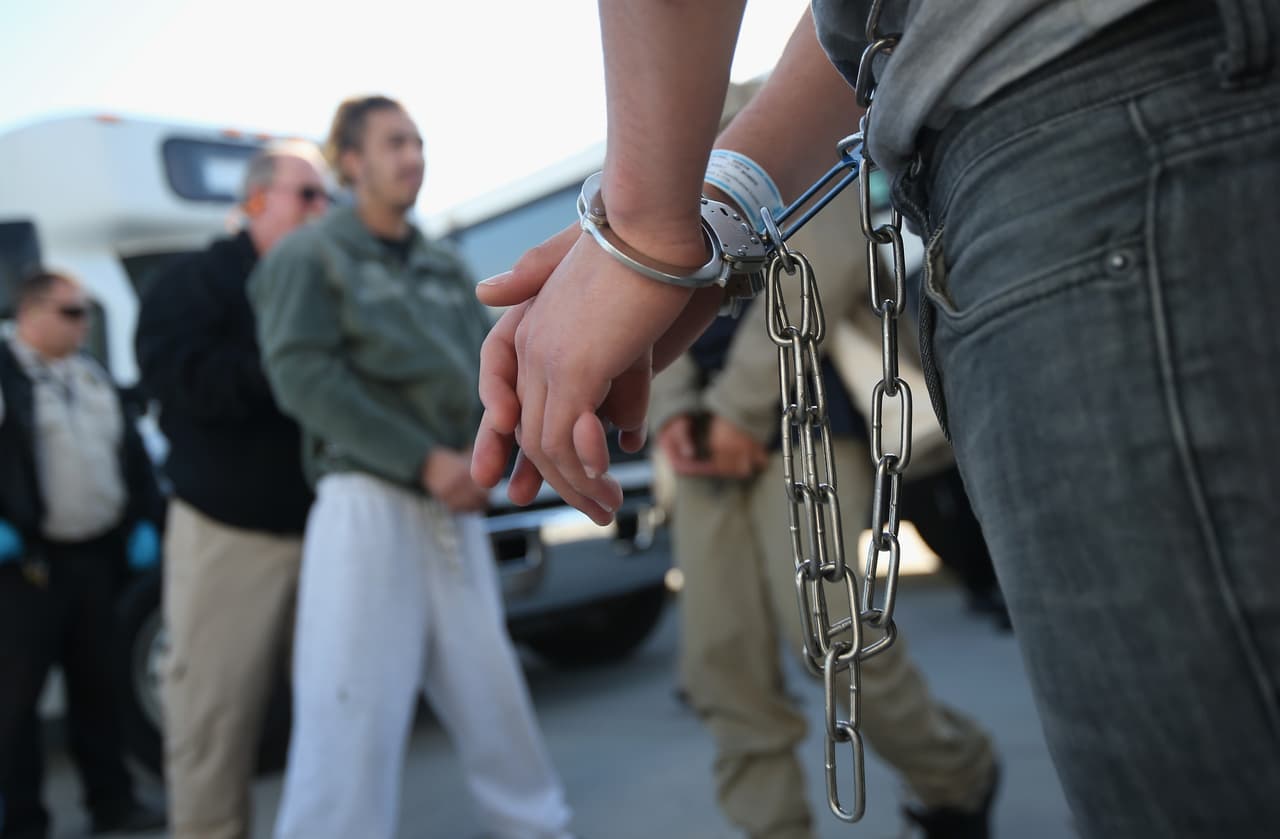
“Causarán un daño irreparable a miles de familias y a la economía estadounidense. No se trata de expulsar a los indocumentados sino de integrarlos a este país. Sería mucho más barato y efectivo. Pero Trump y sus asesores solo se oyen a sí mismos”.
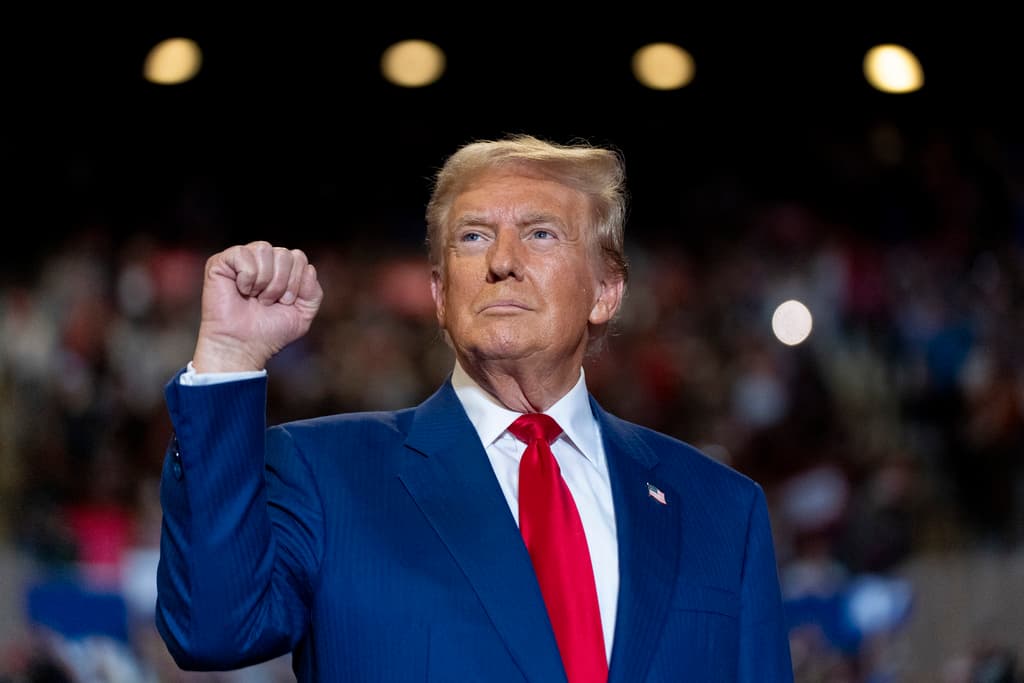
“Hay mucho que negociar antes que Trump tome posesión el 20 de enero. Pero el peligro de deportaciones masivas, aranceles y hasta de operaciones militares en su territorio ha puesto en alerta a la nueva presidenta de México. Sheinbaum y Trump ya hablaron y se dijeron esas cosas huecas que se dicen los presidentes por teléfono”.

“La realidad es que cada vez hay más votantes latinos. Este año hay 36.2 millones de hispanos elegibles para votar, casi cuatro millones más que en 2020, según el centro Pew. Y aunque no todos van a salir a votar, los que lo hagan serán suficientes para definir quién será el próximo presidente o presidenta de Estados Unidos”.
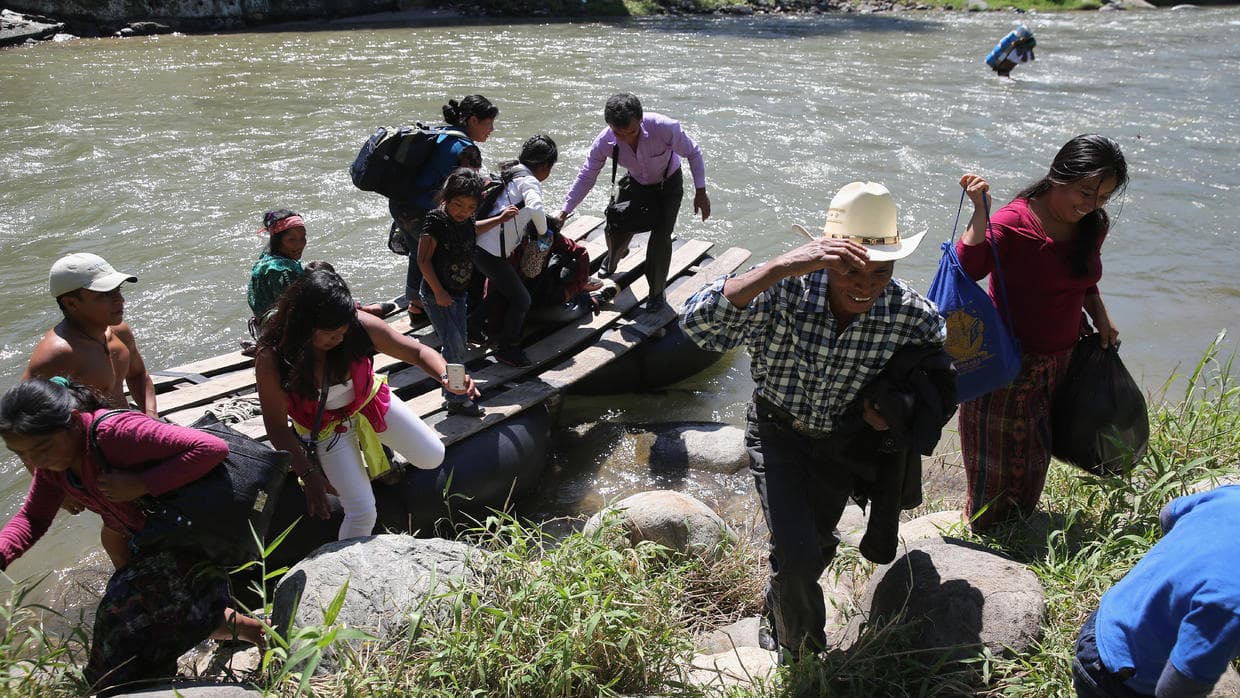
“Gane quien gane la elección en Estados Unidos, las cosas van a empeorar para los recién llegados. Los inmigrantes son el enemigo perfecto en esta campaña electoral. Son muy vulnerables, lo dejaron todo en su país de origen y no se pueden defender de los ataques injustificados de los políticos que solo quieren ganar votos”.
"En este caso, nos toca apuntar y corregir todas las mentiras que Trump ha dicho -y que sigue diciendo- sobre los inmigrantes, sobre la insurrección del 6 de enero del 2021 y sobre todos los esfuerzos ilegítimos por negar los resultados de las elecciones del 2020. Las democracias mueren, primero, desde dentro".
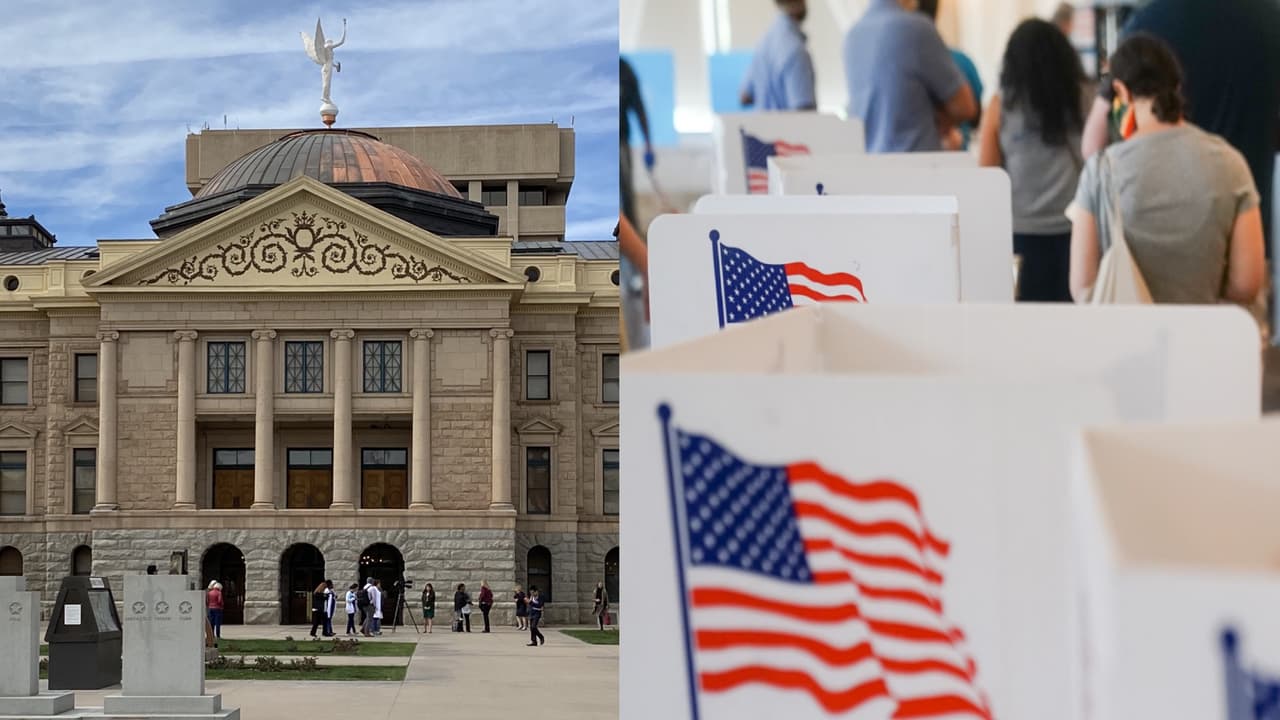
"A los 14 años, vi a mi familia y a mi comunidad y me dije: hay un futuro mejor para nosotros; podemos progresar y las cosas pueden mejorar. Todo lo que hago y lo que soy tiene sus raíces en mi comunidad latina, y me llena de humildad poder llegar a representar a nuestra comunidad en el Senado. Es un deber que asumiré con orgullo y mucho honor." Read this content in english.
The United States, as partner rather than foe, is ideally situated to provide Cuba with technical assistance, technology transfers, and financial impetus to propel the island’s population and economy from laggards to leaders.
Ordinary Cubans are ready to make the leap.
“Necessity is the mother of invention” goes the old saying. In Cuban Spanish, it’s known as “resolviendo” or “getting by.”
Home-grown tech entrepreneurs have sprouted within Cuba’s self-employed private sector, mending mobile phones, installing apps and compiling and distributing the off-line “paquetes”, or recorded TV soapies, films, apps and other offerings that provide ordinary Cubans with a window into today’s online world.
Among the Cuban diaspora too, young “techies” and entrepreneurs are creating websites and services that aim to be sustainable businesses which can help break down the human, technological and information barriers still separating the population on the island from the rest of the world. The Revolico classified sales site and the Fonoma mobile top-up site are some examples of these.
Another rewarding relationship could be forged between Cuba’s healthcare services and biotechnology sector, which punch way above their weight internationally, and deep-pocketed U.S. healthcare and pharmaceutical corporations that have years of tried-and-tested experience in conducting clinical trials and bringing promising new products to market.
The performance of Cuban medics in Haiti’s 2010 post-earthquake cholera outbreak and in West Africa’s 2014 Ebola epidemic has given global branding to the island’s healthcare and pharmaceutical export potential. Yet, Cuban expertise and creativity urgently need to plug into better quality control, registration and patenting, as well as financing, all of which the U.S. could provide with abundance.
In the absence of a full lifting of the embargo, which remains in the hands of a fractious U.S. Congress, U.S. regulations modified to reflect President Obama’s new Cuba policy already make it easier for U.S. companies to provide commercial telecoms and Internet services to the island. This includes permission for the export of personal computers, mobile phones, televisions, memory and recording devices, and for the setting up of joint ventures with Cuban entities.
Major U.S. tech companies like Google and a host of smaller players are already offering to help Cuba unlock its “knowledge economy”. Cuba’s government should not allow backward-looking suspicion and mistrust to block this opportunity to receive a growth-boosting injection of high-tech equipment and know-how from the country that has produced Google, Apple and Uber.
In stretching out a hand of friendship to Havana, President Obama has opened a window into a future of communication and cooperation not only between the governments of both nations but between their peoples too. Cuba’s close proximity to the United States, its existing knowledge economy, a skilled and prosperous diaspora, and the island’s budding entrepreneurial class are factors that can facilitate such cooperation.
Government officials, entrepreneurs, and non-profits can work together to create mutually beneficial “knowledge economies”, drawing on the best of the creative capacity of the brightest and most talented on both sides of the Florida Straits. A concerted effort to jump start partnerships and investments in Cuba’s technology and knowledge sectors is not only logical, but can serve as a focal point to help bring U.S.-Cuba relations squarely into the 21st century. Such an effort can benefit both nations, the world, and, most importantly, ordinary Cubans and Americans.
It is most certainly worth a try.
(*) Carlos Gutierrez Jr. is a US based lawyer and investor, and Faquiry Diaz Cala is a Cuban born US based investor.
Disclaimer: We selected this Op-Ed to be published in our opinion section as a contribution to public debate. The views and opinions expressed in this column are those of its author(s) and/or the organization(s) they represent and do not reflect the views or the editorial line of Univision Noticias.