In photos: They take care of older adults; these are their stories
Taking care of an elderly person is a stressful, full-time job for many women everyday. Some programs can help to alleviate the physical and emotional burden.
Latinos make up 21 percent of the 40 million family caregivers in the country.
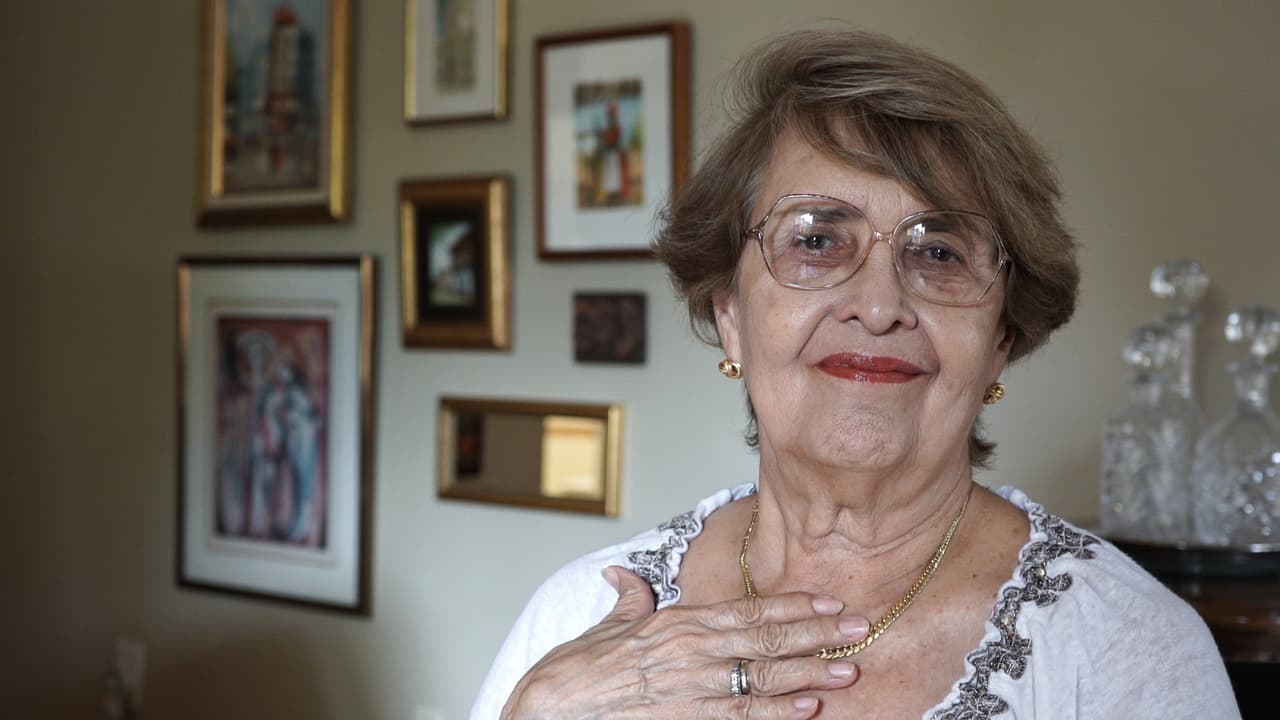
Belkis Nieto is one of them. She has been taking care of her husband since he was diagnosed with Alzheimer's five years ago. "I knew I couldn’t do this alone, that I would need help," she says. For her, belonging to a support group was the key to educating herself about the disease and to providing better care for her husband.
Ana María Rodríguez
PUBLICIDAD
2/13
“Never in my life would I have thought I’d fall into this situation because my husband was always very active,” says Nieto. Every day more families assume the task of caring for a relative with Alzheimer's. Data from the CDC reveals that
while the number of deaths from Alzheimer's in hospices fell by half between 2004 and 2014, the percentage of people who died of Alzheimer's at home rose from almost 14 to 25 percent.
Ana María Rodríguez
PUBLICIDAD
3/13
The psychological, physical and economic burden on caregivers can be devastating, which is why there are programs designed to help. Nieto learned about the
Respite Services program in the support group she attends. This initiative pays for a professional caregiver for four hours a day, during which she goes to the gym, the market or the pharmacy. "The exercises are what keep me more active and above all mentally more receptive, more alert to take care of him," she says.
Ana María Rodríguez
PUBLICIDAD
4/13
When Nancy Aponte arrived to the U.S., Alejo Conde and his wife welcomed her into the family like an "adopted daughter." So when Conde's wife died, Aponte didn’t hesitate to offer to take care of him. He was
diagnosed with Alzheimer's. "There were many things that I didn’t know how to handle, that I could not understand," she says.
Ana María Rodríguez
PUBLICIDAD
5/13
"Alejo loves to dance," says Aponte, happily, adding that she learned to manage his illness in trainings given by
SunnySide Community Services, a community center that offers programs for seniors and their caregivers in New York City.
Ana María Rodríguez
PUBLICIDAD
6/13
For the past five months, professional caregiver Elsa Escalar takes care of Alejo during the week. When taking care of the elderly, she says, it’s essential "to have a lot of patience, a lot of understanding, charity and mercy."
Ana María Rodríguez
PUBLICIDAD
7/13
Elsa Escalar began working as a caregiver eight years ago. "In this type of profession you don’t do it to earn money, you do it if you really feel it … if it comes from your heart.”
Ana María Rodríguez
PUBLICIDAD
8/13
Tania Yanes cares for her mother, Blanca Rosa Rivera, who has Alzheimer's. "It is normal to be depressed taking care of a person with this disease," she confesses. Family caregivers tend to feel the emotional and economic burden when taking care of a loved one.
On average, a Latino family spends 44 percent of their annual income caring for relatives, according to a
2016 report. The monthly out-of-pocket expense is $7,000 or more, depending on whether their elderly relative lives with the family at home.
Heidi de Marco/Kaiser Health News
PUBLICIDAD
9/13
Twice a month, Tania attends a caregiver support group in Canoga Park, California. The sessions have helped her to better serve her mom and to cope with the stress of being responsible for her.
Heidi de Marco/Kaiser Health News
PUBLICIDAD
10/13
According to a
poll by The Associated Press and the NORC Center for Public Affairs Research, 49 percent of Hispanic caregivers said their savings had been reduced by covering the cost of caring for a family member.
Heidi de Marco/Kaiser Health News
PUBLICIDAD
11/13
For caregivers like Bárbara Márquez, expenses multiply when sending a relative to a
senior care facility. Her mother, 85, lives at Sagebrook Senior Living Home in Carmichael, California.
Heidi de Marco/Kaiser Health News
PUBLICIDAD
12/13
"The decision to move her to a care facility was very difficult for the family," she says, in tears.
Heidi de Marco/Kaiser Health News
PUBLICIDAD
13/13
Florence Márquez was diagnosed with Alzheimer's eight years ago. She lived in the same house for 50 years but one day she couldn’t find her way back home.
One in three people over 80 have dementia or Alzheimer's. By 2050, the average life expectancy for Hispanics will be 87 years.
Estimates predict there will be 200 percent more elderly Latinos in 2030 than today.

 1/13
1/13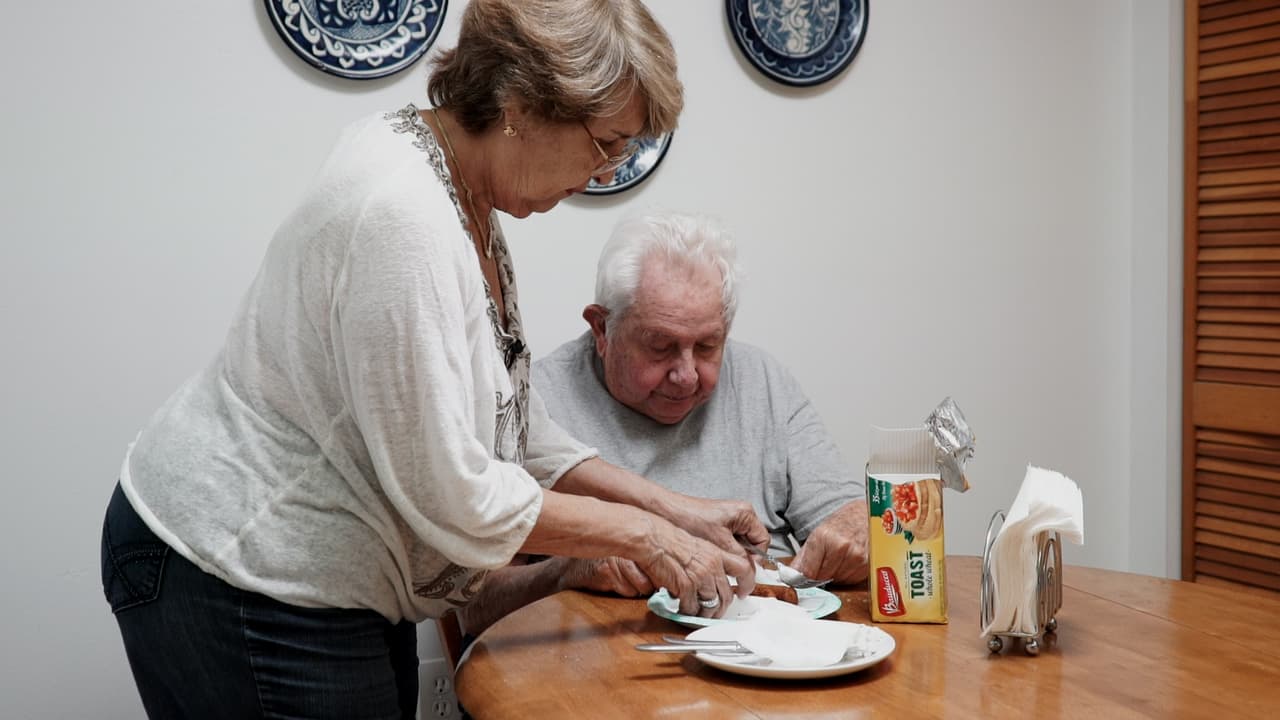 2/13
2/13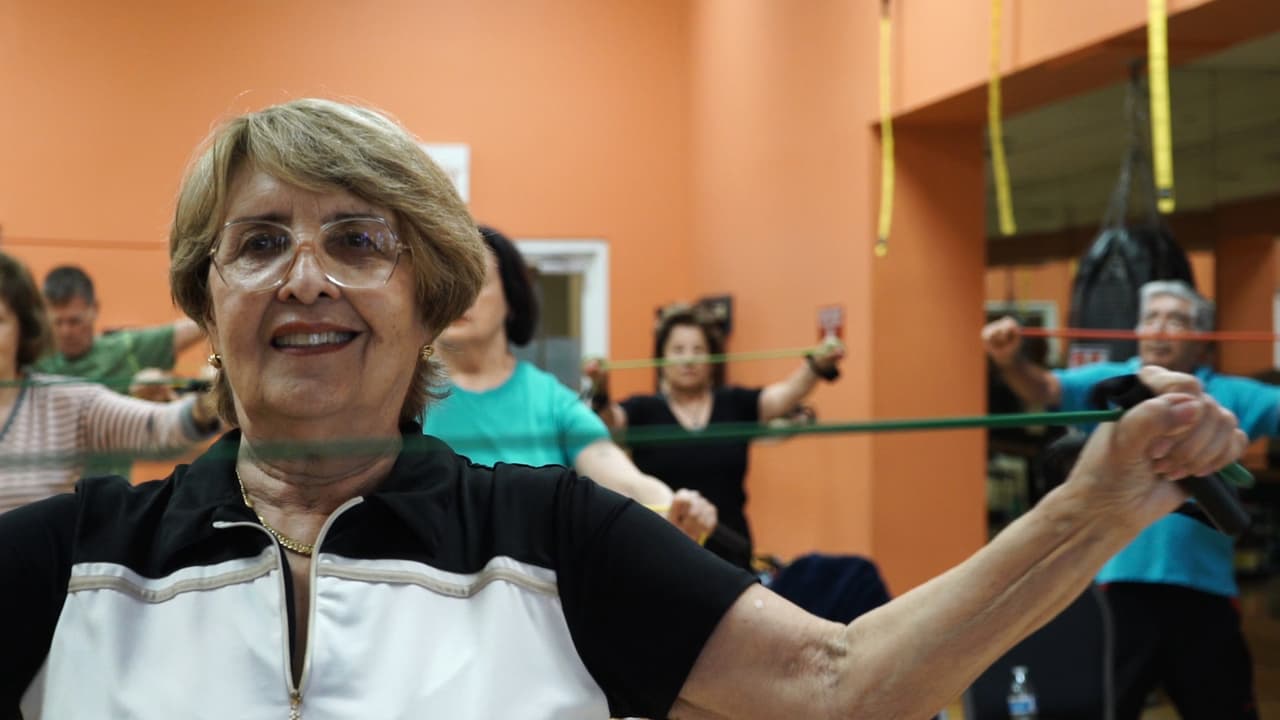 3/13
3/13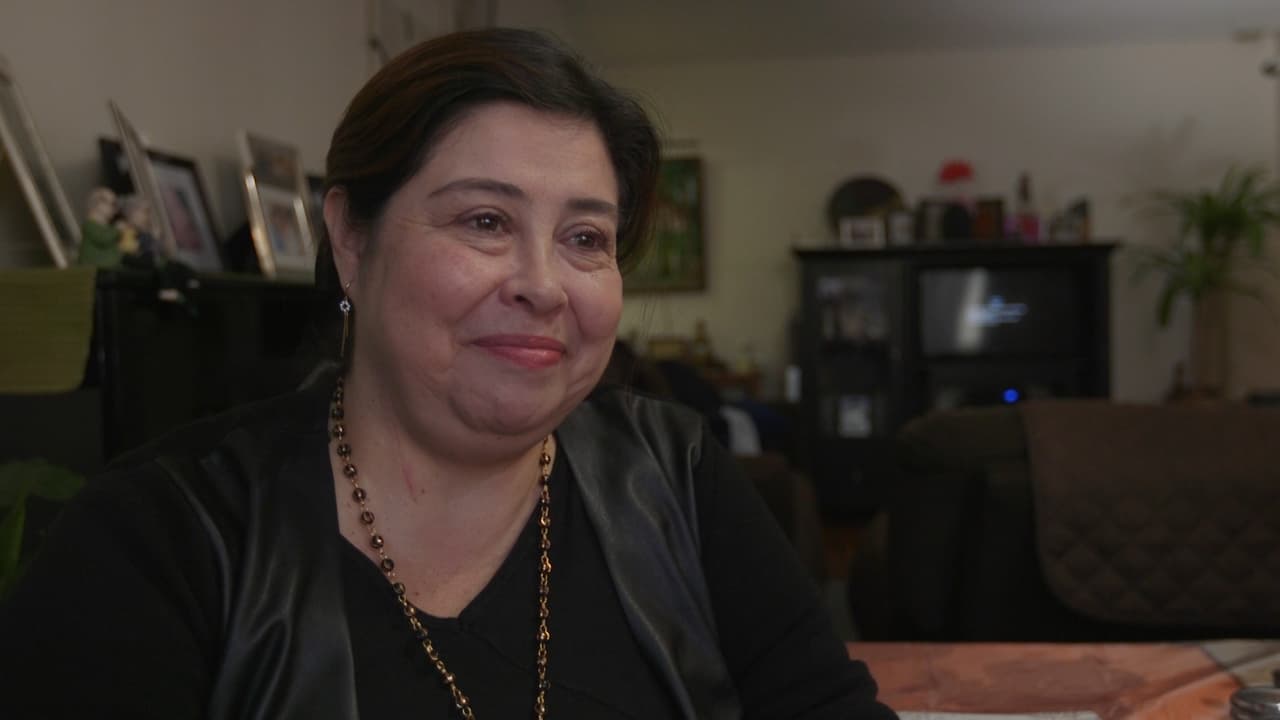 4/13
4/13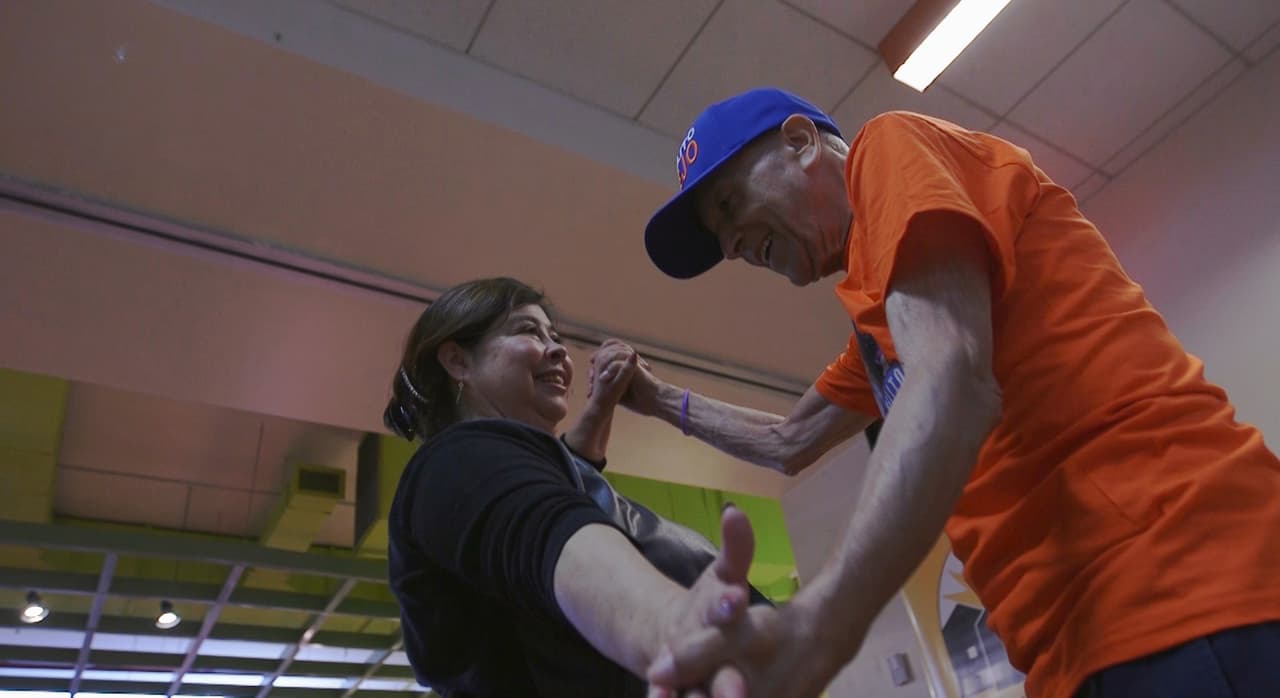 5/13
5/13 6/13
6/13 7/13
7/13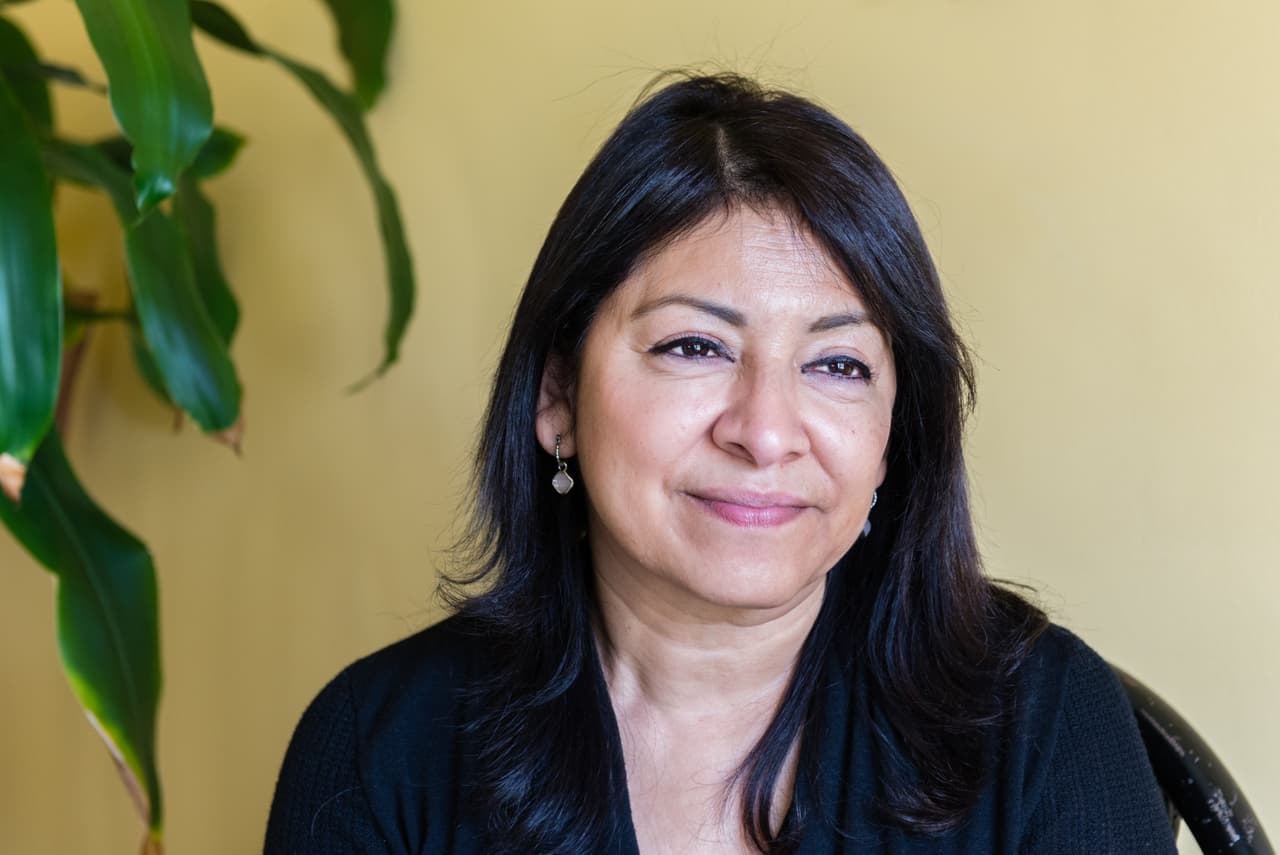 8/13
8/13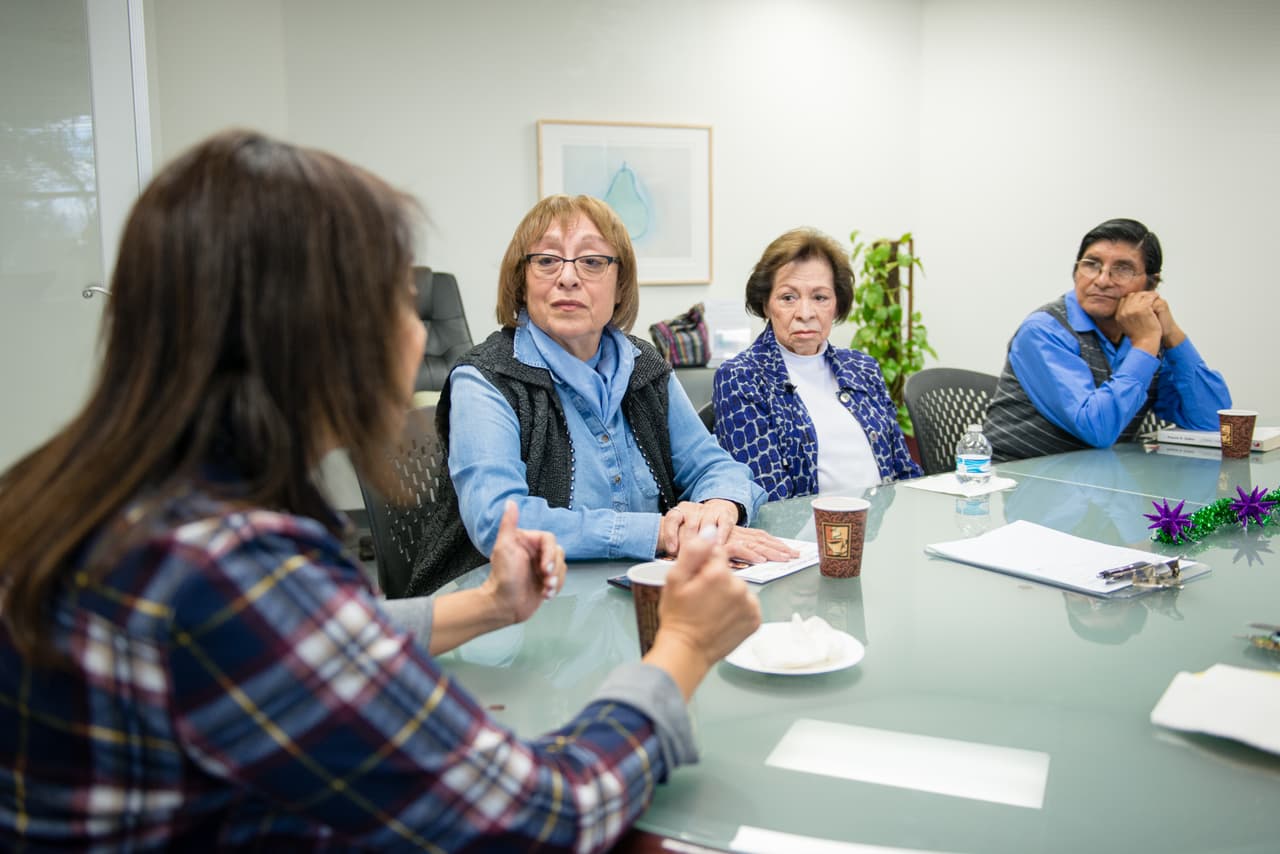 9/13
9/13 10/13
10/13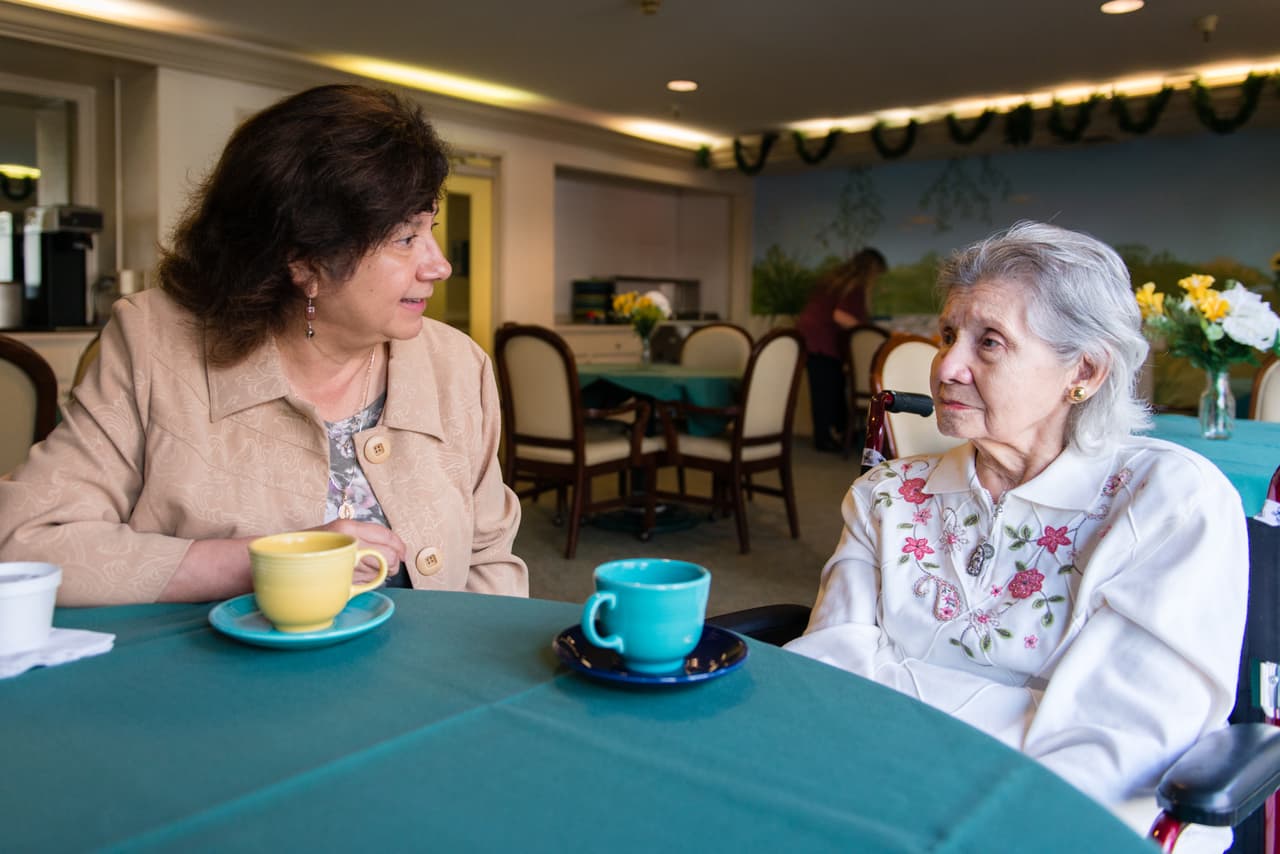 11/13
11/13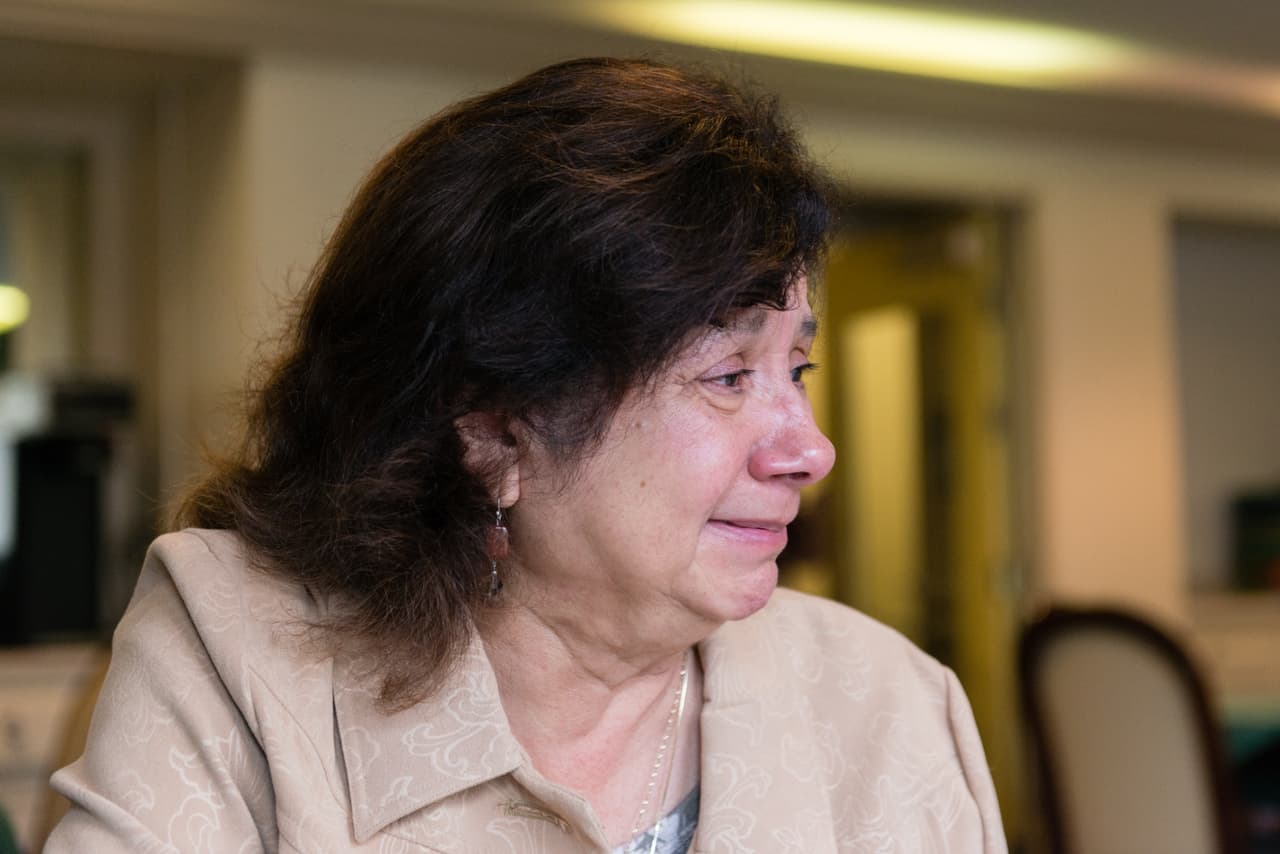 12/13
12/13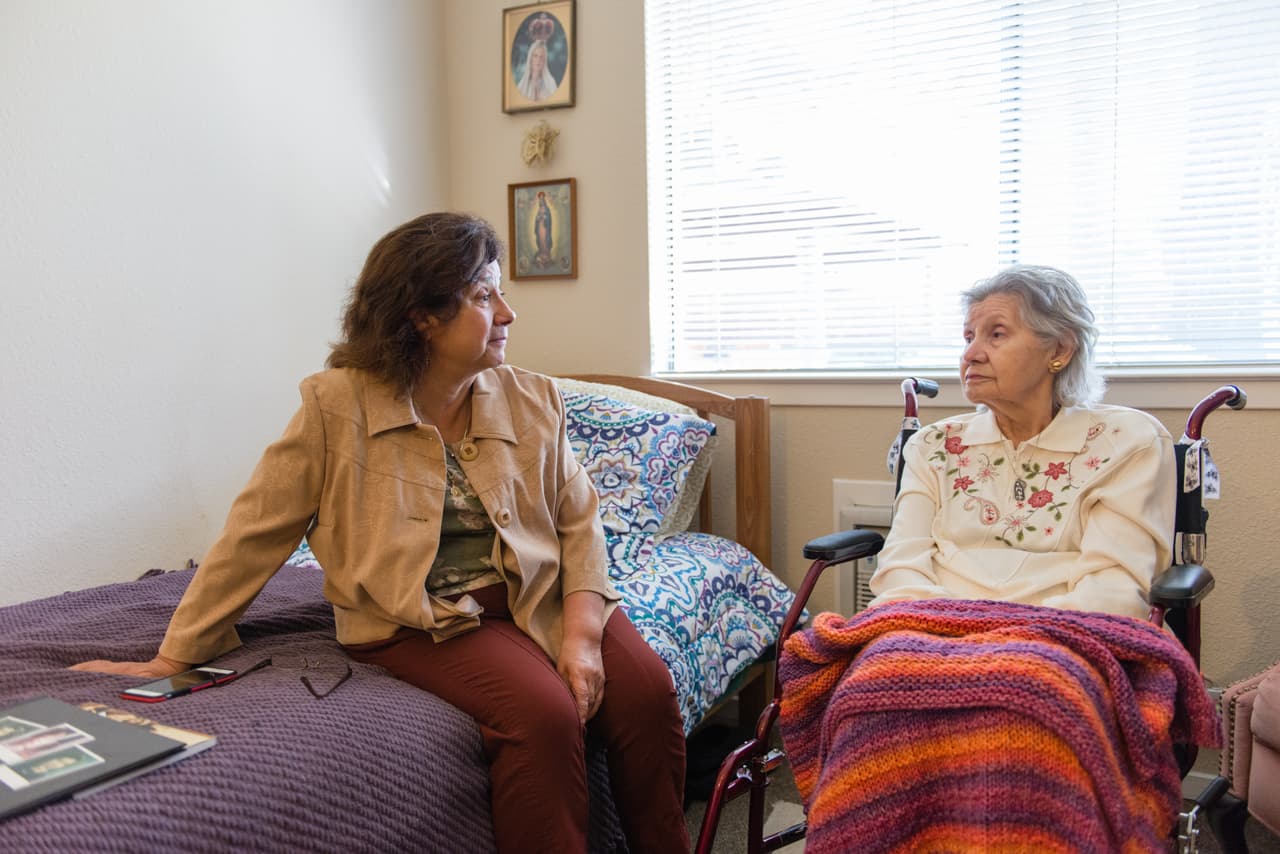 13/13
13/13