The Shibayama case: a deportation from Peru, a concentration camp in the U.S. and an ongoing quest of justice
Despite not committing any crime, a Peruvian Japanese man was deported from his native Lima and forcibly relocated to the U.S., where he was interned in a concentration camp and later lived as undocumented immigrant. Seventy-five years after his imprisonment, his family in California continues to fight for justice.

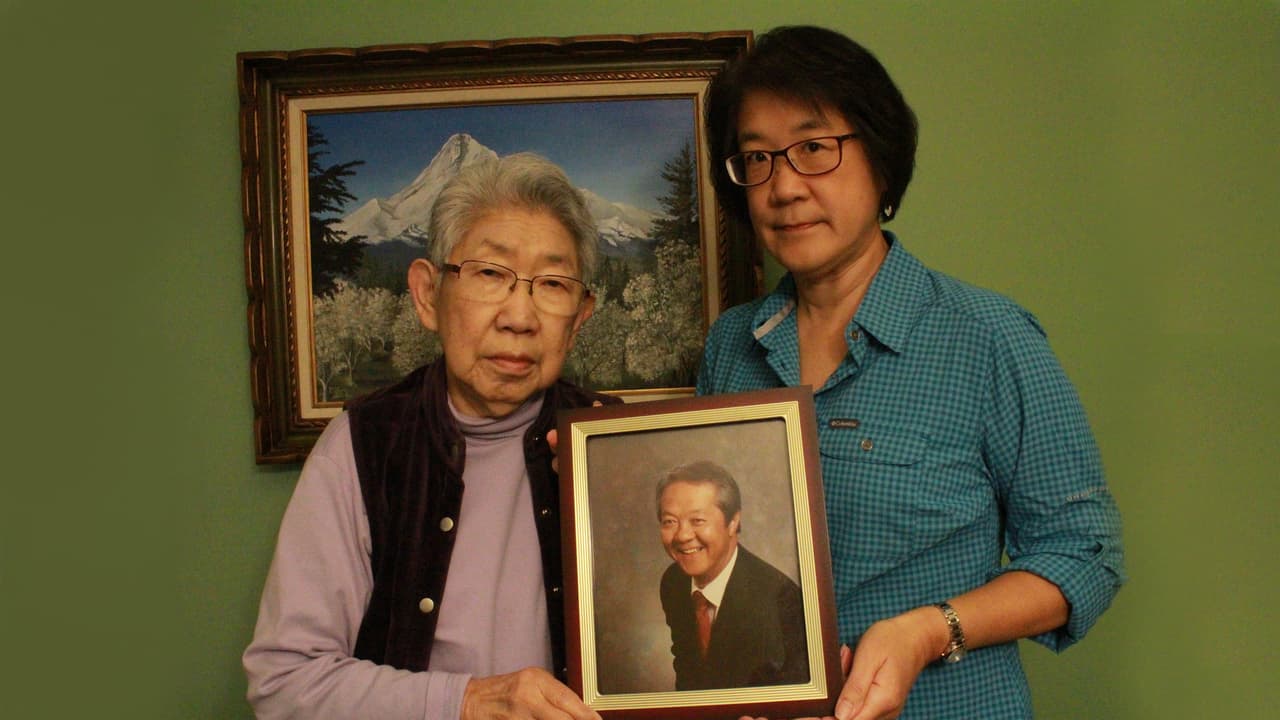
SAN JOSE, California. – For more than twenty years, a family in the Silicon Valley has been demanding a formal apology and reparations from the U.S. government for the internment of one of its members in a concentration camp during World War II. Although, the former prisoner is now deceased, his widow and daughter could soon hear a resolution to their decades-long quest for justice.
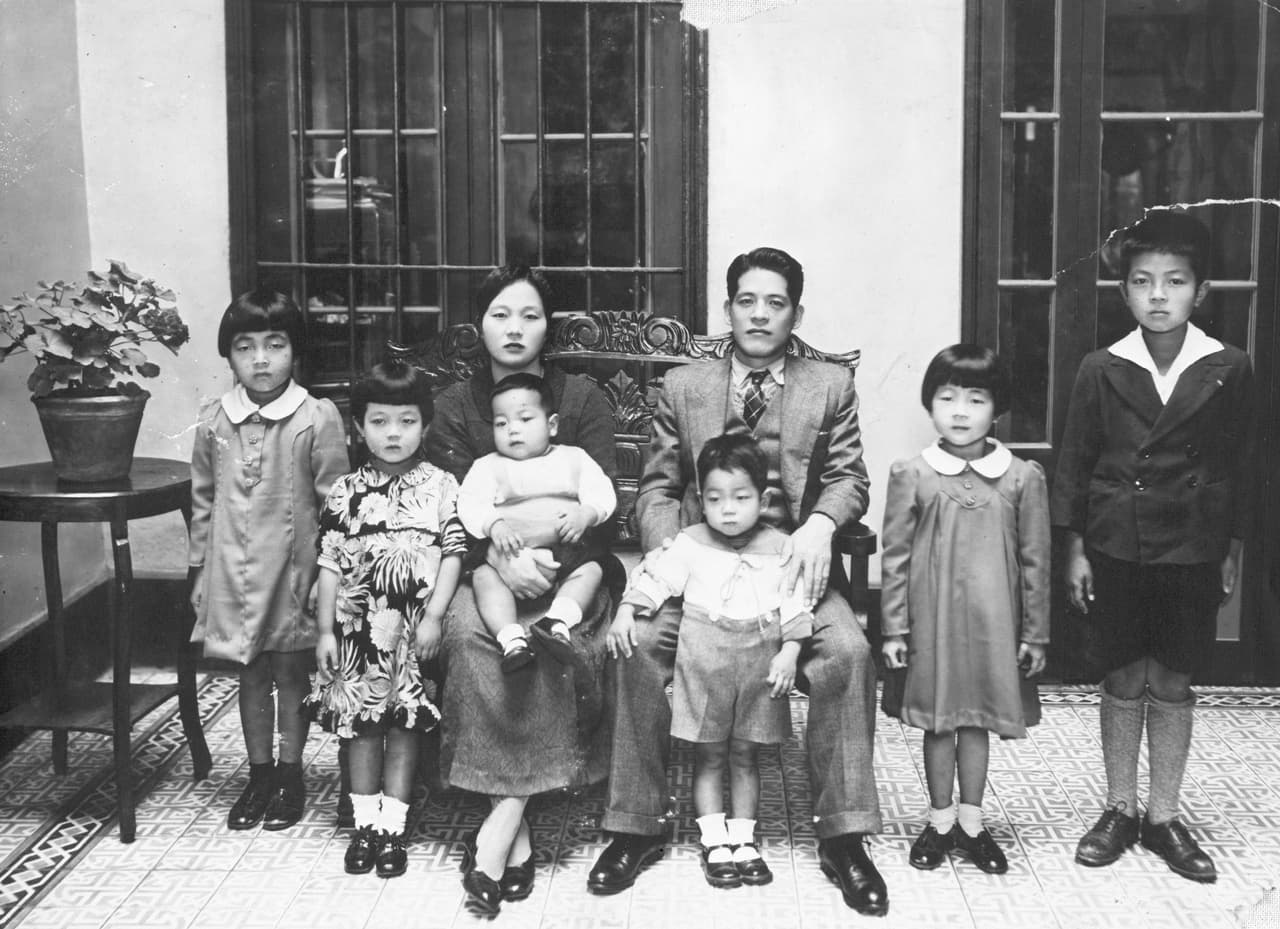
Carlos Arturo Isamu Shibayama was born in early June of 1930 in Lima, Peru’s capital. During the early years of his childhood, Carlos frequented the port of Callao, the first destination for thousands of Japanese searching for a better future on the other side of the Pacific Ocean. Indeed, the fortunes of the Shibayama family represented the quintessential immigrant dream in Peru.
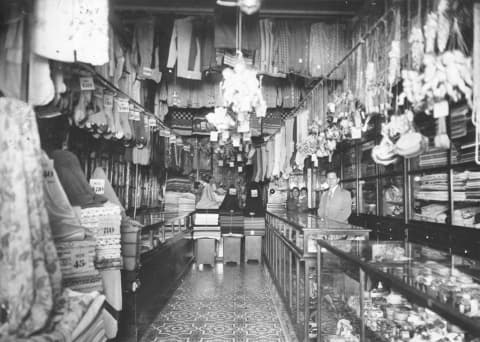
After nearly a decade of entrepreneurial success, that included the opening of a coffee shop, a bakery and a dress-shirt factory, Carlos and his relatives climbed their way up to the most privileged class of the Peruvian caste system.
In 1939, across the Atlantic, Adolf Hitler and his troops invaded Poland dishonoring the Treaty of Versailles and unleashing years of chaos and war in the European continent. Author Jan Jarboe Russel writes in her book The Train to Crystal City, that by 1940, J. Edgar Hoover, then director of the Federal Bureau of Investigation (FBI), had ordered the surveillance of pro-Nazi Germans and people of Japanese descent in Latin America. The growing Asia population, according to former President Franklin Roosevelt, posed a threat to the strategically important Panama Canal, then owned by the U.S.
In 1941, the Japanese Empire attacked the naval base in Pearly Harbor, Hawaii, killing more than 2,400 Americans. Soon after, Roosevelt signed Executive Order 9006 which his government used to forcibly relocate and detain tens of thousands of Japanese Americans living in the West Coast. In Latin America, a program overseen by Hoover would also lead to the deportation of hundreds of Latin Americans of Japanese descent to the U.S.
“Peruvian officers went after my grandfather, because his name was on the black list. My grandfather would go into hiding in the mountains,” said Carlos’ daughter, Bekki Shibayama, who lives in San Jose. “That’s how they avoided arrest for about a year or two.”
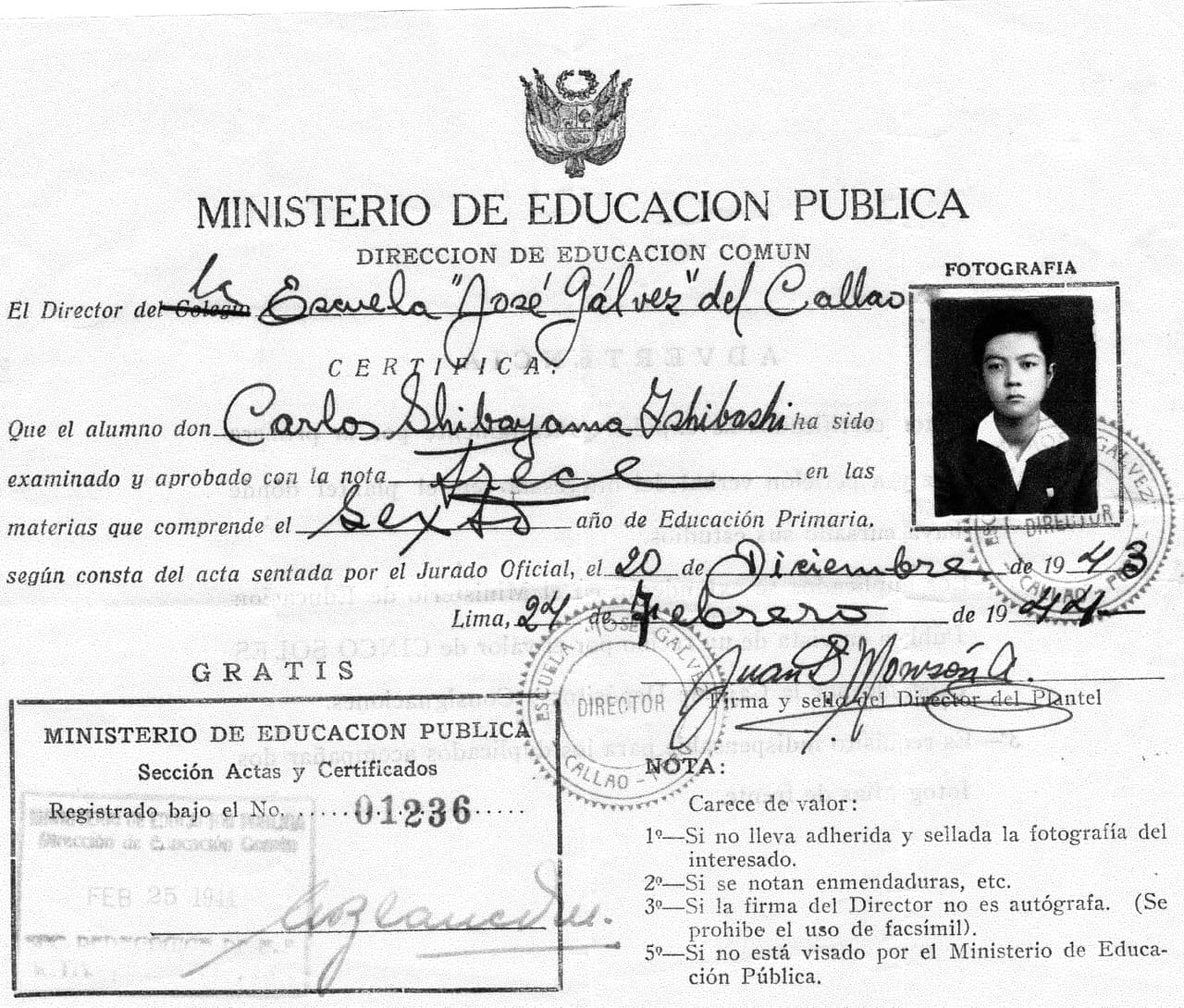
Carlos graduated from a Callao-based Japanese Peruvian elementary school in 1943, despite risking a potential arrest for his father. The economic prosperity of the Japanese diaspora—in addition to Japan’s alliance with Nazi Germany during the war, exacerbated xenophobic sentiment in Peru. The businesses of Japanese Peruvians were looted and seized. In 1944, Carlos’ father was arrested.
“When they arrested my grandfather, they released my grandmother and my aunt,” Bekki said. “But when it was time to deport him, they shipped them all.” The Shibayama family was forced to board the USAT CUBA, which set sail to New Orleans from Callao, the setting of Carlos’ most cherished childhood memories.
Crystal City and the end of the war
The Roosevelt administration had a clear strategy. The people of Japanese and German descent deported from Latin America and interned in the U.S. were to be used as part of a hostage exchange program during the war—and once it was over, to free Americans detained in enemy territory. It is estimated that 80 percent of the more than 2,000 Latin Americans forcibly relocated to the U.S. were from Peru. Among them, Carlos, his five siblings and his parents. The journey to the Algiers detention center in New Orleans lasted 21 days for them.




“When they got off the ship, they [American authorities] took them to a warehouse and sprayed them DDC [an insecticide]. Fusa [Carlos’ sister] said they took a shower and boarded the train,” Betty, former prisoner of Tule Lake internment camp in northern California, said, referring to the arrival of Carlos and his family to the U.S. “She thought they were going to be shot, but once she saw some Japanese girl scouts, she knew they would not be killed.”
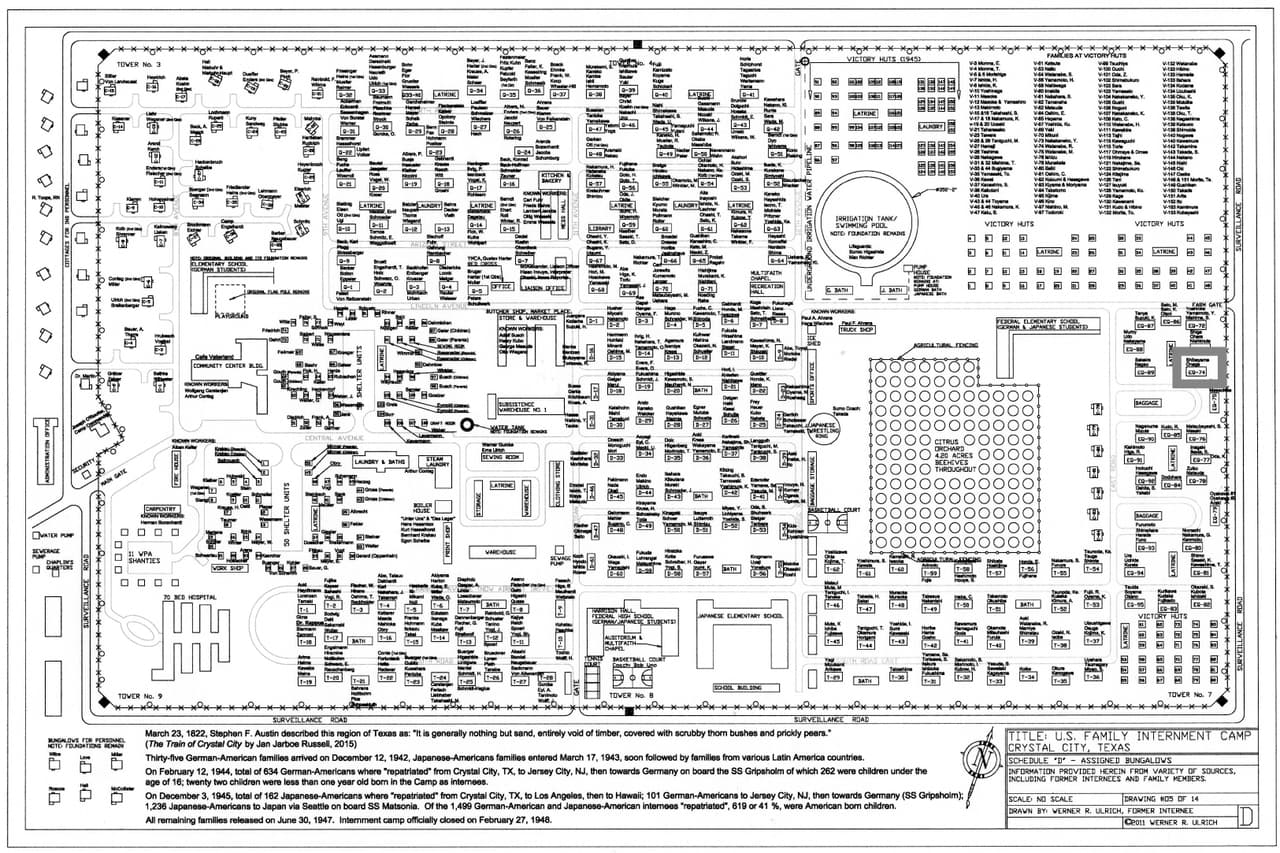
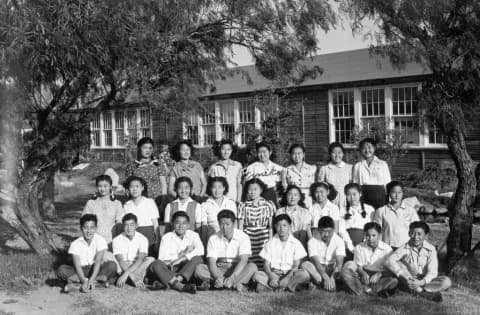
The final destination of the Shibayama family was Crystal City, Texas, located about 50 miles north from the U.S.-Mexico border. According to a book about the 50th anniversary of Crystal City, 290 acres of land surrounded by fences and surveilled by armed officers welcomed Carlos and his family. During the admission process, the prisoners had no right to legal representation, nor did they know the reason of their detention. The period of interment in Crystal City was undetermined.
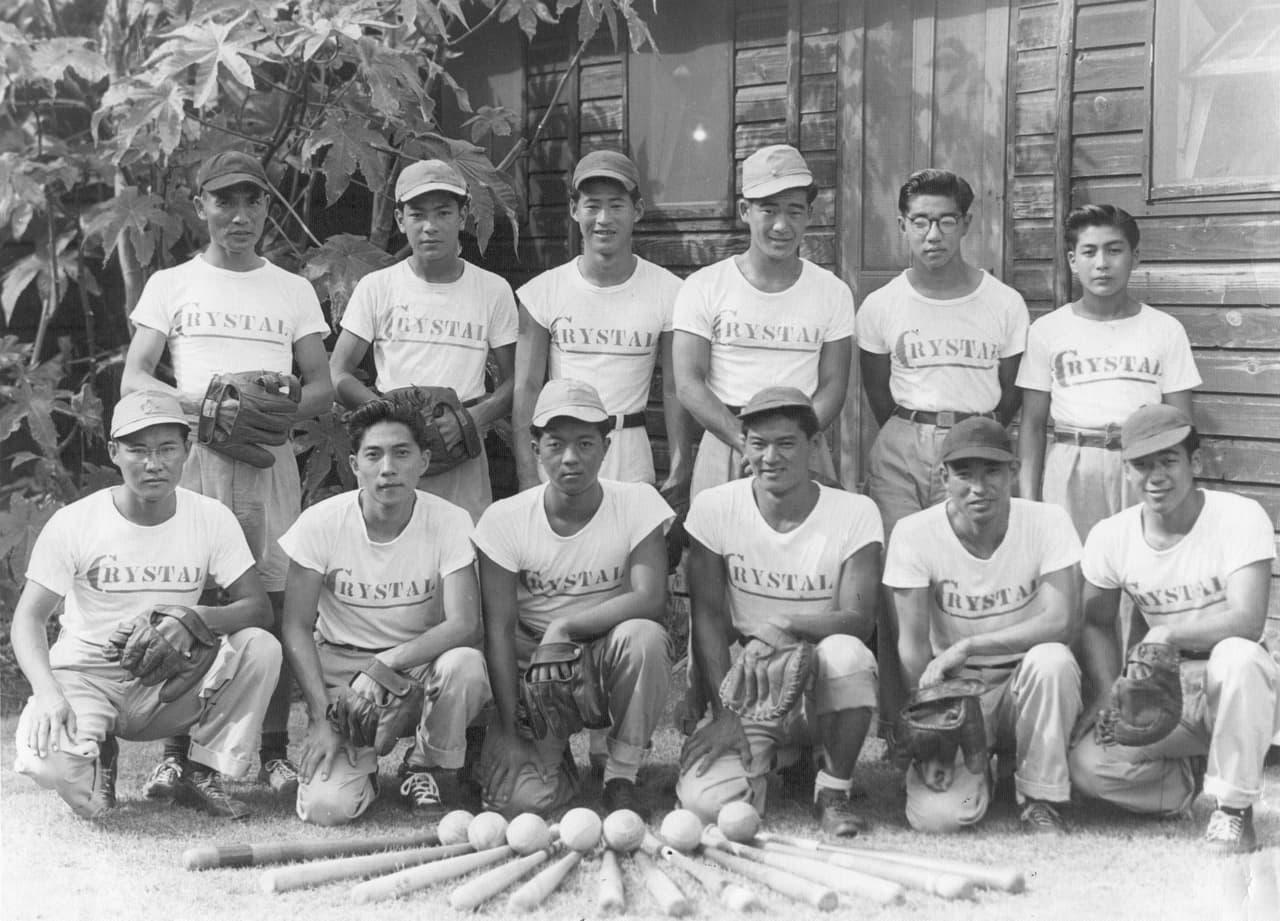
During the World War II, there were more than 30 concentration camps in the U.S. and over a dozen in California. The political and racial tensions in Crystal City were largely rooted in the diversity of its Japanese, German and Italian internees. The small civilization operated a communal kitchen and library, as well as soccer and baseball fields. Meanwhile education was offered at three types of schools: Japanese, German and Federal, also known as American.
“My father went to the Japanese school which was taught in Japanese,” Bekki said. “His father planned that after the war they would move back to Peru. So, he didn’t see any reasons why to learn English.”
When the war ended in 1945, uncertainty still loomed over the Shibayama’s since the then Peruvian president Manuel Prado Ugarteche denied the return of those who had been deported to the U.S. Would they have to start a new life in Japan, a country that had been reduced to rubble?
Undocumented and the path to California
In light of the Peruvian government’s rejection, the Shibayama family remained in the U.S., despite the difficulties. They live in the country as undocumented immigrants. How was this possible? If the Shibayama’s were, after all, arrested, deported and transferred to a concentration camp against their will and had no committed any crime.
After the end of the war and two and a half years of coexistence in Crystal City, Wayne M. Collins, a lawyer from the American Civil Liberties Union (ACLU), advocated on behalf of the Shibayama’s and helped them secure jobs at food packaging plants in Seabrook, New Jersey. Carlos and his family, on parole, moved to the east coast.
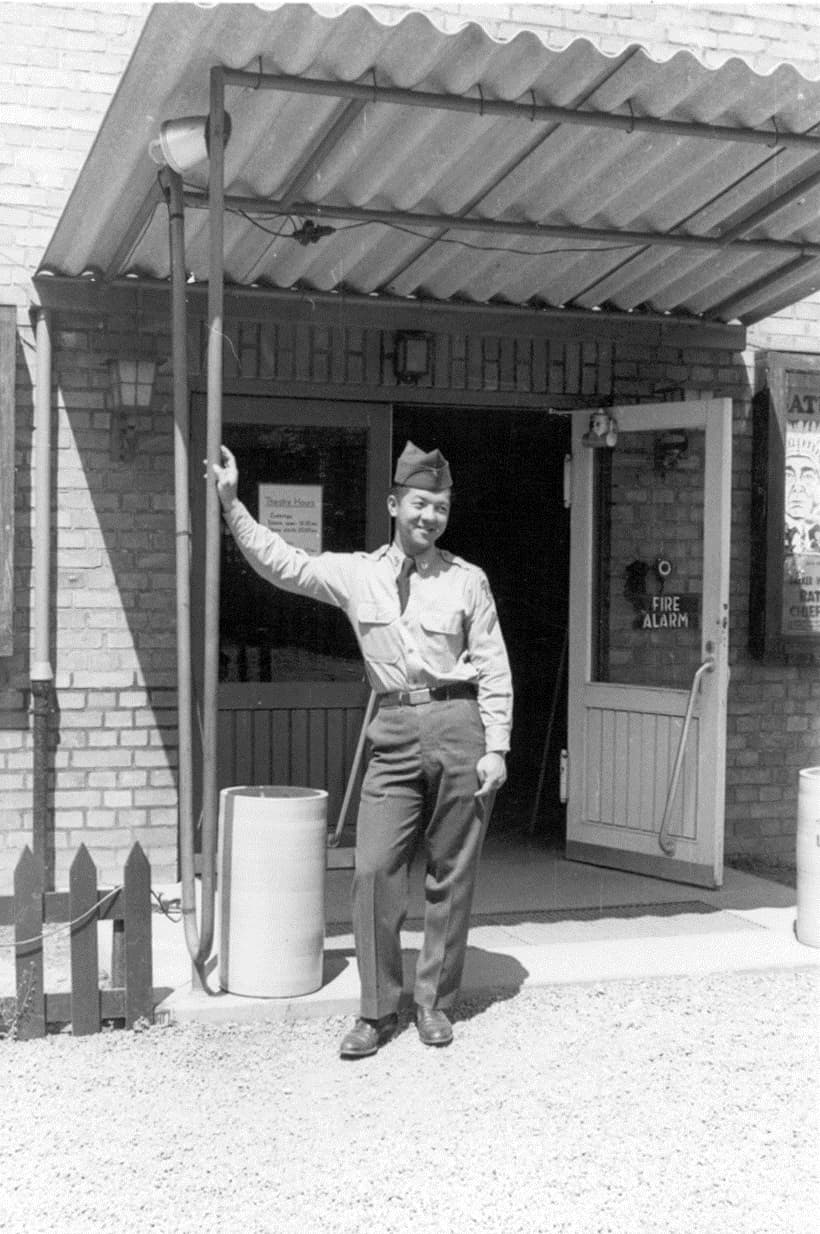
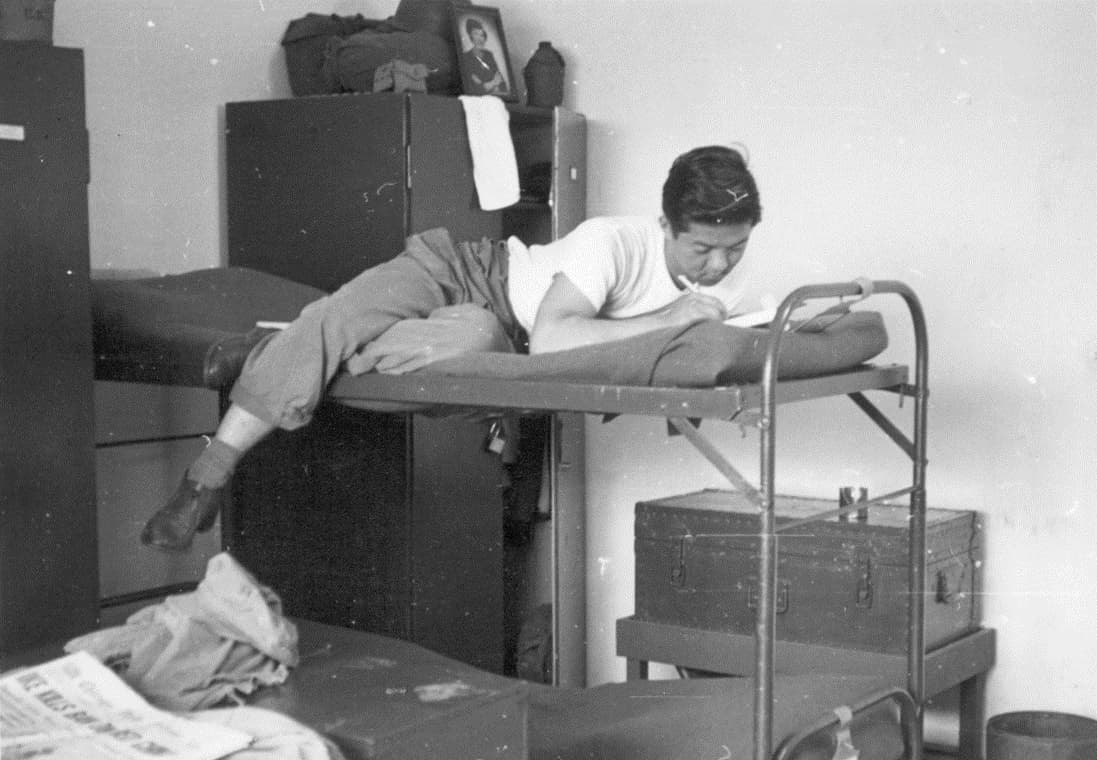
Carlos was paid 30 cents per hour of which 30 percent was taxed. The family moved again, this time to Chicago, where Carlos met Betty, his future wife. Despite being an undocumented immigrant, Carlos was drafted by the U.S. Army during the Korean War in 1952.
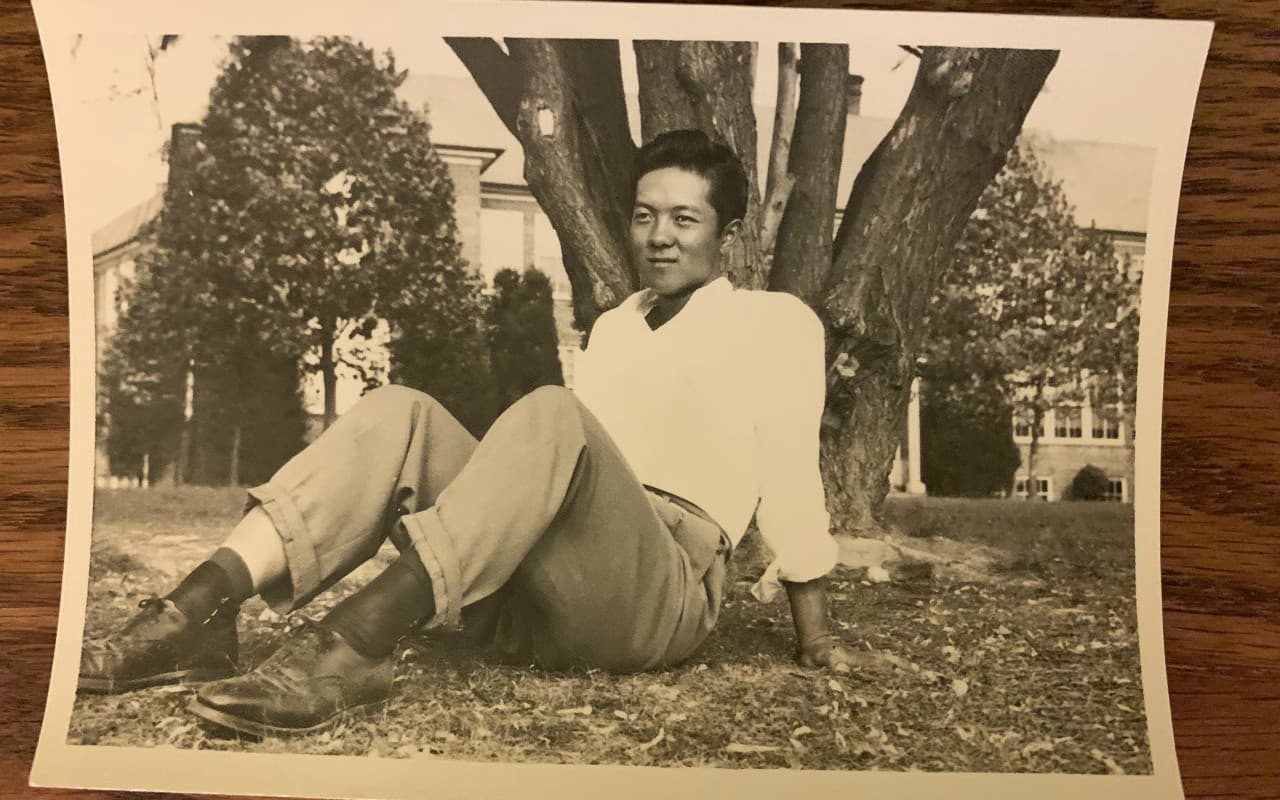
Four years later, Carlos obtained his permanent residency and by 1970, the same year he and his family settled in California, he had become a U.S. citizen. On paper, he was no longer Carlos Arturo Isamu Shibayama; his new name was Art Shibayama. This was perhaps an effort to disassociate himself from the past.
“He thought he had a lot of lost opportunities,” Bekki said. “When he was living in Peru he had a bright future because he would take over the family business. And all that was stripped away.”
The fight for justice continues
The Shibayama’s have been residents of San Jose since the seventies. Here, Art owned a gas station named Shiba’s Shell Inc., a business which gave his family financial stability for 16 years. However, the wounds of a tragic deportation from Peru to the U.S. persisted.
In August of 1988, President Ronald Reagan formally apologized for the relocation and detention of thousands of Japanese-Americans in concentration camps during World War II. Each detainee received $20,000 in reparations as part of an agreement with the government. The Japanese descent deported from Latin America, however, were excluded from the settlement.
Five former Latin American Japanese prisoners filed a lawsuit in a California court demanding equal reparation as Japanese-Americans in 1996. The Bill Clinton administration offered acknowledgement of wrongdoing and $5,000 in reparations. Art did not accept, and his family approved his decision.
“I agreed with him because it was an insult to give them only $5,000,” said Betty. “They suffered more than Japanese-Americans because they were brought to a different country and they didn’t speak the language.”
Three years later, the three brothers and former Crystal City prisoners, Art, Kenichi and Takeshi Shibayama, accused the American government of discrimination and violation of human rights violations in court, but the case did not prosper. In 2003, the Shibayama’s filed a petition before the Inter-American Commission of Human Rights (IACHR).
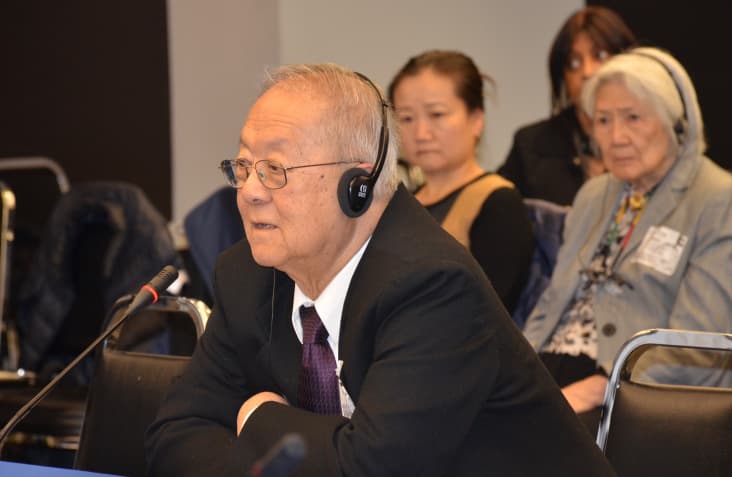
Art and his daughter Bekki, on behalf of their uncles Kenichi and Takeshi, testified before an audience fourteen years later. No one on behalf of the U.S. government attended. Art died last year in San Jose at the age of 88 unable to witness a redress. Seventy-five years after his deportation from Peru, Art’s family says a final ruling may occur this December on the petition they filed before the IACHR 16 years ago.
“My father always said he did not want other families to go through the same thing he did,” Bekki said. “That was the reason why he kept fighting: to educate people. We want the U.S. government to acknowledge the violations they committed.”