A story of dreams, romances, and rebellions arrives this October 6 at the Met: a new production of La sonnambula by Vincenzo Bellini, which will run until November 1 under the artistic direction of Mexican Rolando Villazón.
Dreams and Rebellion Take the Stage: Rolando Villazón Brings La Sonnambula back to the Met Opera
The Met’s new production will also be an unusual occasion in which three Latin artists will lead some of the most important roles in the work: in addition to Villazón as stage director, the role of Amina will be performed by soprano Nadine Sierra, while tenor Xabier Anduaga will take on the role of Elvino.

Por:
Lioman Lima
Marty Sohl / Met Opera
Imagen Marty Sohl / Met Opera
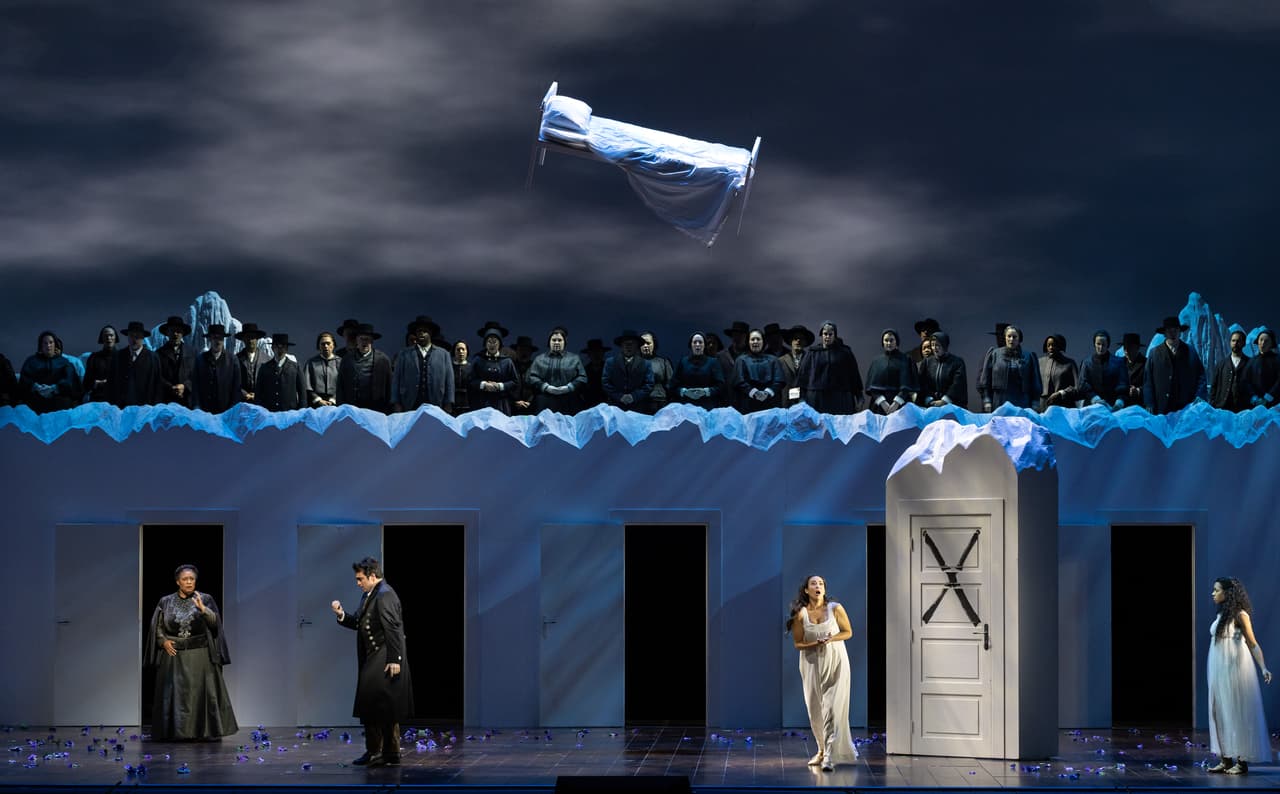
After an outstanding decades-long career as a tenor, Villazón will make a new debut in New York this Monday, but this time on the other side of the stage: his voice will not be heard, but rather his fresh reinvention of Bellini’s work will transport audiences to a village in the Alps where a wedding is about to take place, but a series of unexpected events and confusions prevent it and put it in jeopardy.
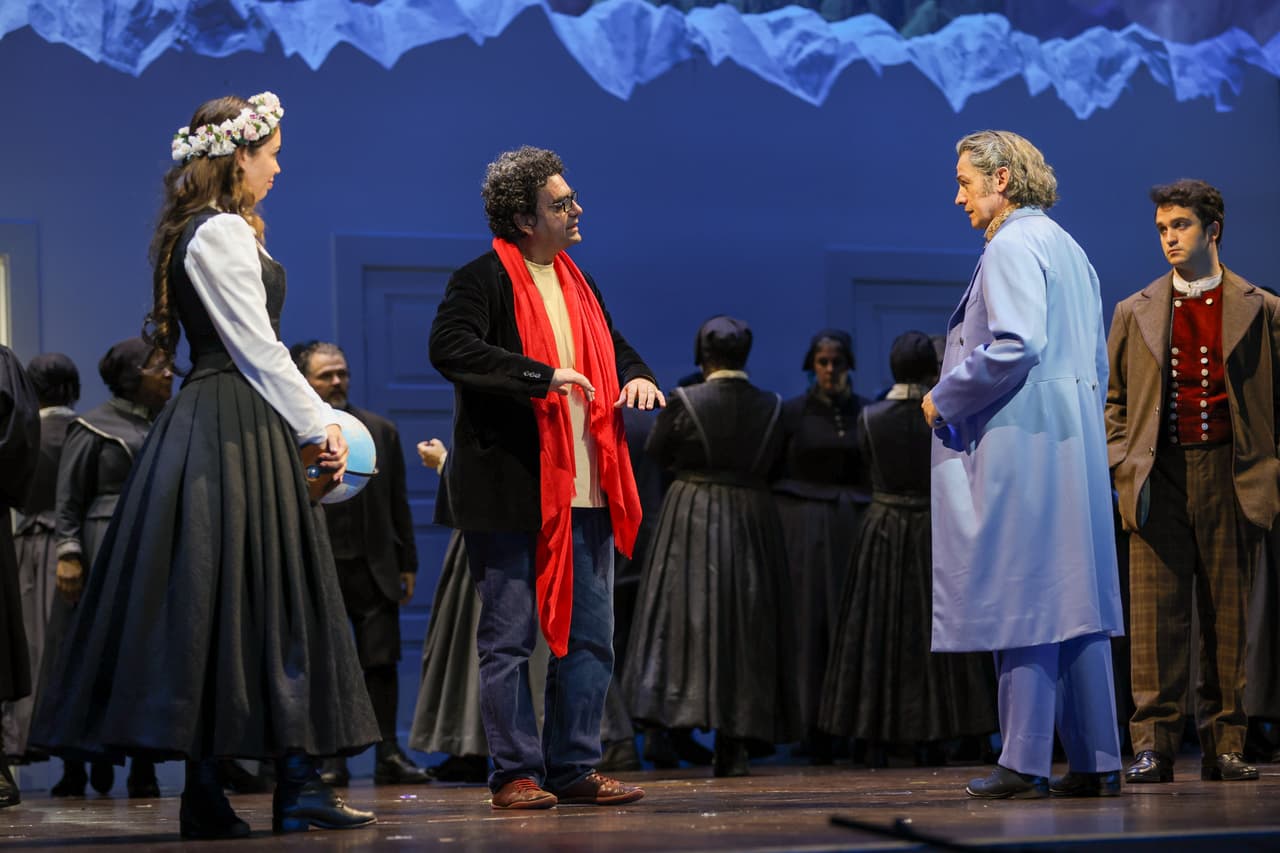
Villazón assures that his interpretation follows the spirit of Bellini’s original but also seeks to inspire new readings of the classic.
“In this production, the main concept remains. It is faithful to Bellini’s work: a small snow-covered community, the Alpine aesthetic, a conservative society,” Villazón tells Univision in an interview.
“My contribution comes in another sense: creating a different scenic aspect, adding other colors, dimensions, and possibilities, and the surprise of the ending,” he hints.
In the indeterminate time and place in which the opera takes place (“no one says where it is, there is no national or religious symbol,” Villazón explains), his direction will try to present a vision of women’s liberation that Bellini’s original work does not contain.
“Amina has to fight against her own essence in the only world she knows. Through sleepwalking, she can rid herself of the ‘superego’ and be free from the restrictions that the community she lives in imposes. And the production will also be an exploration of the path toward women’s liberation, a reading that adds a feminist dimension,” he points out.
The Metropolitan Opera La Sonnambula
Imagen Marty Sohl/Metropolitan Opera
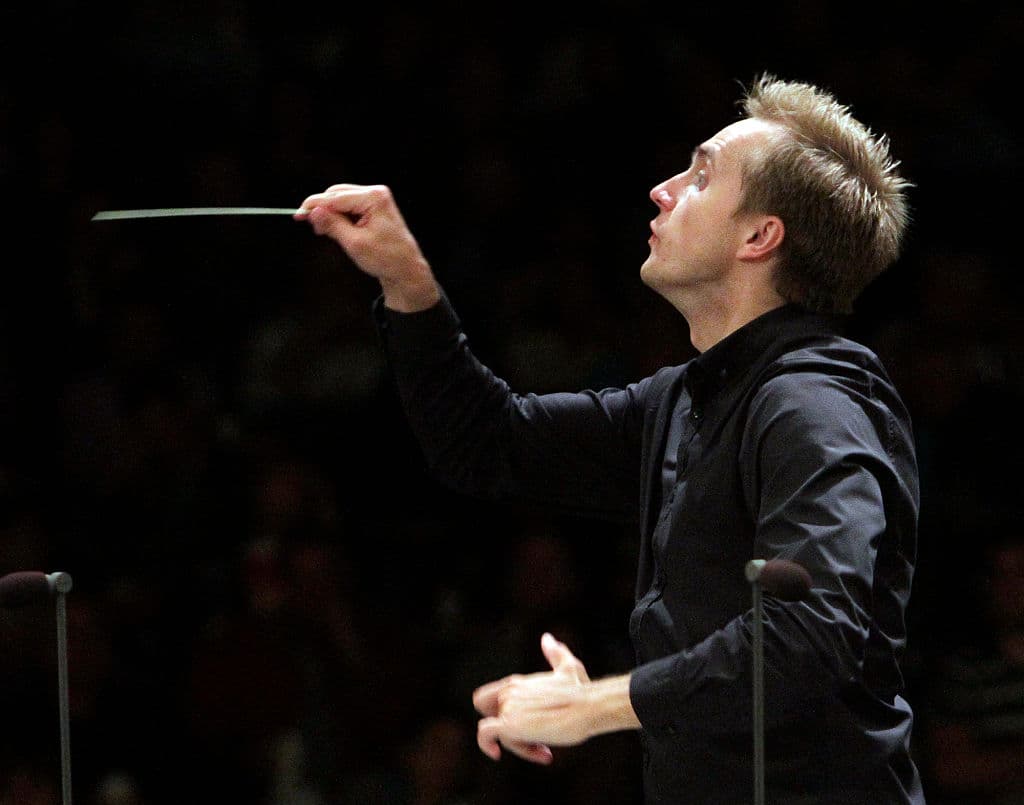

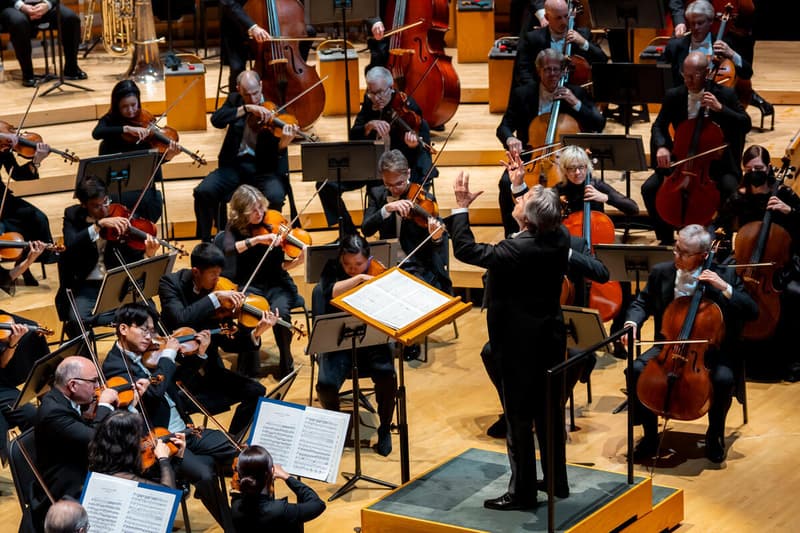



Three Latin stars in the same opera
The Met’s new production will also be an unusual occasion in which three Latin artists will lead some of the most important roles in the work: in addition to Villazón as stage director, the role of Amina will be performed by soprano Nadine Sierra, while tenor Xabier Anduaga will take on the role of Elvino.
Sierra, who has already had a brilliant career at the Met with leading roles in Roméo et Juliette, La Traviata, and Lucia di Lammermoor, has said that this role of Amina touches her in a special way because she herself suffered from sleepwalking when she was younger.
For Anduaga, 30, Elvino will mark his return to the Met two years after his acclaimed debut in L’elisir d’amore.
“Art has no nationalities, but it is true that we all bring the contributions of the culture we come from, of who we are", says Villazón.
"And working with these extraordinary performers like Nadine and Xabier makes this production even more special, because of the meanings they also bring with their different perspectives and experiences,” he adds.
The Met’s commitment to highlighting the work of Latinos in opera reached one of its greatest expressions two years ago, when it premiered Florencia en el Amazonas by Daniel Catán, the first opera sung entirely in Spanish to be staged at Lincoln Center. For this season, another new production also promises to bring Latin essence to the Met: The Last Dream of Frida and Diego.
As on other occasions, the Met’s productions will cross borders, and several theaters are expected to broadcast them live, among them Mexico’s Auditorio Nacional, which will present La sonnambula starting October 18.
An opera of meanings in turbulent times
Villazón says that when he first adapted Bellini’s opera, his idea was largely to celebrate democratic advances in many countries regarding women’s rights and those of other minorities.
“I was trying to reflect the positive trend of women’s freedom, of egalitarian societies where the rights of women, men, and those who choose to define themselves as they wish were respected or where greater respect for these groups was being pursued,” he says.
In recent times, however, Villazón admits that “a terrifying change has occurred throughout the world.”
Nevertheless, with his new interpretation of Bellini’s work, beyond political trends, he believes that La sonnambula will be an opportunity to question ourselves through art about some of the great issues of our time.
“Art serves to unite us and to make us ask questions. It is a mirror of who we are, a motive for reflection. With this production, I hope people will not only leave enchanted by the beauty of the singing but also ask themselves questions that, in some way, lead us toward a better world.”