After the Industrial Revolution, perhaps the next great leap that human societies took was the so-called Digital Revolution, which brought with it a number of technological advances that have impacted almost every aspect of human life.
The Dirty War in the digital age
In today's 'Network Society,' interconnection has dethroned truth. To get posted, it is no longer necessary for information to be true, it is more than enough just for it to seem true.

Por:
Juan Pablo Carrasco de Groote
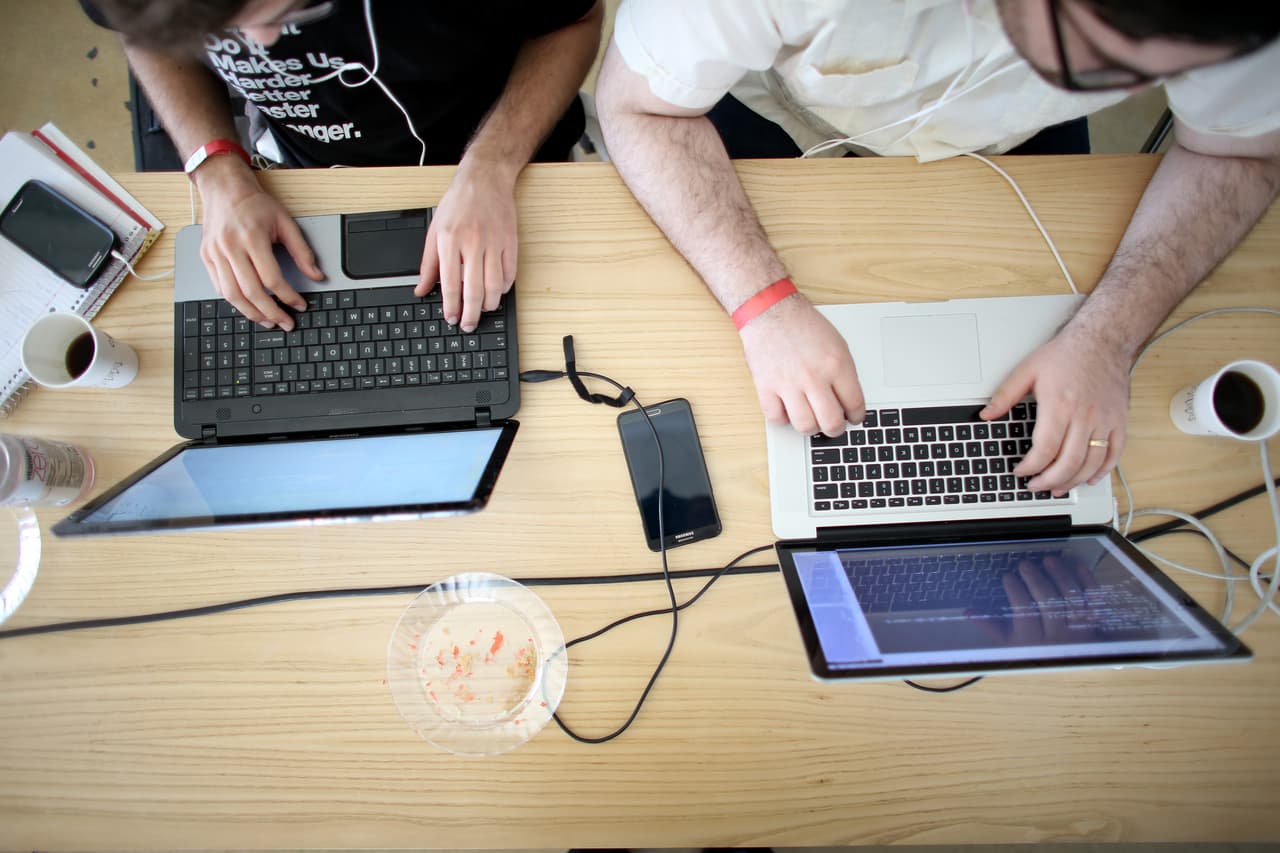
"We still have the power to decide what information we create, comment on and share".
Imagen Getty Images
The Internet, that invisible force that has little by little taken over almost every corner of the planet, has led to the development of what Spanish sociologist Manuel Castells calls the Network Society.
The Network Society has been responsible for many phenomena, ranging from large mass movements to trend-setting through content made viral. It has become one of the top marketing tools, capable even of causing international market price fluctuations; it has also managed to swing election results and even remove presidents, through the simple interaction among people.
As my mom worked and parented, all in one breath, she instilled in us the values that I carry with me today: “por la familia, todo.” Lee este contenido en español.

"What a sad reflection that the Republican Party has moved from Abraham Lincoln, who said immigration was a ‘source of national wealth and strength’ and Ronald Reagan, who called for his ‘city on the hill’ to be ‘open to anyone with the will and the heart to get here,’ to Donald Trump, who says immigrants are ‘poisoning the blood of our country".
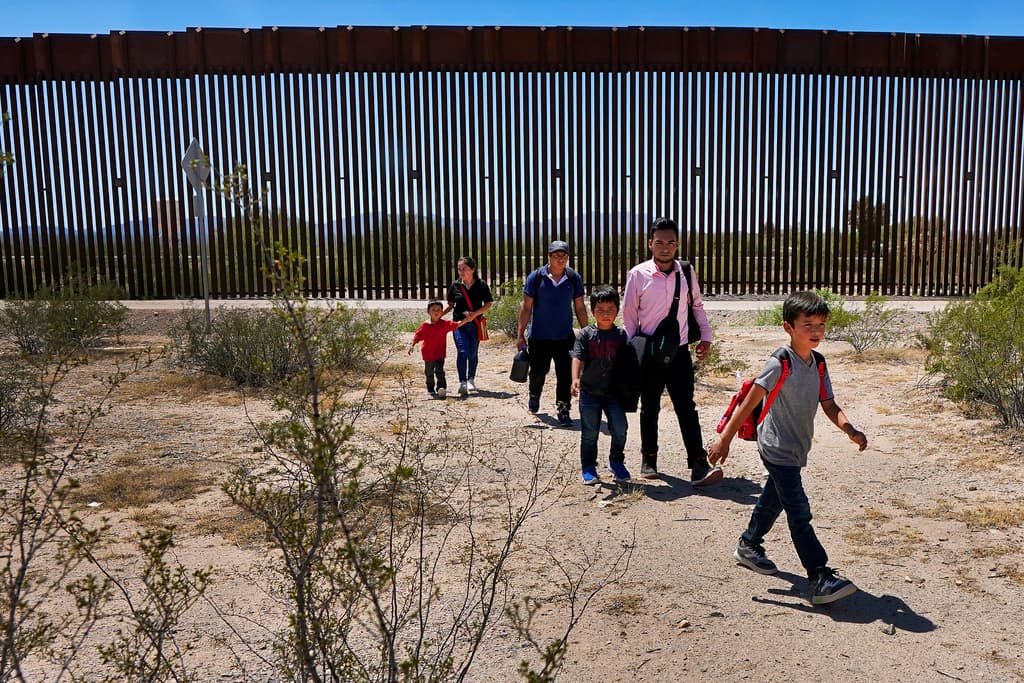
"Our current immigration laws include so many hurdles that can keep families in limbo, and even being married to a U.S. citizen isn’t always enough to allow someone to get a green card".

"For those of us whose livelihoods depend on it, President Biden’s actions to protect and preserve DACA show a striking contrast with those of Trump and MAGA Republicans. Trump has a record of trying to end DACA and will try again if he wins another term".

"While immigrants by now are accustomed to being the tip of the spear in the GOP’s arsenal of attacks, let's be clear-eyed that the threat now is beyond harming immigrant communities or calling attention to the border. This is about using this issue as a tool to further Trump’s political ambitions, even if that means suppressing the right to vote, undermining our election results, or stoking more political violence".
"This month comes at a special moment in our nation’s history. For the first time, we have more Latinos serving in Congress than ever before. In the Senate, the Democratic Majority has confirmed a historic number of Latino judicial nominees and recently confirmed the first Latina to serve on the Federal Reserve in the Board’s 109-year history".
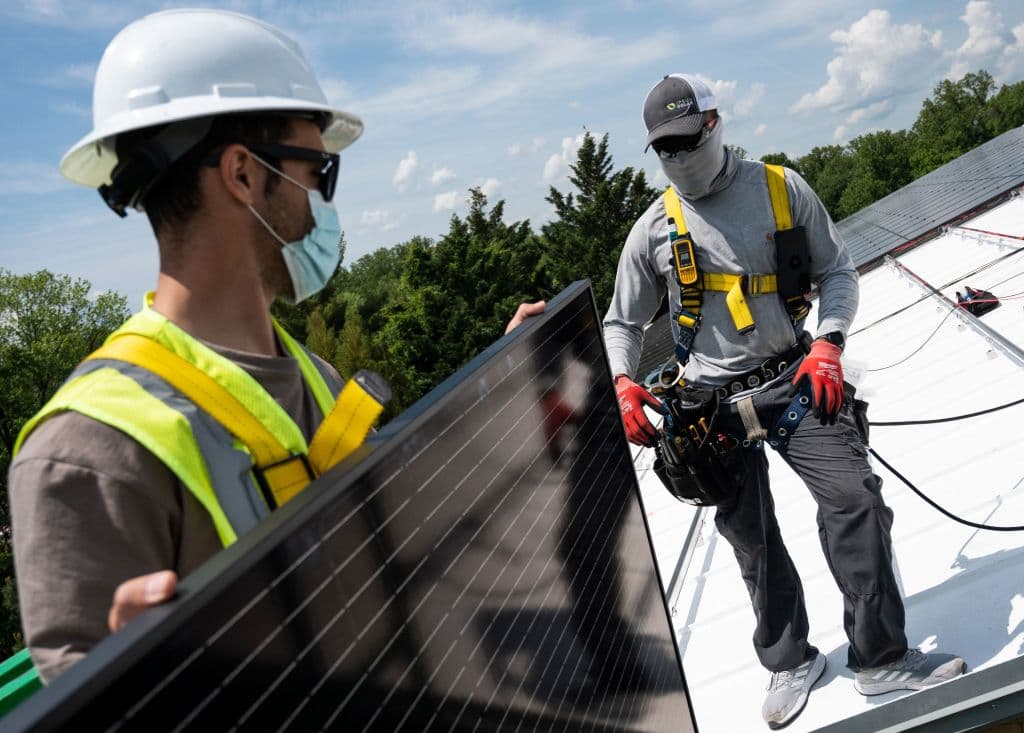
"This is the clean energy boom unleashed by President Biden: good-paying jobs in a fast-growing industry and lower bills for working families — all while addressing the climate crisis affecting our lives".
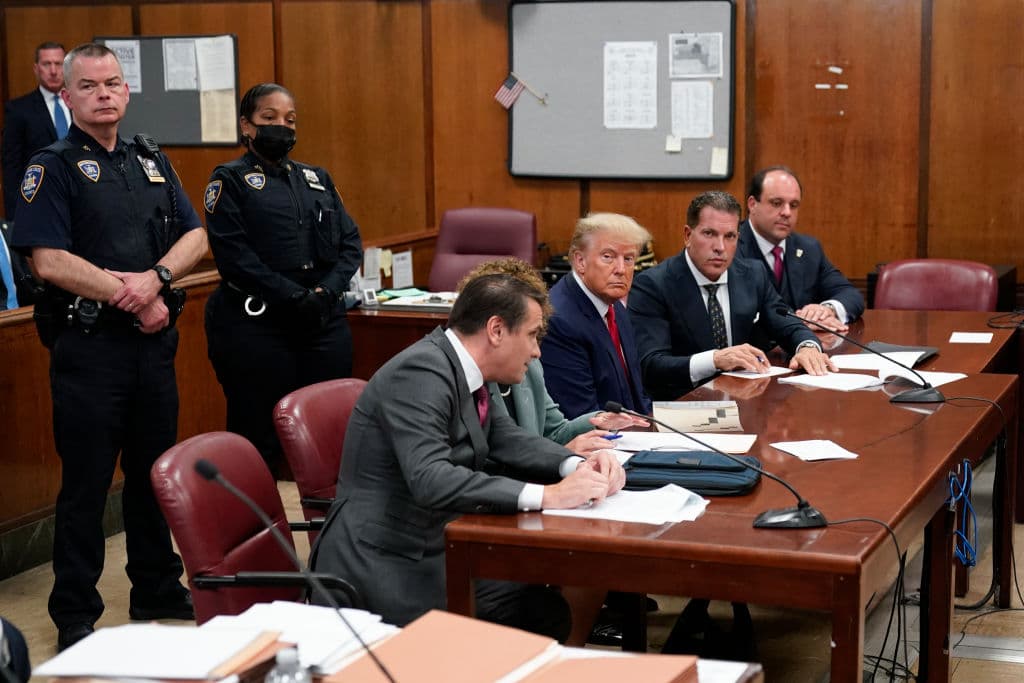
Putting presidents, former presidents and coup plotters on trial is an honorable and necessary practice to maintain a healthy democracy. Failure to put on trial presidents or former presidents who broke the law or committed crimes has had devastating consequences in Latin America.
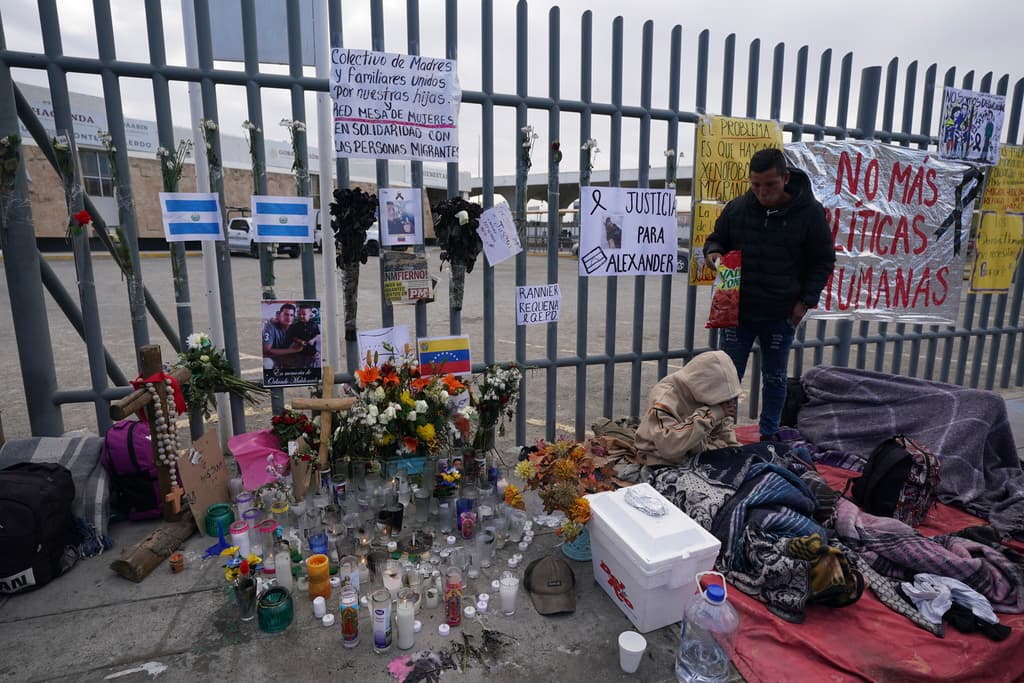
Mexico's migrant policy bears responsibility for the deaths of 39 migrants in the fire at a detention center in Ciudad Juarez. They were in the custody of the Mexican government, in a federal facility.
One of the main characteristics of the Network Society is interconnection, which allows us to access and publish all kinds of information in real time. In today’s digital age, anyone can play journalist, and any piece of information, even if false, can become news. Interconnection has dethroned truth, and verisimilitude took its place.
To get posted, it is no longer necessary for information to be true, it is more than enough just for it to seem true. People have shown that if information seems credible, they are ready to share it. In this context, societies have fallen into a kind of Dirty War, through which black campaigns are no longer exclusive to the political world, and today, any citizen can become victim to a smear campaign against them.
It is a Dirty War, carried out by equally dirty soldiers, who often resort to anonymity as the ultimate expression of their cowardice.
But this war was not always dirty . At first, social network content made viral was organic, that is, it was based on the willingness of a user to share certain factual information. This made publications more credible since, when shared by a contact, it was immediately assumed that said contact had not only read the shared information, but also found it interesting enough to put it on their profile. It seemed that power was finally changing hands, placing a small share of it at the disposal of each social network user.
Yet, such a long-awaited change came to a halt in 2012, which was when false profiles began to proliferate and, with that, an entire industry emerged, the innovative “Netcentric” industry. “Netcentrics” are groups of people who manage several false accounts, which they use to publish content with the aim of altering public perception on a given subject or person.
And so, social networks became crowded with smear campaigns, which consist of writing libel and making false accusations to discredit a person, distort public perception of the person and incite unjustified hatred. Social networks became potential trenches for this Dirty War, from which netcentrics shoot to kill the reputation of a person.
This war is the dirtiest of all wars as it takes just 280 characters and the “netcentrics” machinery running to vilify, libel and practically destroy a person's reputation. While the power of the common user has fallen under the shadow of netcentrics power, all is not lost. We still have the power to decide what information we create, comment on and share, and with this comes the citizen's responsibility for verification, as this is how we can counter the wave of misinformation that we are experiencing.
Note: This piece was selected for publication in our opinion section as a contribution to the public debate. The vision(s) expressed herein belong exclusively to the author(s) and/or the organization(s) they represent. This content does not represent the views of Univision Noticias or its editorial line.
Relacionados: