Dicen que no se ama lo que no se conoce, por eso, ante los enormes riesgos que enfrenta la naturaleza, hace cuatro años la Organización de Naciones Unidas decidió que el 3 de marzo de cada año se celebre el Día Mundial de la Vida Silvestre para reflexionar sobre el mundo natural que nos rodea y urgir a acciones para protegerlo.
La vida silvestre exige más que un día en el calendario
En el marco del llamado Día Mundial de la Vida Silvestre queda claro que los seres humanos tenemos que dejar de solo hablar y más bien empezar a cambiar viejos hábitos -e inculcar mejores a las nuevas generaciones- si queremos seguir disfrutando de los beneficios de la naturaleza.
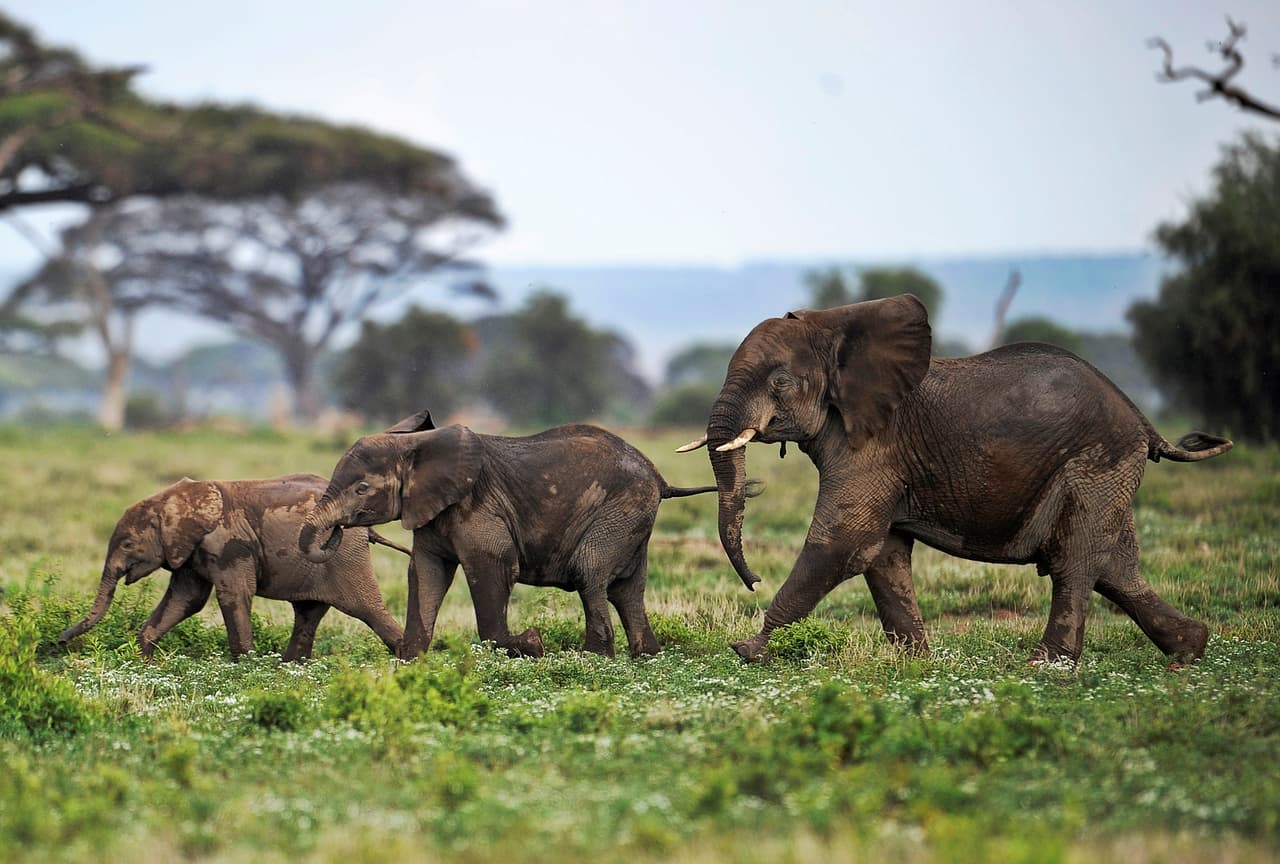
Picture taken on December 30, 2012 shows elephants calves playing at the Amboseli game reserve, approximately 250 kilometres south of Nairobi. Drawing to its close today, this year 2012, according to the International Fund for Animal Welfare, IFAW, stands out as the ''annus horriblis'' (Latin for 'year of horrors') for the World's largest land mammal with statistics standing at 34 tonnes of poached ivory having been seized, marking the biggest ever total of confiscated ivory in a single year, outstripping by almost 40 per cent last year’s record of 24.3 tonnes. Earlier this year, in just six weeks, between January and March 2012, at least 50 per cent of the elephants in Cameroon’s Bouba Ndjida National Park were slaughtered for their ivory by horseback bandits. Most illegal ivory is destined for Asia, in particular China, where it has soared in value as an investment vehicle and coveted as “white gold.” AFP PHOTO/Tony KARUMBA (Photo credit should read TONY KARUMBA/AFP/Getty Images)
Imagen Getty Images
“El Día también nos recuerda de la urgente necesidad de redoblar la lucha contra crímenes hacia la vida salvaje, que generan amplios impactos económicos, ambientales y sociales”, aseguran los organizadores de esta celebración.
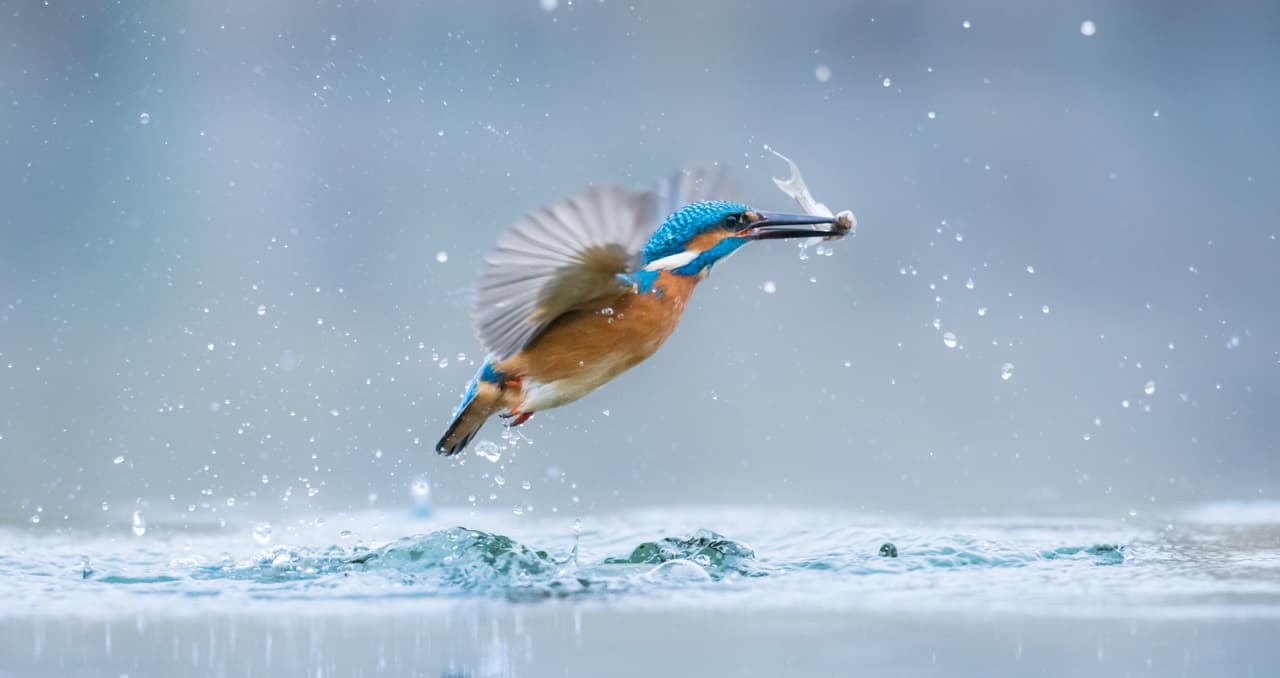
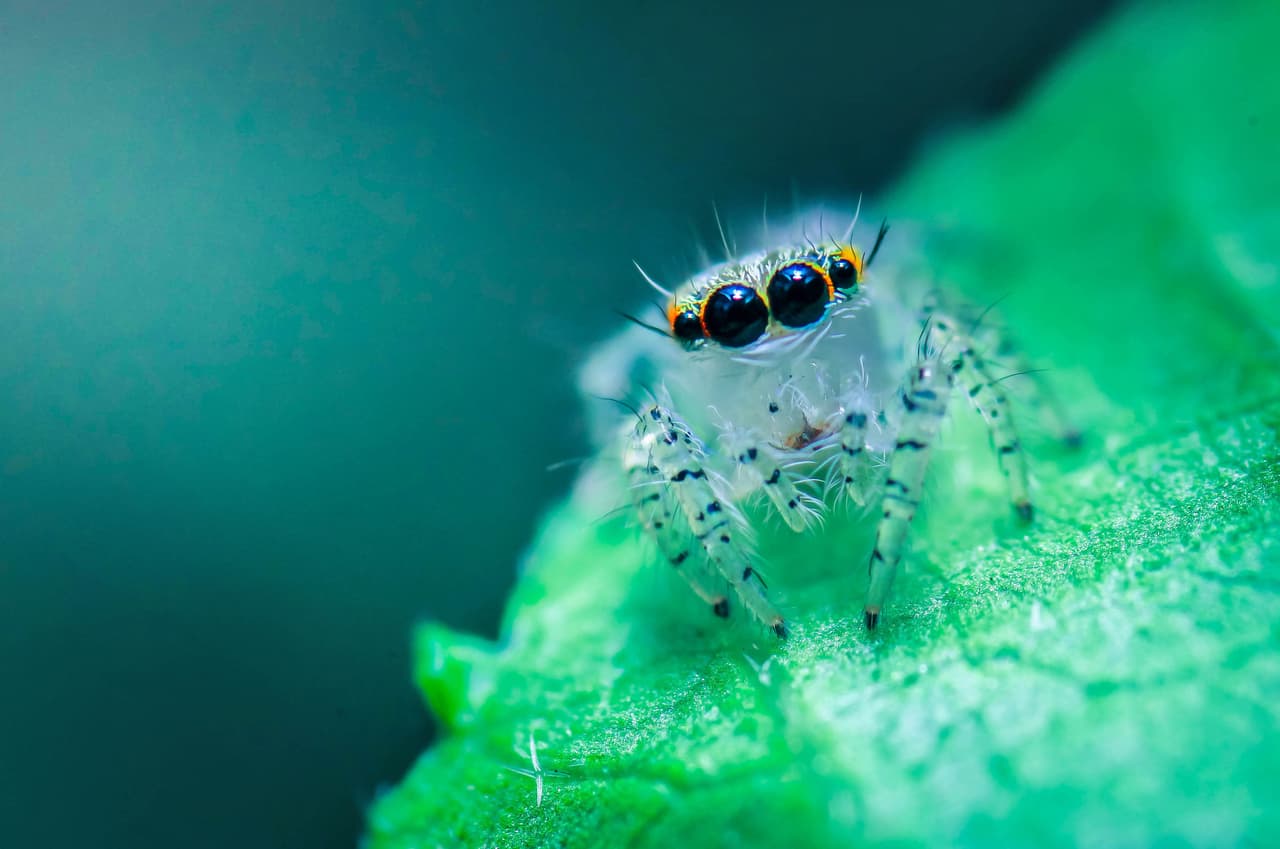
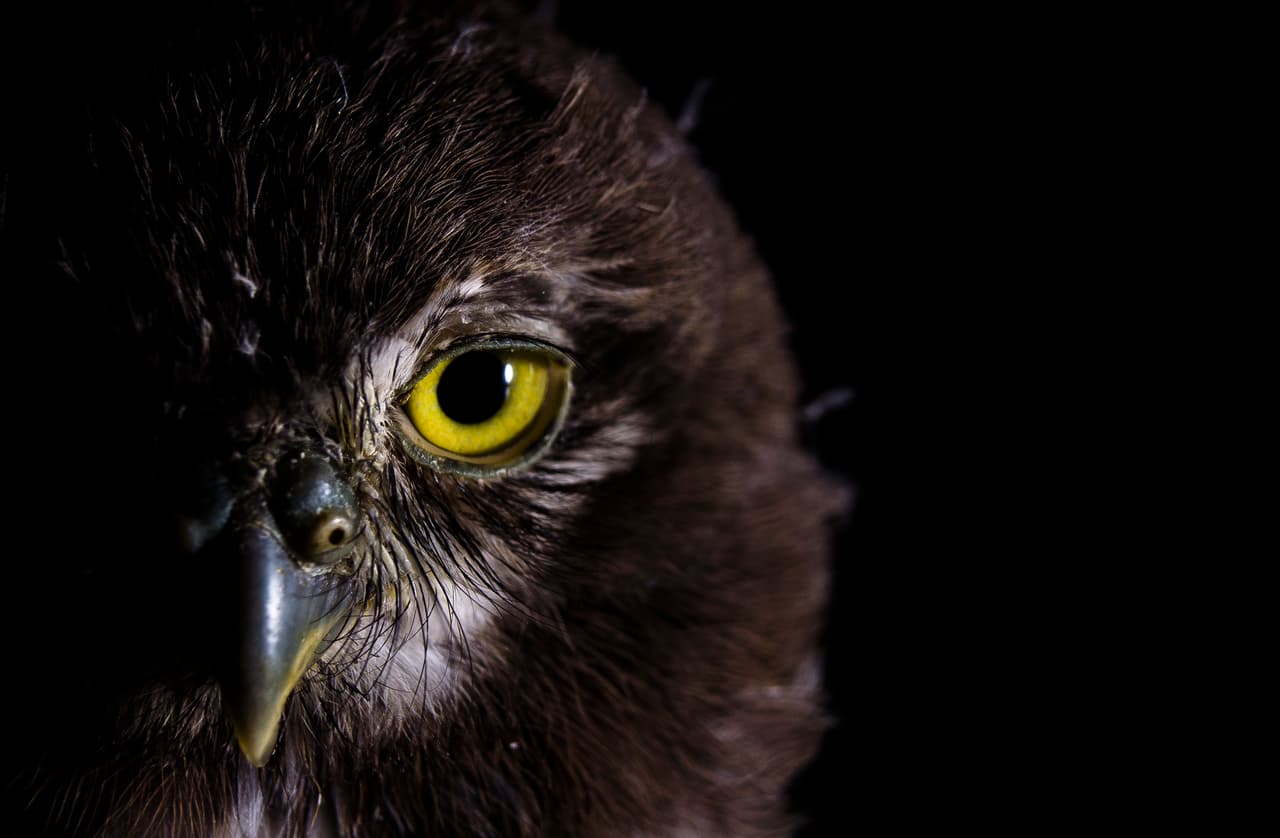
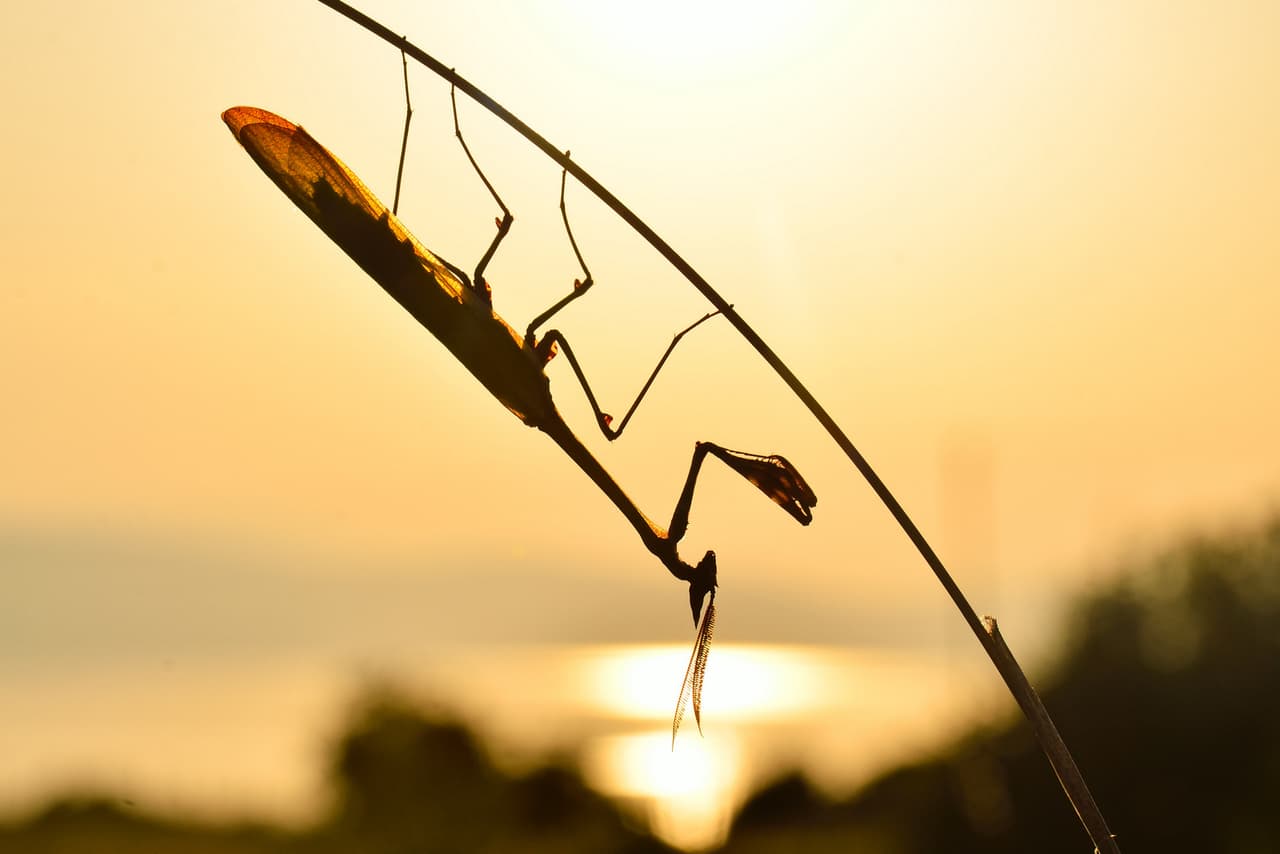
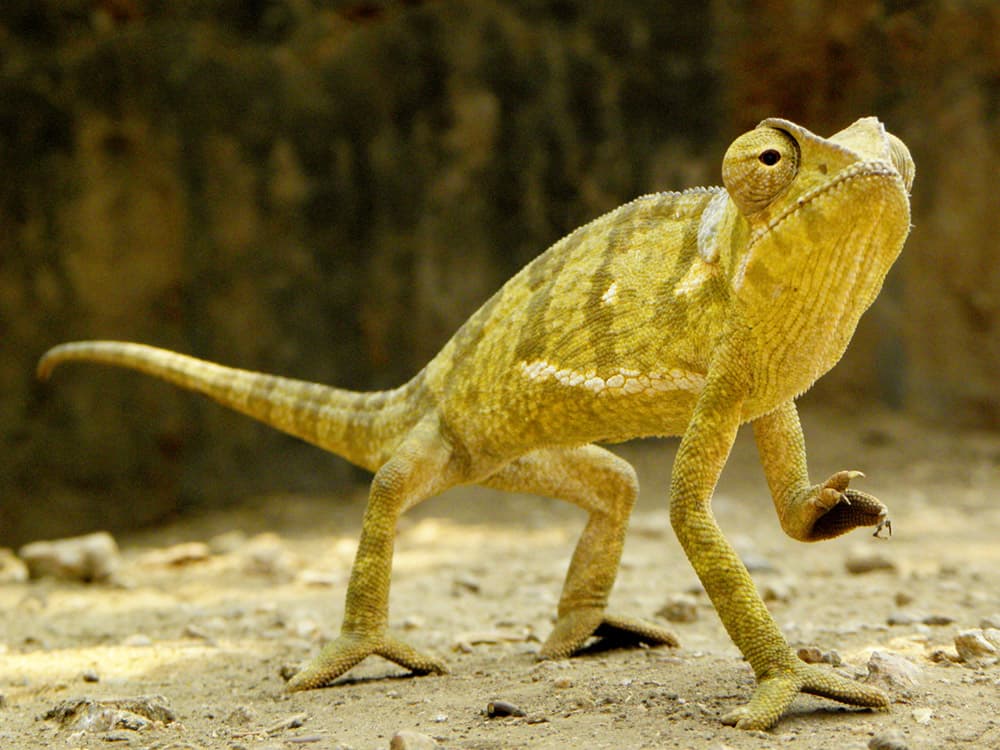
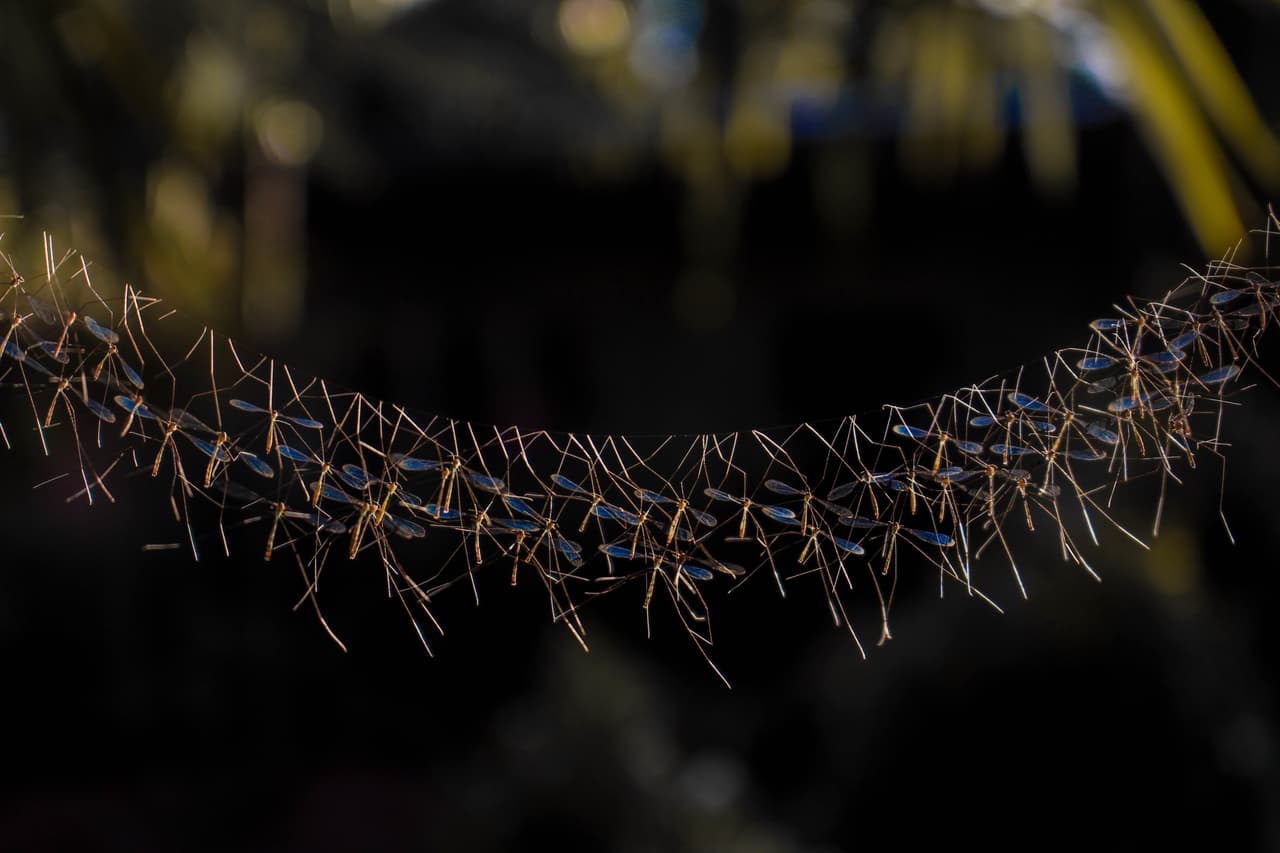
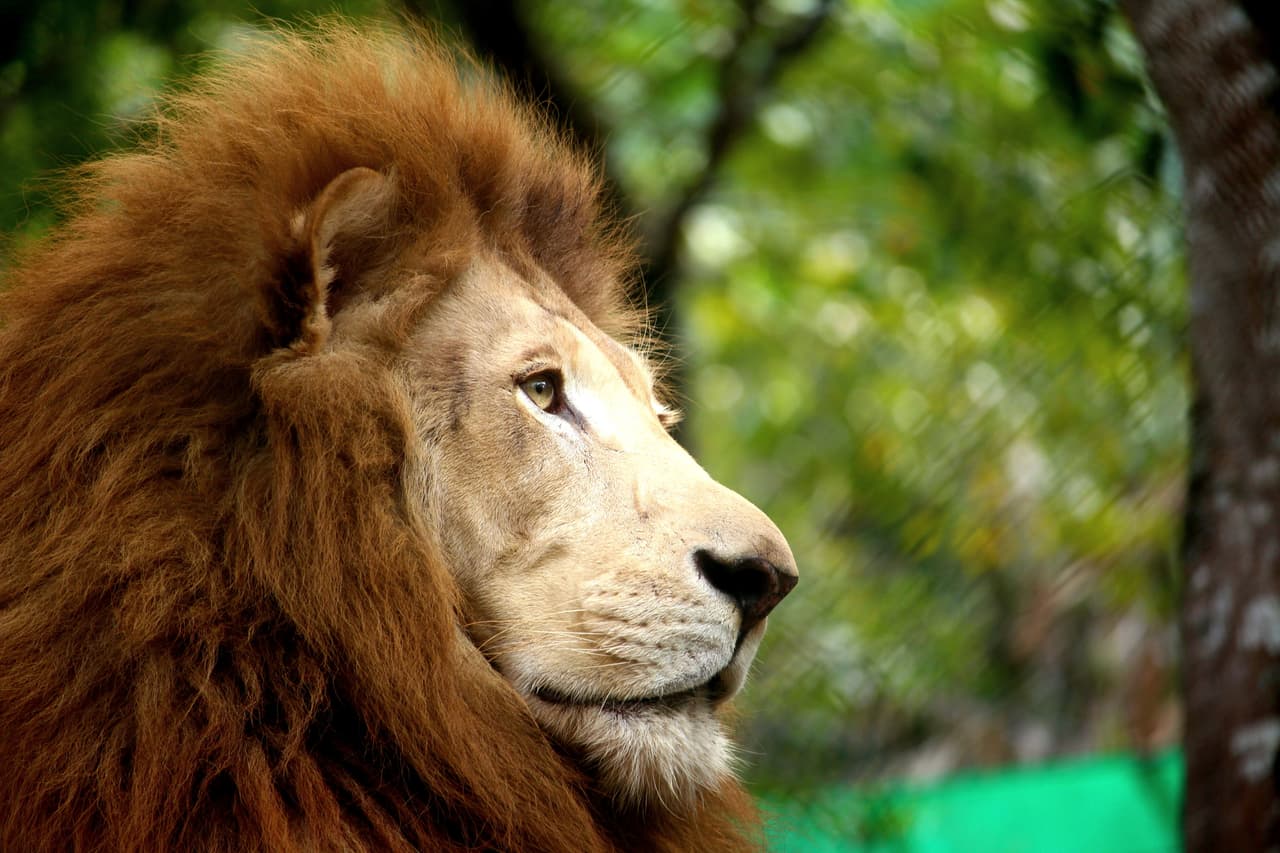
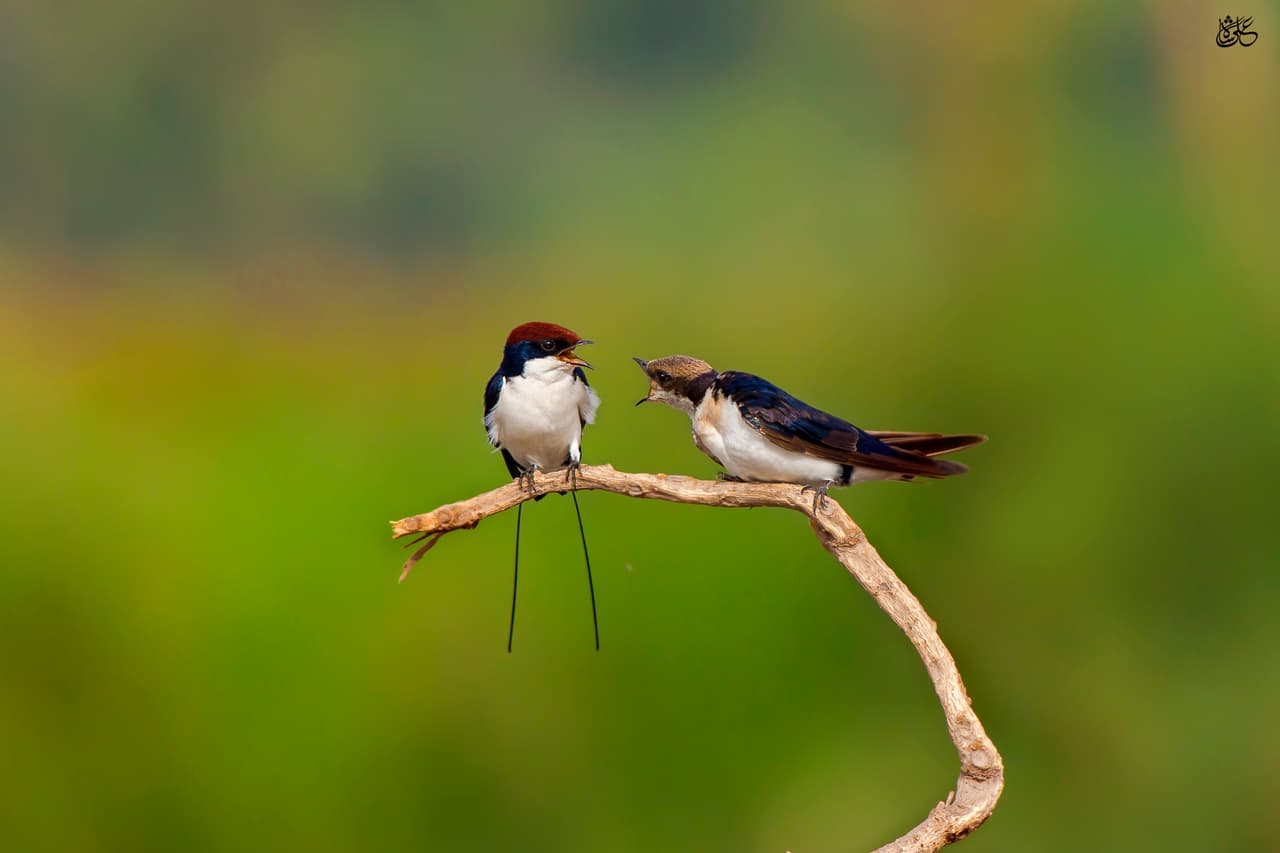
Cada año se eligen enfoques diferentes y en esta ocasión le toca a los jóvenes ya que la temática de 2017 es ‘Escuchemos las voces de los jóvenes’. Con ello se busca involucrar y empoderar a estos en la conservación de la vida silvestre. Como parte de esta iniciativa, se invitó a personas de todo el mundo con edades a participar de un concurso fotográfico. Estas son las nueve imágenes finalistas junto a la ganadora.






En este tercer aniversario de los festejos, también vale recordar algunos grandes logros que se alcanzaron en el último año. Estas son:
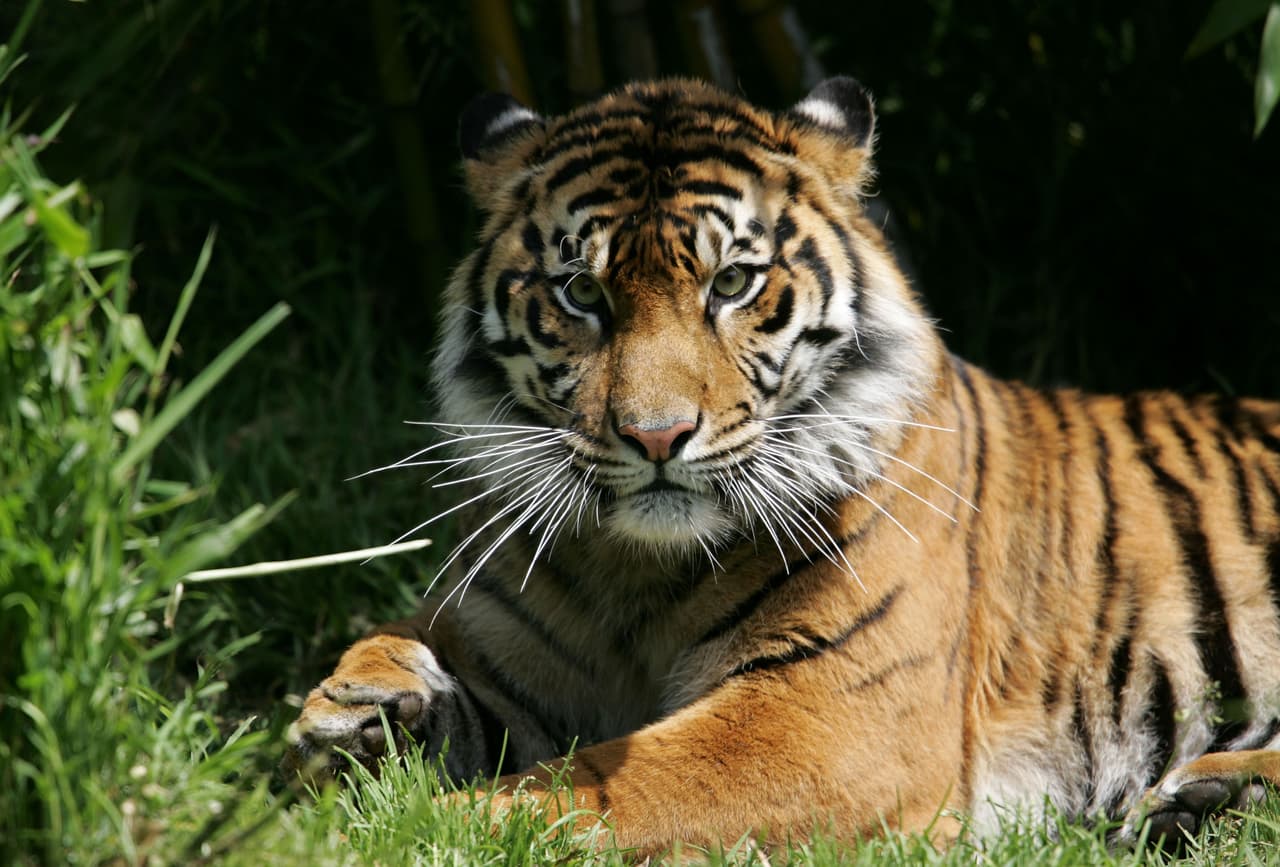
SAN FRANCISCO - MAY 18, 2006: (FILE PHOTO) A Siberian tiger sits on the grass in its enclosure at the San Francisco Zoo May 18, 2006 in San Francisco, California. A 350-pound tiger named Tatiana escaped from its enclose at the San Francisco Zoo on Christmas day and killed a man and injured two others. (Photo by Justin Sullivan/Getty Images)
Imagen Getty Images
Por primera vez en la historia desde que se trabaja para conservarlos, han aumentado los número de tigres salvajes.
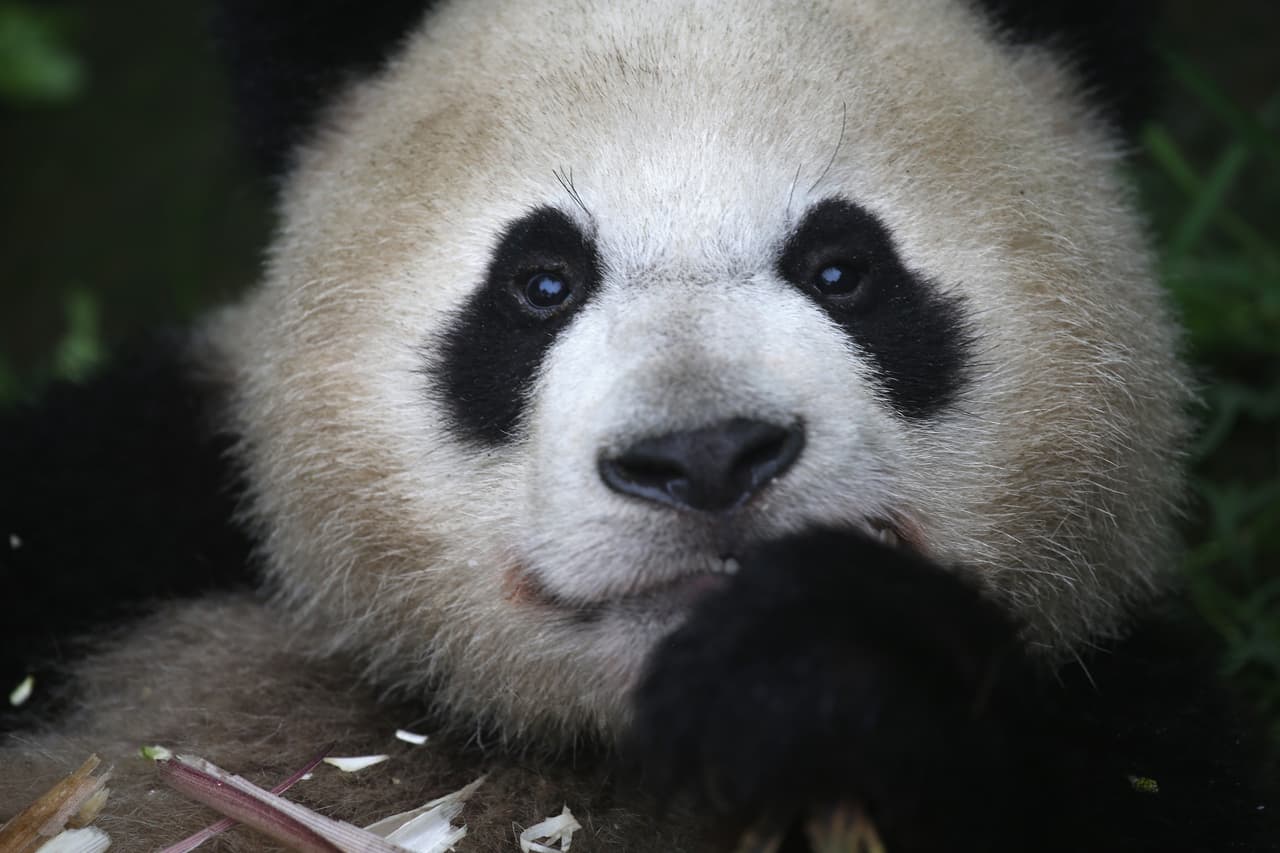
YA'AN, CHINA - JUNE 29: A giant panda eats bamboo at a panda research base on June 29, 2015 in Ya'an, China. China's Sichuan province is home to the majority of the the world's nearly 1,900 endangered giant pandas. (Photo by John Moore/Getty Images)
Imagen Getty Images
Los pandas, icónico símbolo de la conservación animal, con un aumento poblacional del 17% en el último año registrado, ya no son considerados en peligro de extinción.
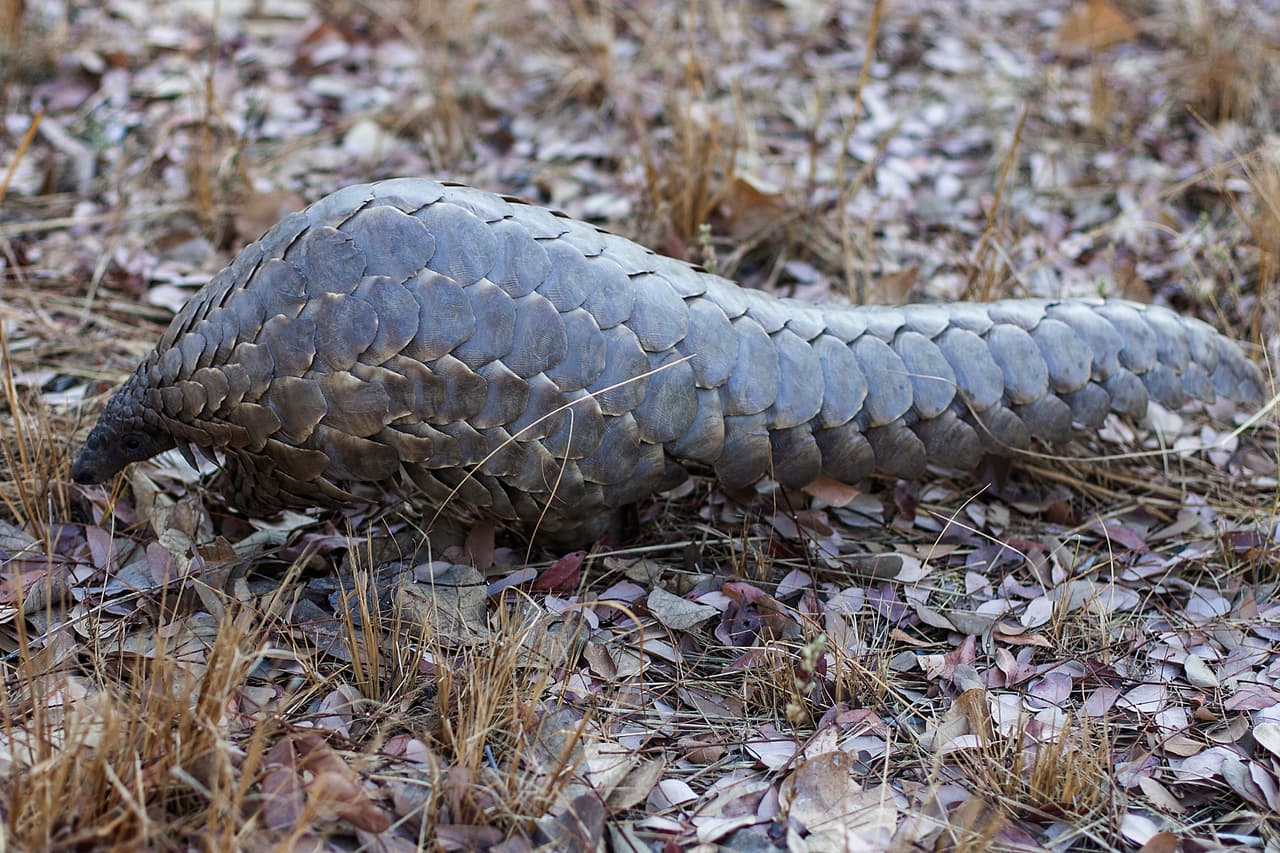
TO GO WITH AFP STORY BY SUSAN NJANJI "Marimba", a female pangolin weighing 10kgs,that has been nine years in care at Wild Is Life animal sanctuary in Zimbabwe, roams in the bush just outside the country's capital Harare on September 22, 2016. They are ordinarily reclusive and often don't make the headlines, but pangolins are the world's most heavily trafficked mammal and conservationists want their protection scaled up. Demand for pangolin meat and body parts is fuelling a bloodbath and driving the secretive scaly ant-eating mammals to near extinction. / AFP / Jekesai NJIKIZANA (Photo credit should read JEKESAI NJIKIZANA/AFP/Getty Images)
Imagen Getty Images
El pangolín, la especie animal más traficada del mundo, ya está protegida internacionalmente: su comercio ahora es ilegal.
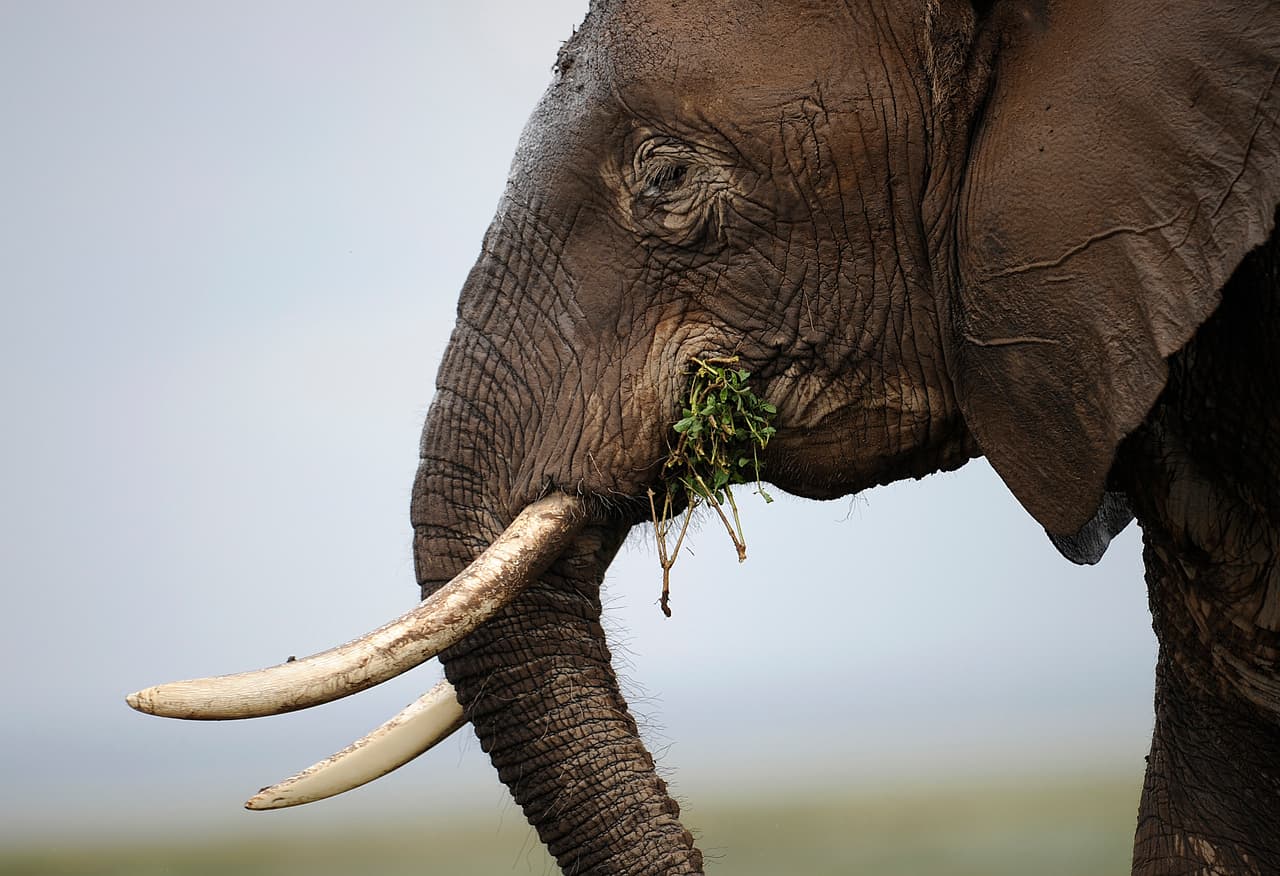
Photo made on December 30, 2012 shows an elephant at the Amboseli game reserve, approximately 250 kilometres south of Kenyan capital Nairobi. Drawing to its close today, this year 2012, according to the International Fund for Animal Welfare, IFAW, stands out as the ''annus horriblis'' (Latin for 'year of horrors') for the World's largest land mammal with statistics standing at 34 tonnes of poached ivory having been seized, marking the biggest ever total of confiscated ivory in a single year, outstripping by almost 40 per cent last year’s record of 24.3 tonnes. Earlier this year, in just six weeks, between January and March 2012, at least 50 per cent of the elephants in Cameroon’s Bouba Ndjida National Park were slaughtered for their ivory by horseback bandits. Most illegal ivory is destined for Asia, in particular China, where it has soared in value as an investment vehicle and coveted as “white gold.” AFP PHOTO/Tony KARUMBA (Photo credit should read TONY KARUMBA/AFP/Getty Images)
Imagen Getty Images
China se ha comprometido formalmente a finalizar su actividad comercial de marfil para finales de este año.
Video Las granjas de tigres son cómplices de su caza y comercio ilegal