
By Fadi Nicholas Nassar, PhD Candidate, The War Studies Department at King’s College London
Nicholas Nassar: Why The Iraq War Vote Matters in 2008 and 2016
The author ponders the Clinton-Sanders debate on progressivism and the aftermath of the Iraq War
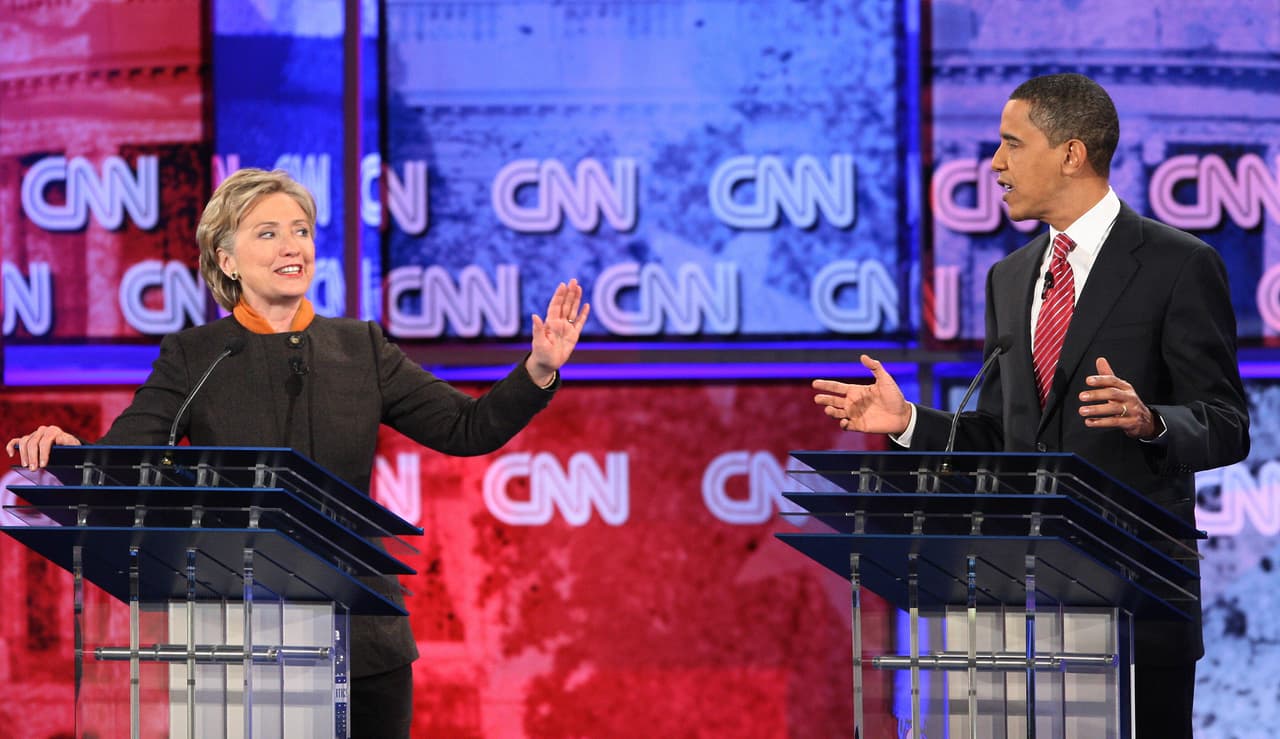
On Thursday, February 4, 2016, Hillary Clinton and Bernie Sanders engaged in a heated debate over which presidential candidate was more progressive. From Senator Sanders’ voting record on gun control to Secretary Clinton’s ties with Wall Street, the candidates sparred over what should be considered key progressive credentials.
One issue, however, had no equal—Hillary Clinton’s vote for the Iraq War and Bernie Sanders’ vote against. It is one that distinguished Clinton, in 2008, from another upcoming challenger with the support of a youth driven grass-roots movement.
In a heated debate with Hillary Clinton in Los Angeles, Barack Obama, also on a Thursday night, reminded the country that unlike Clinton he voted against the Iraq War, and emphasized this distinction between the two candidates “not just to look backwards, but also to look forwards, because… what the next president has to show is the kind of judgment that will ensure that we are using our military power wisely.”
Today, eight years later, does that vote still matter? Clinton has responded to this question in two ways: she was trusted as Secretary of State under Obama and that the question is focused on looking backwards rather than dealing with the problems of today such as ISIS (“A vote in 2002 is not a plan to defeat ISIS. We have to look at the threats that we face right now, and we have to be prepared to take them on and defeat them”).
With respect to Secretary Clinton, both arguments, meant to reduce the weight of that vote and the resulting Iraq War, are misleading and inaccurate.
“Al decir esta noche mis últimas palabras en el noticiero, me quedé pensando en todo lo que me queda por delante. Después de todo, los periodistas nunca se retiran. Estamos condenados toda la vida a perseguir noticias, a perseguir lo nuevo”.

“El reto de la serie era, en el mejor de los casos, complementar al libro y dar una visión, entre millones, de cómo era la vida en Macondo. Y lo logra. Agradezco las narraciones tomadas íntegramente del libro y las magníficas actuaciones marcadas por las páginas más que por las improvisaciones”.

“En la cabeza de Trump todo conspira para demostrar su poder. Ganó la elección y el voto popular, se desvanecen los juicios en su contra, y legalmente se siente protegido para hacer lo que se le pegue la gana. Se siente en el tope. Es en este contexto que Trump amenazó con la imposición de aranceles contra México, Canadá y China”.
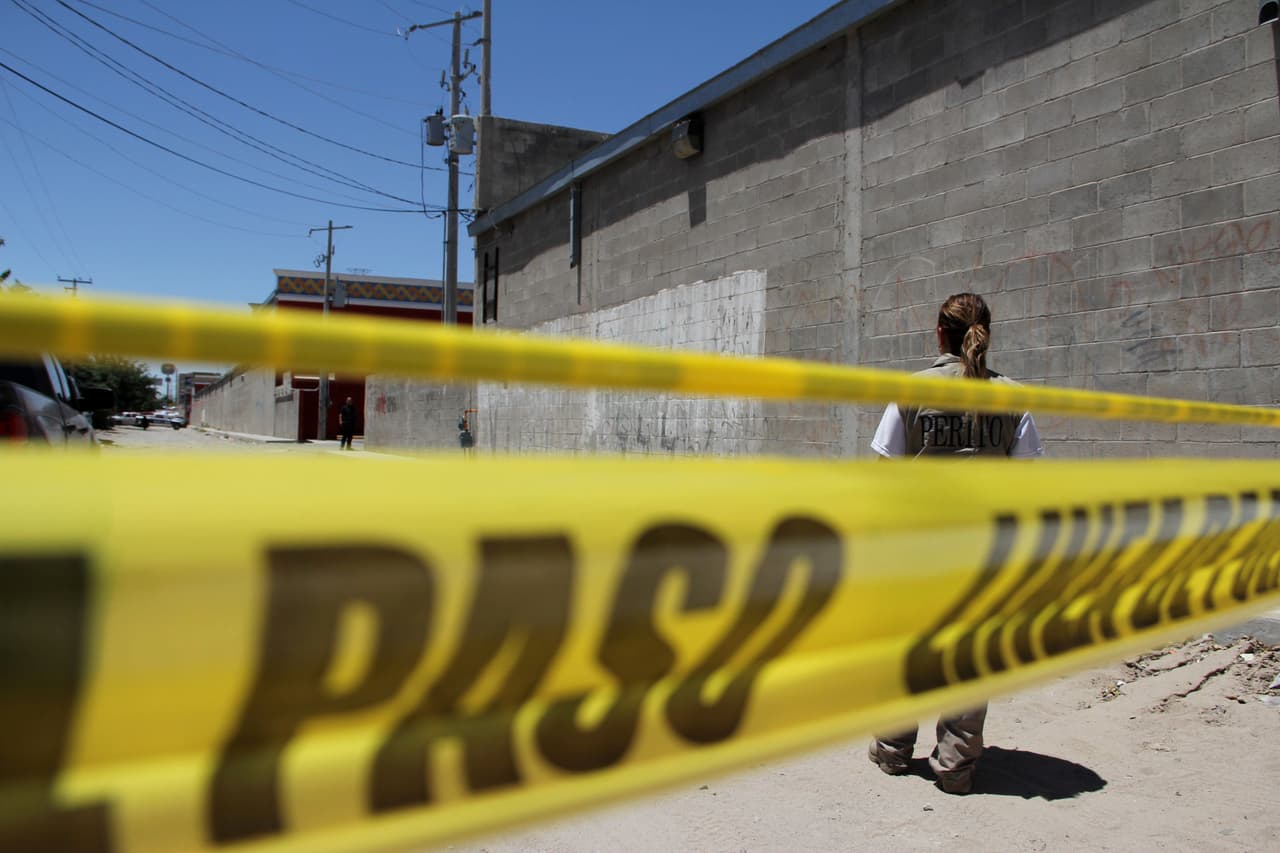
“Duele pero hay que decirlo: en México nadie sabe cómo detener la violencia. Si lo supieran, ya lo hubieran intentado. Lo que hemos visto desde la época de Felipe Calderón, cuando se declaró la guerra contra los narcos, son distintos experimentos -todos fallidos- para enfrentar la violencia”.
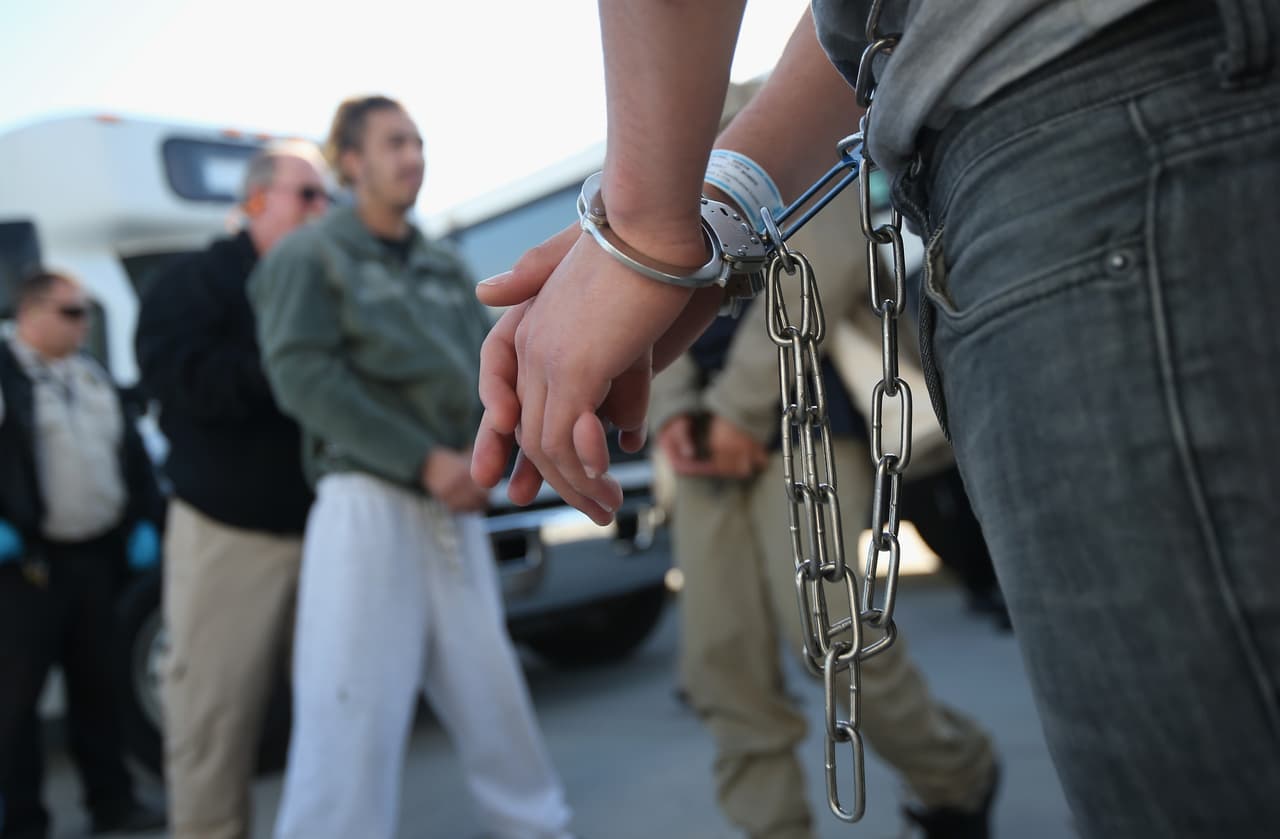
“Causarán un daño irreparable a miles de familias y a la economía estadounidense. No se trata de expulsar a los indocumentados sino de integrarlos a este país. Sería mucho más barato y efectivo. Pero Trump y sus asesores solo se oyen a sí mismos”.
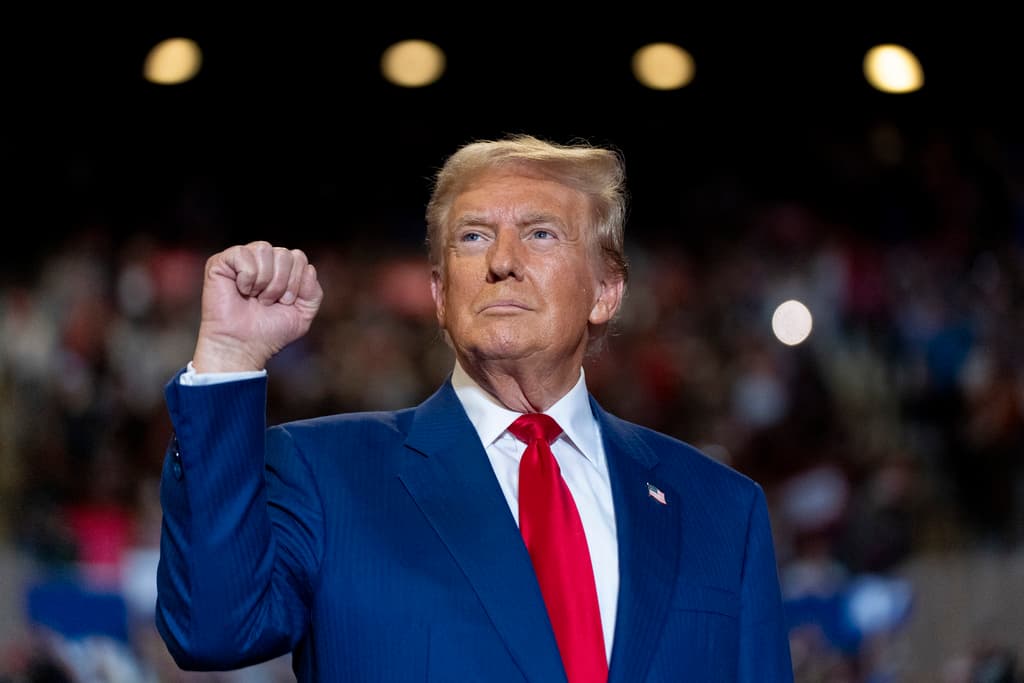
“Hay mucho que negociar antes que Trump tome posesión el 20 de enero. Pero el peligro de deportaciones masivas, aranceles y hasta de operaciones militares en su territorio ha puesto en alerta a la nueva presidenta de México. Sheinbaum y Trump ya hablaron y se dijeron esas cosas huecas que se dicen los presidentes por teléfono”.

“La realidad es que cada vez hay más votantes latinos. Este año hay 36.2 millones de hispanos elegibles para votar, casi cuatro millones más que en 2020, según el centro Pew. Y aunque no todos van a salir a votar, los que lo hagan serán suficientes para definir quién será el próximo presidente o presidenta de Estados Unidos”.
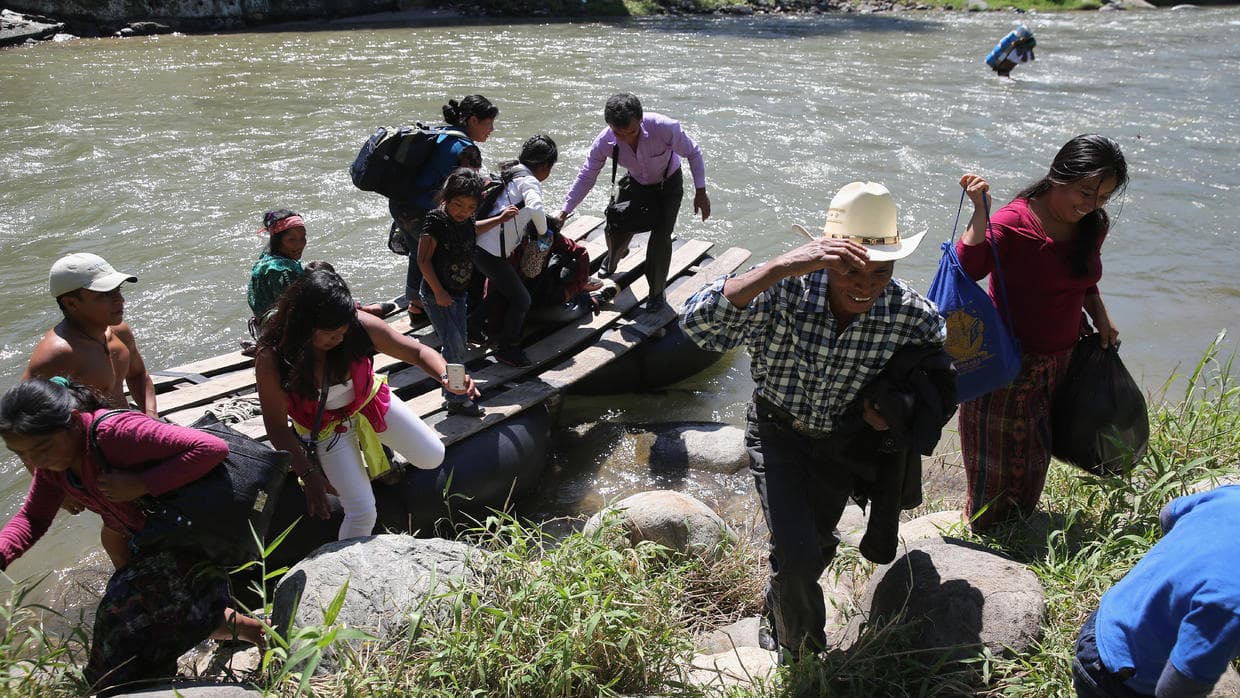
“Gane quien gane la elección en Estados Unidos, las cosas van a empeorar para los recién llegados. Los inmigrantes son el enemigo perfecto en esta campaña electoral. Son muy vulnerables, lo dejaron todo en su país de origen y no se pueden defender de los ataques injustificados de los políticos que solo quieren ganar votos”.
"En este caso, nos toca apuntar y corregir todas las mentiras que Trump ha dicho -y que sigue diciendo- sobre los inmigrantes, sobre la insurrección del 6 de enero del 2021 y sobre todos los esfuerzos ilegítimos por negar los resultados de las elecciones del 2020. Las democracias mueren, primero, desde dentro".
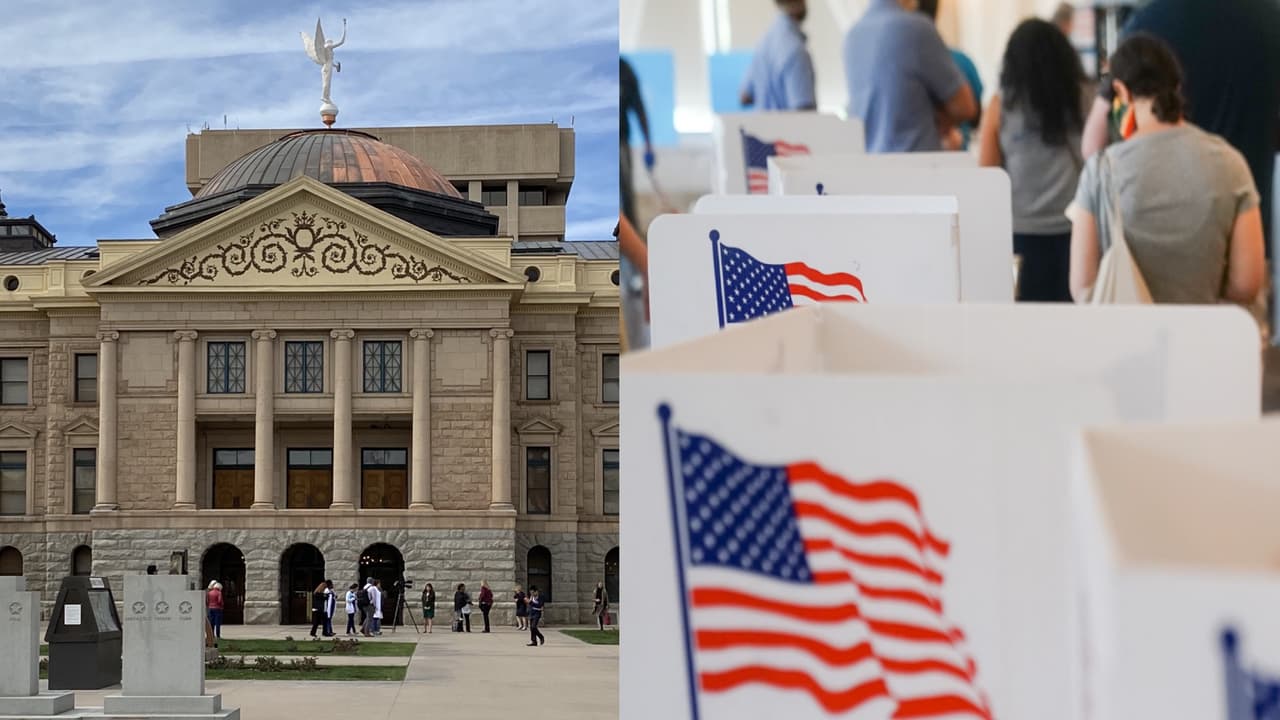
"A los 14 años, vi a mi familia y a mi comunidad y me dije: hay un futuro mejor para nosotros; podemos progresar y las cosas pueden mejorar. Todo lo que hago y lo que soy tiene sus raíces en mi comunidad latina, y me llena de humildad poder llegar a representar a nuestra comunidad en el Senado. Es un deber que asumiré con orgullo y mucho honor." Read this content in english.
First, like Obama in 2008, the core of Sanders’ critique of Clinton is that her focus on regime change came at the expense of U.S. soldiers, Iraqi civilians, and American tax-payers. A war estimated to have cost around 2 trillion USD and that claimed the lives of thousands of U.S. soldiers and hundreds of thousands of Iraqi civilians is no minor slip-up. As Obama did in 2008, Sanders suggests it is representative of Clinton’s judgment regarding the use of military force to advance interventionist policies overseas.
Conversely, Clinton insists that her time as Secretary of State demonstrates her experience in foreign policy and ability to resolve international crises. Few would deny Clinton’s breadth of experience, but did her tenure as Secretary of State reveal a leaning towards military interventionism?
Looking at Clinton’s record as Secretary of State, The Atlantic’s Conor Friedersdorf observed that: “[s]he favored the Iraq War. She believes the U.S. should’ve intervened in Iran during the failed Green Revolution. She urged U.S. intervention in Libya. And she unsuccessfully lobbied for the U.S. to assist anti-government rebels in Syria.”
These divergent stances with President Obama are rather indicative of Clinton’s more hawkish foreign policy. Whether it is pushing for regime change in Libya, advocating for the Obama Administration to interfere in the failed Green Revolution in Iran, or calling for the U.S. to enforce ‘no fly zones’ in Syria, a pattern of more aggressive and often unilateral interventionist strategies is hard to miss.
While Obama recently spoke highly of Secretary Clinton, the divide between the two regarding military interventionism is rather visible. Perhaps this is why Clinton has revamped her defense of the Iraq Vote by stating “ a vote in 2002 is not a plan to defeat ISIS.”
The reality is, ISIS grew into the threat that it is today because of the Iraq War. There can be no honest conversation about defeating ISIS without understanding the origins of the organization or the dynamics that catalyzed their rise. Lakhdar Brahimi, former UN-Arab League mediator in Syria, identified the 2003 US invasion of Iraq as “providing an environment that allowed insurgency to grow in Iraq, helping a group like the Islamic State of Iraq and Syria (ISIS) to flourish.”
It would be unfair to suggest that because of her supportive vote Clinton bears the fullness of responsibility for such an unexpected consequence, but it is also inaccurate to imply that the threat of ISIS is not rooted in the U.S. invasion of Iraq. As the U.S. looks forward to address an organization that is terrorizing civilians across the world, it must also look backward to the policy choices and the dominant attitudes that shaped the challenges of today.
In the aftermath of the September 11 attacks, a time of fear and uncertainty, Americans turned to their government for security. Under the false pretense that the Iraqi government had Weapons of Mass Destruction (WMDs), the U.S. invaded Iraq, resulting in one of the bloodiest and most expensive foreign policy blunders.
The pangs of the conflict live long after the U.S. withdrawal in 2011. While estimates of soldiers injured in the war vary from thousands to hundreds of thousands, more open conversations surrounding the prevalence of post-traumatic stress, depression, and traumatic brain injuries among veterans stand as sober reminders that not all wounds are visible or so quickly remedied.
On the Iraqi side, while estimates also vary, even the most modest figures point to haunting numbers of civilians killed, wounded, traumatized, and displaced by “a vote in 2002.” The consequences of the invasion of Iraq have not been constrained to the past or to the country’s borders.
Organizations like ISIS, formed in the anti-American insurgency and strengthened in the chaotic aftermath of the war, have managed to dominate in the Syrian Civil War and carry out terrorist attacks in Baghdad, Beirut, and Paris among others.
In a time when the Democratic Party is heavily invested in defining progressive values, can the Iraq War—and the millions of lives still affected by it—be so readily sent off to the dust-bin of history? Decision-makers, entrusted with power, must be held accountable for the choices they make and the positions they take. The only people able to hold them accountable are voters, as they decide that some mistakes cannot be so easily forgotten.
Disclaimer: We selected this Op-Ed to be published in our opinion section as a contribution to public debate. The views and opinions expressed in this column are those of its author(s) and/or the organization(s) they represent and do not reflect the views or the editorial line of Univision Noticias.