The terrible scenes from Gaza have turned my mind back to the four months I spent living there in 1980 as a 19-year-old volunteer.
Memories of a Gaza summer
I could see the growing Palestinian anger and frustration after decades of Israeli military occupation. That was 40 years ago, and it has only kept growing. (Leer en español)
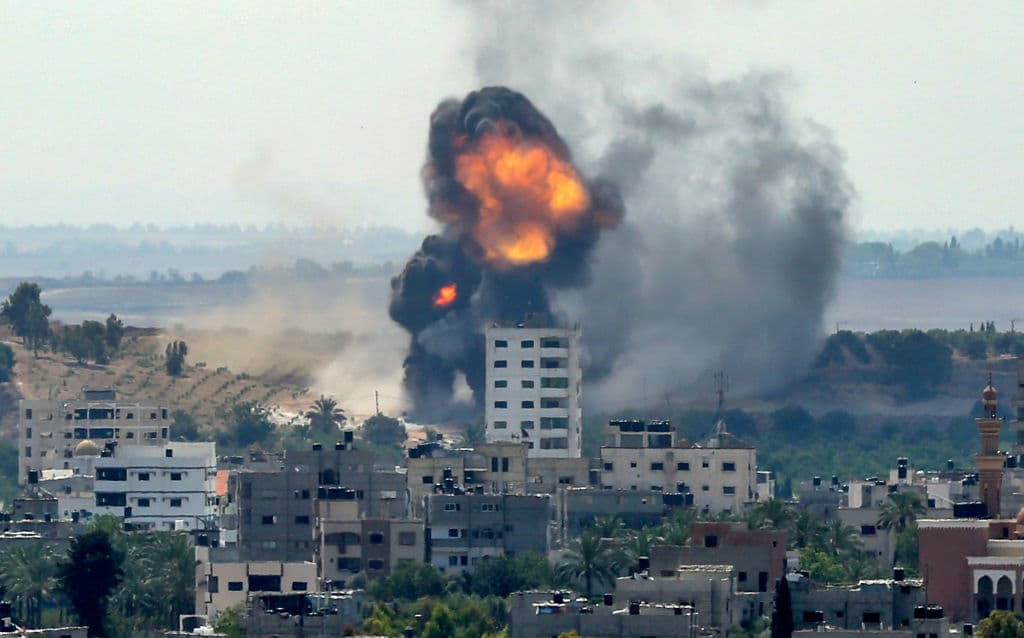
A ball of fire erupts from a building in Gaza City's Rimal residential district on May 20, 2021, during Israeli bombardment on the Hamas-controlled enclave.
Imagen Bashar Taleb/AFP via Getty Images
Thankfully, back then there were no rocket attacks - incoming or outgoing. The armed Islamic movement, Hamas, didn’t exist yet, but its roots were being sown. Tension was in the air, and I heard plenty of anger, as well as fighting talk of Palestinian self-rule.
In those days, the city, and the entire Gaza Strip, was under military occupation, so Israeli soldiers patrolled in jeeps, especially in the crowded refugee camps. Palestinian resistance to the Israeli occupation had largely been crushed in the wake of the ‘Six Day War’ of 1967 when Israel took control of the West Bank and Gaza from its neighbors, Jordan and Egypt.
I was a volunteer at a YMCA summer camp, but I spent all my free time exploring - the Gaza Strip is only 25 miles long and six miles wide.
I remember touring Jabalia, the largest refugee camp, with a Palestinian social worker, Fatima Abu Saoud. In one home in a narrow street, I drank mint tea with the family of a young woman, recently released from jail. She wore a traditional embroidered Palestinian full-length dress, her face uncovered as is customary with most Palestinian women.
Resistance
I noticed she had a prosthetic hand and she explained to me that this was how she ended up in jail. Barely a teenager, she threw a Molotov cocktail at an Israeli army jeep driving through the camp. She was loading up with another when she was shot and the home-made bomb went off in her hand.
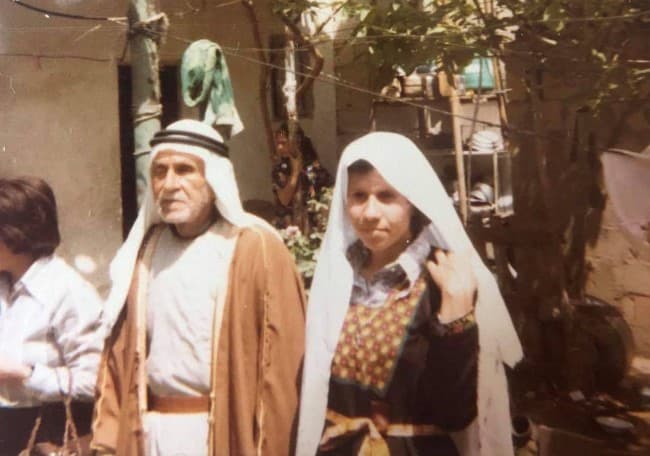
A young Palestinian woman, recently released from prison after serving her sentence for throwing a Molotov cocktail at an Israeli army jeep in the Jabalia refugee camp in the Gaza Strip. May 6, 1980.
Imagen Jack Barker
I am still haunted by the memory of her face and the softness in her voice. She seemed mildly repentant, but at the same time defiant, proud that she had stood up for her people.
But she was also something of an exception, I found. Most Palestinians I met were bitter and frustrated by the occupation, but they got on with their lives and tried to make do.
Back then, Gaza was just as poor as it is today, but not as heavily built up. There were few tall buildings to be targeted by the Israeli Air Force. Most of the streets were unpaved, with homes built in the sand.
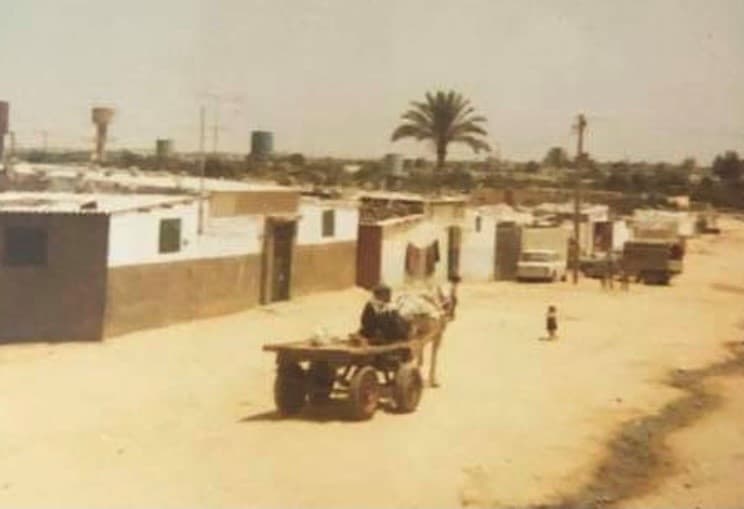
The street where I lived in Gaza City in 1980.
Imagen Jack Barker
Military summons
One day I was summoned to the Israeli military headquarters in Gaza for an interview with Capt. Amnon Lorand, the liaison officer, who wanted to know what a British teenager was doing in Gaza.
I feigned innocence, especially when he casually mentioned there was a writer in Britain with my same last name who wrote a lot about the Middle East. The writer was my father, the former Middle East correspondent for The Guardian, who wrote critically about Israel at a time when few mainstream journalists dared to. I didn’t let on that I knew who he was referring to. But he’d made his point. I knew that he knew and he knew that I knew that he knew.
The diary I kept noted what he thought of Palestinians. “We have to treat the Arabs the way we do because they have the mental age of five-year-old children,” he told me.
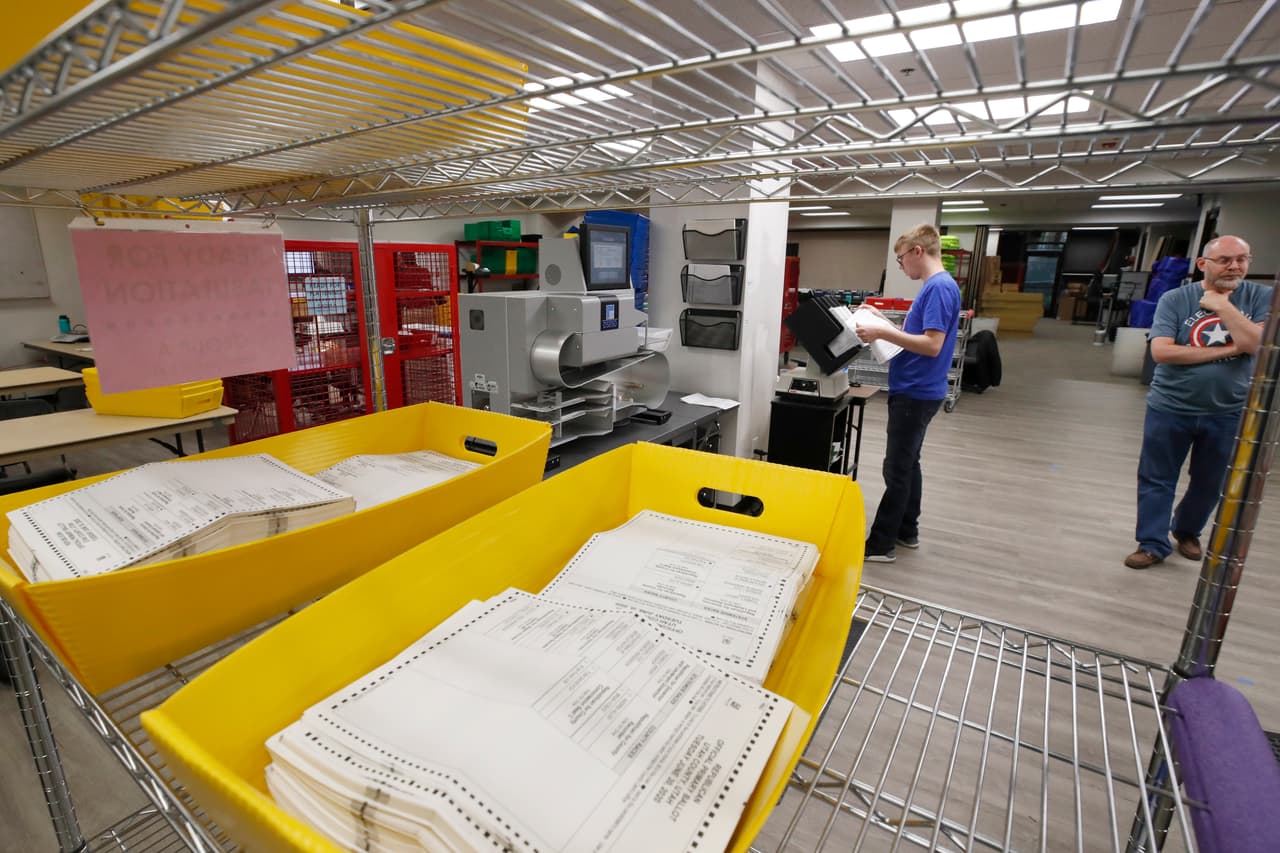
As my mom worked and parented, all in one breath, she instilled in us the values that I carry with me today: “por la familia, todo.” Lee este contenido en español.
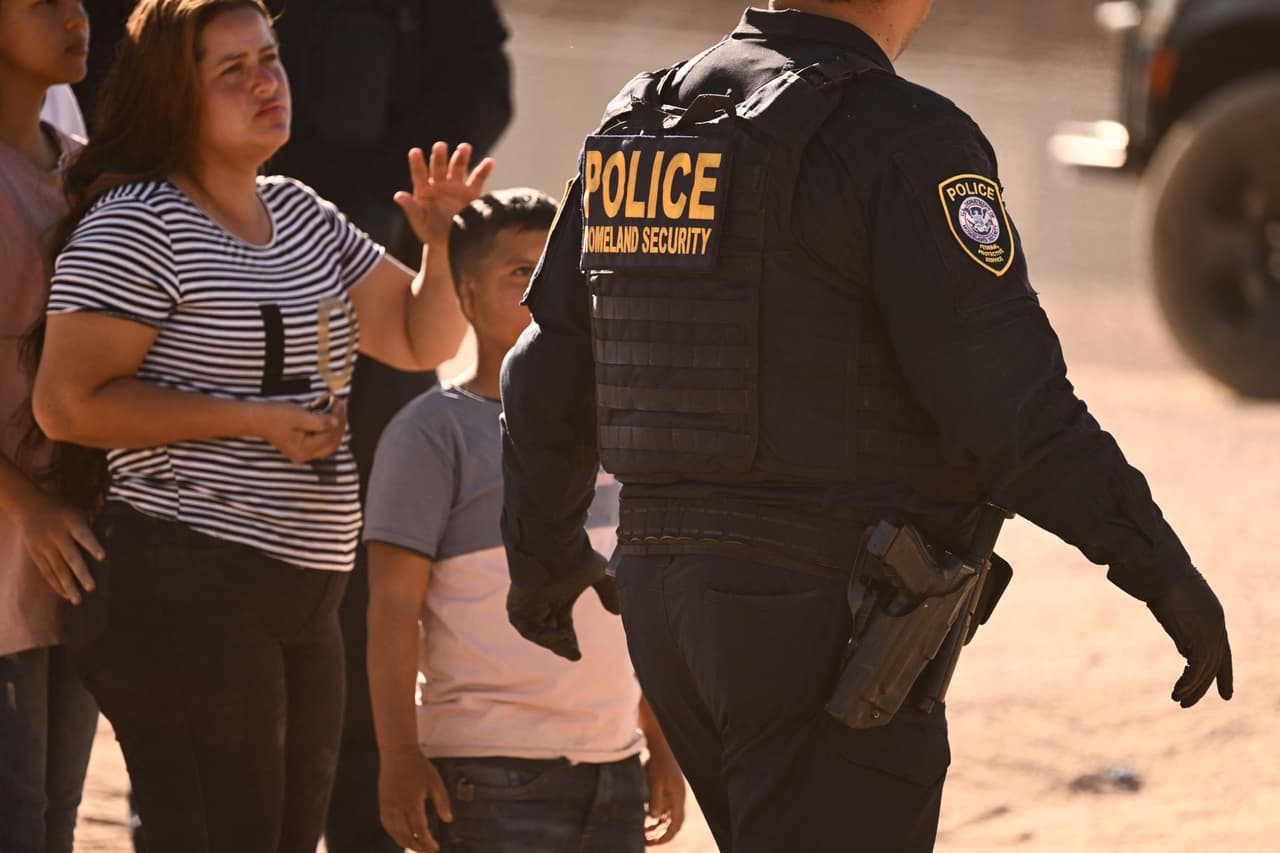
"What a sad reflection that the Republican Party has moved from Abraham Lincoln, who said immigration was a ‘source of national wealth and strength’ and Ronald Reagan, who called for his ‘city on the hill’ to be ‘open to anyone with the will and the heart to get here,’ to Donald Trump, who says immigrants are ‘poisoning the blood of our country".
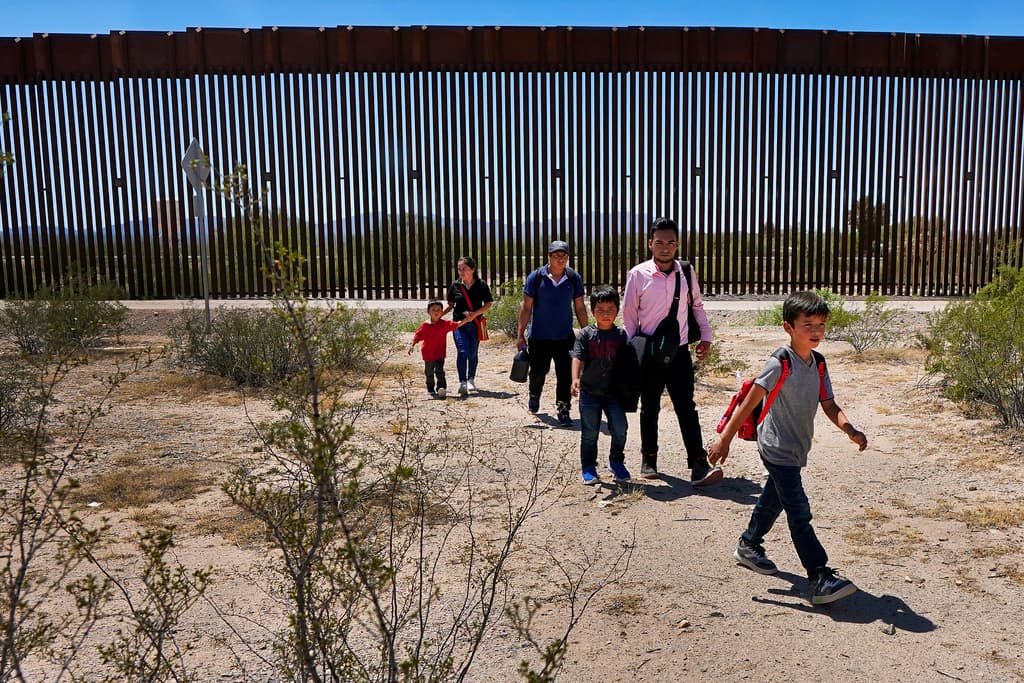
"Our current immigration laws include so many hurdles that can keep families in limbo, and even being married to a U.S. citizen isn’t always enough to allow someone to get a green card".

"For those of us whose livelihoods depend on it, President Biden’s actions to protect and preserve DACA show a striking contrast with those of Trump and MAGA Republicans. Trump has a record of trying to end DACA and will try again if he wins another term".

"While immigrants by now are accustomed to being the tip of the spear in the GOP’s arsenal of attacks, let's be clear-eyed that the threat now is beyond harming immigrant communities or calling attention to the border. This is about using this issue as a tool to further Trump’s political ambitions, even if that means suppressing the right to vote, undermining our election results, or stoking more political violence".
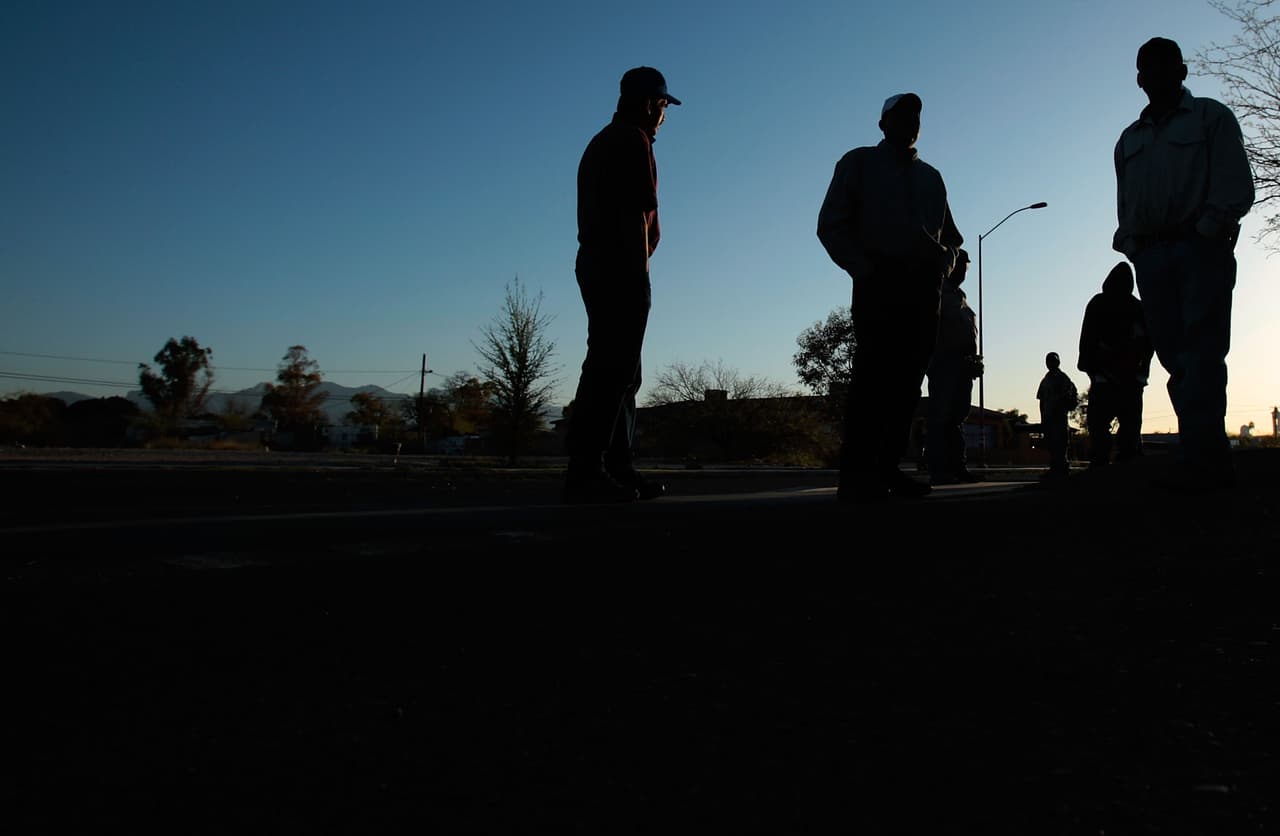
"This month comes at a special moment in our nation’s history. For the first time, we have more Latinos serving in Congress than ever before. In the Senate, the Democratic Majority has confirmed a historic number of Latino judicial nominees and recently confirmed the first Latina to serve on the Federal Reserve in the Board’s 109-year history".
"This is the clean energy boom unleashed by President Biden: good-paying jobs in a fast-growing industry and lower bills for working families — all while addressing the climate crisis affecting our lives".
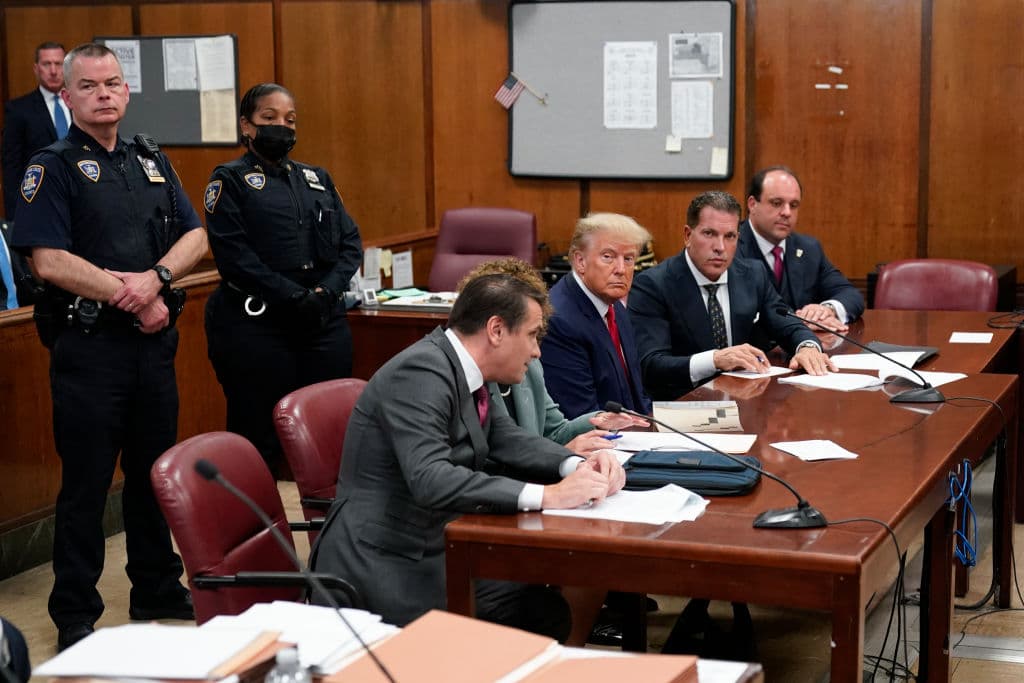
Putting presidents, former presidents and coup plotters on trial is an honorable and necessary practice to maintain a healthy democracy. Failure to put on trial presidents or former presidents who broke the law or committed crimes has had devastating consequences in Latin America.
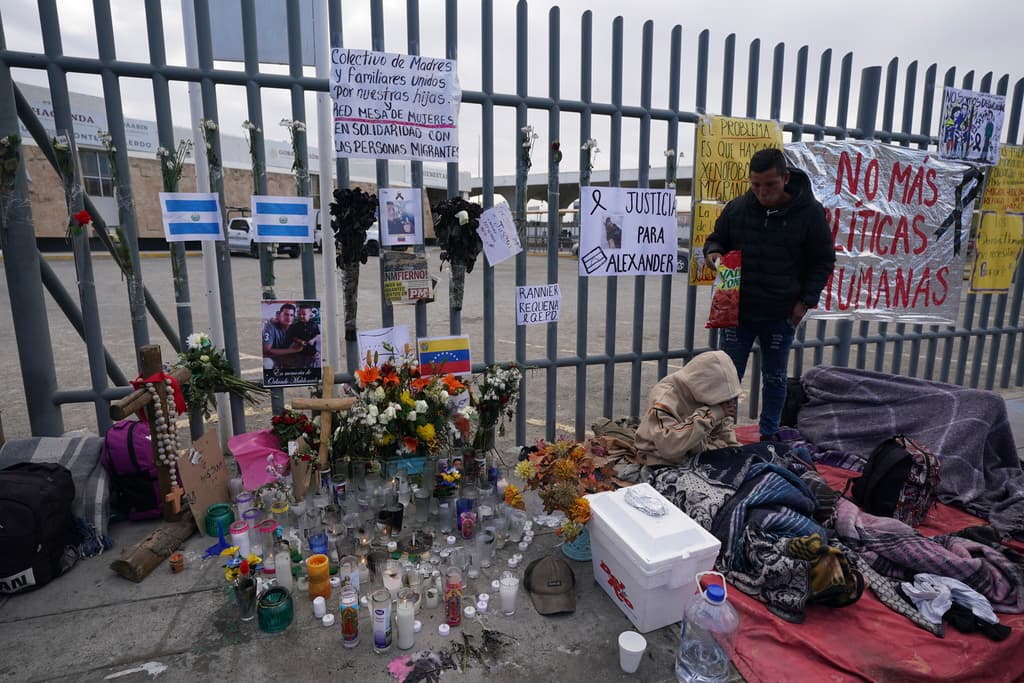
Mexico's migrant policy bears responsibility for the deaths of 39 migrants in the fire at a detention center in Ciudad Juarez. They were in the custody of the Mexican government, in a federal facility.
I told him that I had gotten a very different impression from the local community leaders I had met, including doctors and lawyers educated at top universities in the United States and Britain.
To be sure, those educated Palestinians were advocating for self-determination, but through Ghandi-like peaceful civil disobedience. I got no sense of imminent revolt in the air, although a local man who took me under his wing, Musa Saba, or ‘Abu Issa’, hinted darkly from under his keffiyeh headdress that one day things would change.
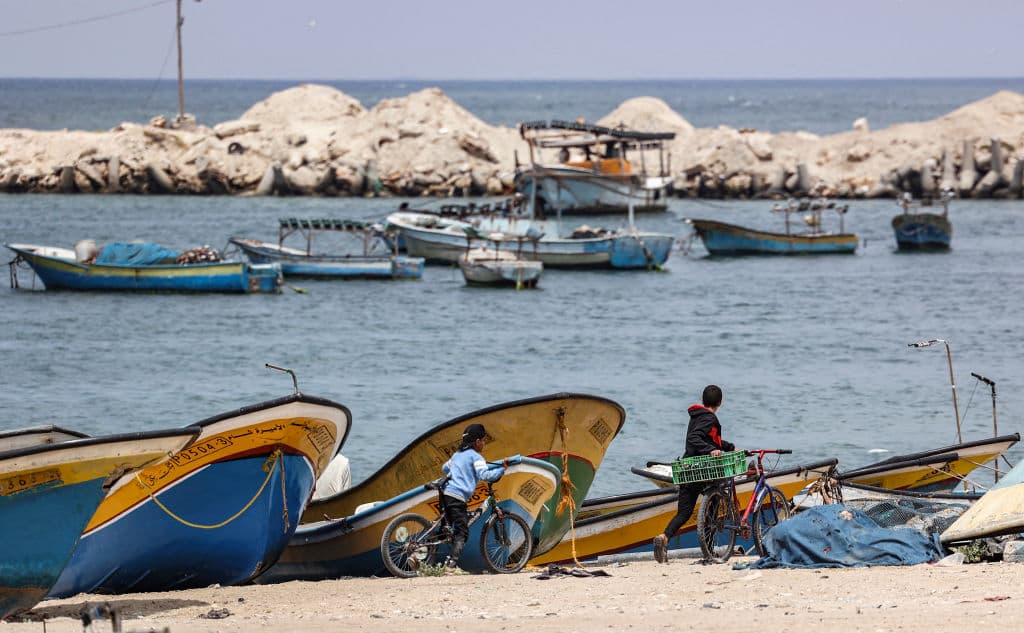
Palestinian boys walk with bicycles past shored fishing boats at the seaport of Gaza City on April 26, 2021.
Imagen Mahmud Hams/AFP via Getty Images
Abu Issa
Abu Issa who had spent time in prison, took me on long bike rides up the coast, through orange groves on the northern edge of the city, introducing me to his friends. Almost all had stories of jail time, or run-ins with the Israelis for political activities. Many complained about the Israeli tactic of demolishing the home of any family at the slightest hint of radicalism.
I was impressed how well educated and informed the men were; most spoke some English and they listened to the BBC World Service. That was largely due to the United Nations Relief Works Agency (UNRWA) which runs the refugee camps, providing schools, food and basic health services.
I was frequently lectured on the wrongs committed by western governments, including dates and events engraved in Arab history but that are little known or understood in the West. The greatest of those was the expulsion in 1948 of hundreds of thousands of Palestinians from their homes in what became the state of Israel, forced into refugee camps never to return.
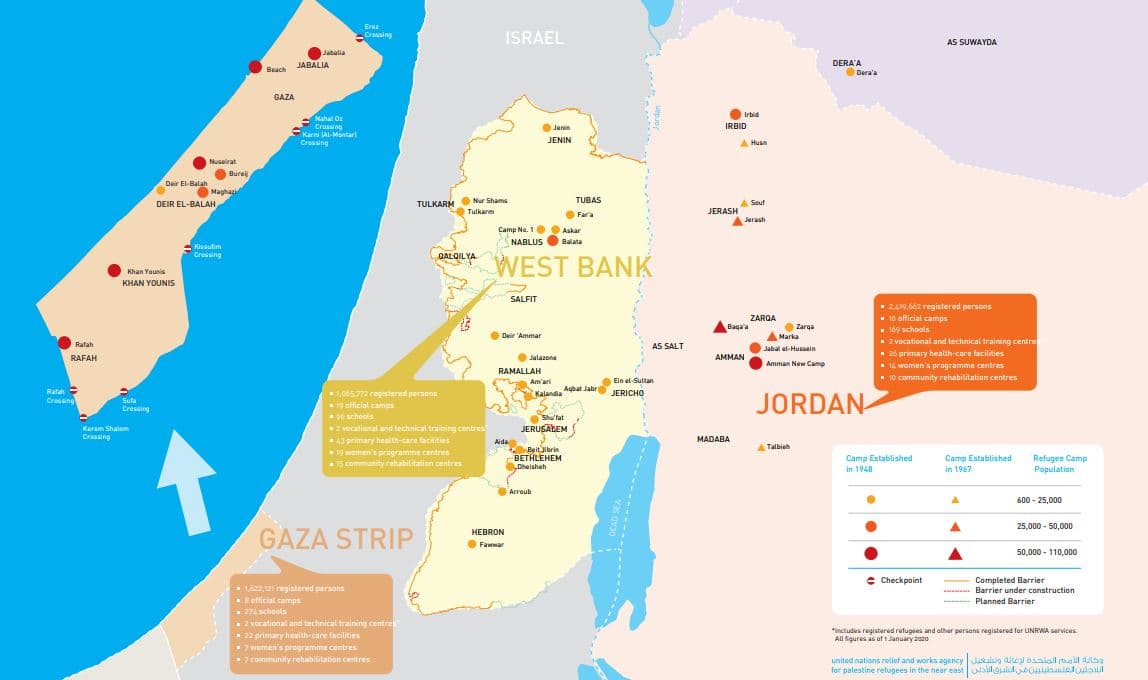
The United Nations Relief Works Agency (UNRWA) runs refugee camps for a total of six million Palestinians in Gaza, the West Bank, Jordan, Lebanon and Syria.
Imagen UNRWA
Palestinians asked me how the West could stand idly by as their countrymen remained confined to refugee camps in their own land, under Israeli military occupation?
Now, 40 years later, that population keeps growing and there are 1.5 million refugees, according to UNRWA, with a total of two million people crammed into the
Gaza Strip, one of the highest population densities in the world. Of those about 600,000 live in one of the eight refugee camps, dependent on food aid and 95% without access to clean water.
I wrote in my diary that Abu Issa and his friends were unhappy that the triumph of the Islamic revolution in Iran, just a year earlier in 1979, “has served only to cloud the Palestinian issue with fear of a Mid-East Islamic revolt.”
In fact, there had been several incidents of acid being thrown at girls on the beach in Gaza for wearing bathing costumes that the fundamentalists disapproved of. Islamists were also taking over the student unions at Palestinian universities in Gaza and the West Bank, previously controlled by moderates.
“The West has abandoned us, so some of our leaders argue we have no choice but to ally with Iraq, Syria and Iran,” one educated Palestinian friend told me.
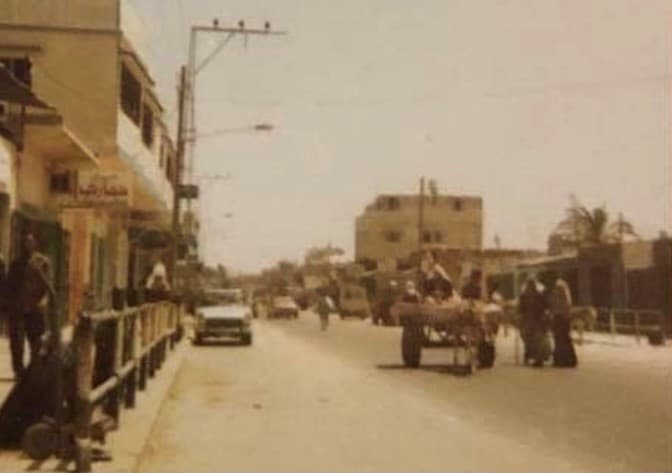
One of the main streets in Gaza City in the summer of 1980.
Imagen Jack Barker
'Gaza First'
At the time, a two-state solution to the Israeli-Palestinian conflict was still being talked about at the United Nations, involving the withdrawal of Israeli armed forces from the occupied territories. Things were so quiet in Gaza there was even talk of a ‘Gaza first’ plan, in which limited autonomy would be implemented there first as a model for the West Bank. No-one today is proposing that, of course.
That recollection sums up well the biggest lesson I learned from my days in Gaza: how Israel’s unrelenting oppression was only making its enemies ever more desperate – hence the suicide vests and the rocket attacks.
And trapped in the middle, the innocent civilian victims – both Palestinian and Israeli.
In 1980, Abu Issa and my other friends were smart enough to see what was happening, despite the Israeli liaison officer’s dismissive ideas about their limited mental ability.
Hamas
Sure enough, a few years later the Islamists took over, in the shape of Hamas. Founded in Gaza in 1987, Hamas gradually won local support with social programs and recruited young men for their military wing.
That same year, it was another incident involving Israeli soldiers in Gaza, at the Jabalia refugee camp, that sparked the so-called ‘Intifada’, a rebellion of young men armed with stones and Molotov cocktails, who took on the Israeli army.
In 2005 Israel withdrew from Gaza and major cities in the West Bank. By 2007, Hamas was in full control, even breaking with the more moderate Palestinian Authority in the West Bank where Islamists exert less control in the Christian villages around Jerusalem and Bethlehem.
This week I wrote to one of my former students in Gaza, Rania Filfil, who’s late father worked for UNRWA. She was just nine years old and still remembers on the playground how I used to lift her up to help her put the basketball through the hoop.
She now lives in the West Bank, cut off from friends and family in Gaza. When her father died in 2005 she wasn’t granted a permit to attend his funeral in Gaza.
Like so many, she is heartbroken by the events of the last two weeks. “Entire families have been wiped out. Roads to hospitals have been wrecked. We cannot get hold of many of our families and friends,” she wrote.
And she asks that same question I heard so often in 1980. How can the world stand idly by?
“Hypocrite free world, enjoy your morning coffee and fancy dinners. The Palestinians will die alone and rise again,” she mourned.