Officially, the Constitution of the United States gives everyone on U.S. soil equal protection under the law – regardless of nationality or legal status.
Mexicans in US routinely confront legal abuse, racial profiling, ICE targeting and other civil rights violations
Immigration and Customs Enforcement – or ICE, the agency that carries out the nation’s immigration laws – arrests Mexican immigrants at levels that are disproportionate to their share of the unauthorized immigrant population.

Por:
David FitzGerald
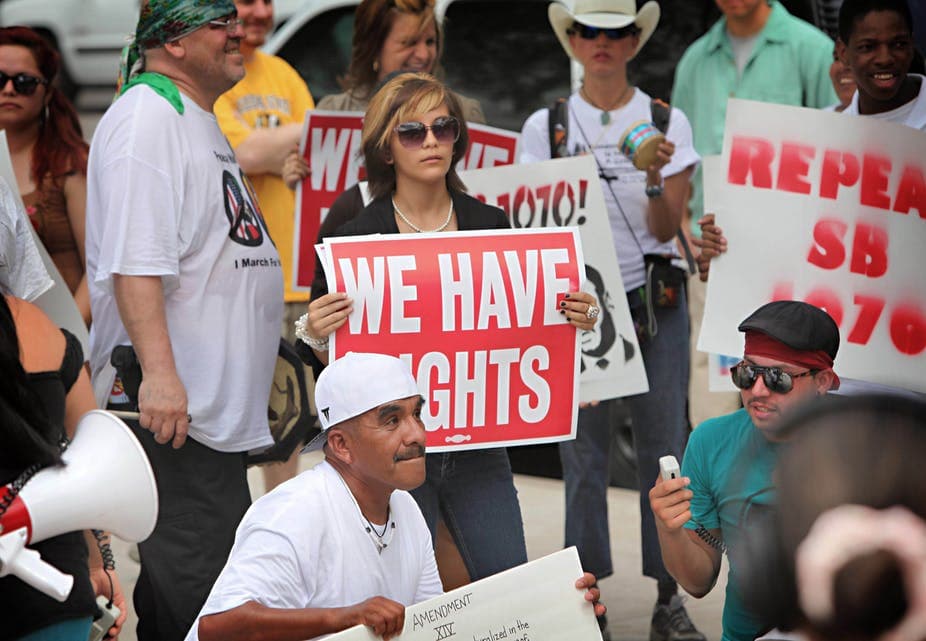
The civil rights of 11.3 million Mexican nationals who live in the US are routinely violated, according to a comprehensive new report on U.S. immigration enforcement since 2009.
Imagen AP Photo/Matt York
But, as recent stories of the neglectful treatment of migrant children in government detention centers demonstrate, these civil rights are not always granted to immigrants.
We are scholars focused on U.S.-Mexico migration. Our report on the enforcement of U.S. immigration law under presidents Barack Obama and Donald Trump, presented in February to Mexico’s National Human Rights Commission, documented pervasive and systematic civil rights violations against Mexicans living in the United States.
Some of the abuses we documented – which include racial profiling, discriminatory treatment and due process violations – result from the Trump administration’s anti-immigration policies. Others began much earlier, under Obama or well before.
All paint a troubling picture about the rule of law in the United States and the challenges facing America’s largest immigrant group.
Discrimination and deportation
An estimated 11.3 million people born in Mexico now live in the United States – 3% of the total U.S. population.
About 5 million of them are unauthorized immigrants, meaning Mexicans make up just under half of the 10.5 million undocumented immigrants in the country. The other 6.3 million Mexicans in the U.S. are either lawful permanent residents or dual nationals who are naturalized U.S. citizens.
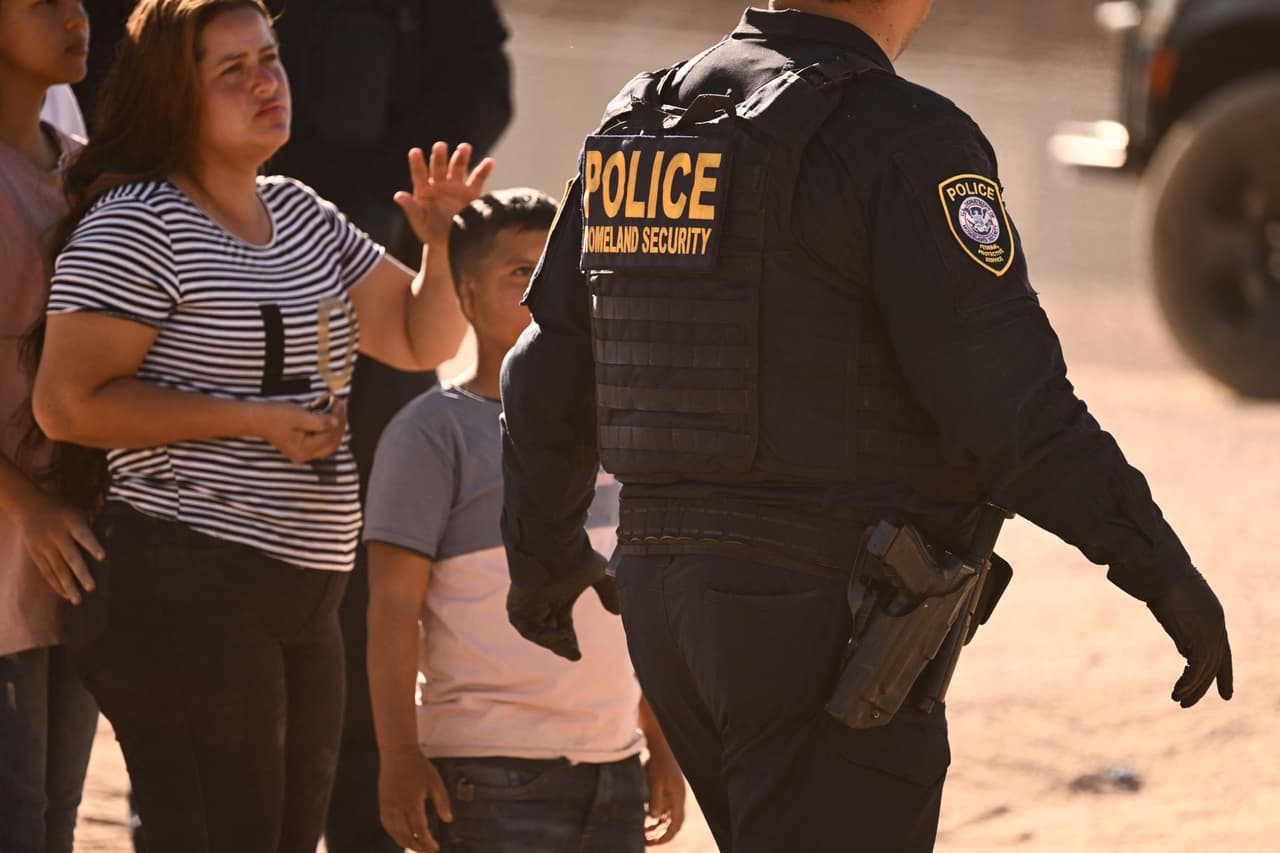
Based on these figures, we found, Immigration and Customs Enforcement – or ICE, the agency that carries out the nation’s immigration laws – arrests Mexican immigrants at levels that are disproportionate to their share of the unauthorized immigrant population.
Roughly 70% of immigrants deported from the U.S. interior in 2015 were Mexican, the most recent year that such detailed deportation data are available.
Another 550,000 young Mexican American “Dreamers” – immigrants who were brought to the U.S. unlawfully as children – became subject to deportation when Trump in September 2017 rescinded the Deferred Action for Childhood Arrivals program, which gave them temporary protection from deportation.
Not all deportations violate immigrants’ civil rights. The Immigration and Nationality Act says immigrants may be deported for violating a long list of criminal and administrative laws.
But evidence suggests that Mexicans and other Latinos are sometimes targeted for arrest based on their race or ethnicity.
In 2013 a federal judge ruled that police in Maricopa County, Arizona, were racial profiling Latinos in traffic stops that targeted immigrants.
AP Photo/Ross D. Franklin
In 2014, independent monitors at a Customs and Border Protection checkpoint in Arivaca, Arizona, just north of the U.S.-Mexico border, found that vehicle occupants who appeared to be Latino were 26 times more likely to be asked to show identification than white-looking vehicle occupants, who are frequently waved through the checkpoint.
And in 2012, a U.S. Department of Justice investigation in Alamance County, North Carolina, found that the sheriff had instructed deputies to “go out there and get me some of those taco eaters” by targeting Latinos in traffic stops and other law enforcement activities.

As my mom worked and parented, all in one breath, she instilled in us the values that I carry with me today: “por la familia, todo.” Lee este contenido en español.
"What a sad reflection that the Republican Party has moved from Abraham Lincoln, who said immigration was a ‘source of national wealth and strength’ and Ronald Reagan, who called for his ‘city on the hill’ to be ‘open to anyone with the will and the heart to get here,’ to Donald Trump, who says immigrants are ‘poisoning the blood of our country".
"Our current immigration laws include so many hurdles that can keep families in limbo, and even being married to a U.S. citizen isn’t always enough to allow someone to get a green card".

"For those of us whose livelihoods depend on it, President Biden’s actions to protect and preserve DACA show a striking contrast with those of Trump and MAGA Republicans. Trump has a record of trying to end DACA and will try again if he wins another term".

"While immigrants by now are accustomed to being the tip of the spear in the GOP’s arsenal of attacks, let's be clear-eyed that the threat now is beyond harming immigrant communities or calling attention to the border. This is about using this issue as a tool to further Trump’s political ambitions, even if that means suppressing the right to vote, undermining our election results, or stoking more political violence".
"This month comes at a special moment in our nation’s history. For the first time, we have more Latinos serving in Congress than ever before. In the Senate, the Democratic Majority has confirmed a historic number of Latino judicial nominees and recently confirmed the first Latina to serve on the Federal Reserve in the Board’s 109-year history".
"This is the clean energy boom unleashed by President Biden: good-paying jobs in a fast-growing industry and lower bills for working families — all while addressing the climate crisis affecting our lives".
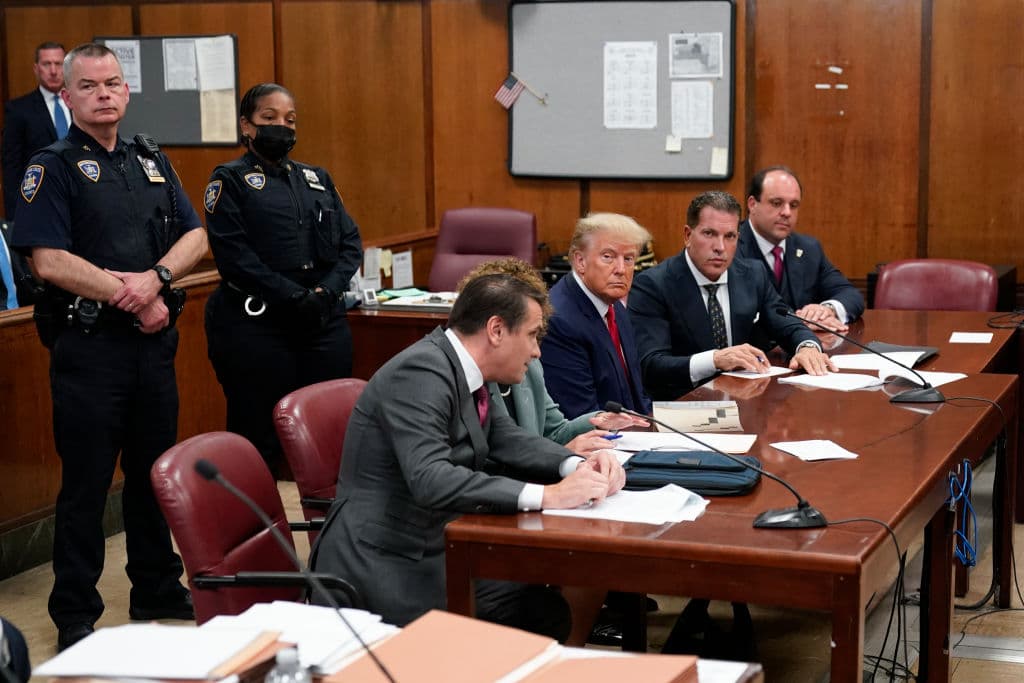
Putting presidents, former presidents and coup plotters on trial is an honorable and necessary practice to maintain a healthy democracy. Failure to put on trial presidents or former presidents who broke the law or committed crimes has had devastating consequences in Latin America.
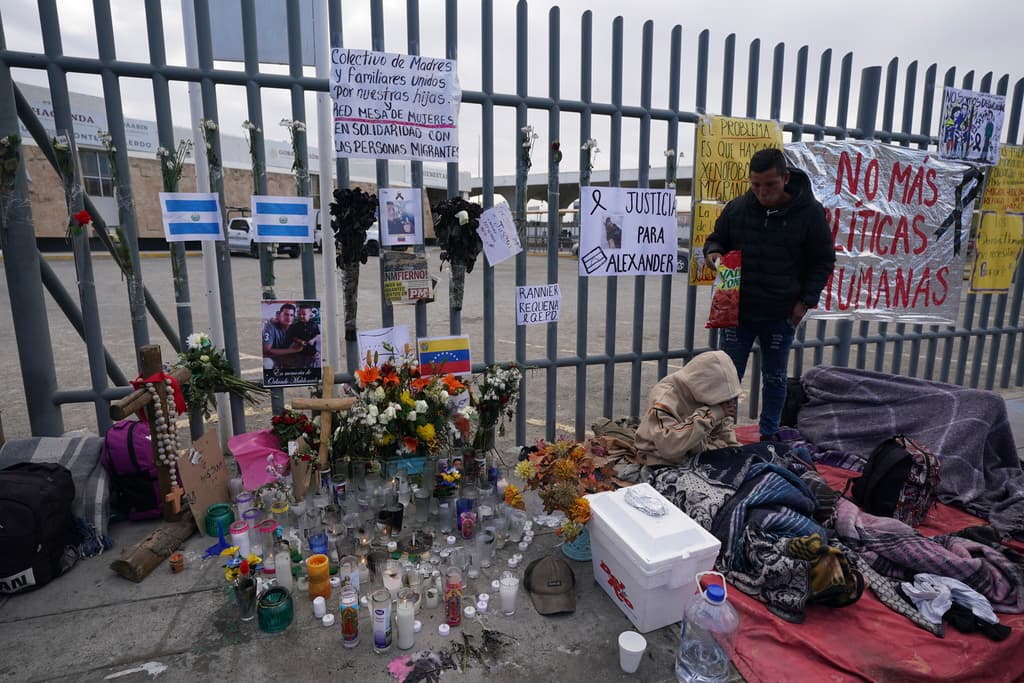
Mexico's migrant policy bears responsibility for the deaths of 39 migrants in the fire at a detention center in Ciudad Juarez. They were in the custody of the Mexican government, in a federal facility.

The DOJ concluded that the county demonstrated an “egregious pattern of racial profiling” – a violation of the 14th Amendment, which guarantees everyone equal protection under the law.
Family separation
Mexicans in the United States have seen their constitutional rights violated in other ways.
The most egregious example was the forced separation of families found to have crossed the border illegally.
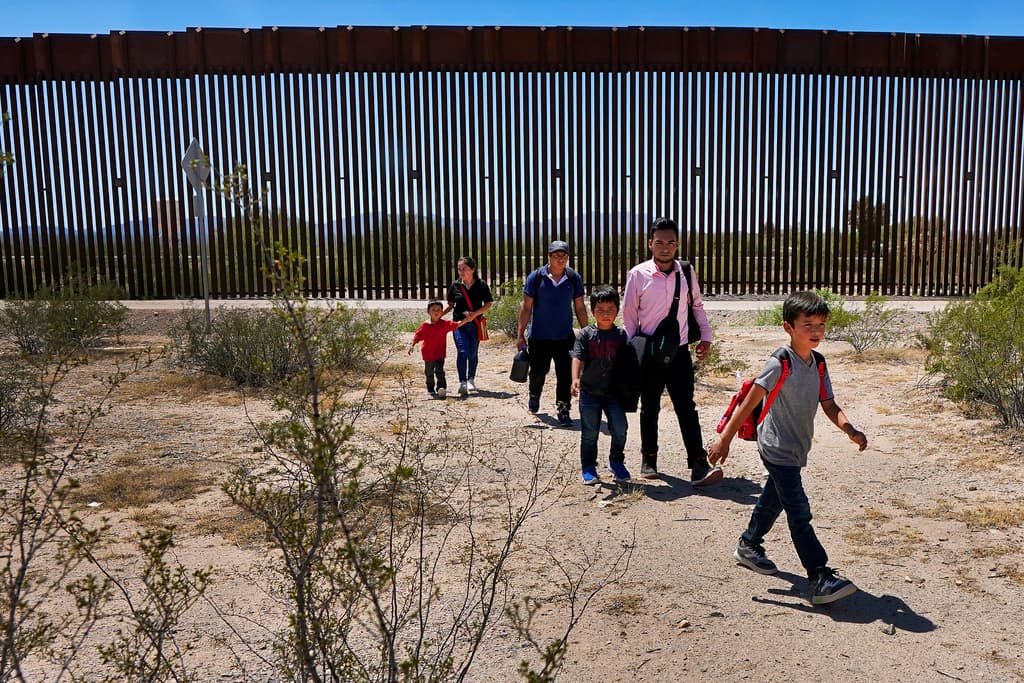
Under this Trump administration policy, which began in April 2018, at least 2,654 migrant children – and perhaps thousands more – were taken from their parents and held in government custody while their parents were criminally prosecuted for crossing the border unlawfully.
Thirty of the children known to have been separated from their families were Mexican; the rest were from Central America. Poor record-keeping has made it difficult for all of them to be reunited with their families before their parents’ deportation.
Together, these actions violate the constitutional rights to legal due process, equal protection and, according to the Southern District of California, the right of parents to determine the care for their children.
“The liberty interest identified in the Fifth Amendment provides a right to family integrity or to familial association,” wrote Judge Dana M. Sabraw in a June 2018 ruling.
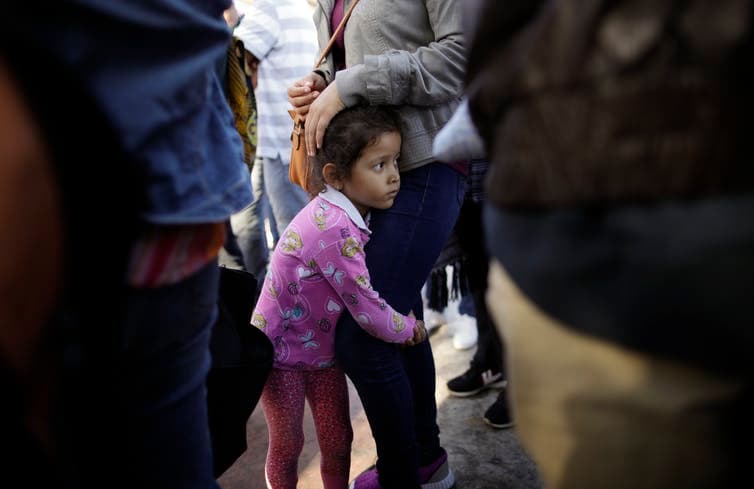
A child from Guerrero, Mexico, clings to her mother as the family waits in Tijuana to apply for asylum in the U.S., June 13, 2018.
Imagen AP Photo/Gregory Bull
A child from Guerrero, Mexico, clings to her mother as the family waits in Tijuana to apply for asylum in the U.S., June 13, 2018.
AP Photo/Gregory Bull
More routine civil rights violations happen to Mexicans in the U.S. every day, our report found.
Though children born in the U.S. are entitled by law to American citizenship regardless of their parents’ immigration status, hundreds of undocumented Mexican women in Texas have been denied birth certificates for their U.S.-born children since 2013, according to a lawsuit filed by parents. In 2016, Texas settled the lawsuit and agreed to expand the types of documents immigrants can use to prove their identity.
And in both Arizona and Texas, so-called “ show me your papers” laws allow police to demand identification from anyone they have a “reasonable suspicion” may be undocumented, which may lead to discriminatory targeting of Latinos.
Once in government detention, surveys conducted in Mexico of recently deported immigrants show, Mexican deportees are often badly treated.
On average, in 2016 and 2017, about half of all recently deported Mexicans reported having no access to medical services or a bathroom while in government custody. One-third reported experiencing extreme heat or cold.
A recent report by the Office of Inspector General found unsafe and unsanitary conditions at several U.S. immigrant detention centers, and immigration lawyers found food shortages at some migrant children’s shelters.
A climate of fear
While Mexicans in the United States have faced biased law enforcement and discrimination for many decades, their treatment appears to have worsened since President Trump took office in 2017 with an openly anti-Mexican agenda.
A survey of Mexicans recently deported from the United States found that the number of people who reported experiencing verbal abuse or physical assault during their time in the U.S. increased 47% between 2016 and 2017.
The number of hate crimes against Latinos reported to the FBI also rose 24% in 2017 compared to 2016 – increasing from 344 incidents to 427.
Mexico is concerned about its citizens in the United States.
In March, President Andrés Manuel López Obrador and foreign minister Marcelo Ebrard announced it would provide more consular services online to increase the reach of Mexico’s 50 brick-and-mortar consulates in the U.S. and provide more legal training to consulate officials.
To support Mexicans in the U.S. with deportation and other immigration cases, the Mexican government will also strengthen its official ties with U.S.-based legal aid providers.
In theory, Mexico shouldn’t have to scramble to defend the rights of its citizens in the U.S. because the U.S. Constitution would. But, in practice, the civil rights of immigrants are simply not always guaranteed.
[ Like what you’ve read? Want more? Sign up for The Conversation’s daily newsletter. ]
David FitzGerald, Theodore E. Gildred Chair in U.S.-Mexican Relations, Professor of Sociology, and Co-Director of the Center for Comparative Immigration Studies, University of California San Diego; Angela Y. McClean, Ph.D. Candidate in Sociology, Fellow and Graduate Researcher at Center for Comparative Immigration Studies, University of California San Diego, and Gustavo López, Graduate Researcher at Center for Comparative Immigration Studies, University of California San Diego
This article is republished from The Conversation under a Creative Commons license. Read the original article.
Relacionados: