Many Americans may find bare grocery store shelves the most worrying sign of the impact of the COVID-19 pandemic on their food system.
How coronavirus threatens the seasonal farmworkers at the heart of the American food supply
Farm workers face particular risks during the current pandemic that, if unaddressed, threaten keeping those grocery store shelves well stocked.

Por:
Michael Haedicke
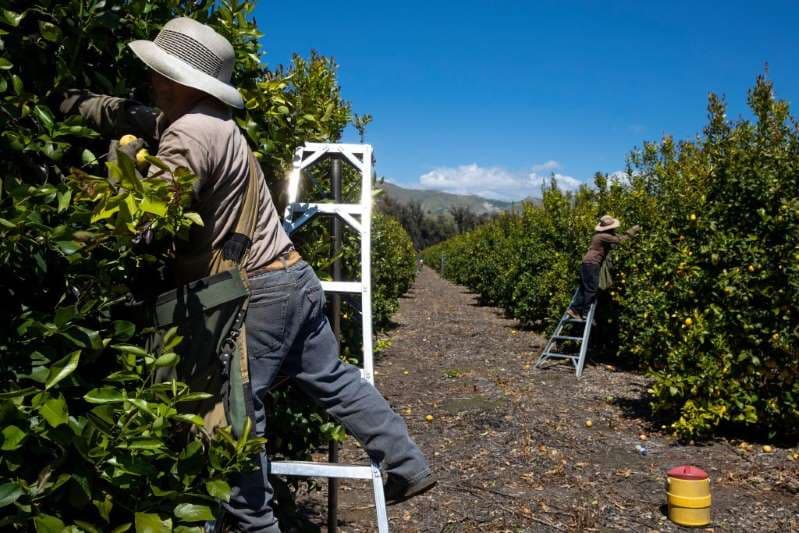
A farmworker picks lemons at an orchard in Mesa, California.
Imagen Brent Stirton/Getty Images
But, for the most part, shortages of shelf-stable items like pasta, canned beans and peanut butter are temporary because the U.S. continues to produce enough food to meet demand – even if it sometimes takes a day or two to catch up.
To keep up that pace, the food system depends on several million seasonal agricultural workers, many of whom are undocumented immigrants from Mexico and other countries. These laborers pick grapes in California, tend dairy cows in Wisconsin and rake blueberries in Maine.
As a sociologist who studies agricultural issues, including farm labor, I believe that these workers face particular risks during the current pandemic that, if unaddressed, threaten keeping those grocery store shelves well stocked.
Essential labor
It is difficult to accurately count the number of hired agricultural laborers in the United States, but official sources place the number at 1 million to 2.7 million people, depending on the time of year.
Most of these workers are employed seasonally to perform the hard manual labor of cultivating and harvesting crops. One-half to three-quarters of them were born outside of the United States, with the majority holding Mexican citizenship.
The H-2A visa program authorizes noncitizen agricultural laborers to work in the United States. This program allows farmers to recruit workers for seasonal agricultural jobs, provided the workers return home within 10 months.
But the H-2A program doesn’t cover enough workers to meet the needs of the food system. In 2018, only 243,000 visas were issued under the program – far less than the total number of workers needed to power the farm economy.
Government research suggests that approximately half of the remaining workers on U.S. farms are in the United States without legal authorization. These workers often live in the U.S. year-round, choosing to be in legal limbo rather than risk crossing an increasingly policed border. Some travel from state to state, following the harvest cycle of crops.
These farmworkers play an essential role in U.S. agriculture. They pick fresh fruits and vegetables, which are often difficult or impossible to harvest mechanically. They milk cows on dairy farms. In my home state of Iowa, they detassel the hybrid corn varieties – a form of pollination control – that farmers rely on.
Remove these workers, in other words, and large sectors of the American food system would grind to a halt.
Dangerous conditions
Yet there are several factors that put them at higher risk during the pandemic.
As my mom worked and parented, all in one breath, she instilled in us the values that I carry with me today: “por la familia, todo.” Lee este contenido en español.
"What a sad reflection that the Republican Party has moved from Abraham Lincoln, who said immigration was a ‘source of national wealth and strength’ and Ronald Reagan, who called for his ‘city on the hill’ to be ‘open to anyone with the will and the heart to get here,’ to Donald Trump, who says immigrants are ‘poisoning the blood of our country".
"Our current immigration laws include so many hurdles that can keep families in limbo, and even being married to a U.S. citizen isn’t always enough to allow someone to get a green card".

"For those of us whose livelihoods depend on it, President Biden’s actions to protect and preserve DACA show a striking contrast with those of Trump and MAGA Republicans. Trump has a record of trying to end DACA and will try again if he wins another term".

"While immigrants by now are accustomed to being the tip of the spear in the GOP’s arsenal of attacks, let's be clear-eyed that the threat now is beyond harming immigrant communities or calling attention to the border. This is about using this issue as a tool to further Trump’s political ambitions, even if that means suppressing the right to vote, undermining our election results, or stoking more political violence".
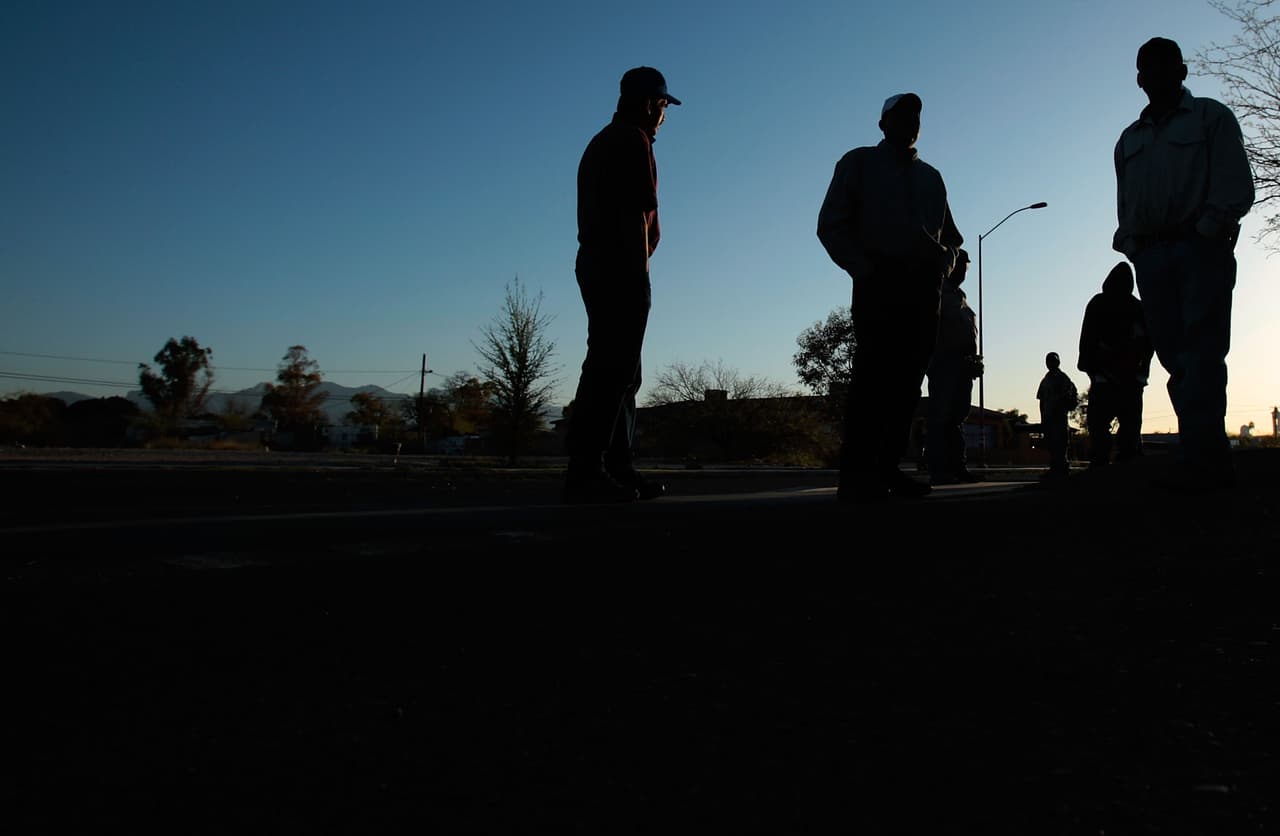
"This month comes at a special moment in our nation’s history. For the first time, we have more Latinos serving in Congress than ever before. In the Senate, the Democratic Majority has confirmed a historic number of Latino judicial nominees and recently confirmed the first Latina to serve on the Federal Reserve in the Board’s 109-year history".
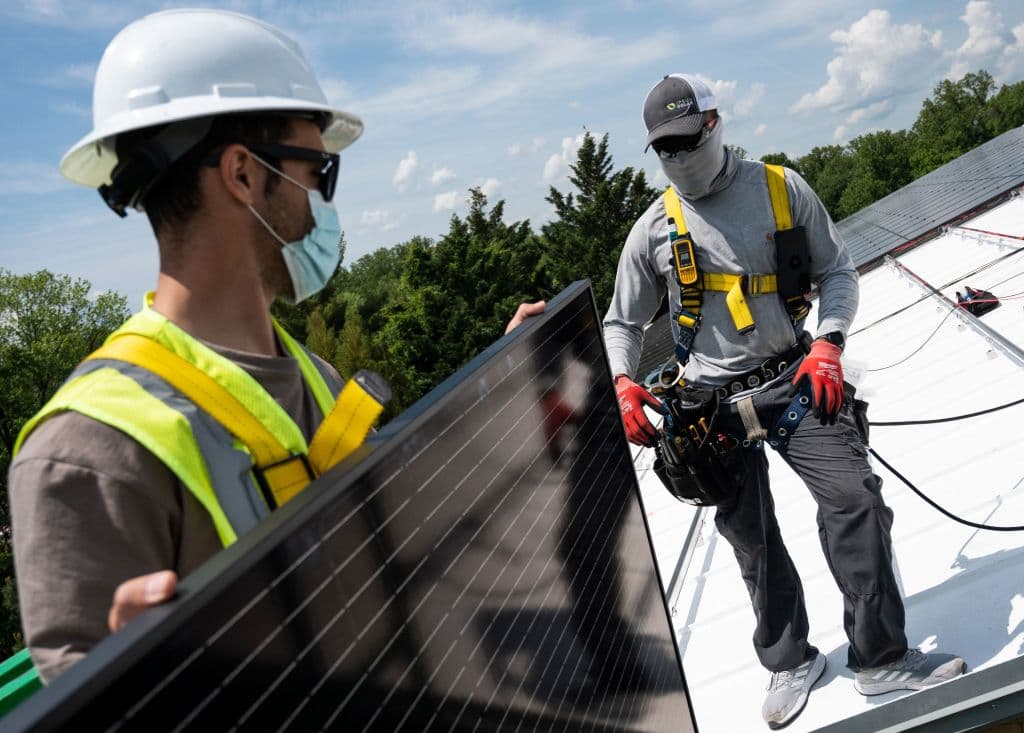
"This is the clean energy boom unleashed by President Biden: good-paying jobs in a fast-growing industry and lower bills for working families — all while addressing the climate crisis affecting our lives".
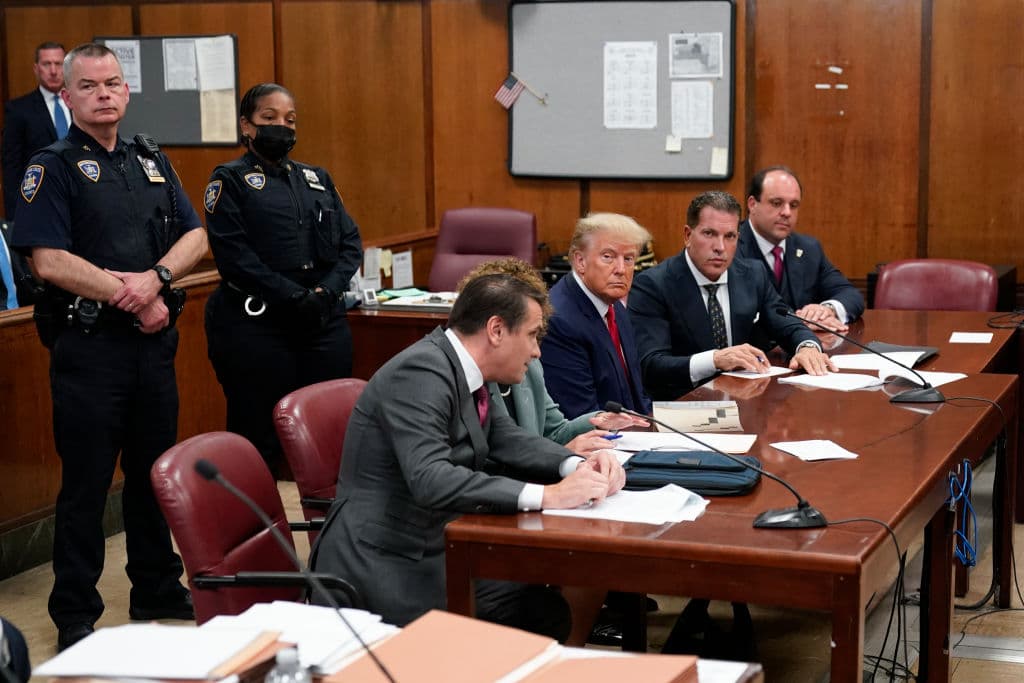
Putting presidents, former presidents and coup plotters on trial is an honorable and necessary practice to maintain a healthy democracy. Failure to put on trial presidents or former presidents who broke the law or committed crimes has had devastating consequences in Latin America.
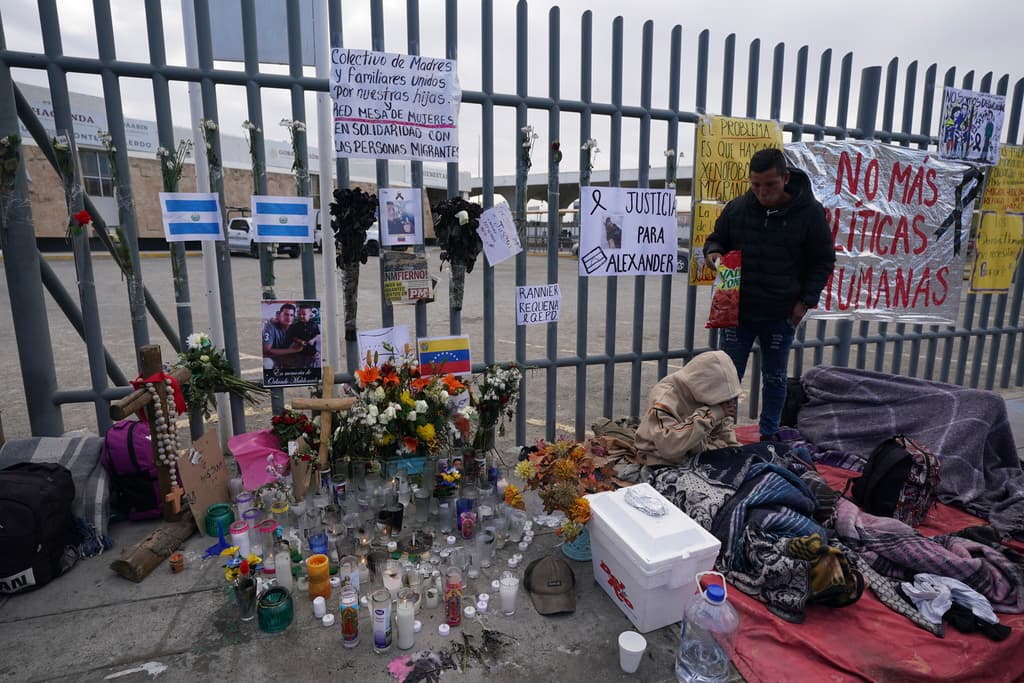
Mexico's migrant policy bears responsibility for the deaths of 39 migrants in the fire at a detention center in Ciudad Juarez. They were in the custody of the Mexican government, in a federal facility.
For example, social isolation is almost impossible for farmworkers, who often live and work in close proximity to one another.
Those in the H-2A program typically live in on-site, dormitory-style housing, with up to 10 people sharing sleeping quarters and restroom facilities.
The mostly undocumented workers not covered by H-2A visas frequently work for labor contractors, who arrange for their transportation to work sites in shared vans or trucks.
And once on the job, workers interact closely to harvest crops at a rapid pace.
This near-constant physical proximity to one another can facilitate the rapid transmission of the coronavirus.
Seriously susceptible
The nature of their work also makes farmworkers especially susceptible to serious coronavirus infections.
Although COVID-19 tends to be most severe in the elderly and people with underlying health conditions, farm laborers face working conditions that may elevate the risk for severe disease.
Exposure to dangerous pesticides is not unusual, and agricultural workers must also contend with lung irritants from dust, pollen and crops. This can trigger asthma attacks in farmworkers and their children and contribute to other respiratory disorders. Heath officials have found that these conditions contribute to serious coronavirus infections.
Moreover, farmworkers face a number of barriers to accessing medical care, ranging from linguistic and cultural differences to lack of reliable transportation to the limited number of medical facilities in many rural communities.
These barriers are especially high for the many undocumented farmworkers, who are not eligible for insurance coverage through the Affordable Care Act, which does cover workers on H-2A visas.
They may also be reluctant to seek medical care, not wanting to draw attention to themselves in a political climate in which immigration laws are strictly enforced. And farmworkers aren’t typically granted sick leave.
Finally, the labor contractors who employ undocumented workers generally pay only for work that is completed. This means that a day at the doctor’s office is a day without pay – no small sacrifice for a worker making less than $18,000 a year.
Impact on the food supply
But what would an outbreak of COVID-19 among farmworkers mean for the food system?
Fortunately, the risk of direct transmission of the coronavirus passing from farmworkers to consumers through food products is low.
However, widespread infections among farmworkers could make it difficult for farmers to harvest crops. Even before the pandemic, farmers in many agricultural areas were already struggling with labor shortages.
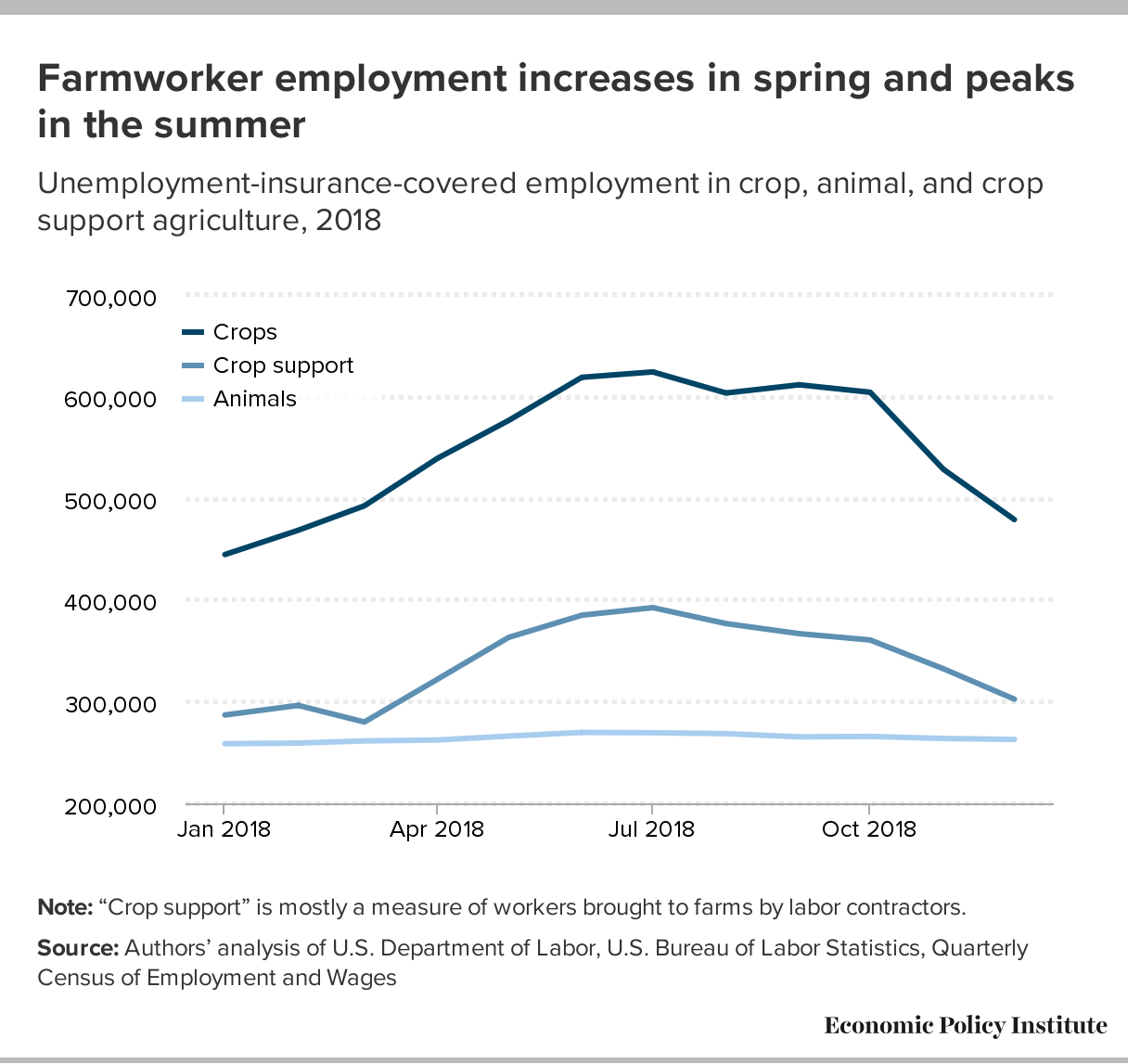
The coronavirus could make this problem worse, potentially causing the loss of crops that cannot be harvested in time. Demand for farmworkers peaks in the summer, so this problem is only a few months away.
Another concern is that fewer workers, fearful of the coronavirus, will apply for H-2A visas to work on U.S. farms, instead seeking work in their home countries. Farmers in hard-hit Italy are already grappling with a similar issue. And on the other side of this issue, the suspension of visa services at U.S. embassies and consulates may restrict the number of H-2A visas given out.
Eventually, consumers could begin to see the impact of any labor shortages in the form of higher prices or shortages of products ranging from strawberries and lettuce to meat and dairy.
There’s no easy solution, but a good start would be ensuring farmworkers are able to follow effective social distancing guidelines, are wearing protective gloves and masks, and are able to get the medical care they need without fear of lost wages or deportation.
Americans depend on these laborers to continue putting food on their tables during this crisis. A little support would go a long way.
[Get facts about coronavirus and the latest research. Sign up for The Conversation’s newsletter.]

Michael Haedicke, Associate Professor of Sociology, Drake University
This article is republished from The Conversation under a Creative Commons license. Read the original article.
Relacionados: