El Salvador is in crisis after President Nayib Bukele on May 1 fired five Salvadoran supreme court justices and the attorney general.
El Salvador’s façade of democracy crumbles as president purges his political opponents
Bukele came to power in 2019 on a tide of voters exhausted by the Salvadoran status quo – deep inequality, chronic violence and endemic corruption. Voters were hopeful for something different. Soon after, the authoritarian power grabs began.

Por:
Mneesha Gellman
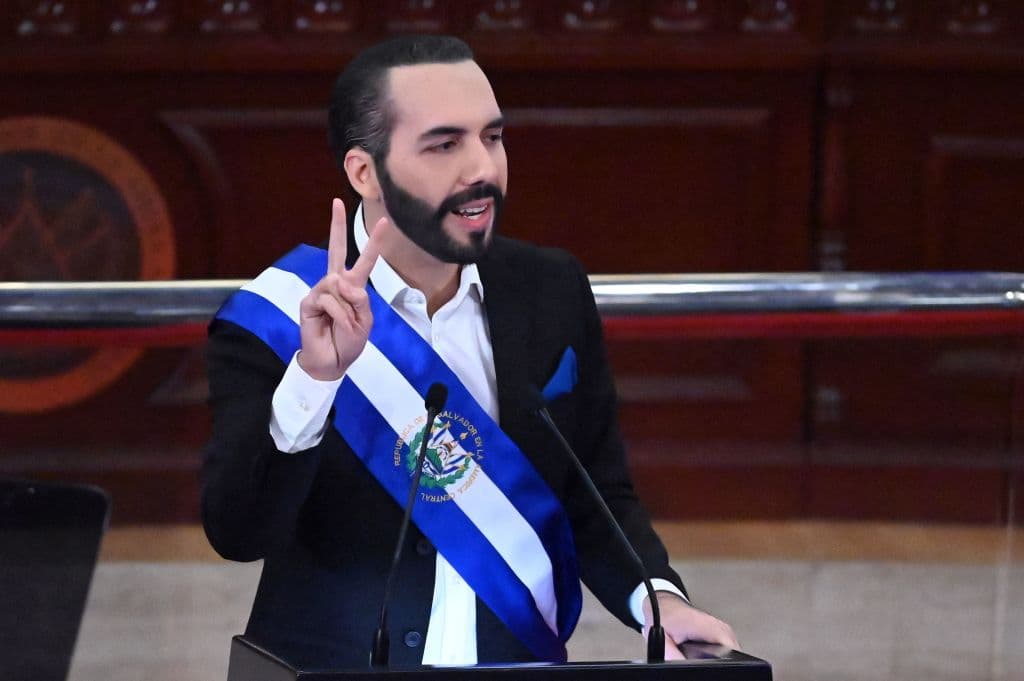
Salvadoran President Nayib Bukele delivers his annual address to the nation marking his second year in office at the Legislative Assembly in San Salvador on June 1, 2021.
Imagen Marvin Recinos/AFP via Getty Images
The court and attorney general’s office were among the only checks on presidential power remaining since Bukele’s Nuevas Ideas party won a supermajority in Congress in March 2021, with more than 65% of votes. During the pandemic, the Salvadoran judiciary repeatedly ruled that the president’s uses of emergency powers were unconstitutional; Bukele defied the courts and ultimately dismissed the justices and the attorney general.
Salvadoran lawmakers supported Bukele’s purge of his perceived opponents. And recent polls show more than 90% of Salvadorans still support the president.
But the move drew sharp criticism from other countries.
“An independent judiciary is essential to democratic governance,” the U.S. State Department said of the justices’ dismissal.
Bukele came to power in 2019 on a tide of voters exhausted by the Salvadoran status quo – deep inequality, chronic violence and endemic corruption. Voters were hopeful for something different. Soon after, the authoritarian power grabs began.
On Twitter, Bukele defended the recent firings as “getting our house in order” – the kind of sweeping change he was elected to enact.
But Bukele’s anti-democratic behavior is actually business as usual in a country that never fully realized its precarious democracy, as I documented in my 2017 book on memory and violence in El Salvador, Mexico and Turkey.
A long struggle
El Salvador struggled through centuries of Spanish colonization before becoming an independent state in 1821, followed by economic manipulation and the concentration of land in the hands of wealthy elites.
In 1980, civil war began. Leftist revolutionaries of the Farabundo Martí National Liberation Front – FMLN in its Spanish acronym – attempted to overthrow the country’s U.S.-backed dictatorial and corrupt government. The war lasted until 1992 and killed 75,000 Salvadorans.

After the 1992 peace accords, the FMLN converted from guerrilla group to political party, surrendering its weapons and competing electorally to change the country’s path. Many in the country and abroad believed El Salvador was becoming a democracy.
As my mom worked and parented, all in one breath, she instilled in us the values that I carry with me today: “por la familia, todo.” Lee este contenido en español.
"What a sad reflection that the Republican Party has moved from Abraham Lincoln, who said immigration was a ‘source of national wealth and strength’ and Ronald Reagan, who called for his ‘city on the hill’ to be ‘open to anyone with the will and the heart to get here,’ to Donald Trump, who says immigrants are ‘poisoning the blood of our country".
"Our current immigration laws include so many hurdles that can keep families in limbo, and even being married to a U.S. citizen isn’t always enough to allow someone to get a green card".

"For those of us whose livelihoods depend on it, President Biden’s actions to protect and preserve DACA show a striking contrast with those of Trump and MAGA Republicans. Trump has a record of trying to end DACA and will try again if he wins another term".
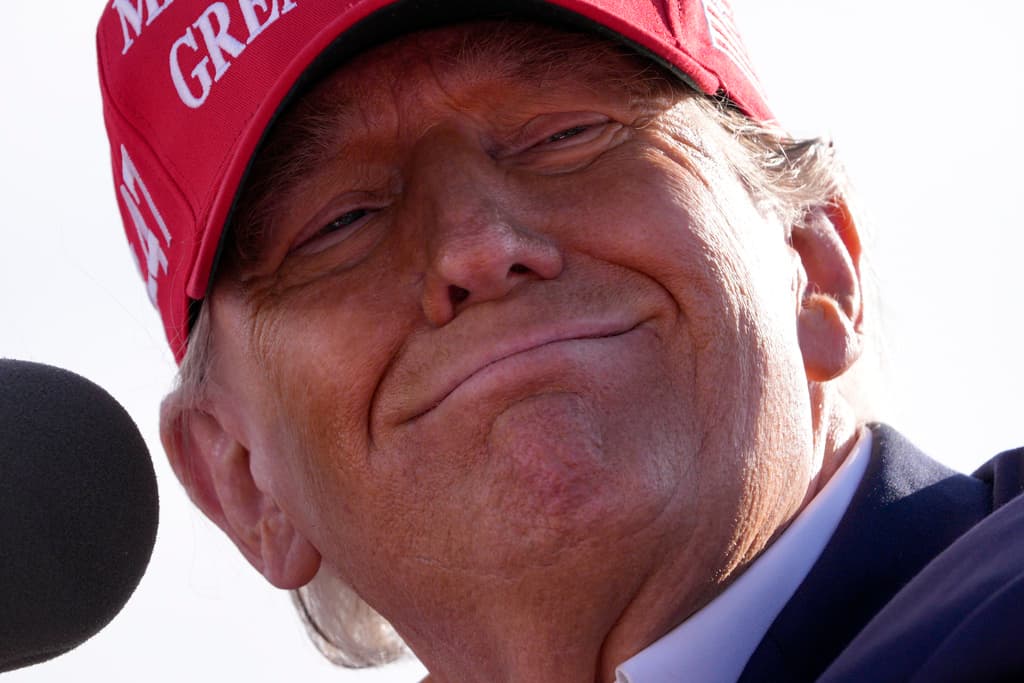
"While immigrants by now are accustomed to being the tip of the spear in the GOP’s arsenal of attacks, let's be clear-eyed that the threat now is beyond harming immigrant communities or calling attention to the border. This is about using this issue as a tool to further Trump’s political ambitions, even if that means suppressing the right to vote, undermining our election results, or stoking more political violence".
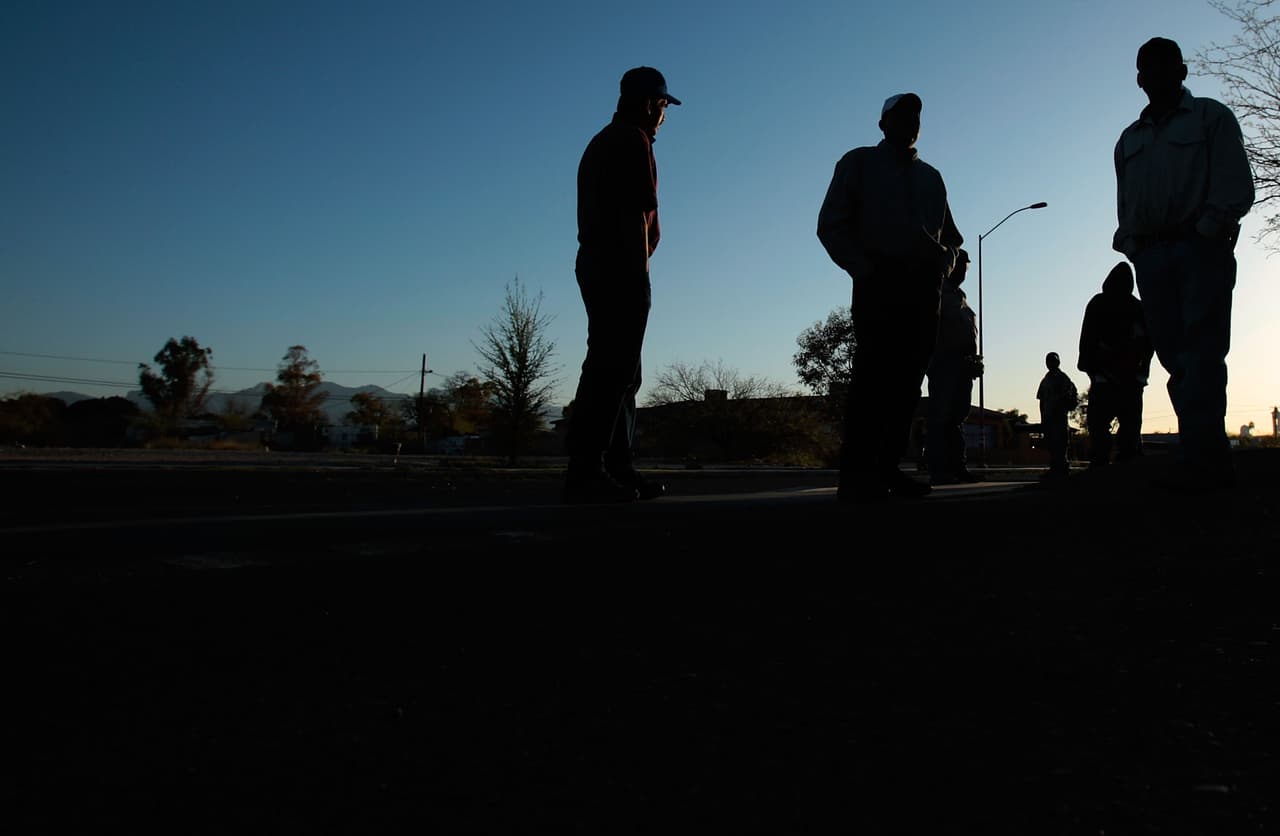
"This month comes at a special moment in our nation’s history. For the first time, we have more Latinos serving in Congress than ever before. In the Senate, the Democratic Majority has confirmed a historic number of Latino judicial nominees and recently confirmed the first Latina to serve on the Federal Reserve in the Board’s 109-year history".
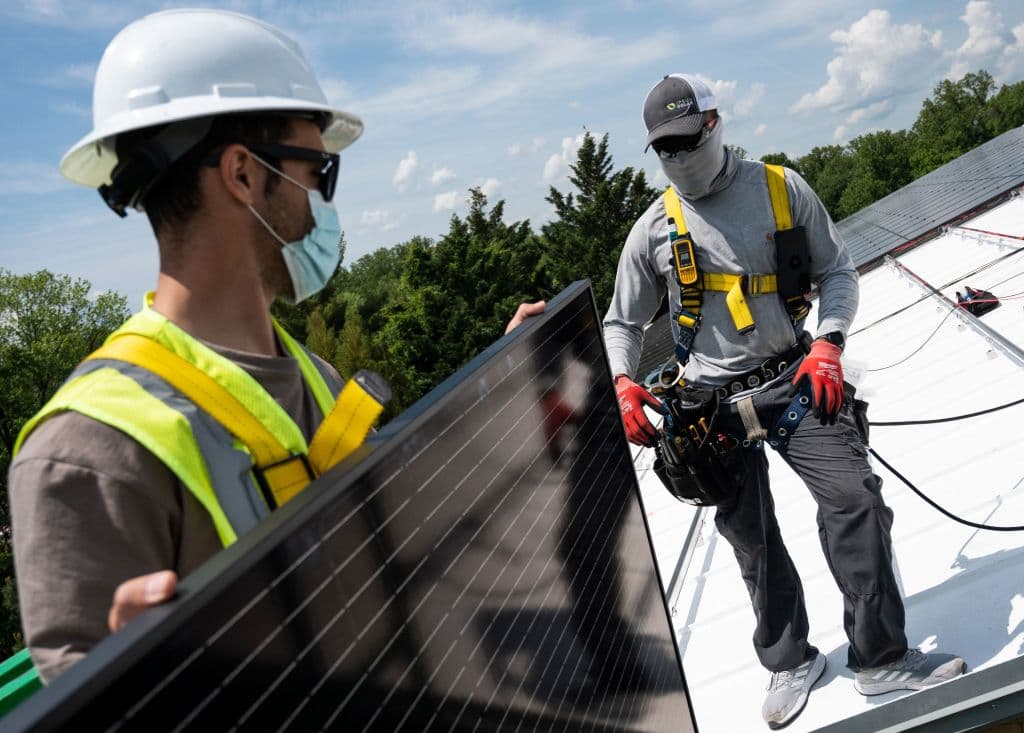
"This is the clean energy boom unleashed by President Biden: good-paying jobs in a fast-growing industry and lower bills for working families — all while addressing the climate crisis affecting our lives".
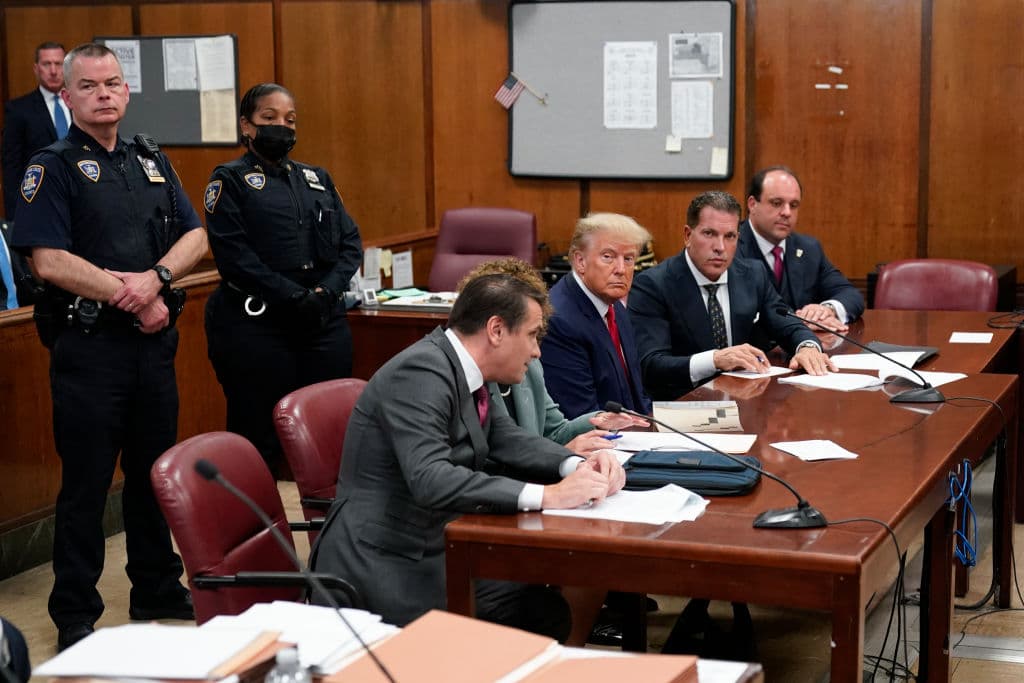
Putting presidents, former presidents and coup plotters on trial is an honorable and necessary practice to maintain a healthy democracy. Failure to put on trial presidents or former presidents who broke the law or committed crimes has had devastating consequences in Latin America.
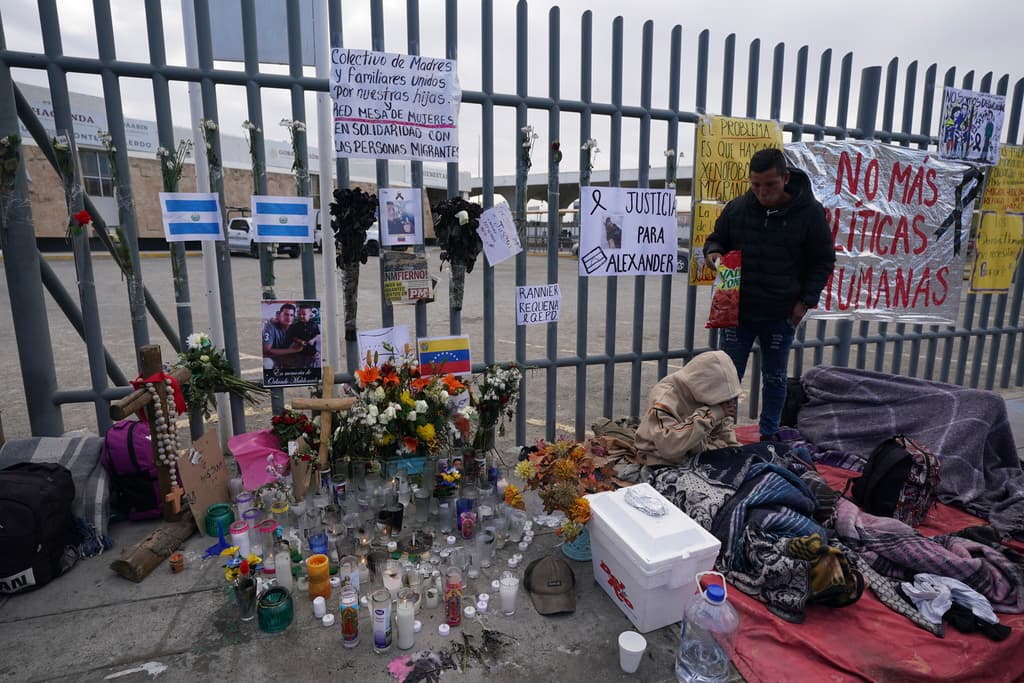
Mexico's migrant policy bears responsibility for the deaths of 39 migrants in the fire at a detention center in Ciudad Juarez. They were in the custody of the Mexican government, in a federal facility.
However, the FMLN lost repeatedly to the right-wing ARENA party that had governed El Salvador through the civil war. Under ARENA leadership, a culture of silence about the war persisted in El Salvador. Soldiers who had committed wartime atrocities and the politicians who had authorized them avoided investigation and prosecution.
Democracy in process
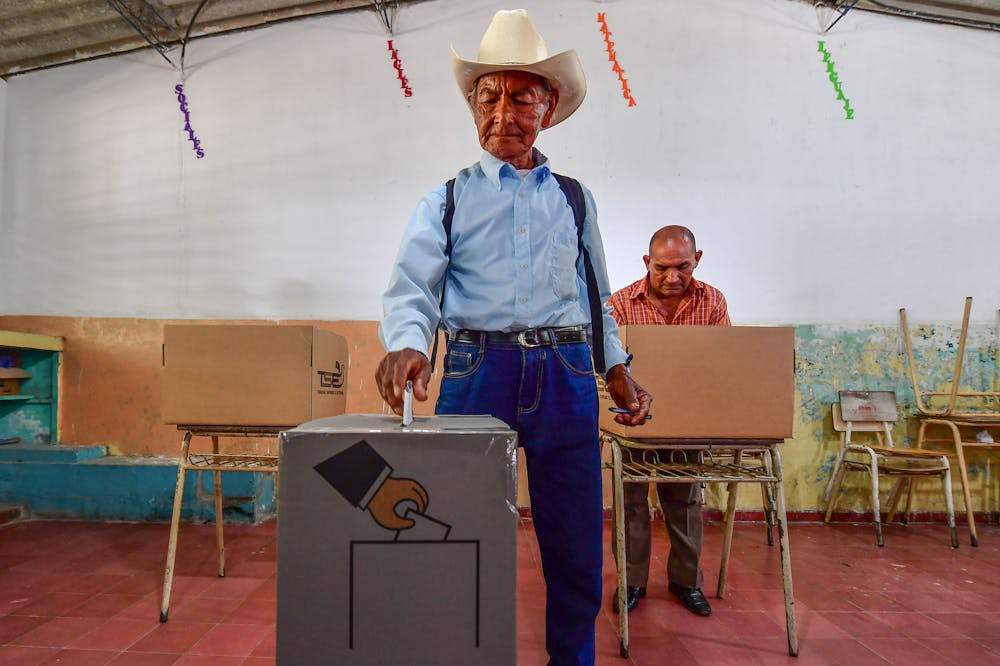
Finally, in 2009, the FMLN won the presidency. The peaceful transfer of power raised hopes that El Salvador had finally become a full democracy.
Political scientists routinely count countries as “consolidated” democracies once they achieve peaceful changes of presidential party rule through free and fair elections.
But elections-focused definitions of democracy don’t account for how a country’s vulnerable social groups – like Indigenous people, women and girls, people with disabilities and political activists, for example – are faring.
The foundation of any democracy is the social contract — that is, the agreement about rights and responsibilities that citizens and states enact toward one another.
In El Salvador, vulnerable groups are often marginalized and do not benefit much from the protection that governments are supposed to provide their people. Their experience of democracy is superficial at best.
For all Salvadorans, the social contract is undermined by the state’s inability to keep them safe. El Salvador’s weak institutions are frequently unable to protect people from bodily harm, whether by gangs or police.
No post-conflict government has yet accomplished the kind of structural transformation necessary for El Salvador to address its most pressing problems. Only recently, for example, was a critical investigation reopened into the most gruesome atrocities of the civil war, in the El Mozote massacre, in which the army slaughtered more than 800 villagers.
Successive leaders in El Salvador – including the two FMLN presidents who broke the ruling party’s grasp – have maintained their power while failing to root out corruption, implement the rule of law or build independent public institutions.
For his part, Bukele’s actions have been openly anti-democratic. For example, he brought armed soldiers into parliament in 2020 while trying to push through legislation, and he regularly attacks press freedom.
[The Conversation’s Politics + Society editors pick need-to-know stories. Sign up for Politics Weekly._]
Failed state?
It would take substantial political will – and a lot of money – to fix Salvadoran poverty, gang violence, the education system and limited upward mobility. Gender-based violence is a pervasive social disease; El Salvador’s femicide rate is one of the highest in the world.
On top of that, climate change-fueled storms have destroyed homes and livelihoods. That problem requires an international solution.

Bukele – who at 37 was the world’s youngest president and belonged to neither major party – pledged to tackle all these problems.
But life for most Salvadorans has not improved under his leadership. People are still fleeing El Salvador en masse. Last year, during the pandemic, 12,590 Salvadorans were deported by U.S. immigration enforcement; in 2019, nearly 19,000 were.
Some analysts consider El Salvador a “failed state,” while others have labeled it a “flawed democracy.”
In my analysis, Nayib Bukele’s presidency has simply removed the façade that El Salvador ever became a full democracy. Free and fair elections aside, its regime is a work in progress. Under Bukele’s leadership, El Salvador is inching back toward its authoritarian past, while Salvadorans continue to hope for change.

Mneesha Gellman, Associate Professor of Political Science, Emerson College
This article is republished from The Conversation under a Creative Commons license. Read the original article.
Relacionados: