
Tell us a bit about yourself and your journey to where you are now.
Bringing Healing to Her Gente: An Honest Conversation with the Creator of Love Offering
Artist, author and creator of Love Offering, Josefina Sanders spoke to Se Habla USA about the importance of mental health and her journey to becoming an advocate. From growing up in a "no le digas a nadie" environment to suffering a tragic loss, read more about how Josefina has used her experiences to fuel her calling of bringing healing to her gente. (Respuestas traducidas al español)

Credit: CAROLINA EPPERSON
My name is Josefina, but family and friends call me Fina. Speaking of family, mi mama y papa son de la Republica Dominicana. I am a proud afro-latina and dedicated artist, author, and art therapy student. I am the founder of Love Offering, a platform designed to create fearlessly, cultivate community, and celebrate the journey of life through powerful words and meaningful visuals.
Háblanos un poco sobre ti y tu trayectoria para llegar hasta donde has llegado.
Mi nombre es Josefina, pero mi familia y mis amigos me dicen Fina. Hablando de la familia, my mom and dad are from Dominican Republic. Estoy orgullosa de ser afrolatina, una artista y autora dedicada, y una estudiante de terapia artística. Soy la fundadora de Love Offering, una plataforma diseñada para eliminar el miedo, cultivar a la comunidad, y celebrar la trayectoria de la vida a través de palabras poderosas y de visuales llenos de significados.
What caused you to take the leap to write your first book, The Mourning Sister? What do you hope readers will take away from the book?
It took me a while to get here, to write, and talk about loss. I was raised in a “no le digas nada a nadie” kind of home. Where I quickly learned to protect myself, and never share my “issues” with anyone because you don’t want anyone to be in your business and you don’t want anyone to use your “issues” or “problems” against you. It took navigating through loss, grief, and mental illness to create The Mourning Sister. This book was created as a way to make room for navigating through loss and miscarriage. My hope is that all readers are encouraged to grieve, heal, and also experience joy in the midst of loss. My hope is that readers are motivated to write/journal their process in the midst of hardship. And Lastly, my hope is that all readers are comforted knowing that they are not alone.
¿Qué te llevó a dar el salto a escribir tu primer libro, The Mourning Sister? ¿Qué esperas que los lectores se lleven del libro?
Me tomó bastante llegar hasta aquí, escribirlo, y hablar sobre pérdidas. Crecí con la mentalidad casera de “don’t say anything to anyone”, donde aprendí rápidamente a protegerme yo misma, y a nunca compartir mis “problemas” con nadie porque tú no quieres que nadie esté inmiscuido en tus problemas, y tú no quieres que nadie use tus “problemas” o “issues” en contra tuya. Me tocó navegar a través de pérdidas, tristezas, enfermedad mental, para crear The Mourning Sister. Este libro fue hecho como una forma de crear espacio para navegar a través de pérdidas y abortos. Mi esperanza es que todos los lectores sean alentados a sanar y a que también experimenten alegría en el medio del dolor. Mi esperanza es que los lectores sean motivados a escribir a diario sus procesos en medio de las dificultades. Y finalmente, mi esperanza es que todos los lectores se sientan tranquilos sabiendo que ellos no están solos.
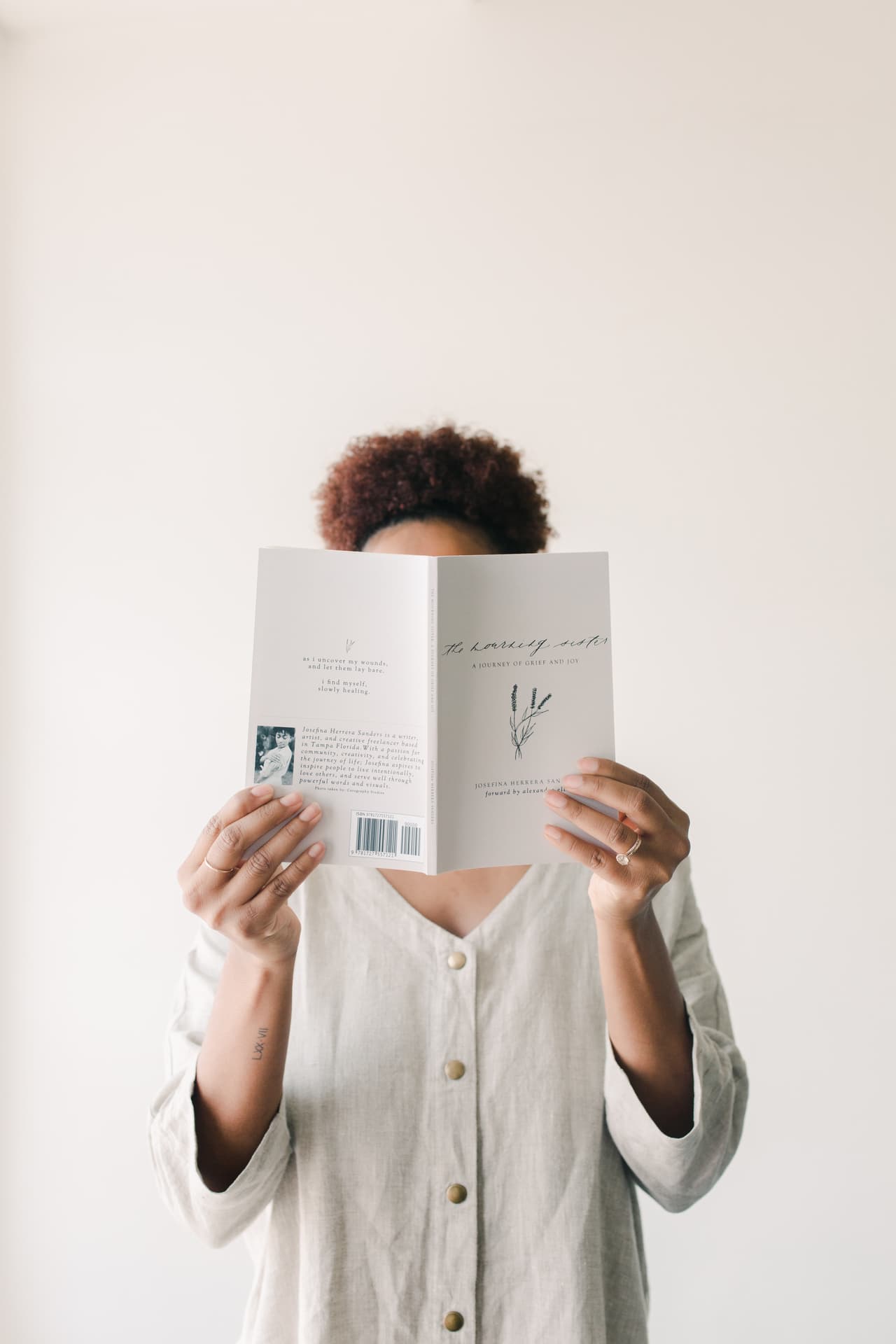
Imagen CAROLINA EPPERSON
We know you are passionate about self-care and mental wellness, particular for those in the Latino community. Can you tell us more about why the topic is so important to you?
I don’t know about everyone else but growing up mental illness wasn’t something that was really talked about. I watched my mom struggle with depression and anxiety in private. Maybe because people around us would label people battling mental illness with “loco, loca”.” Maybe because she was overwhelmed? Maybe she was fearful? Maybe she wanted to stay strong for her girls, while being in a long distance with my dad. I’m not quite sure what kept her from sharing her journey with mental illness, but it held me from understanding what was “wrong” with me when I was constantly sad and anxious.
I didn’t technically get diagnosed with mental illness until my late twenties. I was afraid of opening up. Walking through grief after loss only added on to depression and anxiety. As I entered a space of healing, I realized that so many people around me do not talk about mental illness. There are still these false narratives within the Latino community pertaining mental illness. I want to take part in dismantling that. I want my Latinos to experience healing, to unlearn these lies about those battling mental illness, and to have people that look like them talk about it. We need Latinos of ALL KINDS talking about mental illness, that’s the only way we can begin healing from the lies/beliefs/labels that we have attached to mental illness.
Sabemos que eres una apasionada del autocuidado y de la salud mental, particularmente para esos en la comunidad Latina. ¿Nos puedes decir más por qué el tópico es tan importante para ti?
Yo no sé sobre todos los demás, pero el crecimiento de la enfermedad mental no fue algo de lo que se hablaba. Yo miraba a mi madre luchar con la depresión y ansiedad en privado. A lo mejor porque la gente alrededor de nosotros etiquetaría a las personas luchando contra una enfermedad mental como “crazy”. ¿A lo mejor estaba abrumada? ¿A lo mejor estaba llena de miedos? A lo mejor quería mantenerse fuerte para sus niñas, mientras estábamos lejos de mi papá. No estoy segura qué le impidió compartir su trayectoria con su enfermedad mental, pero me contuvo de entender qué estaba “mal” conmigo cuando estaba constantemente triste y ansiosa.
Técnicamente, yo no fui diagnosticada con una enfermedad mental hasta los finales de mis veintes. Caminando a través del dolor después de perdidas, solo agrega depresión y ansiedad. Mientras que entraba en el proceso de sanación, me di cuenta de que había tantas personas a mi alrededor que no hablaban de la enfermedad mental. Todavía existe la falsa narrativa sobre la enfermedad mental en la comunidad Latina. Quiero participar en el desmantelamiento de ello. Quiero que mis Latinos experimenten la sanación, para que olviden todas las mentiras sobre las personas que luchan contra la enfermedad mental, y tener personas que luzcan como ellos que hablen sobre esto. Necesitamos Latinos de TODO TIPO hablando de la enfermedad mental, esa es la única manera de que podamos empezar a sanar de las mentiras/creencias/etiquetas a las que hemos estado atados sobre la enfermedad mental.

Credit: CAROLINA EPPERSON/Carography Studios
Imagen CAROLINA EPPERSON/Carography Studios





Your bilingual book Cuídate was released just this month on your birthday (congratulations!) Tell us a bit about it, why it’s special to you, and why you chose to write it in English and Spanish?
Ah, yes. I am so excited to share about this book. You would think that this book was easier because it’s talking about plants, healing, and taking care, but this was even HARDER. It was harder because I wrote it in English and Spanish, and it was so challenging to write about healing especially while journeying through the trenches of healing. This is my first of many bilingual books. I wrote it this way because when I gave my mom The Mourning Sister, my mom literally responded “Ahora tienes que escribirlo en espanol.” My mom and dad don’t speak much English, and I wrote this book for them. It was only right that I wrote it in Spanish.
Tu libro bilingüe, Cuídate, fue lanzado este mes en tu cumpleaños (¡felicitaciones!) Cuéntanos un poco, ¿por qué es tan especial para ti, y por qué decidiste escribirlo en inglés y español?
Oh, sí. Estoy muy emocionada de compartir este libro. Tú puedes pensar que este libro fue fácil porque está hablando de plantas, sanación, y de cuidarse, pero este fue incluso más DIFÍCIL. Fue más difícil porque lo escribí en inglés y en español, y fue tan desafiante escribir sobre sanación, especialmente mientras estás atravesando las trincheras de la sanación. Este es mi primer libro de muchos libros bilingües. Lo escribí así porque cuando le di a mi mamá The Mourning Sister, mi mamá respondió, literalmente, “Now you have to write it in Spanish”. Mi mamá y mi papá no hablan mucho inglés, y escribí este libro para ellos. Era justo que lo escribiera en español.
How does your Latinidad, and more specifically your Afro-Latinidad, influence your art and writing?
Growing up I struggled to love the skin I am in. I was the “Morena” of four girls. I hid from the sun because I didn’t want to get “prieta.” Being “prieta” wasn’t considered pretty, and because I already didn’t feel pretty enough, I felt like maintaining my complexion was the only way I can look “decent.” I air quote these things because this is what society has made us believe. Not just in America but also within the Latin Community. There’s deep rooted systemic racism that needs to be abolished within our world. And my art and writing stems from my own trauma experiencing racism, my healing within, and from truly learning to love the skin I am in. So, when I create, when I write, I desire others to see themselves through my work, to feel through my work, and to heal through my work.
¿Cómo tu Latinidad, y específicamente, tu Afro Latinidad influencia tu arte y escritura?
Al crecer, tenía problemas con amar la tez de mi piel. Era la “Brunette” de cuatro niñas. Me escondía del sol porque no me quería poner “brown”. Ser “brown” no se consideraba bonito, y como ya yo no me sentía lo suficientemente bonita, pensaba que manteniendo mi tez era la única forma de lucir “decente”. Cito estas cosas porque eso es lo que la sociedad nos ha hecho creer. No solo en América, sino que también en la comunidad latina. Hay un racismo sistemático profundamente arraigado que tiene que abolirse dentro de nuestro mundo. Y mi arte y escritura se derivan de mi propio trauma experimentado el racismo, mi sanación interior, y de aprender verdaderamente a amar la piel que tengo. Así que, cuando creo, cuando escribo, deseo que otros se vean ellos mismos a través de mi trabajo, que sientan a través de mi trabajo, y que sanen a través de mi trabajo.

You are a creative offering services spanning from calligraphy to design to consultation. What has been your favorite project so far and why?
My favorite project thus far was taking part in the design process of my best friend Alex Elle’s “Today I Affirm” book. I had never done design work prior to working with Alex. Being able to immerse myself in this project encouraged me to write and design my own book. It allowed me to make room for possibility in the creative journey. And the journal book itself has allowed me to answer some of the most though provoking questions. It’s beautiful, you should check it out.
Eres una creativa ofreciendo servicios que abarcan desde caligrafía a diseño hasta consulta. ¿Cuál ha sido tu proyecto favorito hasta ahora y por qué?
Hasta ahora, mi proyecto favorito fue siendo parte del proceso de diseño del libro “Today I Affirm” de Alex Elle, una de mis mejores amigas. Antes de trabajar con Alex, nunca había trabajado en diseño. El ser capaz de sumergirme en este proyecto me animó a escribir y diseñar mi propio libro. Me permitió abrirle un espacio a la posibilidad en la trayectoria creativa. Y el diario libro me ha permitido responder algunas de las preguntas más provocadoras. Es bello, deberías echarle un vistazo.

Credit: CAROLINA EPPERSON/Carography Studios
Imagen CAROLINA EPPERSON/Carography Studios
As an experienced Latina entrepreneur, do you have any advice for those thinking of becoming entrepreneurs but nervous about all the obstacles they envision being in their way?
The biggest obstacle we will ever have to overcome in the entrepreneurship journey is getting over our fears and getting started. The journey of entrepreneurship is challenging, but there is nothing like walking in your calling. For those who are a bit nervous or fearful, I encourage you to take the leap, and like my husband told me “Give your dreams, a chance to fail.” This doesn’t mean you will fail, but it does mean you’re giving yourself the opportunity to dream big and see what happens. Failure is only accomplished when we allow our fears to dominate our dreams. Do it scared.
Como empresaria Latina experimentada, ¿tienes algún consejo para los que piensan convertirse en empresarios, pero que están nerviosos imaginándose todos los obstáculos que se les presentarán en el camino?
El mayor obstáculo que tendremos que sobrepasar en algún momento de la trayectoria empresarial, es superar nuestros miedos y empezar. La trayectoria empresarial es desafiante, pero no hay nada como andar por el sendero de tu vocación. Para aquellos que están un poco nerviosos o miedosos, yo los animo a que den el salto, y como me dijo mi esposo, “Dales a tus sueños la oportunidad de fallar”. Esto no significa que vas a fallar, sino que te estás dando la oportunidad de soñar en grande y de ver qué sucede. Las derrotas suceden cuando permitimos que nuestros miedos dominen nuestros sueños. Hazlo sin miedo.
How do you celebrate or honor your Dominican roots? Why do you think it’s important to celebrate Hispanic Heritage Month in this country?
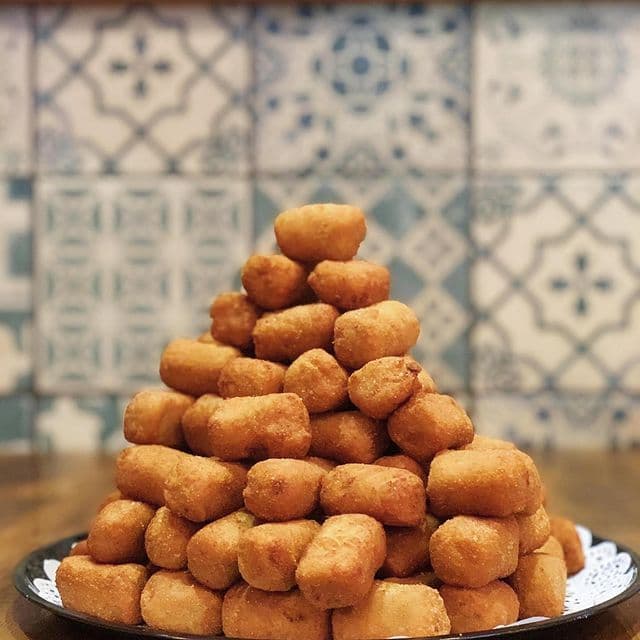
I honor my Dominican roots by living my purpose every single day. By choosing to speak on racial equality and destigmatizing mental health in the Latin community. I celebrate and honor my roots, by always making room to celebrate where I’m from and the sacrifices my parents made for my sisters and me. I celebrate my roots by learning more, and allowing myself to learn more about my history, my family roots, and by indulging some mangu con salami, huevo frito, y queso frito. Or incorporating food I grew up on, into my daily living. I recently found some guavas and mangoes at the store, and literally smiled from ear to ear as I ate it.
I think it’s important to celebrate Hispanic Heritage Month in this country because we are also part of this country. Because this country is made up of some many different people, with different backgrounds, and our backgrounds should be recognized. It’s important to celebrate Hispanic Heritage month because we should recognize and honor our roots. We should celebrate Hispanic Heritage, because we are worthy of it.
¿Cómo celebras u honras tus raíces dominicanas? ¿Por qué crees importante celebrar en este país el Mes de la Herencia Hispana?
Yo celebro mis raíces dominicanas viviendo mi propósito todos los días. Escogiendo hablar sobre la igualdad racial y luchando contra el estigma de la enfermedad mental en la comunidad Latina. Celebro y honro mis raíces, teniendo siempre un espacio para celebrar de dónde vengo, y los sacrificios hechos por mis padres para mis hermanas y para mí. Celebro mis raíces aprendiendo más y permitiéndome aprender sobre mi historia, las raíces de mi familia, y complaciéndome con mangú con salami, huevo frito, y queso frito. O incorporando la comida con la que crecí en mi vida diaria. Recientemente encontré guayabas y mangos en la tienda, y literalmente mi sonrisa era de oreja a oreja, mientras me los comía.
Creo que es importante celebrar el Mes de la Herencia Hispana en este país, porque nosotros también somos partes de este país. Porque este país está hecho de tantas personas diferentes, con procedencias diferentes, y nuestros orígenes deben ser reconocidos. Es importante celebrar el Mes de la Herencia Hispana porque debemos reconocer y honrar nuestras raíces. Debemos celebrar el Mes de la Herencia Hispana porque somos dignos de ello.

Credit: CAROLINA EPPERSON/Carography Studios
Imagen CAROLINA EPPERSON/Carography Studios
For more information on Love Offering:
Website: https://loveoffering.co/
Instagram: https://www.instagram.com/loveoffering/