
By Maggie Thompson, Executive Director at Generation Progress
Maggie Thompson: Student Debt is a Racial Justice Issue
The author highlights that the student debt crisis is caused by structural racism, not poverty.
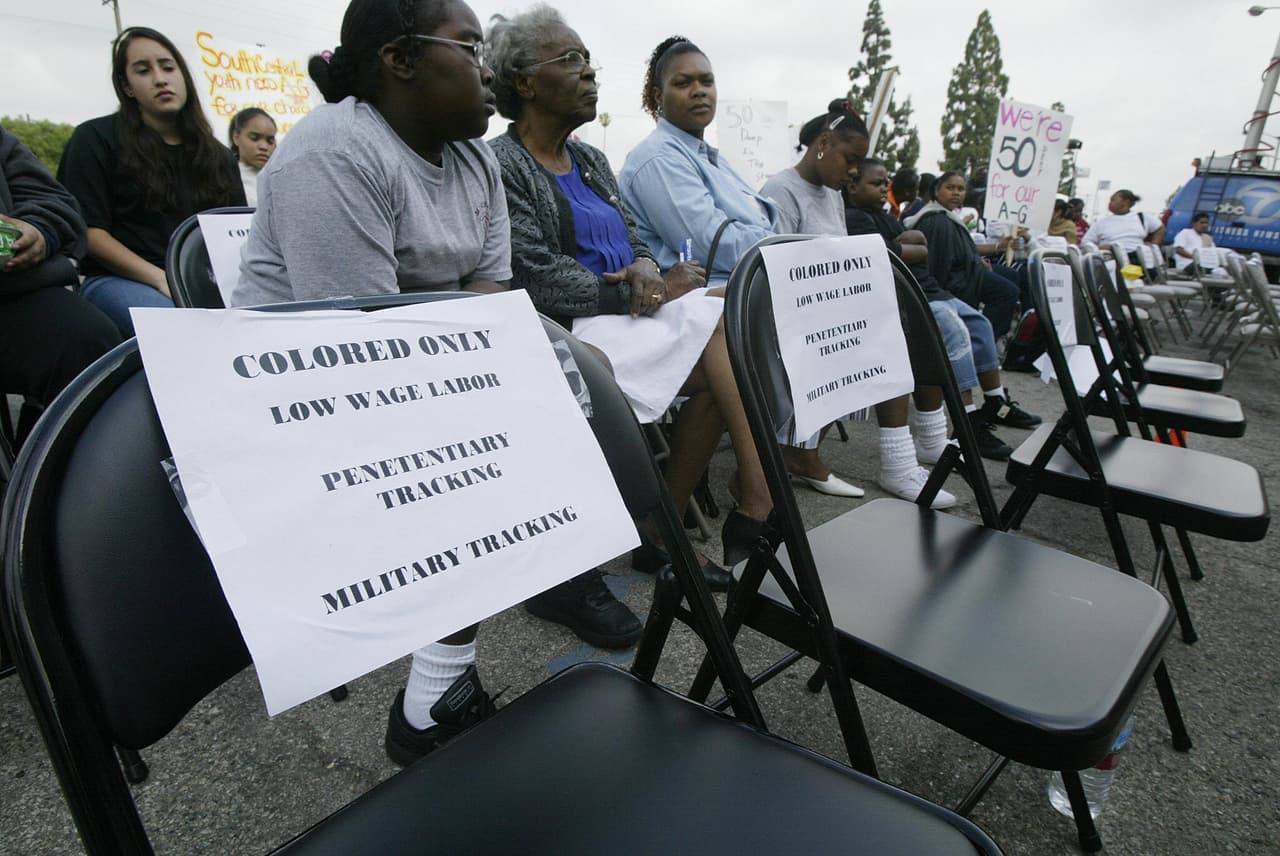
We all know student debt is a problem. The 43 million Americans who have student loan debt know it, their family and friends know it, and the millions more who feel the weight of $1.3 trillion in student loan debt on the economy know it. But what most people don’t know is that this debt disproportionately impacts communities of color, and middle-class African-American and Latino families in particular. And for Millennials – who, together, comprise the most diverse generation in American history, and whose economic recovery and stability is inextricably tied to student loan debt – this trend is particularly distressing.
At Generation Progress we teamed up with the Washington Center for Equitable Growth to publish the second installment of Mapping Student Debt, the interactive mapping tool that shows us how student debt and delinquency is impacting communities down to the zip code-level.
“Al decir esta noche mis últimas palabras en el noticiero, me quedé pensando en todo lo que me queda por delante. Después de todo, los periodistas nunca se retiran. Estamos condenados toda la vida a perseguir noticias, a perseguir lo nuevo”.

“El reto de la serie era, en el mejor de los casos, complementar al libro y dar una visión, entre millones, de cómo era la vida en Macondo. Y lo logra. Agradezco las narraciones tomadas íntegramente del libro y las magníficas actuaciones marcadas por las páginas más que por las improvisaciones”.

“En la cabeza de Trump todo conspira para demostrar su poder. Ganó la elección y el voto popular, se desvanecen los juicios en su contra, y legalmente se siente protegido para hacer lo que se le pegue la gana. Se siente en el tope. Es en este contexto que Trump amenazó con la imposición de aranceles contra México, Canadá y China”.

“Duele pero hay que decirlo: en México nadie sabe cómo detener la violencia. Si lo supieran, ya lo hubieran intentado. Lo que hemos visto desde la época de Felipe Calderón, cuando se declaró la guerra contra los narcos, son distintos experimentos -todos fallidos- para enfrentar la violencia”.

“Causarán un daño irreparable a miles de familias y a la economía estadounidense. No se trata de expulsar a los indocumentados sino de integrarlos a este país. Sería mucho más barato y efectivo. Pero Trump y sus asesores solo se oyen a sí mismos”.
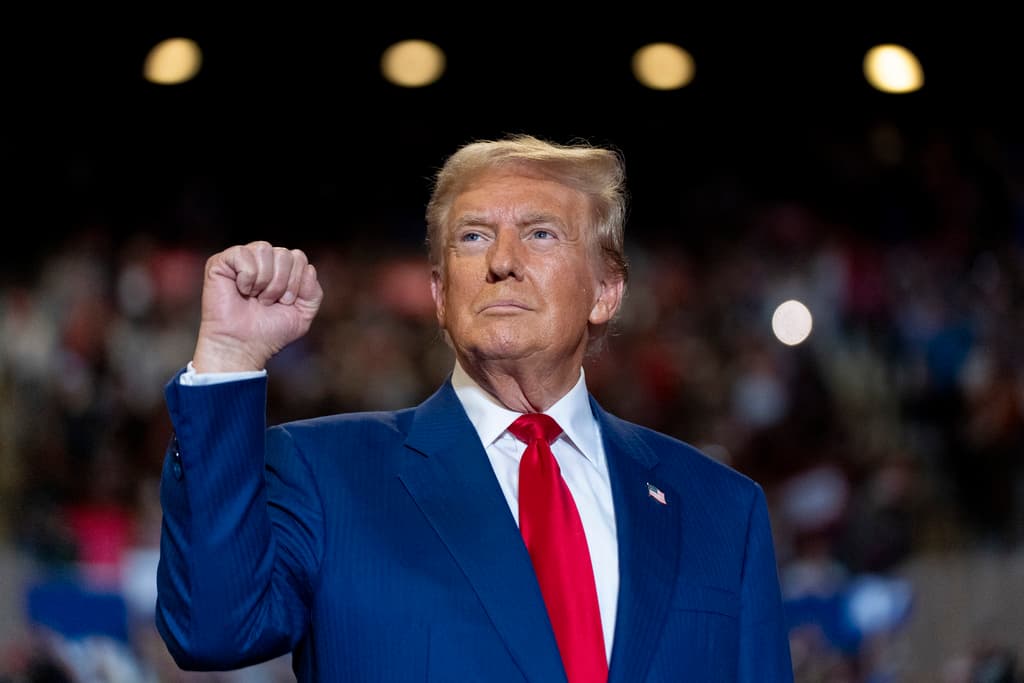
“Hay mucho que negociar antes que Trump tome posesión el 20 de enero. Pero el peligro de deportaciones masivas, aranceles y hasta de operaciones militares en su territorio ha puesto en alerta a la nueva presidenta de México. Sheinbaum y Trump ya hablaron y se dijeron esas cosas huecas que se dicen los presidentes por teléfono”.

“La realidad es que cada vez hay más votantes latinos. Este año hay 36.2 millones de hispanos elegibles para votar, casi cuatro millones más que en 2020, según el centro Pew. Y aunque no todos van a salir a votar, los que lo hagan serán suficientes para definir quién será el próximo presidente o presidenta de Estados Unidos”.

“Gane quien gane la elección en Estados Unidos, las cosas van a empeorar para los recién llegados. Los inmigrantes son el enemigo perfecto en esta campaña electoral. Son muy vulnerables, lo dejaron todo en su país de origen y no se pueden defender de los ataques injustificados de los políticos que solo quieren ganar votos”.
"En este caso, nos toca apuntar y corregir todas las mentiras que Trump ha dicho -y que sigue diciendo- sobre los inmigrantes, sobre la insurrección del 6 de enero del 2021 y sobre todos los esfuerzos ilegítimos por negar los resultados de las elecciones del 2020. Las democracias mueren, primero, desde dentro".
"A los 14 años, vi a mi familia y a mi comunidad y me dije: hay un futuro mejor para nosotros; podemos progresar y las cosas pueden mejorar. Todo lo que hago y lo que soy tiene sus raíces en mi comunidad latina, y me llena de humildad poder llegar a representar a nuestra comunidad en el Senado. Es un deber que asumiré con orgullo y mucho honor." Read this content in english.
These maps offer a compelling visual of how structural racism has manifested itself in the student debt market. Zip codes with higher shares of African Americans and Latinos suffer disproportionately from higher rates of student loan delinquency, regardless of income level. Further, the data show that it is middle-class communities of color, not low-income, who are impacted the most from student debt delinquency.
The Millennial generation, as diverse and engaged as they have become, are also a generation that has struggled to keep pace with the rest of the country’s economic recovery. A greater share of young people live in poverty than members of previous generations at the same age. Our current system of debt-financed education is clearly stifling the promise of higher education as means to gird against poverty.
For young people of color, the path to a degree today is more difficult than ever. The odds of a student of color completing college versus a white student remain stark. What’s more, young people of color are less likely to attend more selective institutions, where the benefits of a college degree are the greatest. And in the labor market, African Americans and Latinos not only suffer from higher unemployment rates and lower wages, but are also are less likely to receive a job offer in the first place.
These imbalances amount to disparities in wealth between communities of color and their white counterparts, which intensify the student debt crisis. In the event of some sudden misfortune, it goes without saying that financial assets and college degrees offer a brace against student loan delinquency. Without those safety nets, a freefall into financial hardship is all but predetermined. Young people, and young people of color especially, are too often trapped in this vortex of inequity.
But while the federal government has taken to sitting on the sidelines to address student debt, state and local leaders have begun to fill the void left by congressional inaction. Local- and state-based solutions can provide significant relief for the tens of millions of Americans drowning in student debt today, and the millions more who will suffer tomorrow.
Enrolling borrowers in loan forgiveness and income-driven repayment programs and educating borrowers of their eligibility for such programs is imperative, and relatively simple. The City Council in Cincinnati, Ohio and the County Board in Dane County, Wisconsin have both passed such resolutions, and more bodies should follow suit. Ending credit checks on employment and harsh penalties for borrowers in default would undo counterproductive policies preventing Americans from paying off their debts. This would especially benefit borrowers of color.
Finally, ensuring vigorous oversight of predatory for-profit colleges and making free or debt-free higher education options the new norm is vital for leveling the playing field. States like Tennessee and Oregon, and cities like Chicago and Milwaukee, have all passed free community college programs. President Obama made clear his commitment to the cause during his State of the Union address, but states and cities have both the upper hand and the advantage of precedent.
The intersection of deep-rooted racial disparities and a ballooning student debt crisis is where we find ourselves now. The fact that, among African American and Latino communities, the middle-class is the most impacted by the student debt crisis suggests that structural racism—not poverty—is driving these gaps between communities. Any solution that is serious about tackling student debt—whether from the federal, state, or local level—must recognize the disproportionate impact of this debt on communities of color.
Disclaimer: We selected this Op-Ed to be published in our opinion section as a contribution to public debate. The views and opinions expressed in this column are those of its author(s) and/or the organization(s) they represent and do not reflect the views or the editorial line of Univision Noticias.
Relacionados: