
Angelica, a woman of Mexican origin, arrived to her house in Auburn, Washington, on the morning of March 31. She waited for the gate to open so she could enter the driveway to park. But as it opened, a man on foot entered the property alongside her car.
Man charged with hate crime after pursuing Mexican woman with a knife in her front yard
Travis Spike Senner, who has a criminal history in three states, has been charged with second degree assault and malicious harassment, the latter of which is a hate crime in Washington state. But it is not always easy to investigate and process such cases.
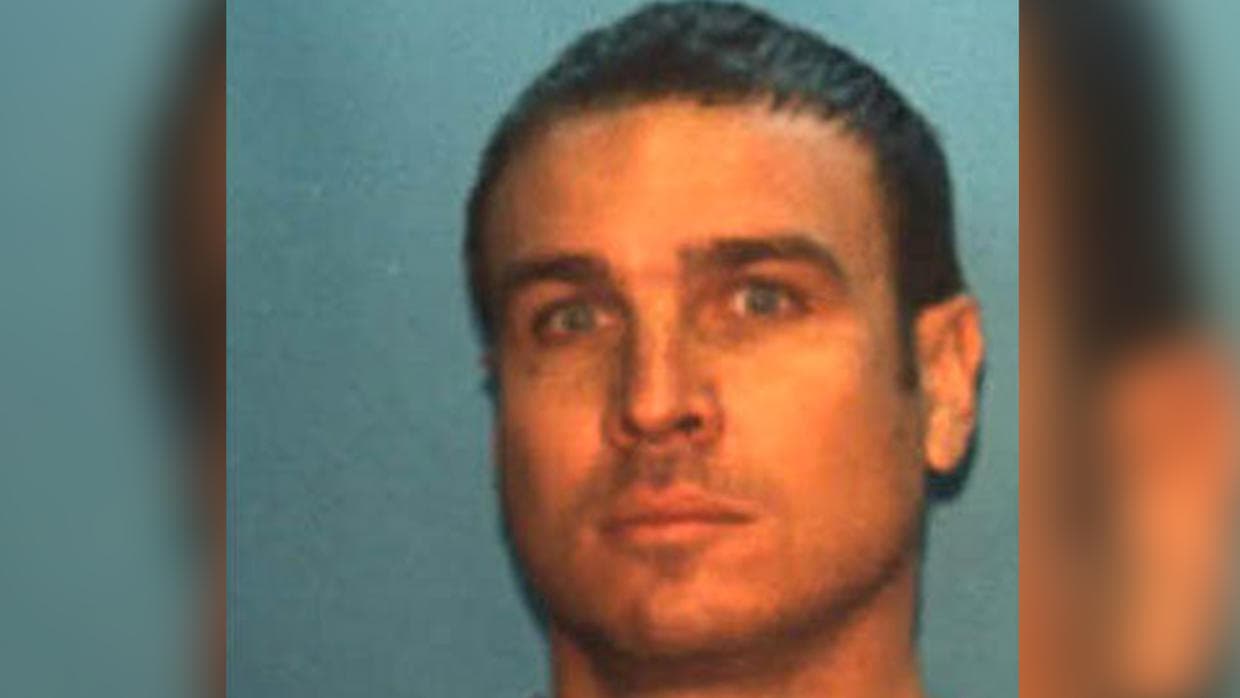
The attacker, Travis Spike Senner
As she exited the car, the stranger asked where she was from. When Angelica muttered the word "Mexico," the man lost his temper.
The attacker began to tell her to leave his country, brandished a smoke detector saying it was a bomb and threatened to "make her fly," according to court documents. He then pulled a knife from his pocket, told the woman to "leave his state" and chased her down the front yard of the house, shouting that he was going to stab her.
Angelica ran around her car twice before running into her house and calling 911. The man stayed in the yard, screaming obscenities before finally walking away. Soon after, he was stopped by police near her house.


"Angelica was visibly affected, she was crying while we talked and even seemed afraid to leave her house to talk to me," wrote Detective Stephen Bourdage in the case documents, which the King County court provided to Univision News. (Univision has decided not to disclose the victim's last name.)
In addition, the officer specified in the statement that the attack was motivated by the victim’s Hispanic origin, as Senner did not react violently until he knew Angelica was from Mexico.
That was the detail that made the difference.
In less than 72 hours, Senner was charged not only with a second-degree assault but also with malicious harassment, a hate crime recognized the state of Washington.
Malicious harassment is defined as a threat or damage to a person or property due to the perceived race, color, religion, ancestry, national origin, gender, sexual orientation or the disability of the victim.
It is not always easy to apply charges for a hate crime following a racist attack. Many incidents of hatred do not amount to crimes that allow legal action. For example, jokes, taunts, intimidations and insults, however painful, are protected by the Constitution as freedom of expression, unless they become violent or are accompanied by threats. In the event of a criminal act, investigators must prove that the victim became a target because of their race, religion or sexual orientation, which is not always simple.
For this reason, King County police and detectives receive specific training on how to handle such cases. "It's like a recipe," says Senior Deputy Prosecutor Mike Hogan, who teaches the workshops. Researchers are trained to pay attention to the “ingredients” to be able to determine later if they are faced with a hate crime or not.
For example, it is important to collect details from victims and witnesses about the type of language and the words used by the attackers at the time of the attack: Were racist insults used? If so, how many times were they repeated? How close were they to the victim when the insults were said? All of these details may be important to a judge.
"For example, it's different if someone insults me from the other side of the street than if I'm stuck in a corner and I have nowhere to go," says Hogan.
Although the prosecutor acknowledges that "most hate crimes are never resolved," Angelica's case is not the first racist assault on a Hispanic woman in the county.
In January, Sandra Jametski was also charged with malicious harassment after chasing a neighbor in a car while recording a 10-minute Facebook Live that repeatedly insulted Hispanics. The video allowed officials to identify Jametski and view footage of the evidence.
Following that case, Hogan told the Seattle Times that victims in hate-crime investigations are never asked about their immigration status. In cases where victims reveal they are undocumented, he said his office can secure U-visas, which are nonimmigrant visas set aside for victims of crimes.
Relacionados: