
When I was a second-grade teacher, around half of my students spoke Spanish at home. While nearly all of them were born in the United States, many of their parents and family members had immigrated from Central American countries.
Why you shouldn’t stop speaking Spanish at home
“Educators should instill parents with the confidence that their native language can promote academic readiness in English.”
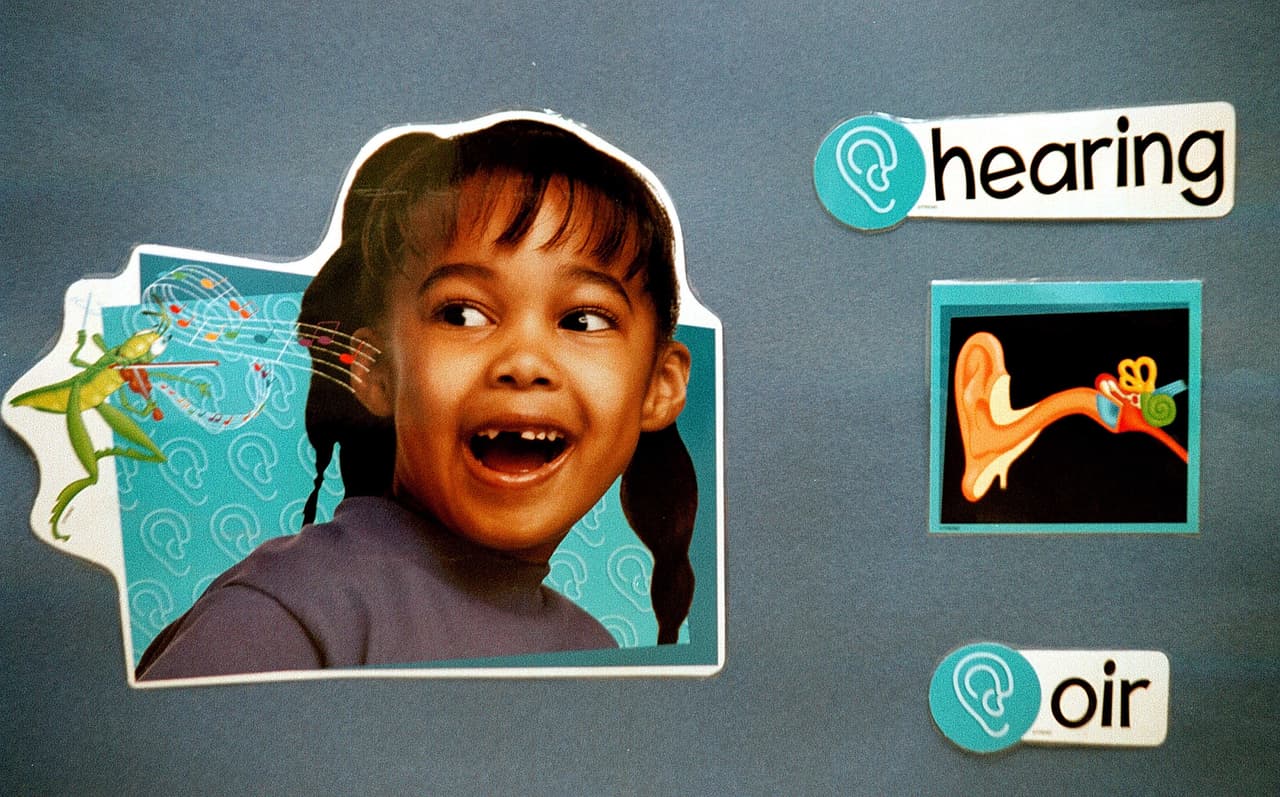
A bilingual poster on the wall of a first grade classroom translates the Spanish word, 'oir' into 'hearing' with examples of an ear and a child listening to music (arquive)
Imagen Mario Villafuerte/Getty Images
These parents often asked how they could help their children and because of their limited English, some felt they had no way to do so.
This was not true. I told them they could speak, read stories and solve math problems with their children in Spanish—and that all this would support their children’s education in English.
At this point, I received some skeptical looks.

Despite a near universal desire for an end to Venezuela’s manmade disaster, sending in U.S forces to take out the Maduro regime would be counter-productive. It should be categorically rejected by interim president Juan Guaidó, not to mention the Trump administration.

The firing of undocumented workers at Trump's golf clubs just shows how the practice of employing immigrants without legal work papers is much more common than we might imagine. Such is life in the United States.
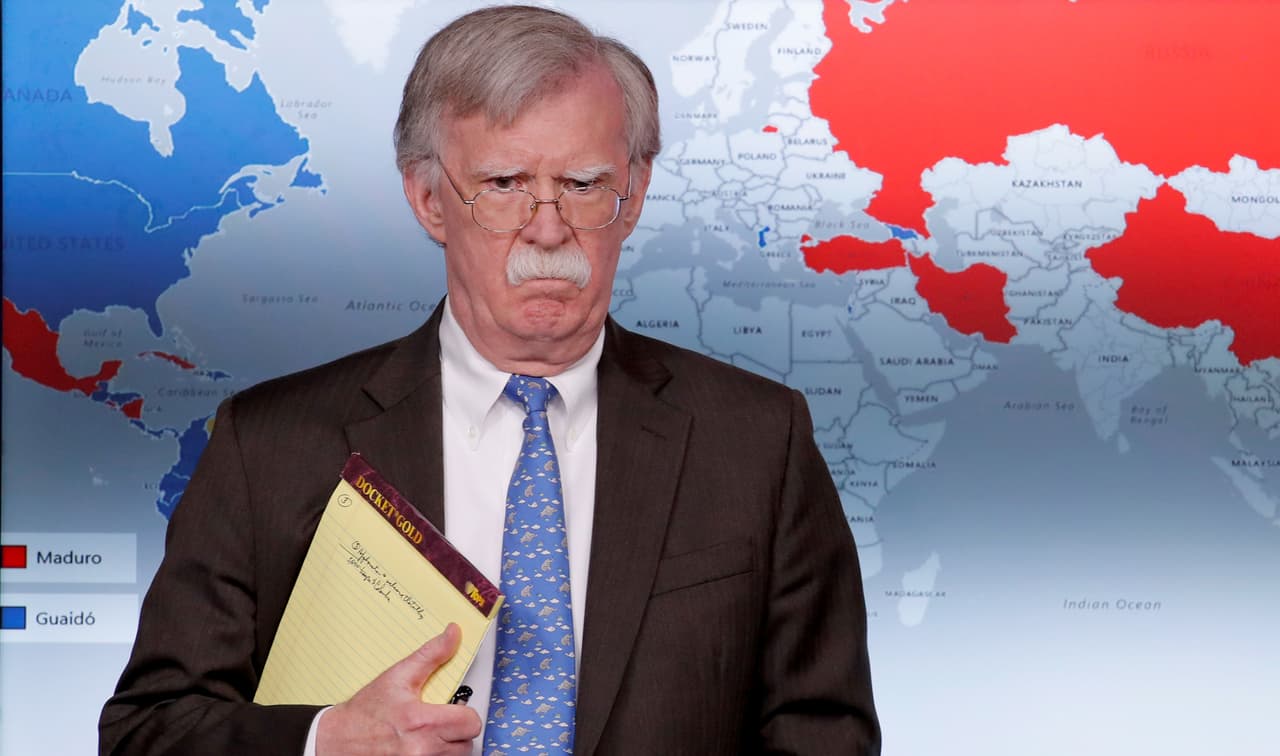
The Trump administration should be wary of fueling fake news predictions about an imminent American invasion which unrealistically raises expectations about Maduro's removal.
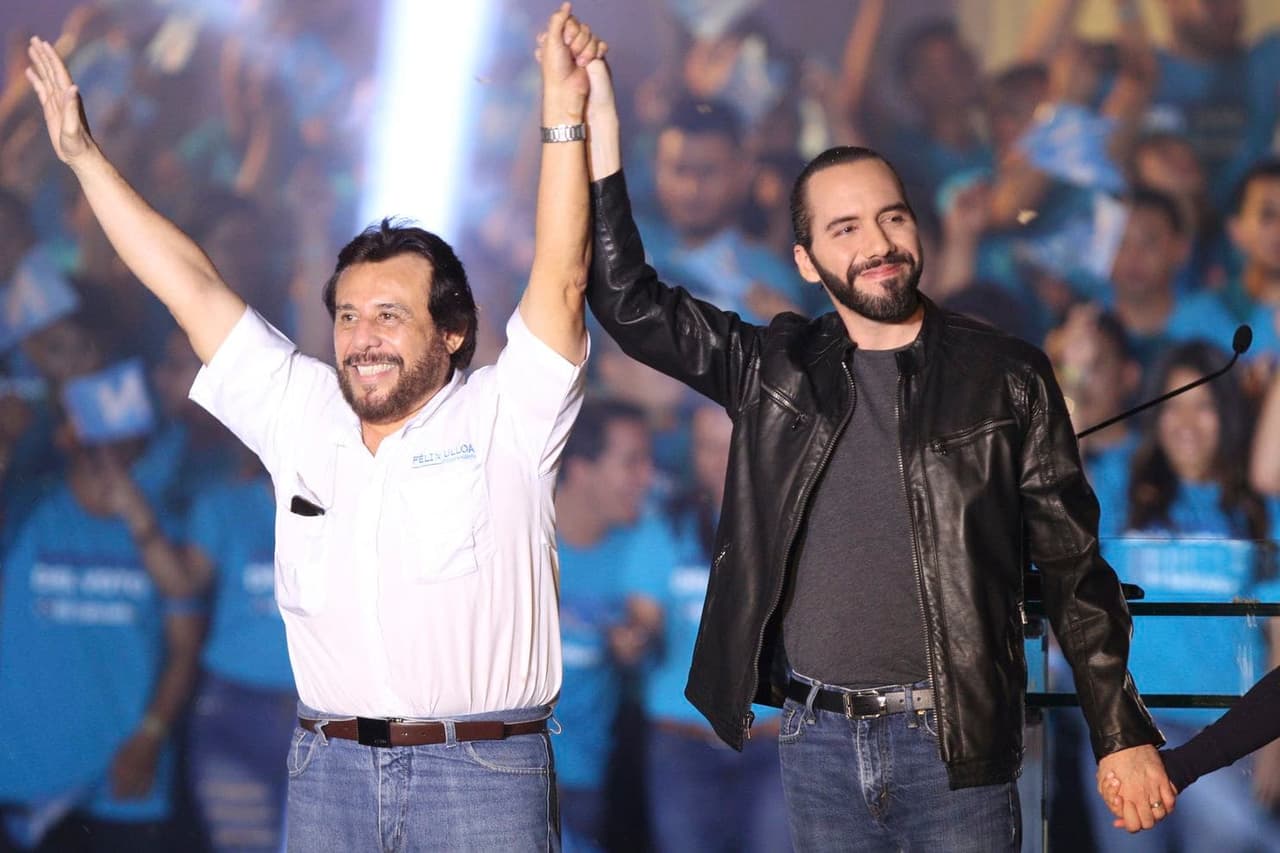

At some point we will have to accept the fact that the border between Mexico and the United States is nothing more than an invention.

The United States has had a major role in the evolving drama of the fight for democracy in Venezuela and Nicaragua. And so far, it’s been surprisingly coordinated, a veritable model of multilateralism.
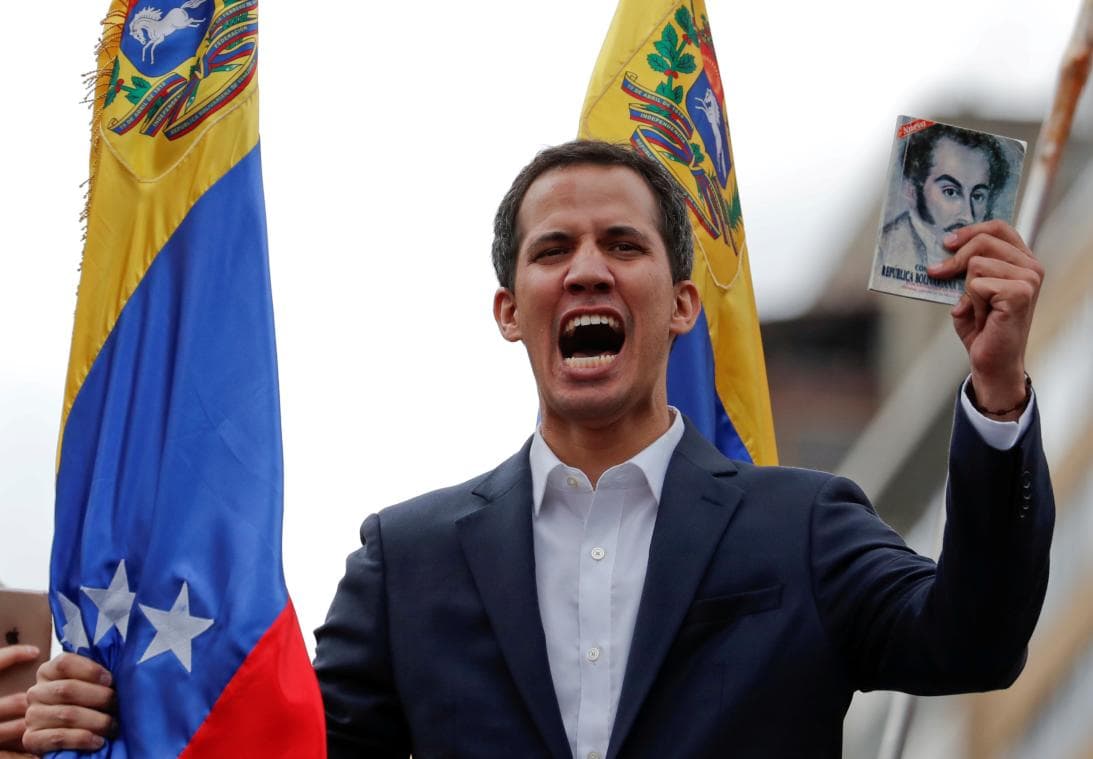
Has the Maduro regime reached breaking point? It remains hard to say, but tomorrow is another - more hopeful - day for the restoration of democracy in the South American nation.
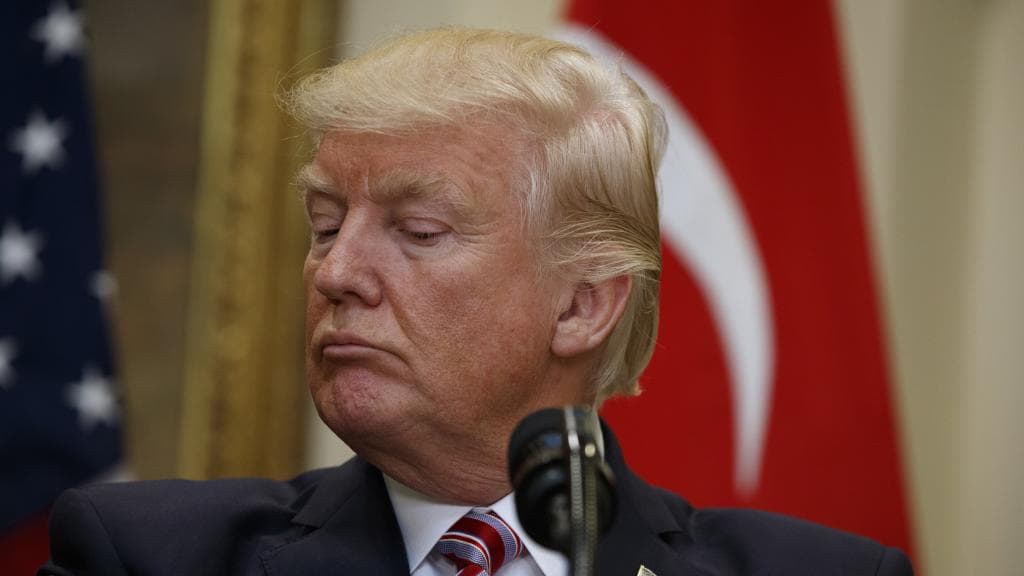
It’s impossible to get into Trump’s head but what comes out of his mouth are racist remarks. But, saddest of all are the millions who tolerate his views, cheer him on and emulate his behavior.

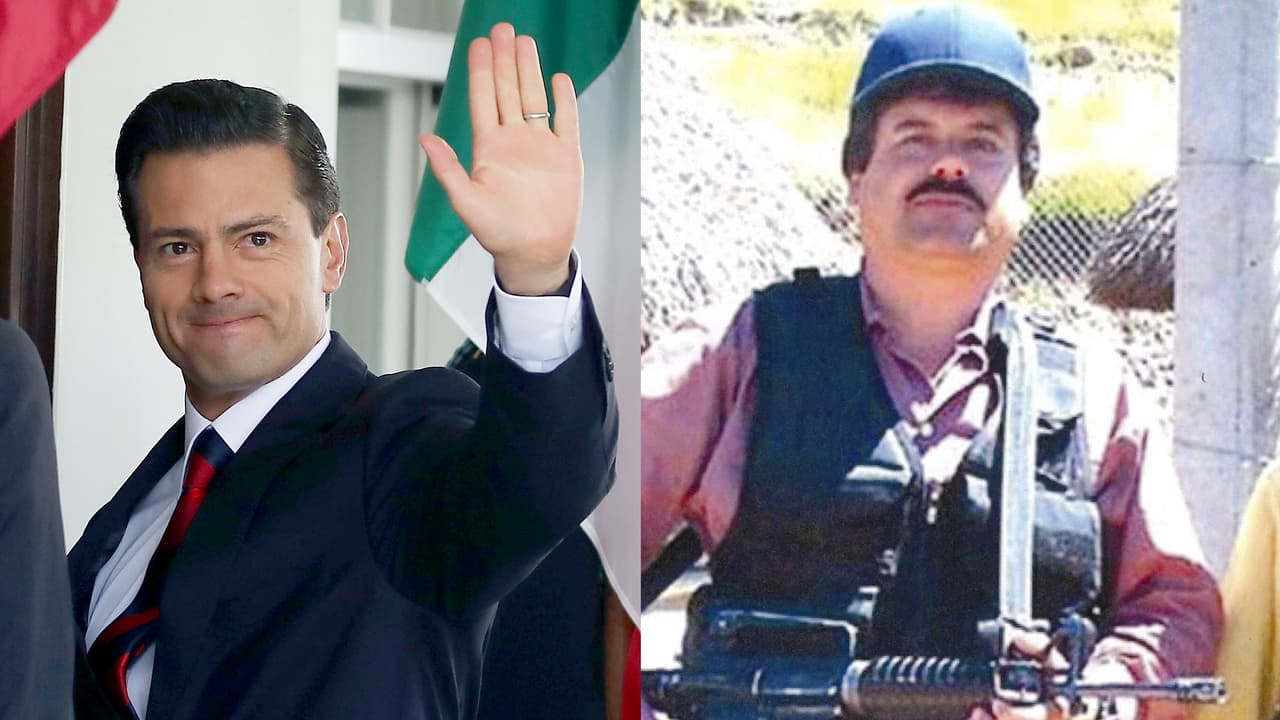
The time is well past due for the U.S. government to conduct a thorough review of leaders and their senior colleagues before they leave office to determine if they merit visas.
Such a suggestion strikes many Spanish-speaking parents as odd since English proficiency remains the ticket to increased economic opportunity and social integration. Many Latino immigrants view their young children’s use of Spanish cautiously, almost suspiciously, nervous that it will hinder their potential. And this belief is only reinforced when policymakers formally codify English-only mandates into state education laws.
I remember getting a peek into this mindset in one discussion with a student’s mother. She was afraid that speaking Spanish with her children would disrupt their English development, so she spoke only English at home with them.
My heart sank a little, because there’s a large research base that shows parents should feel empowered to use their native language with their children. In fact, some studies have found that non-native language use by a parent can even negativelyimpact cognitive development and language learning for children as young as 2 years old.
As neuroscience expert Dana Suskind concludes in her book, “Thirty Million Words: Building a Child’s Brain,” research suggests that it is “always better” for parents to speak to children in their native language.
This holds true no matter the parents’ educational level or their English proficiency:
A recent study on Spanish-speaking preschoolers adds to this body of research on academic development in two languages. Researchers studied 125 Spanish-speaking Head Start students in an English-dominant classroom in the Southwest. Most of the children were Mexican Americans born in the United States whose families made less than $30,000 a year.
They were tested in the fall and spring to see how recognizing letters and decoding words in Spanish affected the learning of similar skills in English; they did the same for basic math skills in Spanish, like counting and basic arithmetic.
The study found that children entering pre-K with high levels of Spanish reading and math skills appeared to enhance their learning of those skills in English. These findings build the field’s research base in two key ways.
- While findings are consistent with earlier research on elementary school children, researchers note the new study establishes the generalizability of those findings to children ages 3 to 5 in a way that was previously unclear.
- Less research exists on cross-language associations between Spanish and English math skills. The recent study offers new evidence that math skills are not language specific, but rather can transfer from Spanish to English.
Taken together, the findings have useful implications for prodding Spanish-speaking families to help their youngest learners. Educators should instill parents with the confidence that their native language can promote academic readiness in English.
For example, teachers can encourage parents to include math-related speech in their Spanish conversations, such as counting and ordering objects, and to use Spanish literacy materials at home. But the study focused only on Spanish and English dual language-learners, so findings may not be applicable to students whose families speak other languages.
It’s a slightly counterintuitive idea, but the research continues to show that more native language at home supports English education at school. Educators must continue to reassure families that their native language, far from being a liability, is a valuable resource to nurture.
This post was originally published at Education Post . Click here to read the original.
Disclaimer: We selected this Op-Ed to be published in our opinion section as a contribution to public debate. The views and opinions expressed in this column are those of its author(s) and/or the organization(s) they represent and do not reflect the views or the editorial line of Univision Noticias.