To stem migration from Central America, the Biden administration has a US$4 billion plan to “build security and prosperity” in Honduras, Guatemala and El Salvador – home to more than 85% of all Central American migrants who arrived in the U.S. over the last three years.
Money alone can’t fix Central America – or stop migration to US
Money alone cannot build a viable democracy. No such transformation can happen without strong public institutions and politicians committed to the rule of law.

Por:
Luis Guillermo Solis
Children play in Las Flores village, Comitancillo, Guatemala, home of a 22-year-old migrant murdered in January 2021 on his journey through Mexico.
Imagen Johan Ordonez/AFP via Getty Images
The U.S. seeks to address the “factors pushing people to leave their countries” – namely, violence, crime, chronic unemployment and lack of basic services – in a region of gross public corruption.
The Biden plan, which will be partially funded with money diverted from immigration detention and the border wall, is based on a sound analysis of Central America’s dismal socioeconomic conditions. As a former president of Costa Rica, I can attest to the dire situation facing people in neighboring nations.
As a historian of Central America, I also know money alone cannot build a viable democracy.
Failed efforts
Guatemala, Honduras and El Salvador comprise Central America’s “Northern Triangle” – a poor region with among the world’s highest murder rates.
These countries need education, housing and health systems that work. They need reliable economic structures that can attract foreign investment. And they need inclusive social systems and other crime-prevention strategies that allow people to live without fear.
No such transformation can happen without strong public institutions and politicians committed to the rule of law.
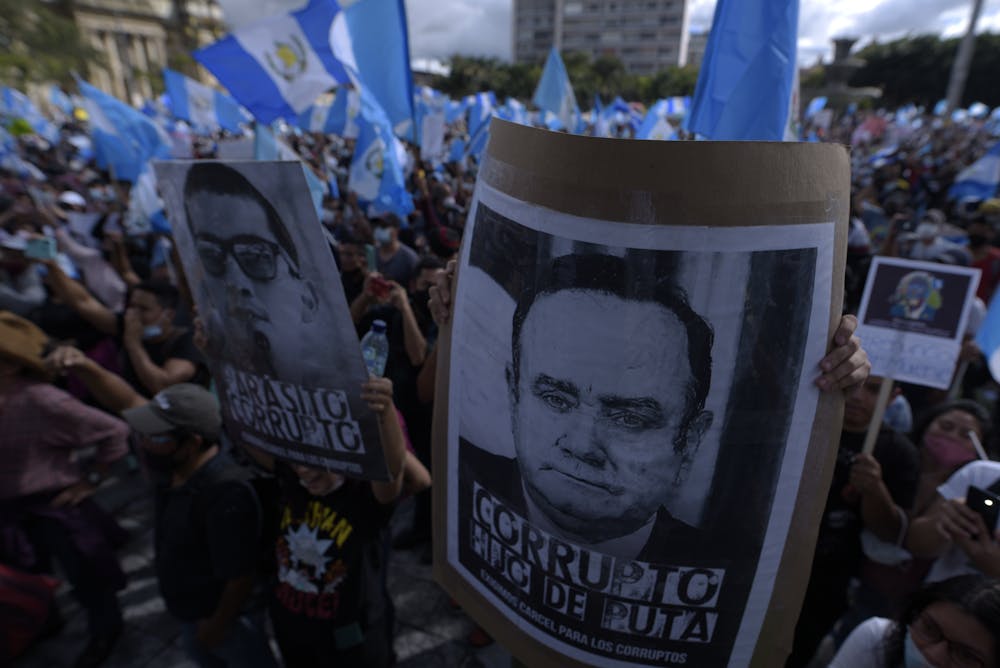
Biden’s aid to Central America comes with strict conditions, requiring the leaders of Guatemala, Honduras and El Salvador to “undertake significant, concrete and verifiable reforms,” including with their own money.
But the U.S. has unsuccessfully tried to make change in Central America for decades. Every American president since the 1960s has launched initiatives there.
During the Cold War, the U.S. aimed to counter the spread of communism in the region, sometimes militarily. More recently U.S. aid has focused principally on strengthening democracy, by investing in everything from the judiciary reform and women’s education to agriculture and small businesses.
The Obama administration also spent millions on initiatives to fight illegal drugs and weaken the street gangs, called “maras,” whose brutal control over urban neighborhoods is one reason migrants say they flee.
Such multibillion-dollar efforts have done little to improve the region’s dysfunctions.
As my mom worked and parented, all in one breath, she instilled in us the values that I carry with me today: “por la familia, todo.” Lee este contenido en español.
"What a sad reflection that the Republican Party has moved from Abraham Lincoln, who said immigration was a ‘source of national wealth and strength’ and Ronald Reagan, who called for his ‘city on the hill’ to be ‘open to anyone with the will and the heart to get here,’ to Donald Trump, who says immigrants are ‘poisoning the blood of our country".
"Our current immigration laws include so many hurdles that can keep families in limbo, and even being married to a U.S. citizen isn’t always enough to allow someone to get a green card".

"For those of us whose livelihoods depend on it, President Biden’s actions to protect and preserve DACA show a striking contrast with those of Trump and MAGA Republicans. Trump has a record of trying to end DACA and will try again if he wins another term".

"While immigrants by now are accustomed to being the tip of the spear in the GOP’s arsenal of attacks, let's be clear-eyed that the threat now is beyond harming immigrant communities or calling attention to the border. This is about using this issue as a tool to further Trump’s political ambitions, even if that means suppressing the right to vote, undermining our election results, or stoking more political violence".
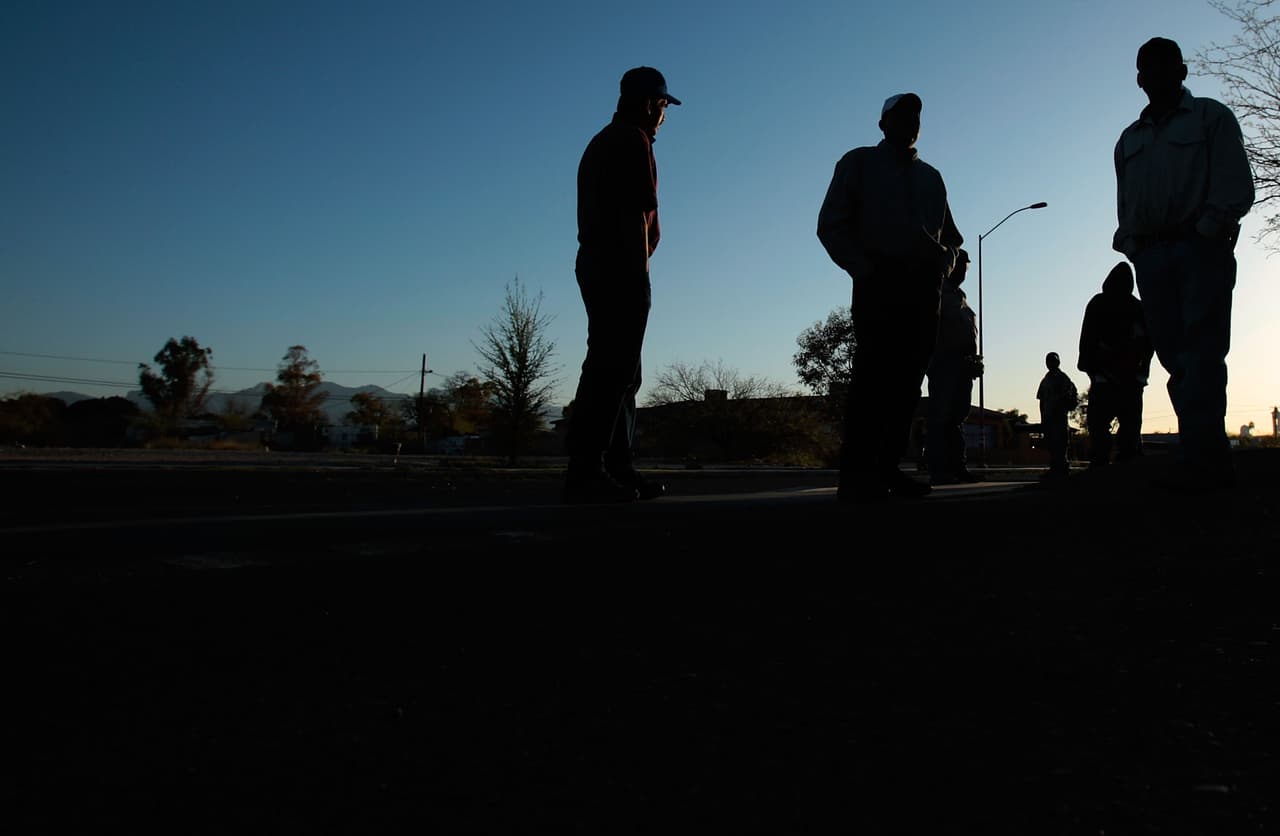
"This month comes at a special moment in our nation’s history. For the first time, we have more Latinos serving in Congress than ever before. In the Senate, the Democratic Majority has confirmed a historic number of Latino judicial nominees and recently confirmed the first Latina to serve on the Federal Reserve in the Board’s 109-year history".
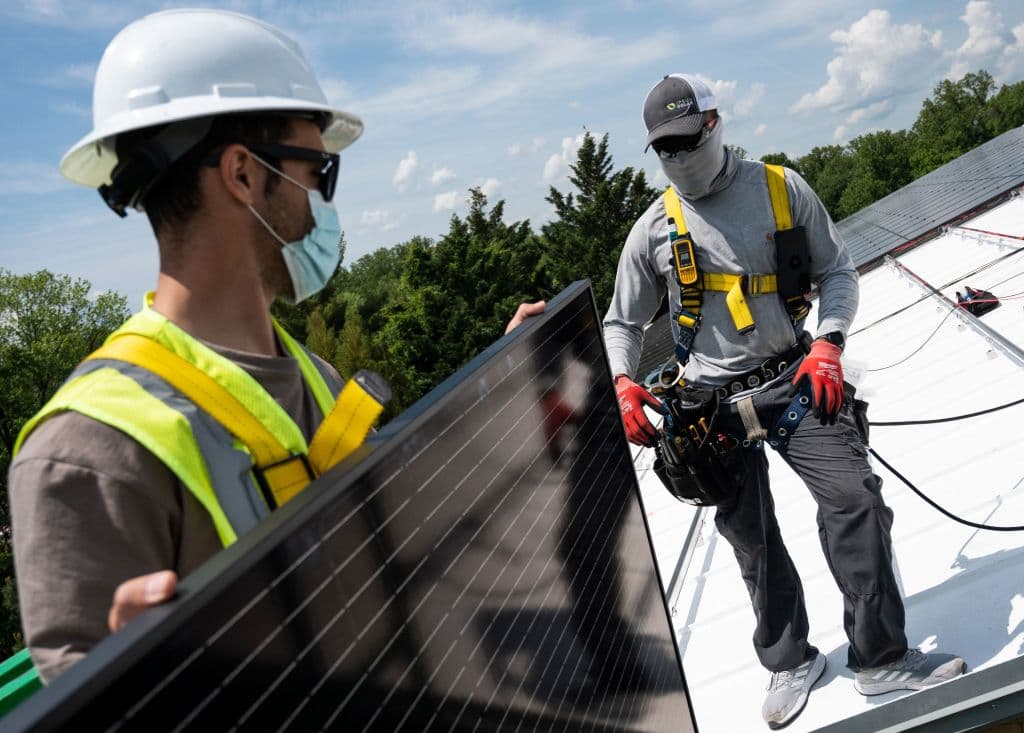
"This is the clean energy boom unleashed by President Biden: good-paying jobs in a fast-growing industry and lower bills for working families — all while addressing the climate crisis affecting our lives".
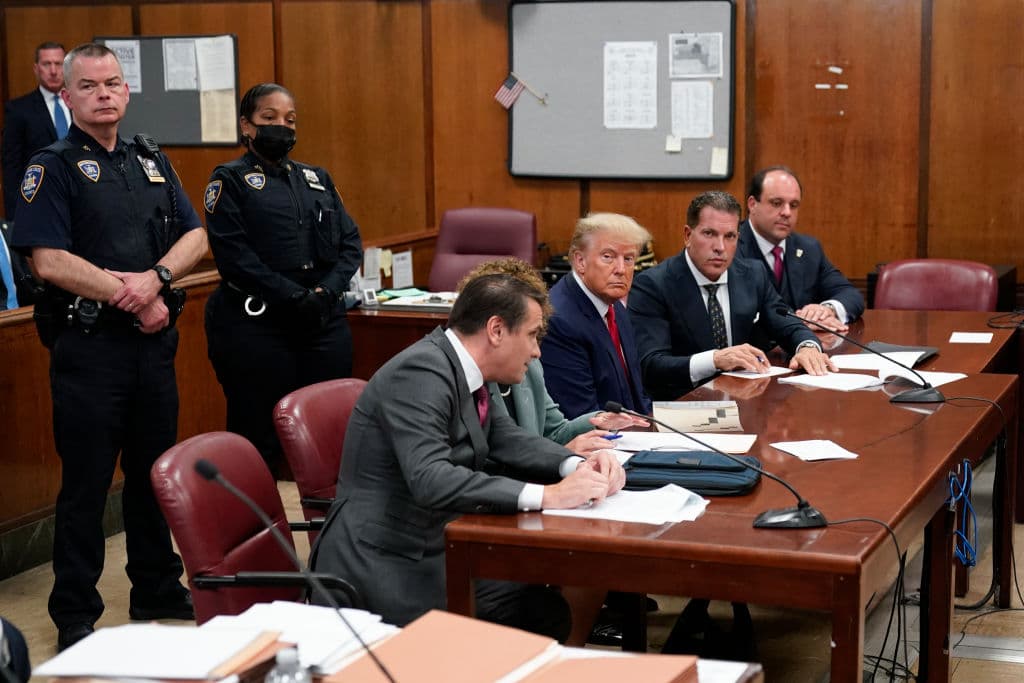
Putting presidents, former presidents and coup plotters on trial is an honorable and necessary practice to maintain a healthy democracy. Failure to put on trial presidents or former presidents who broke the law or committed crimes has had devastating consequences in Latin America.
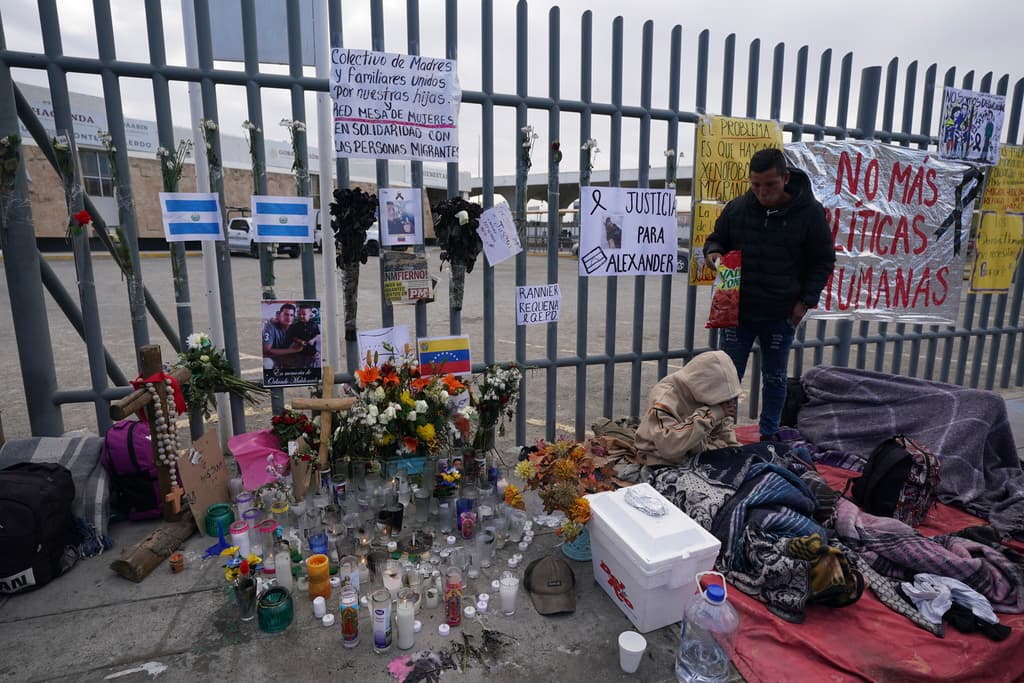
Mexico's migrant policy bears responsibility for the deaths of 39 migrants in the fire at a detention center in Ciudad Juarez. They were in the custody of the Mexican government, in a federal facility.
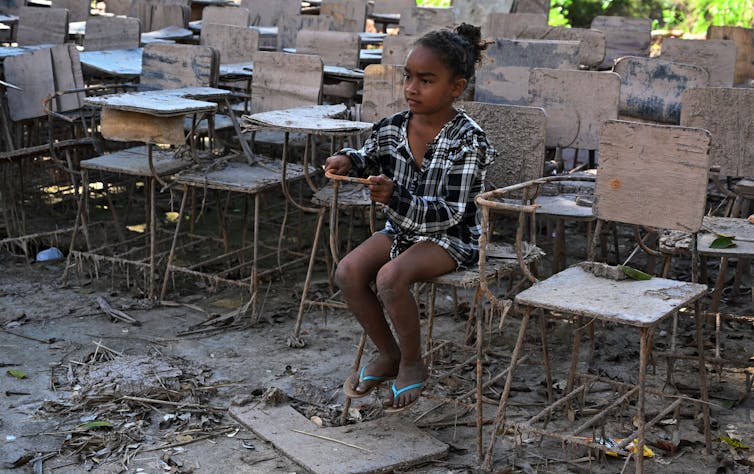
If anything, Central America’s problems have gotten worse. COVID-19 is raging across the region. Two Category 5 hurricanes hit Honduras within two weeks in late 2020, leaving more than 250,000 homeless.
Some experts have been calling for a “mini-Marshall Plan” to stabilize Central America, like the U.S. program that rebuilt Europe after World War II.
The Costa Rica counterpoint
To imagine a way out of Central America’s problems, the history of Costa Rica – a democratic and stable Central American country – is illustrative.
Costa Rica’s path to success started soon after independence from Spain in 1821.
It developed a coffee economy that tied it early to the developing global capitalist economy. While other Central American countries fought prolonged civil wars, Costa Rica adopted a liberal constitution and invested in public education.
Costa Rican democracy strengthened in the 1940s with a constitutional amendment that established a minimum wage and protected women and children from labor abuses. It also established a national social security system, which today provides health care and pensions to all Costa Ricans.
These reforms triggered civil war. But the war’s end brought about positive transformations. In 1948, Costa Rica abolished its military. No spending in defense allows Costa Rica to invest in human development.
The country also created a credible electoral system to ensure the legitimacy of elected governments.
Over the next seven decades, consecutive Costa Rican governments expanded this welfare state, developing a large urban and rural middle class. Already a trusted U.S. ally when the Cold War began, Costa Rica was able to maintain progressive policies of the sort that, in other countries, the American government viewed as suspiciously “socialist.”
Today, Costa Rica invests nearly 30% of its annual budget in public education, from kindergarten to college. Health care represents around 14.8% of the budget.
The U.S. is not a draw for Costa Ricans. Instead, my country has itself received hundreds of thousands of Central American migrants.
Predatory elites and authoritarian politics
The migrants are fleeing political systems that are broadly repressive and prone to militarism, autocracy and corruption. In large part, that’s because many Central American countries are dominated by small yet powerful economic and political elites, many dating back generations.

These elites benefit from the status quo. In the Northern Triangle, they have repeatedly proven unwilling to promote the structural transformations – from more equitable taxation and educational investment to agrarian reforms – that could end centuries of oppression and deprivation.
During the Cold War, they quashed popular revolutions pursuing such changes, often with U.S. support.
Biden’s Central America plan requires the active participation of this “predatory elite,” in the words of Biden adviser Juan Gonzalez.
Gonzales told NPR in March that the administration would take a “partnership-based approach” in Central America, using both “carrots and sticks” to push powerful people who may not share the U.S.‘s goals to help their own people. The U.S. will also enlist local human rights organizations and pro-democracy groups to aid their cause.
Its too early to know if the expected partnerships with Central American leaders will materialize.
The Salvadoran president recently refused to meet with Biden’s special envoy to the Northern Triangle. Honduras’ president is named in a U.S. criminal investigation into his brother’s alleged drug-smuggling ring.
Still, without the U.S. resources being offered, Central America’s troubles will persist. Money alone won’t solve them – but it is a necessary piece of an enormously complicated puzzle.
[The Conversation’s Politics + Society editors pick need-to-know stories. Sign up for Politics Weekly.]

Luis Guillermo Solis, Distinguished Professor, Director of the Kimberly Green Latin American and Caribbean Center, Florida International University
This article is republished from The Conversation under a Creative Commons license. Read the original article.
Relacionados: