This week, as the country observes the National Latina Equal Pay Day of Action on December 8 th, it is imperative we get a couple of facts straight. First off, this is not a holiday.
Stop Putting the Pay Gap on Latinas – We are not the Problem
"Employers of all kinds are not paying Latinas equitably, and they all need to be called out. No matter what way the data is sliced and diced, Latinas working in every sector and in every industry, regardless of education level, are being paid dramatically less than their white male counterparts. 54 cents to the dollar paid to white, non-Hispanic male workers was the average for all Latinas with reported earnings in 2021".

Por:
Mónica Ramírez
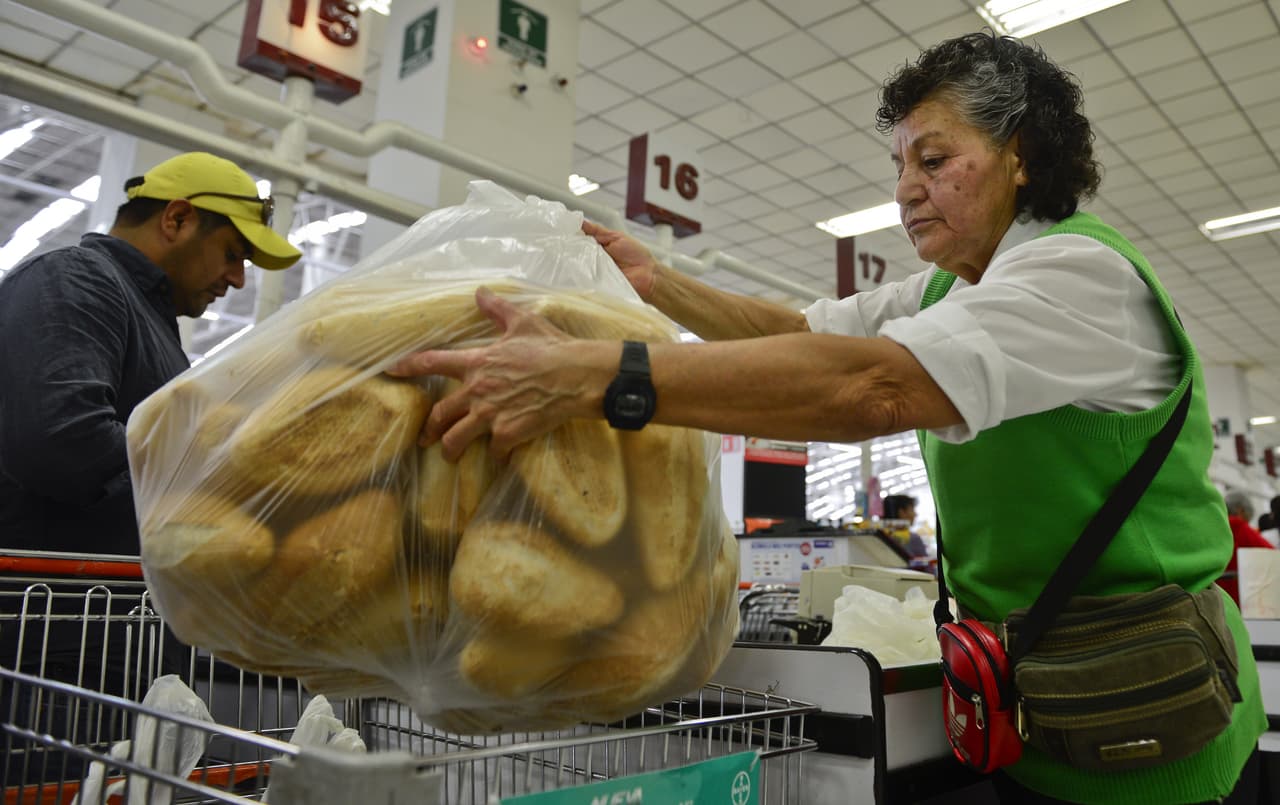
La mayoría de las latinas obtienen los empleos con salarios más bajos.
Imagen Getty Images
It is an obligation to highlight - in shame – the vastly unequal pay that Latinas receive. In 2020 Latinas were paid just 49 cents to the dollar paid to white, non-Hispanic male workers, which is why Latina Equal Pay Day is being observed so late this year.
Second, people get the data wrong every single year, and while it can be confusing, a little fact checking goes a long way (more on that below). Lastly, but not least, every single year Latinas face gas lighting when well-meaning people say Latinas are part of the problem because they should have picked different jobs, chosen different career paths, negotiated better, taken better control of our finances, etc, the list goes on. The people who blame Latinas are woefully misguided.
Let’s be clear. The reason that we observe Latina Equal Pay Day every year is because employers of all kinds are not paying Latinas equitably, and they all need to be called out. No matter what way the data is sliced and diced, Latinas working in every sector and in every industry, regardless of education level, are being paid dramatically less than their white male counterparts.
Fifty-four cents to the dollar paid to white, non-Hispanic male workers was the average for all Latinas with reported earnings in 2021. For the first time this number includes hourly workers, seasonal migrant workers, and gig-economy workers. The number is a slight increase from 2020’s dismal data of 49 cents to the dollar, but it is still drastically unequal.
As my mom worked and parented, all in one breath, she instilled in us the values that I carry with me today: “por la familia, todo.” Lee este contenido en español.

"What a sad reflection that the Republican Party has moved from Abraham Lincoln, who said immigration was a ‘source of national wealth and strength’ and Ronald Reagan, who called for his ‘city on the hill’ to be ‘open to anyone with the will and the heart to get here,’ to Donald Trump, who says immigrants are ‘poisoning the blood of our country".

"Our current immigration laws include so many hurdles that can keep families in limbo, and even being married to a U.S. citizen isn’t always enough to allow someone to get a green card".

"For those of us whose livelihoods depend on it, President Biden’s actions to protect and preserve DACA show a striking contrast with those of Trump and MAGA Republicans. Trump has a record of trying to end DACA and will try again if he wins another term".

"While immigrants by now are accustomed to being the tip of the spear in the GOP’s arsenal of attacks, let's be clear-eyed that the threat now is beyond harming immigrant communities or calling attention to the border. This is about using this issue as a tool to further Trump’s political ambitions, even if that means suppressing the right to vote, undermining our election results, or stoking more political violence".

"This month comes at a special moment in our nation’s history. For the first time, we have more Latinos serving in Congress than ever before. In the Senate, the Democratic Majority has confirmed a historic number of Latino judicial nominees and recently confirmed the first Latina to serve on the Federal Reserve in the Board’s 109-year history".
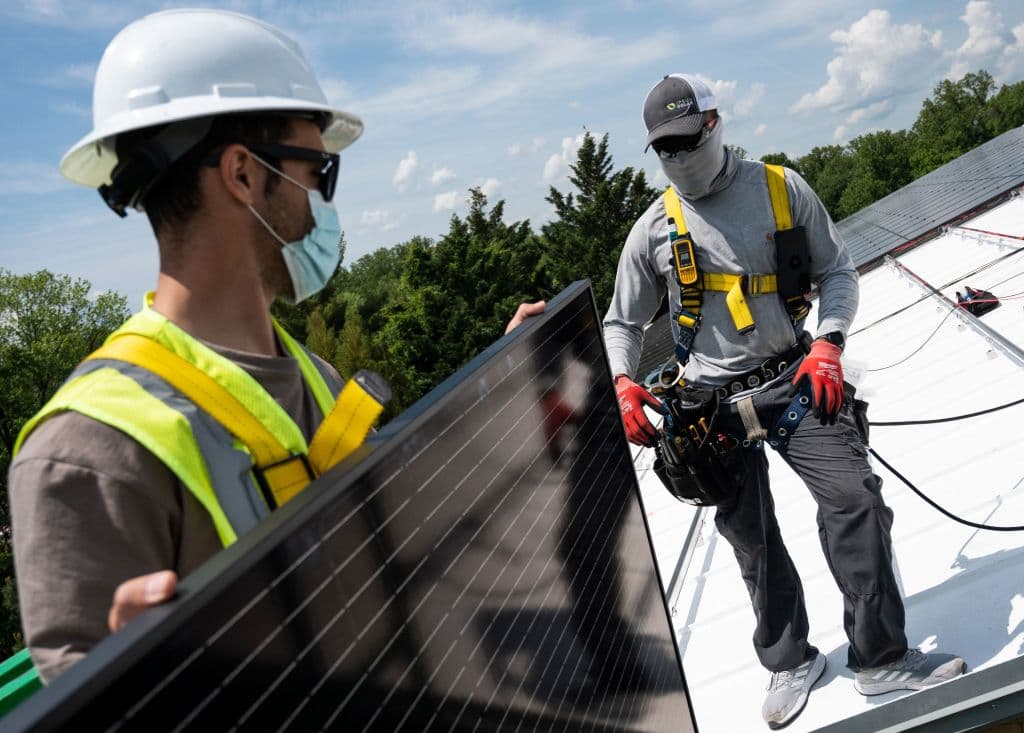
"This is the clean energy boom unleashed by President Biden: good-paying jobs in a fast-growing industry and lower bills for working families — all while addressing the climate crisis affecting our lives".

Putting presidents, former presidents and coup plotters on trial is an honorable and necessary practice to maintain a healthy democracy. Failure to put on trial presidents or former presidents who broke the law or committed crimes has had devastating consequences in Latin America.

Mexico's migrant policy bears responsibility for the deaths of 39 migrants in the fire at a detention center in Ciudad Juarez. They were in the custody of the Mexican government, in a federal facility.
Whether it is because decisions have been made to deliberately discriminate against Latinas, because implicit bias has impacted pay decisions, or because employers are using prior discriminatory salaries to set a Latina worker’s current pay ( note: this is against the law in some states!), the reality is that it is not the fault of Latinas that they have been so immensely underpaid.
While businesses have stepped up in their favorite ways by establishing training programs to teach Latinas how to negotiate better, make better choices, advocate for themselves or act savvier, if this is the only thing businesses take away for Latina Equal Pay Day, they are missing the point.
These education and training programs are great to be sure, but let’s be very clear – there is nothing in these initiatives that will make an employer decide to do right by Latinas. And what’s worse, most people who are underpaid do not even realize it.
Even if a Latina is aware that she is being underpaid, the onus should not be on her to fix it. The labor to make it right should not lie on her shoulders or belong to a whole contingent of workers who have been discriminated against for decades. Employers are legally obligated not to discriminate against workers because of gender, race, or ethnicity in most cases under federal law, depending on the number of people the business employs. Employers should not be motivated to do the right thing only because the law requires it.
It’s the right thing to do and it makes the most economic sense. Savvy business executives know when an employee is valued and treated fairly, it has a positive impact on their work, thus yielding better results for the employer.
There is nothing that Latinas could have “done better” to avoid the massive losses they experienced in 2020. In fact, that data set showed that the 49 cents Latinas were paid to every dollar paid to non-Hispanic white men was the widest gap seen in the past decade. Why? More Latinas were pushed out of the labor market during the COVID pandemic because they got sick, had increased caregiving responsibilities and because they worked in jobs that did not provide the kind of benefits, as well as the support, needed to be able to keep their jobs while taking care of sick family members and trying to survive the pandemic themselves. In fact, more Latinas were pushed out of the labor market than any other demographic during that time resulting in the huge dip.
Many Latinas have since been able to return to the workforce, which is good news, but what cannot be forgotten is that it was not their fault they were pushed out in the first place.
This Latina Equal Pay Day there will be folks who will say that Latinas need to ask for more money and better advocate for themselves if they want to get paid better. They are wrong. Employers need to do better and so do our political leaders.
How? Congress needs to pass stronger laws, like the Paycheck Fairness Act and the Pregnant Workers Fairness Act. State legislatures need to pass pay equity bills and other laws that directly impact the career-long pay gap that Latinas experience. And employers need to take actions to ensure that they are following the law. They should check their bias and create protocols to determine whether bias is impacting their decisions about pay, opportunities for training and advancement for Latinas and all their workforce. It will yield returns for the employer and the working Latinas who make these businesses prosperous.
As for Latina workers, things that we could do for our own professional growth, include learning to negotiate so that we will feel more in control of our own financial circumstances and get training on the things that will help us be better prepared for our jobs to feel more fulfilled in our careers. We should do these things if we want to do them for ourselves, not because we need to take on the responsibility that employers already bear.
Latinas are already holding up families, workplaces, and communities. We are doing our job. It is not also our job to ensure that we get paid fairly and equitably. It’s time for others to do their jobs as well.
Mónica Ramírez is an attorney, author, and activist fighting for the rights of farmworkers, migrant women workers and the Latine(x) community. She is the founder of Justice for Migrant Women and co-founder of The LatinX House and Poderistas. Mónica has helped lead the national Latina Equal Pay campaign on behalf of the Equal Pay Today Coalition! since 2015.
Relacionados: