On March 28, 2022, parents and their children in the working-class neighborhood of Comunidad 22 de Abril in San Salvador were stopped, searched, and forced to stay in their homes by the Salvadoran police and army.
Mass Bitcoin adoption thrives in authoritarianism
The only words that matter currently in El Salvador are those spoken - or authorized - directly by President Nayib Bukele. He has willfully made Salvadoran citizens subservient to the world of Bitcoin.

Por:
Ricardo Valencia, assistant professor of Public Relations at California State University, Fullerton
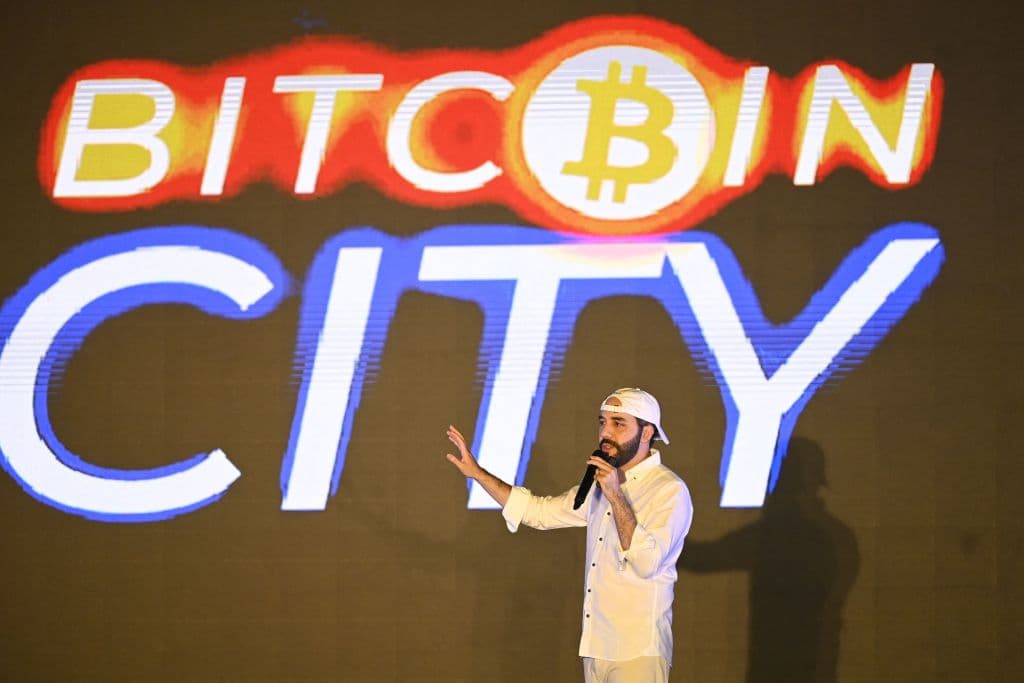
President of El Salvador, Nayib Bukele, gestures during his speech at the closing ceremony of the Latin Bitcoin conference (LaBitConf) at Mizata Beach, El Salvador, on November 20, 2021.
Imagen MARVIN RECINOS/AFP via Getty Images
That day the government declared a state of emergency after a hike in gang murders which broke a two-year-long truce between the government and the gangs.
At the same time that the state of emergency began, crypto fanatics and Bitcoin ideologues threw a party in a boutique hotel on the Salvadoran shores. One man stood out from the crowd, Max Keiser, a US-born Bitcoin influencer with personal relations with the Salvadoran president, Nayib Bukele. Keiser was a host of a financial show on the pro-Kremlin TV station RT. These realities reveal what has been evident for many Salvadorans: the adoption of Bitcoin as legal tender could only happen by the hand of an authoritarian regime that dismantles democracy.
The state of emergency – extended for 30 additional days on April 22- restricts detainees' rights to access a lawyer and allows the state to intercept all types of communication without a court order.
In El Salvador, Bitcoin is a political project led by an authoritarian government with the support of a group US Bitcoin fanatics like Keiser and Jack Maller. The goal is gambling the future of over 5 million Salvadorans living in that country and the more of 1.5 million who have immigrated to the US.
As my mom worked and parented, all in one breath, she instilled in us the values that I carry with me today: “por la familia, todo.” Lee este contenido en español.
"What a sad reflection that the Republican Party has moved from Abraham Lincoln, who said immigration was a ‘source of national wealth and strength’ and Ronald Reagan, who called for his ‘city on the hill’ to be ‘open to anyone with the will and the heart to get here,’ to Donald Trump, who says immigrants are ‘poisoning the blood of our country".
"Our current immigration laws include so many hurdles that can keep families in limbo, and even being married to a U.S. citizen isn’t always enough to allow someone to get a green card".

"For those of us whose livelihoods depend on it, President Biden’s actions to protect and preserve DACA show a striking contrast with those of Trump and MAGA Republicans. Trump has a record of trying to end DACA and will try again if he wins another term".
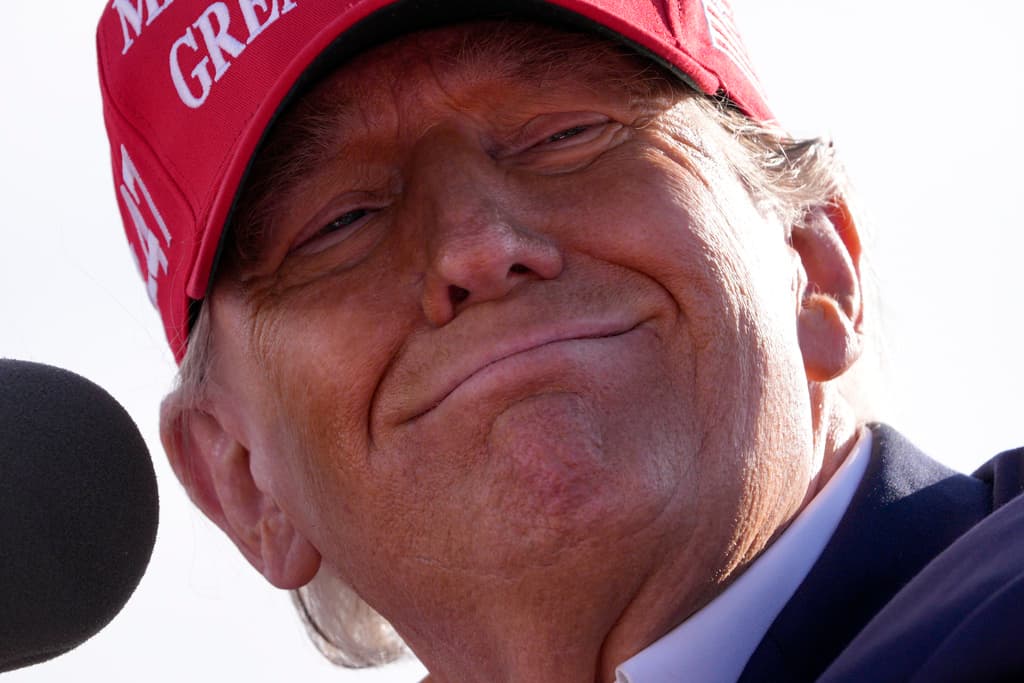
"While immigrants by now are accustomed to being the tip of the spear in the GOP’s arsenal of attacks, let's be clear-eyed that the threat now is beyond harming immigrant communities or calling attention to the border. This is about using this issue as a tool to further Trump’s political ambitions, even if that means suppressing the right to vote, undermining our election results, or stoking more political violence".
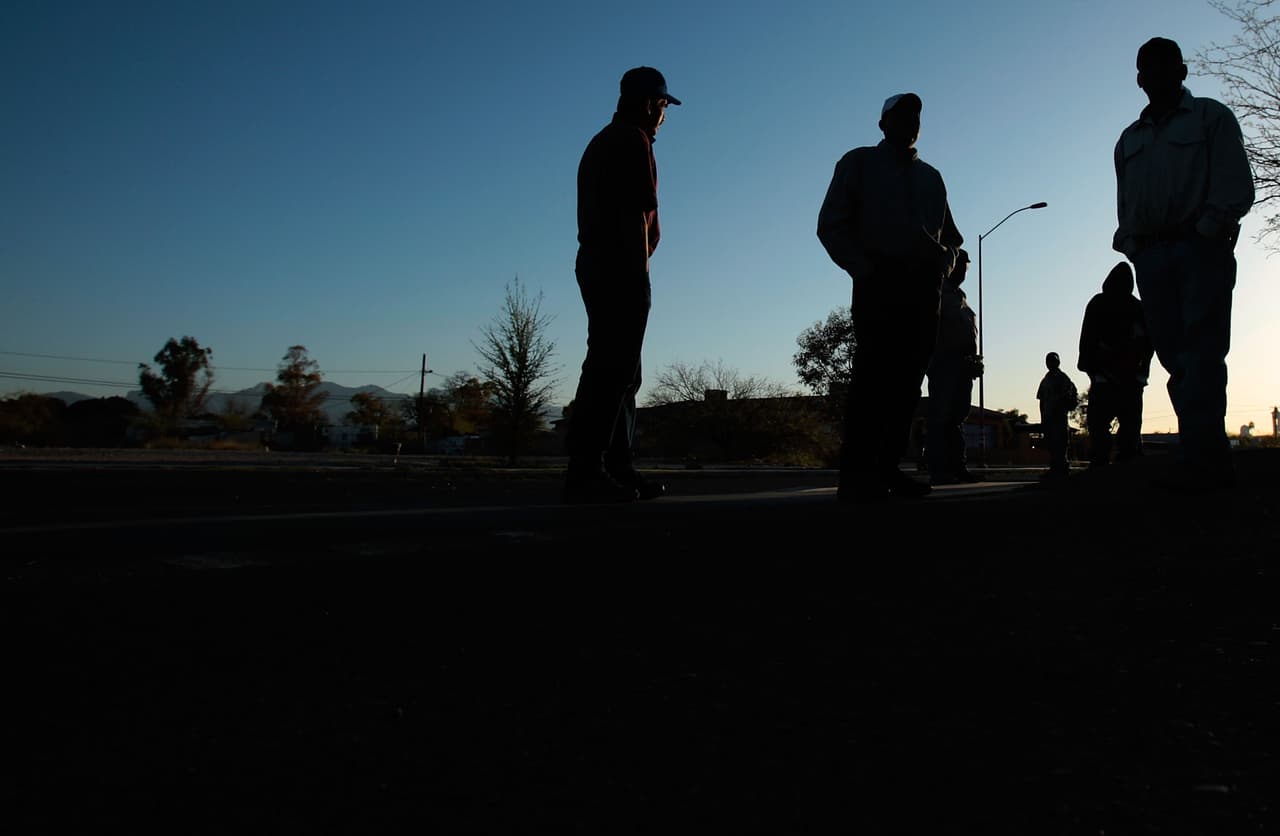
"This month comes at a special moment in our nation’s history. For the first time, we have more Latinos serving in Congress than ever before. In the Senate, the Democratic Majority has confirmed a historic number of Latino judicial nominees and recently confirmed the first Latina to serve on the Federal Reserve in the Board’s 109-year history".
"This is the clean energy boom unleashed by President Biden: good-paying jobs in a fast-growing industry and lower bills for working families — all while addressing the climate crisis affecting our lives".
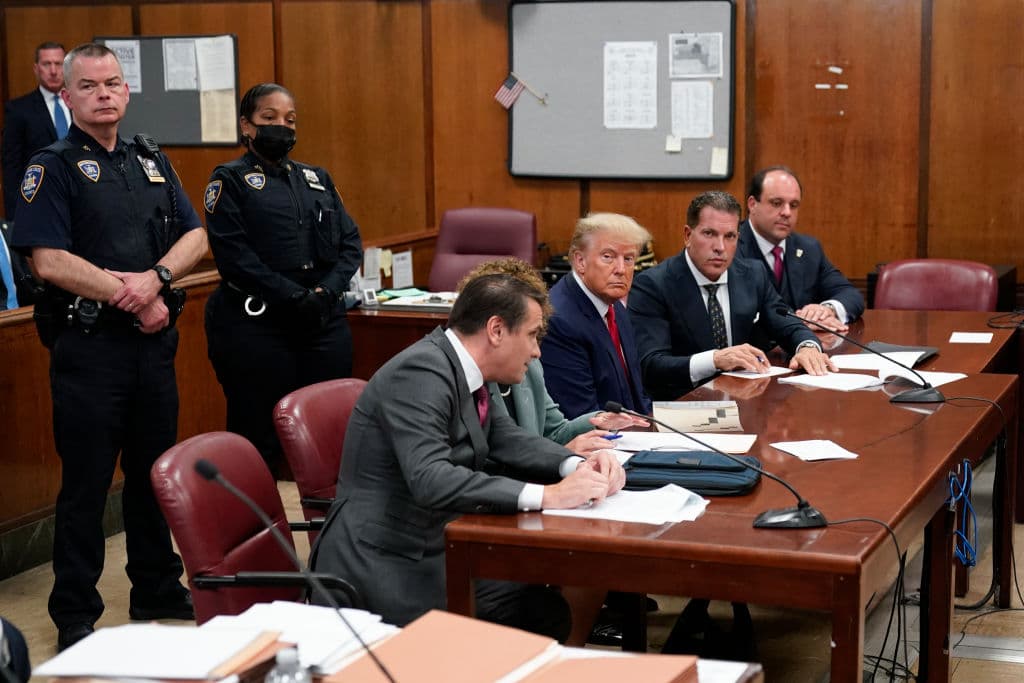
Putting presidents, former presidents and coup plotters on trial is an honorable and necessary practice to maintain a healthy democracy. Failure to put on trial presidents or former presidents who broke the law or committed crimes has had devastating consequences in Latin America.
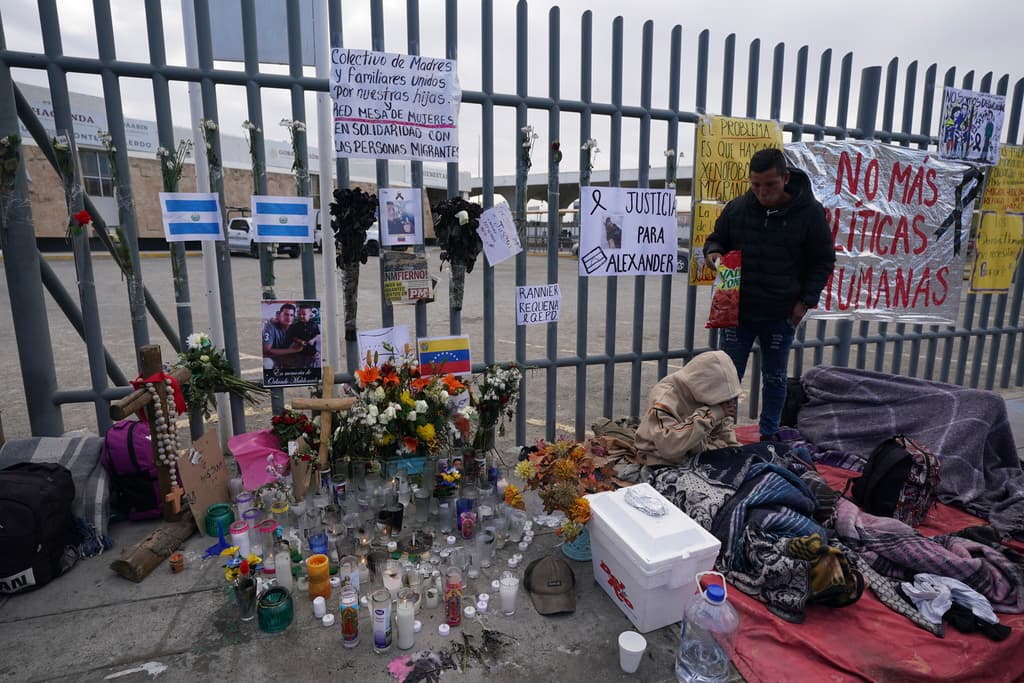
Mexico's migrant policy bears responsibility for the deaths of 39 migrants in the fire at a detention center in Ciudad Juarez. They were in the custody of the Mexican government, in a federal facility.
Price volatility is not the only risk a nation could face if it adopts cryptocurrency. Democracy and the rule of law are in jeopardy too. The contradiction between Bitcoin's libertarian beginning and the increasing Bukele's authoritarianism has brought heated debates within the crypto community.
Some argue that the dismantling of the Salvadoran democracy by Bukele is antithetical to bitcoin. Others have responded that Bukele's authoritarianism is a small price to pay for the mass adoption of Bitcoin. El Salvador shows that Bitcoin and democracy are at odds.
On May 1, 2021, Bukele's supermajority in the Salvadoran congress replaced the Supreme Court of Justice magistrates and the attorney general unconstitutionally. Days later, the newly appointed magistrates ruled that Bukele could seek reelection, although the Salvadoran Constitution expressly prohibited it.
After accruing complete control of the three branches of government, Bukele forced Salvadorans to adopt Bitcoin as a legal tender on June 8, 2021. The other three steps to pave the way for Bitcoin were: 1) purchasing Bitcoin with public funds, 2) creating a crypto market by launching an electronic wallet called "Chivo", and 3) the authorization of the government selling Bitcoin-based sovereign bonds called Volcano.
The three projects have become a burden on Salvadoran finances. Over 1,000 bitcoins acquired by the Salvadoran government have lost value. The electronic wallet Chivo is a financial black hole of scammers and fraudsters and the launching of Volcano bonds has been postponed indefinitely due to " unfavorable market conditions." Due to Bitcoin adoption, credit rating firms have downgraded El Salvador bonds deeper into junk status. According to the Emerging Markets Bonds Index, El Salvador's national debt is the second riskiest country to default after Venezuela.
The imposition of Bitcoin represents one side of Bukele's regime. The other remains his obsession to crackdown on civil society and independent journalism. On April 5, 2022, Bukele's loyal legislature approved a bill that could impose jail terms for journalists who published or interviewed gang members. Bukele claims that sharing this information can generate uneasiness or panic without any proof.
The bill is because Salvadoran news outlets have revealed that the Bukele administration has held a truce with gangs since his inauguration in June 2019. The ties between Bukele and the gangs seem to focus on providing the gang leadership with ways to avoid extradition to the U.S., improvement of prison conditions within El Salvador, and greater employment opportunities outside prison.
Due to the truce, the Salvadoran government has enjoyed historic low levels in homicide rates since 2019 according to media reports. As a response to the negotiations, the United States government has indicated that two of Bukele's close officials, Osiris Luna, and Carlos Marroquin, are principal brokers of the truce.
In a functional democracy, the idea of implementing a new currency would trigger a broad debate about the benefits and pitfalls of the change. A society should set limits to the adoption and prevent the mishandling of public money. Salvadoran citizens should have the right to rely on an independent judiciary if adopting a cryptocurrency violates the Constitution and the human rights international treaties. Nothing of this can happen in El Salvador.
The only words that matter currently in El Salvador are those spoken directly by Bukele or the statement he authors on Twitter. He has willfully made Salvadoran citizens and hundreds of thousands of Salvadoran immigrants in the United States subservient to the world of Bitcoin instead of the monetary system working on behalf of the betterment of the nation and its people.
In this unfair system, Bukele showers Keiser, Jack Maller and other US Bitcoin fanatics with gifts, at the same time his police and army conduct raids in impoverished neighborhoods in San Salvador. Bitcoin is a political project that thrives in third-world authoritarianism, but some ideologues are made in the US.
Relacionados: