Those wizards of euphemism in Havana are at it again, unleashing on ordinary Cubans more horrors daintily disguised as unctuous clap trap.
Cuba's 'Hail Mary' plan to rebuild the economy not so radical
Dumping the restrictive list of self-employment occupations shows just how sick covid 19 has made Cuba’s economy.

Por:
Anthony DePalma
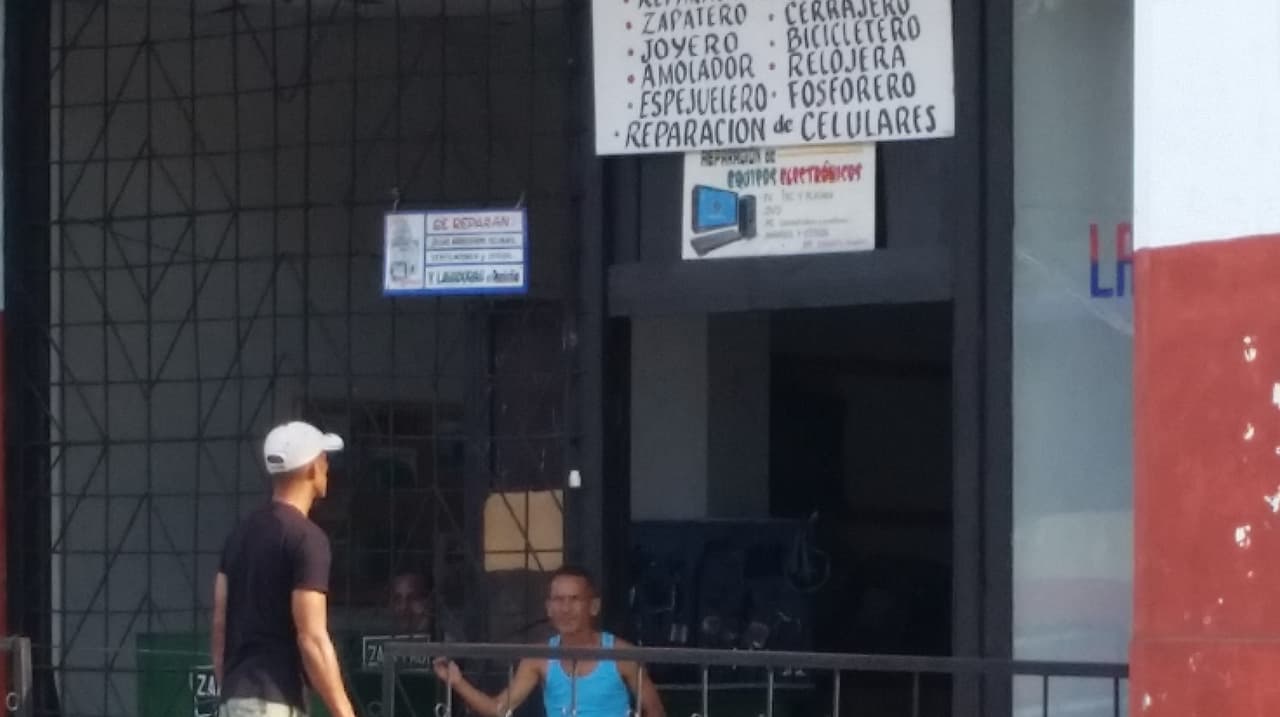
A cooperative market in Marianao where self-employed 'cuentapropistas' are permitted to have an individual stand. Photo taken in 2015.
Imagen Anthony DePalma.
You remember these guys, the old men who, before they were yet old, came up with the devilishly cruel term periodo especial to describe the infernal shortages and savage bleakness of the post-Soviet, fried-plantain-skin years of a quarter century ago.
Much more recently, with recurrent blackouts, fuel shortages and hellishly long lines for food and just about everything else, they’ve coined the term coyuntural, to mask the return of a not-quite-as-bad-as-before special period. And on the heels of that verbal sleight of hand, Havana’s language Houdinis launched moneda libremente convertible, so that no official in Cuba would ever have to speak the dreaded words, dollar americano.
Another of these linguistic poison pills was brushed off and reintroduced earlier this month, when Cuban officials let it be known that they were pursuing the further perfeccionamiento of the gasping Cuban economy.
The Minister of Labor and Social Security, Marta Elena Felitó Cabrera, went on the Mesa Redonda nightly news program to announce the next steps in the government’s liberalization of the economy that began during the nadir of the special period in 1994 with the legalization of paladares. Felitó Cabrera announced that at some yet unidentified date, the government will abolish the restrictive list of approved self-employment activities, setting free the natural-born creative spirit of the Cuban people by allowing them to run their own businesses, whatever they decide those businesses should be.
As my mom worked and parented, all in one breath, she instilled in us the values that I carry with me today: “por la familia, todo.” Lee este contenido en español.
"What a sad reflection that the Republican Party has moved from Abraham Lincoln, who said immigration was a ‘source of national wealth and strength’ and Ronald Reagan, who called for his ‘city on the hill’ to be ‘open to anyone with the will and the heart to get here,’ to Donald Trump, who says immigrants are ‘poisoning the blood of our country".
"Our current immigration laws include so many hurdles that can keep families in limbo, and even being married to a U.S. citizen isn’t always enough to allow someone to get a green card".

"For those of us whose livelihoods depend on it, President Biden’s actions to protect and preserve DACA show a striking contrast with those of Trump and MAGA Republicans. Trump has a record of trying to end DACA and will try again if he wins another term".
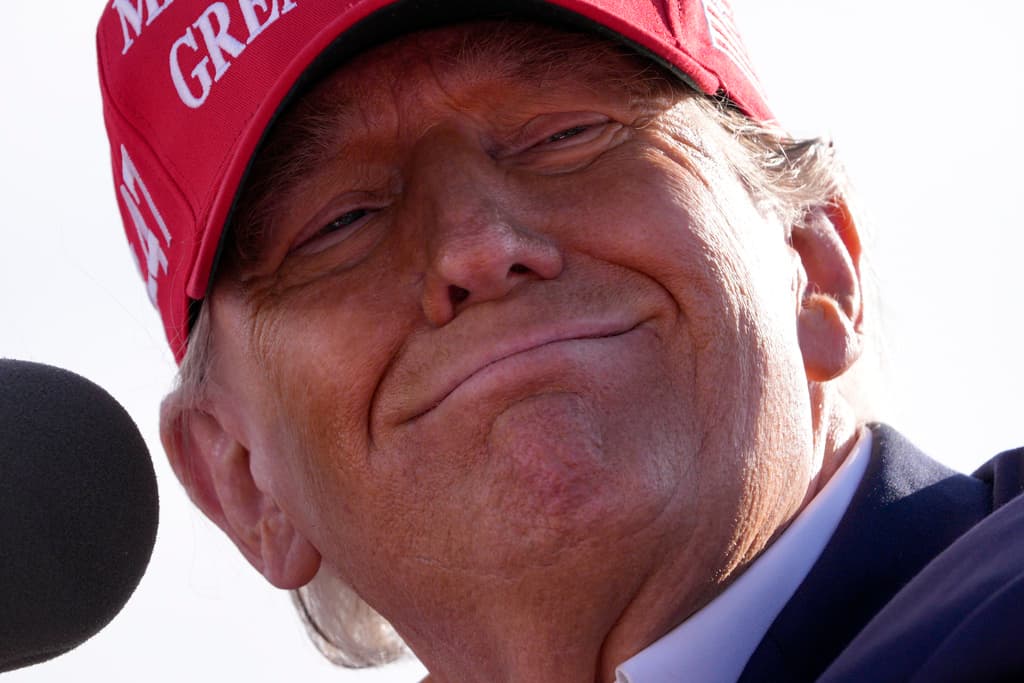
"While immigrants by now are accustomed to being the tip of the spear in the GOP’s arsenal of attacks, let's be clear-eyed that the threat now is beyond harming immigrant communities or calling attention to the border. This is about using this issue as a tool to further Trump’s political ambitions, even if that means suppressing the right to vote, undermining our election results, or stoking more political violence".
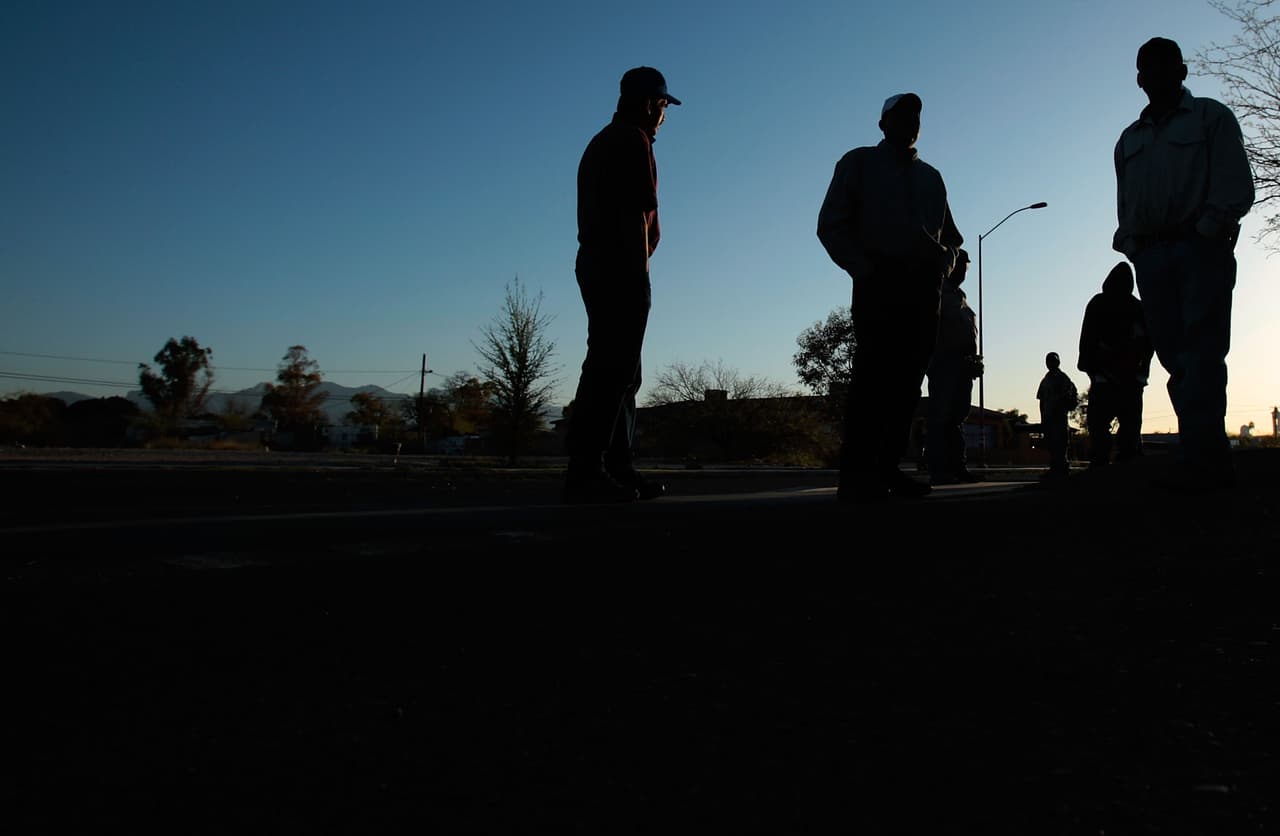
"This month comes at a special moment in our nation’s history. For the first time, we have more Latinos serving in Congress than ever before. In the Senate, the Democratic Majority has confirmed a historic number of Latino judicial nominees and recently confirmed the first Latina to serve on the Federal Reserve in the Board’s 109-year history".
"This is the clean energy boom unleashed by President Biden: good-paying jobs in a fast-growing industry and lower bills for working families — all while addressing the climate crisis affecting our lives".
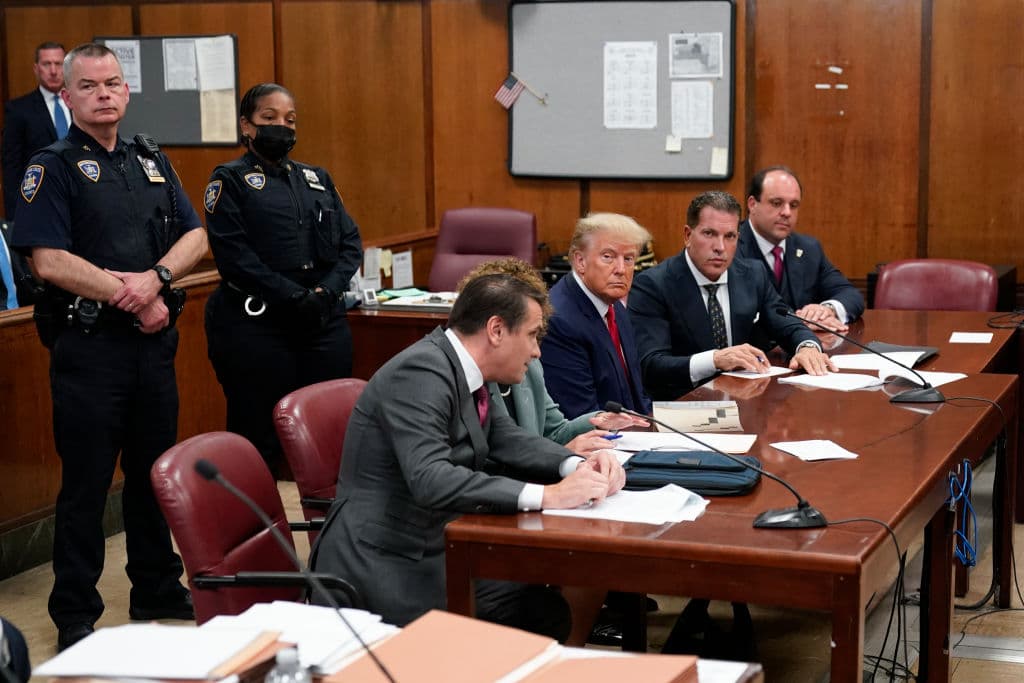
Putting presidents, former presidents and coup plotters on trial is an honorable and necessary practice to maintain a healthy democracy. Failure to put on trial presidents or former presidents who broke the law or committed crimes has had devastating consequences in Latin America.
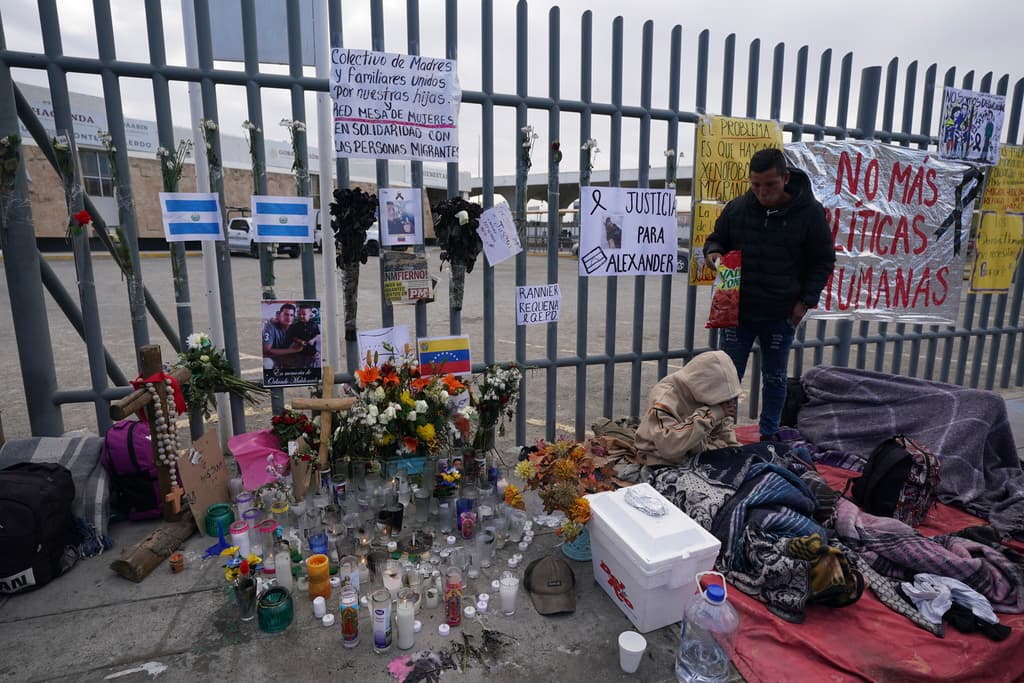
Mexico's migrant policy bears responsibility for the deaths of 39 migrants in the fire at a detention center in Ciudad Juarez. They were in the custody of the Mexican government, in a federal facility.
It is a move that economists have advocated since 2011 when Raúl and his cronies published the infamous list of 201 microbusinesses that Cubans could run, a list that included such puny one-man ventures as spark plug cleaner, glad-handing “dandy” and operator of a kiddie ride with goats. In some corners, those mini-enterprises were welcomed as important steps toward liberating the economy, but in effect the list only gave self-motivated Cuban entrepreneurs limited permission to work, but not the possibility of doing well.
Getting “rich”, whatever they was taken to mean in Cuba, remained taboo, and after a number of years, without a wholesale market, easily accessible capital, or a legal way to import or export, many would-be Cuban entrepreneurs gave back their licenses and the sector no estatal (another euphemism, this one to take the place of “private sector”) ground to the same kind of wheezing halt as the centrally controlled state economy.
The newly announced perfeccionamiento reeks of official desperation and is somber evidence that covid 19 may have accomplished in less than six months the kind of economic desperation that the United States, with its embargo, has been trying to unleash for 60 years, with the hope that doing so would bring the communist government to its knees. While Miguel Diaz-Canel is not yet cowering, it’s easy to think of him in his office on the 26 th anniversary of the Maleconazo in early August, telling his ministers that unless they did something drastic to revive the nearly comatose economy, furious Cubans would be running along the seaside Malecon demanding “Libertad” and “Down with Diaz-Canel,” just as they had shouted “Down with Fidel” in 1994 until Fidel himself showed up. Fidel is now entombed in his rock in Santa Ifigenia cemetery, and Raúl doesn’t have enough energy left to calm the masses. Diaz Canel must realize that he could never demand the sacrifices that Fidel did during the special period without starting a revolt.
So now that we await the elimination of the restrictive list of occupations, does it mean that a thousand businesses will bloom in every Cuban city? Will the measures unleash the creative power of the long-shackled Cuban entrepreneurs, the way that breathing the humid air of Miami empowered exiles who landed there after Fidel came to power?
It depends on how fully the government pushes through the reforms that the ordinary José would need to make a go of it. Will there be a legal wholesale market for basic supplies? Will businesses be allowed to import and export on their own, or will they have to go through a designated government entity that will take its cut?
With the legal return of the dollar (something also tried during the special period) which of Cuba’s three currencies will state workers be paid in? If it’s Cuban pesos or CUCs, how will entrepreneurs get the U.S. dollars they need to import or export? Will doctors, lawyers, accountants and other professionals be allowed to have their own practices? How big can a business grow without incurring the wrath of the self-interested bureaucrats?
It’s unclear how much freedom the government intends to breathe into the economy because at the same time that Felitó Cabrera announced the proposed changes on Mesa Redonda, the government declared war on coleros, the individuals—often retirees struggling to survive on paltry pensions—who charge a fee to stand on the interminable lines that have extruded onto Havana streets as people wait to be allowed into dollar stores.
Working as a colero might not be a shortcut to the good life, but it fills a legitimate need when it can take eight hours on line to buy a chicken for dinner. If the government means to unleash Cuban entrepreneurs but outlaws a service that ordinary Cubans already show they want, and are willing to pay for, how free can the economy actually become?
There’s been lots of talk recently about how reforms like these show that Cuba is adopting a Chinese-style economy, but that’s not what this is. What I saw in Cuba while I was reporting for my new book “The Cubans: Ordinary Lives in Extraordinary Times” is a barely functioning system, mismanaged by officials and hampered by the U.S. embargo, that could not even provide essentials like good food, proper medicines and even toilet paper and toothpaste before the covid shutdown cut off the hard currency that tourists bring in.
With their reserves drying up quickly, the government cynically broke open warehouses and filled the shelves in some stores with all the same items that had been scarce for months, but only sold them to consumers with dollars. A few weeks later, even those store shelves were empty.
Taken together, the government’s plan to rebuild the economy look less like radical reforms to correct existing problems and more like a “Hail Mary pass” that Havana hopes can forestall rising discontent until the U.S. election in November brings back a president they can deal with, which they then would have license to describe as a further perfeccionamiento of relations with el imperio.
Anthony DePalma, a former New York Times correspondent, is author, most recently, of The Cubans: Ordinary Lives in Extraordinary Times, published by Viking, an imprint of Penguin/ Random House.
Relacionados: