Isabel Sanches and her husband moved from Michoacán, Mexico to East Los Angeles twenty years ago. They crossed the southern border in search for a better life, job, a good neighborhood to raise their three sons free of street violence and poverty. Like many 40 somethings, Isabel is starting to frequent the doctor more. Despite learning English and attending community college, she remains a heart attack, a slip, a fall away from financial ruin.
2.6 million undocumented residents banned from Obamacare in California
“Nationwide, undocumented workers deserve better health care. They contribute $11.64 billion a year in state and local taxes. They comprise over 5% of the workforce.”
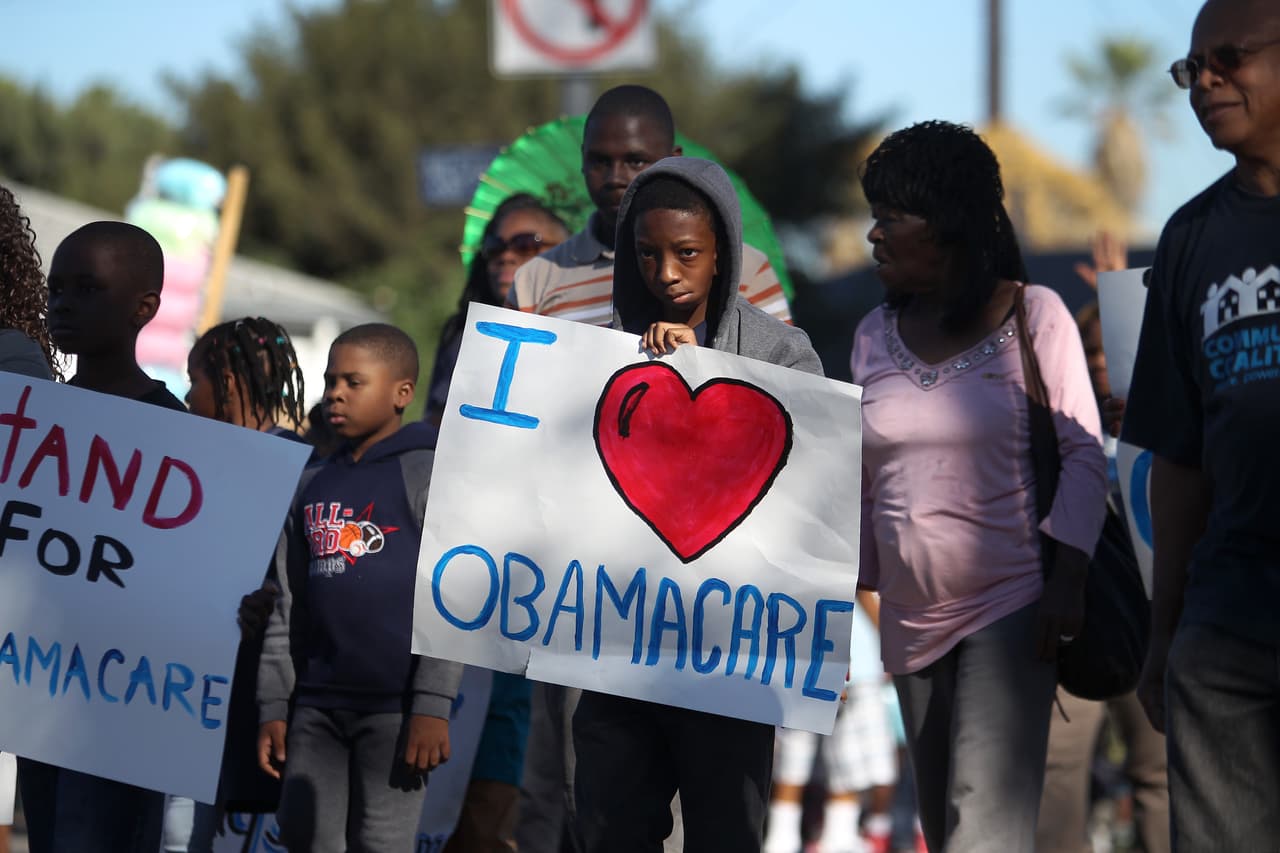
Imagen David McNew/Getty Images
Isabel is among California’s 2.67 million undocumented residents, the largest share in the nation. She is banned from buying an Obamacare plan.
However unfair, that was written into the Affordable Care Act. Through My Health L.A., Isabel is lucky to live in a county that covers undocumented adults. But this program is overwhelmed with patients. It’s not meant to address her chronic health problems.
In California at least, things are improving.
In June, Governor Jerry Brown signed a bill into law for California to be the first state to expand access to Obamacare plans for undocumented adults and Deferred Action for Childhood Arrivals (DACA) recipients. California must now apply for a federal waiver. Congressional opposition is mounting. Nine California Republicans urged the Obama Administration to reject the waiver. Despite this effort, President Obama or a Democrat sitting in the Oval Office next year will likely approve.
If the waiver is granted, California’s mixed-status families can shop for Obamacare plans altogether. Undocumented adults can find solace that they are not excluded from buying health insurance.
California’s historic new law has serious shortcomings, however.

Despite a near universal desire for an end to Venezuela’s manmade disaster, sending in U.S forces to take out the Maduro regime would be counter-productive. It should be categorically rejected by interim president Juan Guaidó, not to mention the Trump administration.
The firing of undocumented workers at Trump's golf clubs just shows how the practice of employing immigrants without legal work papers is much more common than we might imagine. Such is life in the United States.

The Trump administration should be wary of fueling fake news predictions about an imminent American invasion which unrealistically raises expectations about Maduro's removal.


At some point we will have to accept the fact that the border between Mexico and the United States is nothing more than an invention.

The United States has had a major role in the evolving drama of the fight for democracy in Venezuela and Nicaragua. And so far, it’s been surprisingly coordinated, a veritable model of multilateralism.
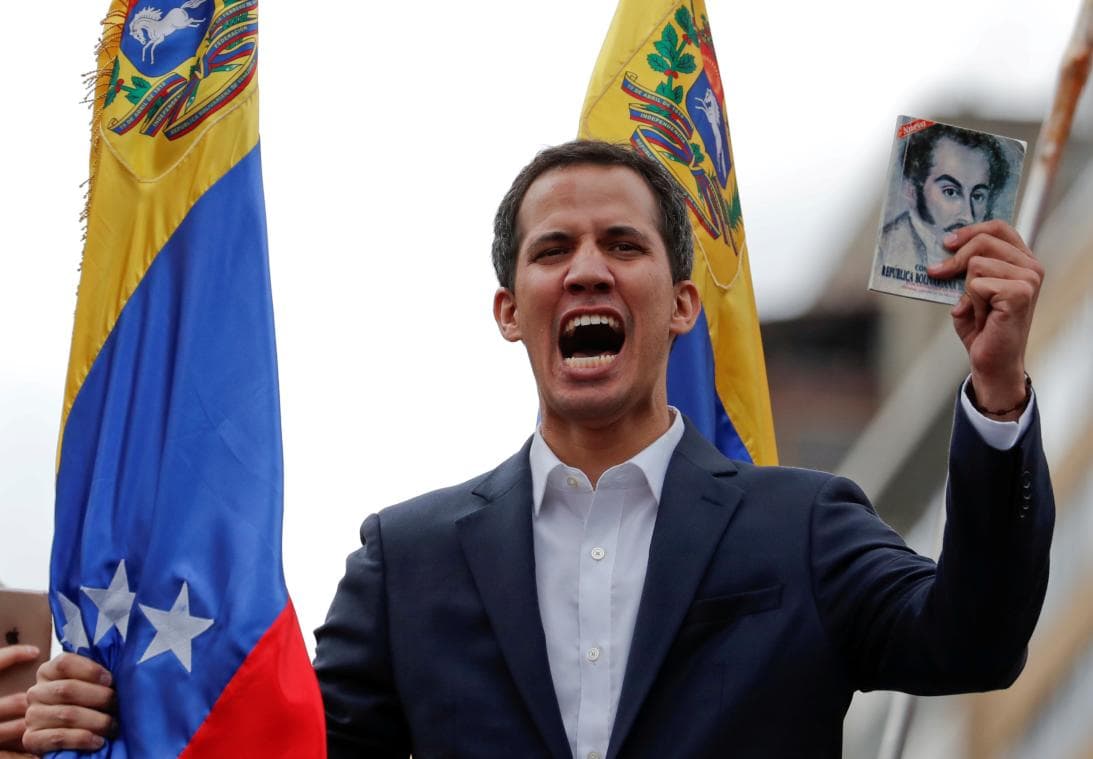
Has the Maduro regime reached breaking point? It remains hard to say, but tomorrow is another - more hopeful - day for the restoration of democracy in the South American nation.
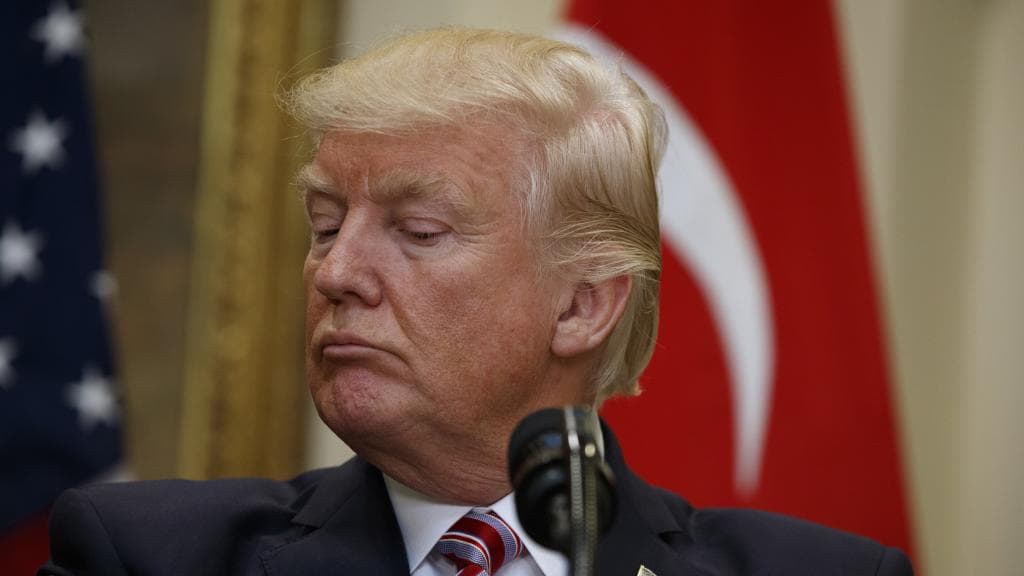
It’s impossible to get into Trump’s head but what comes out of his mouth are racist remarks. But, saddest of all are the millions who tolerate his views, cheer him on and emulate his behavior.


The time is well past due for the U.S. government to conduct a thorough review of leaders and their senior colleagues before they leave office to determine if they merit visas.
Comprehensive health coverage is still out of reach. Undocumented adults are ineligible for subsidies to pay for Obamacare plans, which come with rising premiums, copays and deductibles. When we asked Isabel about the law’s passage she said there is no way she can afford to pay for health insurance on her income.
In Washington, Congressman Luis Gutiérrez (D-IL) introduced a bill to expand access to Obamacare subsidies for Isabel and others to buy insurance. That’s going nowhere, of course. The Affordable Care Act not only forbids undocumented immigrants to obtain Obamacare subsidies. They also can’t enroll in Medicare or Medicaid.
These days it’s up to state leaders to help immigrants like Isabel get care. Governors must expand full-scope state Medicaid for all of their undocumented.
Critics contend it costs too much to expand preventative coverage. But we can’t afford not to. Without coverage, the uninsured delay necessary care. They crowd emergency rooms. Many have crossed the border with untreated conditions that can spur a public health crisis.
We treat undocumented patients now in the least efficient way. When the uninsured visit emergency rooms, federal law requires doctors to help them. The hospital passes these costs to the rest of us in the form of higher prices for other patients. This leads to higher insurance premiums and higher taxes for all.
California’s Medicaid program, Medi-Cal, spent $1.3 billion to treat undocumented patient emergencies and maternity care in 2014-15. New York recently spent over $957 million to treat its undocumented patients. Extending full-scope Medicaid saves money and lives.
Further, because undocumented immigrants don’t undergo medical screenings when they arrive, sick patients from poor countries come with contagious diseases that can easily be treated to alleviate their suffering and also prevent outbreaks. For instance, largely from immigrant travel patterns we are witnessing the rise of tuberculosis. The bacterial infection was previously thought to have been eradicated in the United States. Now, it has re-emerged to devastate all of our communities because we don’t properly treat all of our patients. We can halt future outbreaks if we better cover and screen all of our residents.
UC Berkeley researchers analyzed an original piece of California’s undocumented healthcare law, which expanded Medi-Cal. They found that state Medi-Cal spending increases by 2 percentage points with expansion. That spending was offset by savings from counties no longer on the hook for care and managed care provider taxes.
Nationwide, undocumented workers deserve better health care. They contribute $11.64 billion a year in state and local taxes. They comprise over 5 percent of the workforce.
In California alone, nearly 1.4 million undocumented residents earn incomes to qualify for Medicaid. Los Angeles County has over half a million. Most are very poor and work dangerous jobs. Many undocumented workers are farm workers in this country’s back-breaking agricultural sector.
When we brought up the new California law with Executive Director Marty Lynch at Lifelong Medical Care, a leading San Francisco Bay Area federally qualified health center, he told us “Expanding access to Obamacare is a nice symbolic gesture. It really won’t help California’s undocumented patients or health systems. We need Medicaid expansion.”
Isabel pretty much feels the same way. Her glaucoma condition is stable but she’s anxious of her health deteriorating as she ages and medical bills soar.
This year immigration and healthcare remain atop of voters’ concerns as we consider people’s health and economic security. We should praise Governor Jerry Brown for supporting California’s undocumented access to healthcare. But we better listen to Isabel. Undocumented adults need health insurance that they can actually access and afford.
Vijay Das is a writer and healthcare policy advocate for Public Citizen’s Congress Watch division. Wendell Potter is a health policy expert and New York Times Best-selling author.
Disclaimer: We selected this Op-Ed to be published in our opinion section as a contribution to public debate. The views and opinions expressed in this column are those of its author(s) and/or the organization(s) they represent and do not reflect the views or the editorial line of Univision Noticias.