
Pope Francis has finally accepted the resignation of Cuba's controversial Cardinal Jaime Ortega as archbishop of Havana, appointing in his place Monsignor Juan de la Caridad Garcia Rodriguez, Archbishop of Camagüey, according to an official statement.
Vatican names new archbishop of Havana to replace ageing Cardinal Jaime Ortega
Cardinal Ortega is famous for rebuilding the church in Cuba after decades of hostility with the islands' communist authorities. His critics called him soft on human rights
Ortega who turns 80 in October, requested his resignation almost five years ago when he turned 75, as required by church law.


Garcia, 68, has spent his entire career in Cuba and has served as archbishop of Camagüey, his home town, since 2002.
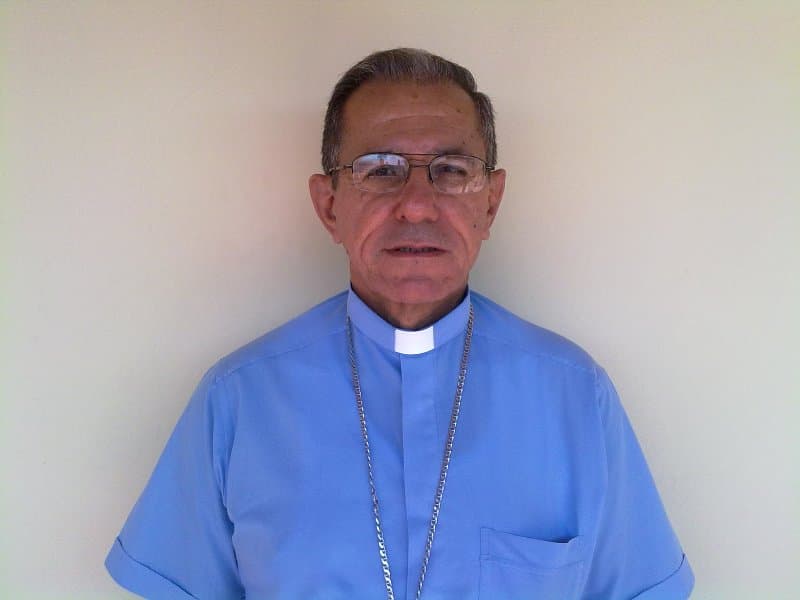
The Vatican appointed a new archbishop of Havana, Monsignor Juan de la Caridad Garcia Rodriguez
Imagen Archdiocese of Havana
Ortega is a longtime friend of Francis and is considered a strong supporter of the the Pope's calls for the church to internal reform and greater tolerance.
As a young man he suffered the fate of many Roman Catholic priests after Cuba's socialist revolution in 1959, and was sent to military-run agricultural camps for ideological deviance.
He served as Archbishop of Havana from 1981 and became Cuba's first Cardinal in more than three decades in 1994. He will be best known for his efforts to rebuild the Catholic church's and repair its relations with the government after Cuba dropped its atheist stance in 1992 ending decades of hostility. Under his direction the church set up its first Caritas relief agency office in the country.
Despite negotiating the release of dozens of jailed dissidents critics accused Ortega of being too soft with Cuba's community leaders, sidelining more outspoken priests and demoting lay workers who spoke out against the government. Even so, as head of the Cuban Bishop's Conference, Ortega allowed that platform, as well as church publications, to publicly highlight the island's social and economic problems usally papered over by the state media.
Relacionados: