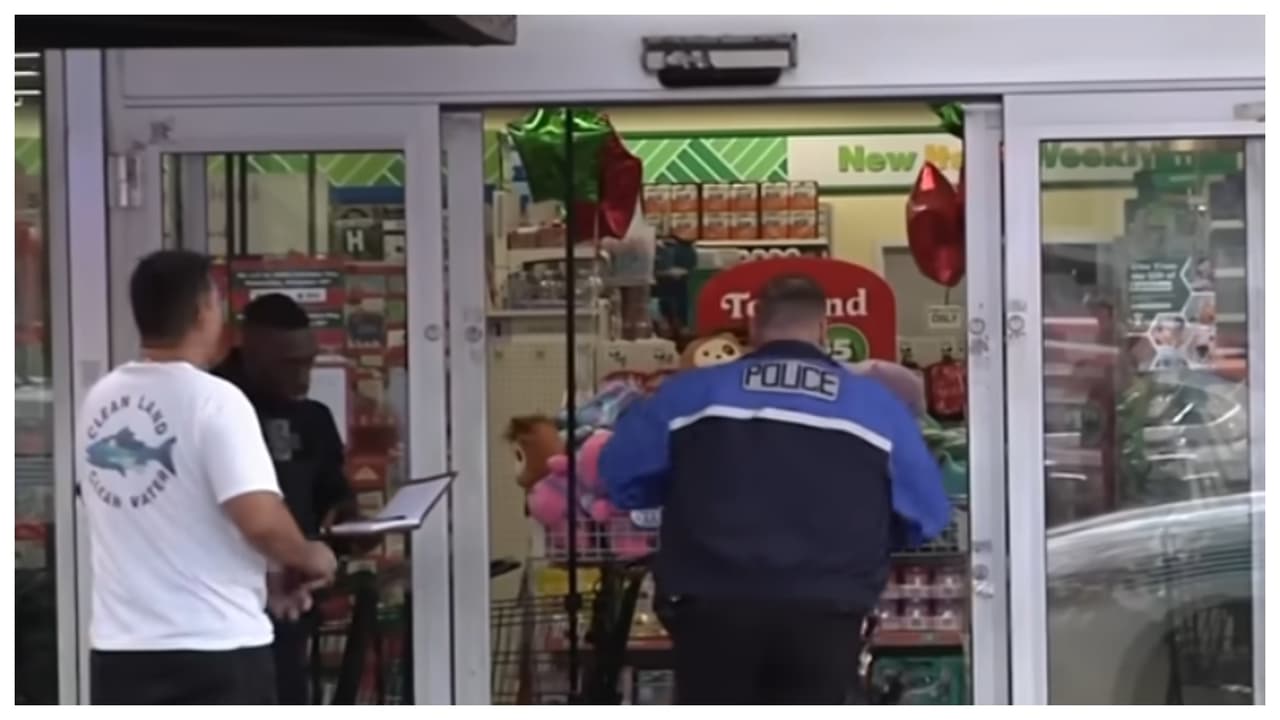
DALLAS, Texas. For years, Tricolor Auto was an important part in Hispanic communities across the United States.
Tricolor Auto under federal investigation: How this huge car retailer collapsed in 100 days?
In just 100 days, Tricolor Auto went from a key used car dealer for Hispanic communities to shutting down and facing a federal case. This is the story behind its collapse and the possible multimillion dollar fraud now under investigation.

Tricolor Auto collapsed in just 100 days. What went wrong.
Imagen Adobe Stock and Noticias 23 DFW
With its used car lots, Spanish-language ads and promises of credit for those who did not qualify at banks, it seemed like a place where almost anyone could buy a car.
But that business, which appeared stable, unraveled in just over 100 days.
Between September and December 2025, Tricolor went from operating more than 50 locations to shutting down, filled for bankruptcy, and saw its founder arrested by the FBI.
Federal prosecutors now accuse the company of orchestrating a fraud scheme that moved billions of dollars.
What began as a used car dealer focused in Hispanic customers ended as a federal case.
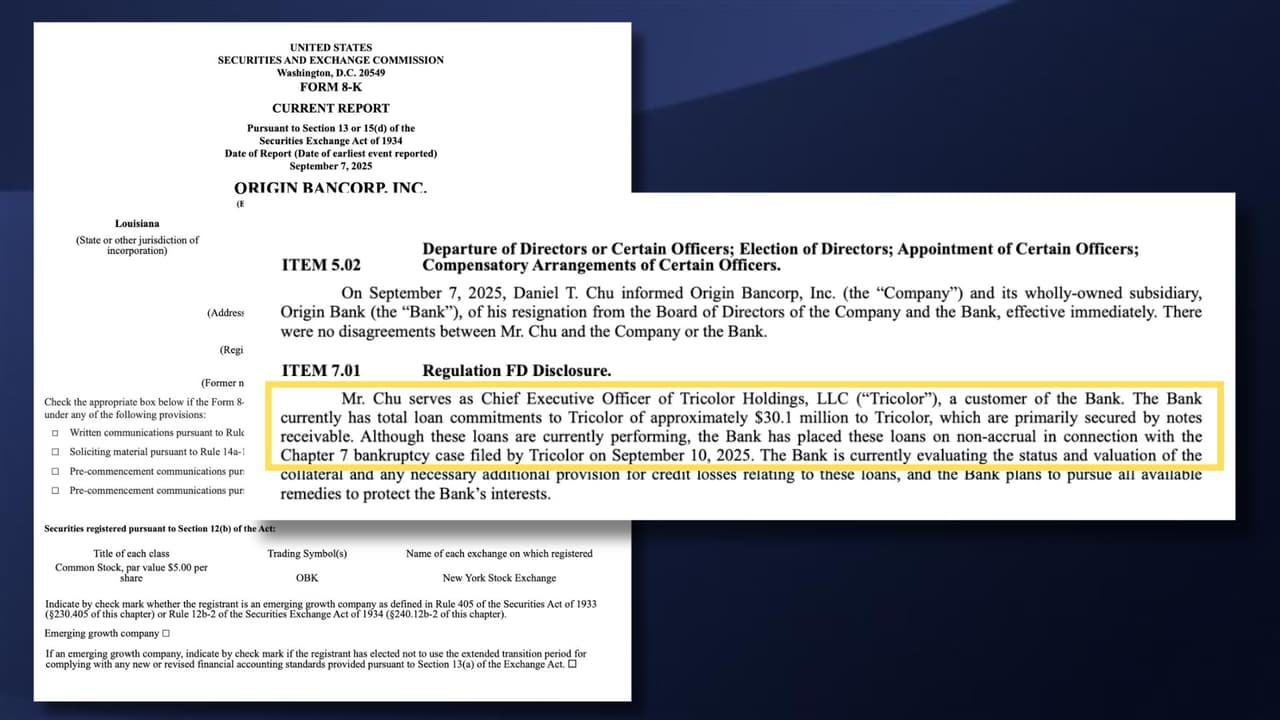
The document is an official notice from Origin Bank to investors. It states that its client, Tricolor, filed for bankruptcy and the bank could lose 30 million dollars in loans. It also says that Tricolor’s CEO resigned from the bank’s board after the bankruptcy became public.
Imagen Cortesía
Tricolor Auto: A business built for people with few options
Tricolor Auto started with a clear mission: sell and finance used cars to people with little or no credit history, including immigrants who used an ITIN instead of a Social Security number.
For many, that meant mobility, work, daily life.
The company grew operating dozens of locations across several states, employing thousands and managing tens of thousands of active loans.
The model appeared to work: the monthly payments arrived and the cars left the lots.
But, according to prosecutors, beneath the surface there was a serious problem emerging.
How the scheme worked
According to the federal indictment unsealed in New York, Tricolor did more than sell cars; it also borrowed money.
The company used its customers’ loans as collateral to secure financing from banks and investors.
💡 In practice, Tricolor told lenders: “These monthly payments back the money you lend us.”
That information appeared in financial reports showing which loans were active and which were current. According to the U.S. Department of Justice, those reports did not always reflect the reality.
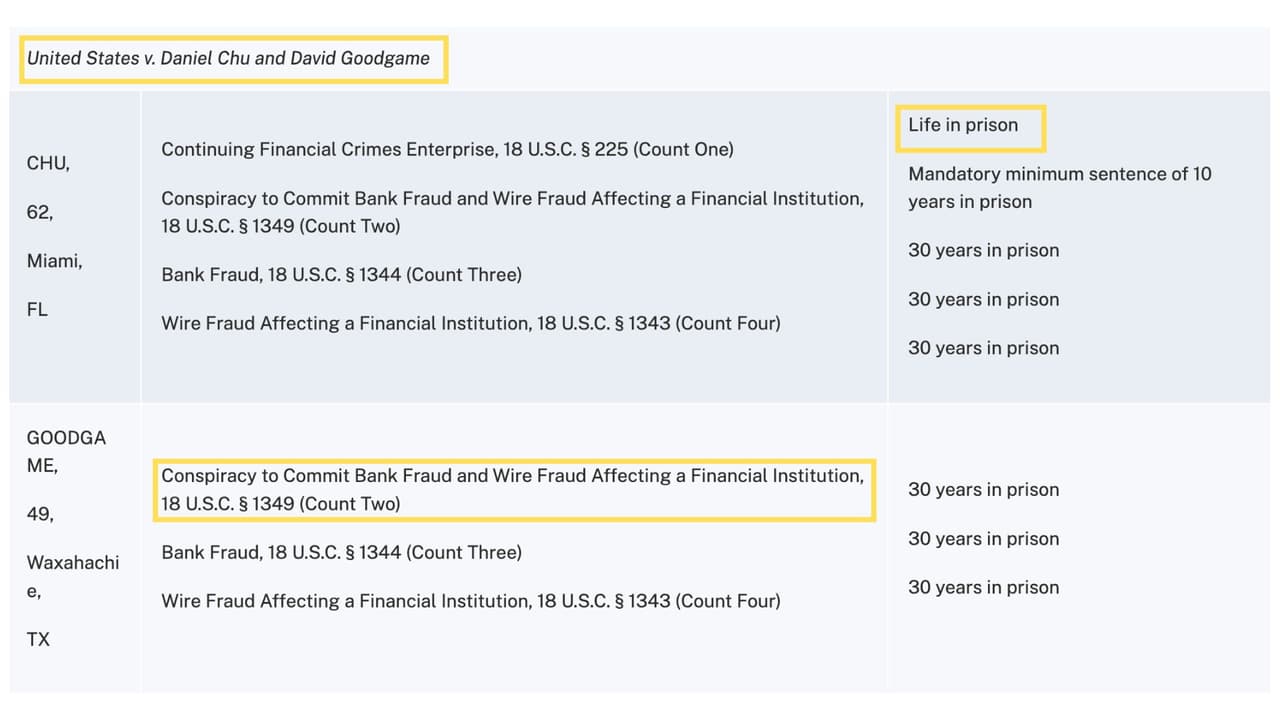
Some of the charges and possible sentences against Daniel Chu, according to documents obtained by Univision.
Imagen U.S. Attorneys: Southern District of New York
What the government says: inflated collateral and altered data
Federal prosecutors allege that between 2018 and 2025, Tricolor top executives, led by founder and CEO, Daniel Chu, misled lenders in two key ways.




👉🏻 Using the same customer loans as collateral more than once, with different lenders at the same time.
👉🏻 Altering key data so late or low value loans appeared to meet bank requirements.
By August 2025, Tricolor had allegedly promised 2.2 billion dollars in collateral, but only had about 1.4 billion dollars in actual loans.
The gap of roughly 800 million dollars, is described by prosecutors as "nonexistent collateral".
The summer when questions sped up the fall
In the summer of 2025, some lenders began questioning Tricolor’s reports.
Court records describe recorded phone calls where executives discussed how to explain discrepancies and avoid deeper audits.
In one call, Daniel Chu compared the situation to the Enron case, one of the largest corporate scandals in U.S. history.
In another, he suggested using artificial intelligence tools to craft responses for lenders.
None of that stopped the loss of trust.
When money stopped flowing, time began working against the company.
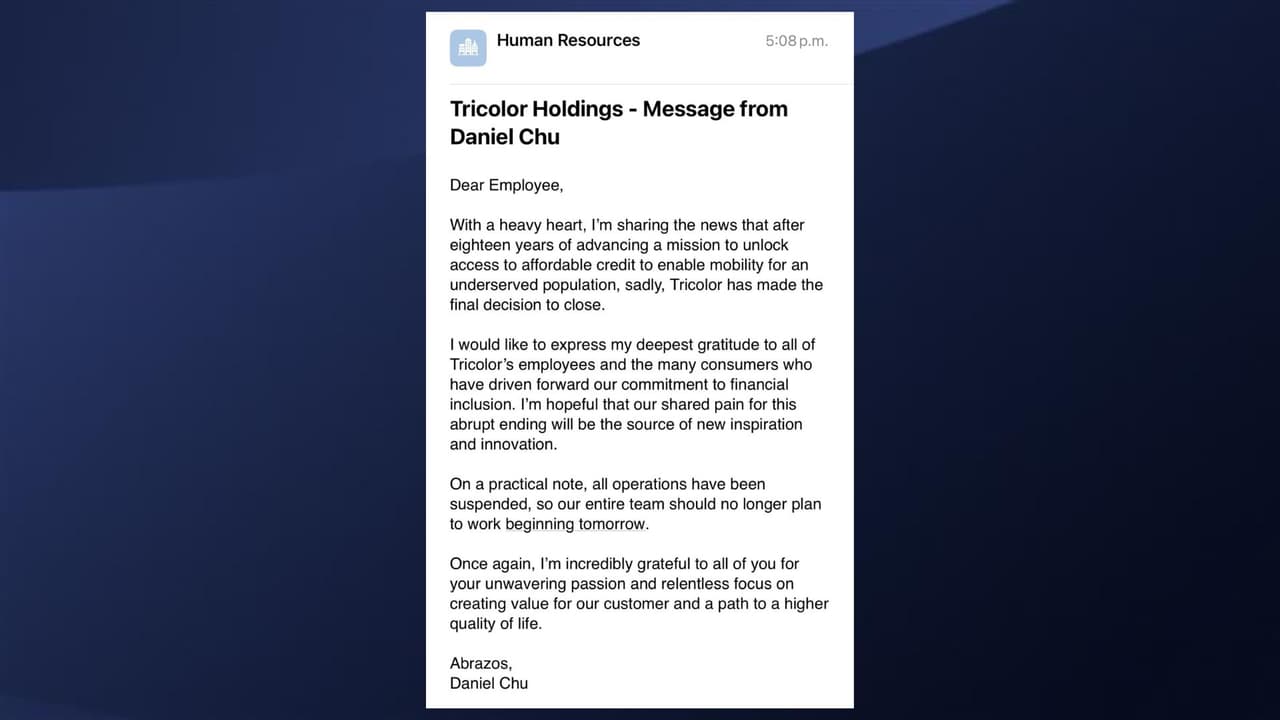
Through a letter shared by Tricolor Auto’s Human Resources department, employees learned that the company would permanently close its doors.
Imagen Cortesía
The shutdown no one expected
On September 5, 2025, Tricolor employees received an email announcing a “temporary suspension” of operations.
There were no meetings. No explanations. Days later, a final message confirmed the closure:
- More than 50 locations shut down.
- Repair shops stopped working.
- Phones went unanswered.
The dealer closed. But costumers debts remained.
Bankruptcy and consequences
On September 10, Tricolor filed for Chapter 7 bankruptcy, which means full liquidation.
There was no rescue plan...
- Over 1,000 employees were left unpaid.
- Some customers found their cars stranded in closed repair shops.
- Others kept making payments without knowing who to pay.
From local dealer to federal case
Nearly 100 days after the first email, the FBI arrested Daniel Chu, founder and CEO of Tricolor Auto in Florida.
The federal indictment describes a fraud scheme that lasted for years.
Chu faces multiple charges including running a continuing financial crimes enterprise, which carries a possible life sentence, along with others punishable by up to 30 years in prison.
Other former executives have pleaded guilty and are cooperating with the government.
The Aftermath for customers
For thousands of families, the case did not end with the arrest...
- Monthly bills are still arriving.
- Contracts remain in place.
The difference now is that there is a clearer explanation of how a dealer that seemed stable disappeared in just a few weeks.
A record speed collapse
Tricolor Auto did not fail slowly.
This was not a long crisis.
It was a collapse in 100 days.
A used car dealer serving Hispanic communities went from daily routine to a federal case involving a possible multimillion dollar fraud.
A story that began on car lots and ended in federal court.
And whose consequences, for many, are still felt every month.