In October, when Colombian President Juan Manuel Santos won the Nobel Peace Prize, some people were confused. Why did Santos receive the prize days after Colombian voters narrowly defeated a historic peace agreement?
Why did a new Colombian peace agreement come so quickly after the referendum ‘no’ vote?
In six years President Santos reduced the number of people living in poverty from 38 percent to 28 percent in Colombia giving him greater leverage in negotiations with the FARC and weakened their ability to recruit. These successes also kept the FARC at the negotiating table after the October referendum failed.
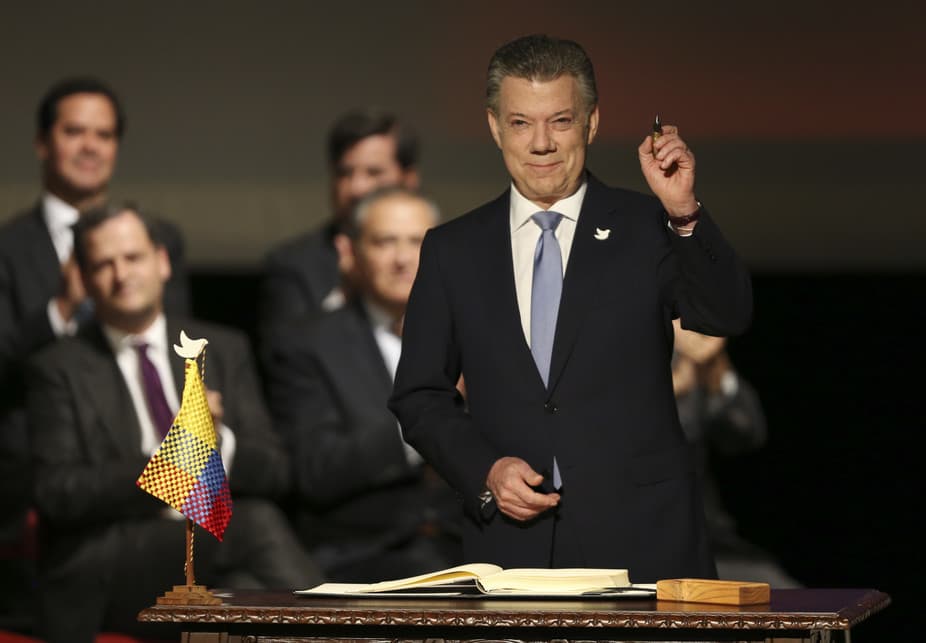
Colombia’s President Juan Manuel Santos prepares to sign a modified peace accord with FARC.
Imagen AP Photo/Fernando Vergar
A closer look at Santos’ strategic actions offers clarity about both the prize and why a new agreement has so quickly emerged.
My perspective on this issue is informed by work that I have done in Colombia with President Santos, his staff and members of his government. These interactions showed me how dedication to improve public services and quality of life for vulnerable populations can produce better prospects for peace in Colombia and beyond.
Taking a risk
The story in Colombia begins with the fact that President Santos was not forced to seek a peace agreement. He chose to seek it. He pursued this peace against great odds and despite the risks it posed to his presidency.
Why would he do this? The answer is complicated, but includes recognition of the fact that a military end to Colombia’s conflict is not feasible. It has been tried many times, but has never succeeded.
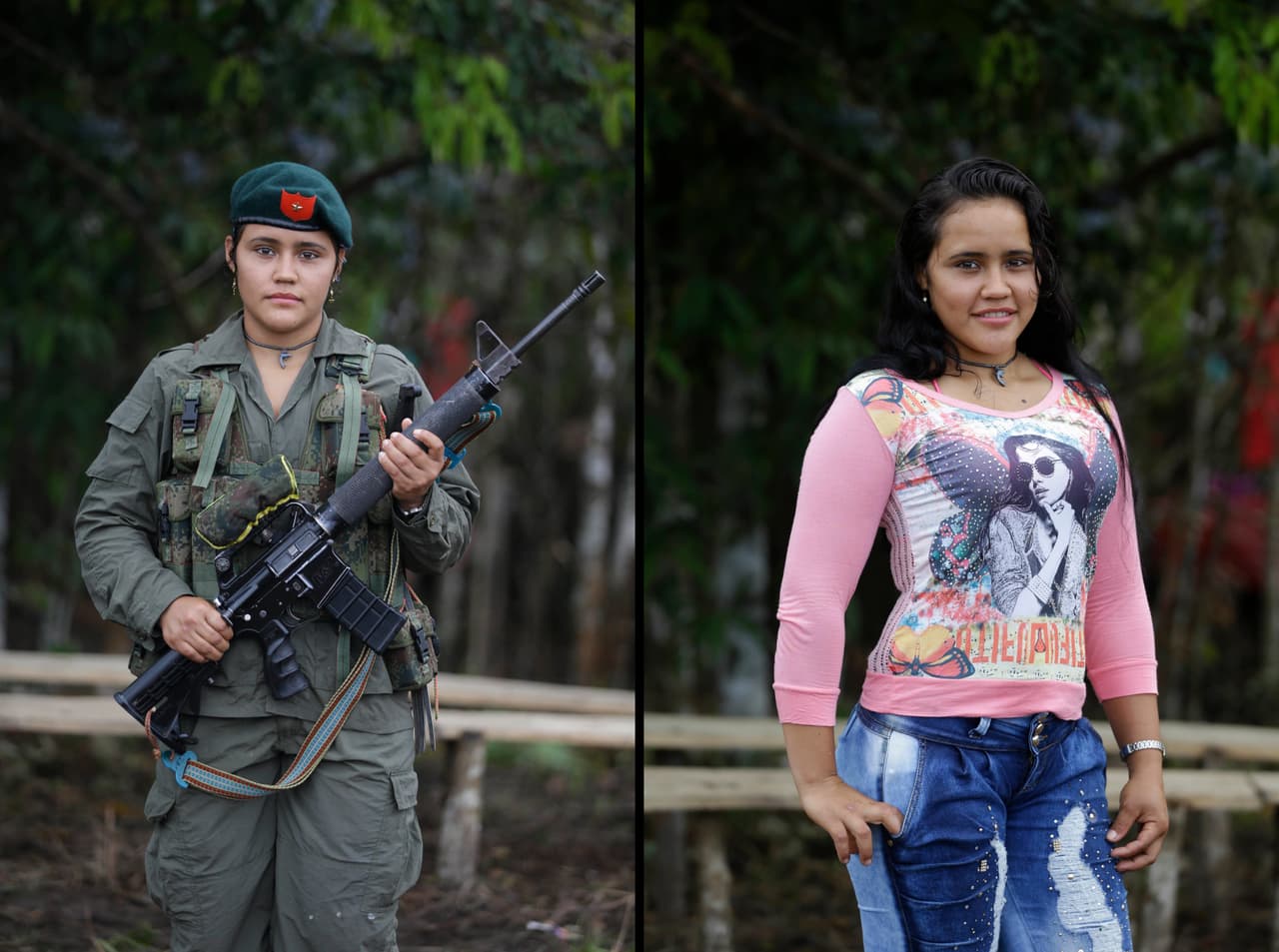
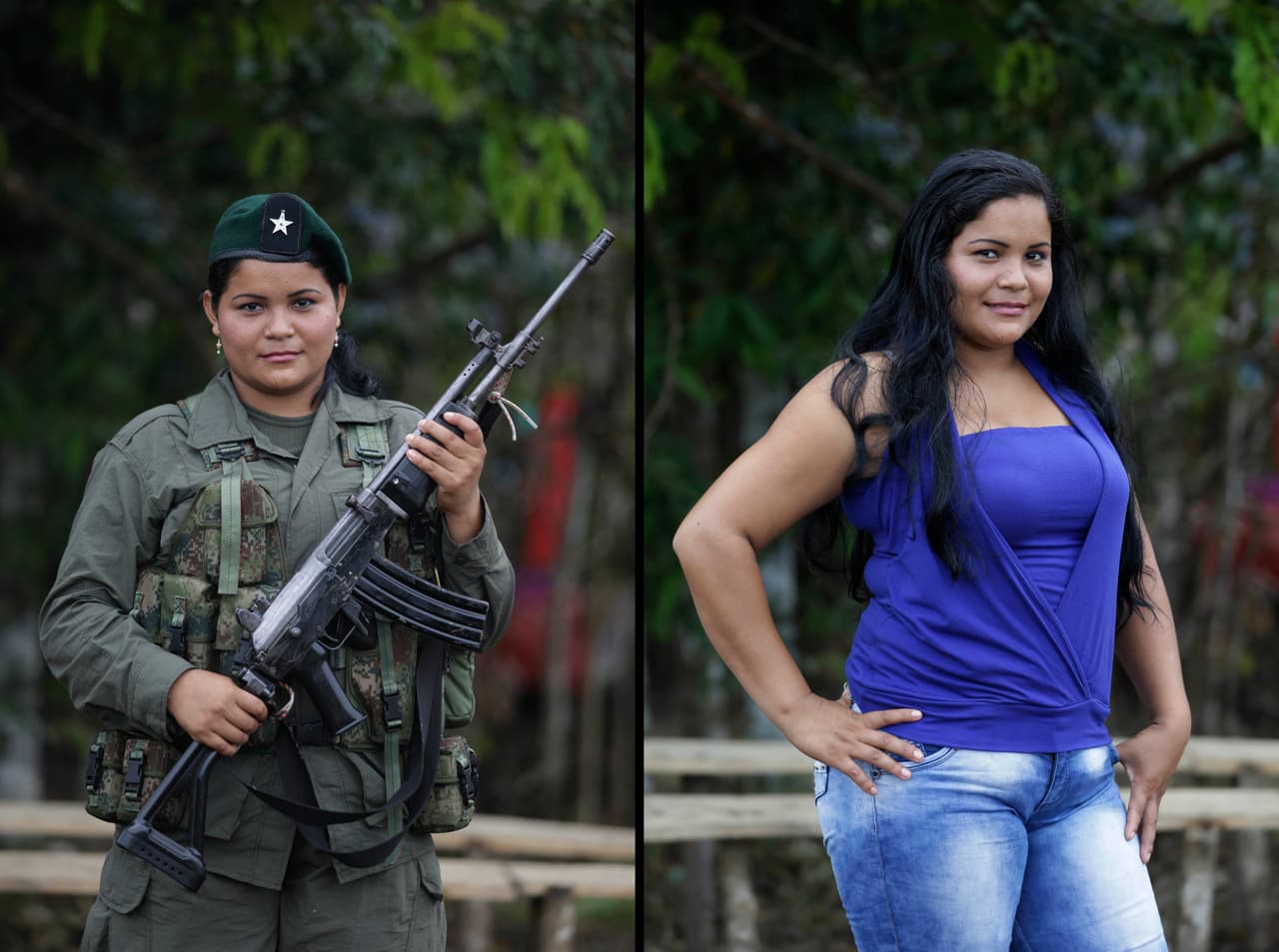
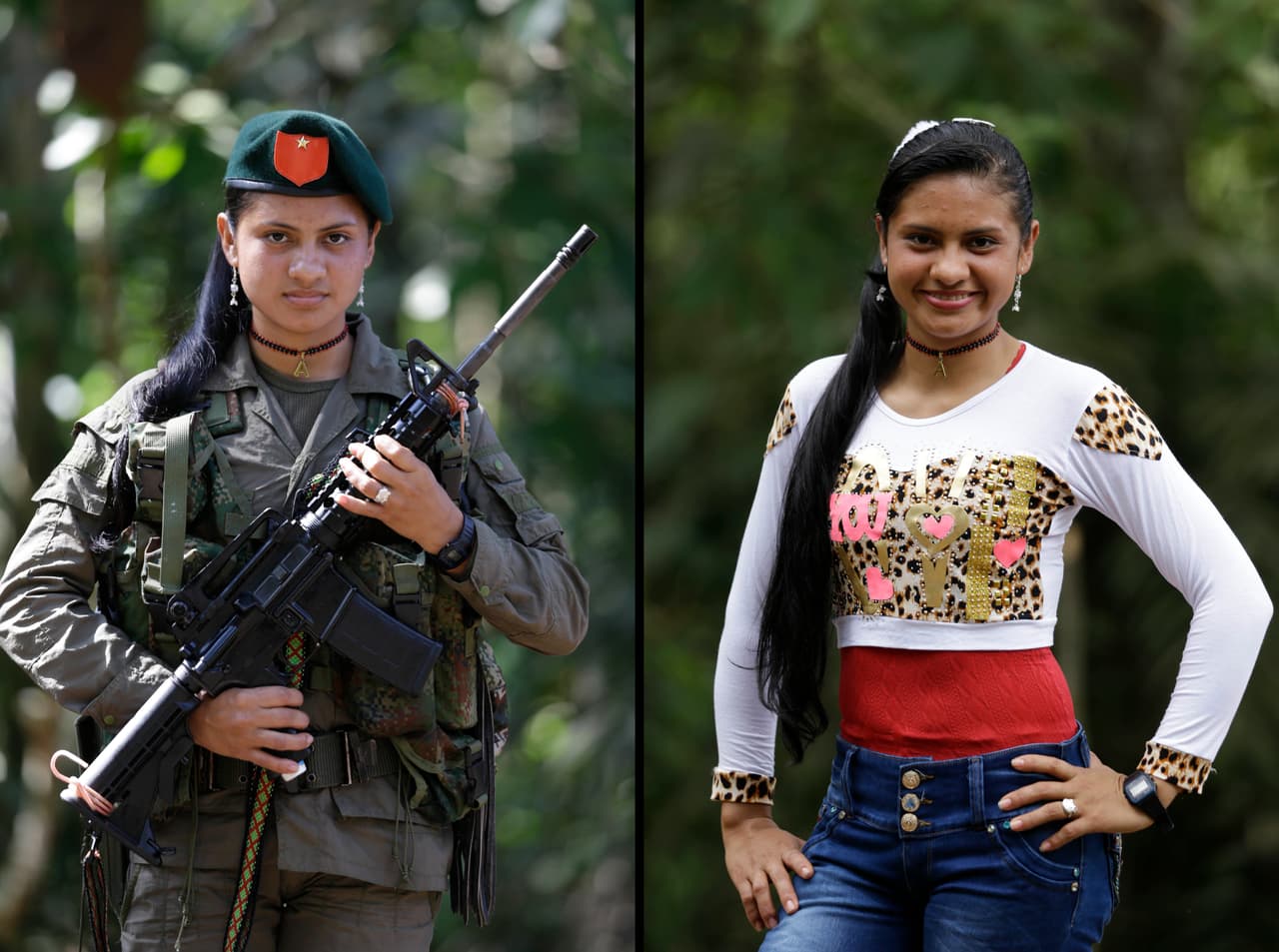
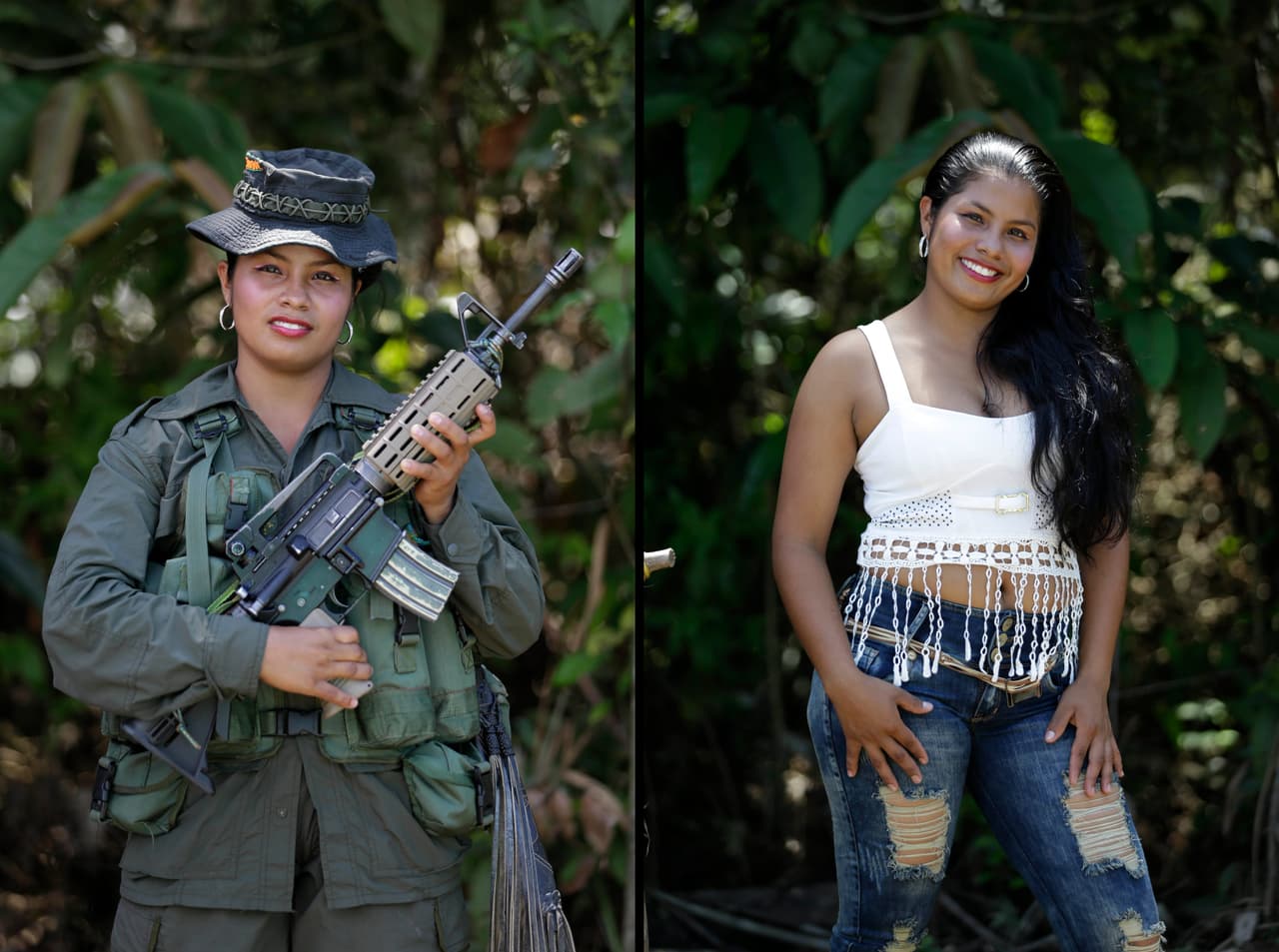
The FARC (an acronym for Revolutionary Armed Forces of Colombia) was formed in 1964 as an armed wing of the Communist Party. For 52 years, the government and the FARC took turns damaging one another. Sometimes, the FARC’s damage shocked the Colombian people. Sometimes, the government’s damage weakened the FARC. During this period, more than 200,000 Colombians were killed and about 7 million were displaced. But no military endgame emerged.
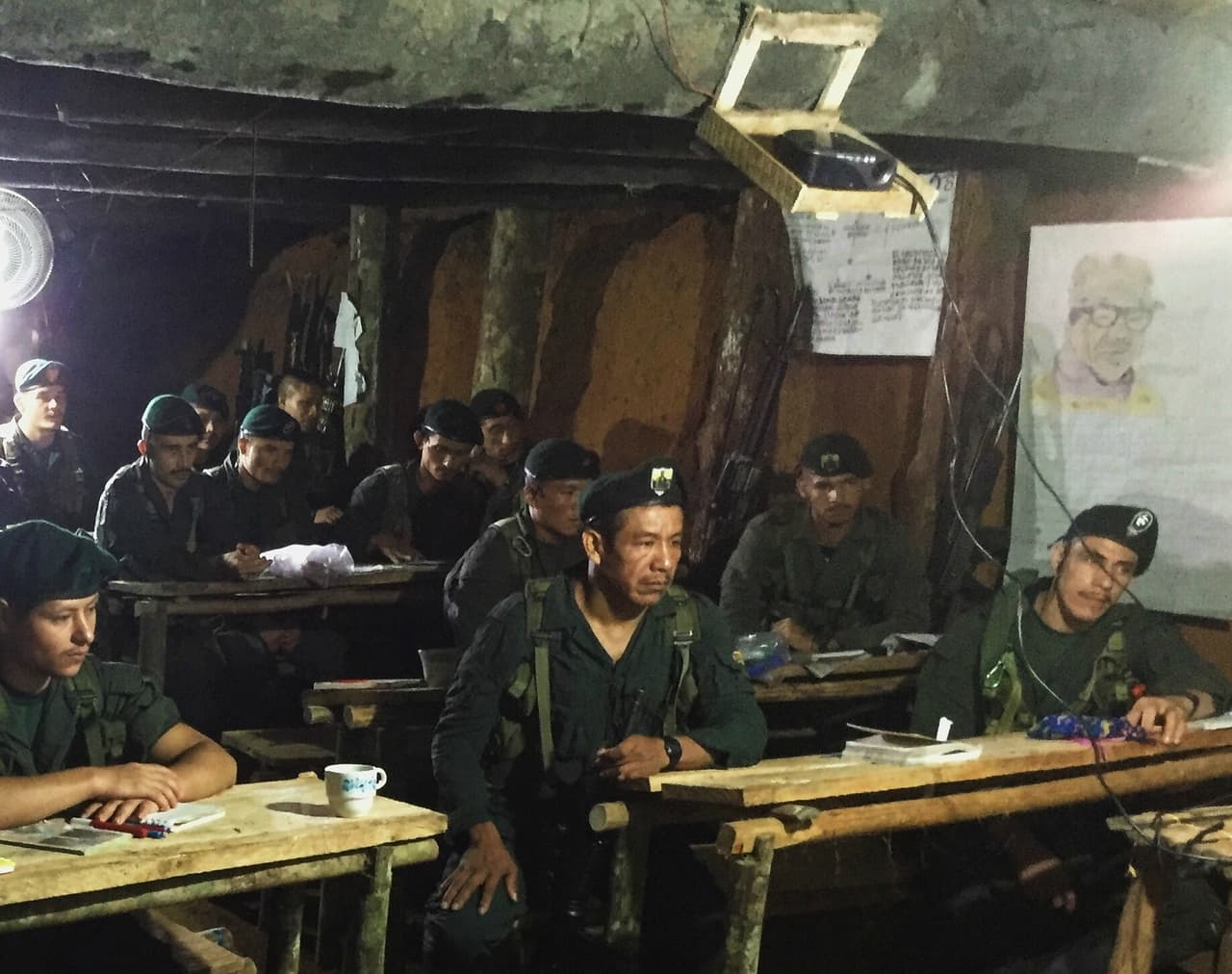
FARC fighters receive a course in an underground classroom at a rebel camp in southern Colombia. It is part of an initiative to give the fighters the tools to reinsert into society following the peace accord.
Imagen Maximo Anderson/Univision
To see why a military solution is infeasible, look at a map. Colombia is a large country. It offers many spaces for a weakened FARC to hide and to reconstitute itself – as it has many times in the past. Parts of Venezuela also provide refuge.
Despite a near universal desire for an end to Venezuela’s manmade disaster, sending in U.S forces to take out the Maduro regime would be counter-productive. It should be categorically rejected by interim president Juan Guaidó, not to mention the Trump administration.
The firing of undocumented workers at Trump's golf clubs just shows how the practice of employing immigrants without legal work papers is much more common than we might imagine. Such is life in the United States.
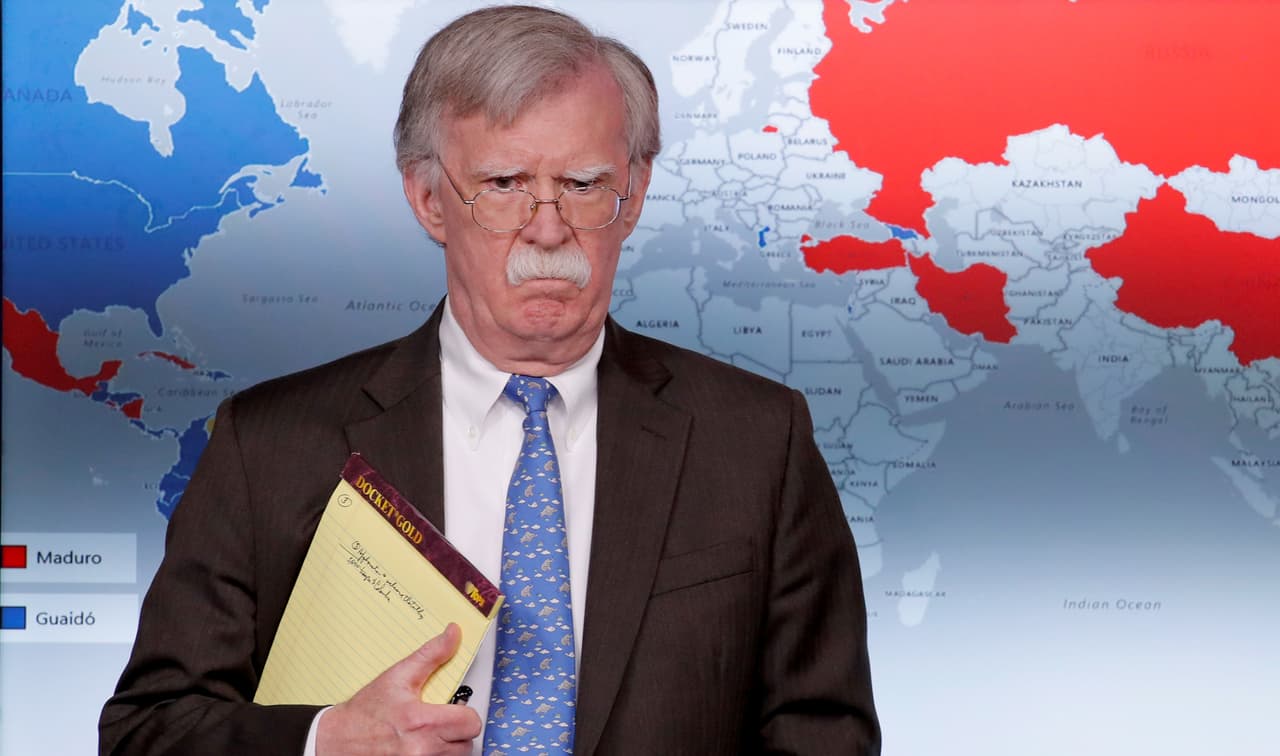
The Trump administration should be wary of fueling fake news predictions about an imminent American invasion which unrealistically raises expectations about Maduro's removal.
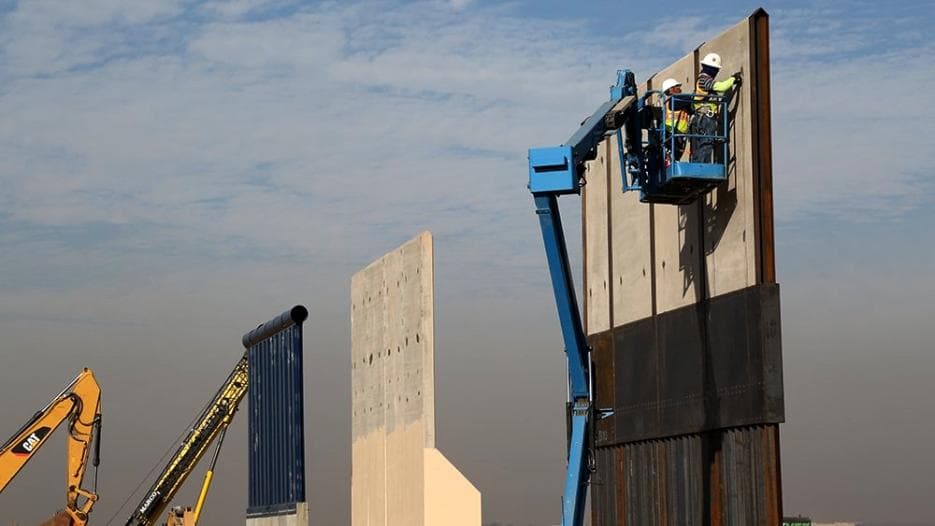
At some point we will have to accept the fact that the border between Mexico and the United States is nothing more than an invention.

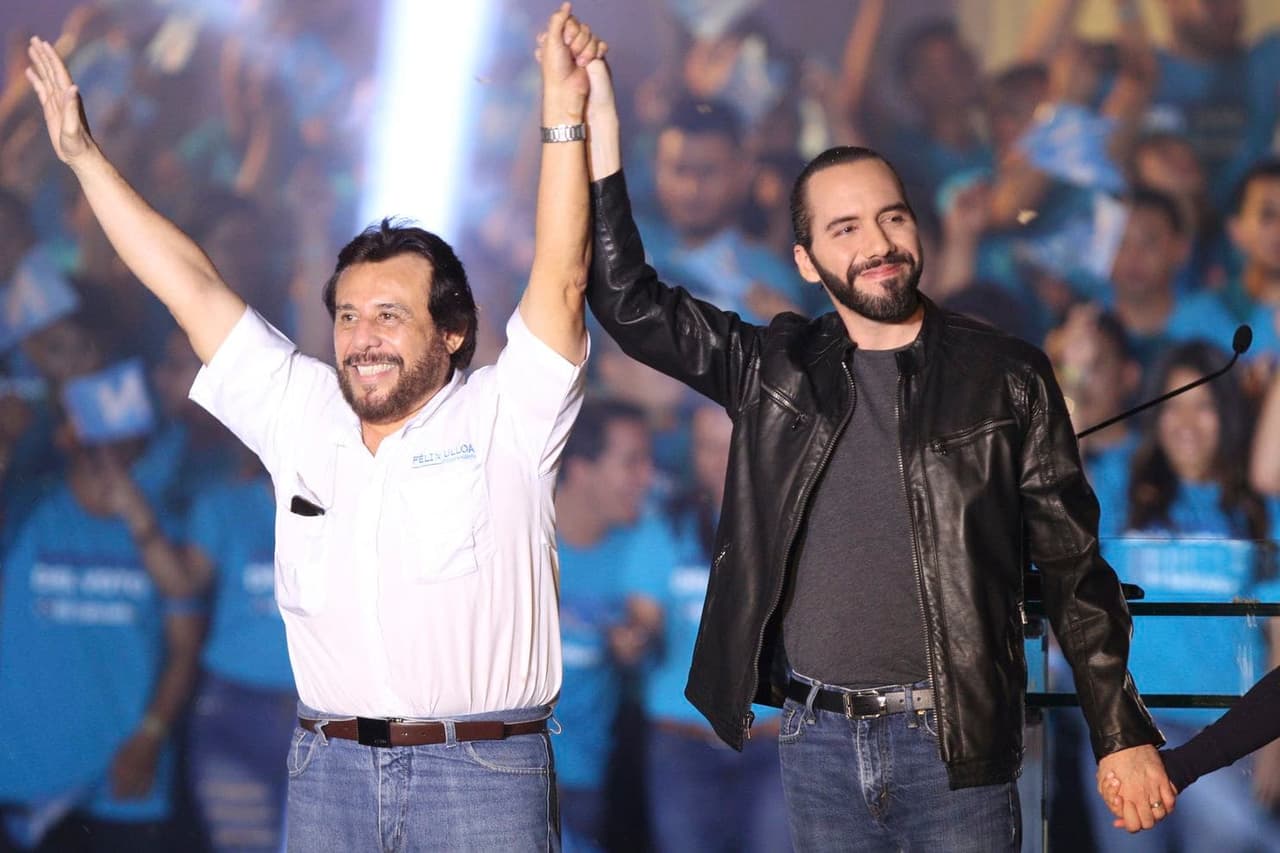
The United States has had a major role in the evolving drama of the fight for democracy in Venezuela and Nicaragua. And so far, it’s been surprisingly coordinated, a veritable model of multilateralism.
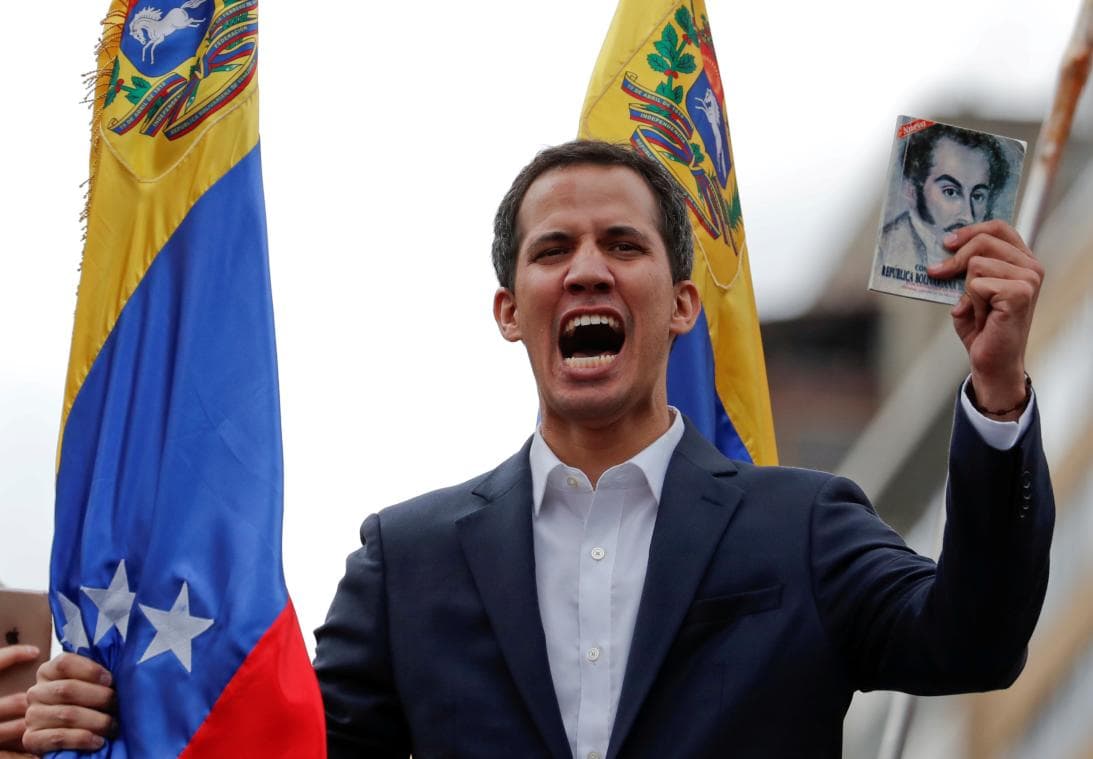
Has the Maduro regime reached breaking point? It remains hard to say, but tomorrow is another - more hopeful - day for the restoration of democracy in the South American nation.
It’s impossible to get into Trump’s head but what comes out of his mouth are racist remarks. But, saddest of all are the millions who tolerate his views, cheer him on and emulate his behavior.
The time is well past due for the U.S. government to conduct a thorough review of leaders and their senior colleagues before they leave office to determine if they merit visas.
Under previous Colombian President Alvaro Uribe, a close ally of U.S. President George W. Bush, the Colombian military gained ground over the FARC, but these actions were not sufficient to produce a peace agreement before Uribe’s term of office ended in 2010.
President Santos saw this. In 2012, he sent a team to Havana, a venue that was politically acceptable to the FARC’s leadership, to pursue a lasting peace. They have been working rigorously ever since.
An unpopular rival
Supporters of the Colombian peace process rally. AP Photo/Ivan ValenciaNegotiating with the FARC was risky for President Santos. Within Colombia, the FARC is deeply unpopular. To many Colombians, the FARC are criminals, murderers, the devil in human form. The FARC’s popularity in Colombia is at about 5 percent. From the perspective of many Colombians, the president was negotiating with the country’s most hated group. This background provides part of the explanation for why many Colombians opposed the negotiations and the terms of the initial agreement. Opponents of the negotiations wanted more punishment, less financial support and fewer political guarantees.
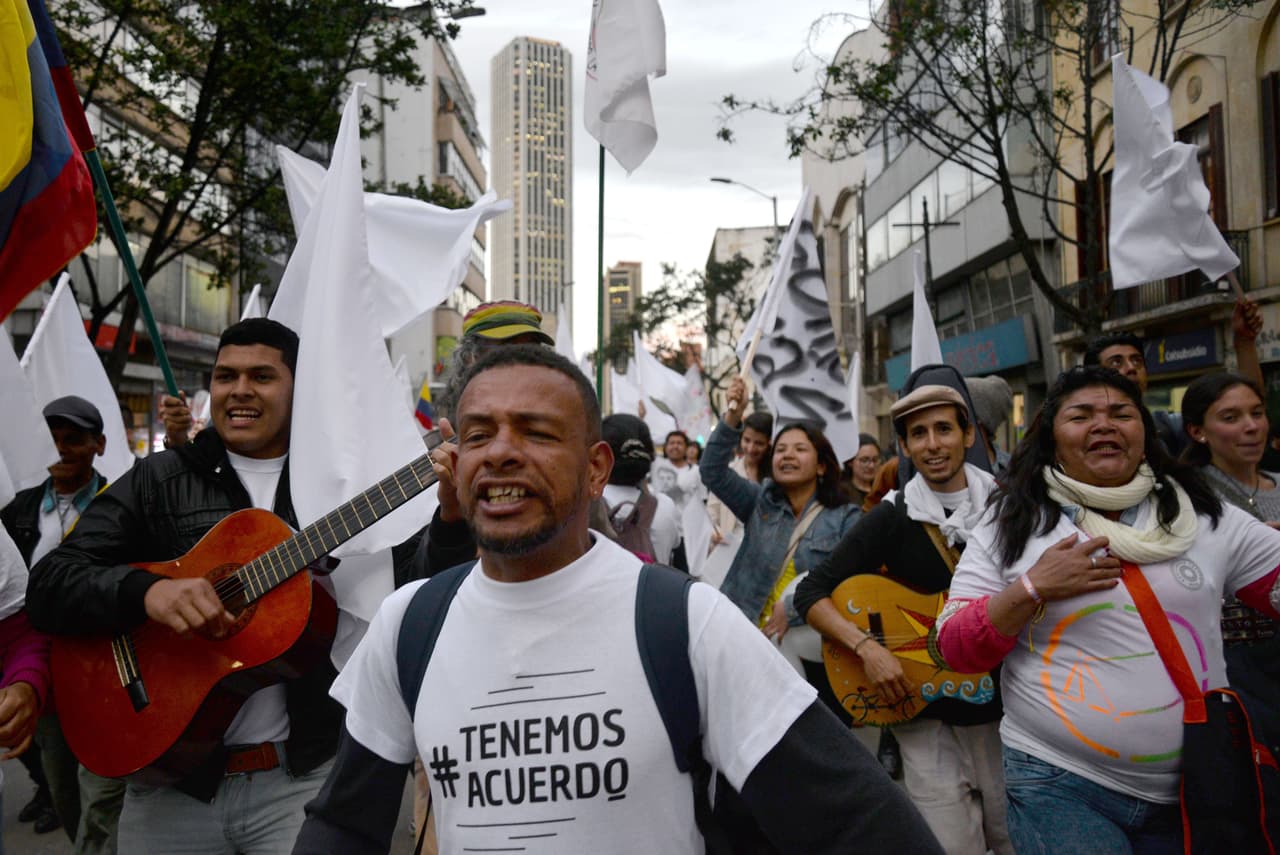
Marcha en Bogotá después de que se anunciara el nuevo acuerdo del gobierno y las FARC.
Imagen Diana Sánchez / Getty Images
Santos was aware of these perceptions. Despite the fact that the Colombian constitution grants him the authority to sign a peace agreement, he proposed a referendum as a means of broadening any peace proposal’s legitimacy. The referendum prompted an intense national debate about what “peace” in Colombia would really mean.
Sources of violence
Peace does not mean going from past levels of violence to zero. That’s not a realistic aim because some lower ranking FARC commanders and leaders of smaller armed groups have indicated that they may not go along with the deal. While a peace agreement will not eliminate violence, it can change circumstances that have produced high amounts of violence in the past.
For many decades, the idealistic and violent aspects of the FARC have been a beacon for many Colombians who live in harsh conditions. Because past governments provided limited infrastructure for education and health, there have been few economic opportunities for many people – and great inequality. The FARC used this situation to recruit thousands of desperate people – people who were looking for an alternative vision of Colombia that offered more opportunity and more equality. Since the 1960s, this approach encouraged thousands of Colombians to participate in FARC violence and bloodshed.
President Santos recognized this dynamic. Through his perseverance, and recognition of the role of human capital investments in building a lasting peace, he set the stage for a new Colombia. In the first six years of the Santos presidency, the foundations for this new vision of Colombia advanced significantly. The president has engaged in a comprehensive program of building infrastructure, expanding access to health care, building thousands of new homes for the poor, and creating new schools and scholarships for some of the nation’s poorest regions. In this time, the percentage of Colombians living under poverty has been reduced from 38 percent to 28 percent. This is a remarkable accomplishment by any historical standard.
These successes in many of Colombia’s most desperate regions have given Santos leverage in negotiations with the FARC and weakened the FARC’s ability to recruit. These successes also kept the FARC at the negotiating table after the October referendum failed.
On Dec. 1, Colombia’s Congress voted to approve the second version of the peace agreement. While some are unhappy that the new version was not brought to a referendum, congressional approval of the agreement is clearly allowed under Colombia’s constitution. As a result of these actions, the next step towards decreasing violence can now be taken.
President Santos’ perseverance and foresight puts Colombia on the precipice of a formal end to a 52-year conflict that has killed over 200,000 people and displaced millions more. Moreover, the way in which the Santos government reduced poverty, and increased health, education, and infrastructure not only improved his leverage in peace negotiations – but offers a template for progress that leaders of other troubled regions can follow.
For these reasons, his efforts deserve attention and acclaim – and the Nobel Peace Prize.
Notas Relacionadas
Facing an uncertain future, Colombia's FARC prepare for peace
Univision News
14 min