Venezuela’s journalists can’t be silenced
For more than a decade, the government has expanded and abused its power to regulate the media. It has aggressively reduced the number of dissenting outlets, banned some foreign correspondents from entering the country, and expelled others.
When you are forced to flee your country, all you have is what you carry. I’m not talking about your luggage or your savings, but what you carry in your mind and your heart. Many Venezuelan journalists feel this is probably the most important thing they took with them.
Fleeing always comes at a price. Interviewing Venezuelans escaping repression and food and medicine shortages, I’ve witnessed the longing of parents who left children behind, the grit of professionals working odd jobs to put bread on the table, and the sadness of political exiles struggling to re-set their lives.
Some put Venezuela out of mind temporarily. But many send medicine or food, swap information from the old neighborhoods, and educate their new neighbors about what is happening back home.
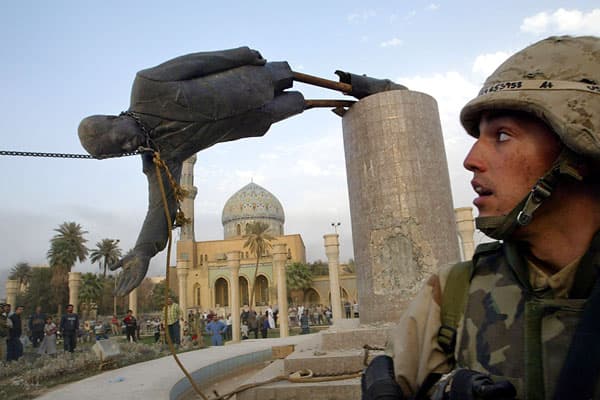
Despite a near universal desire for an end to Venezuela’s manmade disaster, sending in U.S forces to take out the Maduro regime would be counter-productive. It should be categorically rejected by interim president Juan Guaidó, not to mention the Trump administration.
The firing of undocumented workers at Trump's golf clubs just shows how the practice of employing immigrants without legal work papers is much more common than we might imagine. Such is life in the United States.
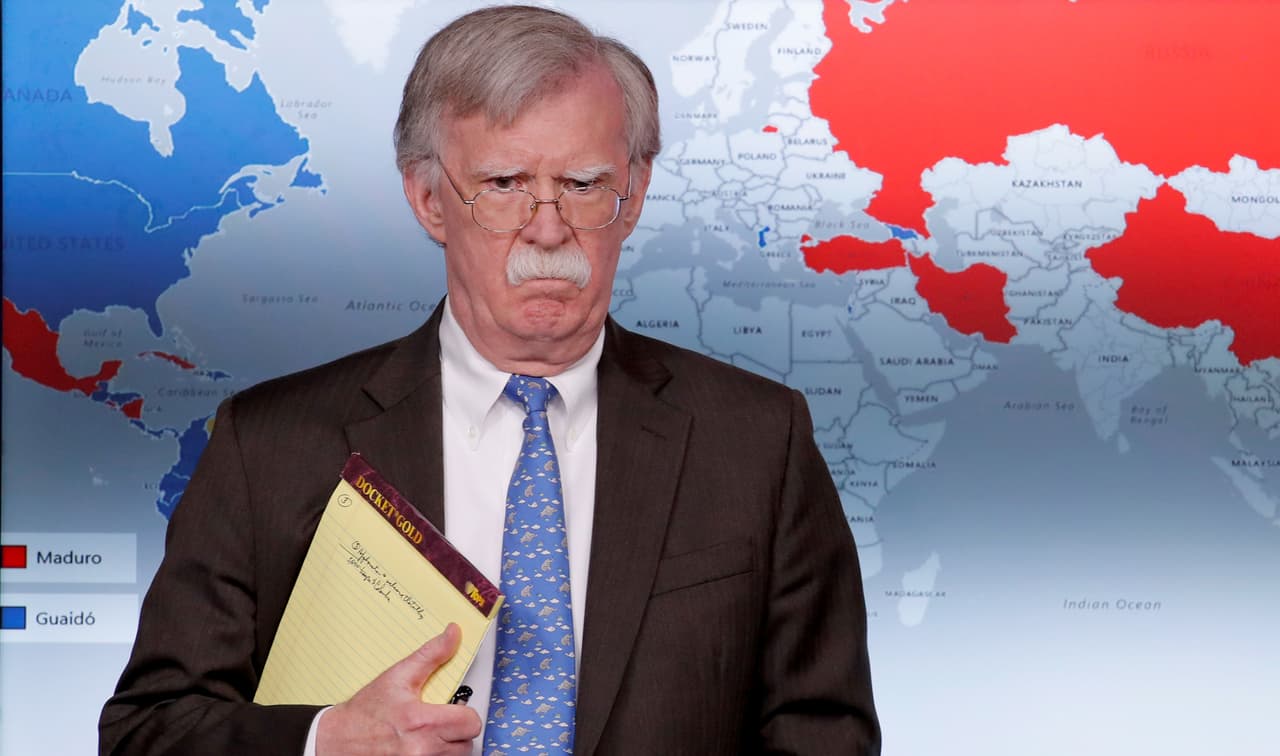
The Trump administration should be wary of fueling fake news predictions about an imminent American invasion which unrealistically raises expectations about Maduro's removal.
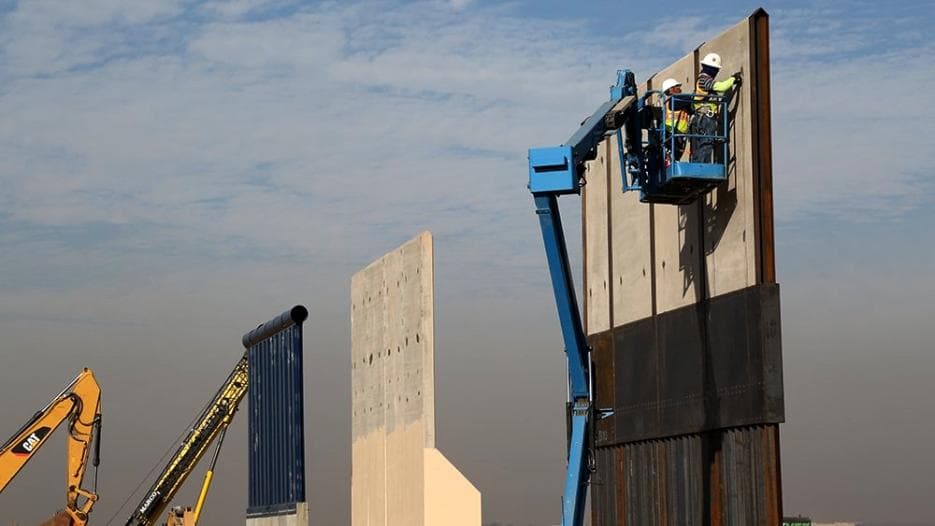
At some point we will have to accept the fact that the border between Mexico and the United States is nothing more than an invention.

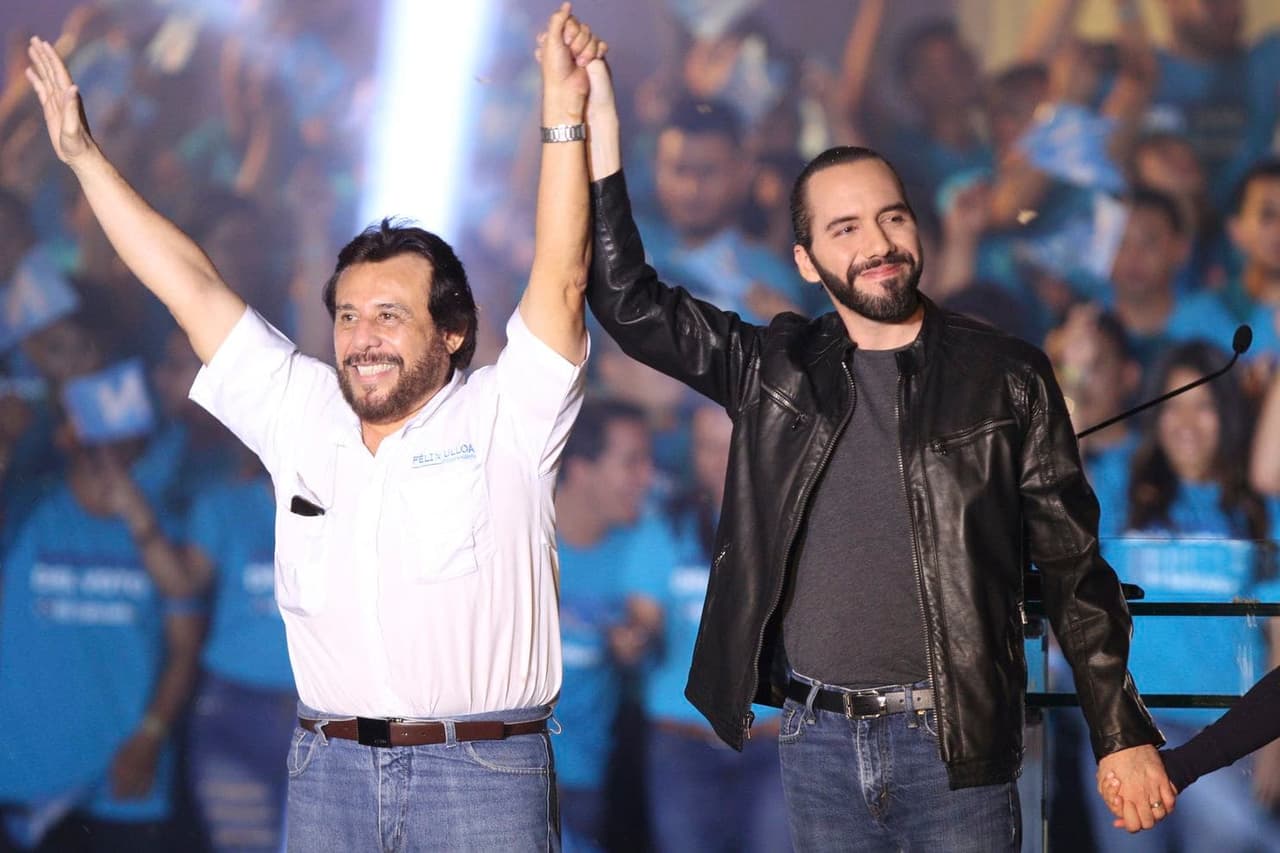
The United States has had a major role in the evolving drama of the fight for democracy in Venezuela and Nicaragua. And so far, it’s been surprisingly coordinated, a veritable model of multilateralism.
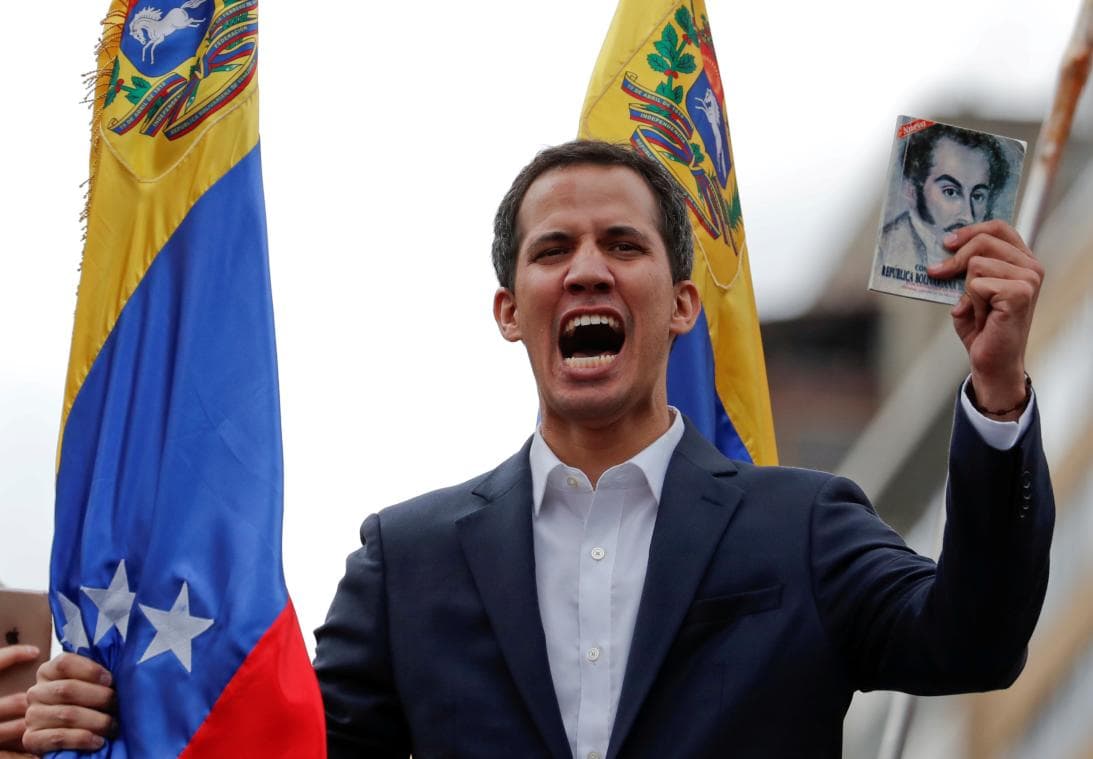
Has the Maduro regime reached breaking point? It remains hard to say, but tomorrow is another - more hopeful - day for the restoration of democracy in the South American nation.
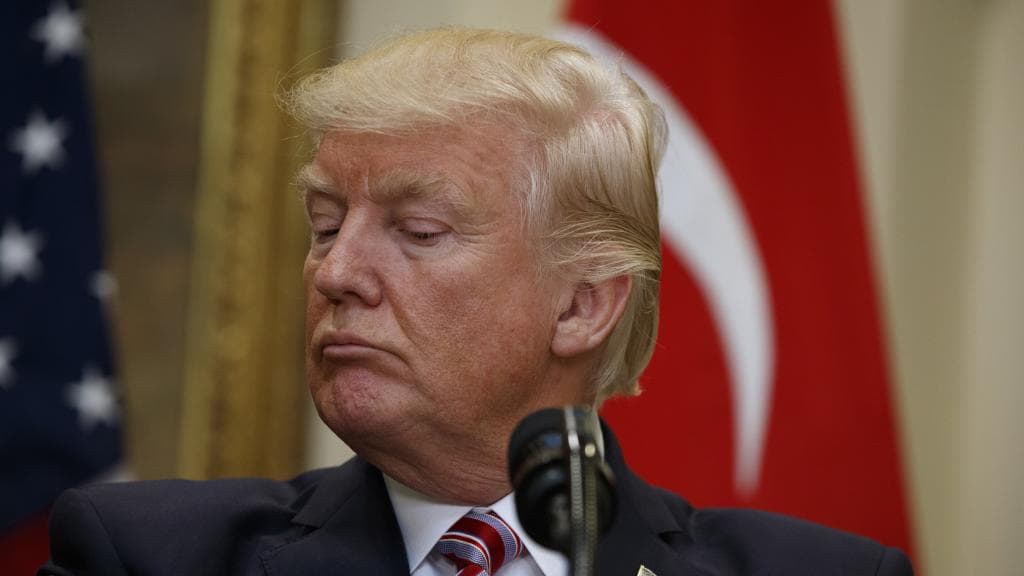
It’s impossible to get into Trump’s head but what comes out of his mouth are racist remarks. But, saddest of all are the millions who tolerate his views, cheer him on and emulate his behavior.
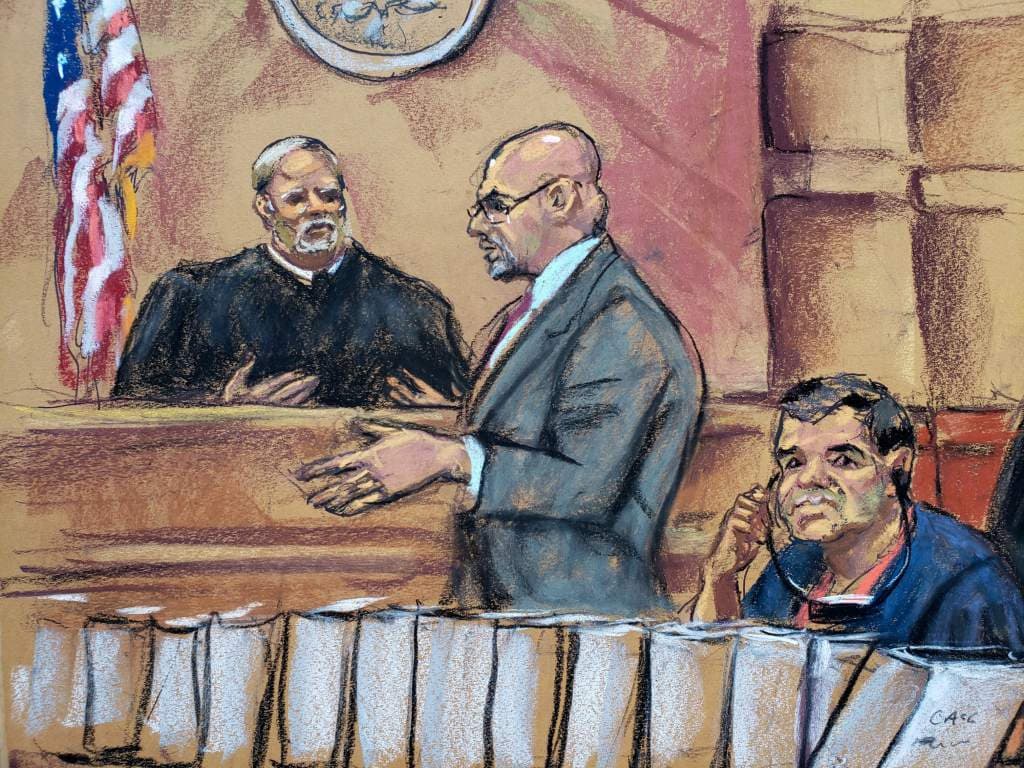
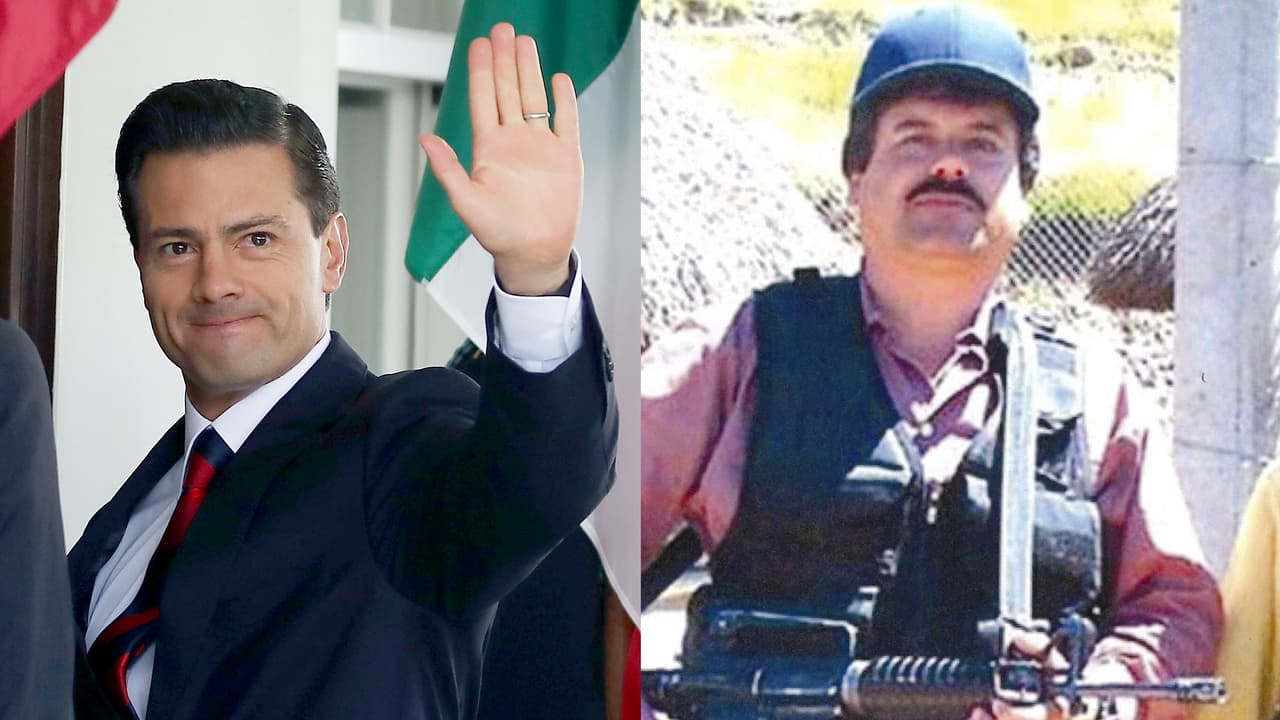
The time is well past due for the U.S. government to conduct a thorough review of leaders and their senior colleagues before they leave office to determine if they merit visas.
Venezuelan journalists are no different. They drive Ubers and clean houses, and they are upset and exhausted by having their country pulled out from under their feet. But they also thirst to exercise their journalistic muscles, and many offer their sources and skills, sometimes free, to tell the world about the crisis.
For many, the first stop is Miami, where friends or old colleagues may help ease the adjustment—a place with weather that feels like home, a culture of newcomers, and Spanish speakers with all kinds of accents.
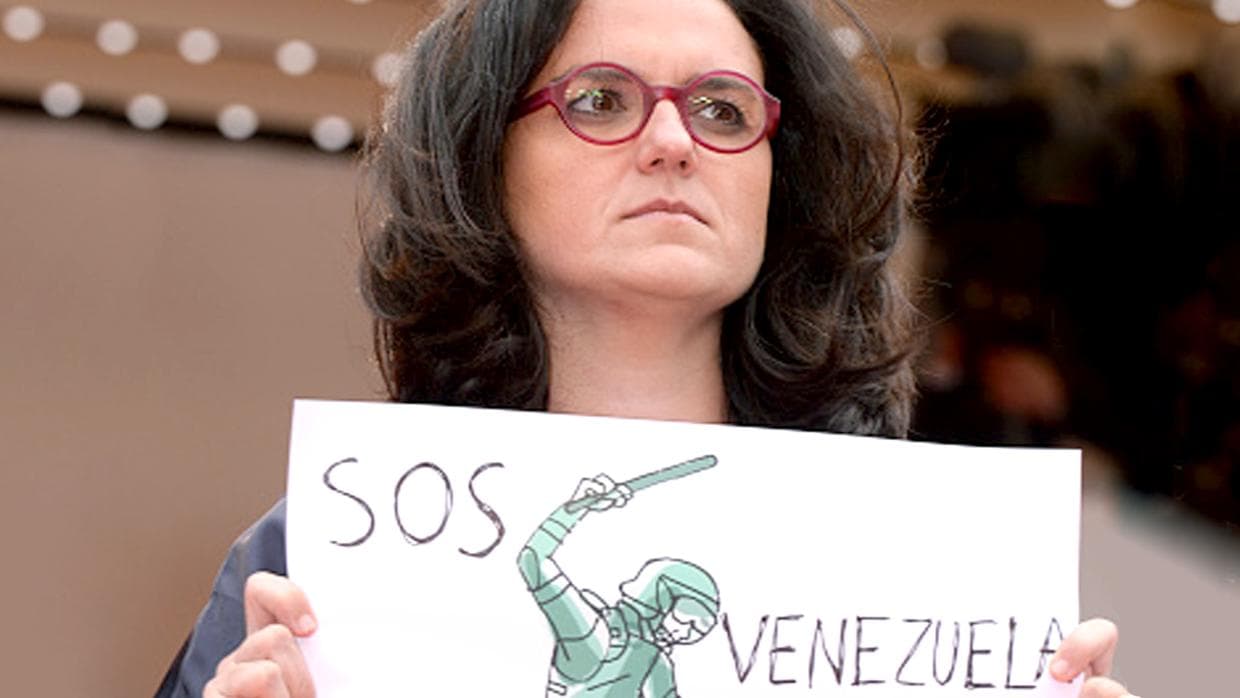
Rayma Suprani produces daily cartoons on social media about Venezuela’s crisis. She left in 2014 after she lost her job at El Universal after nearly 20 years. It had been sold to people thought to be close to the government. Suprani was fired for a cartoon showing an electrocardiogram of a healthy heartbeat, juxtaposed with President Hugo Chavez’s signature morphing into a flatlined EKG—representing the death of the Venezuelan health system.
Tamoa Calzadilla and her husband, David Maris, both journalists, left a year later when their professional lives were similarly thwarted. Calzadilla, who headed the investigative team at Últimas Noticias, quit after she was pressed to publish unfounded official information about protesters. Later, members of the Bolivarian National Guard confiscated Maris’ camera equipment as he was interviewing the wife of opposition leader Leopoldo López. There was also a break in at their home in which Calzadilla’s computer was taken. They both now work in Miami for Univision News.
Alberto Ravell, one of the founders of the Venezuela-focused news website La Patilla, fled in 2016, hours before a court order tried to keep him and more than 20 others there to face a criminal defamation lawsuit for republishing information from a Spanish newspaper implicating one of the most powerful pro-government politicians, Diosdado Cabello, in drug trafficking. Ravell is also a founder of the originally independent TV station Globovisión, which now toes the government line, since it was sold in 2013 after repeated government fines. Ravell continues to direct La Patilla from abroad.
While some brave journalists continue to report independently from Venezuela, fear of reprisals has made self-censorship common. For more than a decade, the government has expanded and abused its power to regulate the media. It has aggressively reduced the number of dissenting outlets, banned some foreign correspondents from entering the country, and expelled others. During the crackdown on dissent last year, security forces detained, interrogated, and confiscated the equipment of several journalists. In November, the pro-government Constituent Assembly approved prison sentences as long as 20 years for those who “encourage, promote, or incite” activities vaguely defined as “hatred.”
Journalists have developed a tag-team response, sharing stories, contacts, images, and footage with their colleagues outside. The exiles conduct sensitive interviews, and develop or publish the accounts, sometimes anonymously, through social media, news websites, or broadcast outlets with a wider reach.
Threats and fears of harsh reprisals have not yet silenced Venezuelan journalists. Many keep witnessing, investigating, and doing the work of a free press, at home or in exile. They keep shining a light on a country where checks and balances are all but gone—and that’s good news from Venezuela, for a change.
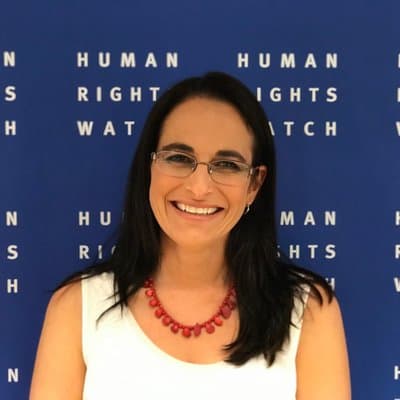
Tamara Taraciuk Broner is a senior Americas researcher who covers Venezuela for Human Rights Watch.