
As feared by top U.S. trade partners and close allies Canada, Mexico, and Europe, the Trump administration has now acted on its threat to raise taxes on steel and aluminum imports of 25 and 10 percent, respectively.
Trump's protectionism undermines economic strength
The Trump administration has opened the door to tit-for-tat protectionist actions in the name of national security. It is a dangerous and self-defeating road that makes the U.S. a less reliable partner in the eyes of our traditional allies, who may seek alternative trade partners.
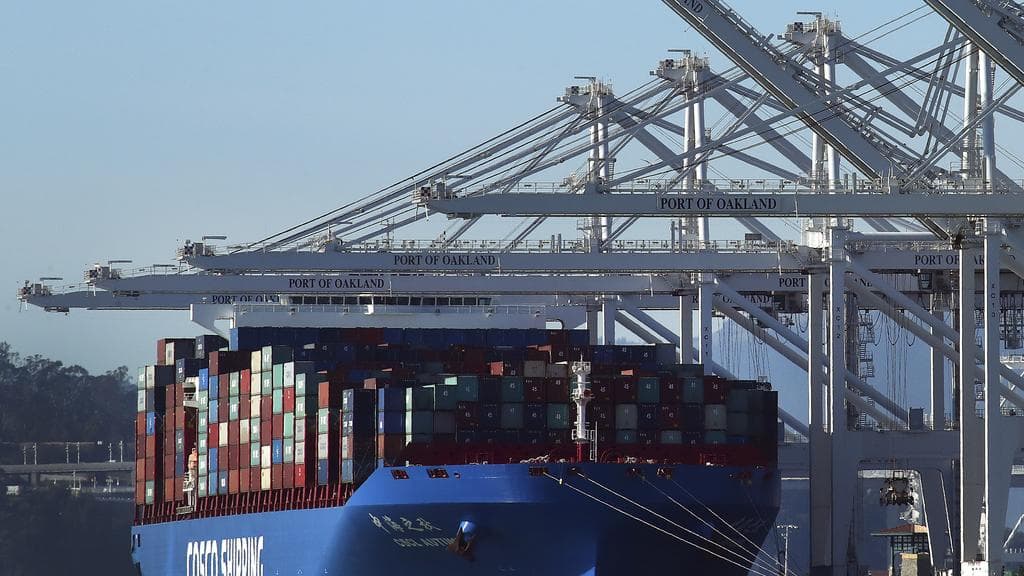
The response has been swift: all three have now reluctantly but firmly announced retaliation lists that cover a variety of items including a number of products from politically sensitive U.S. regions and Congressional districts. Canada’s Prime Minister Justin Trudeau implored the United States to rethink its actions, voicing his hope that common sense would eventually prevail.
The U.S. decision was taken, according to administration spokespeople, under provisions intended to be utilized only on very rare occasion in support of national security interests. In so doing, the administration has opened the door to similar moves by other nations which can now claim certain protectionist actions are required to support their own national security interests. It is a dangerous and self-defeating road.

Despite a near universal desire for an end to Venezuela’s manmade disaster, sending in U.S forces to take out the Maduro regime would be counter-productive. It should be categorically rejected by interim president Juan Guaidó, not to mention the Trump administration.

The firing of undocumented workers at Trump's golf clubs just shows how the practice of employing immigrants without legal work papers is much more common than we might imagine. Such is life in the United States.
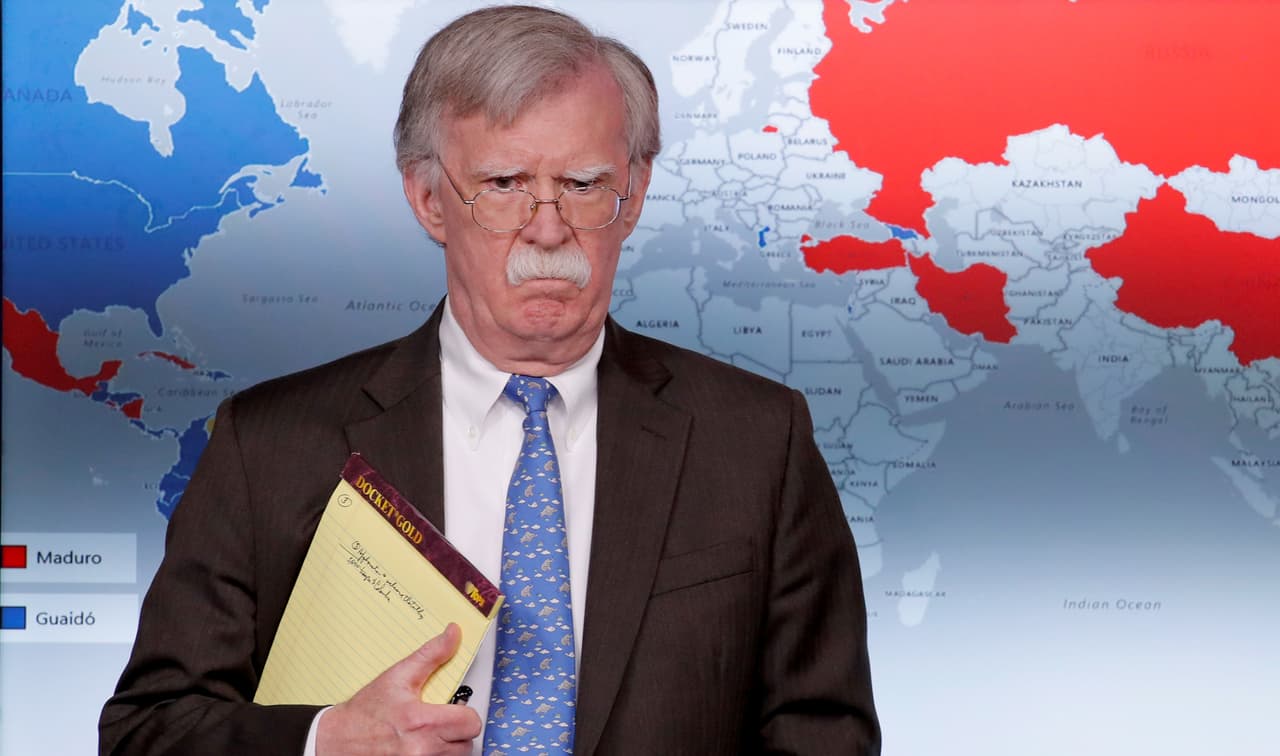
The Trump administration should be wary of fueling fake news predictions about an imminent American invasion which unrealistically raises expectations about Maduro's removal.

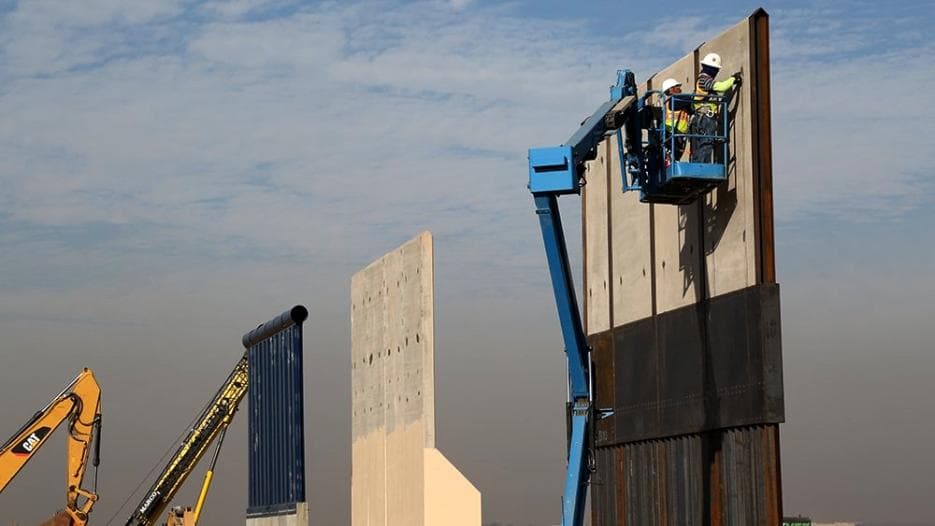
At some point we will have to accept the fact that the border between Mexico and the United States is nothing more than an invention.

The United States has had a major role in the evolving drama of the fight for democracy in Venezuela and Nicaragua. And so far, it’s been surprisingly coordinated, a veritable model of multilateralism.
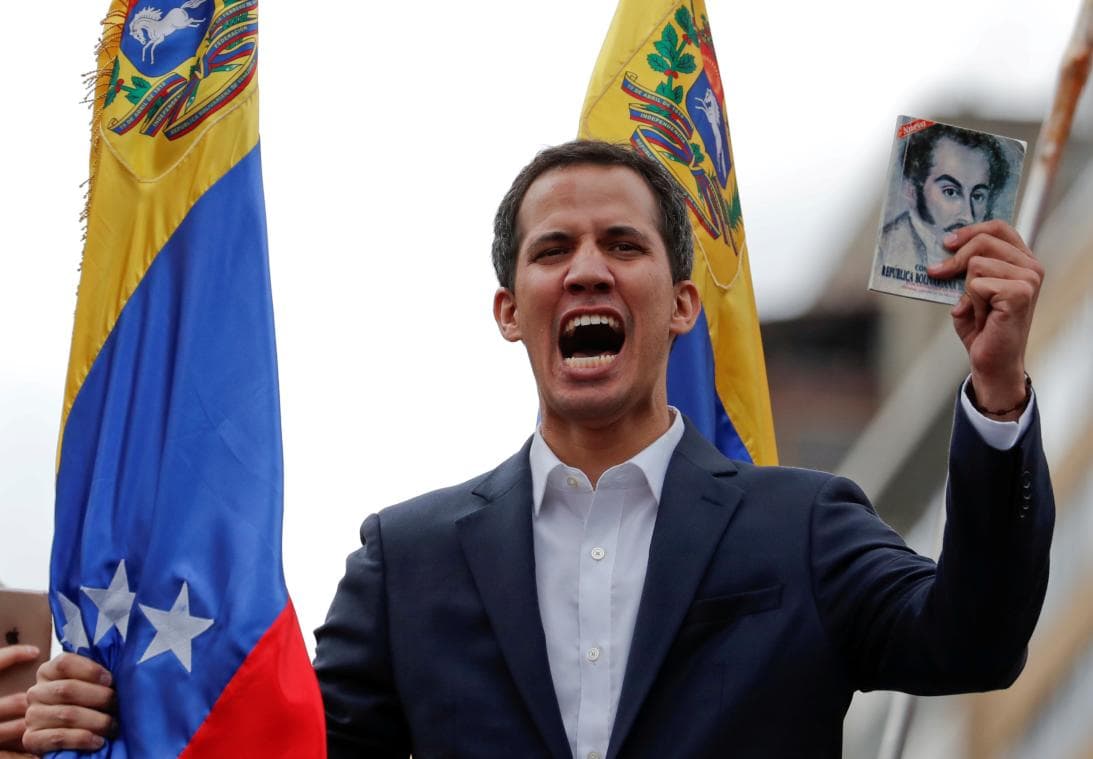
Has the Maduro regime reached breaking point? It remains hard to say, but tomorrow is another - more hopeful - day for the restoration of democracy in the South American nation.
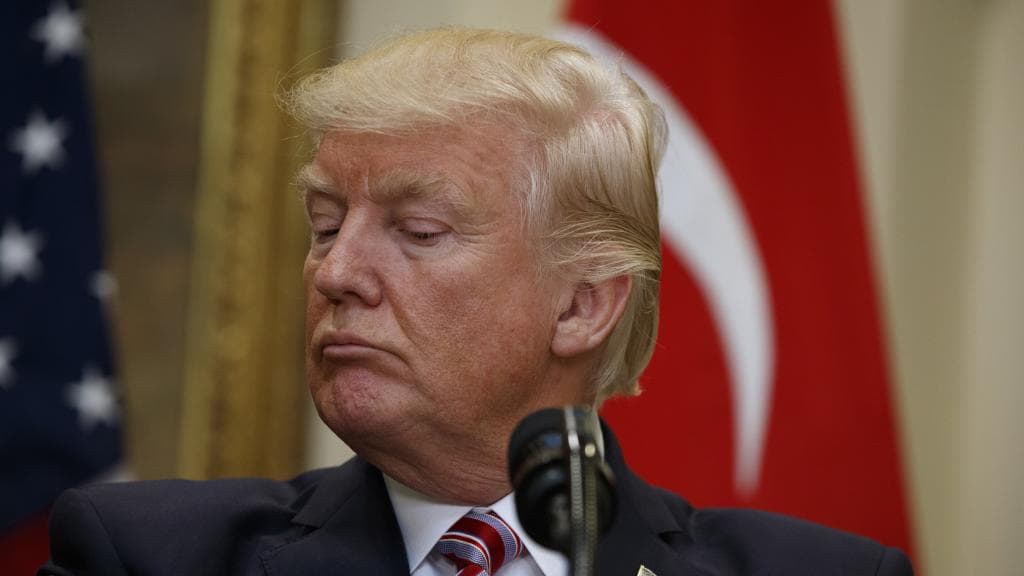
It’s impossible to get into Trump’s head but what comes out of his mouth are racist remarks. But, saddest of all are the millions who tolerate his views, cheer him on and emulate his behavior.

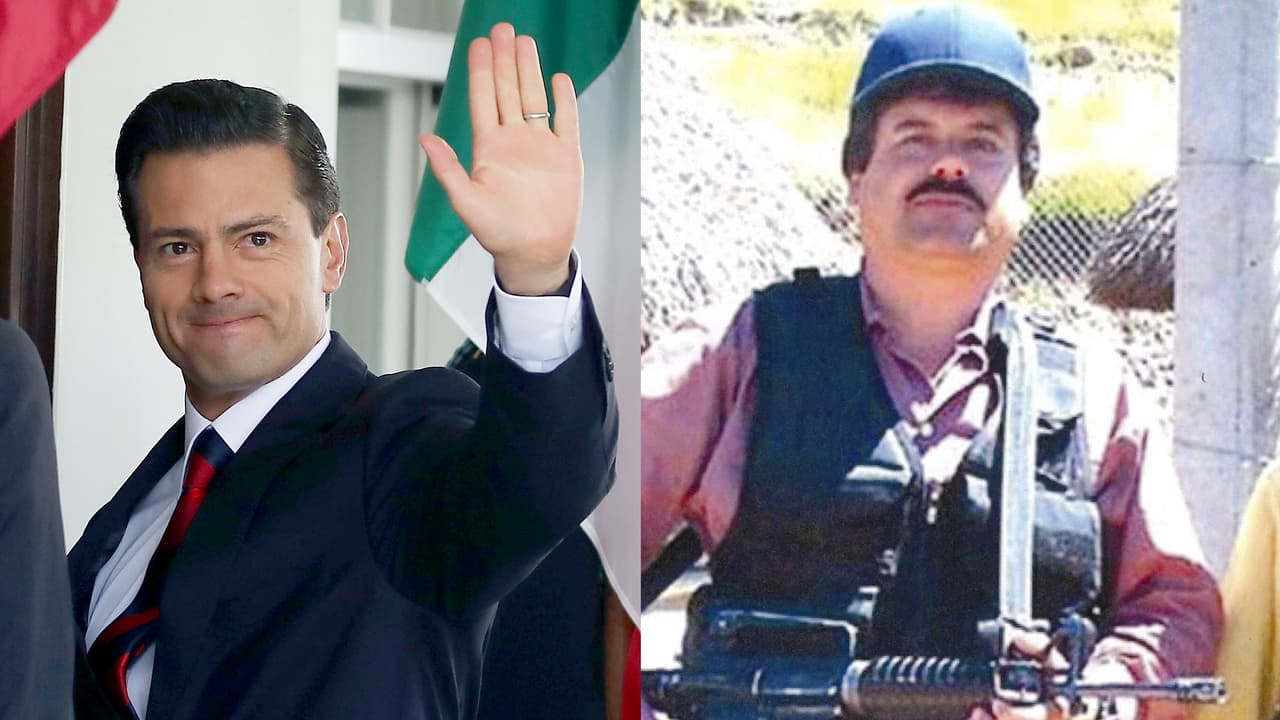
The time is well past due for the U.S. government to conduct a thorough review of leaders and their senior colleagues before they leave office to determine if they merit visas.
More importantly, using national security claims as a means to promote protectionist actions fundamentally misappropriates the concept. Protectionism undermines economic strength while openness strengthens economies, as example after example from Asia to Latin America and Europe show. In turn, strong economies are a sine qua non of national security and the ability to fully resource global commitments including a robust military which the president constantly promotes. By weakening the U.S. economy over time, protectionism actually undermines actual strategic interests.
Meanwhile, if the true target of U.S. trade displeasure is China, and there are ample indications that it is and also should be, the best way to address those issues is in concert with close friends and economic allies. These are precisely those nations which have just been hit with massive new tariffs, joining those from the first round of steel and aluminum taxes including Japan, who are likely feeling less charitable now toward meeting U.S. priorities. Other U.S. allies including South Korea and Australia and major Latin American nations including Argentina and Brazil have “won” exemptions from the taxes, but only by promising to restrict their exports to the United States.
That’s a curious way for Washington to win friends and influence people.
As the United States becomes a less reliable partner, friendly nations are increasingly seeking to diversify, building trade and investment links to work around the United States. Once supply chains and new patterns of trade and investment are established, they are very difficult—and expensive—to break. Washington’s actions are now beginning to backfire. At the very least, they dramatically reduce U.S. leverage to promote the sort of trade and investment practices globally that have made the United States the wealthiest nation in history.
They also create a void in the global trading system. Once the unquestioned leader in fighting for and guaranteeing the open markets that unabashedly accrue to U.S. benefit, the United States has embarked upon a more protectionist path, creating a vacuum which China is happy to fill. This brings today’s U.S. action on steel and aluminum full circle: while seeking supposedly to build U.S. competitiveness, Washington has in reality just taken steps that will lessen reliance on the United States and bolster the case for global partnership with China and other non-U.S. nations.
Beijing must be smiling.
( Eric Farnsworth is Vice President of the Council of the Americas and the Americas Society)
Relacionados: