While Trump’s global vision for Latin America is non-existent, Cuba has taken center stage as a defining issue for the incoming administration. Fidel Castro’s death will have repercussions beyond U.S. foreign policy, no doubt influencing domestic U.S. policy considering the Cuban American community’s political engagement in South Florida.
Trump and his Future Relationship with Cuba after the Death of Fidel
“With Fidel Castro’s death, it is increasingly clear that Cuba will play a much larger role in defining Trump’s foreign policy in Latin America .”
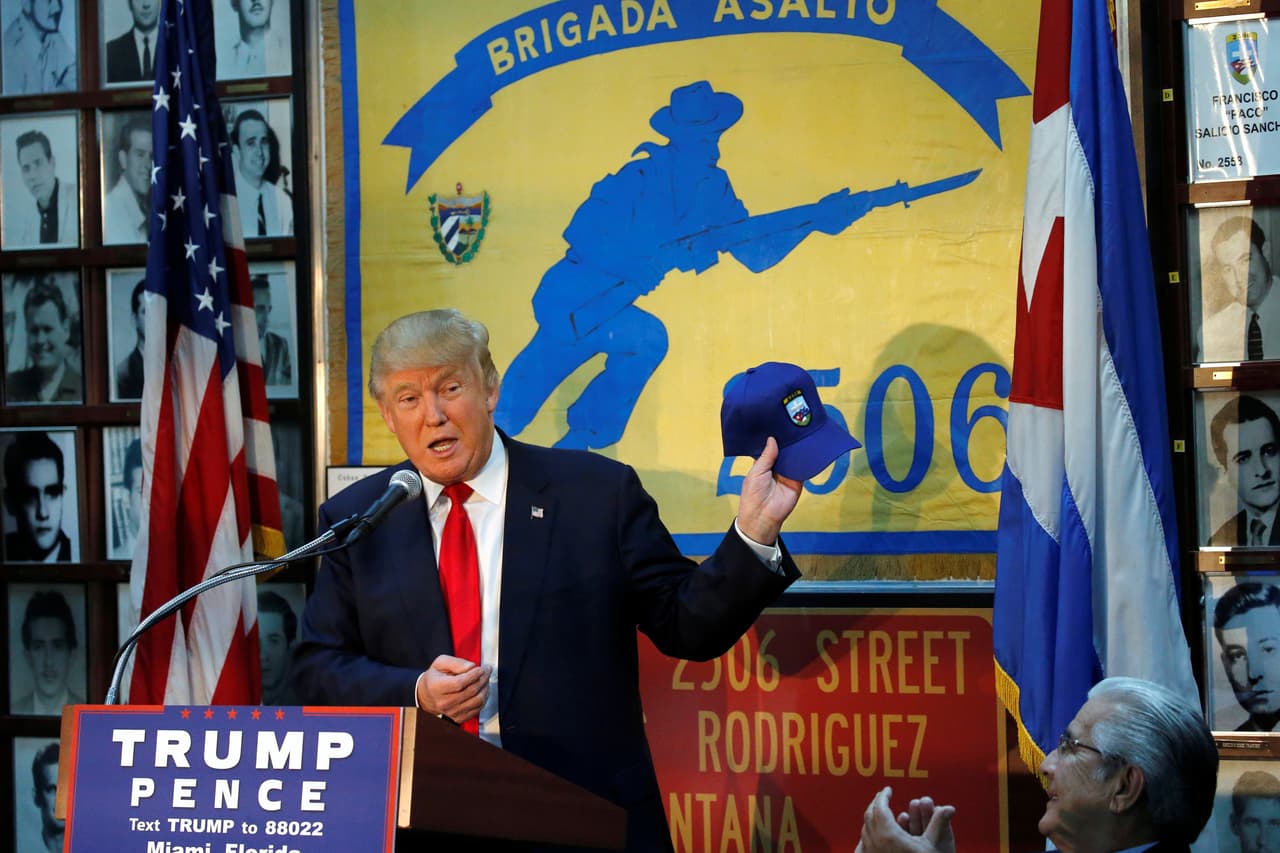
Republican U.S. presidential nominee Donald Trump visits the Bay of Pigs Museum to receive the endorsement of their veterans association in Miami, Florida, U.S. October 25, 2016. REUTERS/Jonathan Ernst - RTX2QEMN
Imagen Reuters
Castro’s death means little for immediate U.S.-Cuba policy, but it marks the beginning of what will be a drastic shift from the old guard of Cuban revolutionaries to a new post-revolution generation. Castro’s death comes three years after Raúl Castro’s announcement that he would retire in February 2018 in a “gradual transfer” of key roles to “new generations,” ushering in a new era for Cuba. In the mid-term, I see Cuba taking a ‘wait and see’ approach in regards to the incoming administration. However, if they feel like they cannot possibly work with a President Trump, I fully expect Raúl Castro, followed by his eventual successor, to take a hardline approach with typical “anti-imperialist” rhetoric, further retrenching themselves into an age old playbook.
It is likely that the new Cuba will be led by Miguel Díaz-Canel, an electrical engineer and former Minister of Higher Education. He is currently First Vice President of the Council of State and Ministers, a role he’s had since 2013. Little else is known about Díaz-Canel, however reports indicate he is a technocrat with good managerial skills. According to Arturo López Levy, lecturer at the University of Texas-Rio Grande Valley and former analyst with the Cuban government, Díaz-Canel worked as an intermediary between the Cuban central government and the military, a crucial relationship to watch beginning in 2018.
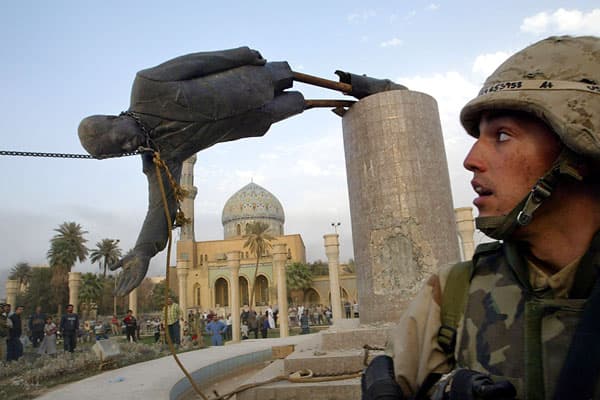
Despite a near universal desire for an end to Venezuela’s manmade disaster, sending in U.S forces to take out the Maduro regime would be counter-productive. It should be categorically rejected by interim president Juan Guaidó, not to mention the Trump administration.
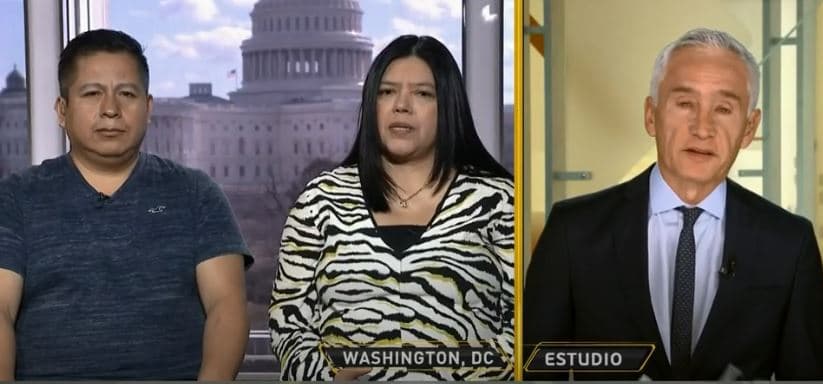
The firing of undocumented workers at Trump's golf clubs just shows how the practice of employing immigrants without legal work papers is much more common than we might imagine. Such is life in the United States.
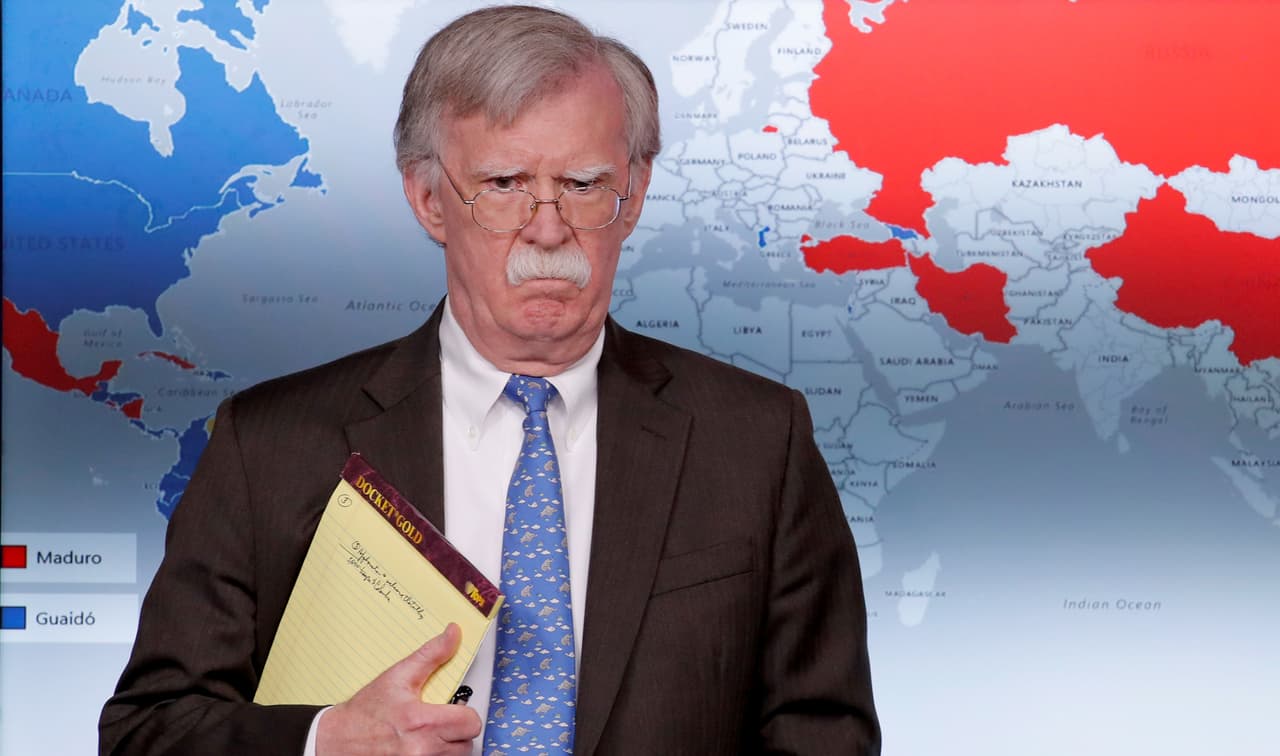
The Trump administration should be wary of fueling fake news predictions about an imminent American invasion which unrealistically raises expectations about Maduro's removal.
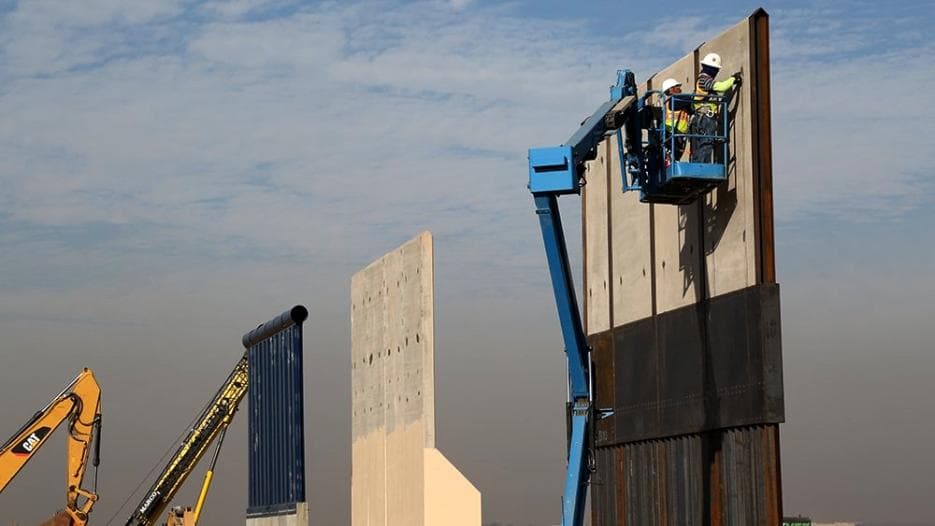
At some point we will have to accept the fact that the border between Mexico and the United States is nothing more than an invention.

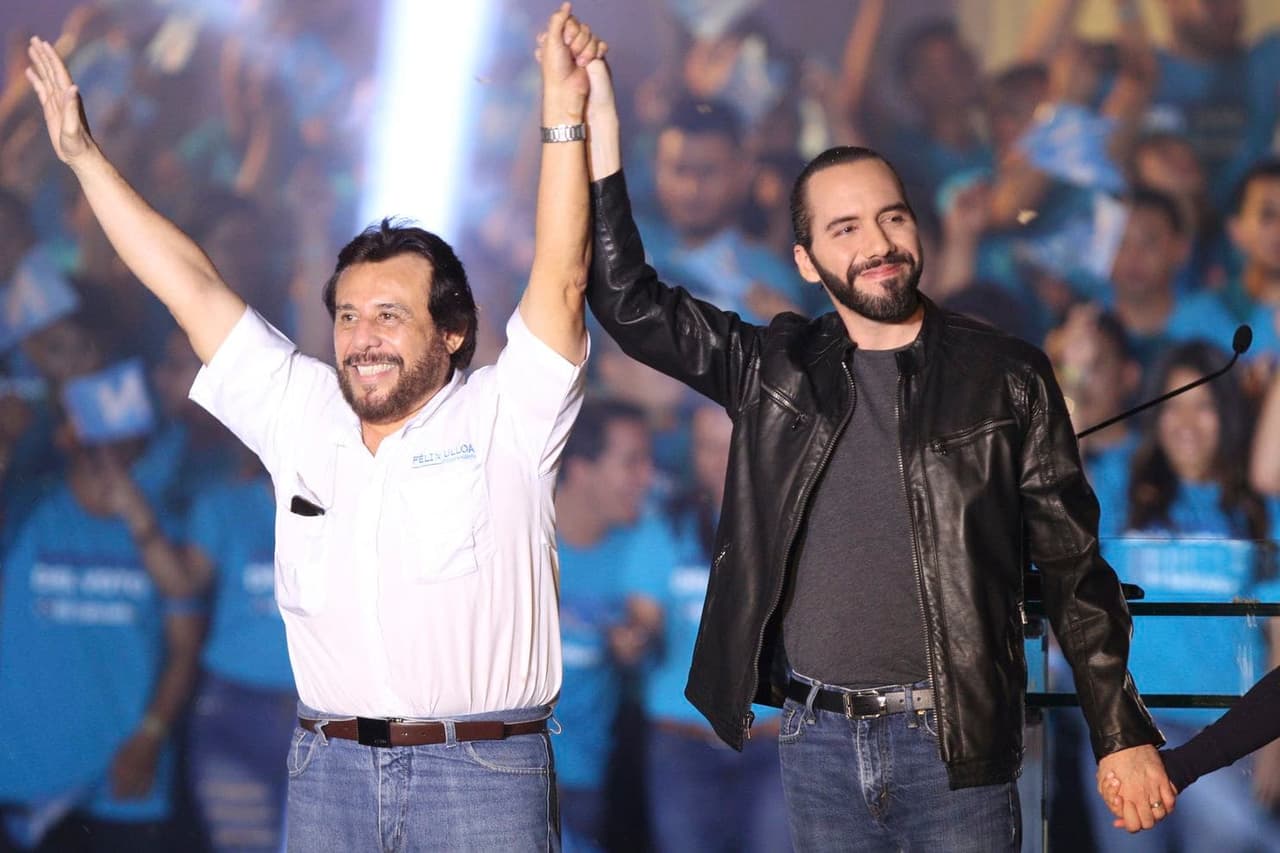
The United States has had a major role in the evolving drama of the fight for democracy in Venezuela and Nicaragua. And so far, it’s been surprisingly coordinated, a veritable model of multilateralism.
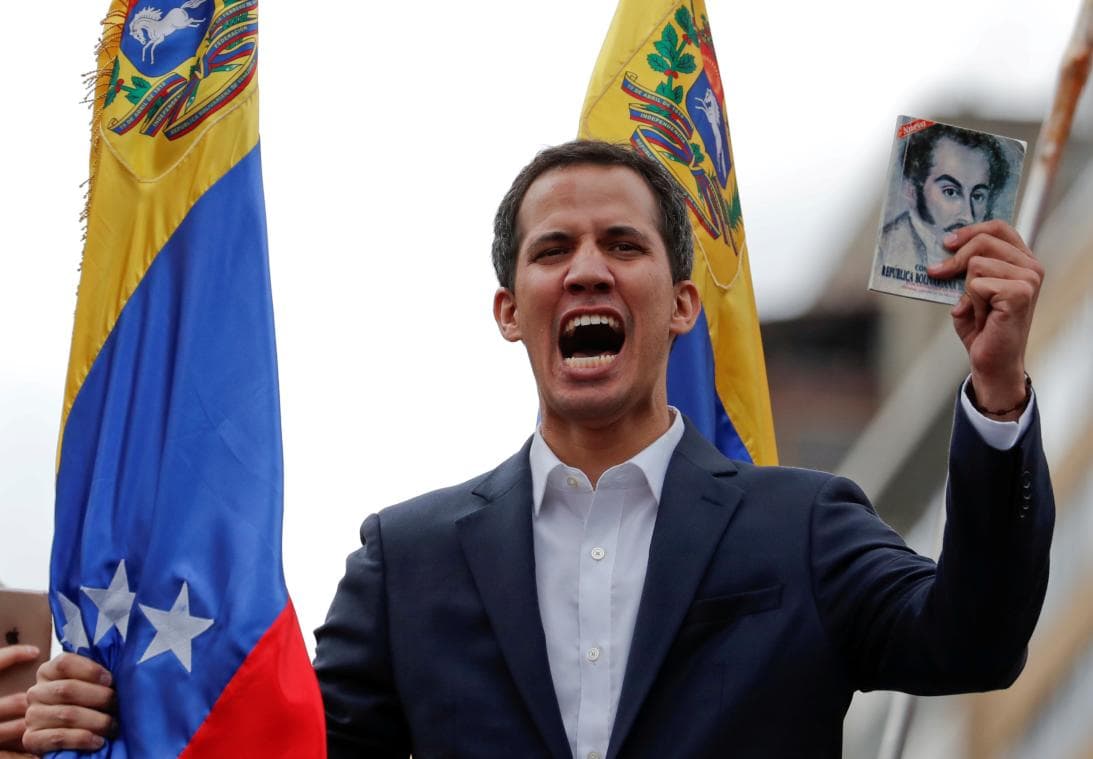
Has the Maduro regime reached breaking point? It remains hard to say, but tomorrow is another - more hopeful - day for the restoration of democracy in the South American nation.
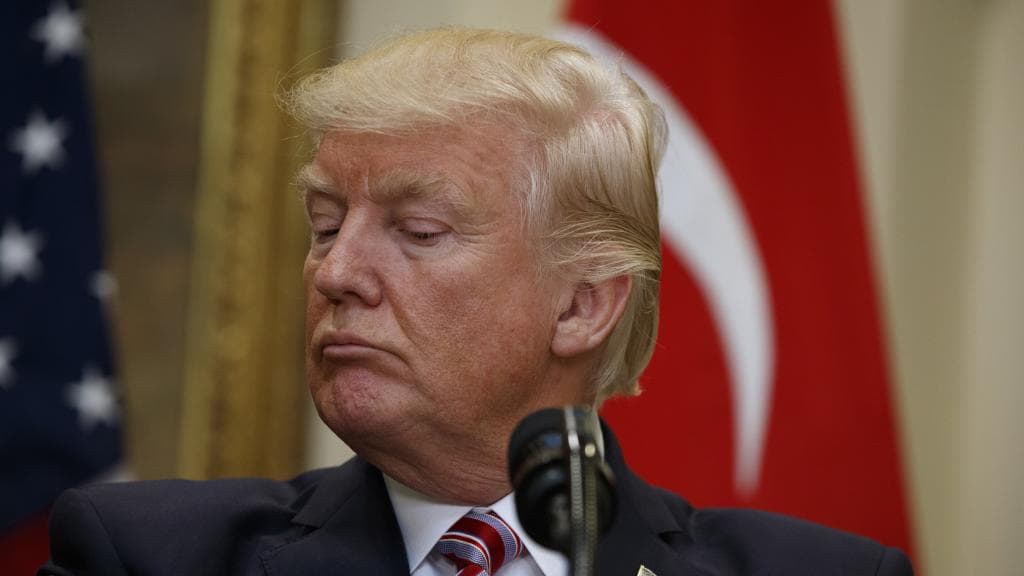
It’s impossible to get into Trump’s head but what comes out of his mouth are racist remarks. But, saddest of all are the millions who tolerate his views, cheer him on and emulate his behavior.
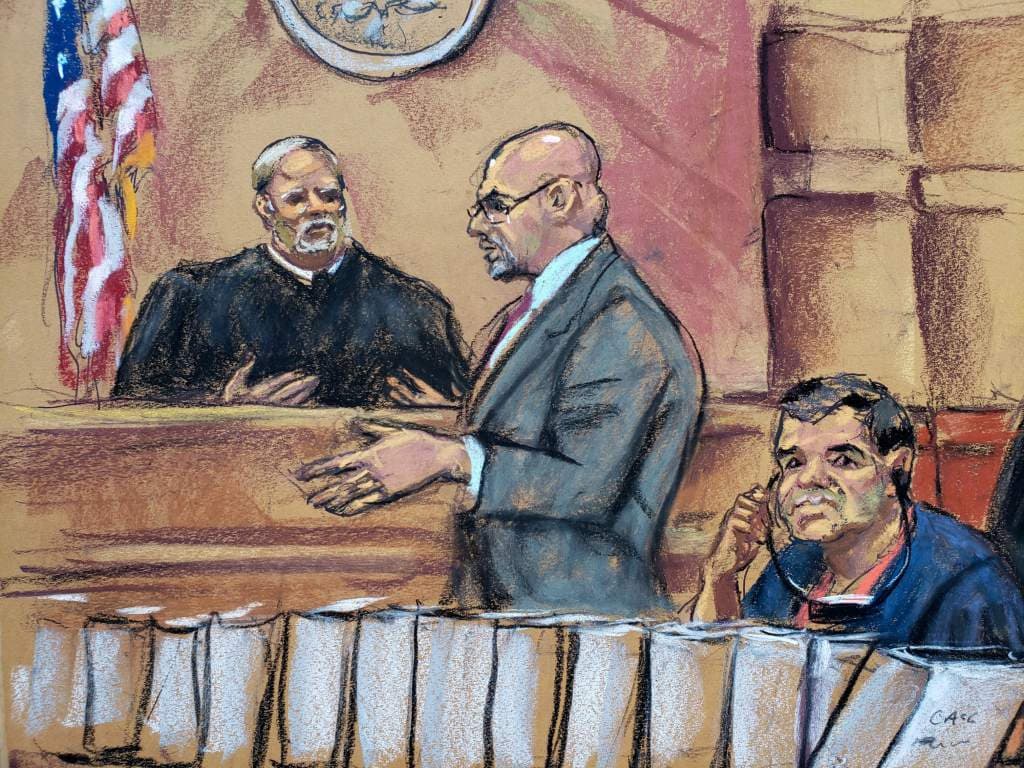
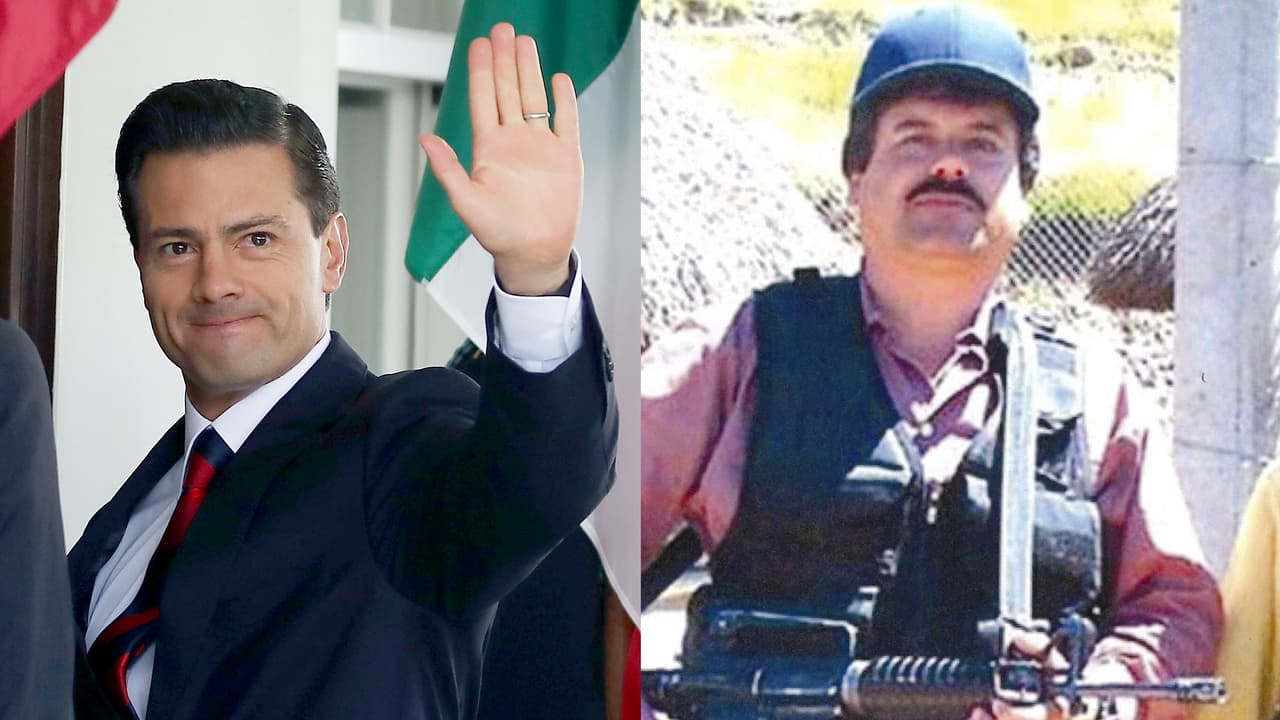
The time is well past due for the U.S. government to conduct a thorough review of leaders and their senior colleagues before they leave office to determine if they merit visas.
Raúl Castro’s transition could represent an opening for Trump to build a relationship with the new Cuban leader through which he could strategically coax the new Cuban government into further negotiations on political prisoners, human rights, compensation for seized U.S. property, and other vexing matters. Cuba will also have a long list of demands to bring to the table, not least of which is the $833 billion in reparations for the “human and economic damage” they claim the embargo has caused the island, per a State Department source to the New York Times.
Nonetheless, the Trump administration has an opportunity to make a mark and build on the inroads the Obama administration has made in Cuba. This makes the choice of Secretary of State one of the most consequential choices in recent years for that post. For Donald Trump, individuals like Mitt Romney or Sen. Bob Corker would balance his early recalcitrant choices of Stephen Bannon as chief White House strategist and Gen. Michael Flynn as national security advisor. It would also add gravitas and much-needed experience to the key position— which is required to deal with the complexities and nuances of bilateral and multilateral relationships— that former New York Mayor Rudolph Giuliani and former Bush UN Ambassador John Bolton lack.
As to Cuba policy itself, Trump has sent mixed messages. He promised to walk back President Obama’s “concessions to the Castro regime” despite a year earlier claiming being “fine” with thawing relations with Cuba. Whether or not the Trump administration undoes President Obama’s advancements will likely have more to do with the people advising the billionaire than his chameleonic position regarding the island. One person likely to forcefully intervene, be it successfully or not, is Representative Mario Díaz-Balart (R-FL25), a vocal anti-Castro legislator who cruised to re-election on November 8 winning 62% of the vote. Rep. Díaz-Balart was quick to tie his victory to Obama’s Cuba policy tweeting: “Pres [sic] Obama said his legacy was on the ballot. He was right. Looking forward to U.S.-Cuba policy that puts US interest + freedom first. #Cuba.”
Another individual to keep an eye on is Mauricio Claver-Carone. Recently named to the Trump transition team for the Department of the Treasury, Claver-Carone has been one of President Obama’s harshest critics on Cuba, and will no doubt lobby for hawkish appointments in regards to Cuba policy at Treasury. Whether or not he will have an official role in the incoming administration remains to be seen, however.
The prospect of rolling back advances in Cuba relations is not just bad policy in and of itself, but will have negative repercussions across Latin America. Already the business community is extremely anxious about the prospect of a policy reversal and is currently courting Trump to continue Obama’s course with Cuba. Just this week American Airlines started a regularly scheduled flight between Miami and Havana. Trump’s business instincts will be pitted against political expediency, a tug-of-war that will test the new president in more ways than one.
While Trump’s pick for Secretary of State and his Cuban policy are very much up in the air, it will boil down to this choice, and who his closest advisors will be inside the White House. These will be the people who will help the new president decide the fate of Latin America’s priority level and breadth of focus. Until the dust settles and his administration is in place, Trump’s vision for Cuba and the region as a whole will remain as unpredictable as his temperament.
Disclaimer: We selected this Op-Ed to be published in our opinion section as a contribution to public debate. The views and opinions expressed in this column are those of its author(s) and/or the organization(s) they represent and do not reflect the views or the editorial line of Univision Noticias.
Relacionados: