Venezuela’s most recent voting exercise has shown that there is now little attachment to its so-called ‘Bolivarian Revolution’ outside the nation, or inside, for that matter, beyond those who continue to be engaged in corruption and criminal activities or otherwise depend on the state for food handouts and other direct albeit shrinking benefits.
The gathering storm in Venezuela
Nicolás Maduro has just gifted himself another five years as president with a transparently fraudulent election on May 20. But, the Maduro regime is now increasingly isolated, viewed globally as a pariah state.
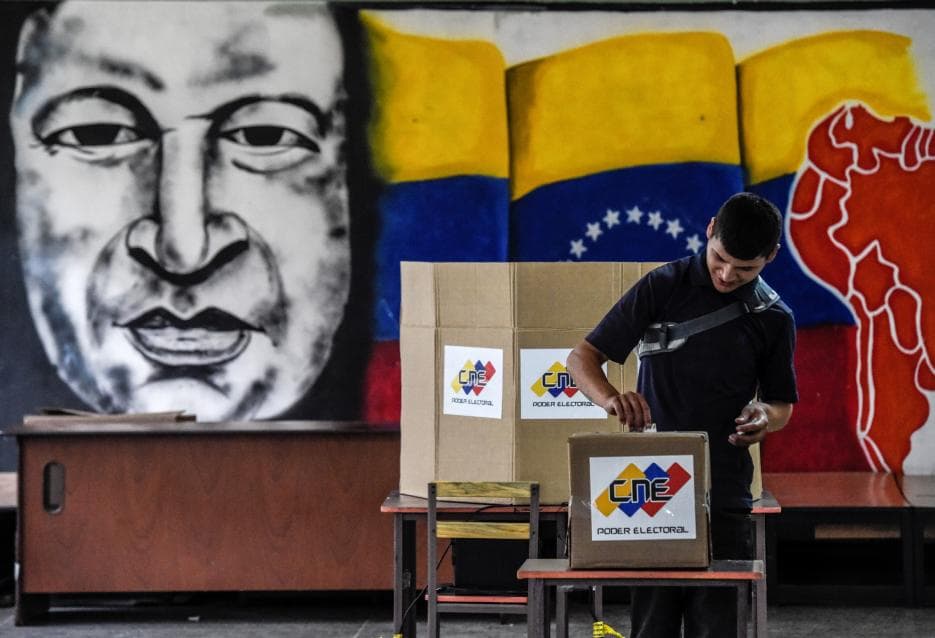
A voter casts his ballot in front of a mural of the late President Hugo Chávez.
Imagen Juan Barreto / AFP / Getty Images
The release of American citizen Joshua Holt from jail in Venezuela on Saturday is a welcome and long-overdue step, part of a charm offensive underway by the regime to slow momentum toward greater international isolation since the re installation of leader Nicolás Maduro. It's a calculated act that will nonetheless have little impact on the desire for fundamental change among outsiders and Venezuelans alike.
If there is a silver lining to the crisis, it is that the Maduro regime and the Bolivarian Revolution now lie fully exposed before the world, without excuse and without legitimacy. The regime is increasingly dependent on oppression to maintain control, fueled by the resources of foreign actors including security and intelligence support from Cuba, economic and financial support from China, and arms purchases and mutual sanctions-busting from Russia.
As Venezuela hurtles rapidly toward global pariah status, international democracies are finally beginning to acknowledge the magnitude of the crisis. Hundreds of thousands of refugees are spilling across borders into Colombia, the Caribbean, and Brazil, nations without the capacity to fully manage the crisis which is conservatively estimated to require well over one billion dollars per year in humanitarian relief, and the numbers grow daily.
Safe haven that Venezuela offers to unreconstructed guerrillas from Colombia threatens full implementation of Colombia’s peace accords, while coca production there has exploded. Venezuela has also been identified as a nation complicit at a minimum in the proliferation of Spanish-language cyber disinformation across the region and as far afield as Spain.
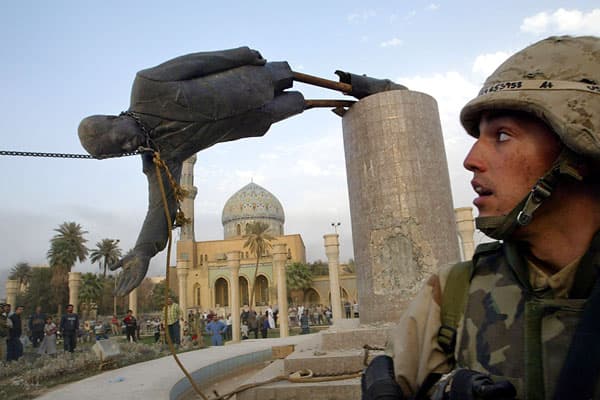
Despite a near universal desire for an end to Venezuela’s manmade disaster, sending in U.S forces to take out the Maduro regime would be counter-productive. It should be categorically rejected by interim president Juan Guaidó, not to mention the Trump administration.
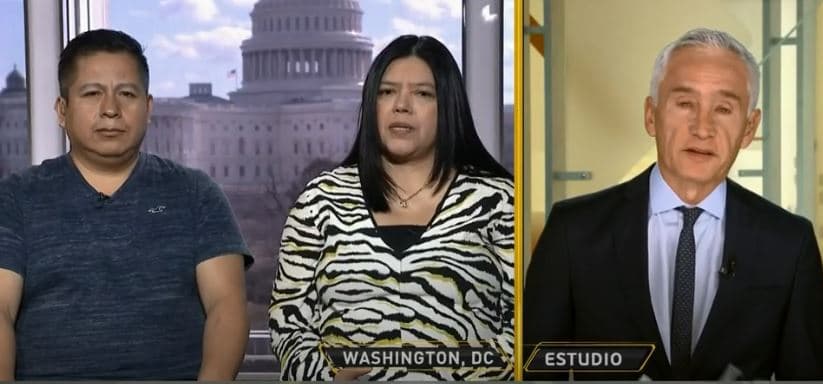
The firing of undocumented workers at Trump's golf clubs just shows how the practice of employing immigrants without legal work papers is much more common than we might imagine. Such is life in the United States.
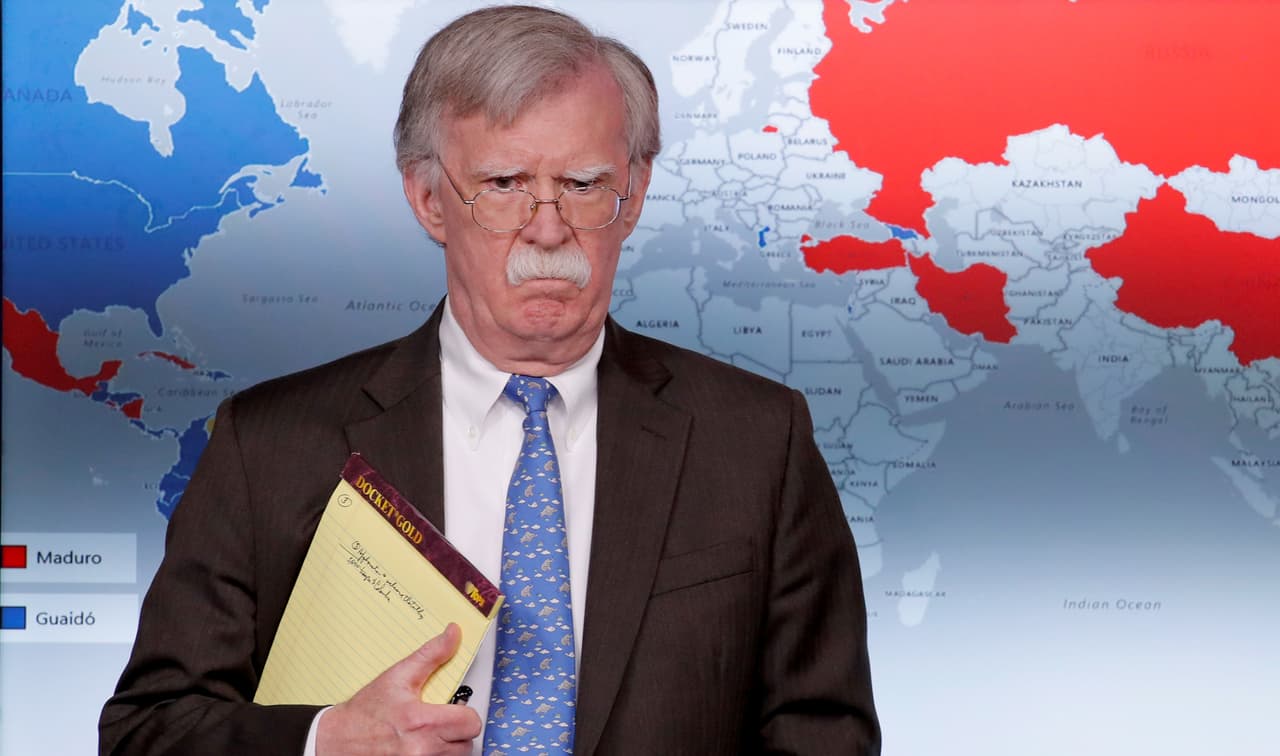
The Trump administration should be wary of fueling fake news predictions about an imminent American invasion which unrealistically raises expectations about Maduro's removal.
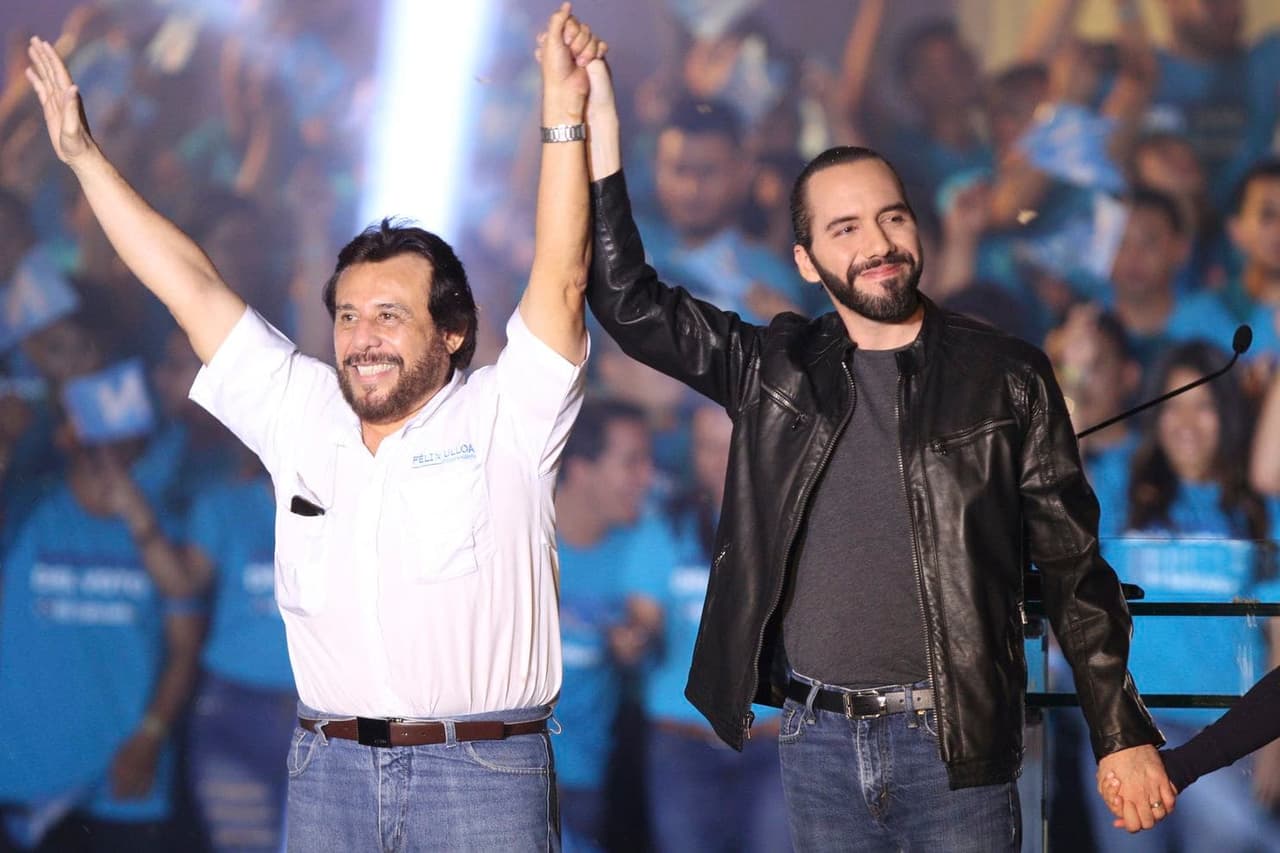
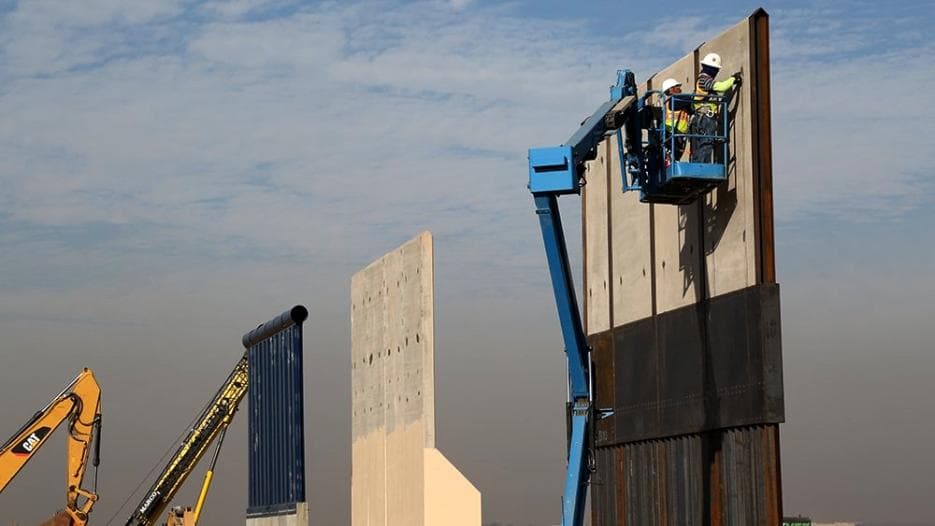
At some point we will have to accept the fact that the border between Mexico and the United States is nothing more than an invention.

The United States has had a major role in the evolving drama of the fight for democracy in Venezuela and Nicaragua. And so far, it’s been surprisingly coordinated, a veritable model of multilateralism.
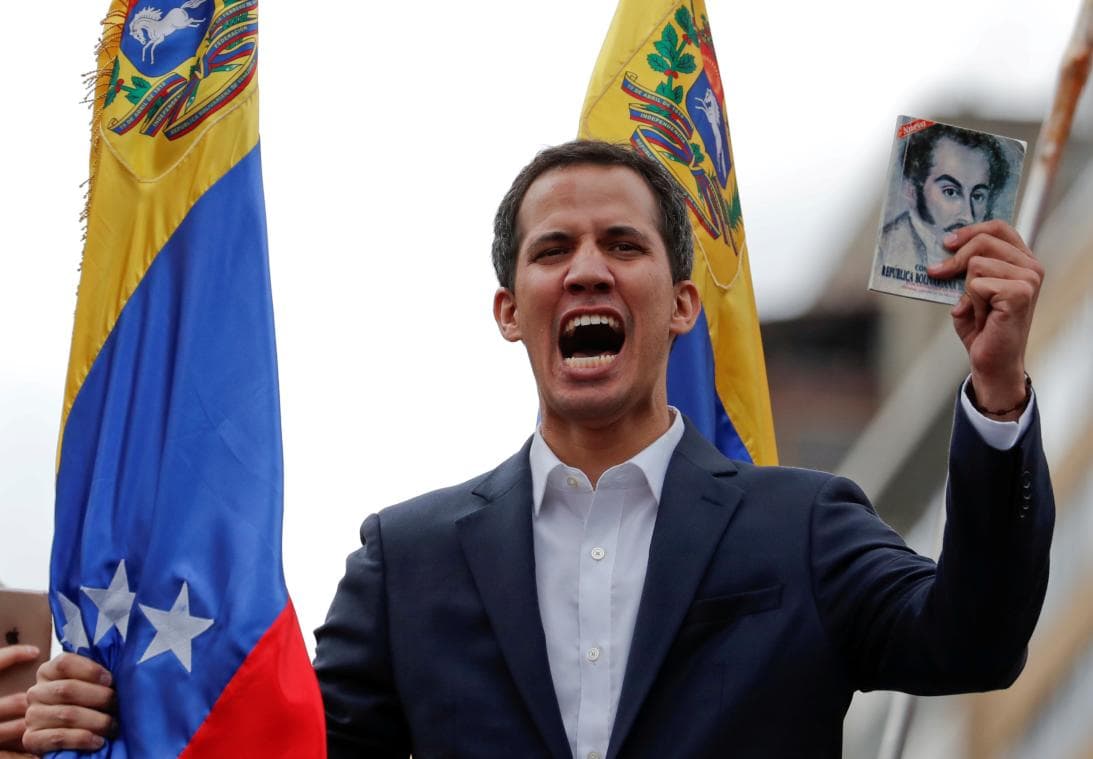
Has the Maduro regime reached breaking point? It remains hard to say, but tomorrow is another - more hopeful - day for the restoration of democracy in the South American nation.
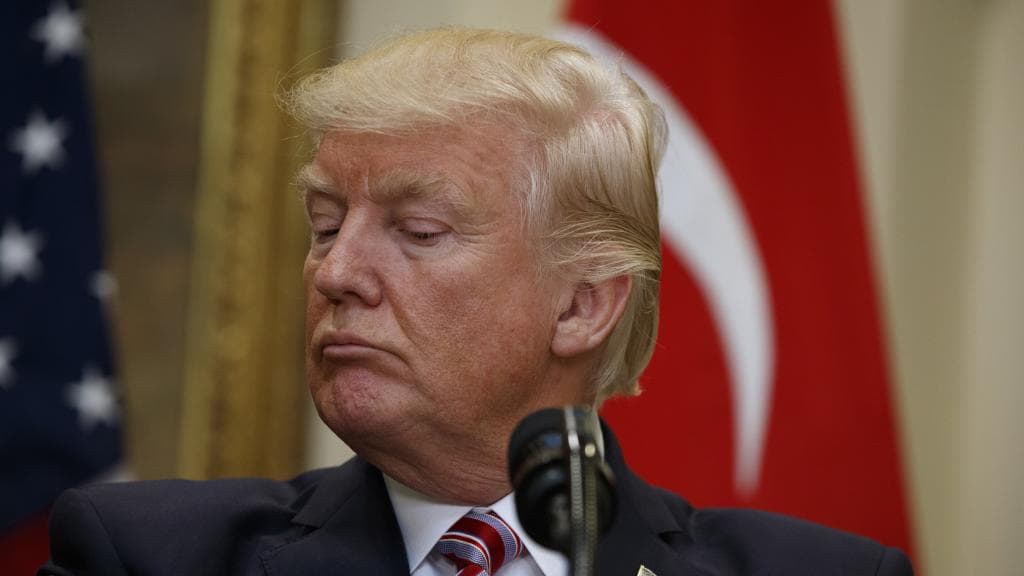
It’s impossible to get into Trump’s head but what comes out of his mouth are racist remarks. But, saddest of all are the millions who tolerate his views, cheer him on and emulate his behavior.
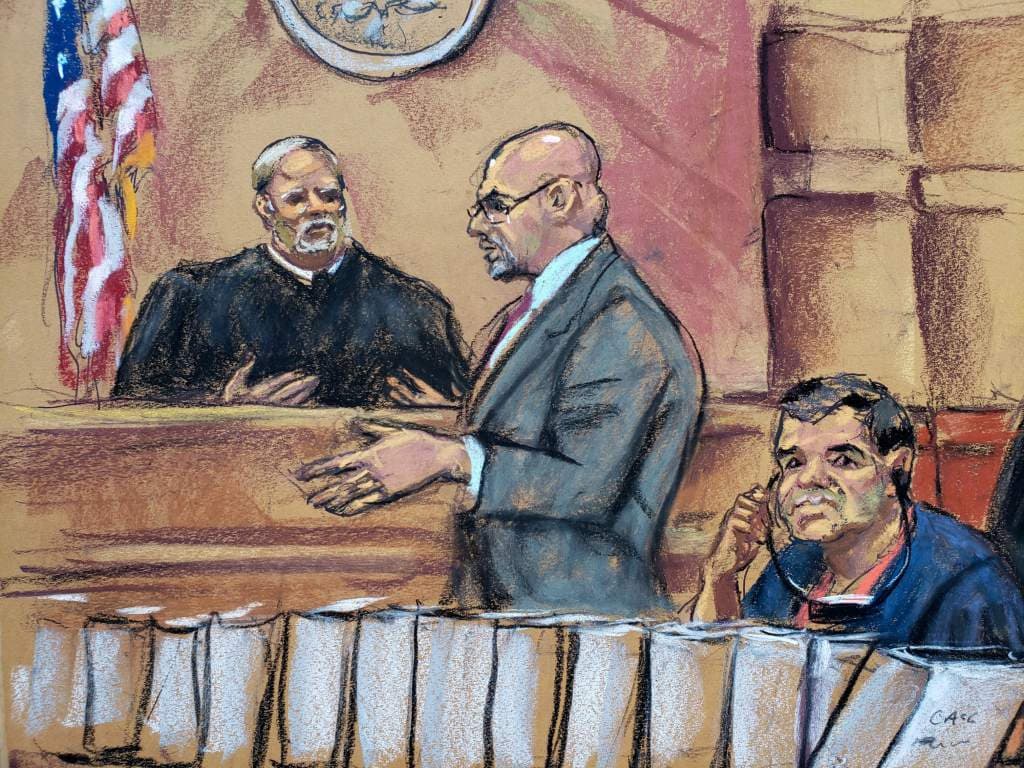
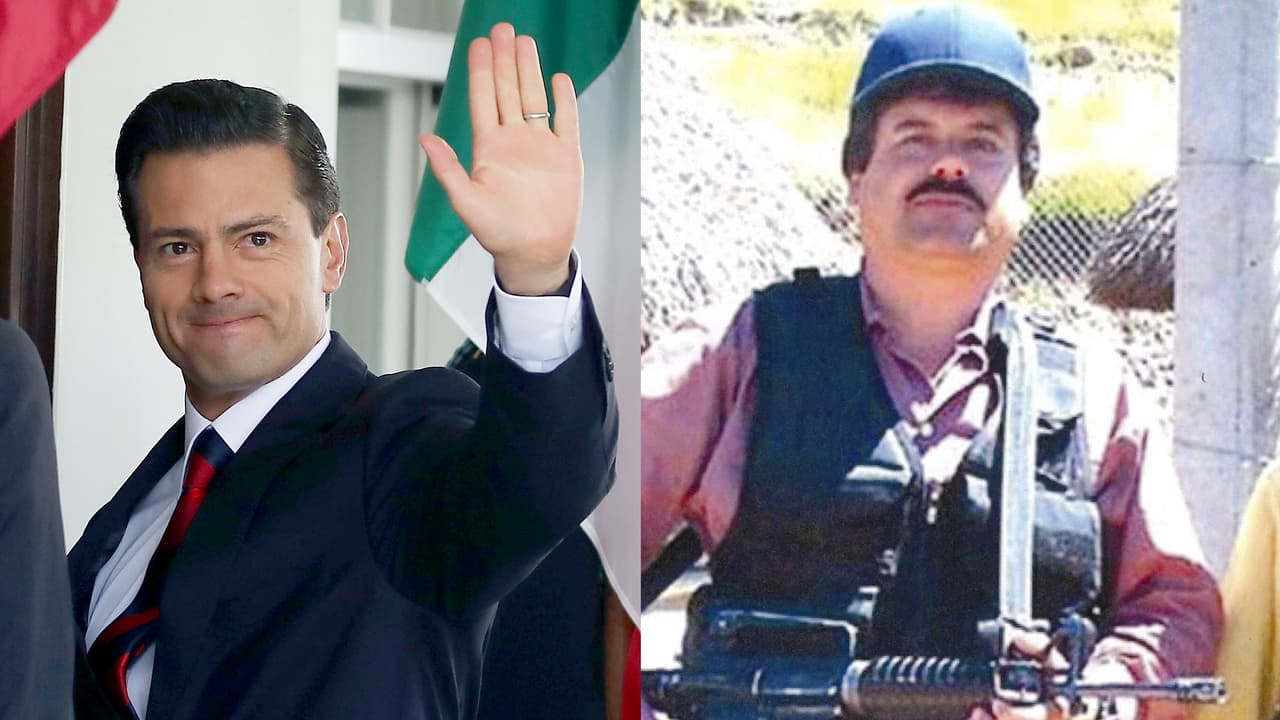
The time is well past due for the U.S. government to conduct a thorough review of leaders and their senior colleagues before they leave office to determine if they merit visas.
Since the election, the government has consolidated its control further still. In response, the United States has imposed additional financial sanctions; Maduro has kicked out the top two U.S. diplomats, and Washington has responded in kind.
More broadly, the Lima Group of major Latin American nations plus Canada have called for additional steps including invocation of the Inter-American Democratic Charter and the suspension of Venezuela from the OAS. Such actions, consistent with the demands of hemispheric leaders during the Summit of the Americas in April, could be taken as soon as early June during the General Assembly meeting in Washington, with the hoped-for attendance of new U.S. Secretary of State Mike Pompeo.
Meanwhile, Canadian Prime Minister Justin Trudeau, as host of this year’s meeting of G7 industrialized democracies, has facilitated a strong statement rejecting the elections and calling for the restoration of democracy.
Most Venezuelans stayed home rather than participate in the May 20 voting farce. The United States and others in the international community including the Secretary General of the Organization of American States disavowed the results even before voting began, and Maduro’s primary challenger, Henri Falcon, called for new elections before the votes could be tallied.
The elections, such as they were, will change nothing. Venezuelans continue to suffer hyperinflation, shortages of food and medicine, and rates of personal violence comparable to war-torn nations such as Syria and Yemen. Oil production—Venezuela’s one income source—continues to decrease, despite rising global oil prices, due to incompetence, gross corruption, stalled investment, and brain-drain. Senior government officials have been credibly accused of trafficking in drugs and other illegal activities.
The Bolivarian Revolution launched by the late Hugo Chavez in 1999 and carried forward by Maduro since 2013 has ruined Venezuela. Recovery, if it eventually occurs, could take a generation or more. And even the most cautious observers are beginning to acknowledge that recovery cannot begin without a change in government and a wholesale course correction including implementation of a new economic model and a return to the democratic path.
The Maduro regime understands that it faces an increasingly difficult international scenario which may explain the president’s recent comments about the need to review Venezuela’s economic model, admit mistakes, and seek renewed investment.
Such sentiments will continue to ring hollow, however, so long as the current government remains in power. And, as conditions deteriorate further, elements of the security forces and the Venezuelan people themselves may decide they have nothing to lose.
Desperate people are prone to desperate acts, and prospects for violence and civil conflict have increased. It is time for the international community to hope for the best, but, regrettably, to prepare for the worst, as the gathering humanitarian storm envelops what was once Latin America’s most prosperous but now ruined nation.
Relacionados: