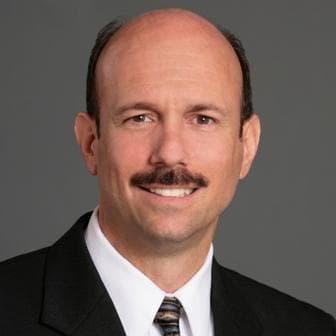
Many friends and colleagues in Southern California have stressed the influence and importance of their querida abuela. The concept of family, of giving back, and honoring your heritage is particularly strong in the Hispanic community, and something I greatly admire.
The Caregiver Role Reversal Can Happen When You Least Expect It
"A rapidly aging population in the US and at least 8 million Latino family caregivers already providing care, signals us that there needs to be more awareness of the prevalence of caregiving, particularly among young Latino men and women. There also needs to be a lot more support. While the topic is new to many Millennials, there are things we can do to educate and empower the next generation who will become caregivers. There is much to be learned from those who have been through it."

With a rapidly aging population in the United States and at least 8 million Latino family caregivers already providing care, there needs to be more awareness of the prevalence of caregiving, particularly among young Latino men and women.
Imagen Ye Aung Thu/AFP/Getty Images
Like so many others, I remember being cared for by older relatives when I was younger, and I’ve also provided care and support for my dad and stepmom as they’ve gotten older. The call to help family and friends in this space is increasingly affecting many at a younger age. In fact, one in three people between the ages of 18 and 40 (that’s 10 million Millennials nationwide) are experiencing “caregiver role reversal”—balancing and sometimes forgoing career advancement, educational goals, relationships, and social connections to care for those who cared for them.
This includes Lisette Carbajal of Richmond, Va., who has been helping her father for nearly eight years. His health took a turn during Lisette’s third year in college. Becoming a caregiver at such a young age—with its wide variety of responsibilities—was hard and isolating. In her childhood, she never imagined her college years would include driving home on weekends to help her dad with daily activities, or later calling in sick at her job so she could take care of him when his paid caregiver was not available. But life happens.
Lisette’s dad lives in a full-time care facility now, but she still is an involved family caregiver—visiting, participating in her father’s treatment calls, advocating for him, and serving as a translator for physicians and her family. The close relationship she still cherishes with her dad and her concept of family motivates her to stand by his side, even as his abilities decline, and no matter what else is happening in her world.

Despite a near universal desire for an end to Venezuela’s manmade disaster, sending in U.S forces to take out the Maduro regime would be counter-productive. It should be categorically rejected by interim president Juan Guaidó, not to mention the Trump administration.
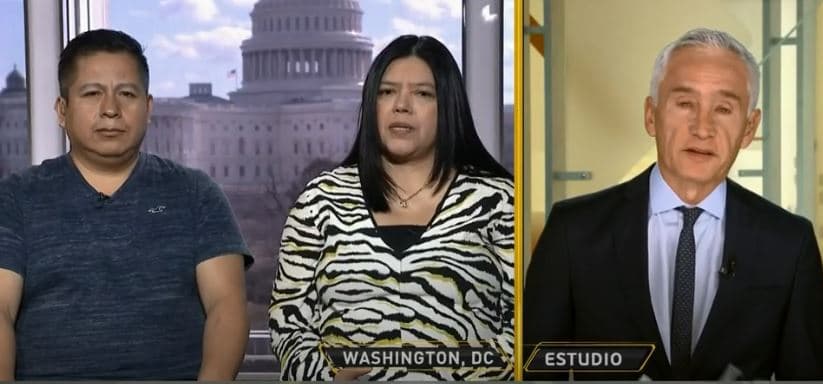
The firing of undocumented workers at Trump's golf clubs just shows how the practice of employing immigrants without legal work papers is much more common than we might imagine. Such is life in the United States.
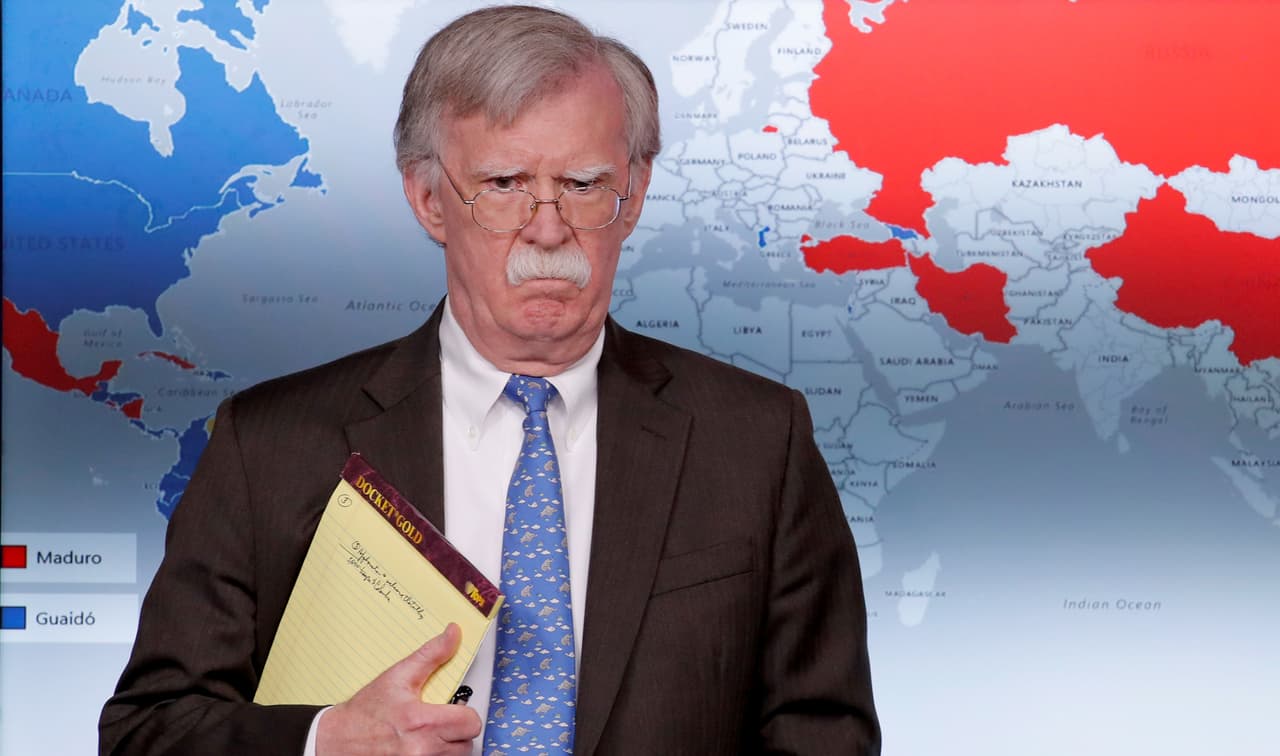
The Trump administration should be wary of fueling fake news predictions about an imminent American invasion which unrealistically raises expectations about Maduro's removal.
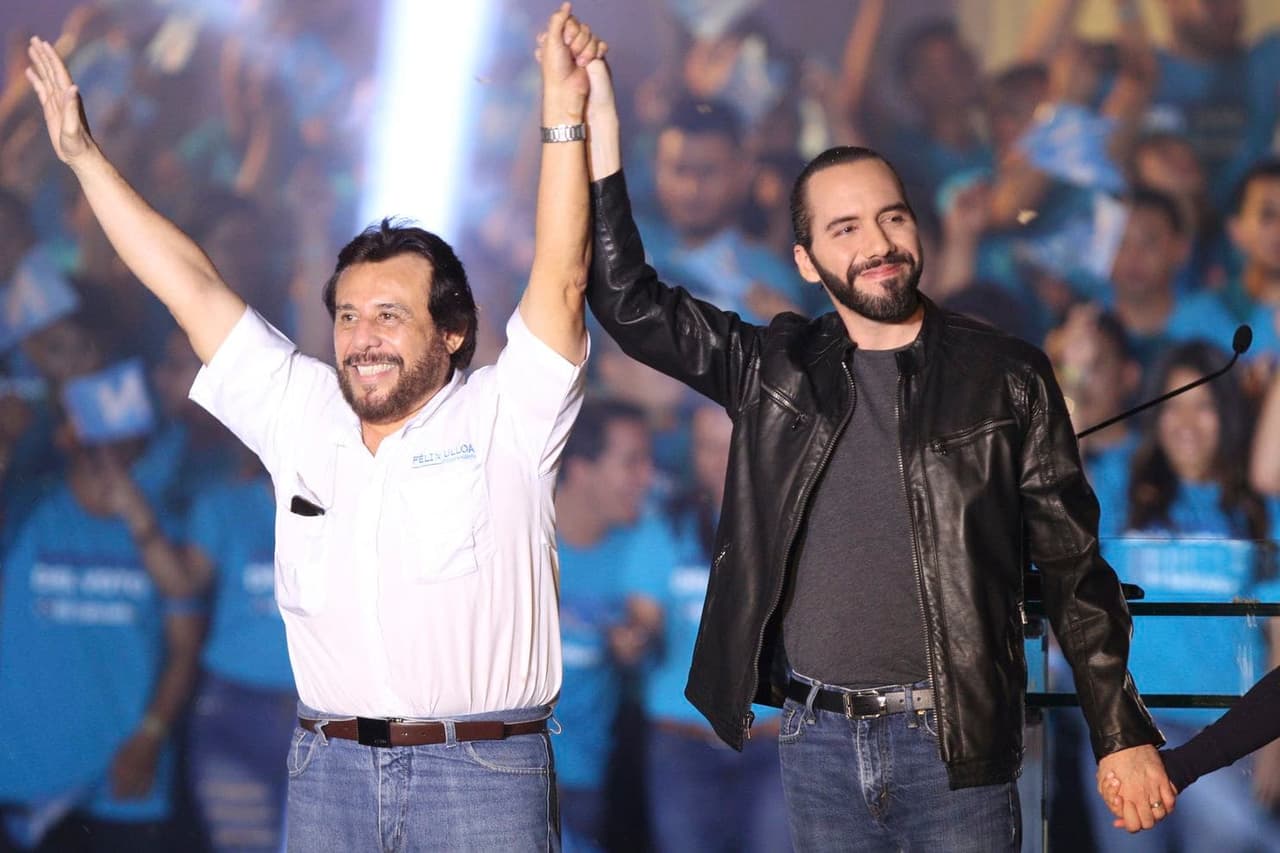

At some point we will have to accept the fact that the border between Mexico and the United States is nothing more than an invention.

The United States has had a major role in the evolving drama of the fight for democracy in Venezuela and Nicaragua. And so far, it’s been surprisingly coordinated, a veritable model of multilateralism.
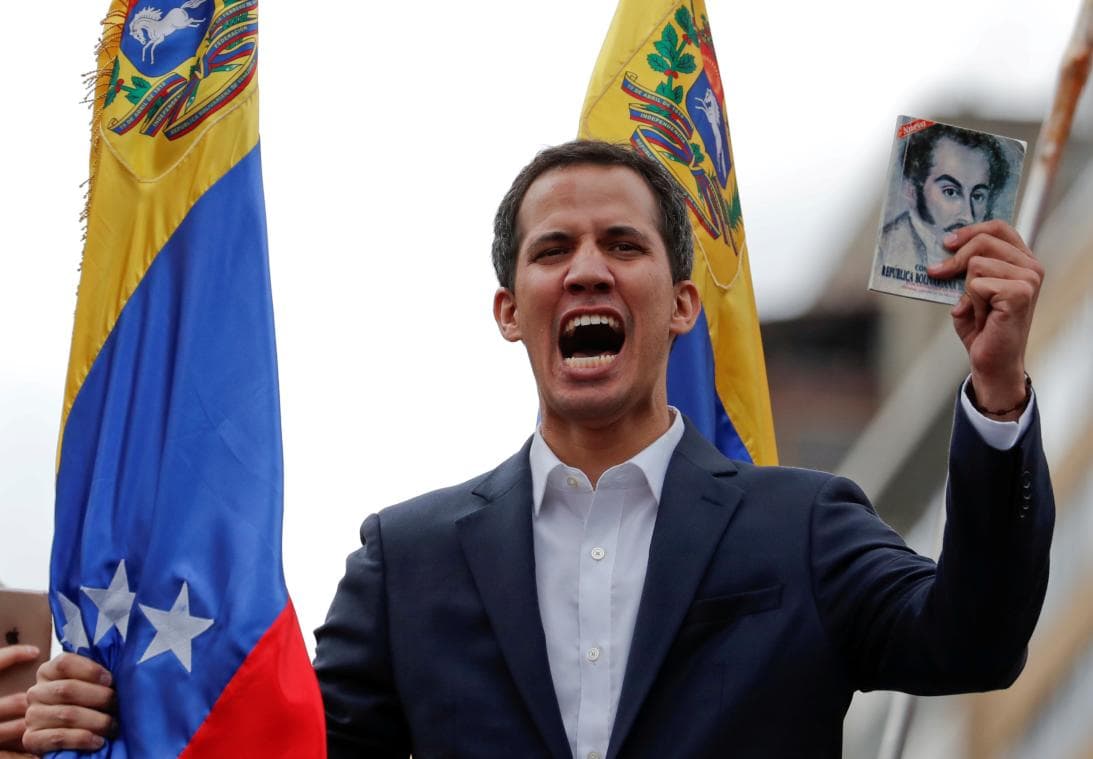
Has the Maduro regime reached breaking point? It remains hard to say, but tomorrow is another - more hopeful - day for the restoration of democracy in the South American nation.

It’s impossible to get into Trump’s head but what comes out of his mouth are racist remarks. But, saddest of all are the millions who tolerate his views, cheer him on and emulate his behavior.

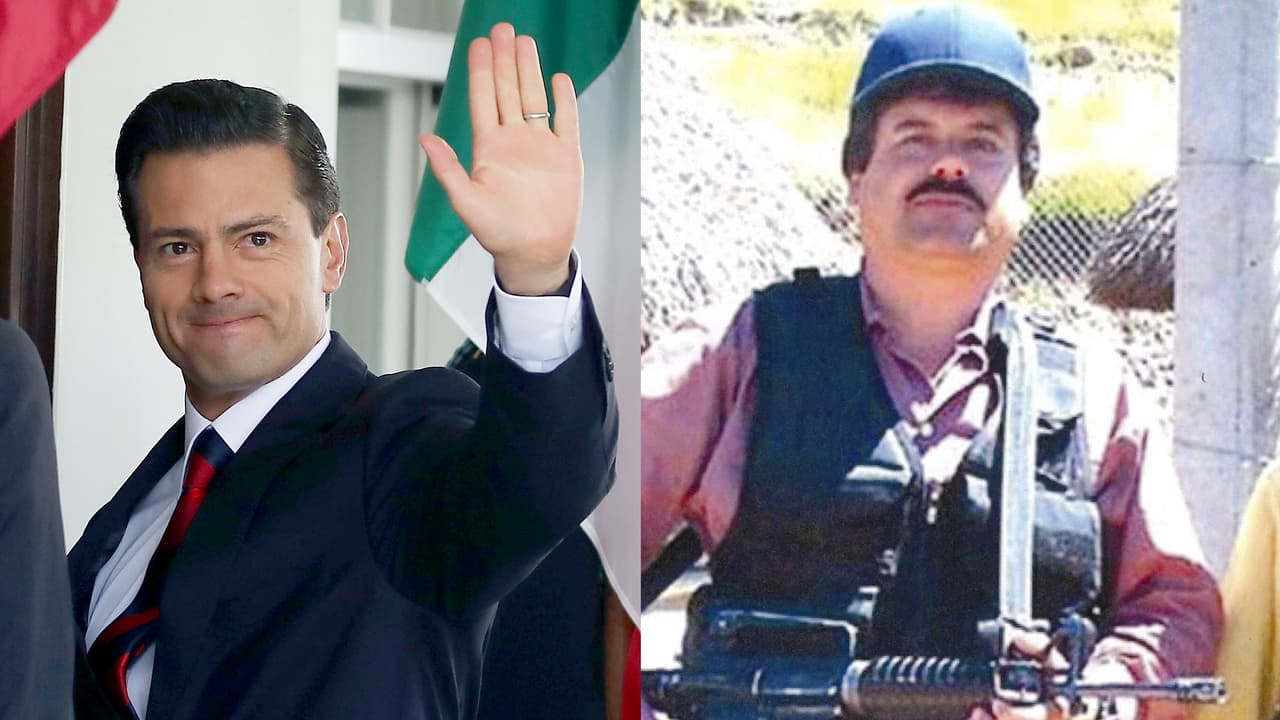
The time is well past due for the U.S. government to conduct a thorough review of leaders and their senior colleagues before they leave office to determine if they merit visas.
Now 27, Lisette knows that her experience separates her from some of her peers. She also knows that Latino family caregivers tend to be in more intensive caregiving situations, like her own. This is why Lisette is using her story to raise awareness of the reality that Millennial caregivers like her face every day.
With a rapidly aging population in the United States and at least 8 million Latino family caregivers already providing care, there needs to be more awareness of the prevalence of caregiving, particularly among young Latino men and women. There also needs to be a lot more support. While the topic is new to many Millennials, there are things we can do to educate and empower the next generation who will become caregivers. There is much to be learned from those who have been through it.
Lisette and other Millennials are part of a new effort to provide support, resources, and community for young people who care for loved ones.
The statistics point to the likelihood that many of us will provide care to a family member or loved one and eventually need that same care in return—70 percent of us will need help with daily activities after age 65. Let’s work to build a supportive community that empowers and emboldens younger caregivers. We can all learn from Lisette and the stories of other Millennials, because caregiver role reversals happen when you least expect them.
Bruce Chernof, MD, is the president and CEO of The SCAN Foundation, an independent public charity leading the Do You Give A Care? movement to educate people about Millennial caregivers and create a community. Share your story at YouGiveACare.org. Follow on Facebook, Instagram and Twitter using @YouGiveACare and #YouGiveACare.
Note: We selected this Op-Ed to be published in our opinion section as a contribution to public debate. The views and opinions expressed in this column are those of its author(s) and do not reflect the views or the editorial line of Univision News.
This article is published in collaboration with Univision Contigo: Univision's social responsibility team. Visit univision.com/contigo and find tips and resources that will help you have a healthier life. #MásSaludable
Relacionados: