
Mexico and the United States lack a bilateral agreement to regulate circular (back and forth) labor mobility since 1965 when the ill-fated Bracero Program was suspended.
Is future labor mobility between Mexico and the United States feasible?
At a time when the White House is trying to put a dam on future flows of both skilled and unskilled migration, sectors of the U.S. economy - especially agriculture and services - are beginning to experience a severe shortage of labor. Could that be an impetus for negotiating an immigration deal that suits both nations.

Trabajadores agrícolas en California.
Imagen Justin Sullivan/Getty Images
Since then, undocumented migration from Mexico to the United States has grown exponentially, reaching a peak of nearly 500,000 undocumented crosses per year in 2000. Today, nearly half of the nearly 11.7 million Mexicans living in the United States are undocumented or lack a legal status.
This vast black labor market has hurt both countries equally. Mexico has lost enormous reserves of human capital - working, entrepreneurial, responsible, bold and talented people - and the debate regarding immigration in the United States became polarized, poisoned and Mexicanized, largely nourishing the anti-Mexico narrative that fed - and which in turn was fed by - Donald Trump.
These two partners and neighboring countries, with an indisputably shared and interdependent destiny, necessarily need to find ways to pour Drano down the pipes and unclog this toxic environment, which affects the relationship between both nations and the well-being of millions of people on either side of the Rio Grande.
And what’s at stake today for prosperity, diversity and tolerance in the United States is immense. Today, more than ever, the core of xenophobes and nativists that have been empowered in the White House and their allies in organizations like Numbers USA must be reminded that throughout history, nations have been successful thanks to human connections, and that the main cleavage that we face in the 21st Century is between open societies and closed societies.
After the Trump Administration’s first six month mark, the White House recently announced its support for a bill (the Raise Act) introduced by two Republican senators, Tom Cotton and David Perdue, which if passed (a big if at this point), would reduce legal migration to the United States by 50 percent and would discard fundamental pillars of its immigration policy. Founded on a nativist platform that predicates that the U.S. is flooded by immigration - both authorized and undocumented - the White House seeks to sell the reduction in migration levels, privileging highly qualified and English-speaking migrants, as direct palliatives to the lack of employment and the fall of income of white voters without college education.

Despite a near universal desire for an end to Venezuela’s manmade disaster, sending in U.S forces to take out the Maduro regime would be counter-productive. It should be categorically rejected by interim president Juan Guaidó, not to mention the Trump administration.
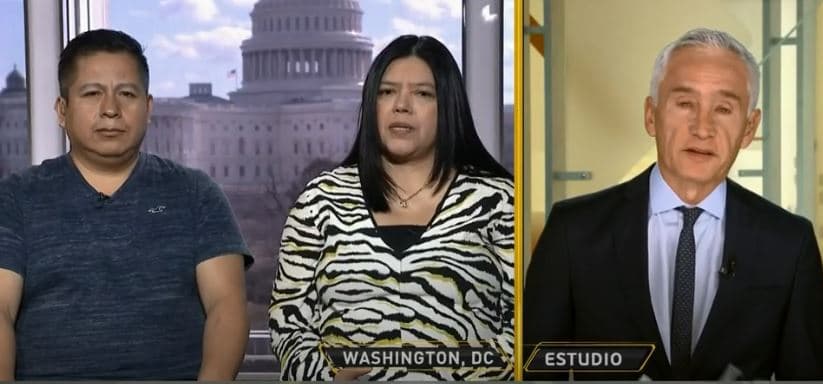
The firing of undocumented workers at Trump's golf clubs just shows how the practice of employing immigrants without legal work papers is much more common than we might imagine. Such is life in the United States.
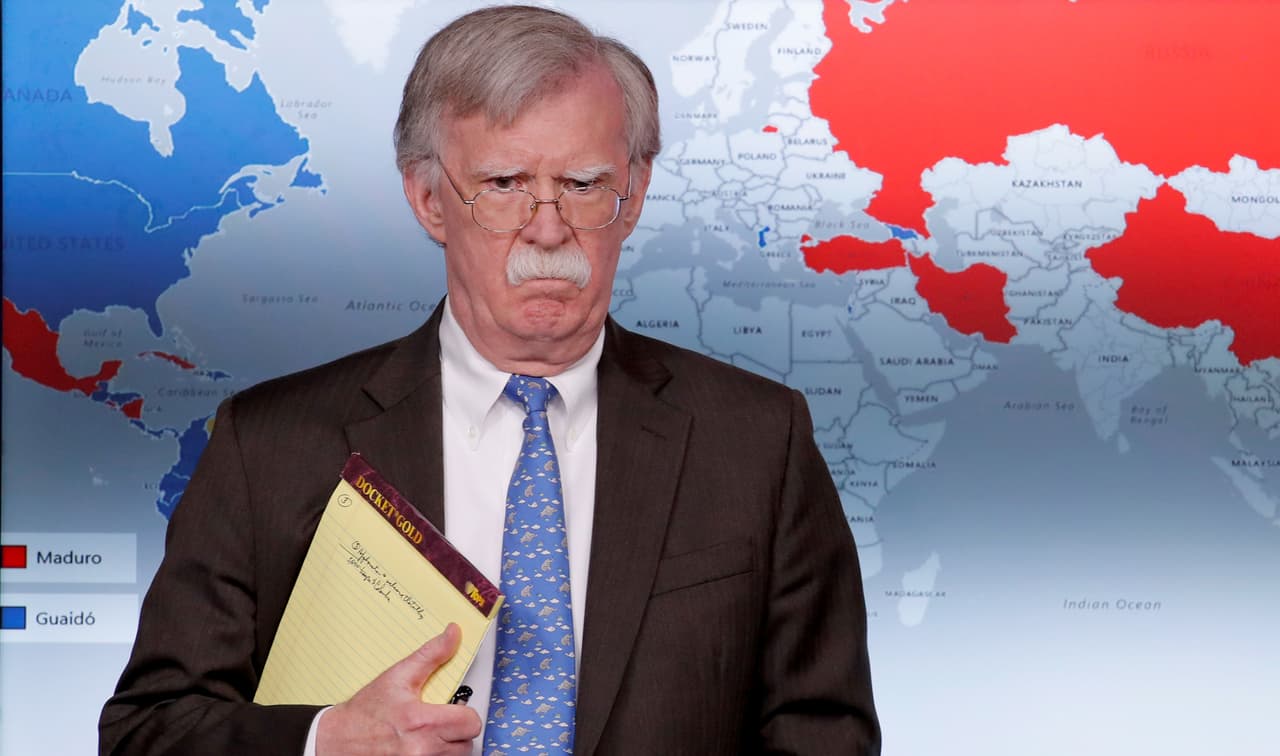
The Trump administration should be wary of fueling fake news predictions about an imminent American invasion which unrealistically raises expectations about Maduro's removal.
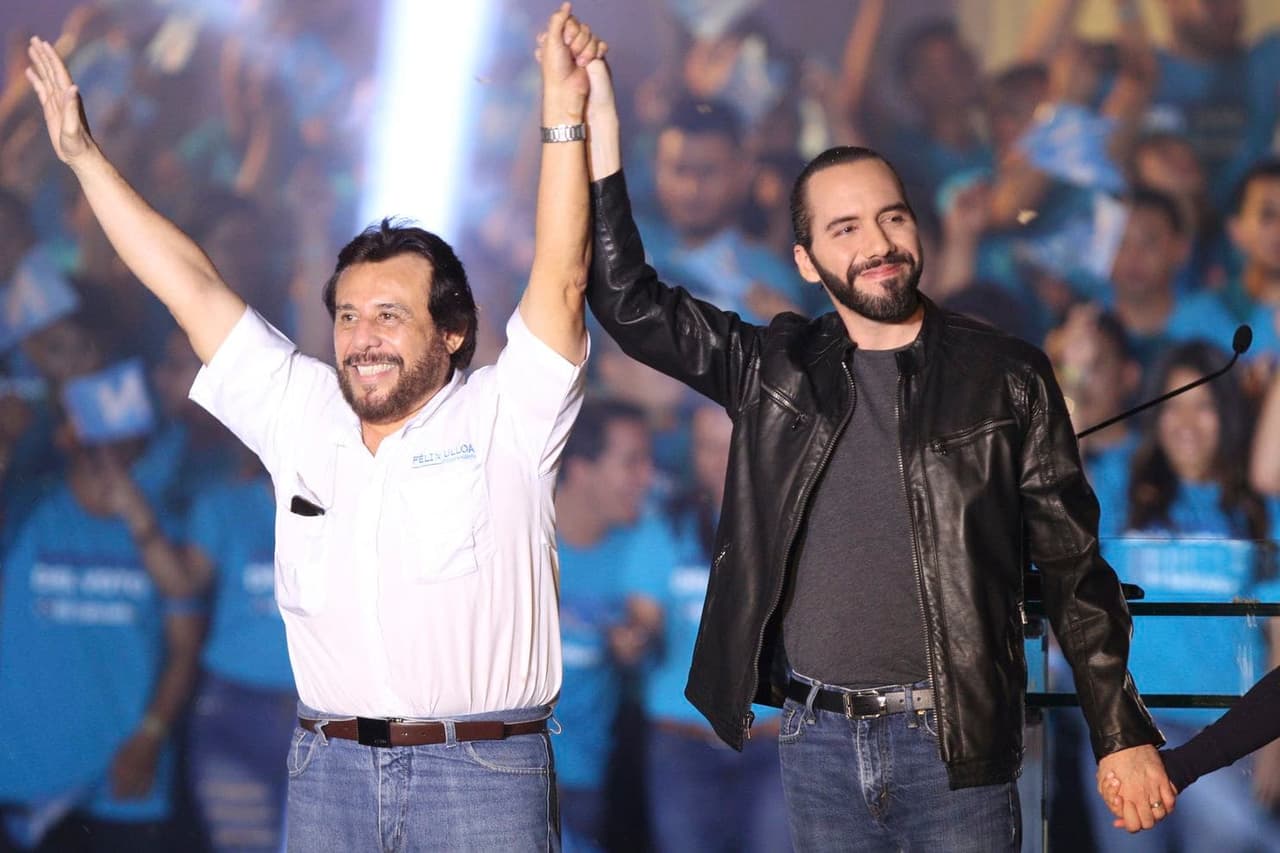

At some point we will have to accept the fact that the border between Mexico and the United States is nothing more than an invention.

The United States has had a major role in the evolving drama of the fight for democracy in Venezuela and Nicaragua. And so far, it’s been surprisingly coordinated, a veritable model of multilateralism.
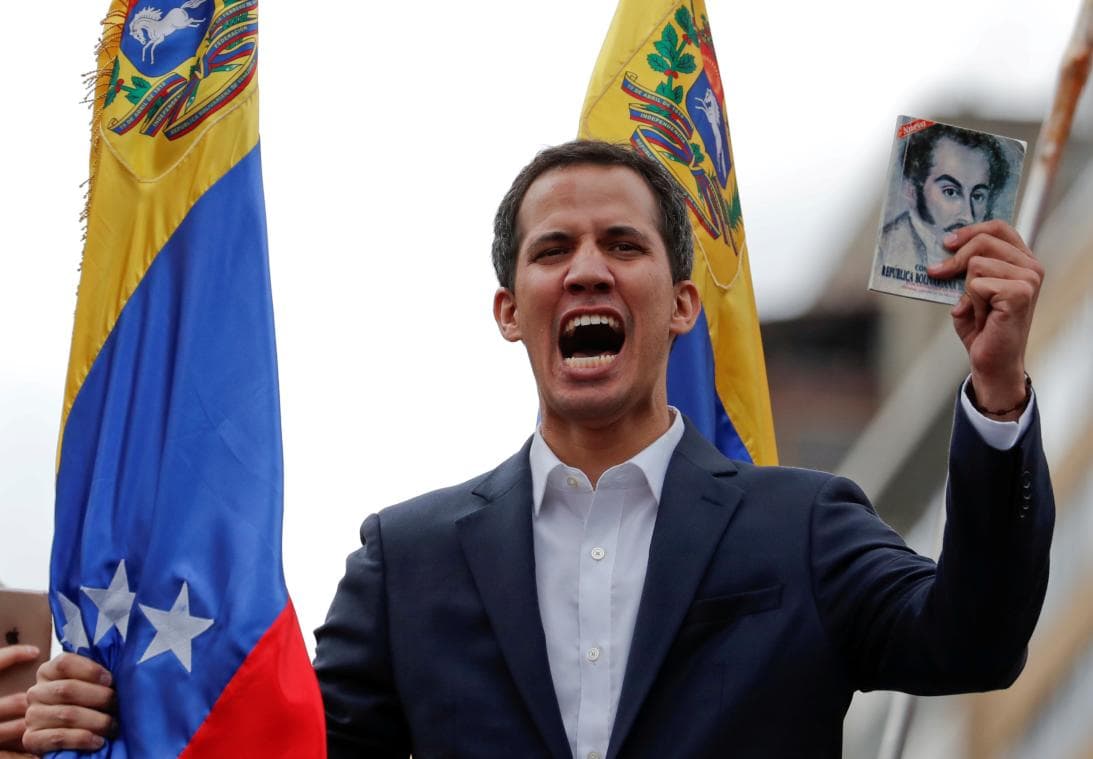
Has the Maduro regime reached breaking point? It remains hard to say, but tomorrow is another - more hopeful - day for the restoration of democracy in the South American nation.
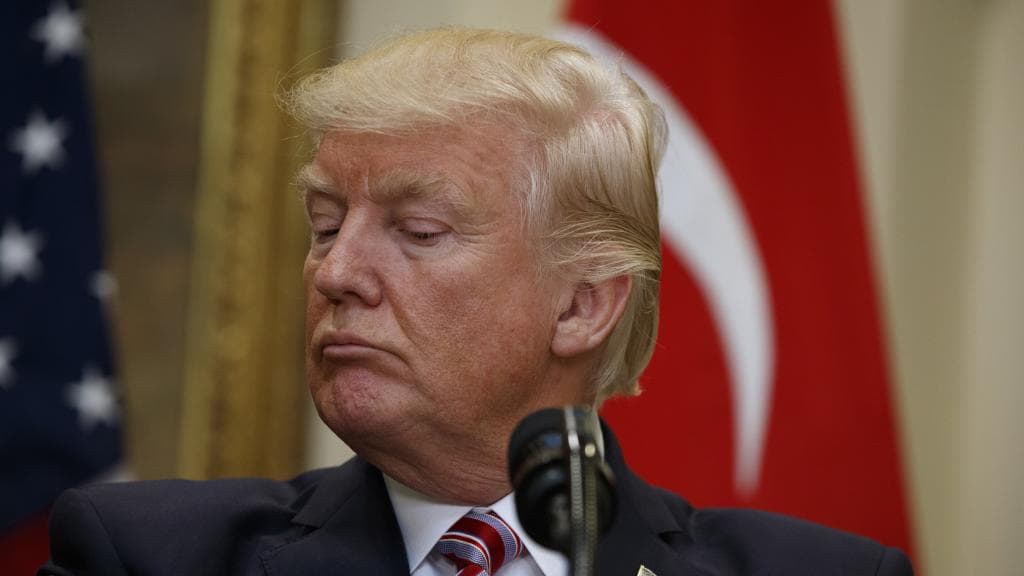
It’s impossible to get into Trump’s head but what comes out of his mouth are racist remarks. But, saddest of all are the millions who tolerate his views, cheer him on and emulate his behavior.

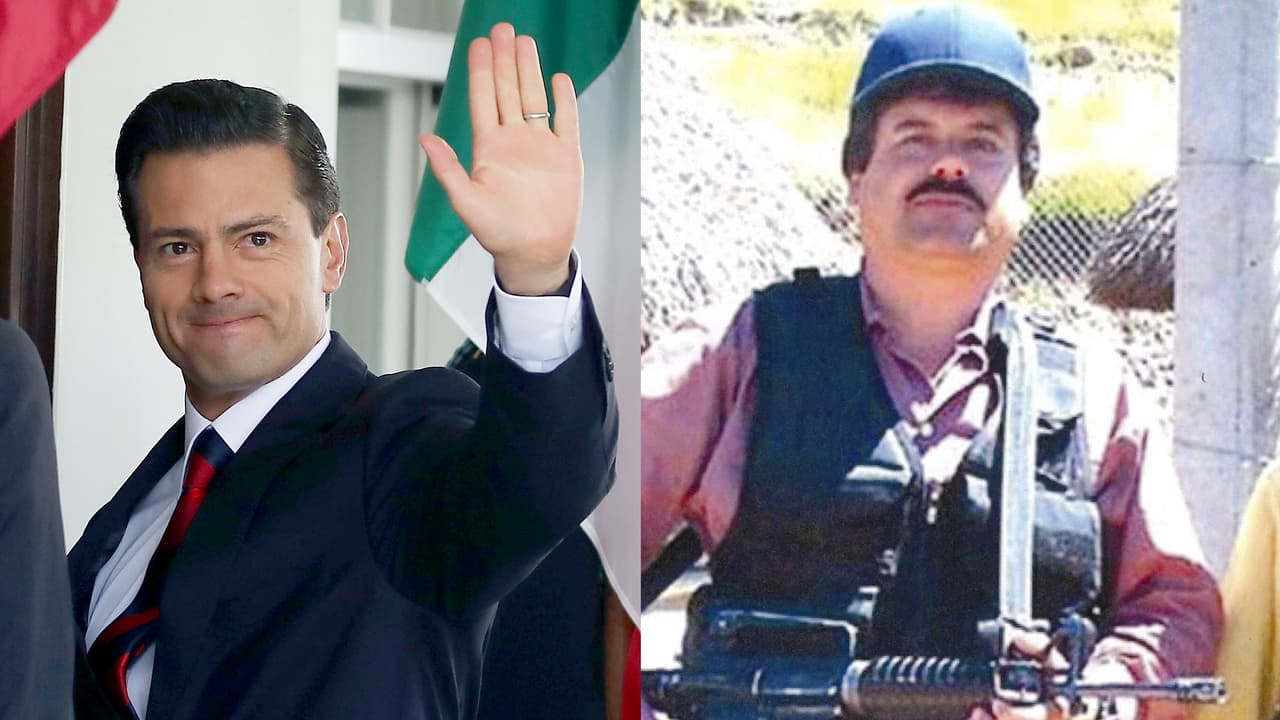
The time is well past due for the U.S. government to conduct a thorough review of leaders and their senior colleagues before they leave office to determine if they merit visas.
White voter resentment put Trump in the White House. And everything points to the president continuing to feed that rancor -especially considering the media onslaught and the recent unfavorable polls - in the weeks and months to come, as we have now witnessed in the aftermath of the deplorable events in Charlottsville, through policies that seek to capitalize on uncertainty, socio-economic dislocation and irrational demographic fear of a more diverse United States.
Trump will thus be able to pander to the racial and class anxiety of his hard-won base. If there is a consistent thread in the public life of the now 45 th President of the United States it is his empathy with white chauvinism. That explains, for example, his obsession with the subject of Barack Obama's alleged false birth certificate, which also gave him the kind of legitimacy that no other Republican candidate obtained with that sector of the electorate during the GOP primary.
One of the main policy drivers of Trump and his advisers in the West Wing of the White House, particularly Steve Bannon and Stephen Miller, is an effort to channel the socioeconomic and demographic resentment of the white uneducated electorate to torpedo a multi-ethnic, plural and diverse country.
But this also has a political and electoral purpose. The foundational paradigm of U.S. immigration policy so far has been family reunification. And that, precisely, is the premise that terrifies broad sectors of the extreme right. They know that family reunification tends, to a large extent, to fuel the Democratic vote, as has already happened in states that until a decade ago were solidly Republican, such as Nevada, North Carolina or Colorado, or as could eventually occur in Texas. They are not wholly mistaken; the number of new, eligible Hispanic voters went from 3.3 million in 2000 to about 6.6 million additional new voters by 2016.
Everyone, including many in the GOP, knows what will happen in Texas, perhaps in the course of the next decade, if by pure demographics it turns into a purple or swing state. That would be "game, set, match" for Republican aspirations in the Electoral College.
Hard data and economic reality, as is usually the case, run counter to the tenets of the so-called immigration "restrictionists." Based on current numbers, authorized immigration in the United States today is 30 percent below its historical average, and look at what has happened with the current zero net migration rate of Mexicans in the United States. All economic analysis suggests that migration not only does not depress wages or take jobs from Americans, but rather detonates economic growth.
This is where there is an opportunity, not only to level the score against xenophobia, but for the United States, Mexico and the welfare of millions of its countrymen in the United States.
One of the issues that went relatively unnoticed in the recent meeting held by the Mexican and U.S. presidents at the G20 summit in Hamburg in July was a brief mention of the possibility of exploring an agreement for temporary workers.
In 2016 a diverse and plural group of Mexicans and Americans produced a report at the Center for Global Development, co-chaired by former President Ernesto Zedillo of Mexico and former U.S. Secretary of Commerce Carlos Gutiérrez. The purpose of the task force convened by that think tank in Washington was to design a blueprint for circular labor mobility between Mexico and the United States.
For a decade now, since the debate over comprehensive immigration reform garnered traction –and opposition- in the United States -as a result of the bipartisan bill introduced in 2006 by Senators Edward Kennedy and John McCain- temporary worker programs, along with the legal regularization of the close to 12 million undocumented immigrants in the United States, have become the two essential pillars for resolving a broken and dysfunctional U.S. immigration policy.
Since then, achieving a political agreement that links together labor mobility - via a temporary workers mechanism - with the regularization of the status of the millions who now live fearfully in the shadows across the United States, became the means to guarantee a political and ideological quid pro quo in U.S. immigration policy. The Republican Party, driven primarily by the agricultural sector that requires a new agreement for temporary workers, reluctantly committed itself to supporting a path that would lead to the legalization of the immigration status of 12 million people.
In return, the Democratic Party, based primarily on the interests of unions seeking to legalize a potential universe of millions of new unionized workers, would jettison its long-standing opposition to a temporary workers program. That big bargain almost succeeded in delivering the goods, first in 2007 with Kennedy/McCain bill -which was torpedoed in the Senate after Memorial Day recess that year, primarily by Senator and now Attorney General Jeff Sessions (Stephen Miller, now at the White House, would join Session’s staff in 2009) - and then six years later when the Senate bipartisan bill tabled by the so-called Gang of Eight (Republicans McCain, Graham, Rubio and Flake and Democrats Durbin, Menendez, Bennet and Schumer) was approved by the Senate and was then later blocked by the Republicans in the House of Representatives in the early part of 2014.
A crisis should never go to waste, not least the one that now looms in the United States, threatening to tear asunder the social, political and ideological fabric of the nation, with unforeseeable consequences. At a time when the White House is trying to put a dam on future flows of both skilled and unskilled migration, sectors of the U.S. economy - especially agriculture and services - are beginning to experience a severe shortage of labor.
If Mexico and divergent sectors of the right and left in the United States manage to articulate, in parallel with the renegotiation of NAFTA, a proposal that safeguards labor rights and labor standards on both sides of the border, this could not only radically transform the prospects for millions of day laborers and Mexican undocumented workers in the United States. It would also create a new paradigm for legal, safe, orderly, and well-regulated circular labor mobility -of women and men going back and forth with papers, matching willing employees with willing employers- in the North American market, that enhances the prosperity and well-being of both Mexico and the United States.
( Arturo Sarukhan is a consultant and former Mexican ambassador to the United States.)
Relacionados: