I can’t help it. Every time I hear Donald Trump speaking, Hugo Chavez comes to mind. They look nothing alike, of course, but they share a startling number of traits.
I see Trump, but I hear Chavez
"Both Chavez and Trump are mind readers ... They understand people’s woes, choose an enemy, divide the country, then present themselves as the only saviors."
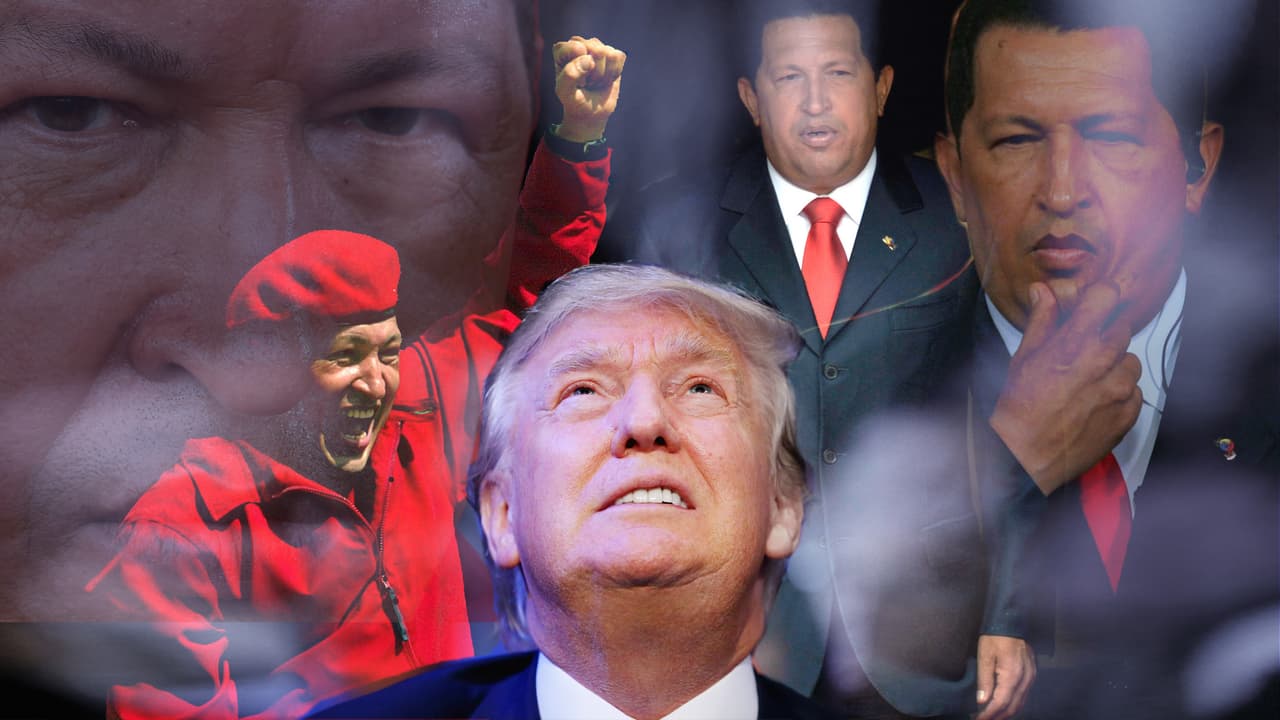
Donald Trump and Hugo Chávez have a lot in common, writes Jorge Ramos.
Imagen Getty Images / Collage by David Maris
I’m hardly the first to point out the similarities between the Republican presidential candidate and the late Venezuelan strongman. Just Google “Chavez and Trump” to see a long list of articles and discussions about demagoguery, populism and authoritarianism in the early 21st century. As someone who has been attacked by both Chavez and Trump, let me tell you how they are alike.
Everything is about them. The word “I” is heard nonstop in their speeches. Also, Chavez tended to refer to himself in the third person; Trump has done the same in his speeches. This egocentricity is a sign of arrogance, if not megalomania.
After Chavez was elected president, he consolidated his power, just as Trump would do. Men like Chavez and Trump want neither criticism nor competition. They’re their own best advisers, and they’re always the focus of attention. Their will transcends any law or tradition.
They both hate the press. They get upset if anybody challenges them, and if confronted, they insult and attack. For instance, back in 2000, I was interviewing Chavez in Venezuela. At one point, I wanted to clarify something, and his only response was: “You’re repeating trash.” Trump did something similar at a 2015 news conference in Iowa, although instead of answering my questions, he had a bodyguard throw me out.
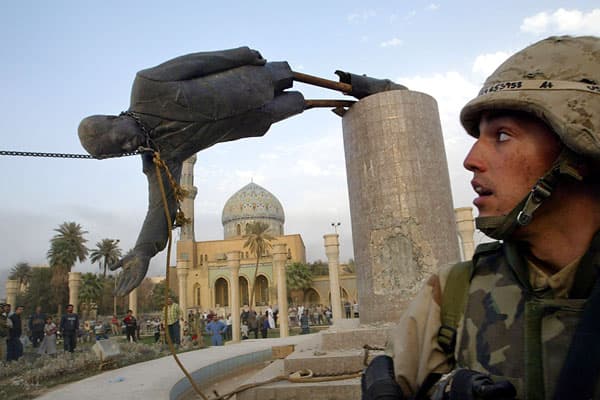
Despite a near universal desire for an end to Venezuela’s manmade disaster, sending in U.S forces to take out the Maduro regime would be counter-productive. It should be categorically rejected by interim president Juan Guaidó, not to mention the Trump administration.
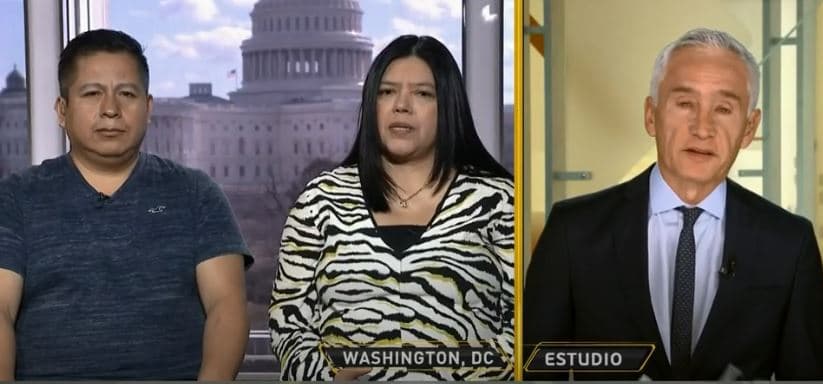
The firing of undocumented workers at Trump's golf clubs just shows how the practice of employing immigrants without legal work papers is much more common than we might imagine. Such is life in the United States.
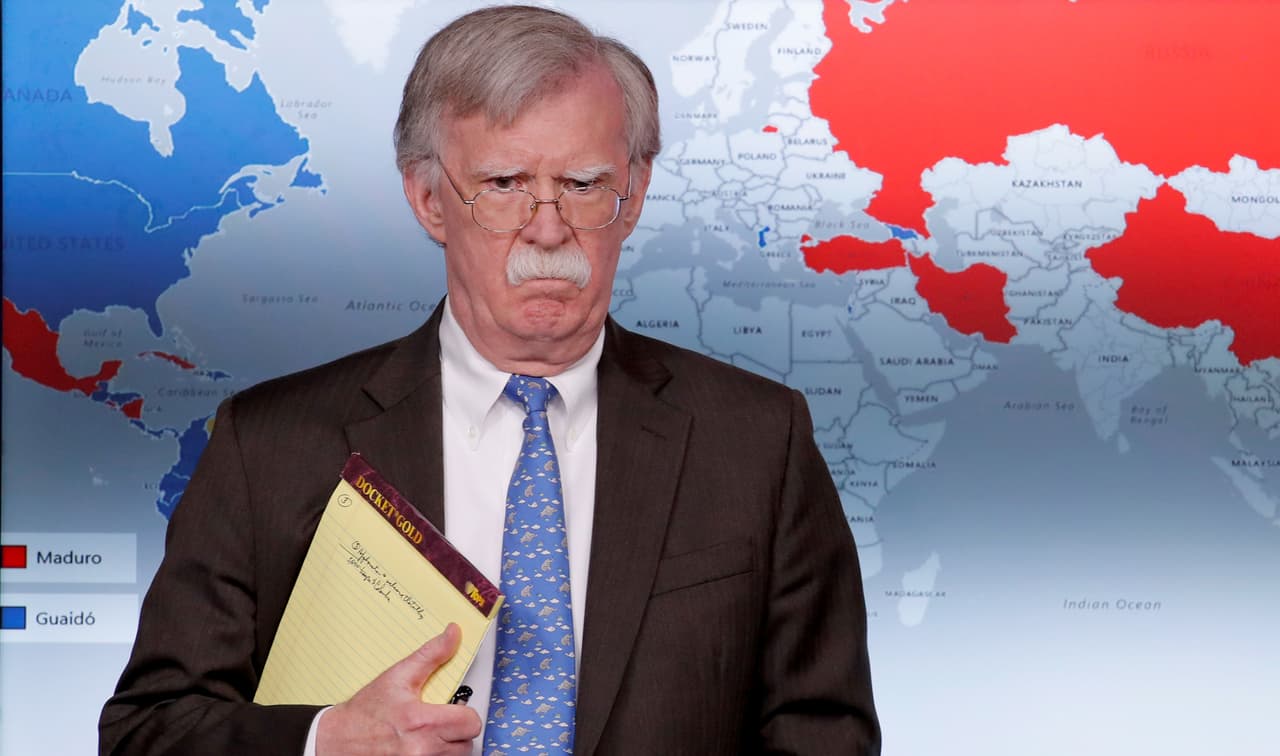
The Trump administration should be wary of fueling fake news predictions about an imminent American invasion which unrealistically raises expectations about Maduro's removal.
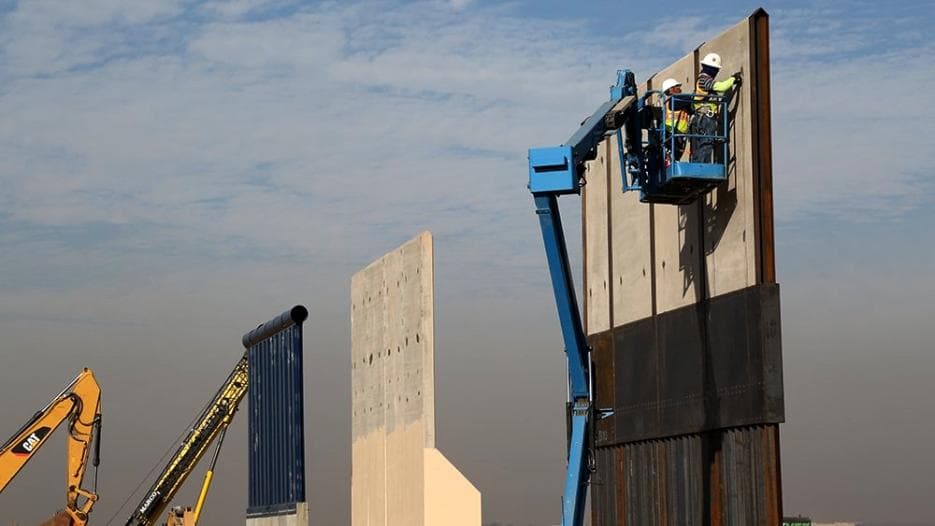
At some point we will have to accept the fact that the border between Mexico and the United States is nothing more than an invention.

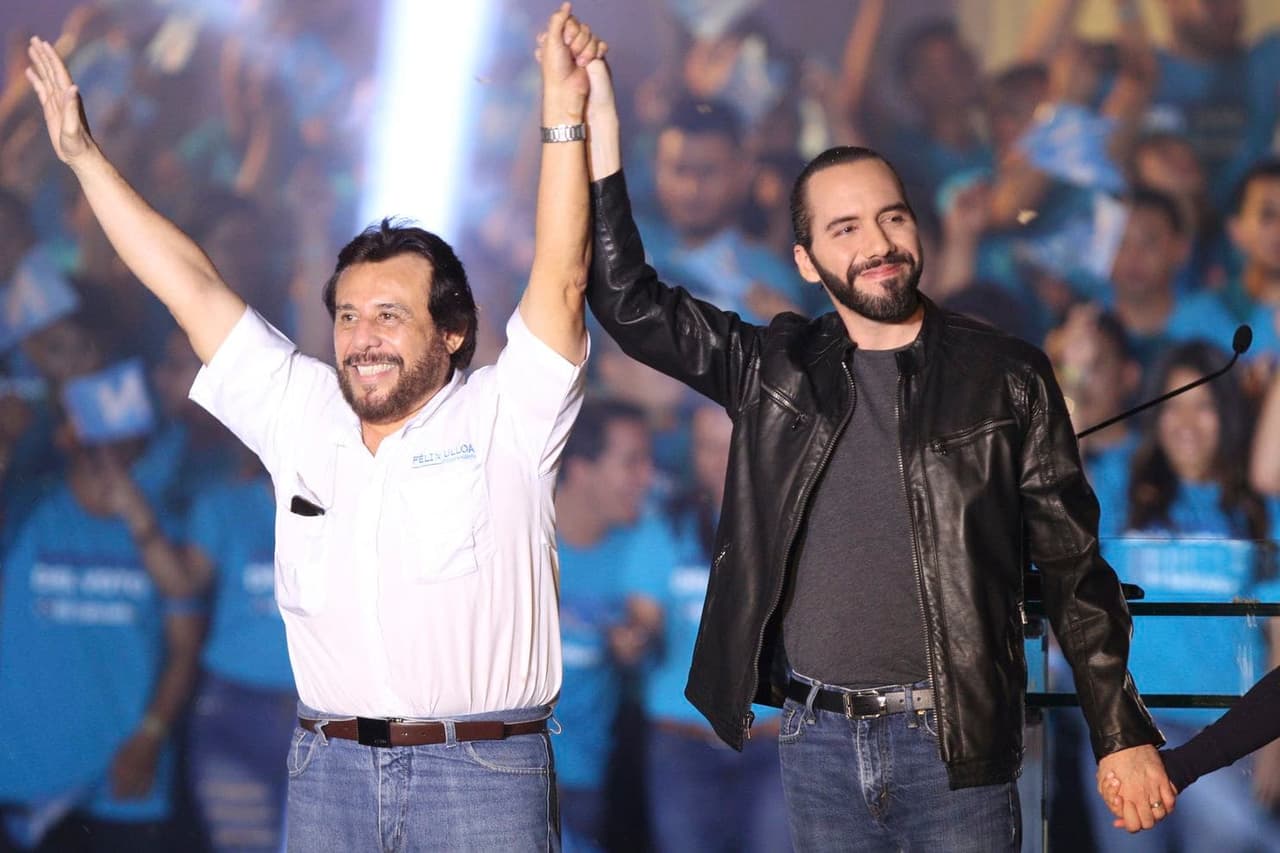
The United States has had a major role in the evolving drama of the fight for democracy in Venezuela and Nicaragua. And so far, it’s been surprisingly coordinated, a veritable model of multilateralism.
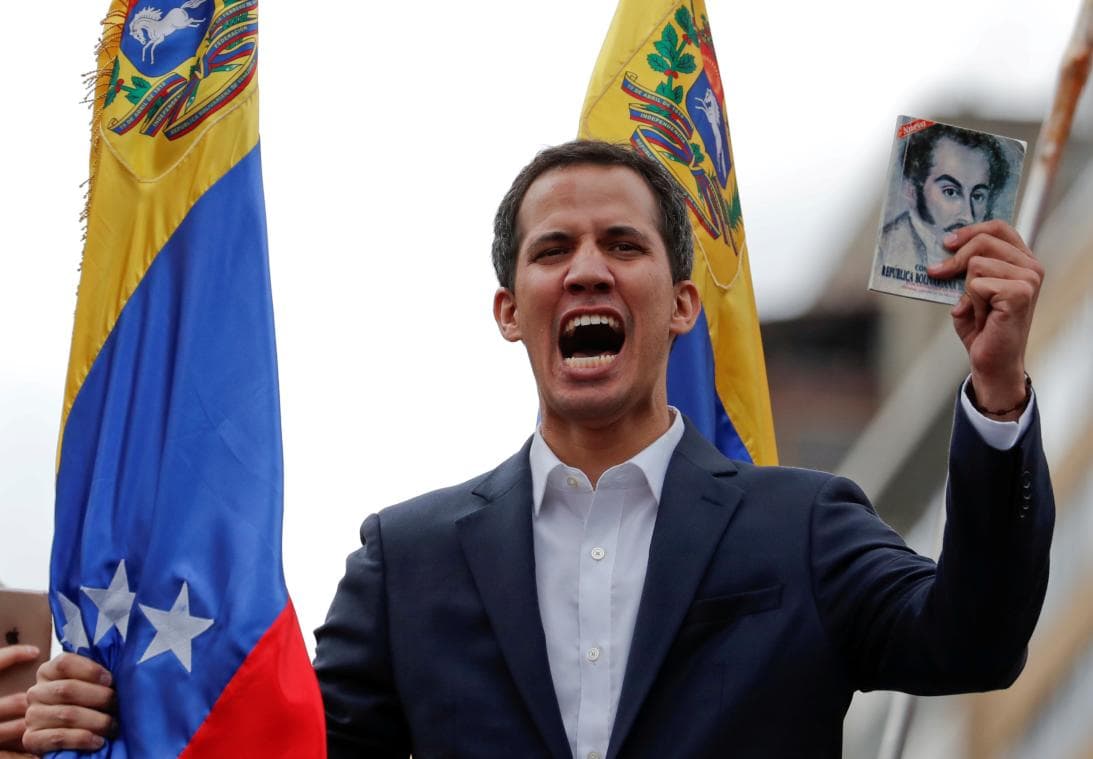
Has the Maduro regime reached breaking point? It remains hard to say, but tomorrow is another - more hopeful - day for the restoration of democracy in the South American nation.
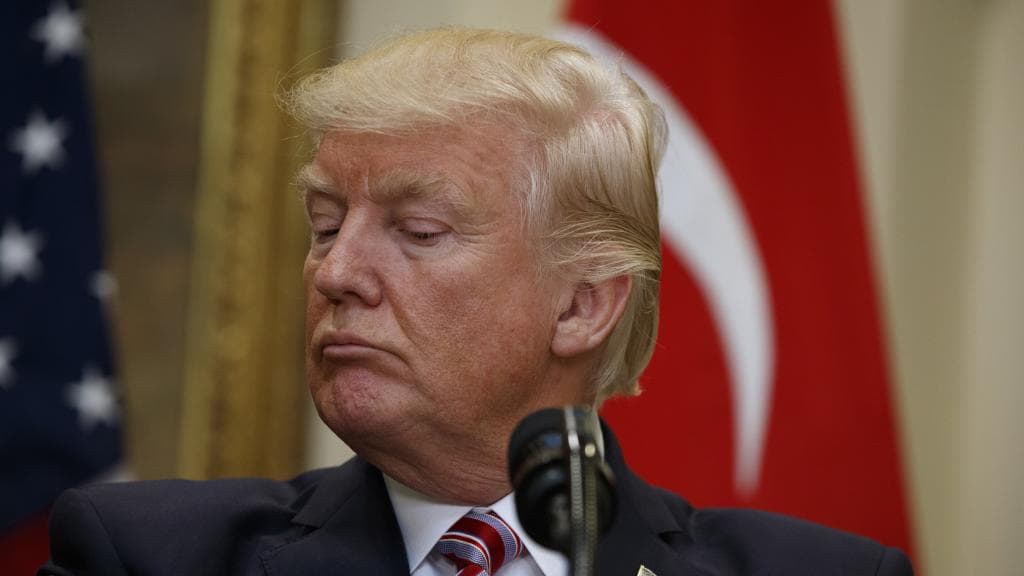
It’s impossible to get into Trump’s head but what comes out of his mouth are racist remarks. But, saddest of all are the millions who tolerate his views, cheer him on and emulate his behavior.
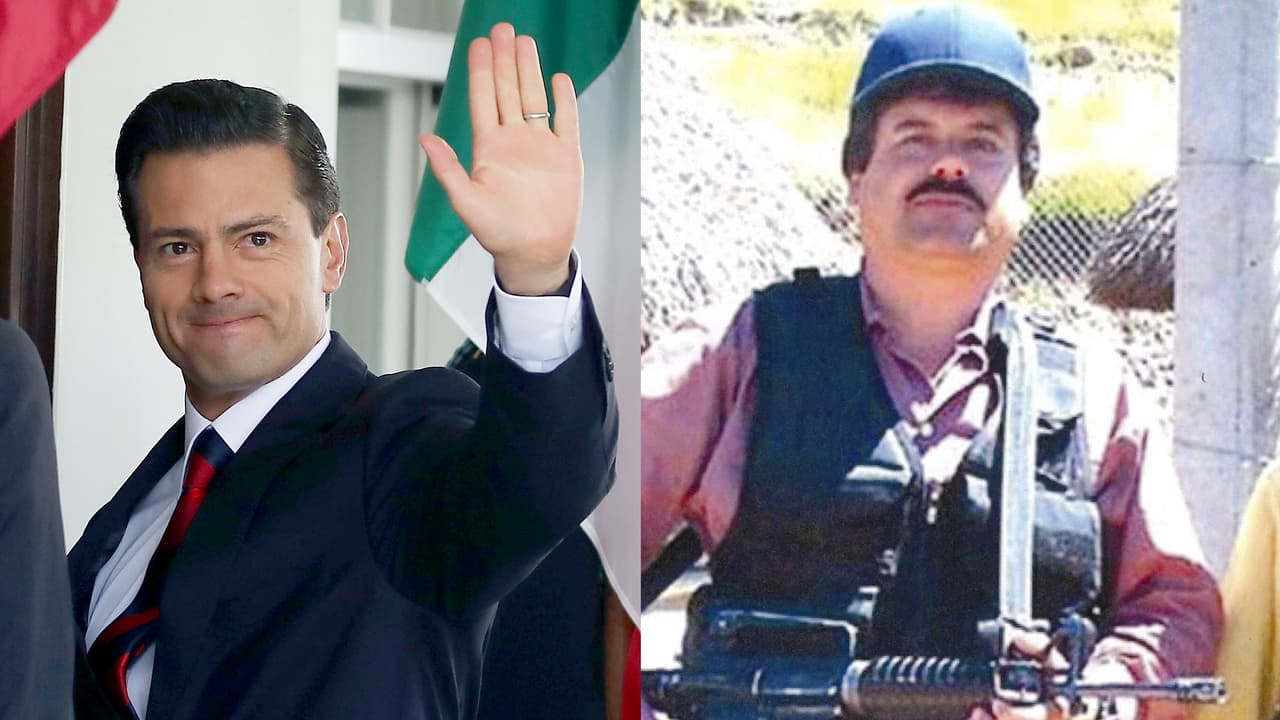
The time is well past due for the U.S. government to conduct a thorough review of leaders and their senior colleagues before they leave office to determine if they merit visas.
Trump, like Chavez, eventually learned how to circumvent the press. Why give news conferences — where journalists can ask embarrassing questions — if you can capture a broader audience with televised speeches? These days, American television networks give Trump an inordinate amount of airtime — while networks in Venezuela had no choice but to broadcast Chavez’s speeches during his tenure.
Also, I never saw Chavez use a teleprompter — he would go on television and improvise for hours. Trump distrusts the teleprompter unless he wants to sound like someone he’s not — though he has the same “Chavista” ability to speak off the cuff and tell people what they want to hear.
Indeed, both Chavez and Trump are mind readers. That’s their political gift. They understand people’s woes, choose an enemy, divide the country, then present themselves as the only saviors. And they practice magical thinking. They believe that things will happen just because they want them to, and they demand blind faith in their promises.
Their self-esteem is huge. They use their personal histories — Chavez’s rise from poverty, Trump’s supposed Midas touch — to shore up their electoral narratives, as if they’re saying, “I can transform the country just as I transformed myself.”
Both men are the center of the election cycle. Other candidates tend to vanish, and the election becomes a referendum on their persona. Trump: Yes or no? Chavez: Yes or no?
They’re both utterly unprincipled. Chavez blatantly lied to gain power in 1998. And he told me that he would likely hand over the presidency in five years and wouldn’t change laws to take control of any private companies or news organizations. But he eventually trashed many laws and stayed in power for 13 years until he died.
Trump is also famously a liar. The New York Times recently detailed 31 of Trump’s most common falsehoods, and Politico identified 87 instances in which the candidate exaggerated or said something untrue within a period of five days. (A tally of Trump’s lies can be seen here.)
Basically, Trump and Chavez are typical caudillos — strongmen who lean authoritarian. Unfortunately, we’ve seen too many of those in Latin America. Due to Venezuela’s weak democratic system, Chavez abused his power and became what amounted to a dictator. No nation would now envy Venezuela’s fate.
Of course, if elected, Trump wouldn’t be able to take control of the military, the Supreme Court, Congress and the media like Chavez did in Venezuela, so in that way they differ.
However, what’s so disquieting is that a candidate like Trump could rise so fast in a 240-year-old democracy. So yes, when I see Trump, my heart skips a beat because I keep hearing Chavez.
Jorge Ramos, an Emmy Award-winning journalist, is a news anchor on Univision and the host of “America With Jorge Ramos” on Fusion. Originally from Mexico and now based in Florida, Ramos is the author of several best-selling books. His latest is “Take a Stand: Lessons From Rebels.”
Relacionados: