
By: Sylvia M. Burwell, Secretary of the U.S. Department of Health and Human Services & Dr. Jaime Rivera Dueño, Chairman of Board of the Puerto Rico Hospital Association (*)
Fighting the Zika Virus in Puerto Rico
“In the face of threats like these, we see the best in our communities. We see strength, resilience, and an overwhelming commitment to look out for one another.”

Sylvia M. Burwell, Secretary of theDepartment of Health and Human Services
Imagen U.S. Department of Health and Human Services
This year, the people of Puerto Rico, along with other U.S. territories and much of the Americas, are fighting a new threat—the Zika virus.
Zika is carried by the same mosquitoes that transmit dengue and chikungunya, so the enemy isn’t new, but we are just beginning to understand this outbreak and what the Zika virus does.
It will impact our communities in a different way than outbreaks of the past. Many people have shown no symptoms, or only mild ones. But after careful review of existing evidence, we know that Zika is a cause of serious birth defects, such as microcephaly – when a child is born with a smaller brain, which can lead to severe problems with hearing, vision and impaired development.
That’s why we are particularly focused on reducing the risk of Zika virus in pregnant women and women of childbearing age.
The Obama Administration and doctors throughout Puerto Rico take the spread of Zika seriously, and we’re doing everything we can to help prevent it.
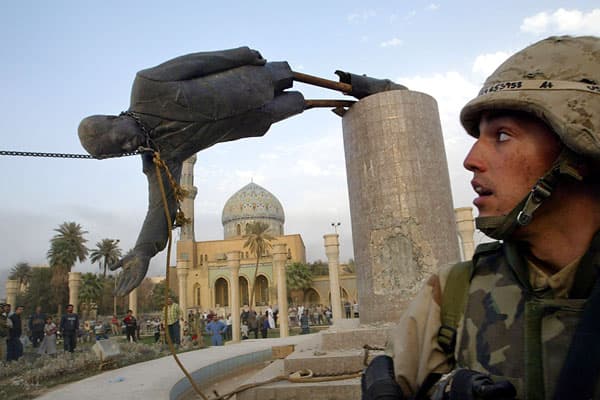
Despite a near universal desire for an end to Venezuela’s manmade disaster, sending in U.S forces to take out the Maduro regime would be counter-productive. It should be categorically rejected by interim president Juan Guaidó, not to mention the Trump administration.
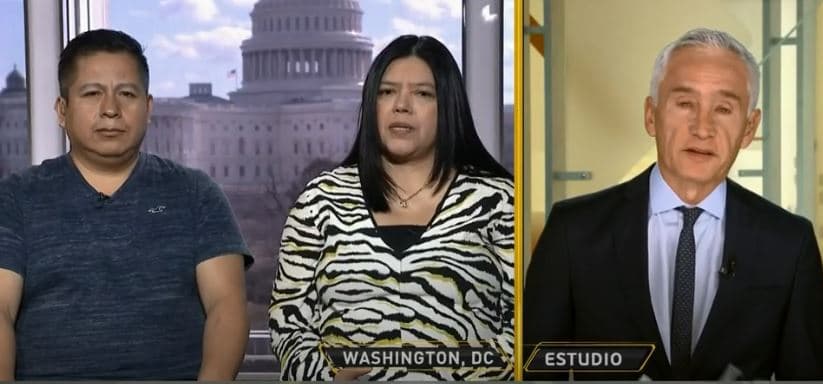
The firing of undocumented workers at Trump's golf clubs just shows how the practice of employing immigrants without legal work papers is much more common than we might imagine. Such is life in the United States.
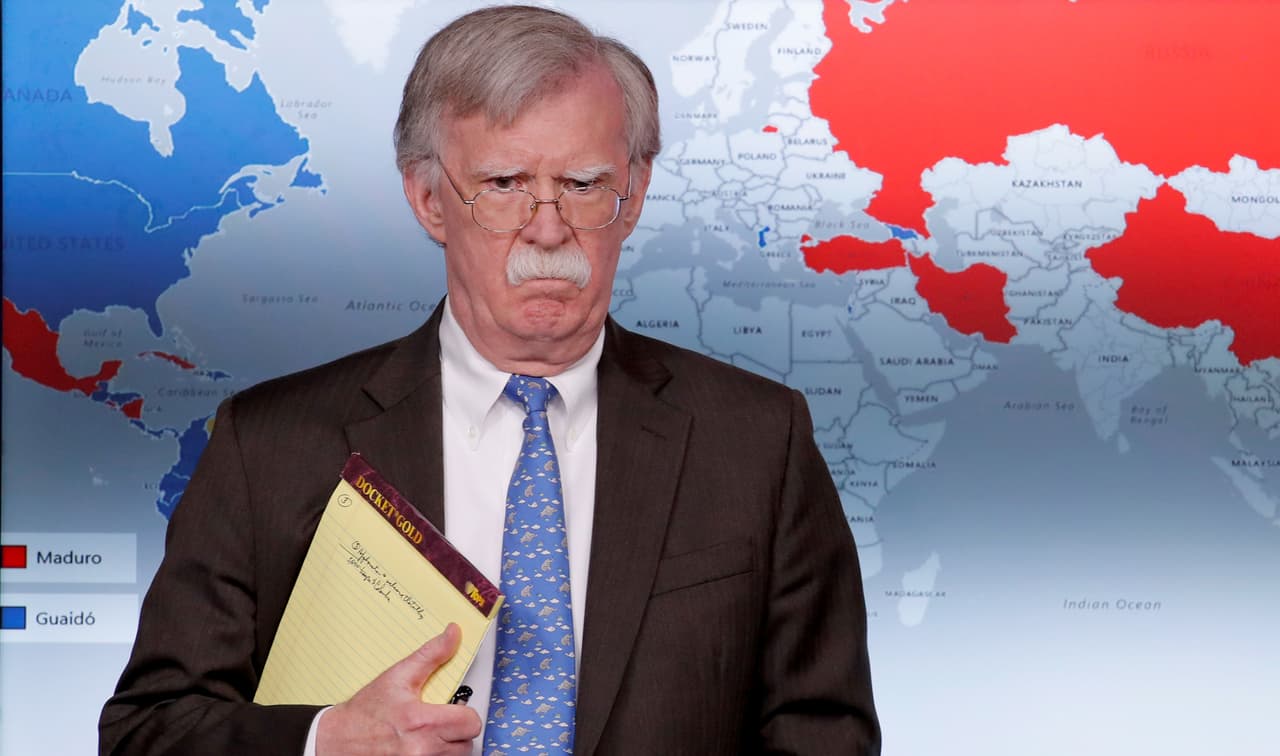
The Trump administration should be wary of fueling fake news predictions about an imminent American invasion which unrealistically raises expectations about Maduro's removal.
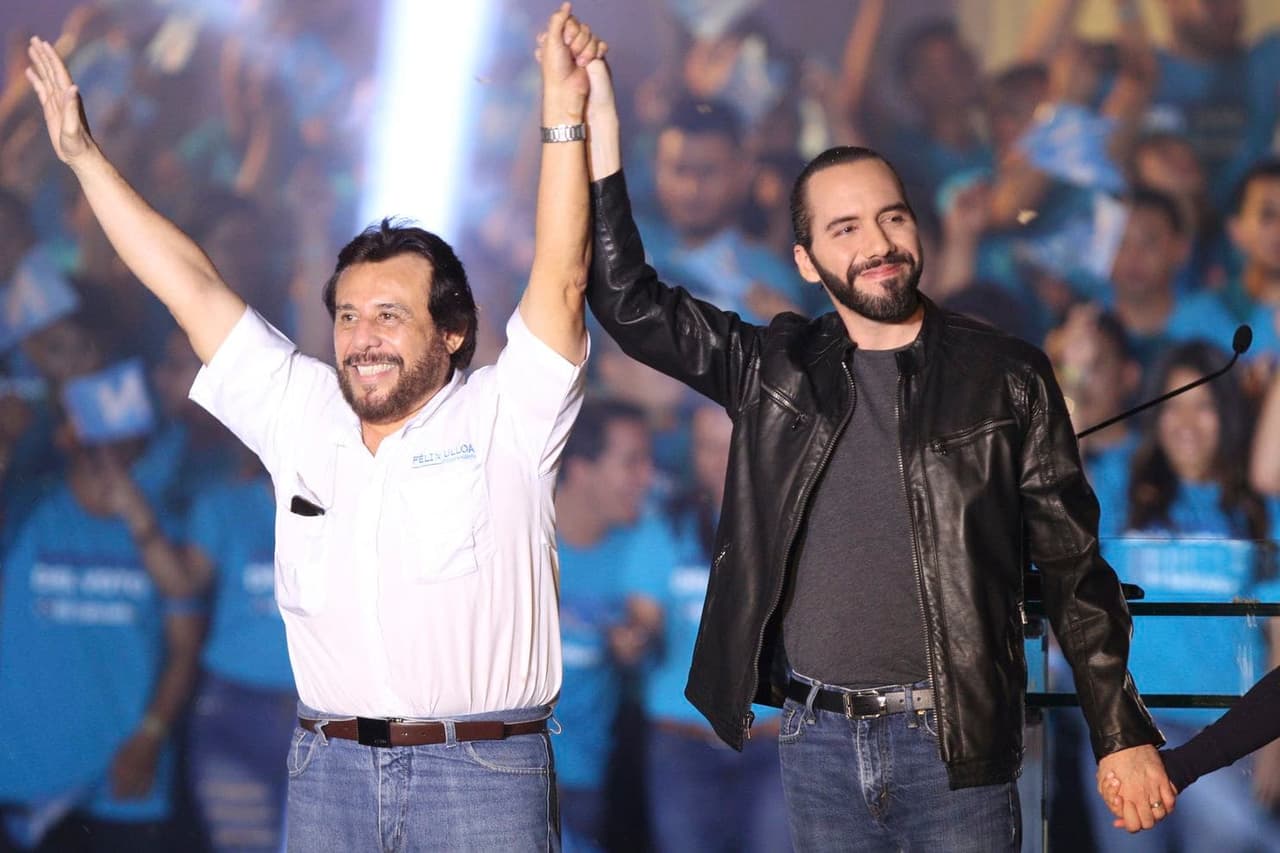
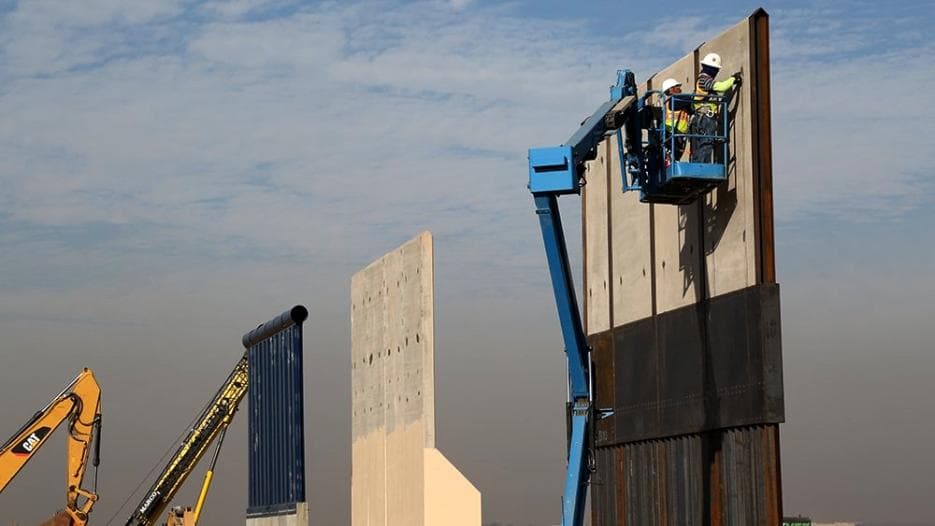
At some point we will have to accept the fact that the border between Mexico and the United States is nothing more than an invention.

The United States has had a major role in the evolving drama of the fight for democracy in Venezuela and Nicaragua. And so far, it’s been surprisingly coordinated, a veritable model of multilateralism.
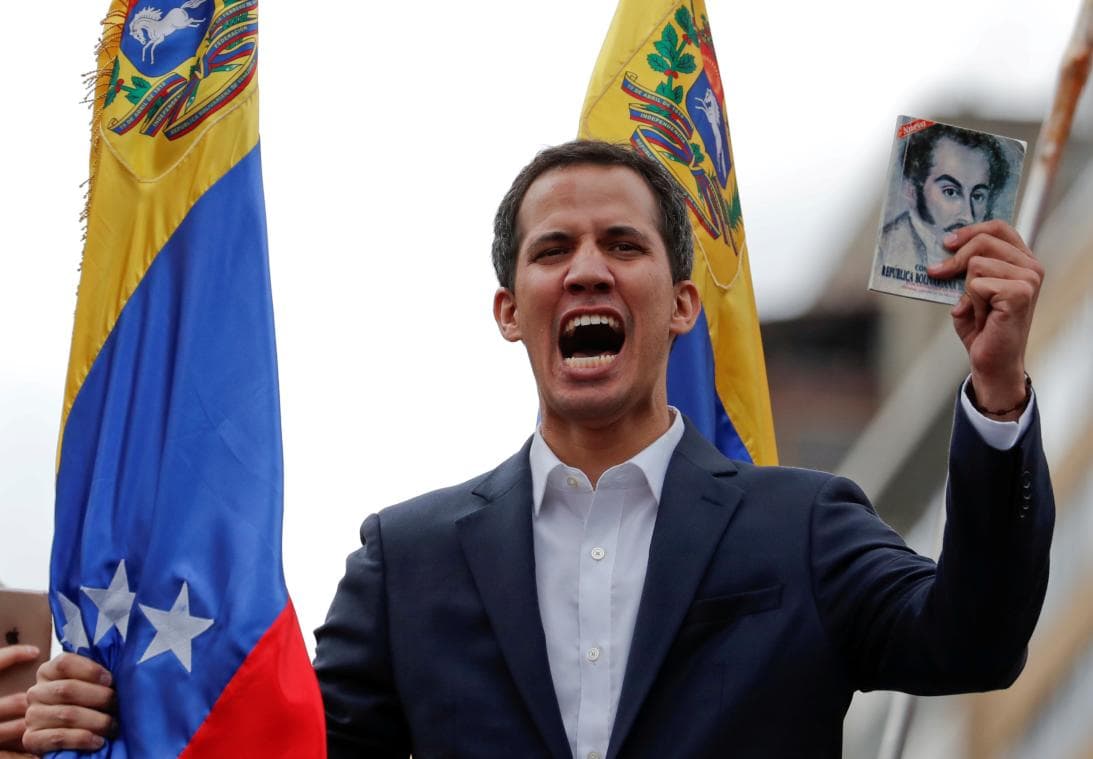
Has the Maduro regime reached breaking point? It remains hard to say, but tomorrow is another - more hopeful - day for the restoration of democracy in the South American nation.
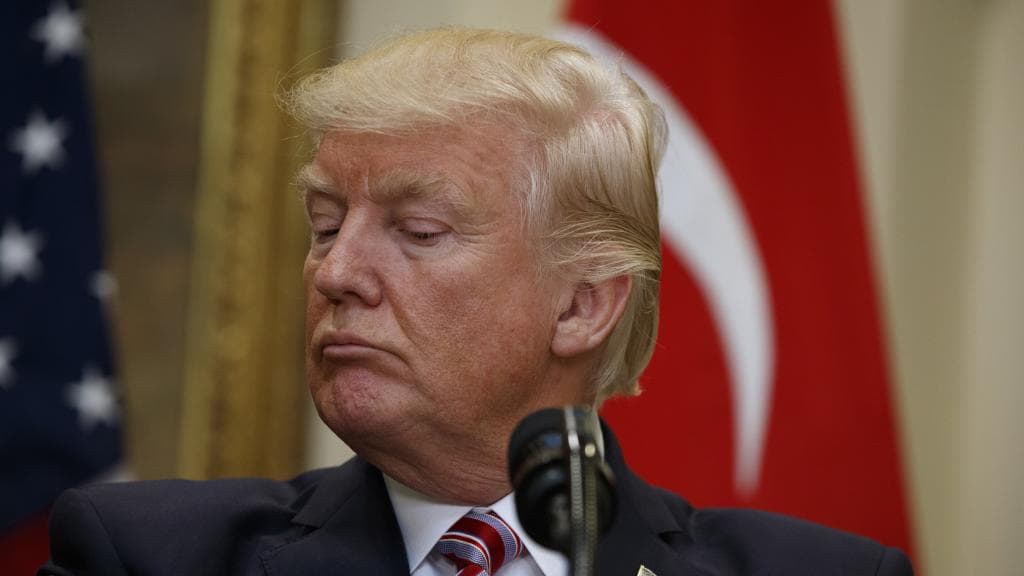
It’s impossible to get into Trump’s head but what comes out of his mouth are racist remarks. But, saddest of all are the millions who tolerate his views, cheer him on and emulate his behavior.
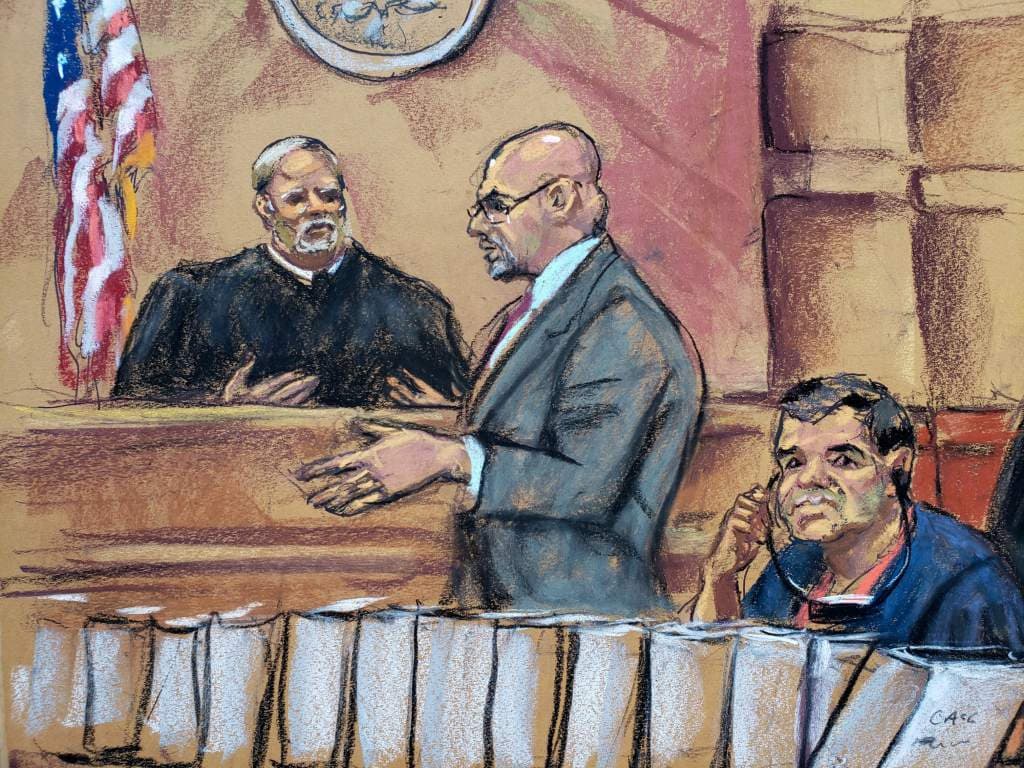
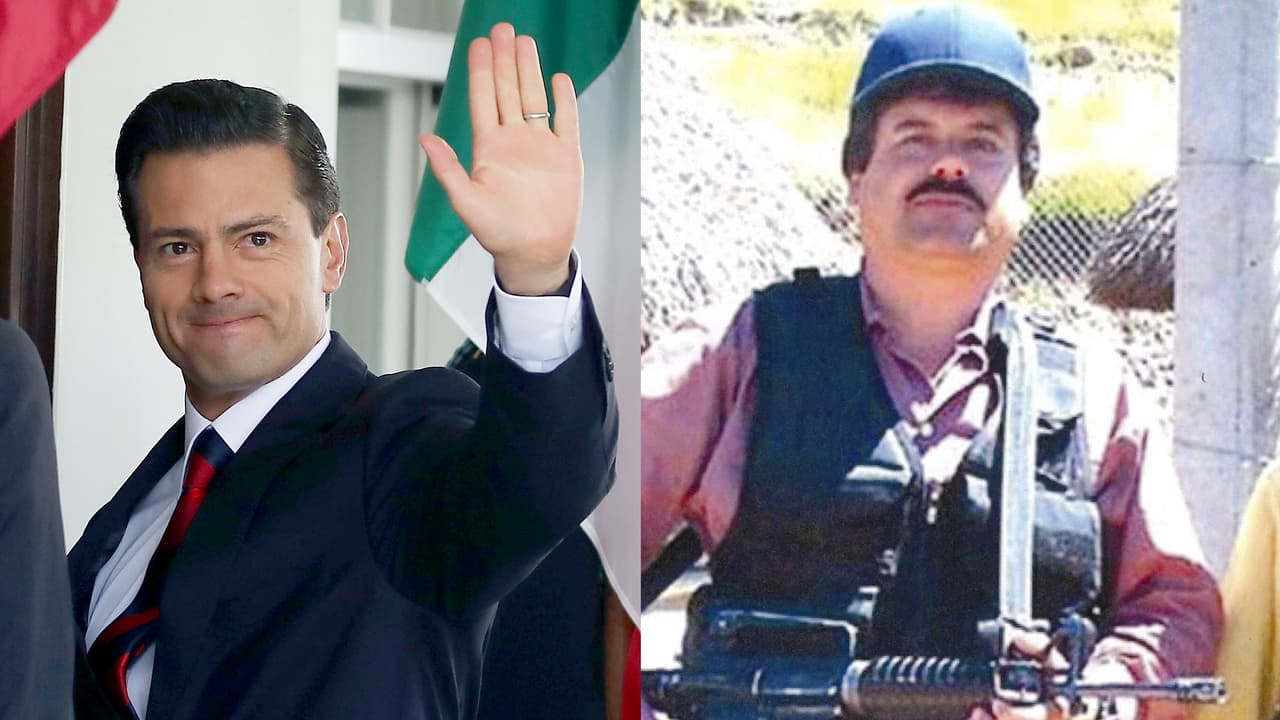
The time is well past due for the U.S. government to conduct a thorough review of leaders and their senior colleagues before they leave office to determine if they merit visas.
Mosquito control is not quick or easy, but there are effective ways to fight these mosquitoes, and we’ll need the help of people throughout Puerto Rico. Everyone can play a part in preventing the spread of this virus.
Start in your own home. Take time every week to look for any items that collect water, like flower pots, tires, toys or open cisterns. Empty them, scrub them, turn them over, or just throw them out.
Make sure that mosquitoes stay outside. Put screens on your windows and doors, and repair broken screens.
Make sure you and your family use proven mosquito repellants, wear long sleeve shirts and long pants and use clothing treated with an approved insecticide.
You can go on a search in your own neighborhoods for any standing water where mosquitoes can lay eggs. That could be an abandoned swimming pool or a pile of tires that has collected rainwater. Keep an eye out for any septic tanks or sewers that are not screened or protected. And if you find dangerous water, don’t go near it, but tell your local health authorities.
Finally, help us spread the word. You can help make our communities safer, just by talking to your friends and neighbors and educating them about the risks of Zika. Remember that it’s especially important to share information with women who are pregnant or might become so.
In Washington, and right here on the ground in Puerto Rico, the U.S. Department of Health and Human Services has been working to help local health officials fight Zika. President Obama has asked Congress for $1.9 billion to further support these efforts. We need Congress to act now.
At HHS, and in Puerto Rico, we’re looking for innovative new technologies to fight the spread of Zika. And we’re working closely with the Puerto Rican government and with residents on the island to find the best ways to fight this crisis.
That’s why, together, HHS and public health leaders in Puerto Rico have worked on mosquito control, access to effective contraception for those who wish to use it, and education and support for pregnant women about steps they can take to protect themselves from Zika. We’ve distributed nearly 13,000 Zika prevention kits to local clinics and physician offices. And we’ve begun targeted mosquito control at the homes of hundreds of pregnant women. HHS is also working with local blood banks to ensure the blood supply is Zika free.
To further strengthen our Zika response efforts, HHS is announcing today that 20 health centers throughout Puerto Rico will receive about $250,000 each. With nearly $5 million in one-time emergency funding to fight Zika, these health centers will be able to increase access to family planning services, expand their outreach and education efforts, and hire more staff.
Here in Puerto Rico, and around the world, the Zika virus is a serious and challenging health threat. But we know that in the face of threats like these, we see the best in our communities. We see strength, resilience, and an overwhelming commitment to look out for one another. And that shared commitment – from Washington to San Juan to every community on the island of Puerto Rico – will energize our efforts, reduce the risk of the Zika virus and safeguard the health of our communities.
(*) Sylvia M. Burwell is Secretary of the U.S. Department of Health and Human Services. Dr. Jaime Rivera Dueño is a pediatrician who serves as the President/CEO of HIMA San Pablo Hospital in Caguas, Puerto Rico. Chairman of The Board of the Puerto Rico Hospital Association.
Disclaimer: We selected this Op-Ed to be published in our opinion section as a contribution to public debate. The views and opinions expressed in this column are those of its author(s) and/or the organization(s) they represent and do not reflect the views or the editorial line of Univision Noticias.
Relacionados: