
It took 10 months, but the U.S. Senate on Thursday confirmed Roberta Jacobson, a high-ranking State Department official, as president Barack Obama's ambassador to Mexico.
Senate finally approves U.S. ambassador to Mexico
President Barack Obama’s long-blocked nominee to become ambassador to Mexico, Roberta Jacobson, was approved by the U.S. Senate on Thursday
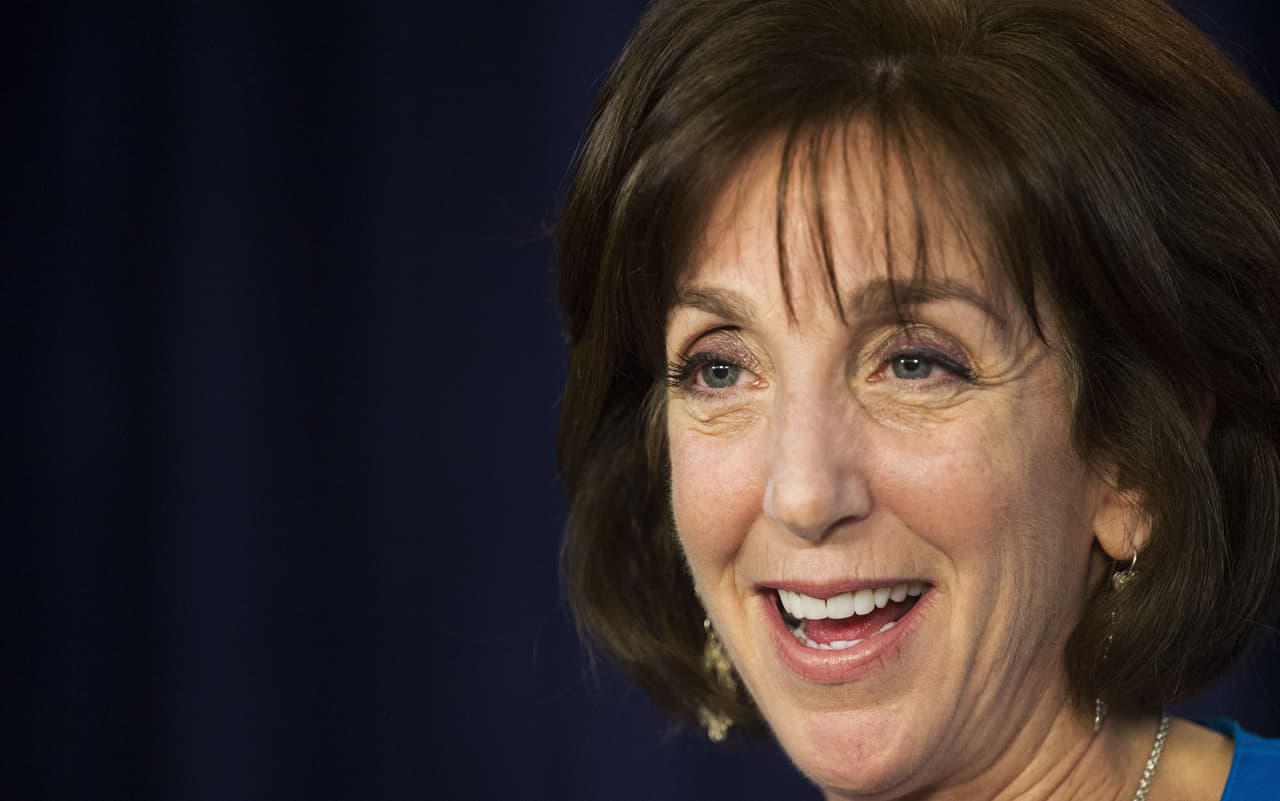
Obama nominó a Jacobson en junio pasado.
Imagen Paul J. Richard / Getty Images
Her nomination was stalled by Sen. Marco Rubio (R-Fla) largely because of her work on the White House efforts to normalize relations with Cuba which the Cuban American legislator strongly opposed.
The United States has been without an ambassador to Mexico since July.


Jacobson's nomination was backed by two senior Republican border state senators, John Cornyn of Texas, who is the second-ranking Republican, as well as Arizona's Jeff Flake, a longtime backer of normalizing relations with Cuba.
“On issues ranging from trade to migration to security and the border, the interests of the United States are served and Arizona benefits when our nation is well-represented in Mexico" he said after Jacobson's confirmation. "Though long overdue, I’m pleased that the Senate has confirmed an individual as qualified and capable as Roberta Jacobson to serve as U.S. ambassador to Mexico," he added.
A member of the Senate Foreign Relations Committee, Flake repeatedly insisted on the need to have an ambassador in Mexico, which is the United States’ third-largest trading partner. He took to the Senate floor on Tuesday and Wednesday seeking to secure a vote to confirm Jacobson’s nomination.
In a statement last November announcing his opposition to Jacobson, Rubio criticized Jacobson for her role in what he called the Obama administration’s "short-sighted and counter-productive” foreign policy, accusing her of not being forthcoming in requests for information and failing to prioritize human rights in Cuba and Venezuela.
In return for lifting his objections, Rubio won a three year extension of sanctions against Venezuela for human rights abuses which were due to expire in December under a law passed by Congress in late 2014.
The Venezuelan Defense of Human Rights and Civil Society Act imposed sanctions on Venezuelan government officials found to have violated the rights of opposition protestors during street demonstrations in 2014 that left 43 dead.
The law denied visas and froze assets of officials involved in handling the protests and blamed them the unrest on Venezuela's mismanagement of its economy.
Venezuelan President Nicolas Maduro has accused the opposition of plotting with Washington to overthrow his government.