Despite overfishing and pollution, scientists have identified some reefs as models of good health, even ones frequented by large human populations. Experts call them "bright spots," like this one in Kimbe Bay, New Britain, Papua New Guinea
Tane Sinclair-Taylor
PUBLICIDAD
2/10
An article in the journal Nature, by 39 scientists from 34 universities and ecological conservation groups around the world, revealed the results of a study of more than 6,000 reefs in 46 countries. The study found that some reefs fared better than expected despite the effects of tourism. This is a glass-bottom boat on Buccoo Tobago reef.
Mark Tupper
PUBLICIDAD
3/10
The number and type of fish found on a reef are an indicator of coral health. Scientists identified 15 places where there were many more fish than previously thought, and most surprising is that many of these sites were not "pristine" – they’d had human contact. This is the Kimbe Bay, New Britain, Papua New Guinea.
Tane Sinclair-Taylor
PUBLICIDAD
4/10
These places depend on local participation in environmental management, as well as deepwater shelters and good fishing and tourism practices. Here, a villager navigates the corals with a traditional Melanesian boat in his native island Mbuke, Papua New Guinea.
Tane Sinclair-Taylor
PUBLICIDAD
5/10
Local fishermen play a vital role in the proper management of reefs, because they know the reefs better than others and therefore help keep them healthy, the study found. This is a bright spot for those who protect the oceans, as these practices can be used as a model to improve the welfare of the ocean and human health across the world. In this picture, a fisherman in New Ireland, Papua New Guinea.
Tane Sinclair-Taylor
PUBLICIDAD
6/10
According to the authors, this discovery proves that humans can live alongside these delicate systems without harming marine biodiversity. In the picture, a school of 'Plectorhinchus gaterinus' on a reef in the Western Indian Ocean.
Tane Sinclair-Taylor
PUBLICIDAD
7/10
"If we care for reefs they can be re-born," said Joshua Cinner, a reef expert at James Cook University. "In places where money and research have been invested, the sea has improved. Reef destruction still exists but it's not as bad as we thought," he added.
Mark Tupper
PUBLICIDAD
8/10
Scientists say the reef at the front slope of Nonoc Island, Philippines, has had the most spectacular growth. Researchers hope the discovery will provide opportunities to learn about new solutions for the conservation of coral reefs.
Mark Tupper
PUBLICIDAD
9/10
The bright spots are found mostly in the Pacific Ocean and the Solomon Islands, parts of Indonesia, and Papua New Guinea. Maori or Napoleon fish have been overfished in most of the world's coral reefs, but can still be found in Palau, Micronesia.
Mark Tupper
PUBLICIDAD
10/10
The researchers also identified "dark spots" where fish stock was in worse condition. These places are found across the world, associated with high levels of sea trade, especially where there are ample freezers to store large quantities of fish. In New Ireland, Papua New Guinea, a child washes his clothes on the coast at sunset.

.jpeg&w=1280&q=75) 1/10
1/10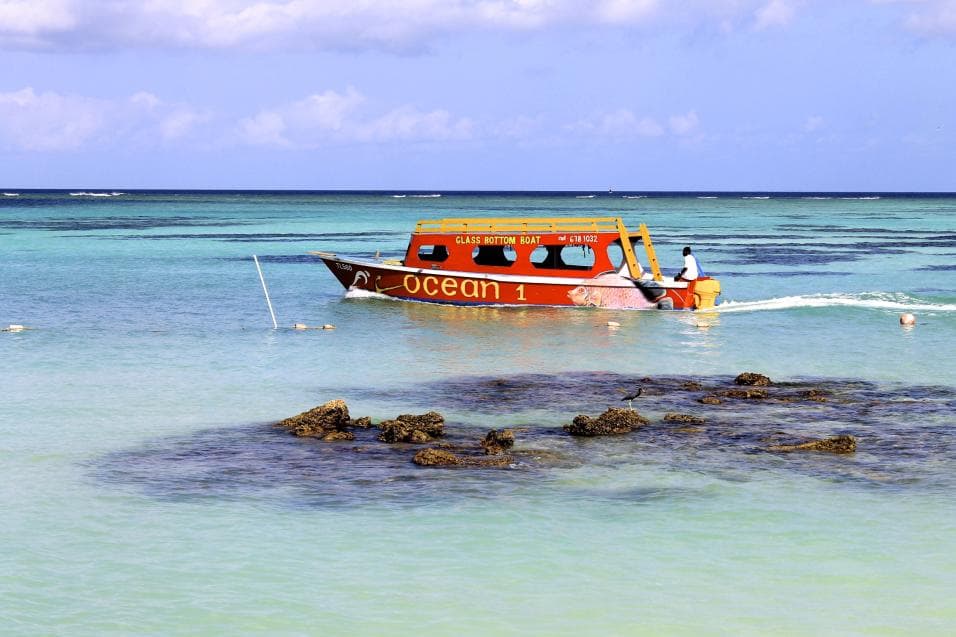 2/10
2/10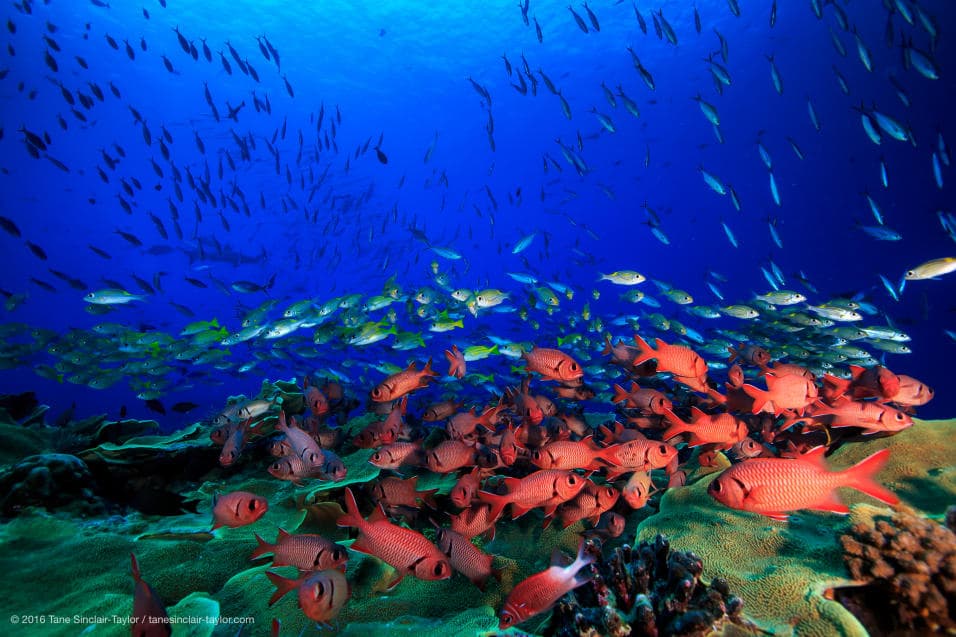 3/10
3/10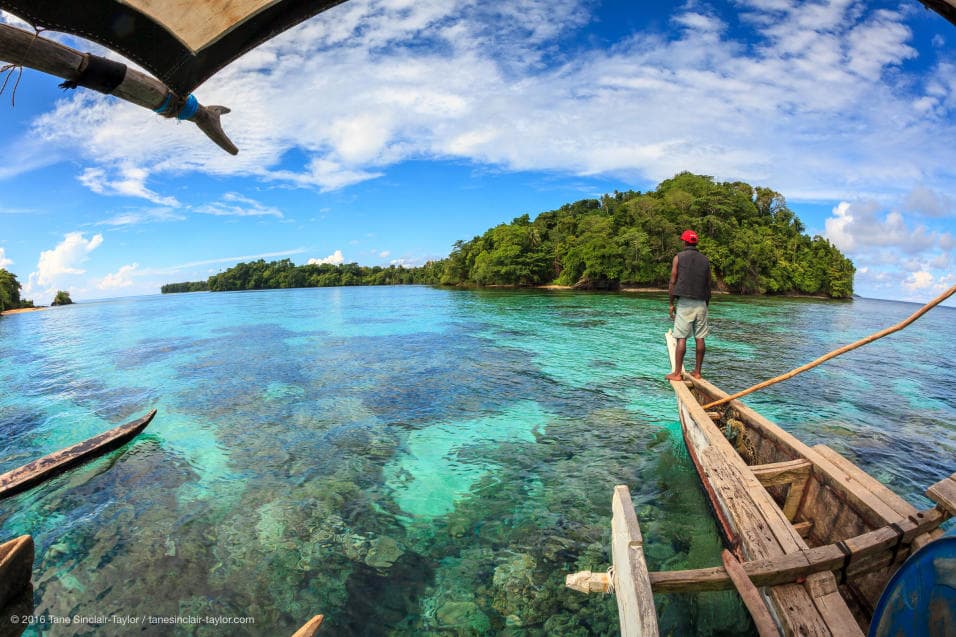 4/10
4/10 5/10
5/10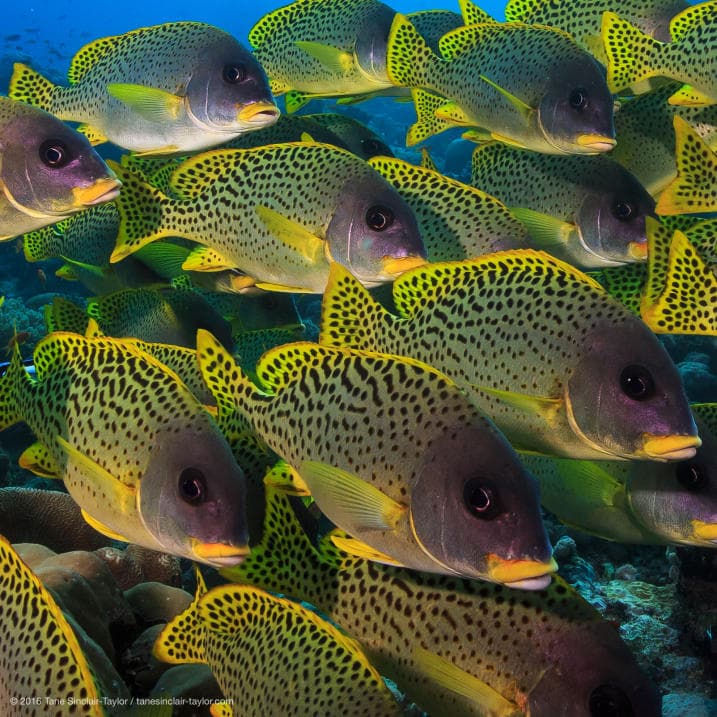 6/10
6/10 7/10
7/10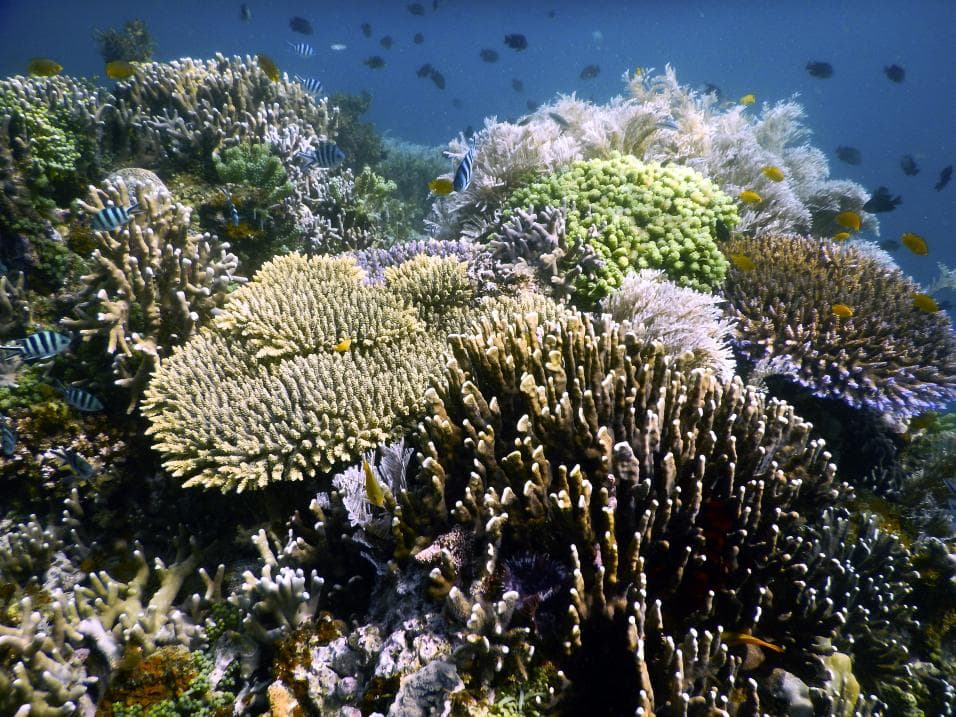 8/10
8/10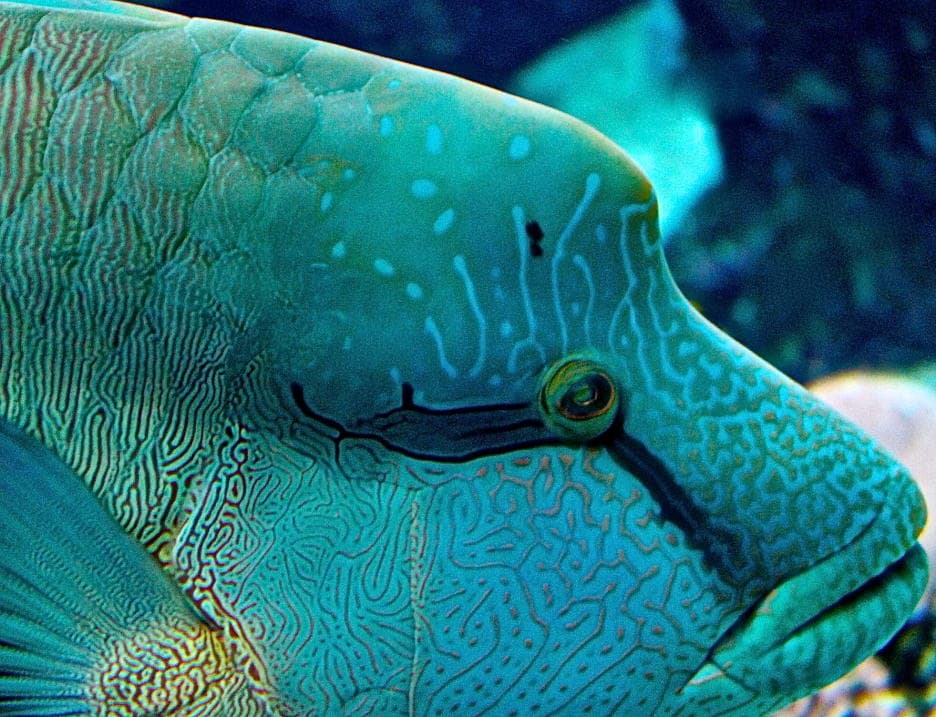 9/10
9/10 10/10
10/10