In photos: The 10 reasons people are protesting in Venezuela right now
Venezuela is the second most violent country in the world, according to homicide rates. Eight out of every 10 foods or medicines are non-existent. The decline in oil prices ended the boom times of the past. Political prisoners, censorship and repression have become the norm.
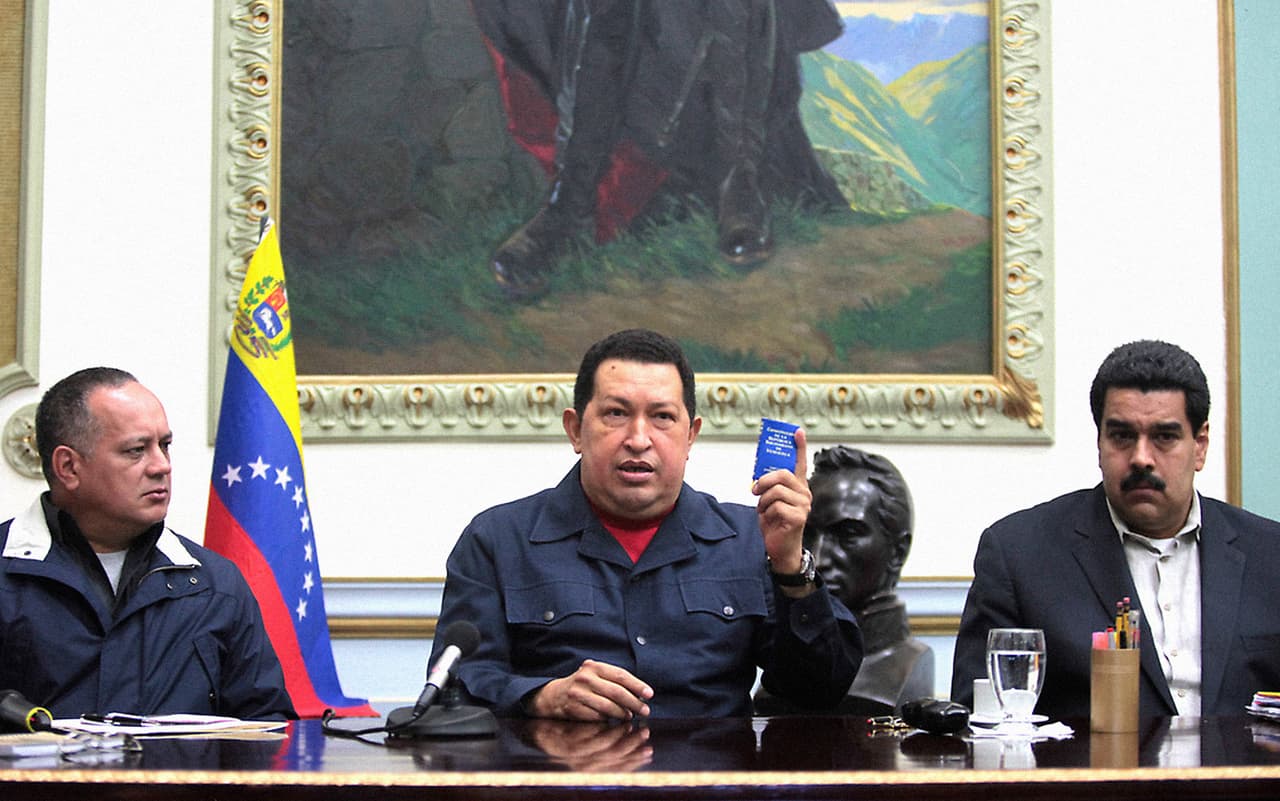
Popularity. While Hugo Chávez maintained a 60 percent popularity rate, his successor Nicolas Maduro currently faces a 20 percent rating.
Minci
PUBLICIDAD
2/10
Inflation. The minimum wage is about $20 a month, while the basic food basket costs about $166. Inflation is in the triple-digits. More than 5,000 bolivars are needed to buy a dollar.
Rodrigo Abd/Ap
PUBLICIDAD
3/10
Gas prices. Venezuela obtains 95 percent of its income from oil exports. The drop in world prices left the government with half of that revenue. Gasoline in the local market is subsidized by the state, at prices much lower than the international market. This causes fuel to be smuggled into neighboring countries.
Fernando Vergara/Ap
PUBLICIDAD
4/10
Shortages. An estimated 8 out of 10 commodities and 8 out of 10 medicines are non-existent in the country. It's worse in the provinces.
Rodrigo Abd/Ap
PUBLICIDAD
5/10
Long lines. To access basic products at regulated prices, Venezuelans queue for hours. In the photograph, a woman collapses after waiting in line to buy food in Caracas.
Ariana Cubillos/Ap
PUBLICIDAD
6/10
Dictatorial regime. There is no separation of public powers. Parliament is the only body within the five government branches (Executive, Legislative, Judicial, Moral and Citizen) not in the hands of Chavismo.
Ariana Cubillos/Ap
PUBLICIDAD
7/10
Repression. State security forces suppress protests with gas and rubber bullets. Armed groups defending the government also attack protesters. Since the April protests began, more than 35 people have been killed and hundreds injured and imprisoned.
RONALDO SCHEMIDT/Ap
PUBLICIDAD
8/10
Political prisoners. There are more than 140 political prisoners, among them: opposition leader Leopoldo López (pictured, taken in his cell from Ramo Verde military jail) and the acting mayor of the Caracas metropolitan area, Antonio Ledezma.
Twitter
PUBLICIDAD
9/10
Censorship. There is no access to public information. The government pursues journalists and media with court orders and fines. Chavismo bought big media and changed its editorial line. In the photo, a caricature that criticizes the health system in Venezuela, published in a newspaper bought by entrepreneurs affectionate to Nicolás Maduro. The author was dismissed after the publication.
Fernando Llano/Ap
PUBLICIDAD
10/10
Insecurity. The NGO Venezuelan Observatory of Violence (OVV) counted 28,479 homicides in 2016, for a record rate of 91.8 per 100,000 inhabitants. Venezuela is the second most violent country in the world, after El Salvador. Since coming to power in 1999, Chavismo has designed and implemented more than 20 security plans; all have failed.
 1/10
1/10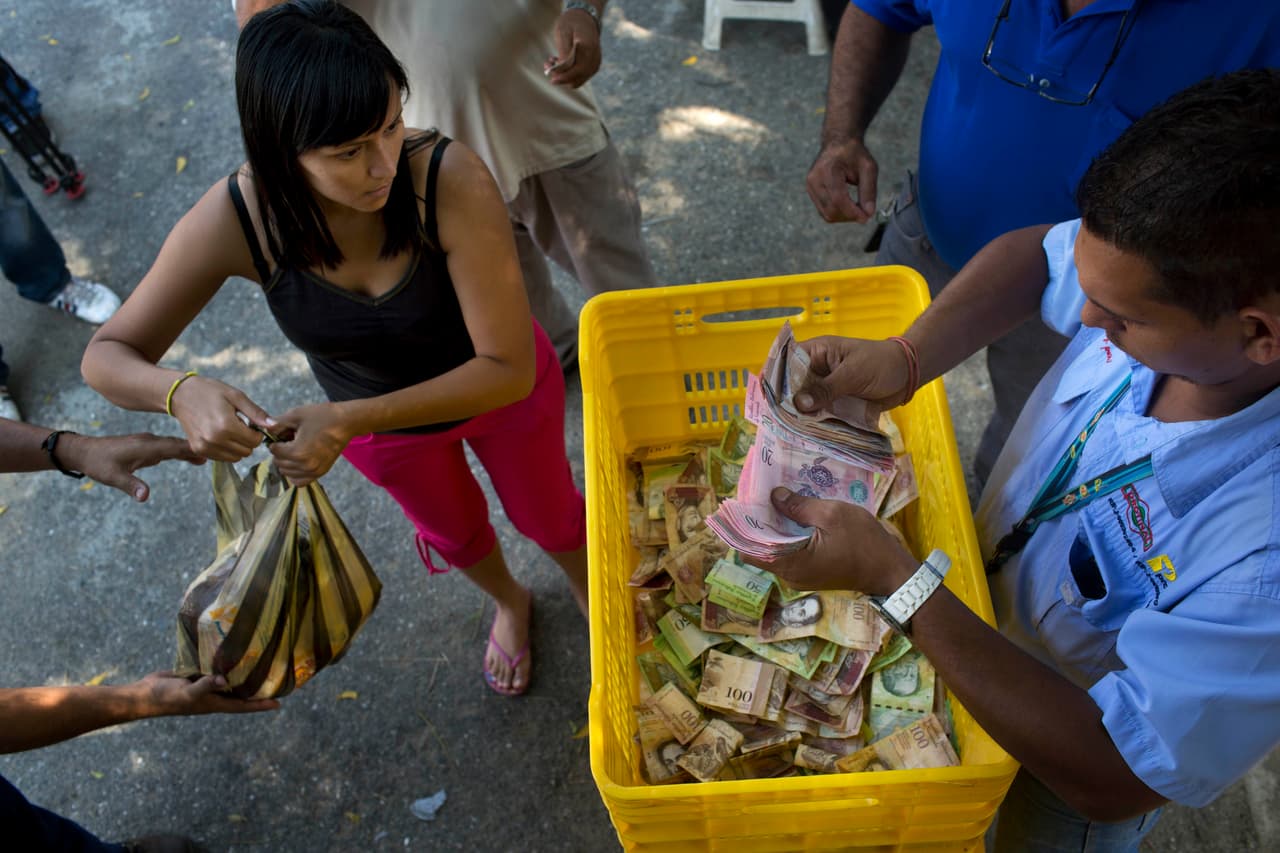 2/10
2/10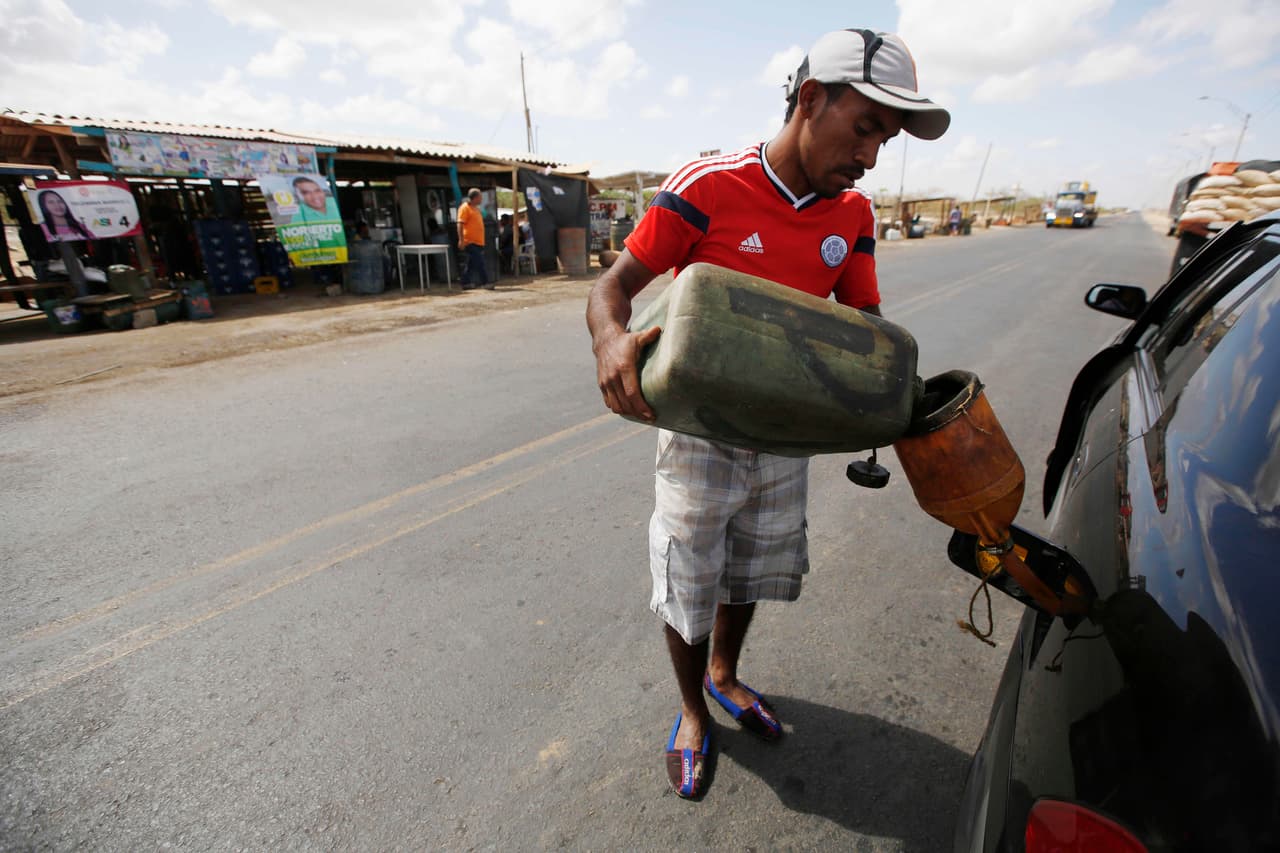 3/10
3/10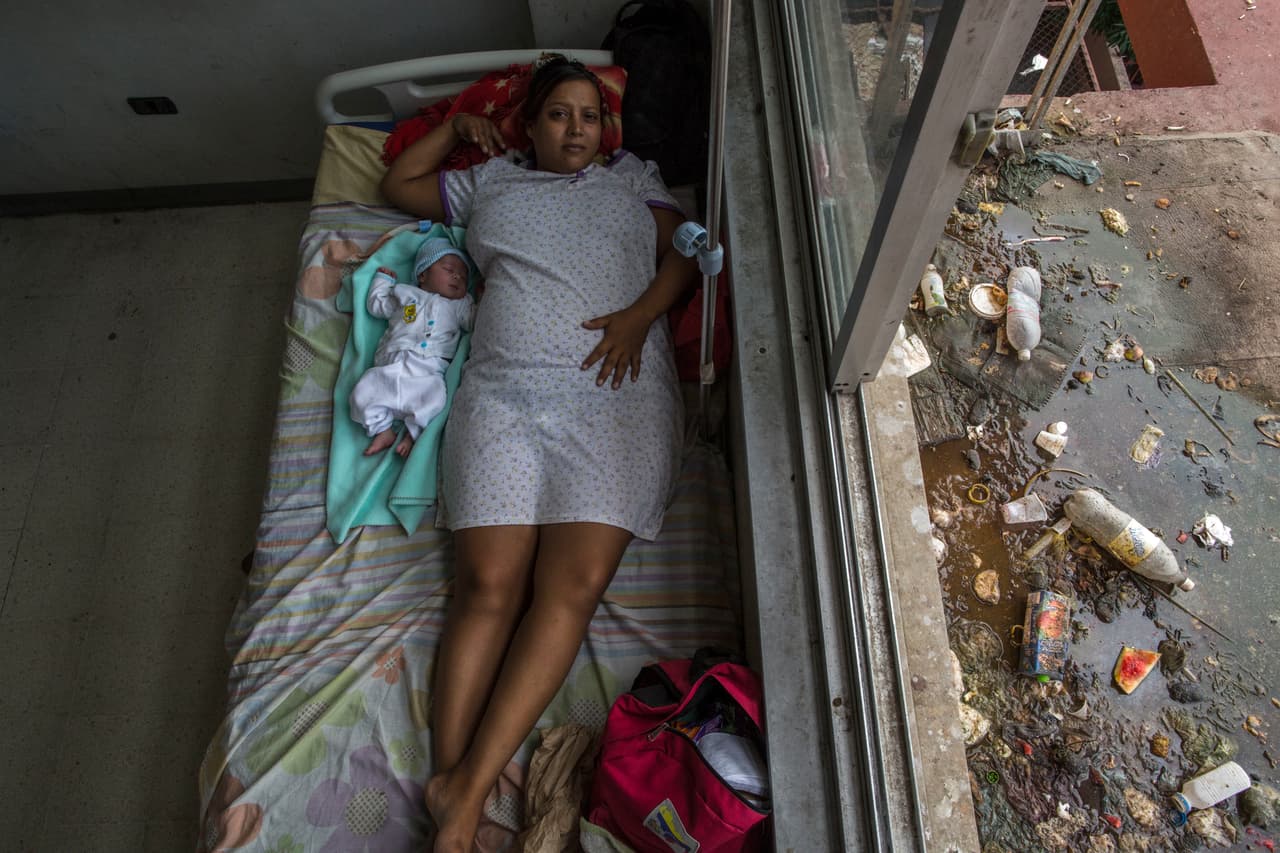 4/10
4/10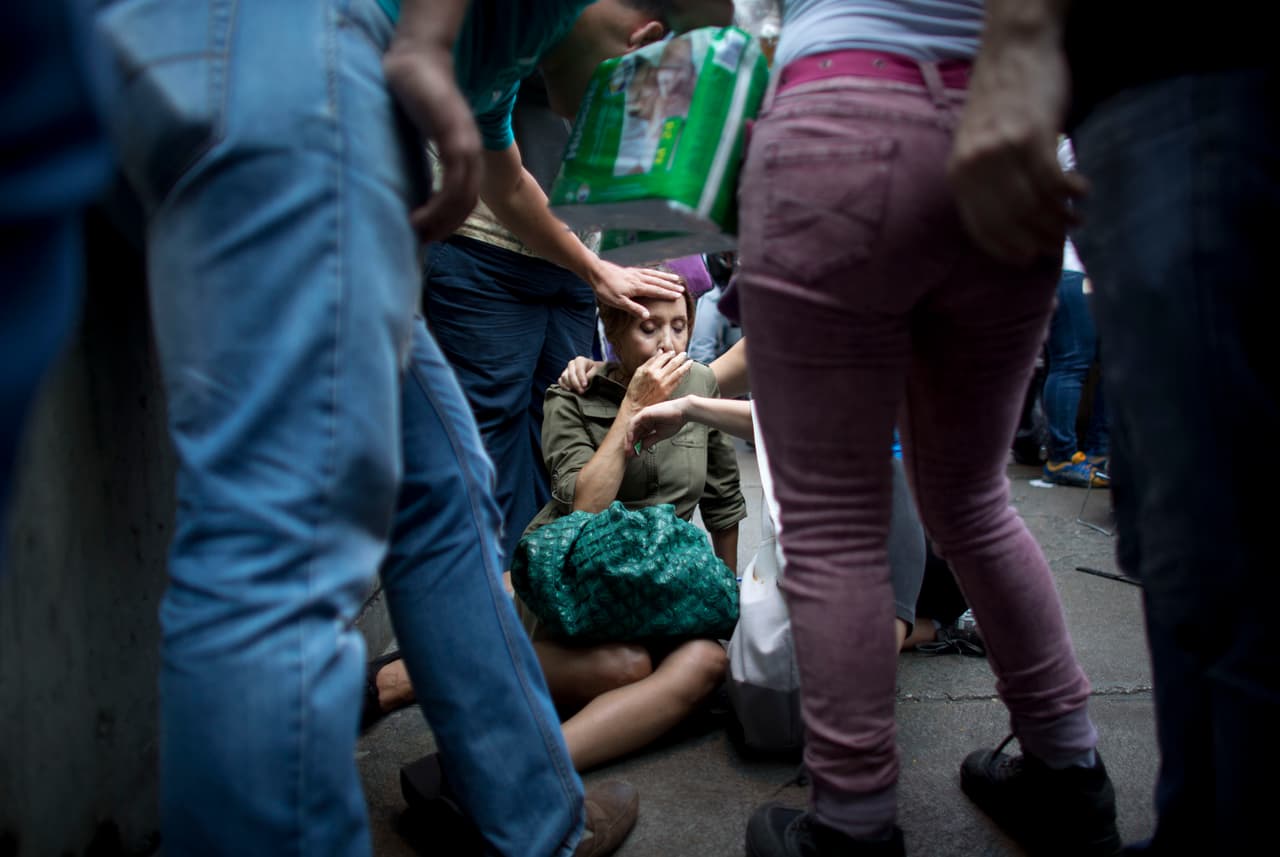 5/10
5/10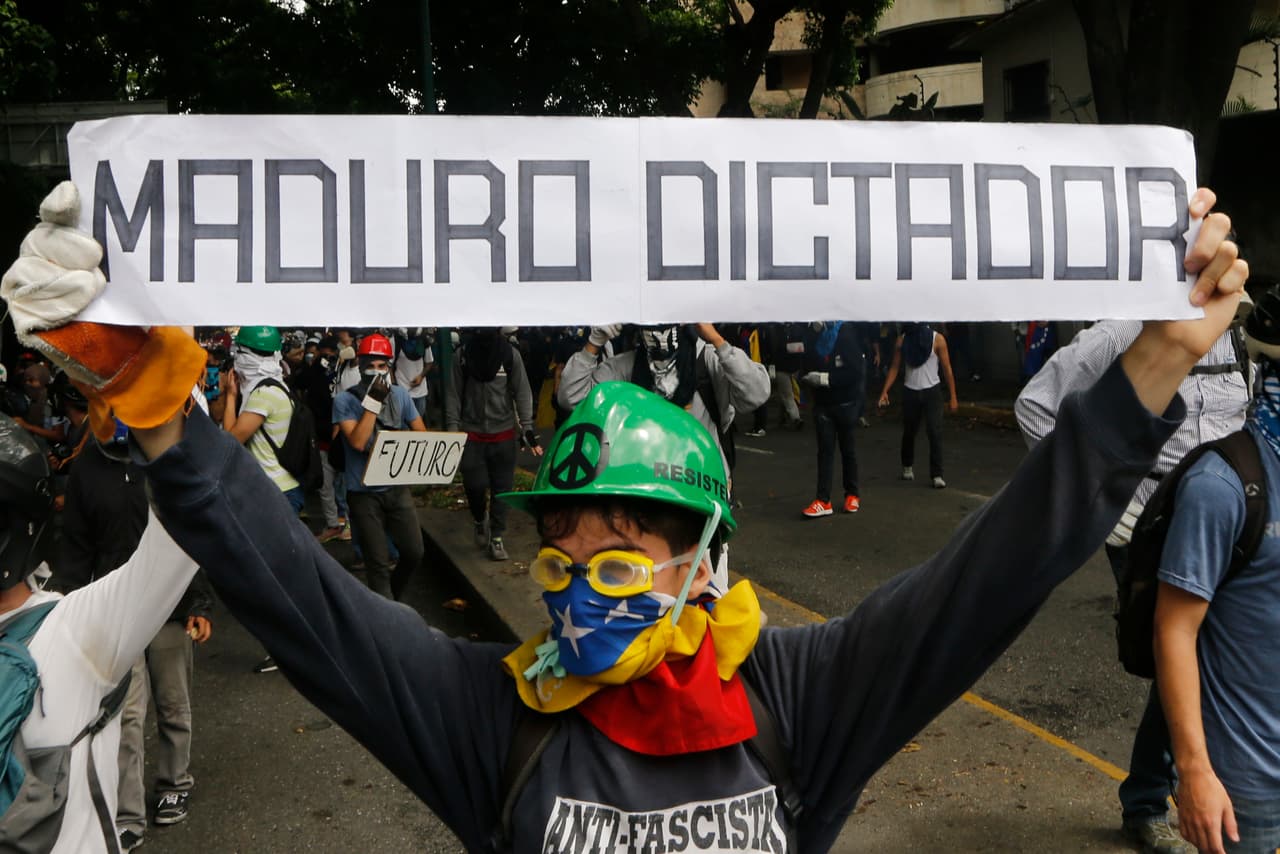 6/10
6/10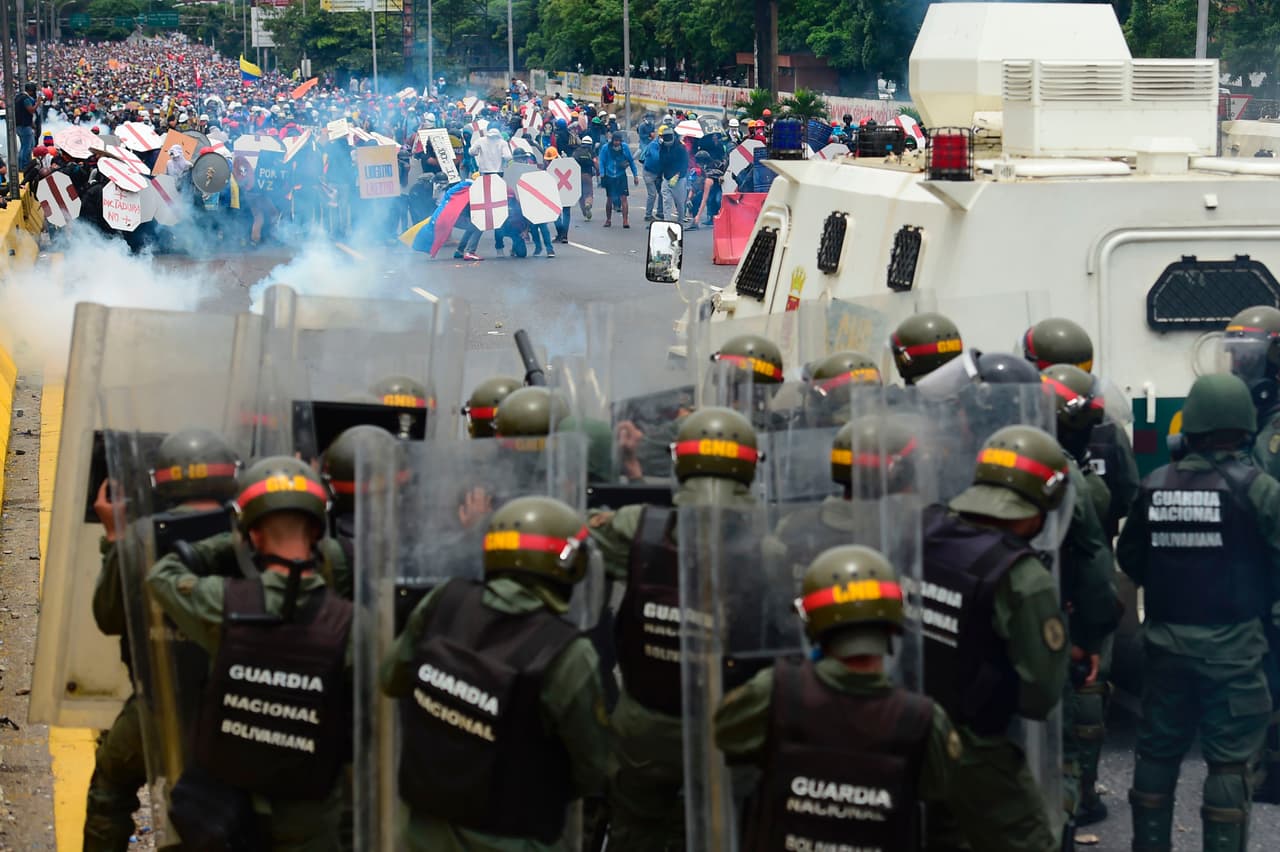 7/10
7/10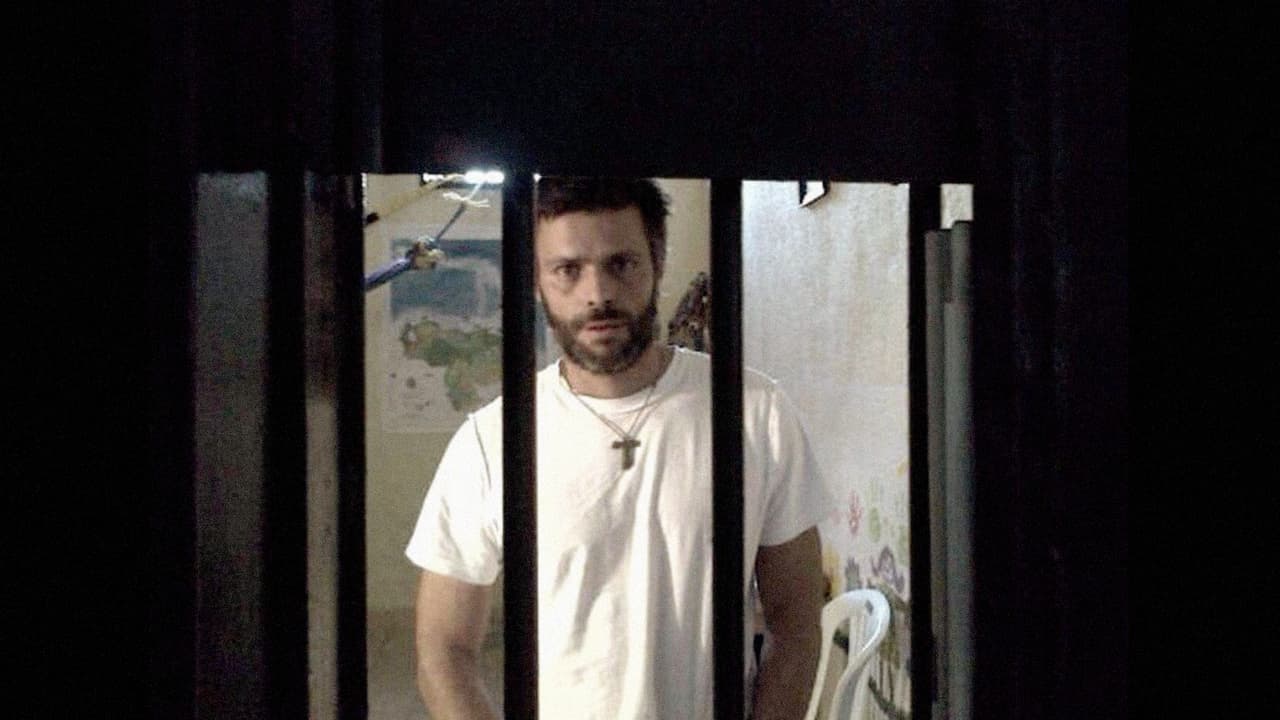 8/10
8/10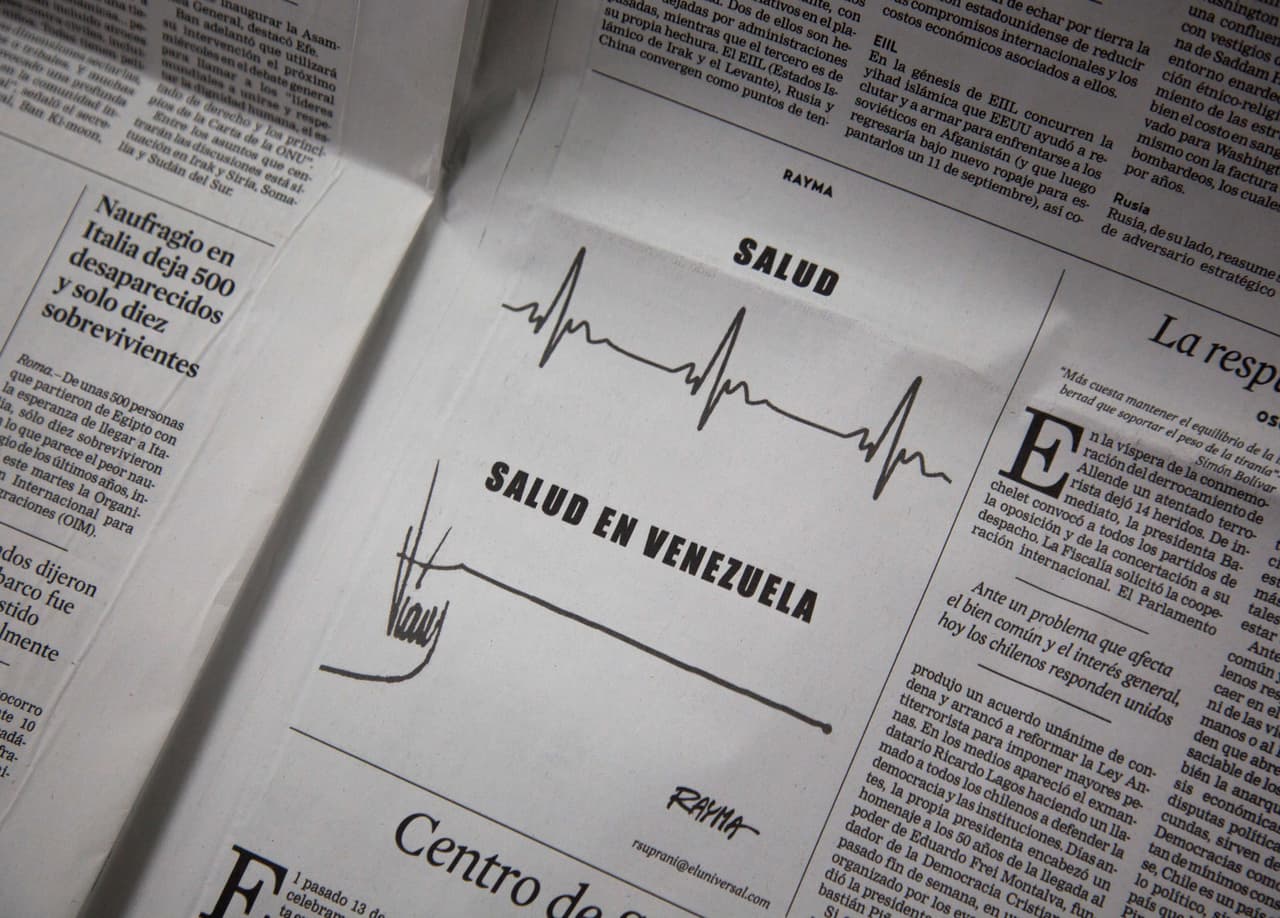 9/10
9/10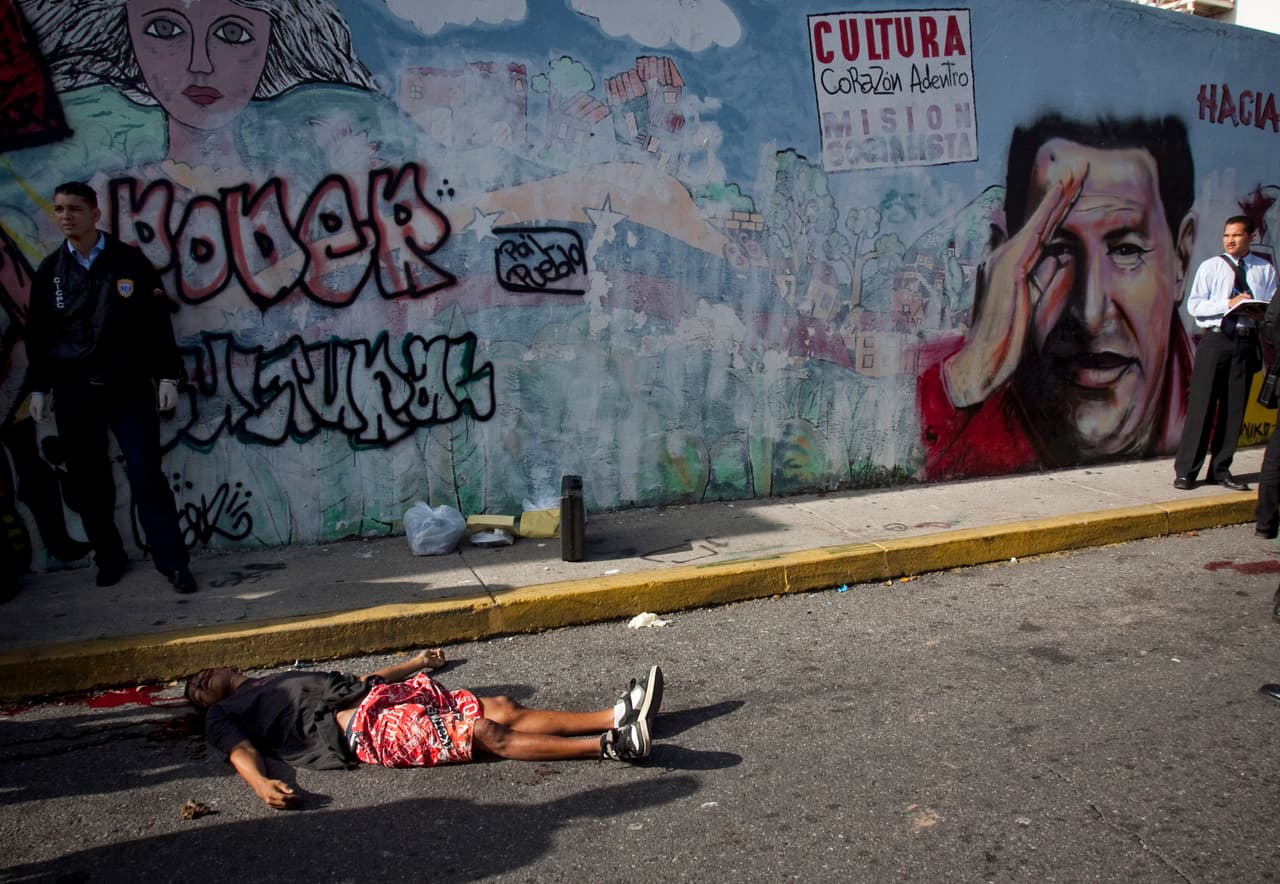 10/10
10/10