In photos: Peace in Colombia rests on finding an alternative to cocaine production
Colombia is at a pivotal moment as former FARC fighters have begun handing in their weapons as part of a historic peace agreement. An essential part of the peace accord is also to end the illegal drug trade, but that requires the state to pour money into the countryside, and provide a viable alternative to the booming coca market worth $88 billion worldwide.
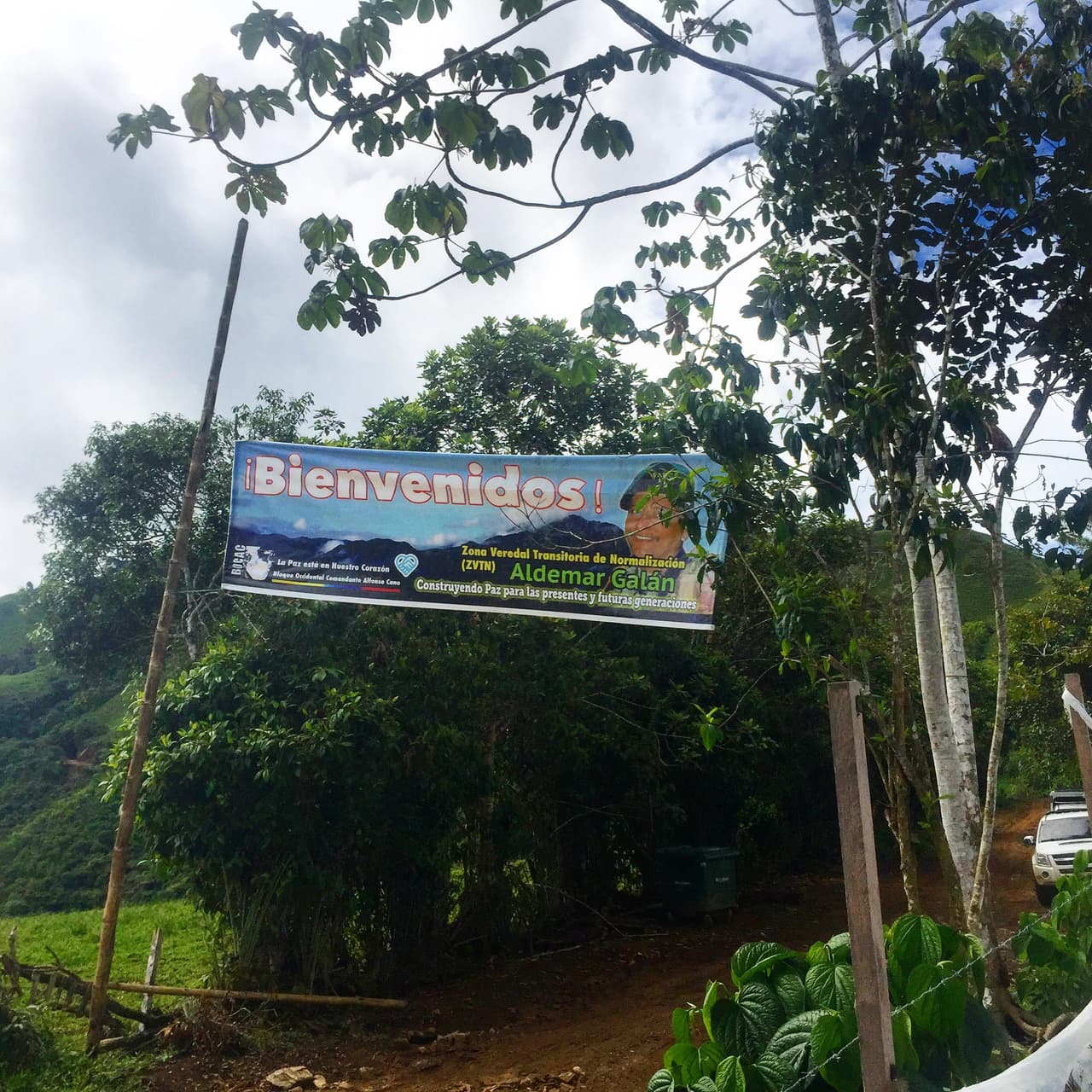
A banner greeting the entrance to the FARC's disarmament zone – Madrigales, Nariño. Photo by Maximo Anderson.
PUBLICIDAD
2/11
Adolfo López points to the could-covered hilltop where the FARC's disarmament camp is situated. Photo by Maximo Anderson.
PUBLICIDAD
3/11
The United Nations base, where observers currently live while they monitor the peace process – Madrigales, Nariño. Photo by Maximo Anderson.
PUBLICIDAD
4/11
The United Nations base, where observers currently live while they monitor the peace process – Madrigales, Nariño. Photo by Maximo Anderson.
PUBLICIDAD
5/11
Arnulfo Velázquez, FARC commander of the 8th Front, discusses the peace process and crop substitution in its "reception center." Photo by Maximo Anderson.
PUBLICIDAD
6/11
A Farc fighter mans the post outside its disarmament camp – Madrigales, Nariño. Photo by Maximo Anderson.
PUBLICIDAD
7/11
A Madrigales local, "Aura" displays her batch of coffee. She is separating the good goods that will then be roasted. Although this is purely for personal consumption, Aura seemed hopeful that Madrigales could export its "excellent" coffee. Photo by Maximo Anderson.
PUBLICIDAD
8/11
The dirt road leading up the FARC's disarmament camp, uphill from Madrigales, Nariño. Photo by Maximo Anderson.
PUBLICIDAD
9/11
View of the Patía River that runs through Policarpa. The river was used as a transit point for coca "paste" and cocaine shipments. During the worst years of violence, many bodies were dumped in the river to be disappeared – Policarpa, Nariño. Photo by Maximo Anderson
PUBLICIDAD
10/11
PUBLICIDAD
11/11
A peasant leads horses to a horse race fundraiser for the local school, Madrugales, Nariño. Photo by Maximo Anderson.
 1/11
1/11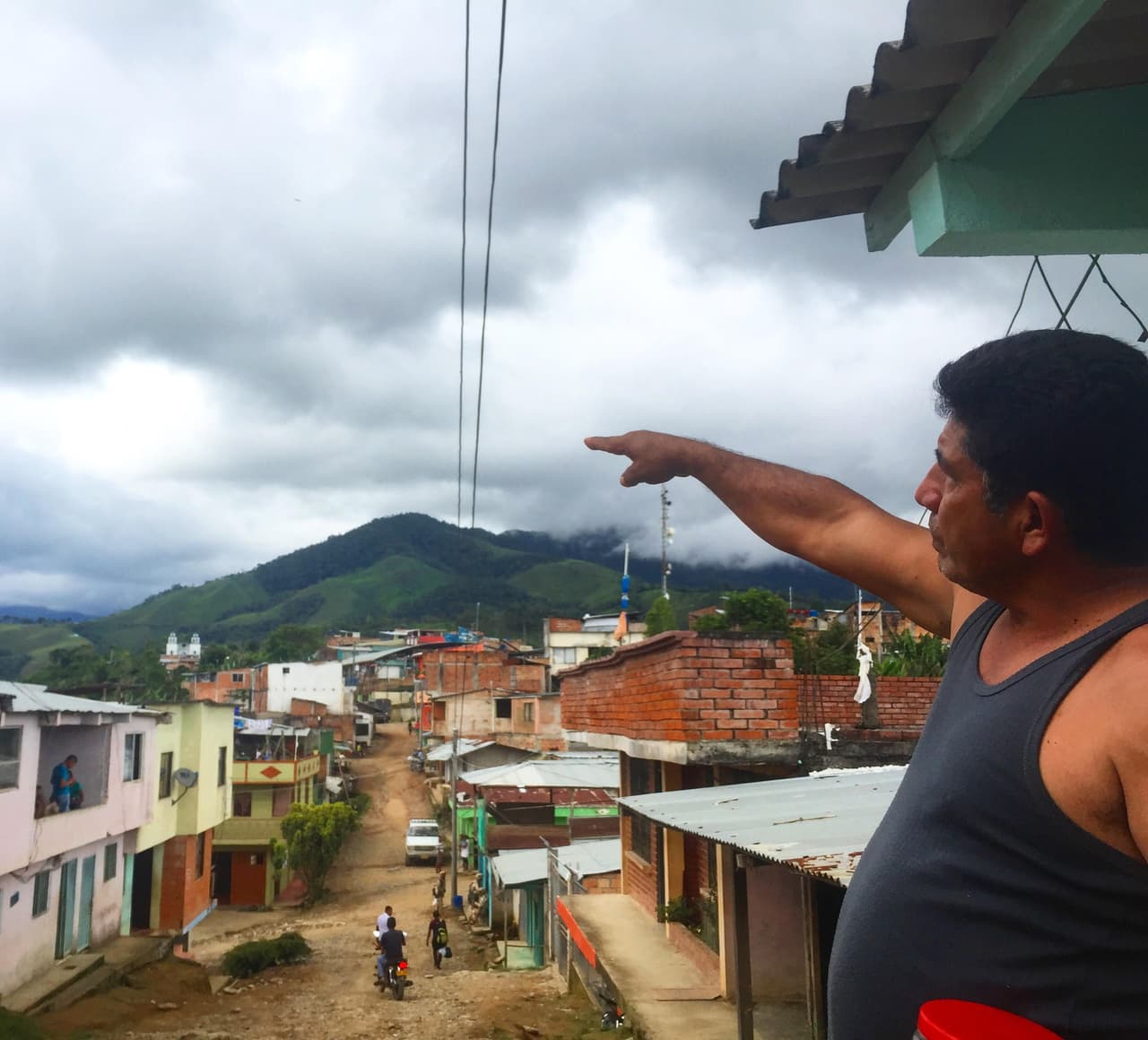 2/11
2/11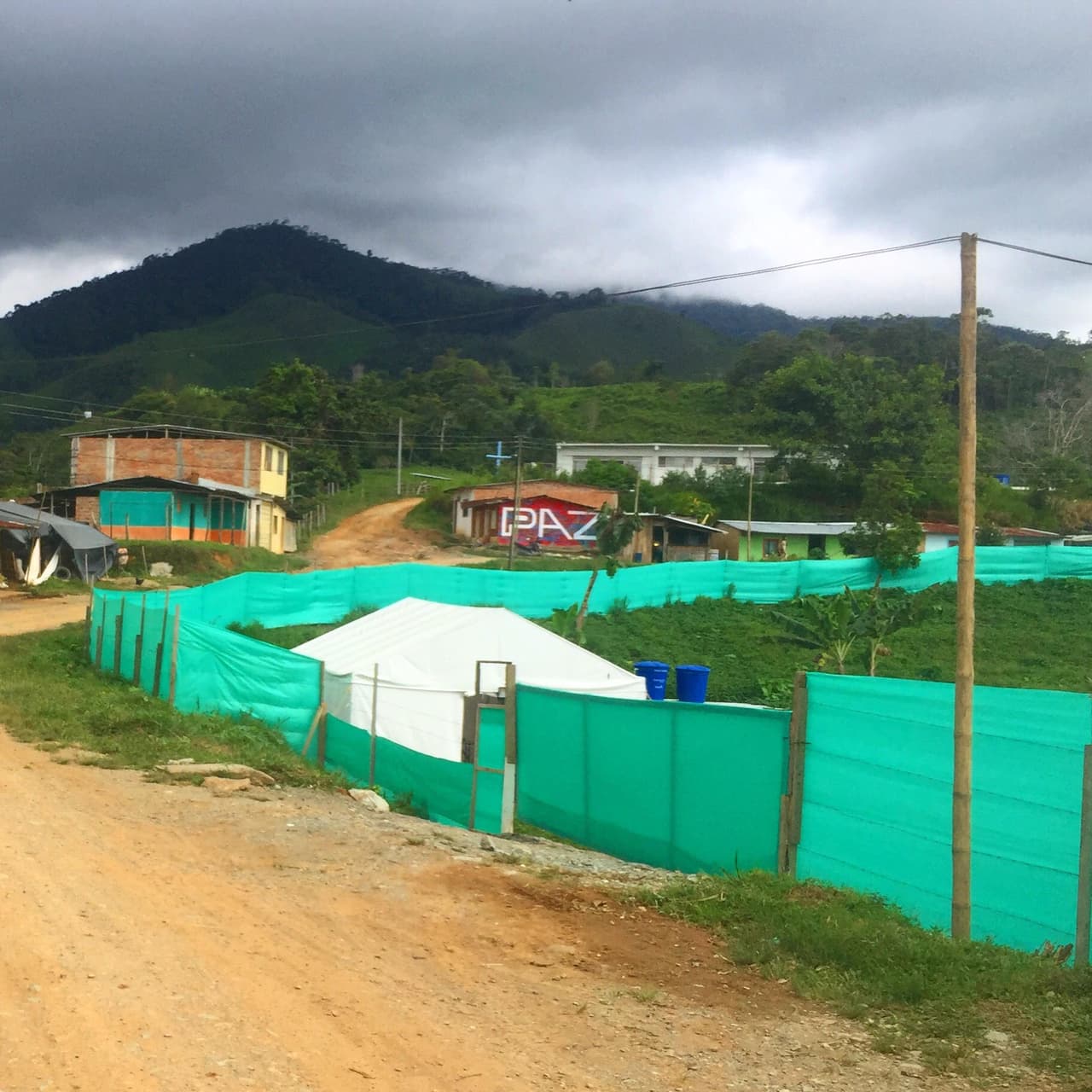 3/11
3/11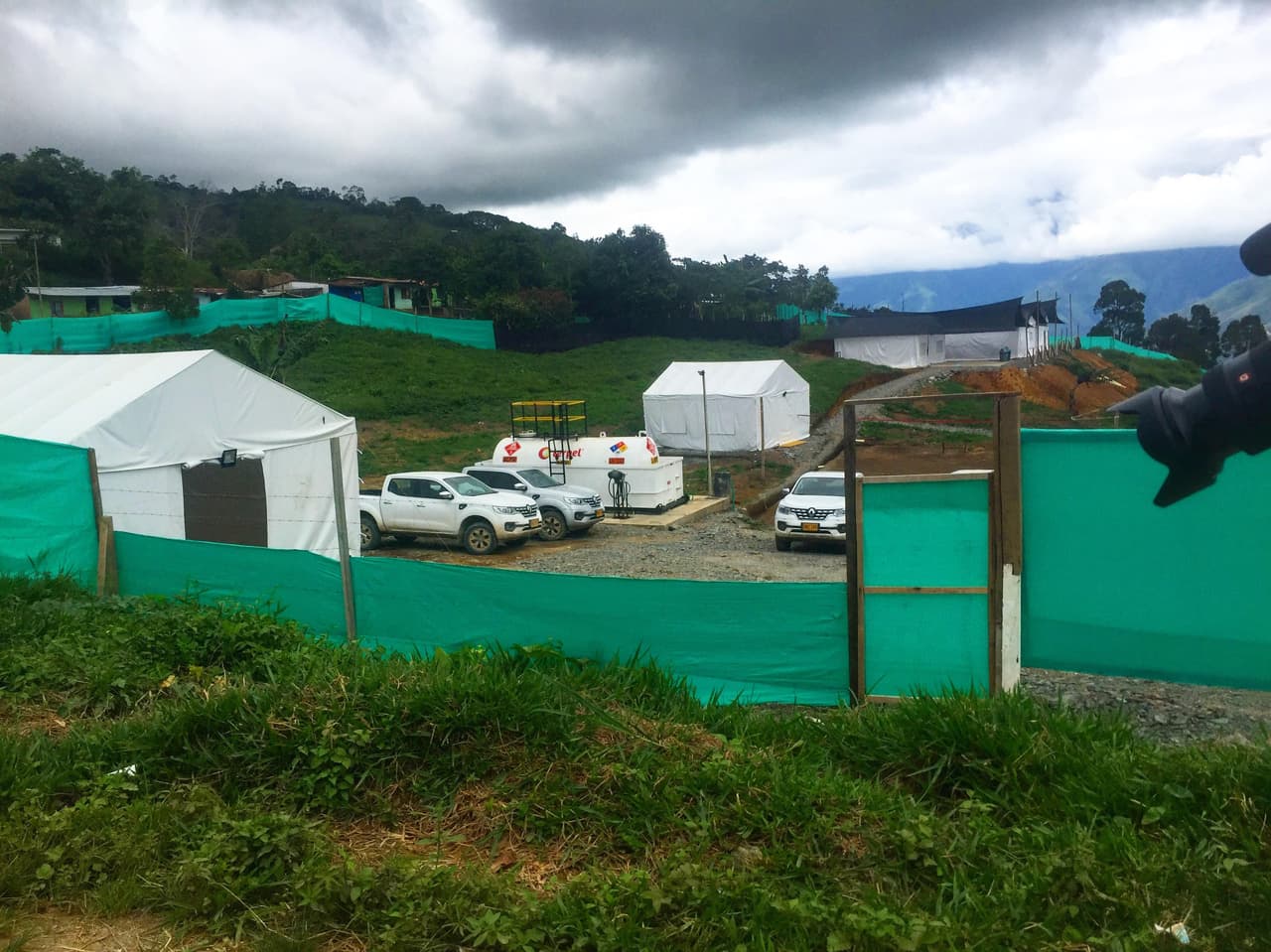 4/11
4/11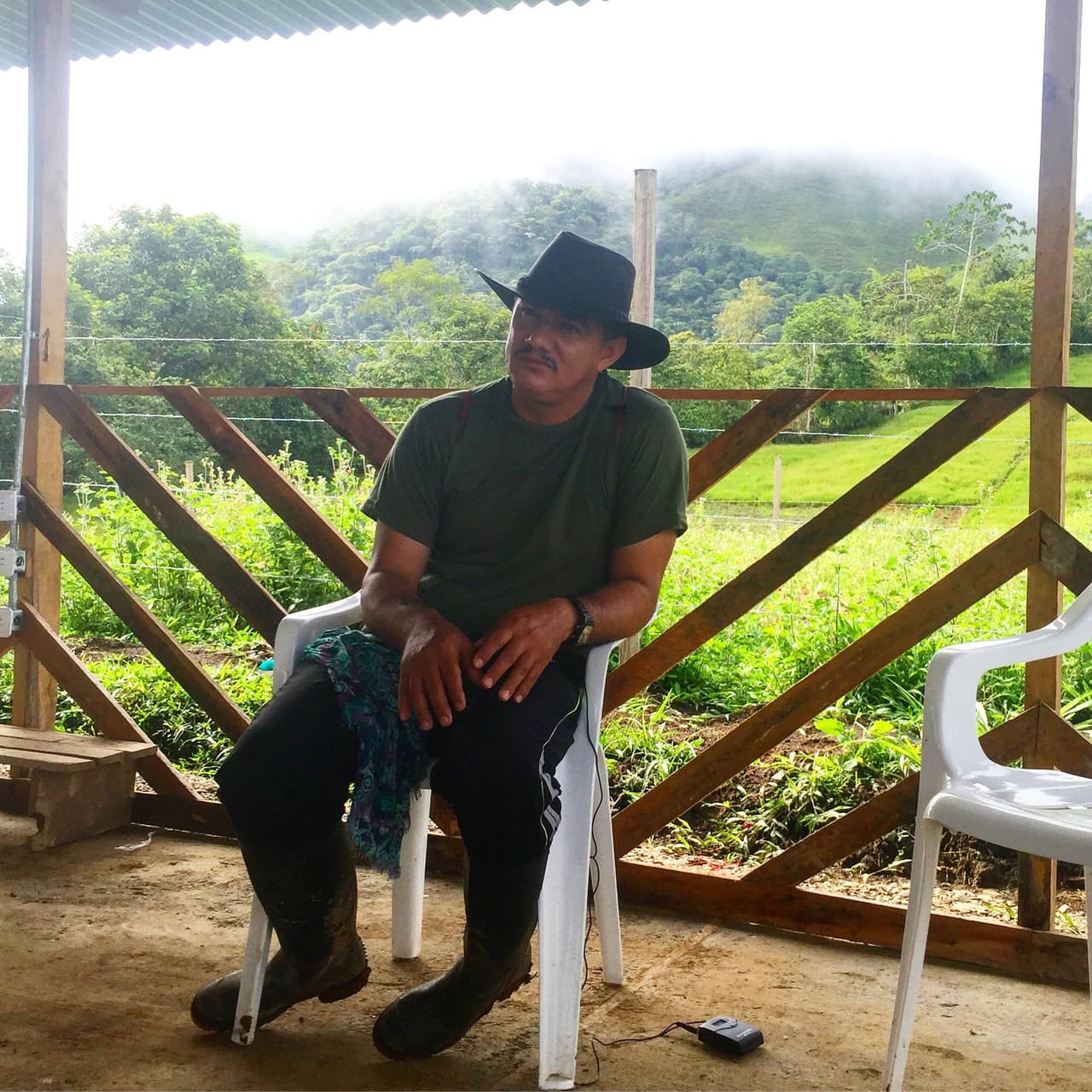 5/11
5/11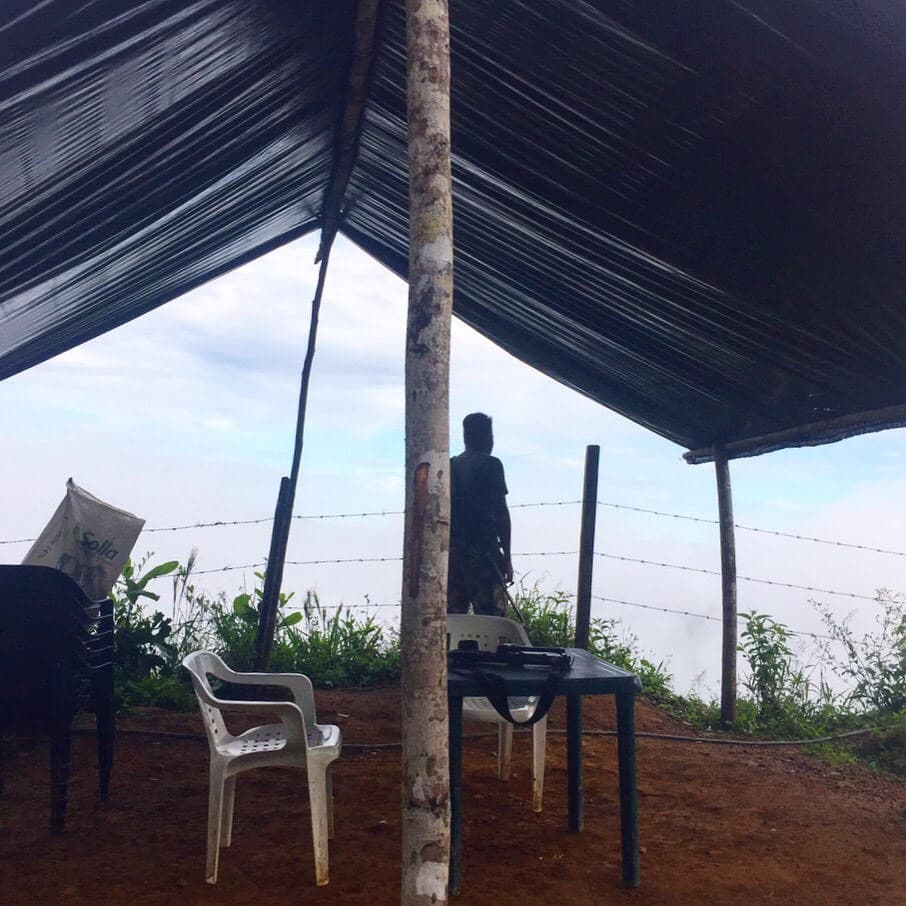 6/11
6/11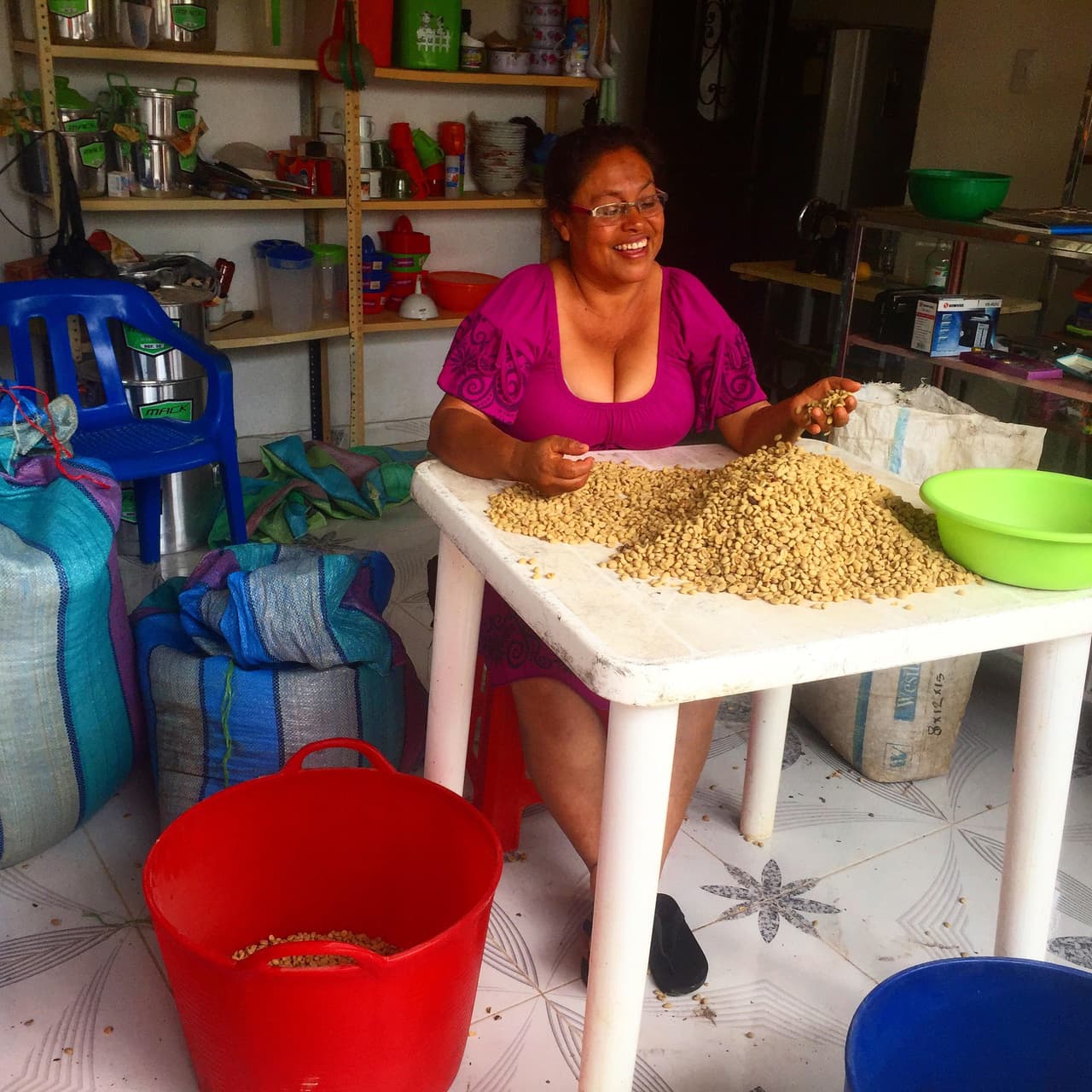 7/11
7/11 8/11
8/11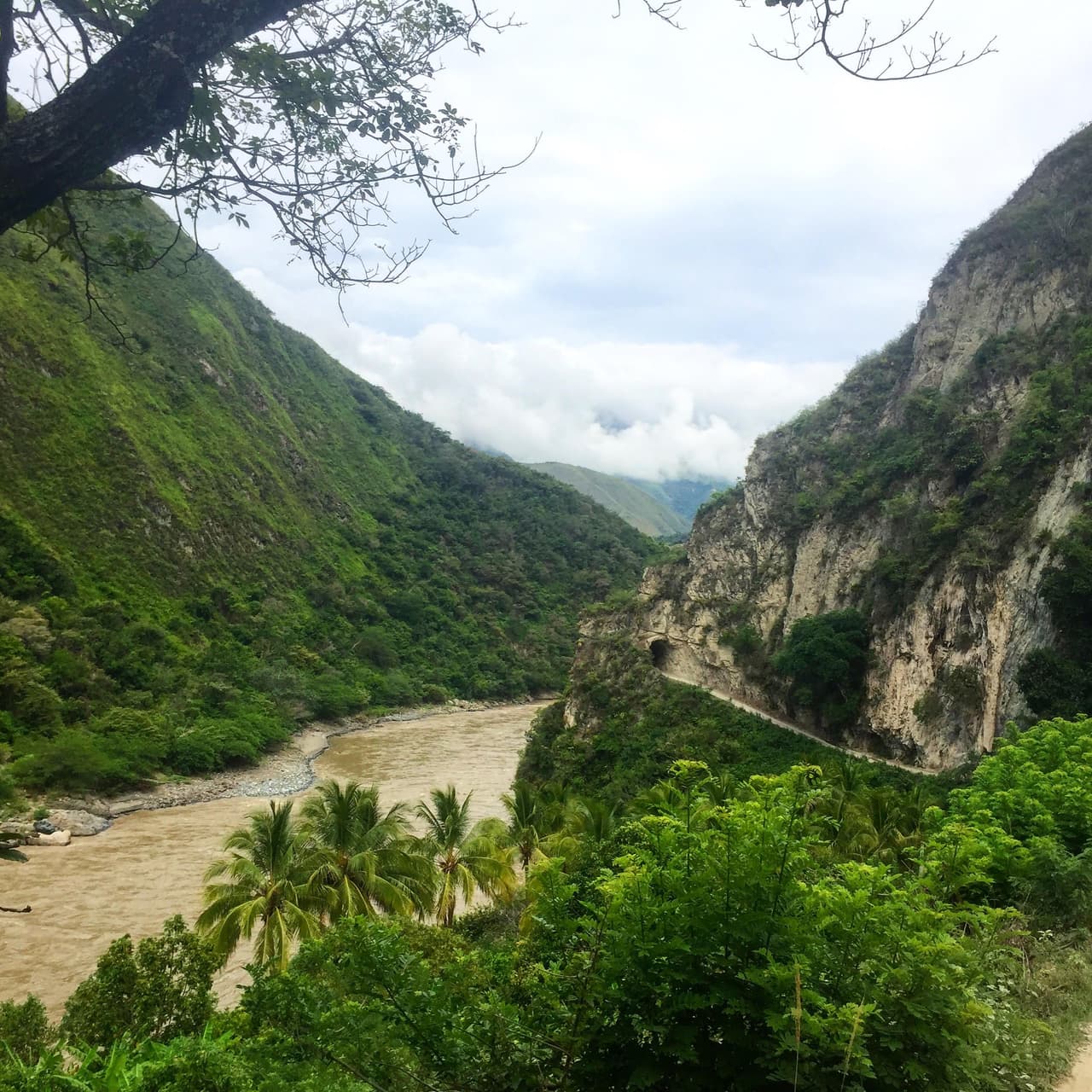 9/11
9/11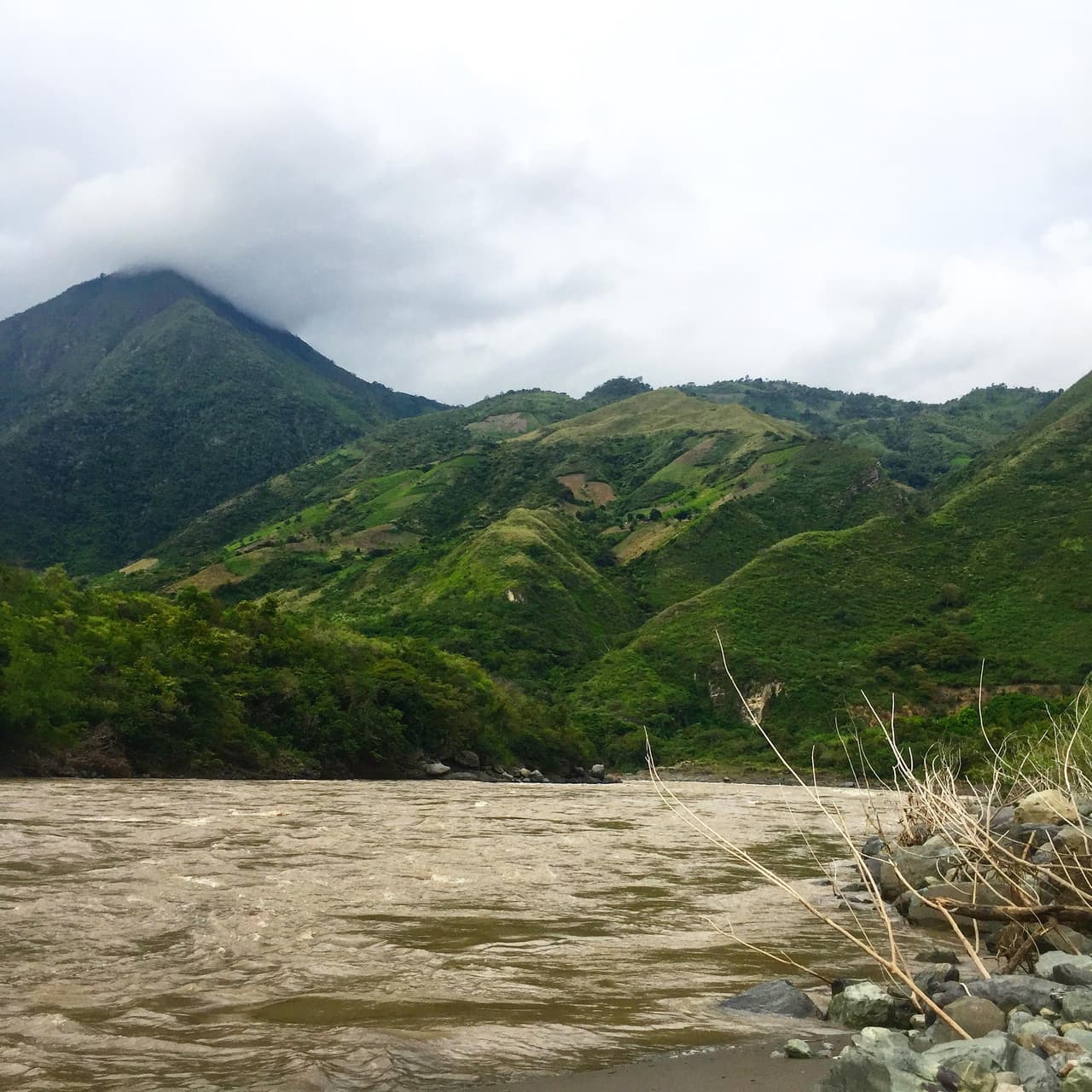 10/11
10/11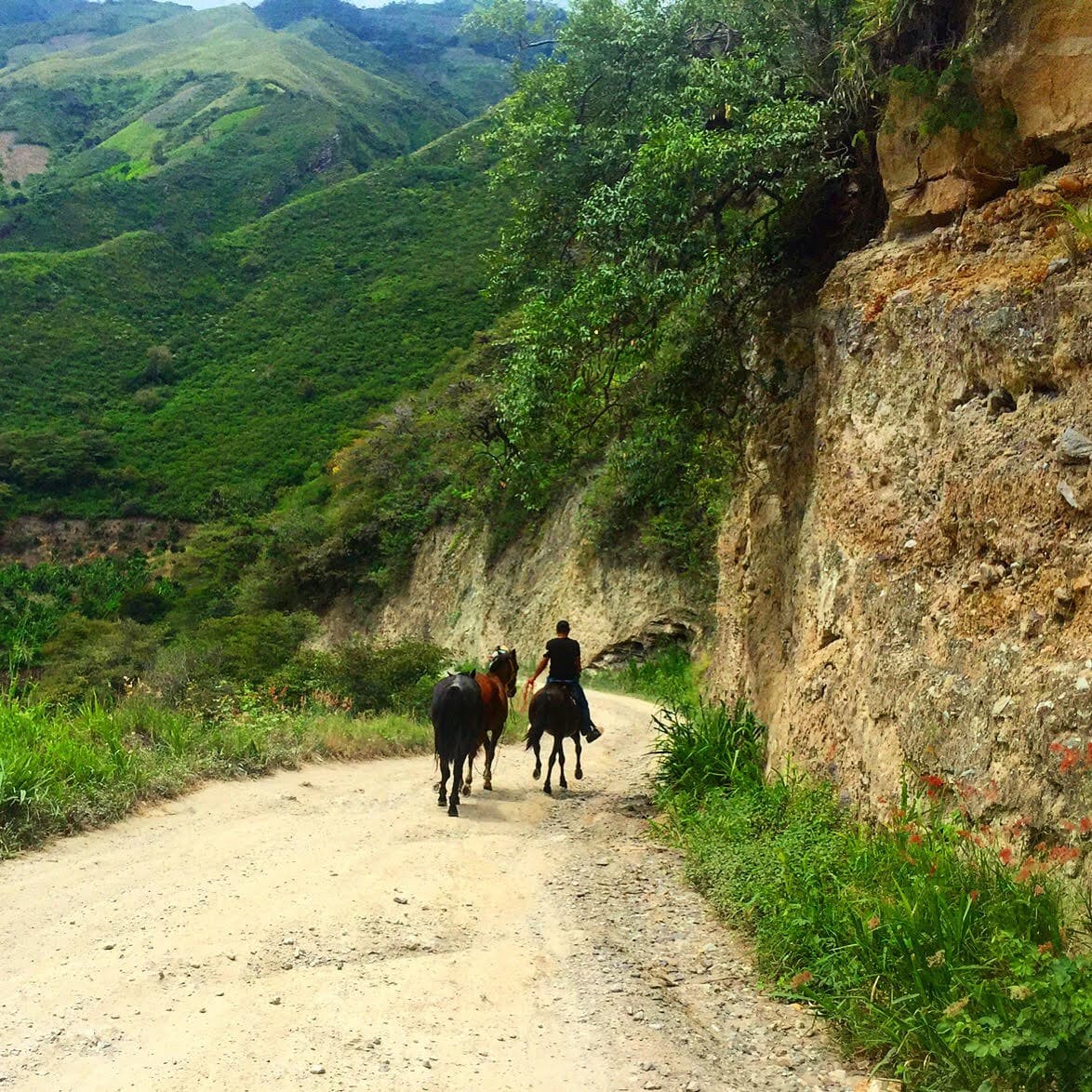 11/11
11/11