📷 When reunification fails: how trauma remains in a child forcefully separated at the border
6-year-old Guatemalan Adayanci Perez was deported from the United States after being forcefully separated from her father Hugo Perez for three and a half months. At her hometown, those who know her say she returned a very different child.
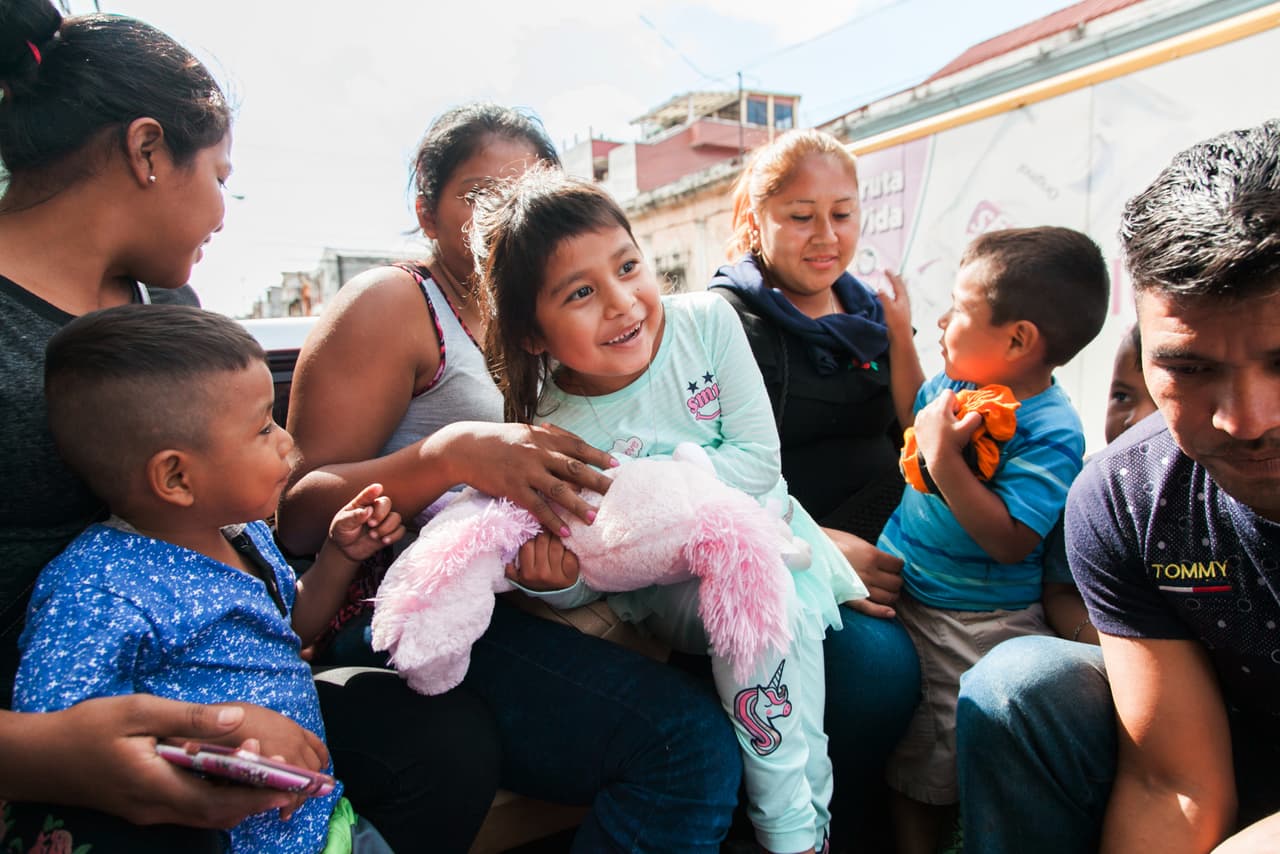
More than three months after being forcefully separated from her father at the southern border for illegal entry into the United States, 6-year-old Adayanci Perez Chavez returned to Guatemala on August 30. She arrived to a joyful reunion with her family, although at first she only cried and wouldn’t speak. She slowly began to recognize her parents and little brother, aunts, grandma and cousins who were waiting for her.
Cindy Karp
PUBLICIDAD
2/12
Guatemalan officials released Adayanci to her parents after a long air flight from Michigan, where the U.S. Office of Refugee Resettlement, had held her in foster care for over 3 months. Her father, Hugo Perez, says the first thing she said to him was, “Why did you leave me?” The family travelled home to their village of Santa Ana in the Department of San Marcos, a trip of over six hours by pickup truck.
Cindy Karp
PUBLICIDAD
3/12
A tearful reunion the night of her arrival home, as Adayanci’s uncle Edgar Chavez holds her. Other relatives and friends gathered to celebrate her return. Her grandfather lit chains of firecrackers, informing the entire town she was back.
Cindy Karp
PUBLICIDAD
4/12
The morning after her arrival, Alma bathes her daughter. They are preparing for a welcome back party planned by her schoolteachers to reunite her with her classmates. It is expected to be a very happy occasion.
Cindy Karp
PUBLICIDAD
5/12
Arriving at her school and seeing her friends waiting, Adayanci hid behind her mother, crying and refusing to enter. Her teacher Corina carries her into the school, as her body goes limp. She refuses to speak to the other children, saying she didn’t know them.
Cindy Karp
PUBLICIDAD
6/12
Inside school, Adayanci is expressionless and doesn’t respond while her friends and teachers try to make her feel loved and welcomed. Teacher Claudia says: “She was a very active girl. She is not the girl I stopped seeing five months ago.”
Cindy Karp
PUBLICIDAD
7/12
Adayanci is one of over 2,500 children separated from their parents at the U.S. border as part of the Trump Administration’s “zero tolerance policy”. Her reunification was expedited after she was diagnosed with “severe post-traumatic stress” attributed her separation from her father at the border. Over 400 children still remain separated from their parents.
Cindy Karp
PUBLICIDAD
8/12
Adayanci is held in her mother’s arms as she sleeps after collapsing, while surrounded by her classmates. Alma explains, “The truth is, I feel upset about the people who took my child from me, because how is it possible that they could do this? They wouldn’t like to have their children taken away”.
Cindy Karp
PUBLICIDAD
9/12
In Michigan, Adayanci lived with two different foster families. She returned to Guatemala with a suitcase full of clothing and toys she had been given as gifts. She also brought home a framed photograph of herself with her foster parents. The photo was placed on the family altar by her grandfather.
Cindy Karp
PUBLICIDAD
10/12
According to her parents, Adayanci cries often and is more rebellious than she used to be before her trip. Alma and Hugo find her awake during the night, often from nightmares. She has returned to her school classes, but on a reduced schedule. Specialists who examined the girl in Michigan diagnosed her behavior as Post Traumatic Stress Disorder and psychologists warn that, without proper treatment, her trauma could worsen and become permanent.
Cindy Karp
PUBLICIDAD
11/12
Adayanci poses with her grandfather the day after her return to Guatemala. Due to lack of economic resources and access to doctors, her family fears that access to psychological treatment will be almost impossible.
Cindy Karp
PUBLICIDAD
12/12
Alma and Hugo can only count on their family, neighbors and Adayanci’s teachers to help help her return to the lively and happy girl she was. They try to be patient with her and do things like give her the food she loves, such as tamales.

 1/12
1/12 2/12
2/12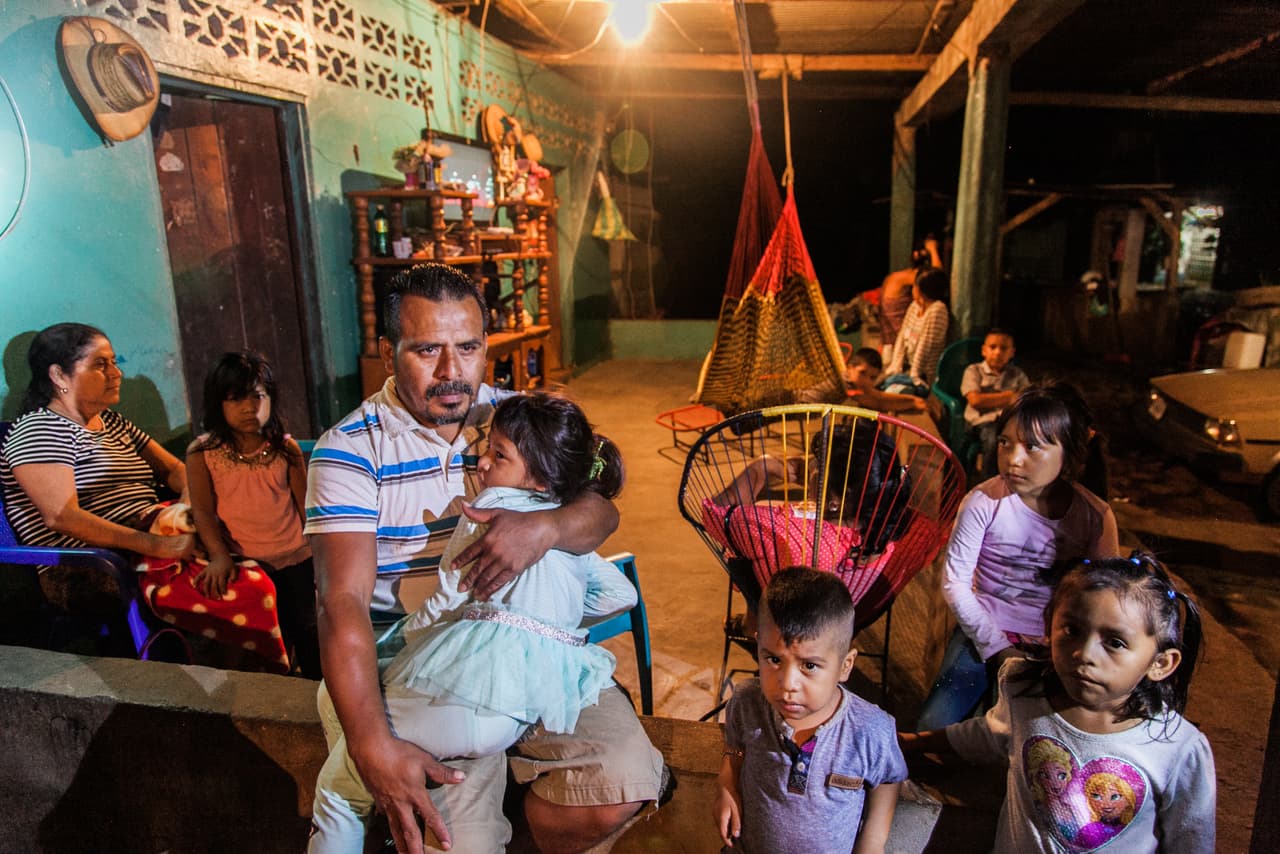 3/12
3/12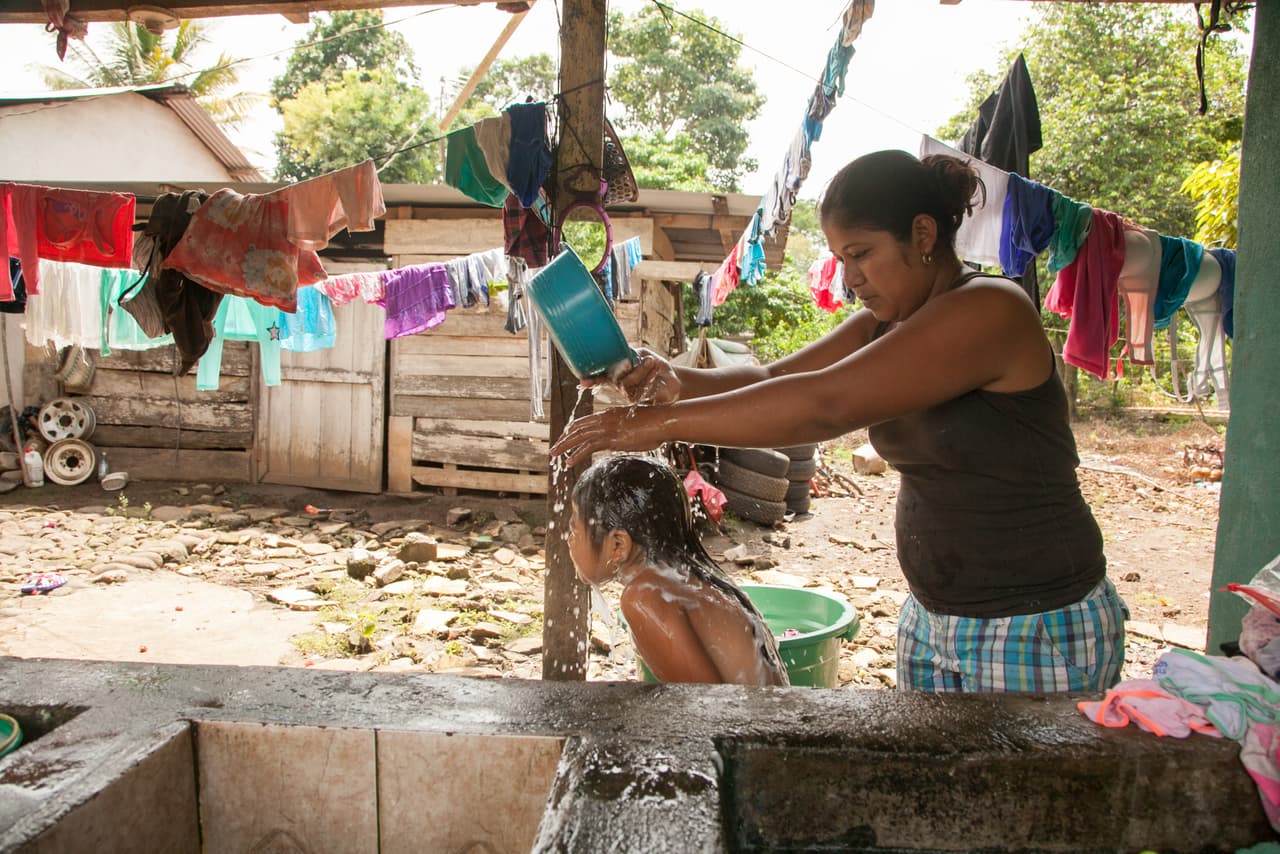 4/12
4/12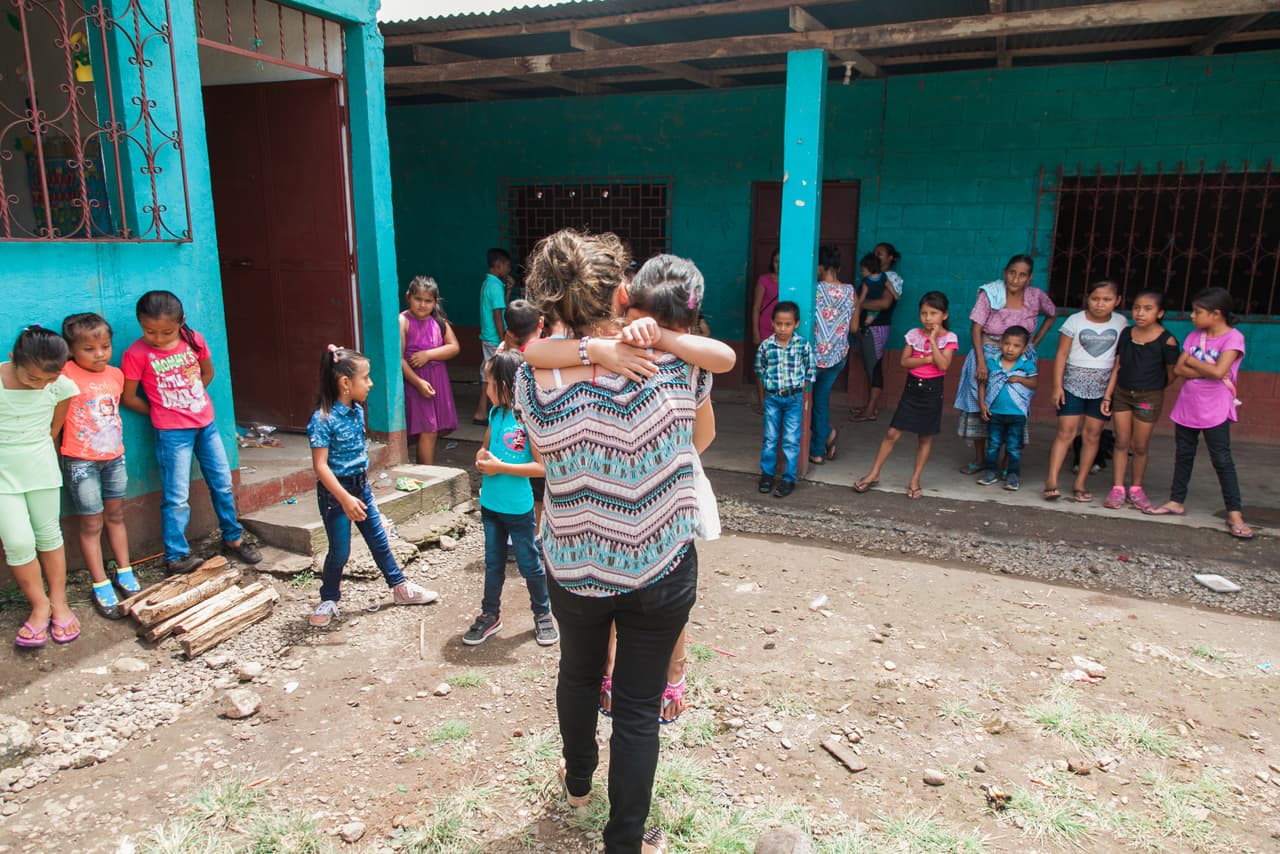 5/12
5/12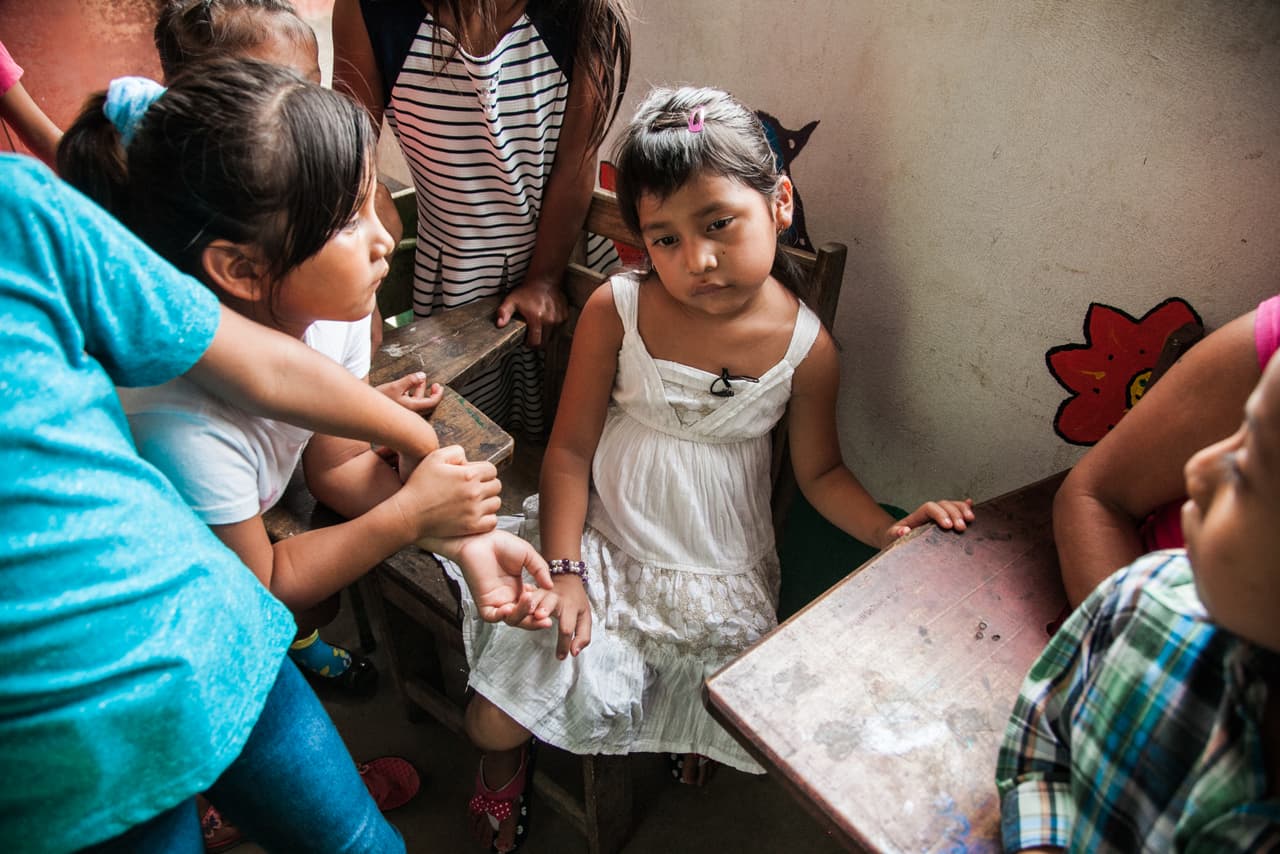 6/12
6/12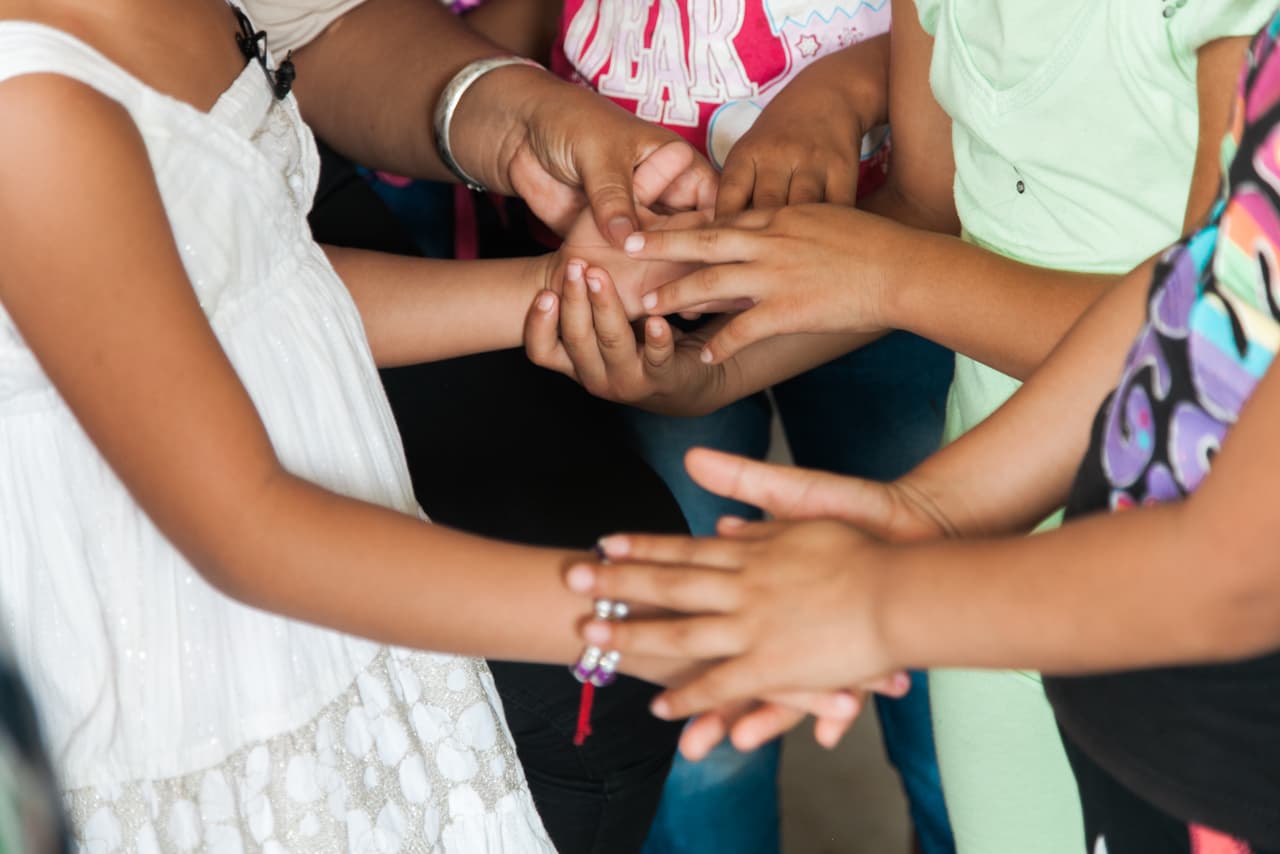 7/12
7/12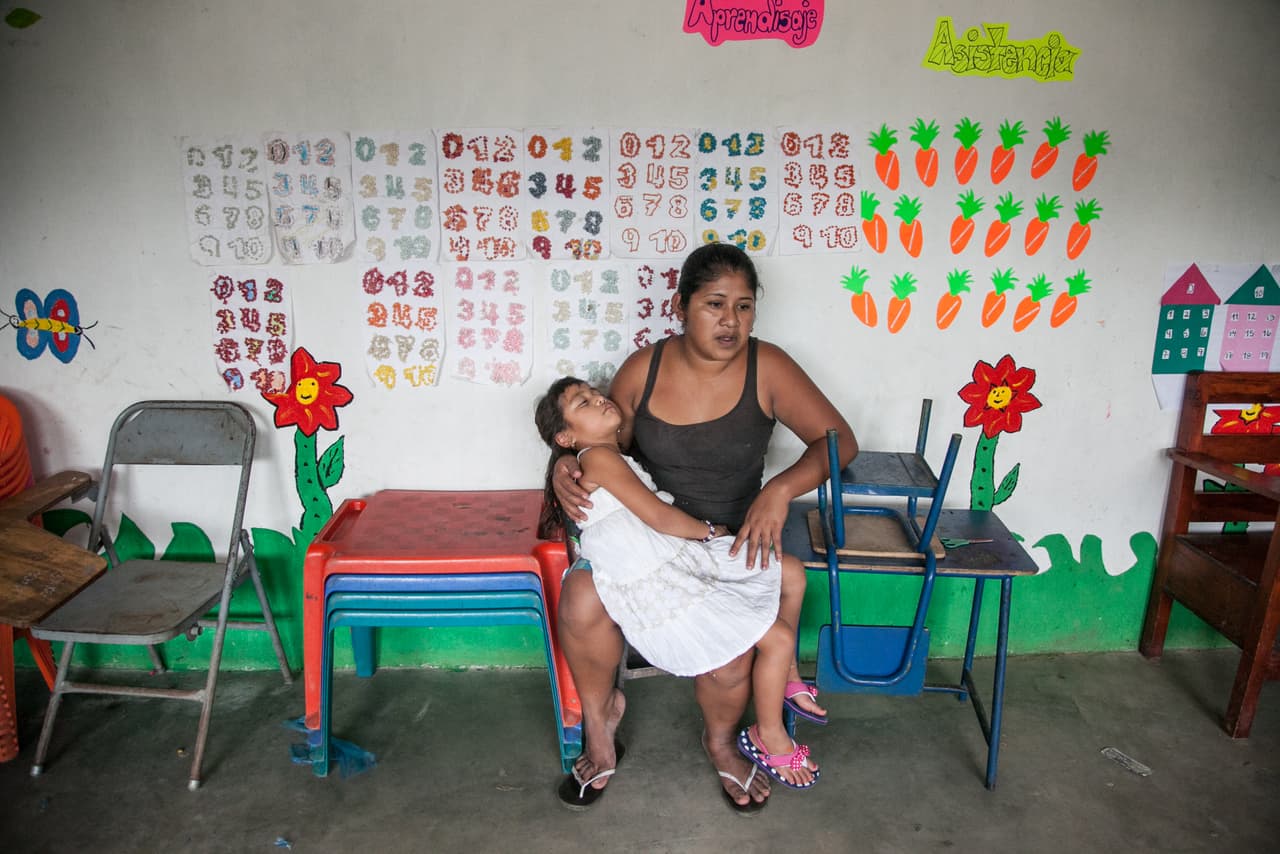 8/12
8/12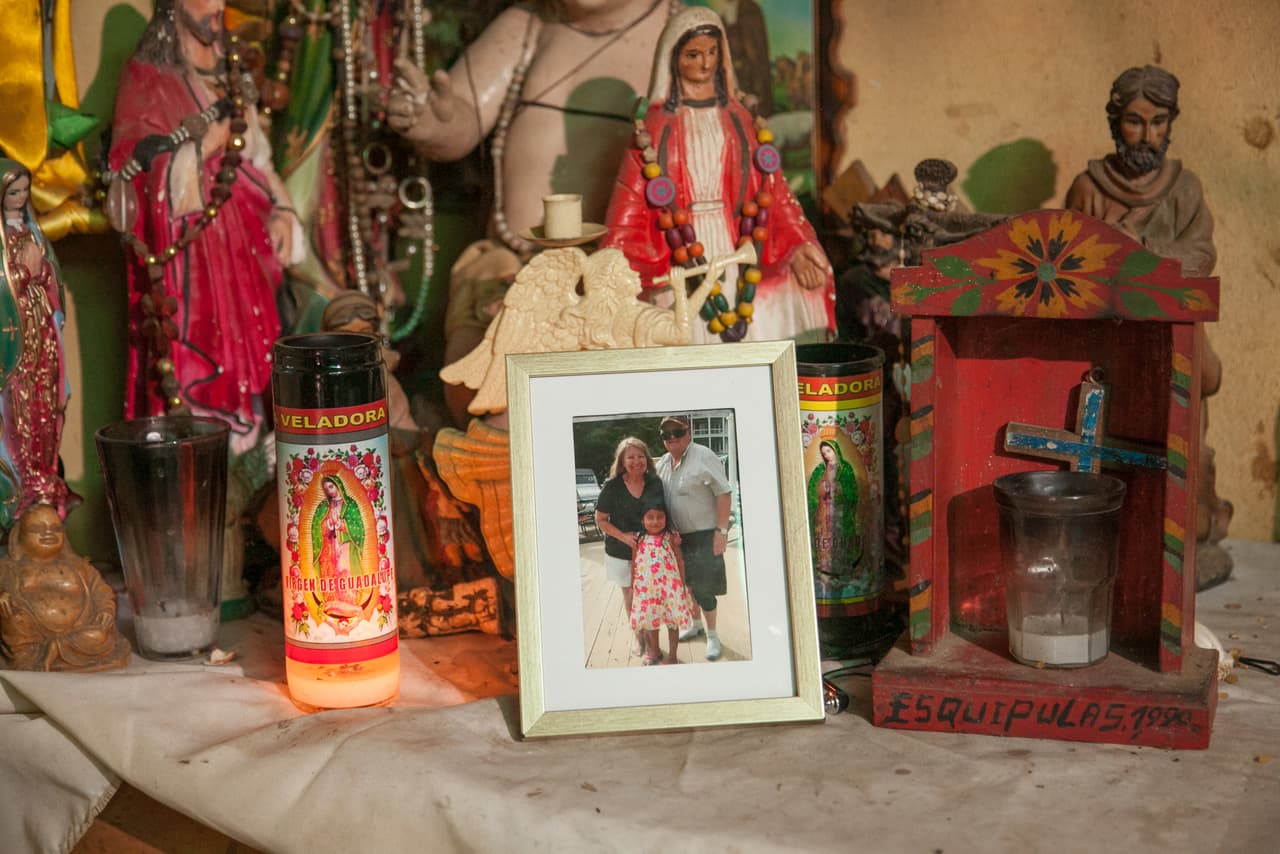 9/12
9/12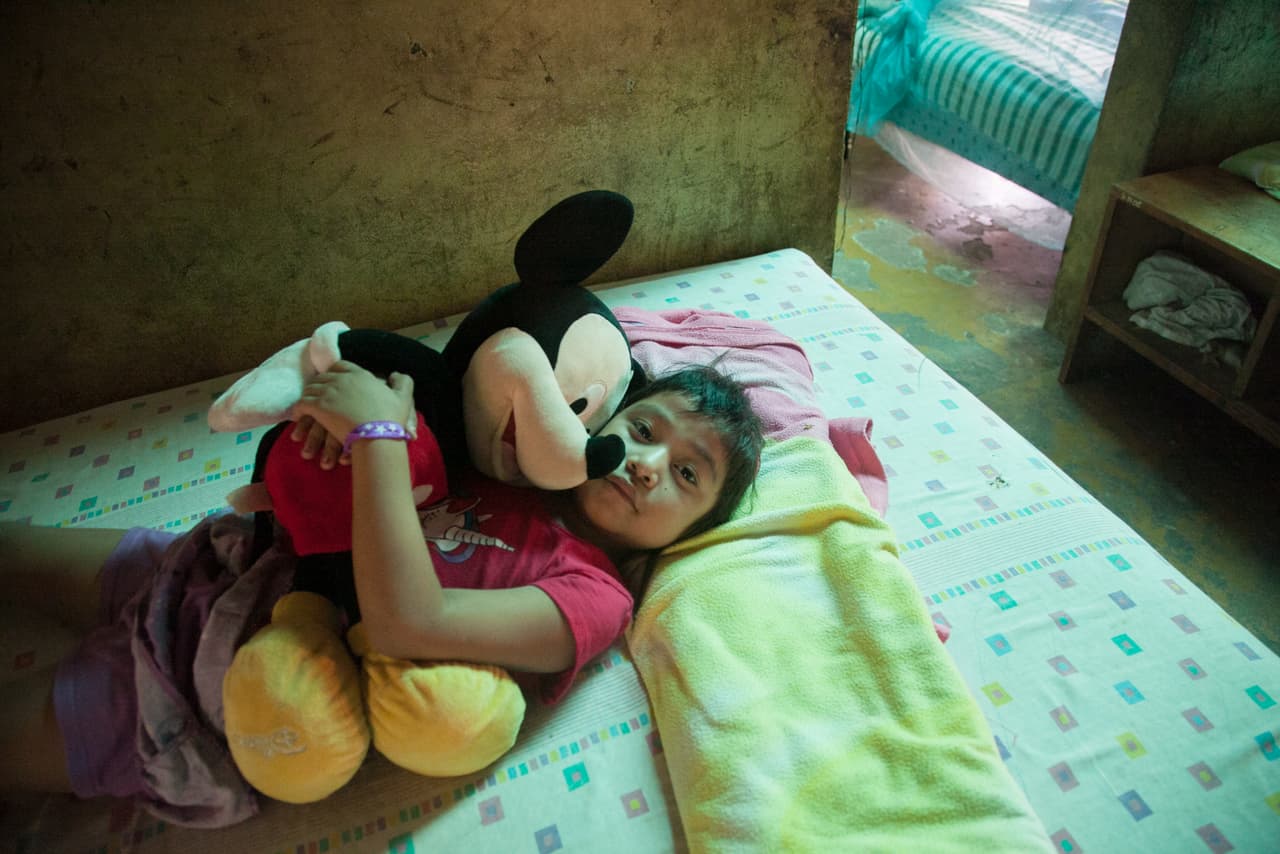 10/12
10/12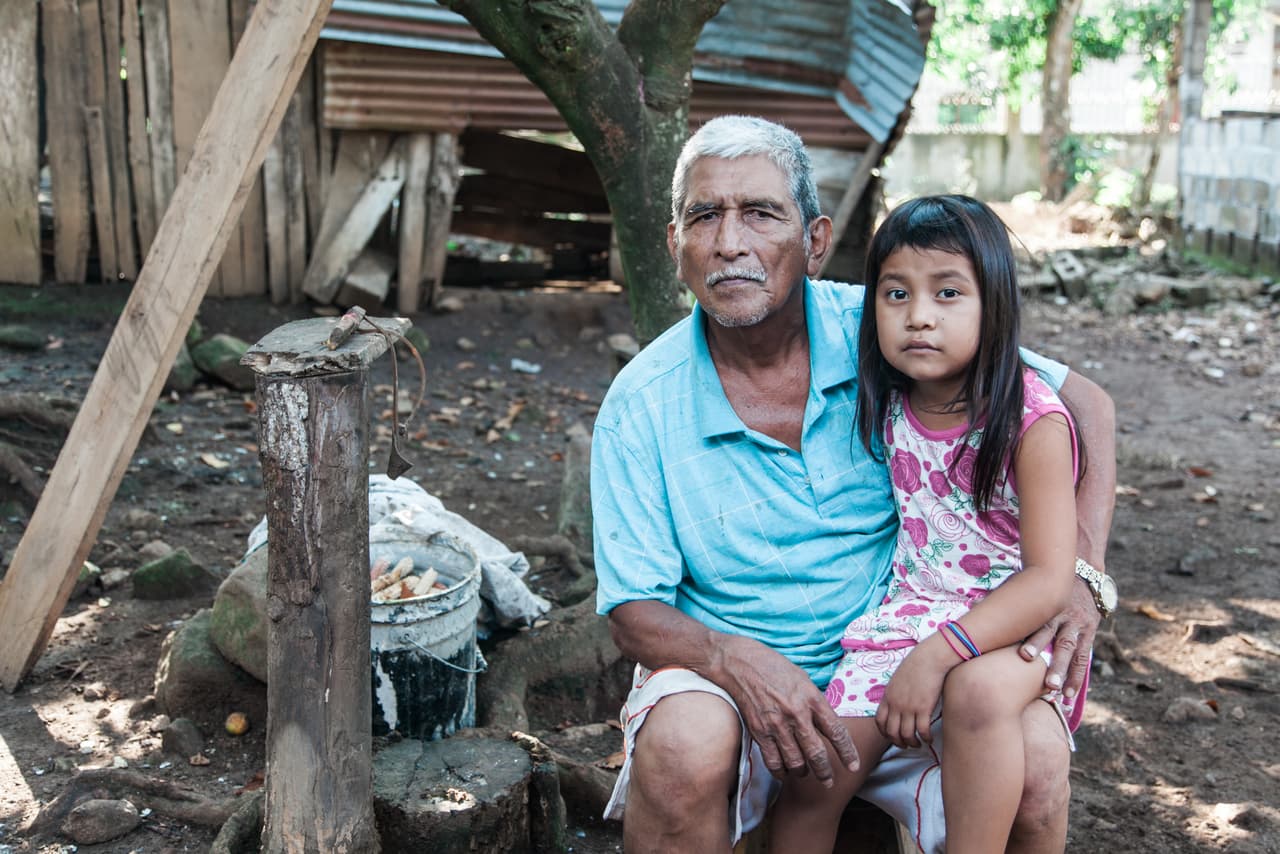 11/12
11/12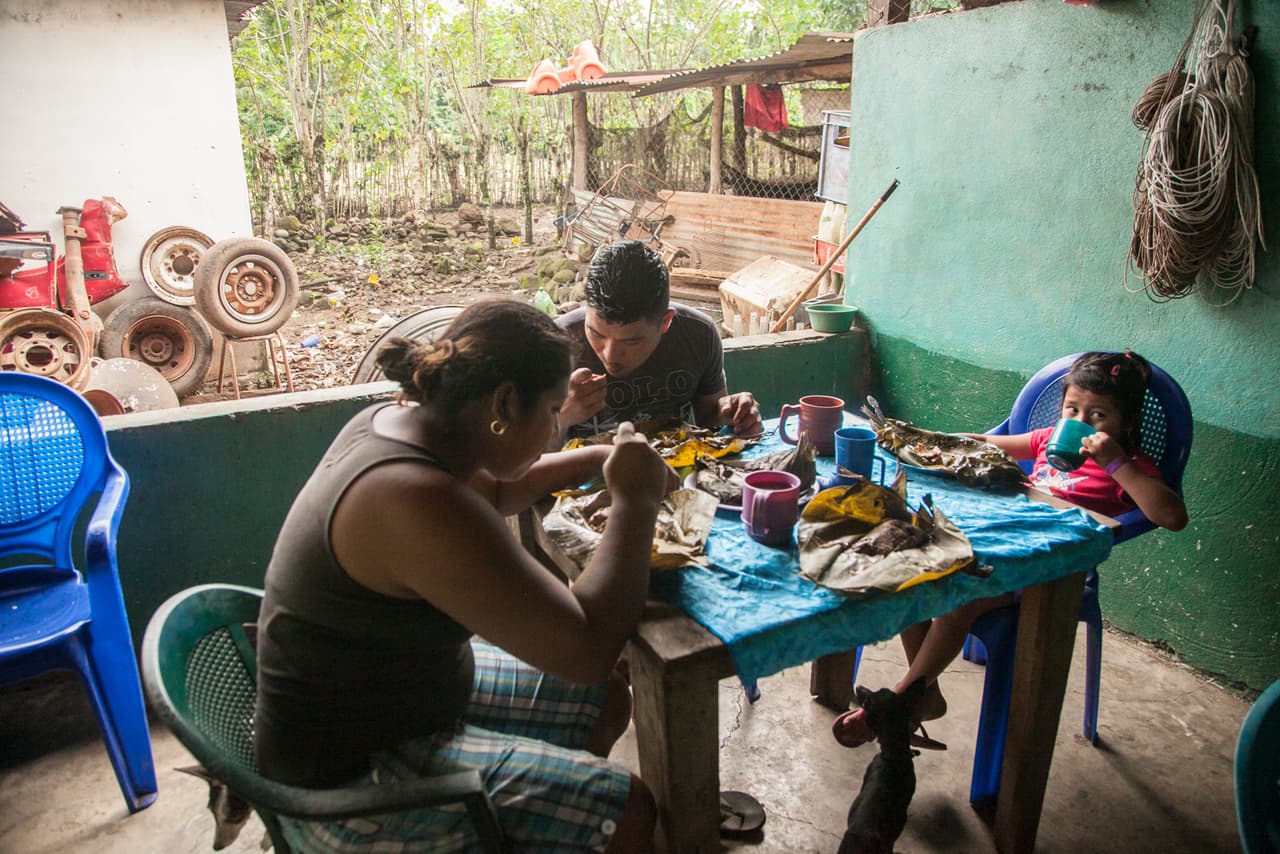 12/12
12/12