

Los abundantes lluvias que han caído este invierno en California han sido de las más prominentes en la última década y los botánicos prevén que esto pueda traducirse en una abundante temporada de flores silvestres en todo el estado, incluso en las zonas desérticas.
Las históricas lluvias de este invierno prometen hacer florecer hasta el desierto en California
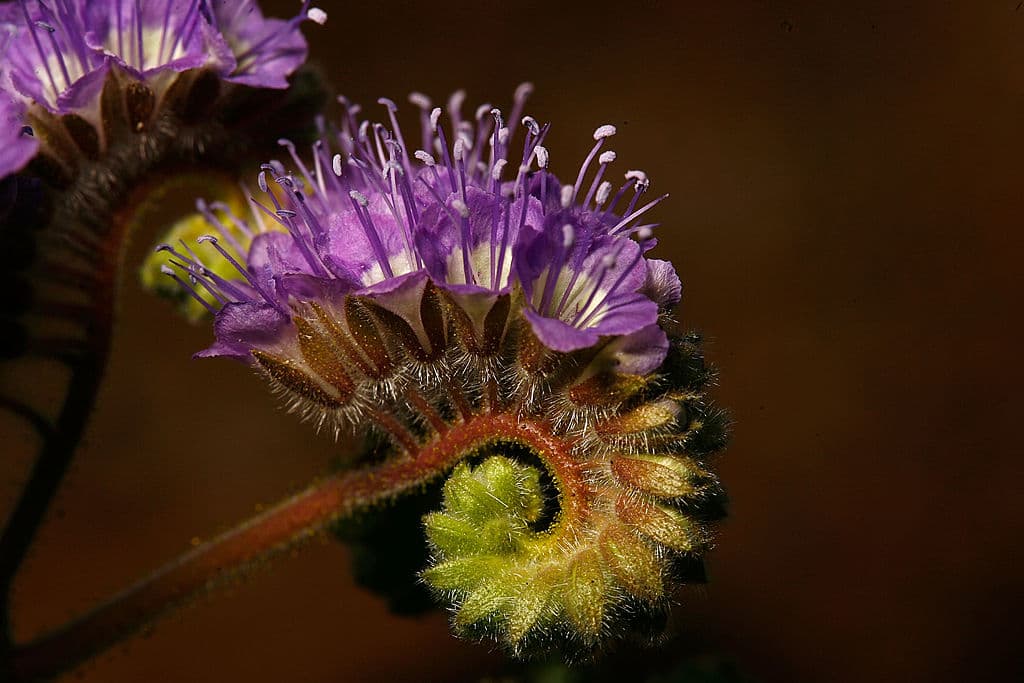
La verbena, los girasoles y los dientes de león del desierto y la lavanda son algunas de las flores más comunes que están por aparecer tras las abundantes precipitaciones en el estado dorado.

TEHACHAPI, CA - MARCH 4: California poppies bloom near Caliente on March 4, 2016 west of Tehachapi, California. Despite hopes that the major El Nino effect would bring drought-busting rains to southern California, the storms have been missing the region, delivering only half the rain of a normal year. After a brief period of heavy rain in January, Southern California experienced one of the hottest Februarys ever recorded, prompting early scenic wildflower blooms in several desert and foothill regions. (Photo by David McNew/Getty Images)
Imagen Getty Images
La verbena de arena (flor púrpura), los girasoles, los dientes de león del desierto y la lavanda son algunas de las flores más comunes que están por aparecer tras las precipitaciones.
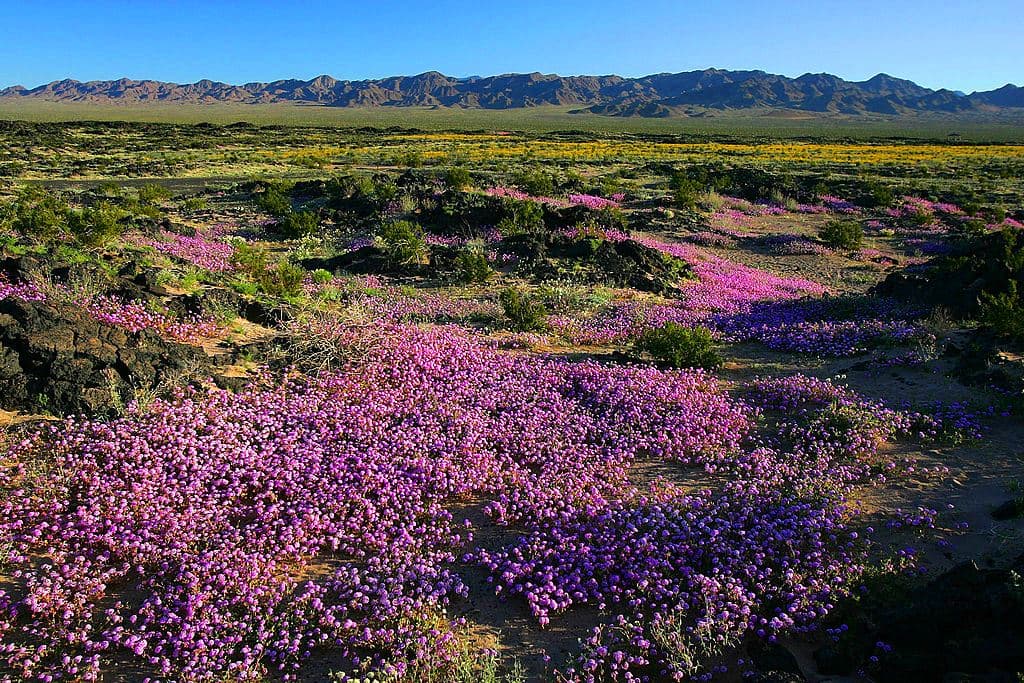
Imagen Getty Images
Uno de los sitios donde se espera esta floración extraordinaria en San Diego, California. Según el meteorólogo Albert Martínez, en esta ciudad normalmente se acumulan 10 pulgadas de lluvia al año, pero solo entre noviembre de 2016 y febrero de 2017 ya se han registrado 9,31. “Esto es casi la lluvia de un año en dos meses”. Las ciudades alrededor de Borrego -Campo, Ramon y Palm Springs (también desierto)- también han visto lluvia excepcional. Palm Springs recibe de al año unas cinco pulgadas y han caído estas en dos meses de golpe”.
AMBOY, CA - FEBRUARY 29: Wildflowers begin the annual desert bloom at sunrise inside Amboy Crater National Natural Landmark as a near-normal rain season follows a near-record dry season that lead to a wave of massive wildfires across southern California in 2007, on February 29, 2008 near Amboy, California. Weather experts are saying that it would take years of above-normal rainfall to refill the shrinking reservoirs of the West and to recover from a drought that has plagued western states since the end of the 1990s. Very few wildflowers were seen in California deserts in 2007. Amboy Crater is a symmetrically-shaped cinder cone near Mojave National Preserve in one of the youngest volcanic fields in the nation. The last eruption period occurred 500 years ago. (Photo by David McNew/Getty Images)
Imagen Getty Images




Según se prevé, es la zona conocida como Borrego Springs podría ocurrir una floración espectacular que fue vista por última vez en 1998.
Según Linda Haddock, directora ejecutiva de la Cámara de Comercio de Borrego Springs, esta floración es tan hermosa que en el pasado motivó a cientos de personas a mudarse a la zona.
En esa área se ubica el Anza-Borrego Desert State Park, sitio visitado por unas 1,5 millones de personas cada año.
Dennis Stephen, el intérprete oficial del Parque Estatal Anza-Borrego Desert reconoció a LA Times que en este momento se observa una buena germinación de plántulas de verbenas. No obstante, se manifiesta cauteloso y recuerda que la lluvia también puede afectar cuando la temporada de flores silvestres comienza y cuánto tiempo puede durar. “Si en estos días se calienta y ya no cae más lluvia del todo, mucho de lo que ha germinado puede no surgir”.
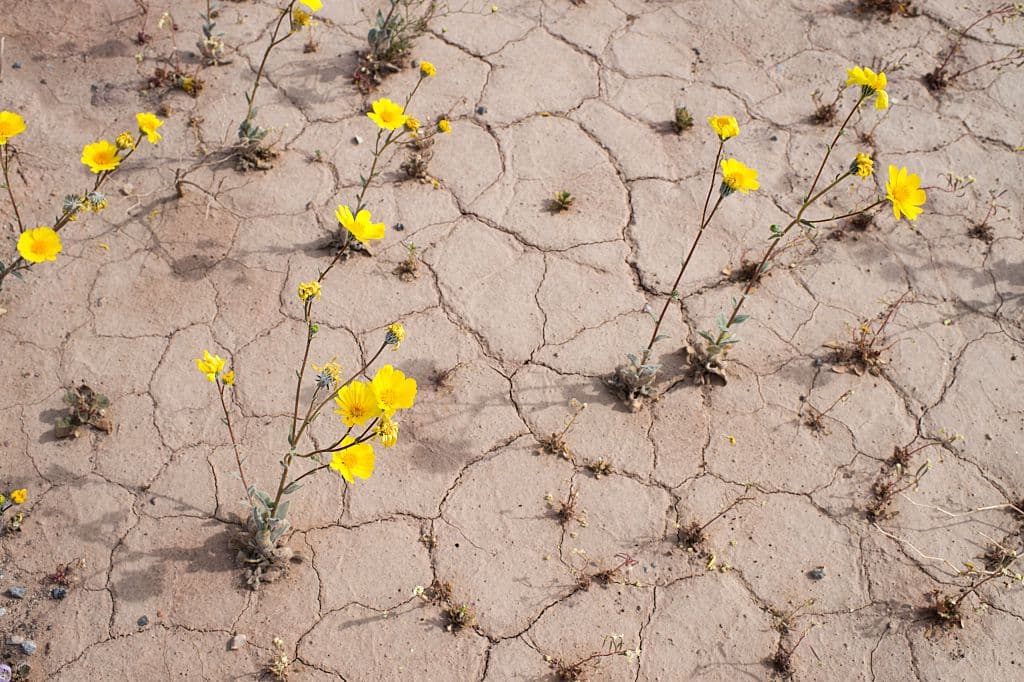
Yellow wildflowers line the highway through Death Valley National Park, in Death Valley, California, March 4, 2016. Unusally heavy rainfall in October trigged a "super bloom," carpeting Death Valley National Park, the hottest and driest place in North America, in gold, purple, white and pink. The bloom is the parks largest in a decade. / AFP / ROBYN BECK (Photo credit should read ROBYN BECK/AFP/Getty Images)
Imagen Getty Images
Si las lluvias empiezan a ceder, la floración podría estar por iniciarse al final del mes de febrero, pero si la lluvia continúa, las flores llegarían un poco después.
La reserva de la amapola de California en Lancaster también podría verse tapizada de colores brillantes gracias a las amapolas del desierto que tienen coloraciones anaranjadas y amarillas. Pero para esto habrá que esperar un poco más. Los funcionarios del parque explican que cuando las temperaturas se mantienen por debajo de los 85 grados y el suelo permanece saturado de agua, la floración comienza en marzo.
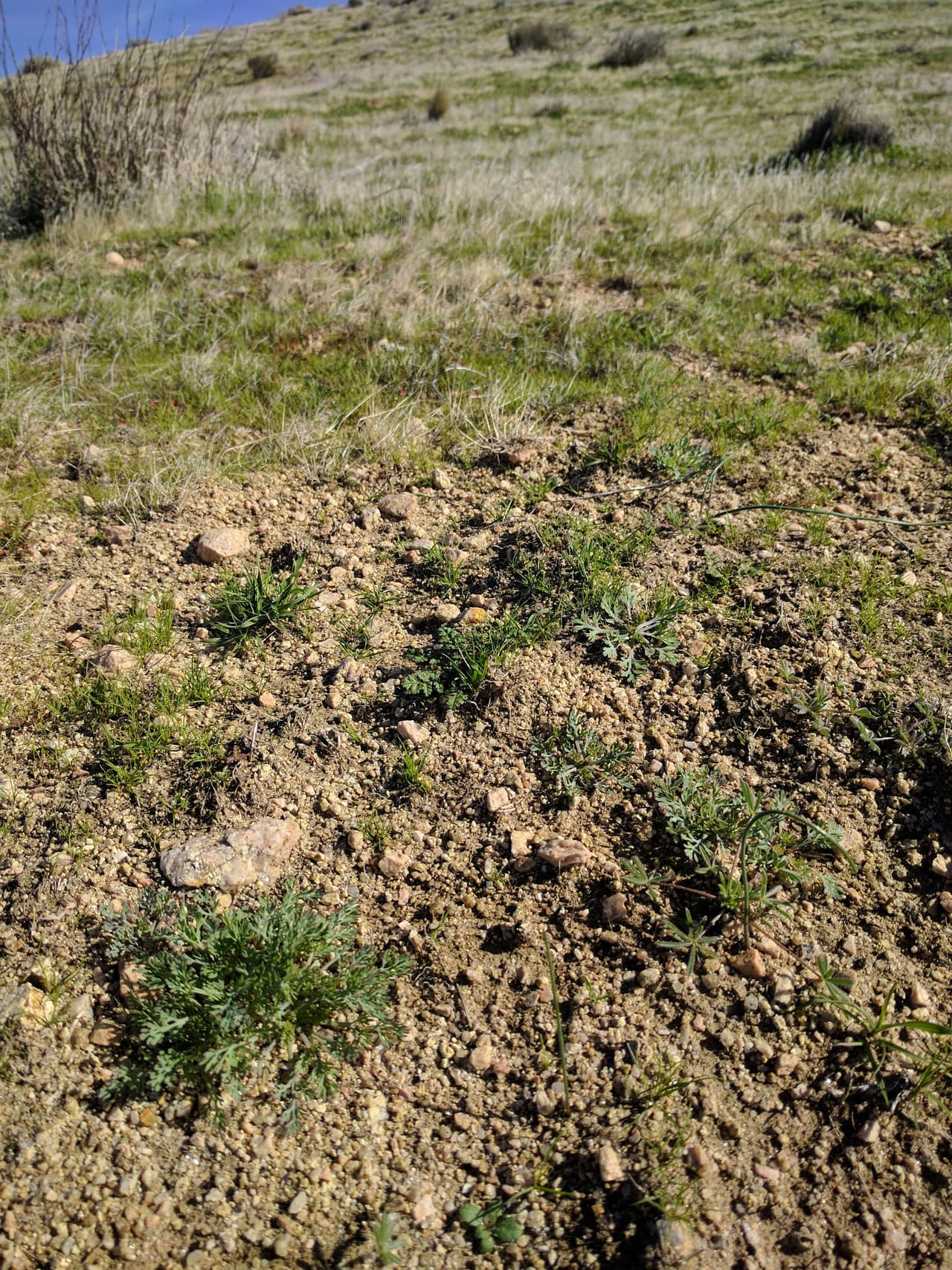
Hay plántulas, pero todavía no florean, advierten las autoridades.
Imagen https://www.parks.ca.gov
Jean Rhyne, funcionaria del sistema de parques estatales de California dijo a KPCC que los tallos de amapola han brotado y que la reserva ya ha recibido la cantidad mínima de lluvia para hacer posible una floración: más de siete pulgadas. Sin embargo, ella también es precavida en el pronóstico y reconoce que una nevada o mucha más lluvia, podrían ahogar y acabar con los brotes jóvenes.
The best place to see California's state flower, the California Poppy? The Antelope Valley California Poppy Reserve #stateparks #climate pic.twitter.com/fmPGZOiZkV
— Alt CA State Parks (@AltCaStateParks) January 27, 2017
....
Relacionados: