The big Florida mulch: cleaning up after Hurricane Irma, step by step (IN PHOTOS)
Local officials say it will take two to three months to pick up and dispose of the three million tons of hurricane debris from Irma, at a cost that could exceed $200 million. Here how the process works, from curbside pick up to mulching.
Hurricane Irma snapped branches and downed thousands of trees across Florida, from Key West to Jacksonville.
Getty Images
PUBLICIDAD
2/19
Clean up crews began work in Key Biscayne, Florida the day after Irma passed. Debris contractors are working from sunrise to sunset, seven days a week to clear the streets.
PUBLICIDAD
3/19
Debris includes large tree trunks like this one blown down in Grapetree Drive, Key Biscayne. Photo by David Adams
PUBLICIDAD
4/19
Some sidewalks were left completely blocked by Hurricane irma debris.
PUBLICIDAD
5/19
Nelson Rivera, 23, from El Salvador, clearing Hurricane Irma debris in Key Biscayne. Photo by David Adams
PUBLICIDAD
6/19
After a while the debris starts to dry and turn brown created a fire hazard. Photo by David Adams
PUBLICIDAD
7/19
Residents are asked to pile up debris by the curbsides to avoid blocking streets. Contractors began picking up the debris last week to take it to one of several collection points for mulching. Photo by David Adams
PUBLICIDAD
8/19
Johnny Lopez, 41, is a debris collector with Ojito Waste Services in Hialeah. In Palm Beach County alone 400 debris trucks were contracted to remove an estimated three million cubic yards of waste. Photo by David Adams
PUBLICIDAD
9/19
Johnny Lopez picking up debris. It takes skills to operate the claw on his truck.
PUBLICIDAD
10/19
Debris being unloaded at a collection site in Crandon Park, near Miami, to be turned into mulch.
PUBLICIDAD
11/19
Cody Gray, from Ohio, is one of the drivers contracted to help clear the Hurricane Irma debris. Gray said he was contracted before Irma and was waiting at the Georgia border for Irma to pass before driving 18 hours to South Florida the next day.
PUBLICIDAD
12/19
A truck dumps hurricane debris at Doral Park in west Miami, one of several debris management sites around Miami-Dade County. Photo by David Maris.
PUBLICIDAD
13/19
Another hurricane debris collection site in Crandon Park, near Miami. It's estimated that debris in Miami-Dade County alone amounts to three million cubic yards, or 500,000 tons. Photo by David Adams.
PUBLICIDAD
14/19
One of the many mountains of Hurricane Irma debris in Miami-Dade County. Photo by David Adams
PUBLICIDAD
15/19
This is what the hurricane debris look like after it's been through the mulching machine. Mulch is used to control garden weeds and is also used to cover landfill to control odors and vermin. Photo by David Adams
PUBLICIDAD
16/19
The grinder is fed debris constantly from sunrise to sunset. It will be working for two to three months grinding Hurricane Irma waste into mulch for use in gardens and farms. Photo by David Adams.
PUBLICIDAD
17/19
This mobile caterpiillar 'tub grinder' weighs 20 tons and is 60-feet long. Photo by David Adams.
PUBLICIDAD
18/19
Each truckload of debris is measured by an inspector. The county pays contractors between $8 to $15 per cubic yard of debris. Depending on its size a truck can carry 25-50 cubic yards. Photo by David Adams.
PUBLICIDAD
19/19
These ducks waddle unperturbed in a Miami Lakes park where Hurricane Irma debris is being mulched by a massive grinding machine. Photo by David Adams

 1/19
1/19 2/19
2/19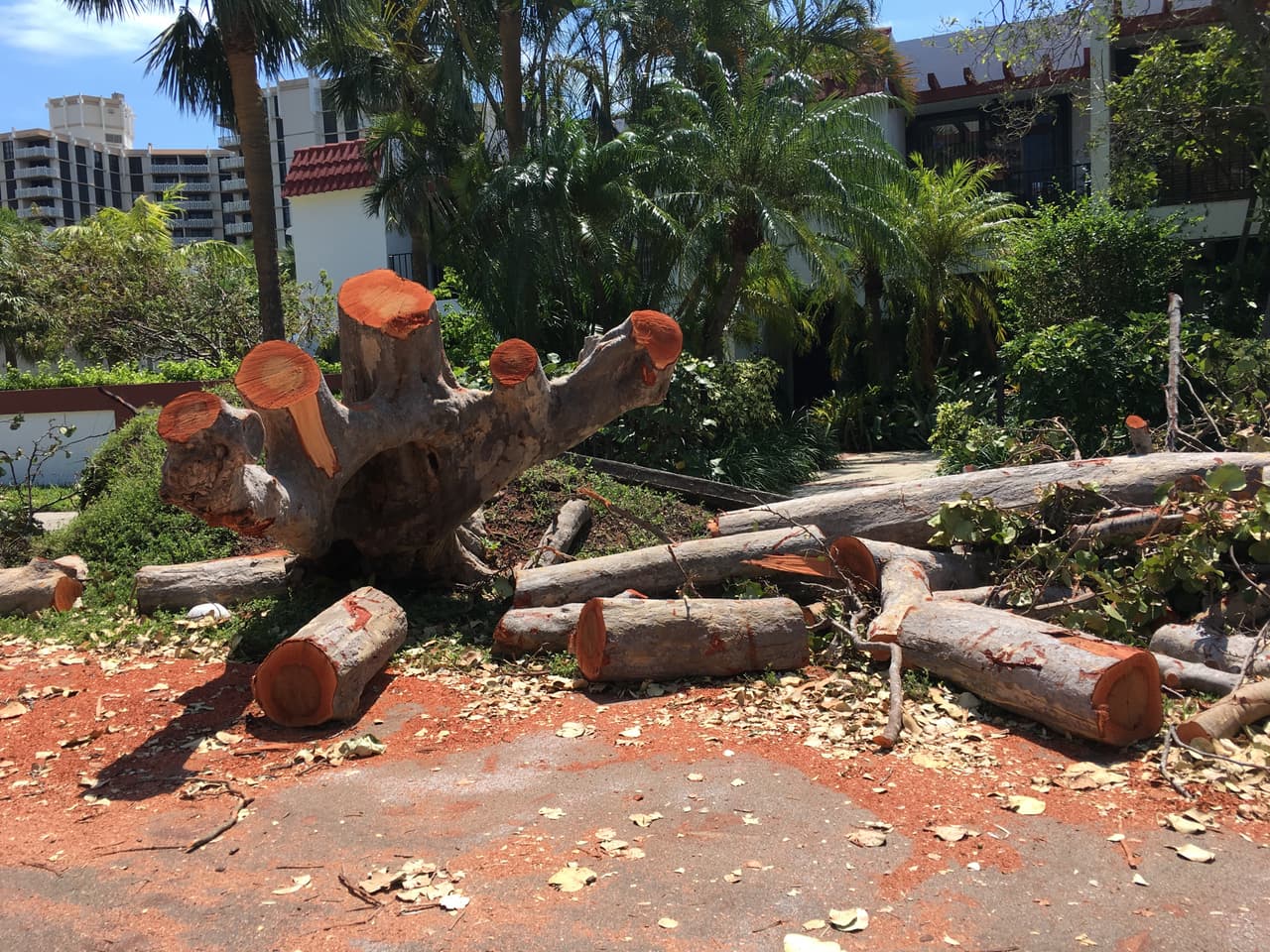 3/19
3/19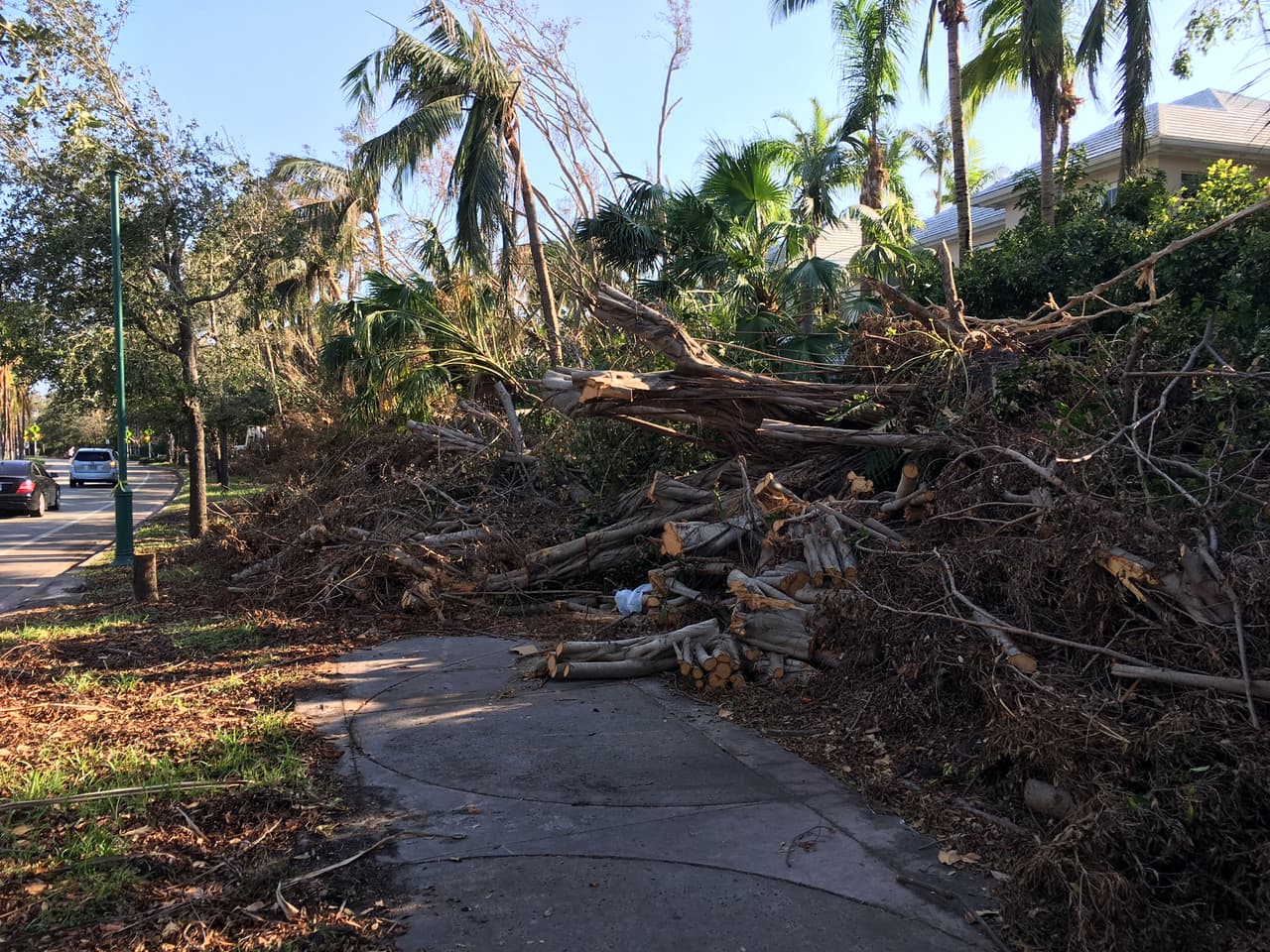 4/19
4/19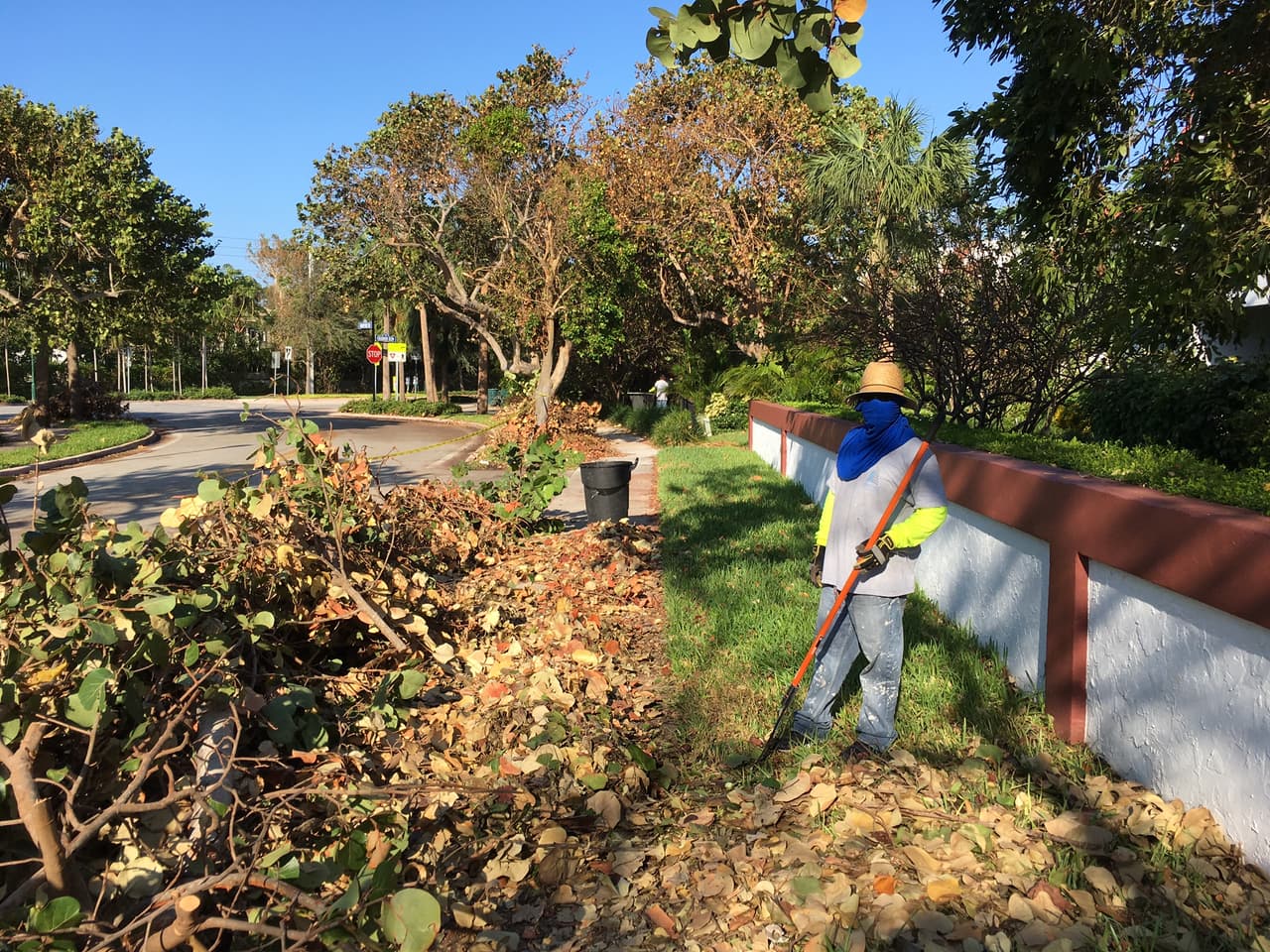 5/19
5/19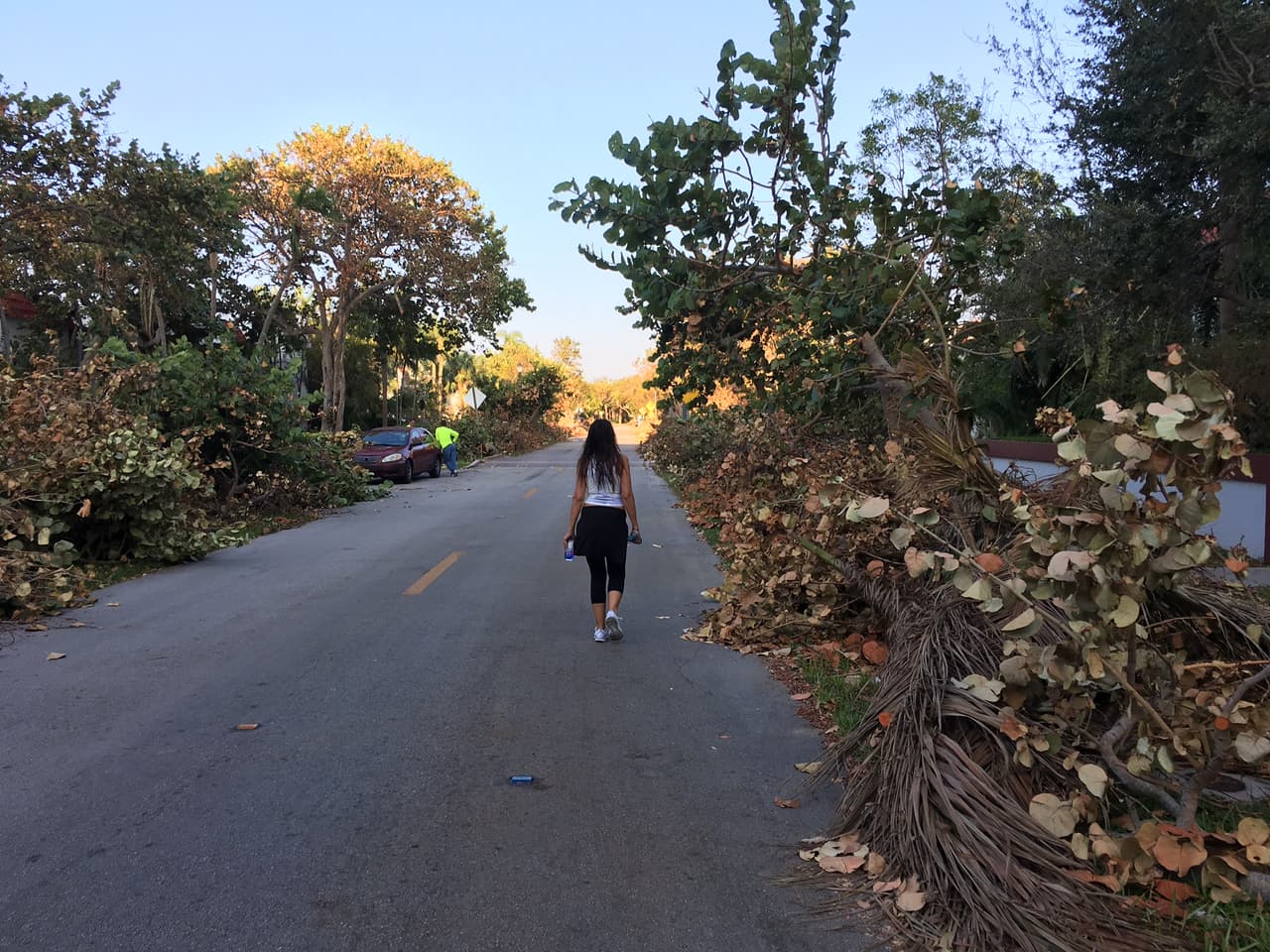 6/19
6/19 7/19
7/19 8/19
8/19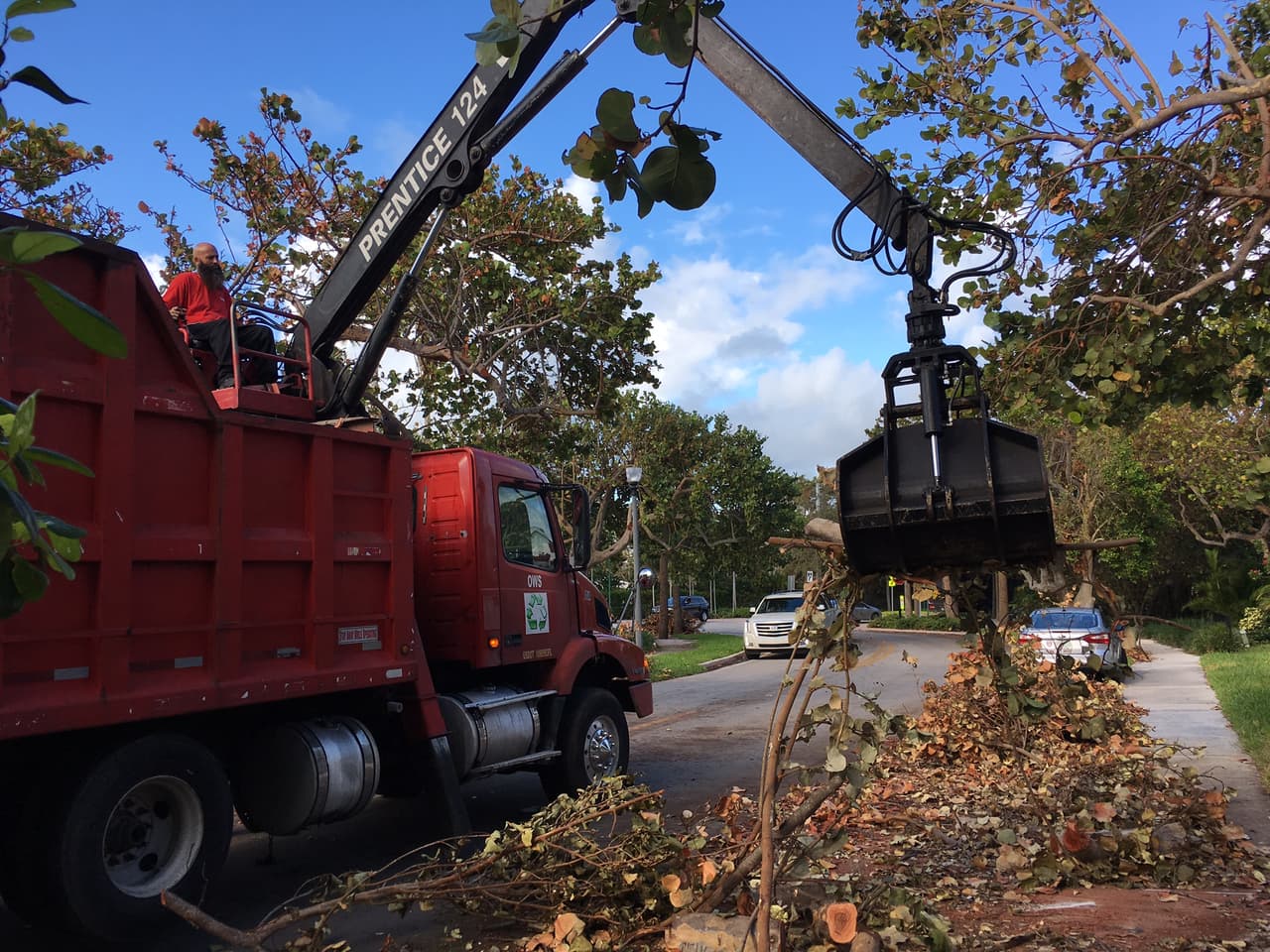 9/19
9/19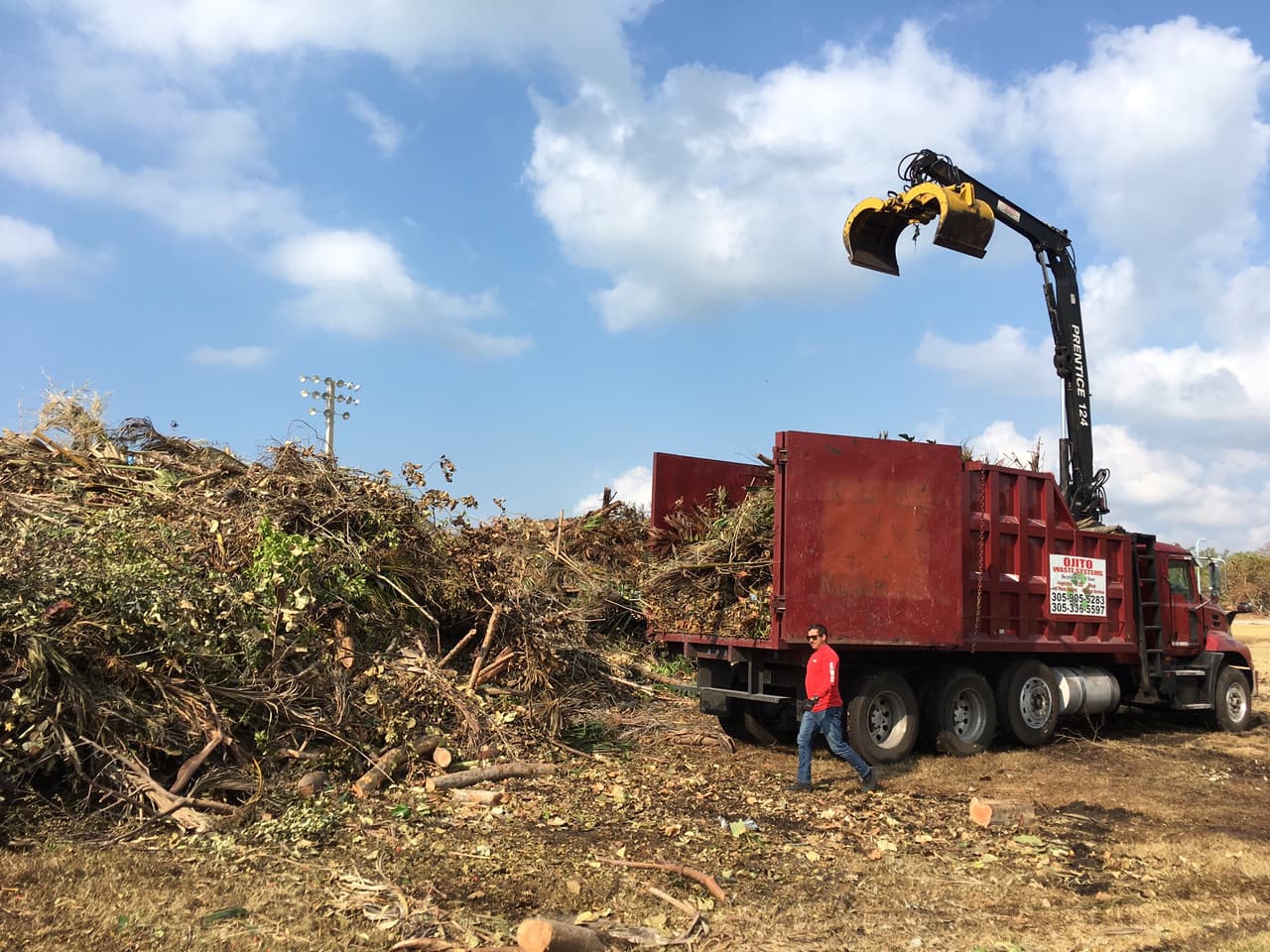 10/19
10/19 11/19
11/19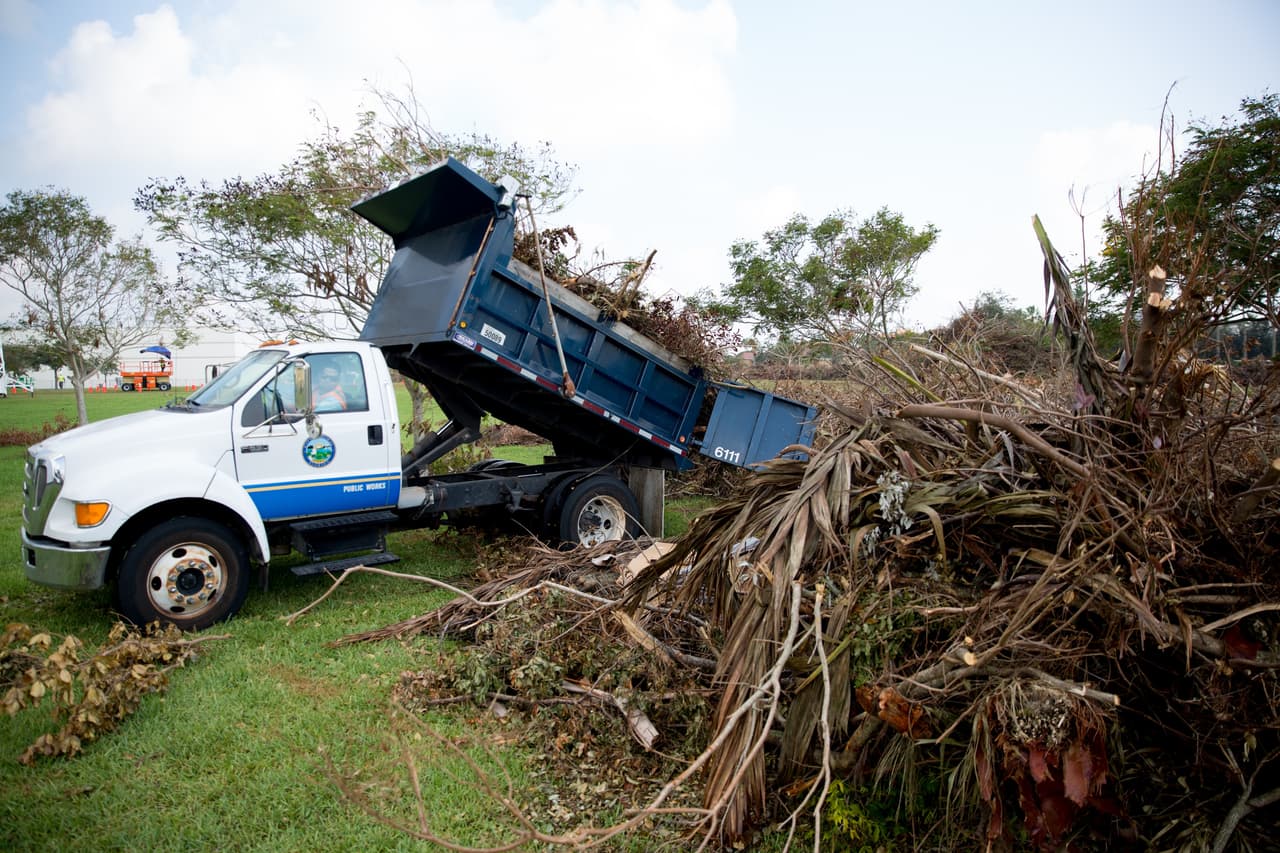 12/19
12/19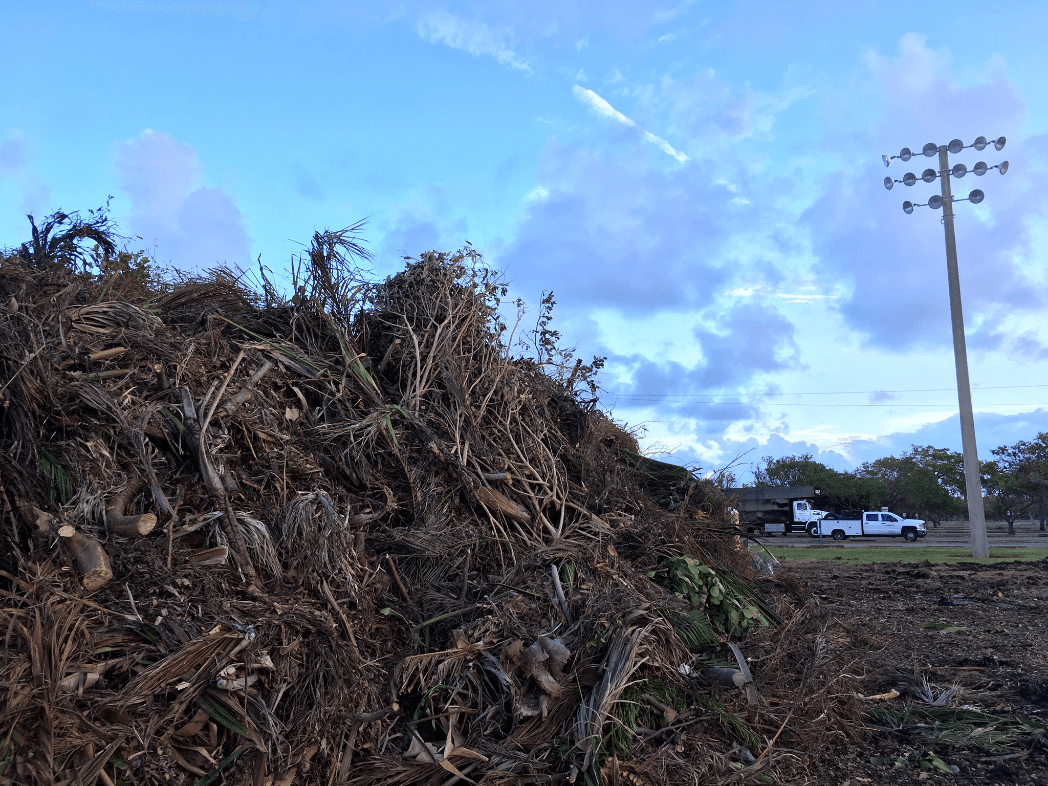 13/19
13/19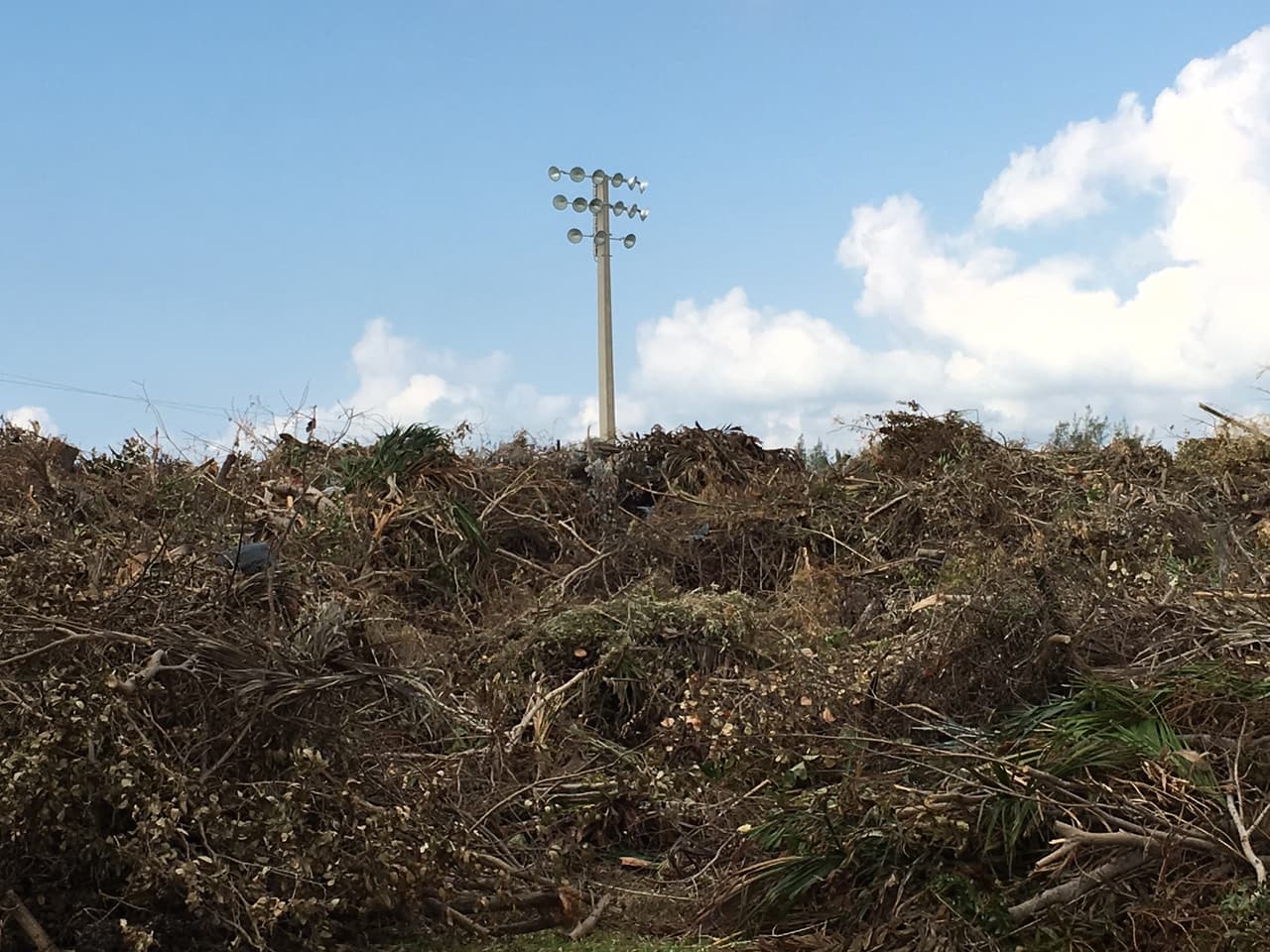 14/19
14/19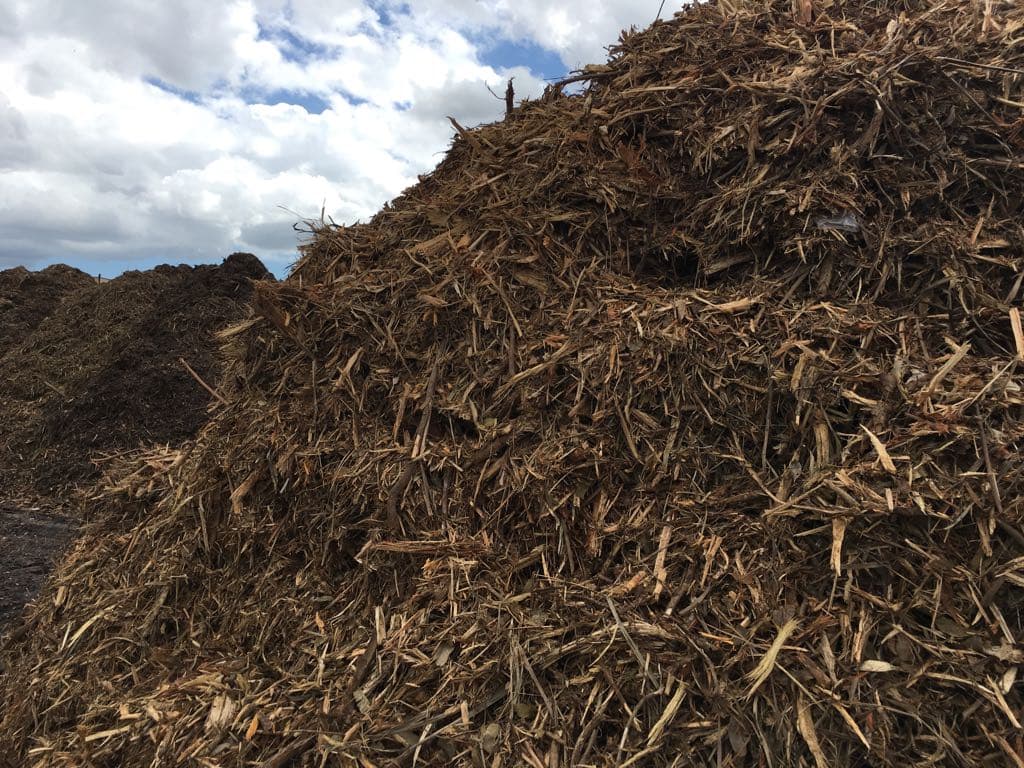 15/19
15/19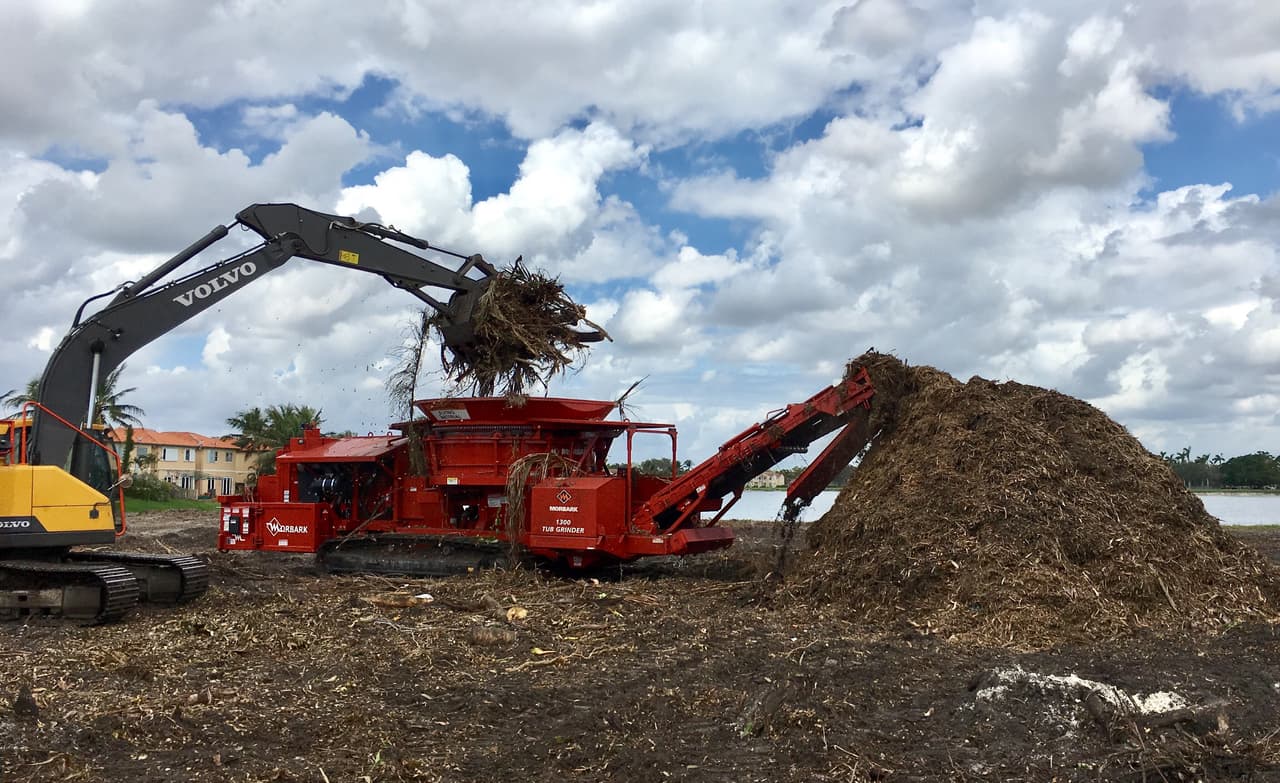 16/19
16/19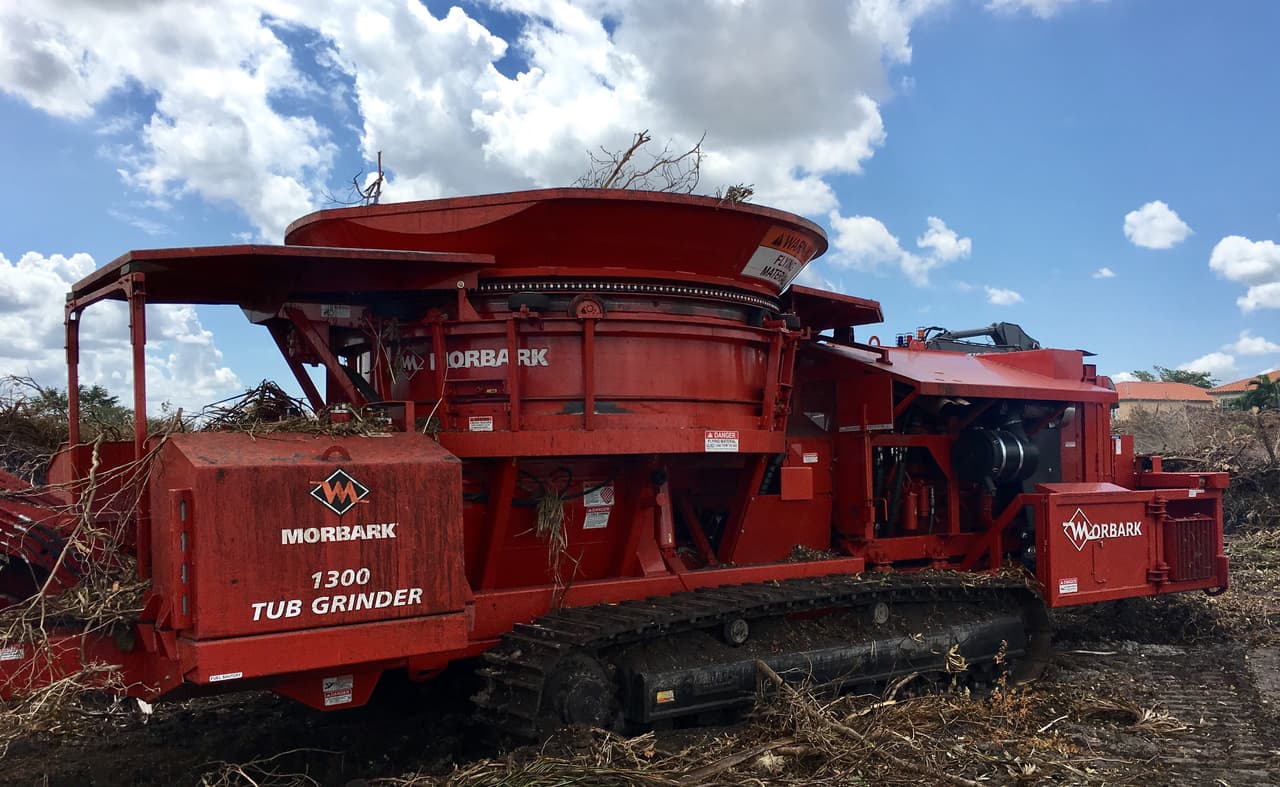 17/19
17/19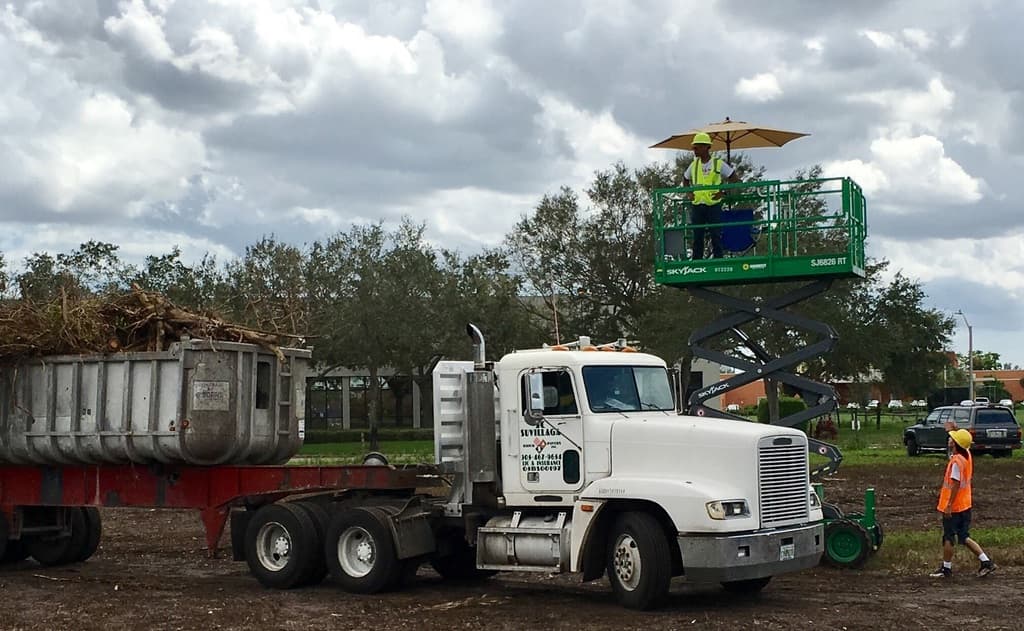 18/19
18/19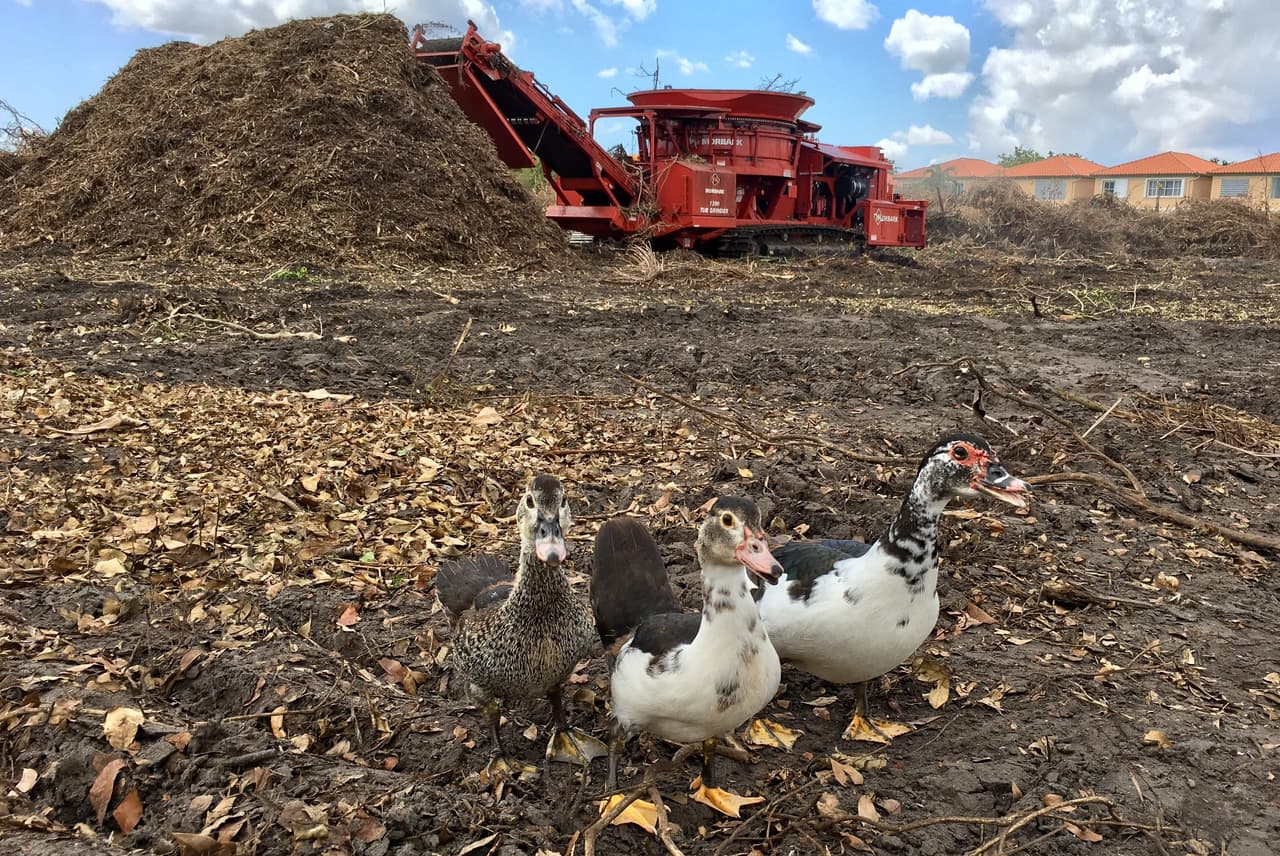 19/19
19/19