“If you don’t get away from those areas, you are going to die.” That statement concluded Puerto Rico Secretary of Public Safety Héctor Pesquera’s press conference before Hurricane Maria.
Why Puerto Rico’s death toll from Hurricane Maria is so much higher than officials thought
Hurricane Maria’s destruction likely have led to thousands more dead than originally estimated due to the way deaths are recorded by government officials.
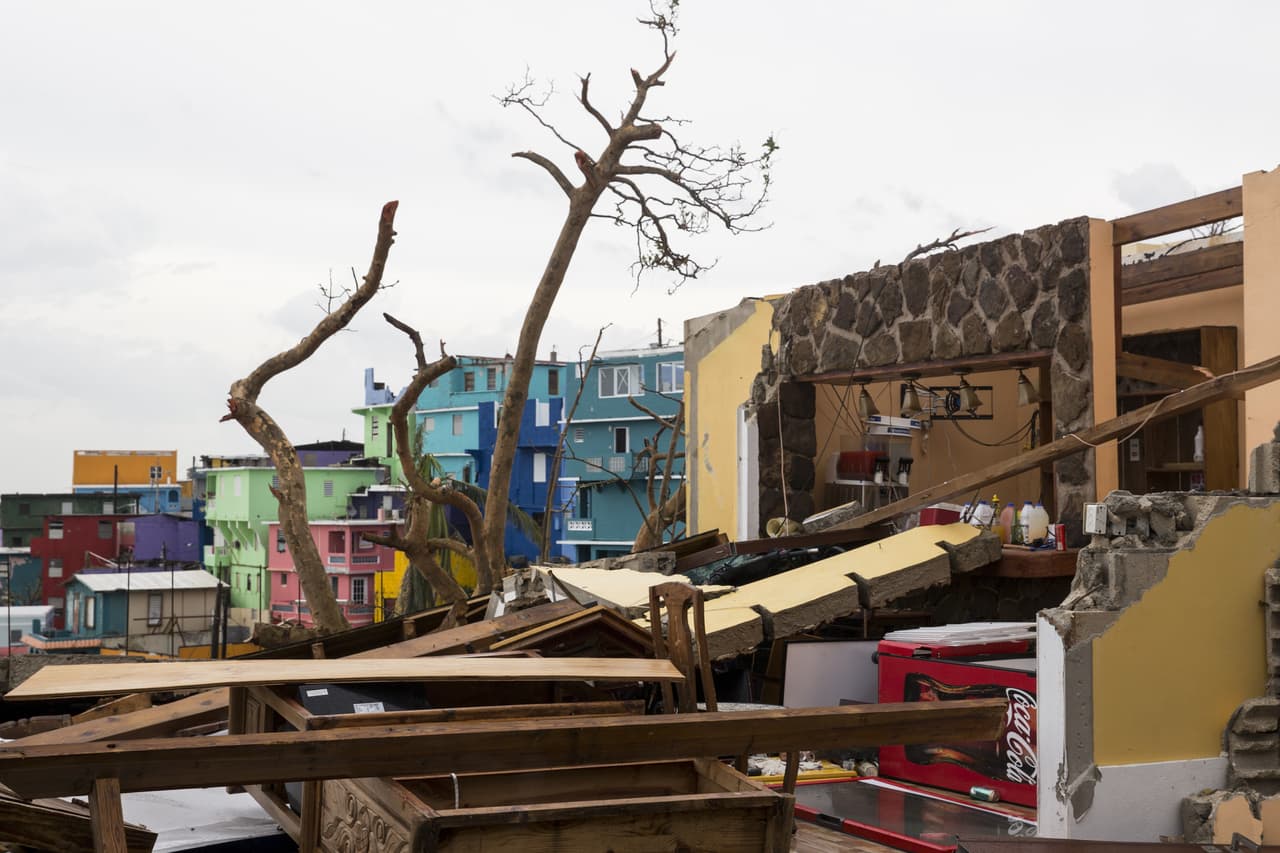
SAN JUAN, PUERTO RICO - SEPTEMBER 21: Damaged homes in the La Perla neighborhood the day after Hurricane Maria made landfall on September 21, 2017 in San Juan, Puerto Rico. The majority of the island has lost power, in San Juan many are left without running water or cell phone service, and the Governor said Maria is the "most devastating storm to hit the island this century." (Photo by Alex Wroblewski/Getty Images)
Imagen Getty Images
As of Dec. 29, the Department of Public Safety had certified 64 deaths due to Hurricane Maria. Pesquera was one of the fiercest protectors of that official death count.
However, estimates reported by CNN, The New York Times and others around the same time told a very different story. Now, a May 29 study estimates the total number of deaths at 4,645.
I was part of the team of demographers that last year developed the first estimates of excess deaths, with the objective of informing the public and policymakers. Our numbers, published in November, contrasted significantly with the original official figure. The most shocking results from our study suggested that deaths in September and October were 25 percent above historical patterns.
Determining the number of excess deaths after a natural disaster is not only a mathematical exercise. Undercounting deaths reduces the attention to the crisis Puerto Ricans live day by day. It can also delay international recovery efforts and the approval of policies to help those who need it the most.
Causes of death
Our study compared preliminary data from the Department of Public Safety with historical patterns for the same months in the past decade. In other words, we compared the number of deaths in September and October last year with data from the same period of time in 2010 to 2016. This is how we concluded that deaths exceeded historical ranges by at least 1,000.
So why were so many deaths missing from the official count? My colleagues and I suspect it may come down to how deaths are recorded by government officials.
In Puerto Rico, deaths are recorded using international classifications. This system doesn’t capture all of the circumstances surrounding a death that happens following a natural disaster. The death may have been accelerated by some conditions – like difficulty communicating during the emergency.
Deaths associated with a particular natural disaster can be classified as direct or indirect deaths. According to the Centers for Disease Control and Prevention, direct deaths are those “directly attributable to the forces of the disaster or by the direct consequences of these forces, such as structural collapse, flying debris or radiation exposure.”
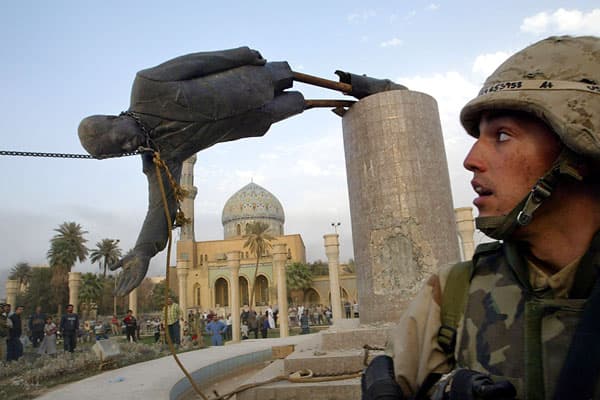
Despite a near universal desire for an end to Venezuela’s manmade disaster, sending in U.S forces to take out the Maduro regime would be counter-productive. It should be categorically rejected by interim president Juan Guaidó, not to mention the Trump administration.
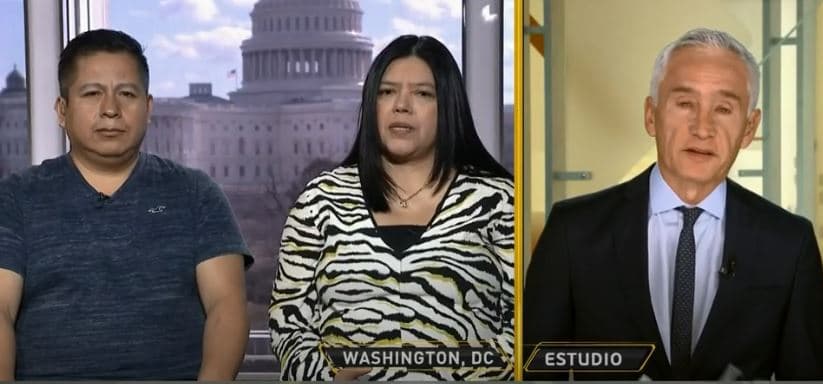
The firing of undocumented workers at Trump's golf clubs just shows how the practice of employing immigrants without legal work papers is much more common than we might imagine. Such is life in the United States.
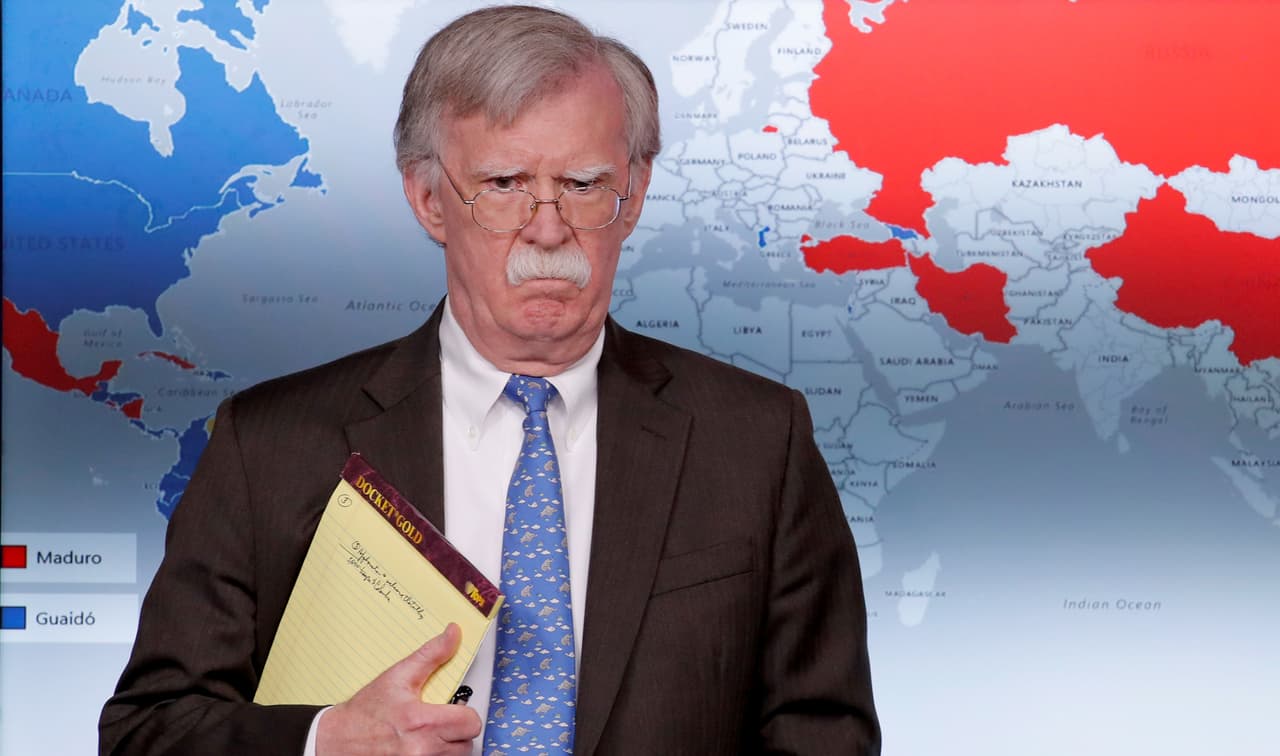
The Trump administration should be wary of fueling fake news predictions about an imminent American invasion which unrealistically raises expectations about Maduro's removal.
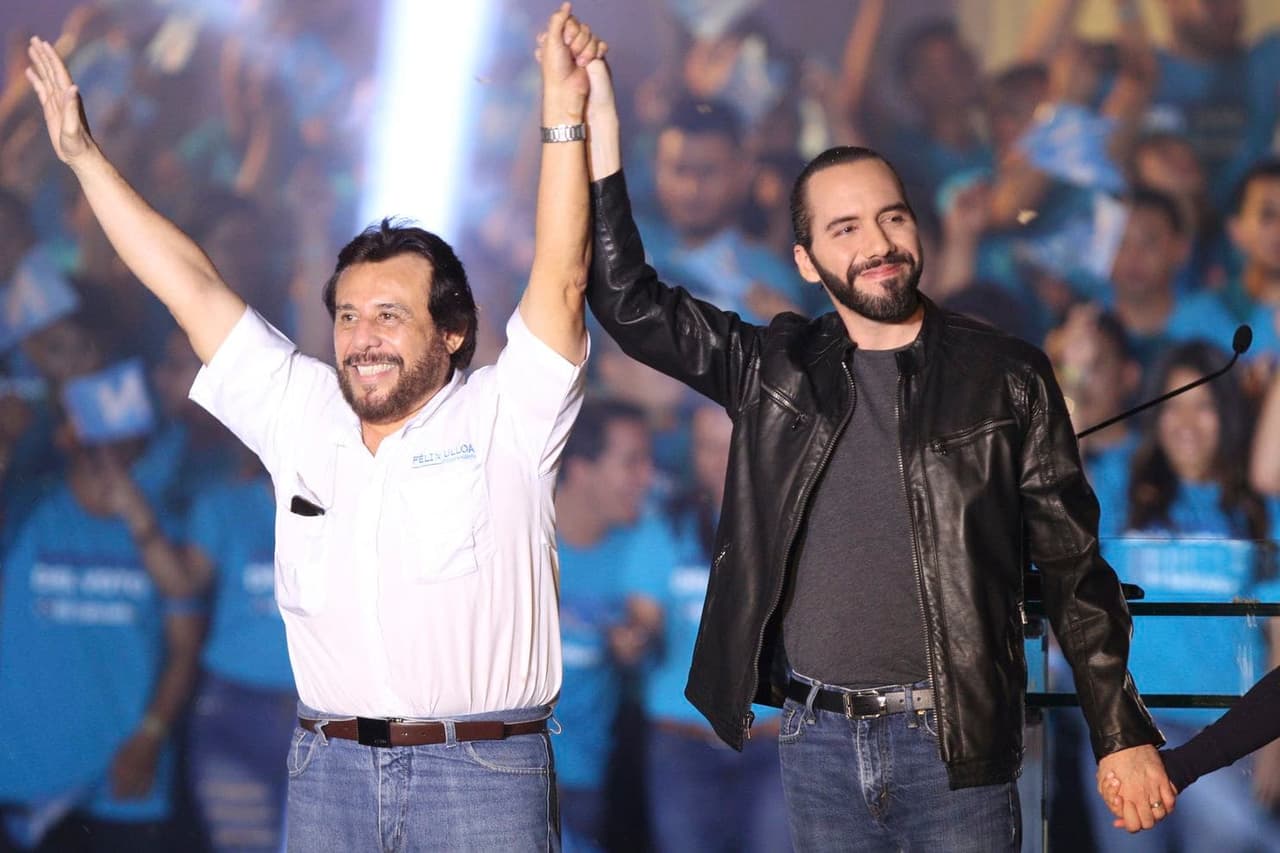
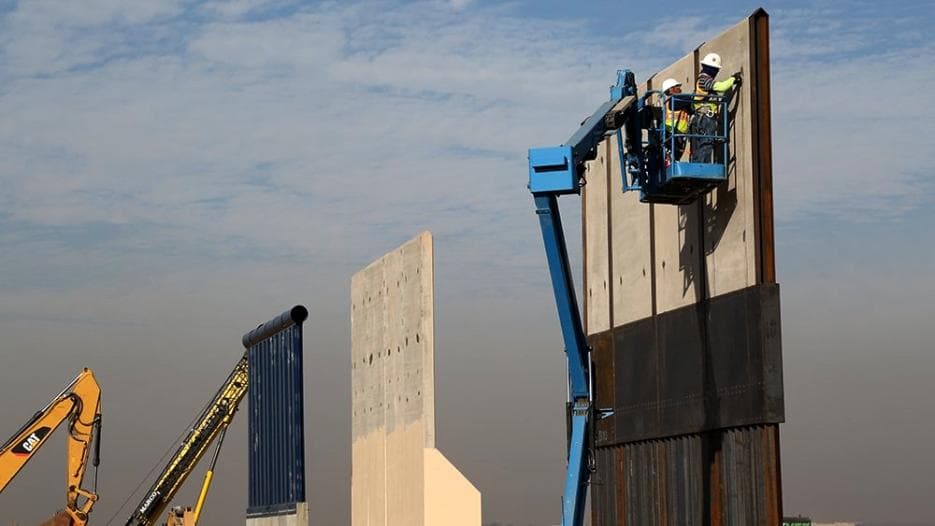
At some point we will have to accept the fact that the border between Mexico and the United States is nothing more than an invention.

The United States has had a major role in the evolving drama of the fight for democracy in Venezuela and Nicaragua. And so far, it’s been surprisingly coordinated, a veritable model of multilateralism.
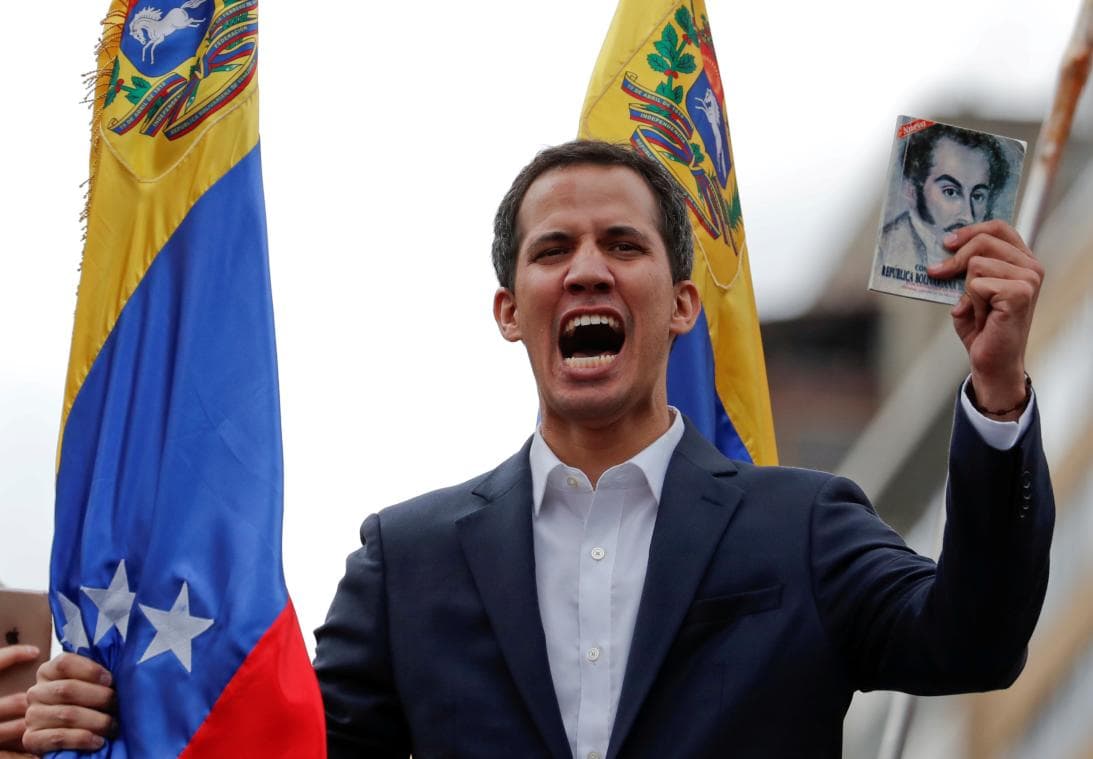
Has the Maduro regime reached breaking point? It remains hard to say, but tomorrow is another - more hopeful - day for the restoration of democracy in the South American nation.
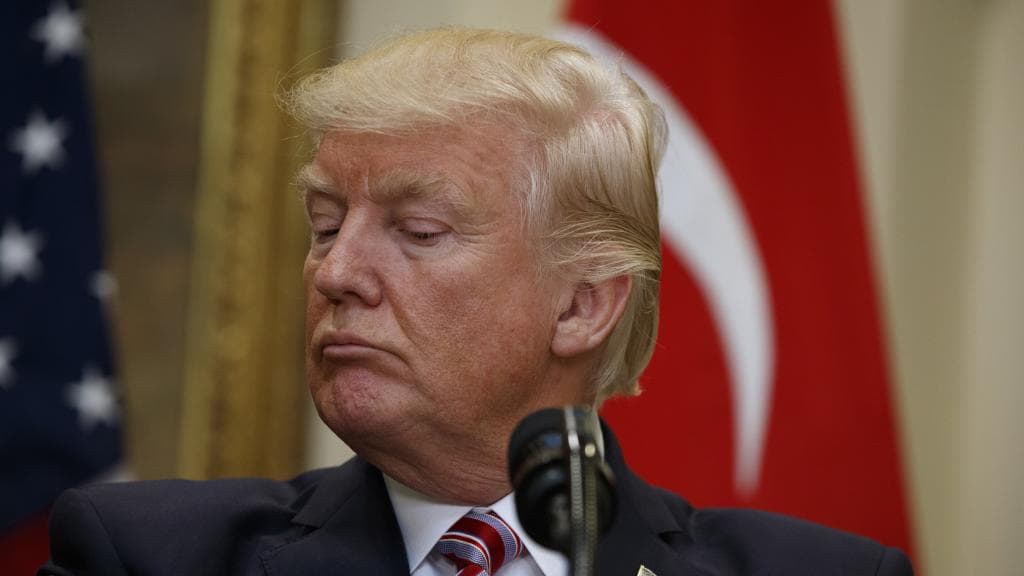
It’s impossible to get into Trump’s head but what comes out of his mouth are racist remarks. But, saddest of all are the millions who tolerate his views, cheer him on and emulate his behavior.
The time is well past due for the U.S. government to conduct a thorough review of leaders and their senior colleagues before they leave office to determine if they merit visas.
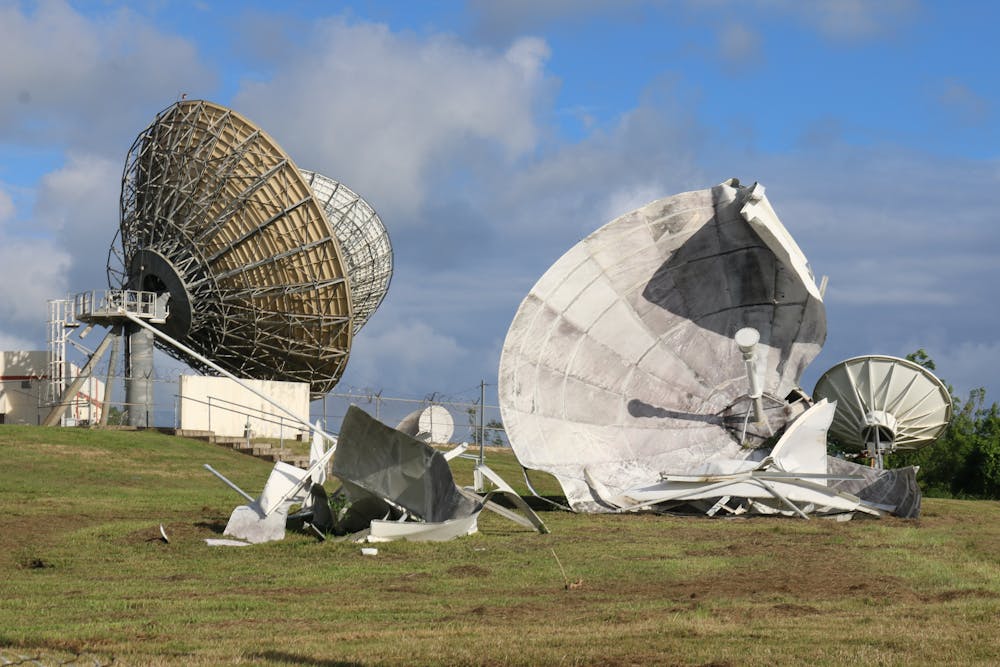
“Indirect deaths” may be associated with any unsafe or unhealthy conditions before, during and after a natural disaster.
For example, Hurricane Maria destroyed Puerto Rico’s power grid. So, someone whose life depended on a dialysis machine would no longer be able to use one. In official certificates, their death would be classified as kidney-related and not attributed to the hurricane – even though the death was accelerated by lack of resources required by the patient to stay alive.
The same would happen to someone whose life depended on respiratory aid. Their death would be classified as pulmonary-related.
Or, say a person feels chest pain and suspects a heart attack. Their immediate reaction might be to call 911. A working communications structure may be used to get help in time and save a life. But in the days following Hurricane Maria, only 25 percent of the cellphone towers were working. Communication was virtually impossible.
Under the international system, a death resulting from these circumstances would be classified as a result of a cardiovascular conditions and would not be attributed to the hurricane either.
Revising the death count
Given that most estimates, including the most recently published figure, point toward a serious undercount, it’s imperative to address this issue once and for all.
I have a few ideas of how to move forward. Most importantly, researchers must be able to access data without interventions from the political establishment. So far, no government body at the local or federal level have shared updated counts with the public, and they are actively seeking to dismantle the Puerto Rico Institute of Statistics, which is the agency with the power to make them do it.
In light of the evidence, Governor of Puerto Rico Ricardo Rosselló last year ordered a review of the causes of death for those who died after Hurricane Maria. They chose George Washington University to run this project. A preliminary report was supposed to be published by the end of May, but it will more likely be published during the summer.
Will the official count change? As of today it has not, but it most likely will. The government is no longer updating the official count, which stands at 64, and they are likely to accept the count produced by the George Washington University team.

Following the impact of hurricanes Harvey, Irma and Maria, the CDC published guidelines that state and territorial governments should follow to determine if a death is related or not to a specific event. Following these guidelines could provide the government of Puerto Rico with a more realistic death count. It remains to be seen if the new count will follow this protocol.
What deaths should be counted?
An accurate death count could be used to inform policies, supplement requests for aid, and inform local governments as they prepare for future natural disasters. That’s particularly important for Puerto Rico, where extreme weather events may become more likely as climate change worsens.
Hurricane Maria was the first storm to destroy the power grid in Puerto Rico. Puerto Rico is now entering hurricane season again, and experts predict it will be an active one.
Minimized figures could weaken efforts to provide relief to communities affected by the hurricane. Given that Puerto Rico does not hold political power in Congress, and that the only representative does not vote, it’s crucial to convey the reality to all elected officials, so that their votes align with the necessities of those who are still in Puerto Rico.
 This is an updated version of an article originally published on Jan. 3, 2018.
Alexis R. Santos-Lozada, Assistant Teaching Professor in Sociology, Pennsylvania State University
This article was originally published on The Conversation. Read the original article.
Relacionados: