
Ever since President Trump’s surprise election victory, I’ve been asked, almost on a daily basis, some version of the following: Why do evangelicals still support Donald Trump?
Why do Hispanic evangelicals still support Donald Trump?
Hispanic evangelicals are more socially conservative, they support Israel and immigration is not the number one concern for most of them. Also, while immigration reform is badly needed, Hispanic evangelicals, know first-hand the importance of the rule of law at our border.
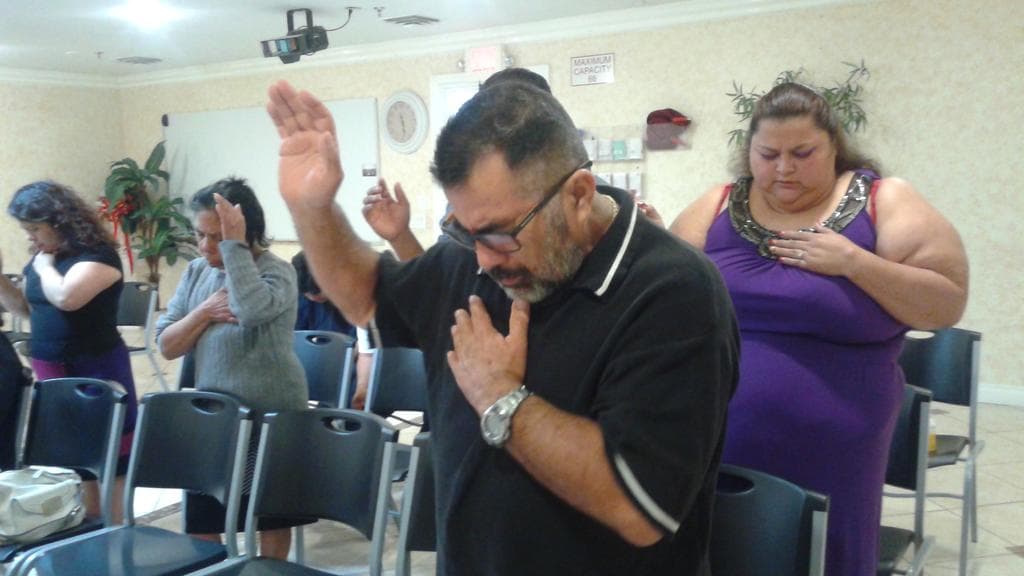
Hispanic evangelicals in Las Vegas, Nevada.
Imagen Fernando Peinado
It’s a fair question given some of the president’s high-profile shortcomings, his inflammatory rhetoric, and his penchant for hitting back at political opponents rather than turning the other cheek. The question is particularly confounding to Democrats considering that a record 81% of white evangelicals voted for the president last election, and recent data indicates that his support among that demographic (which constituted 26% of the voting electorate in 2016) is at an all-time high.
However, most of the available analysis focuses on white evangelical support for Trump. So what about Hispanic evangelicals, the faith’s fastest growing subgroup?
Despite President Trump’s disparaging comments made toward Hispanic immigrants during the campaign, he ultimately enjoyed more support among Hispanic Evangelicals than his 2012 GOP counterpart, Mitt Romney. Recent trends seem to underscore this phenomenon. A Harvard CAPS/Harris poll revealed a “10 point climb” among Hispanics over the last month. Similarly, Josh Kraushar writing for National Journal observes : “Even during the heat of the family-separation crisis, Democrats are underperforming in heavily Hispanic constituencies, from GOP-held border battlegrounds in Texas to diversifying districts in Southern California to the nation’s most populous Senate battleground in Florida.”

Despite a near universal desire for an end to Venezuela’s manmade disaster, sending in U.S forces to take out the Maduro regime would be counter-productive. It should be categorically rejected by interim president Juan Guaidó, not to mention the Trump administration.
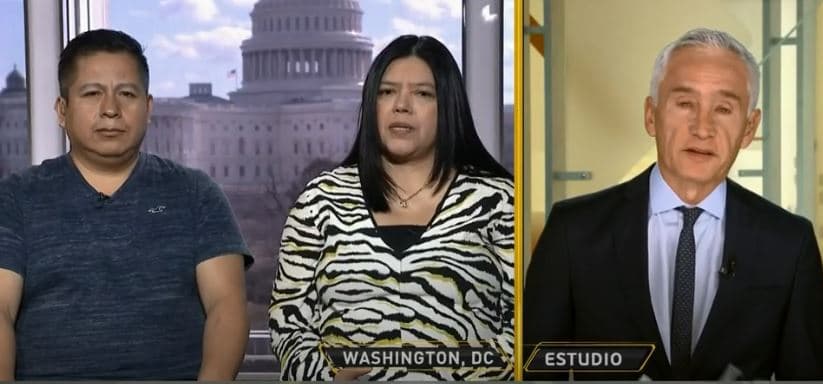
The firing of undocumented workers at Trump's golf clubs just shows how the practice of employing immigrants without legal work papers is much more common than we might imagine. Such is life in the United States.
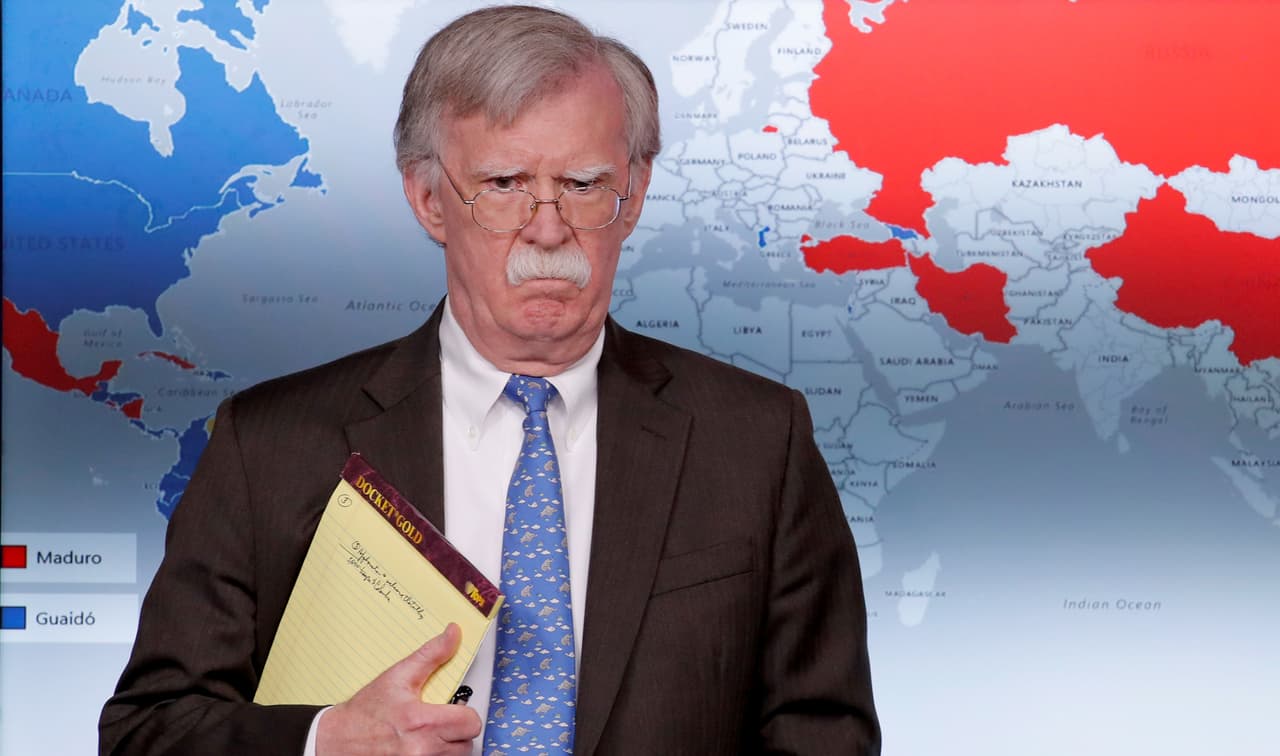
The Trump administration should be wary of fueling fake news predictions about an imminent American invasion which unrealistically raises expectations about Maduro's removal.
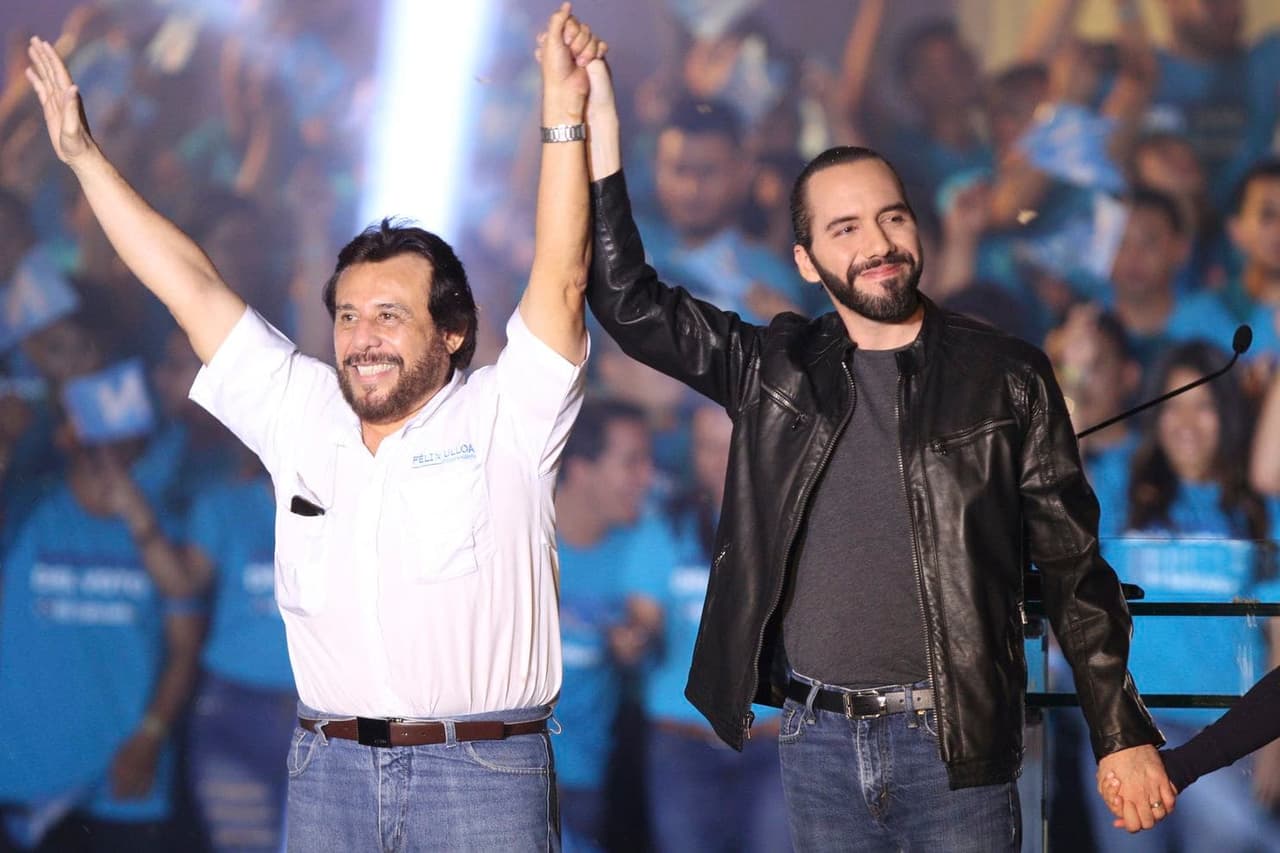
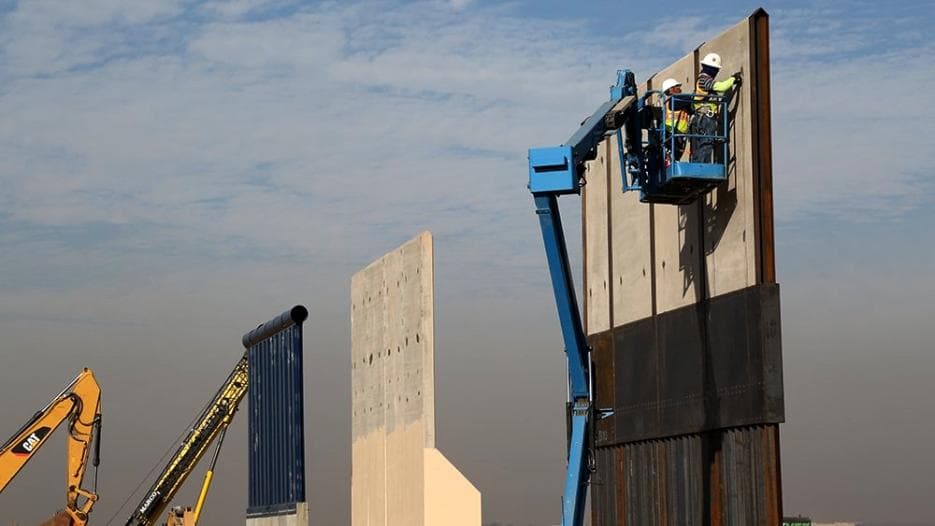
At some point we will have to accept the fact that the border between Mexico and the United States is nothing more than an invention.

The United States has had a major role in the evolving drama of the fight for democracy in Venezuela and Nicaragua. And so far, it’s been surprisingly coordinated, a veritable model of multilateralism.
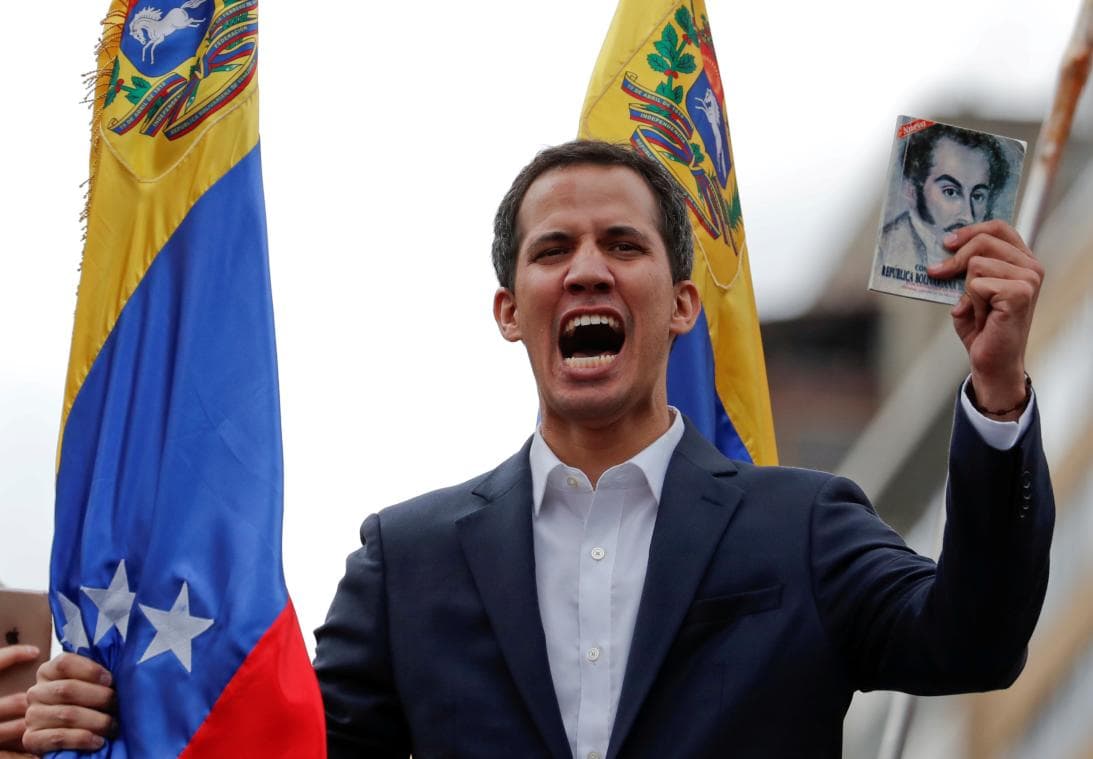
Has the Maduro regime reached breaking point? It remains hard to say, but tomorrow is another - more hopeful - day for the restoration of democracy in the South American nation.
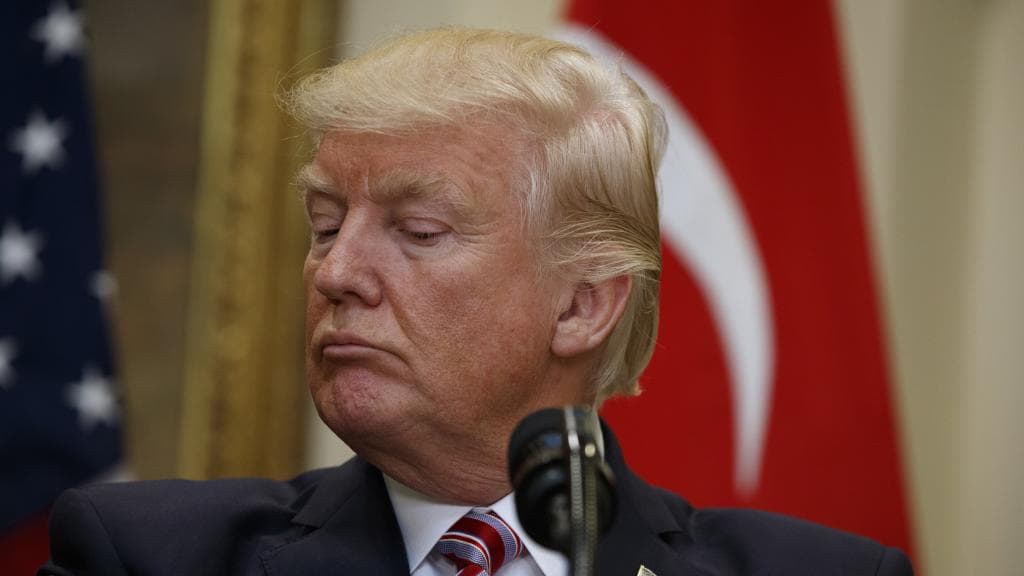
It’s impossible to get into Trump’s head but what comes out of his mouth are racist remarks. But, saddest of all are the millions who tolerate his views, cheer him on and emulate his behavior.
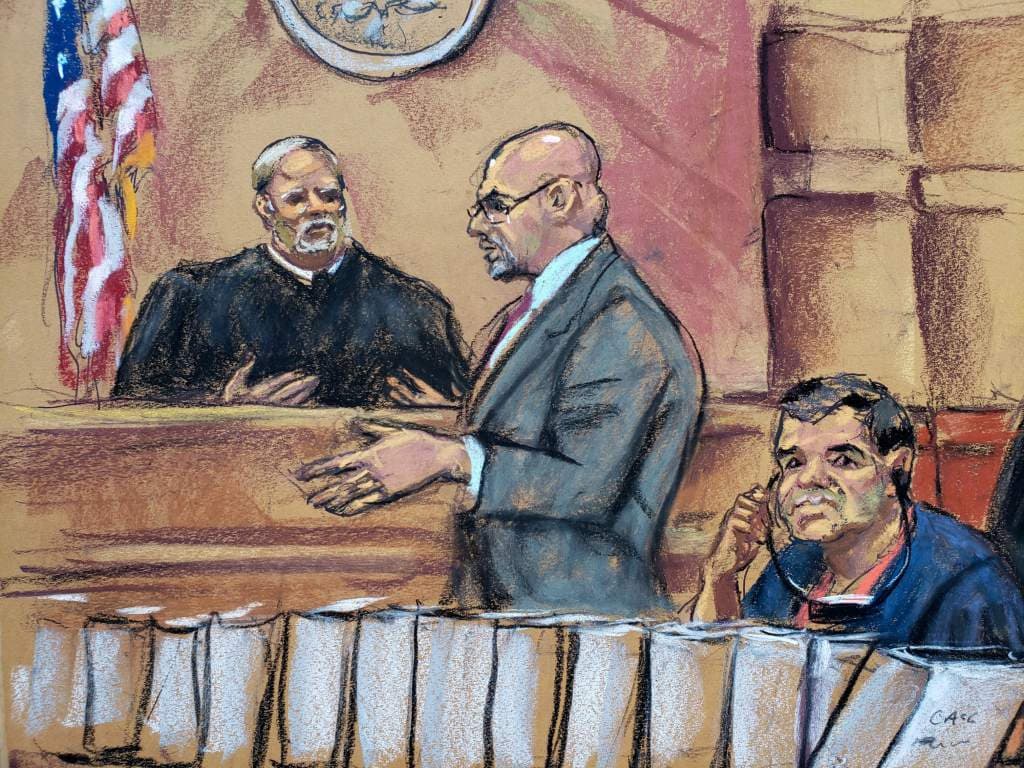
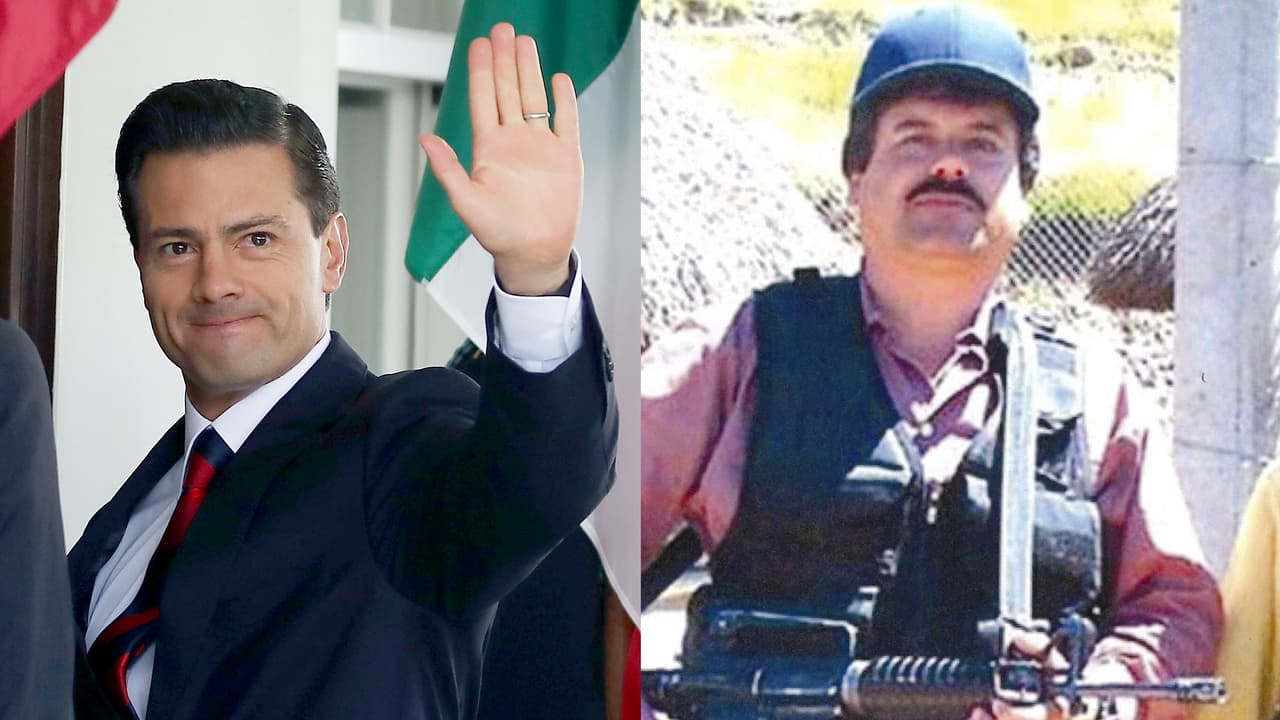
The time is well past due for the U.S. government to conduct a thorough review of leaders and their senior colleagues before they leave office to determine if they merit visas.
The truth is, of course, President Trump’s often provocative tactics have caused major debate within the Hispanic evangelical community. These are not easy choices for anyone attempting to reconcile faith—and all the policy implications that faith carries with it—with a brash, billionaire president who many feel is outright antagonistic to immigrants. But the truth is, while there is at times a righteous anger directed at this White House, this has yet to translate into a mass defection of conservative-leaning Hispanics, and Hispanic evangelicals, from the GOP.
Democrats have been assuming for years that as the demographic changes continue to transform the racial composition of the United States, a new non-white plurality would render the GOP and therefore President Trump, unelectable. This doesn’t appear to be the case, or at least the reality is not so simplistic—and Hispanic evangelicals are a big reason why the reality is more nuanced.
My experience as a leader in this community has led me to conclude there are three main reasons for this “stubborn” support for the GOP, and by extension, President Trump.
Firstly, Hispanic evangelicals are more socially conservative than most people realize. Very insightful analysis done by Ryan P. Burge of Eastern Illinois University illustrates this point powerfully. According to Burge, Hispanic evangelicals are nearly 50% more conservative than their white counterparts when it comes to opposing abortion for “any reason.” Hispanic Christians and many Hispanic Catholics also demonstrate a tremendous amount of support for Israel. As I travel throughout Latin America, this is something I often hear even beyond our nation’s borders. Many Hispanics, whether domestically or internationally, support the president’s posture toward the Holy Land. Both of these issues undeniably move many Hispanic evangelical voters closer to the GOP.
Secondly, immigration is not the number one issue of concern for most Hispanics. A study conducted by Barna Group reveals that education and employment are Latinos’ primary social concerns. Consider that in 2016, as many as one-out-of-five high school graduates were Hispanic, but according to the ACT Annual Report only one-in-four were college ready in 2015. Hispanics know that education and employment are the keys to unlocking prosperity for future generations. The opposite is also true: If higher education remains out of reach for most of our young people, or if the economy falters, Hispanics risk becoming socially and economically trapped. After all, most Hispanics left their homes and countries of origin because America offered them economic opportunity. With Hispanic unemployment at an all-time low under President Trump, the importance of this dynamic cannot be overstated.
Third, Hispanic immigrants care about the rule of law precisely because they often emigrated from countries where it had completely broken down. This insight is anecdotal, but it comes from years of traveling the country and speaking with thousands of pastors and other leaders in our community. While many are ambivalent about a border wall, most are nonetheless sympathetic to the need for increased border security.
Reflecting the prevailing opinions of our chapter churches, the National Hispanic Leadership Conference has incorporated enhanced border security into our comprehensive immigration reform policy. This is not because we support separating immigrant families. Quite the opposite. It’s because we know firsthand how dangerous the cartels, the coyotes, and the narcotraficantes truly are to all of America’s families. We also know that a porous border incentivizes a different type of family separation, one that often begins tragically in Central America as desperate parents opt to send their children off alone on the harrowing journey north. While immigration reform is badly needed, Hispanic Americans, and especially Hispanic evangelicals, know first-hand the importance of the rule of law at our border.
When people question why evangelicals support President Trump despite his seemingly un-Christian behavior, they are assuming Hispanic Christians believe in a theocracy of sorts—we don’t. It’s really a question of “does the messenger disqualify the message?” So far, the answer for many Hispanic evangelicals seems to be no. However, our community is much less stalwart than our white evangelical counterparts, and with the 2018 midterms right around the corner, we’ll find out soon enough if things have changed.
Relacionados: