
The President was obviously confused when he tweeted about family separation at the southwest border. He called on Democrats to "end the horrible law that separates children from their parents once they cross the border into the U.S." Perhaps he confused those children with the gang members of Central America he had called “animals,” or maybe it was the Mexican “rapists, thieves and drug traffickers” he mistakenly believes have created carnage at the border. Regardless of his consistently imprecise and careless language, here is the fact: It is not a law, but the Trump Administration’s policy that is separating refugee and asylum-seeking families, and it is the Administration that has the power to stop it.
Why all this talk about separating immigrant parents from their children at the border?
The Trump administration is callously betting that the threat of family separation will deter families from fleeing Central America, where the vast majority come from, and keep them at home. But, for many of these young Central American families, staying home isn't a rational option due to rampant gang violence and lack of jobs.
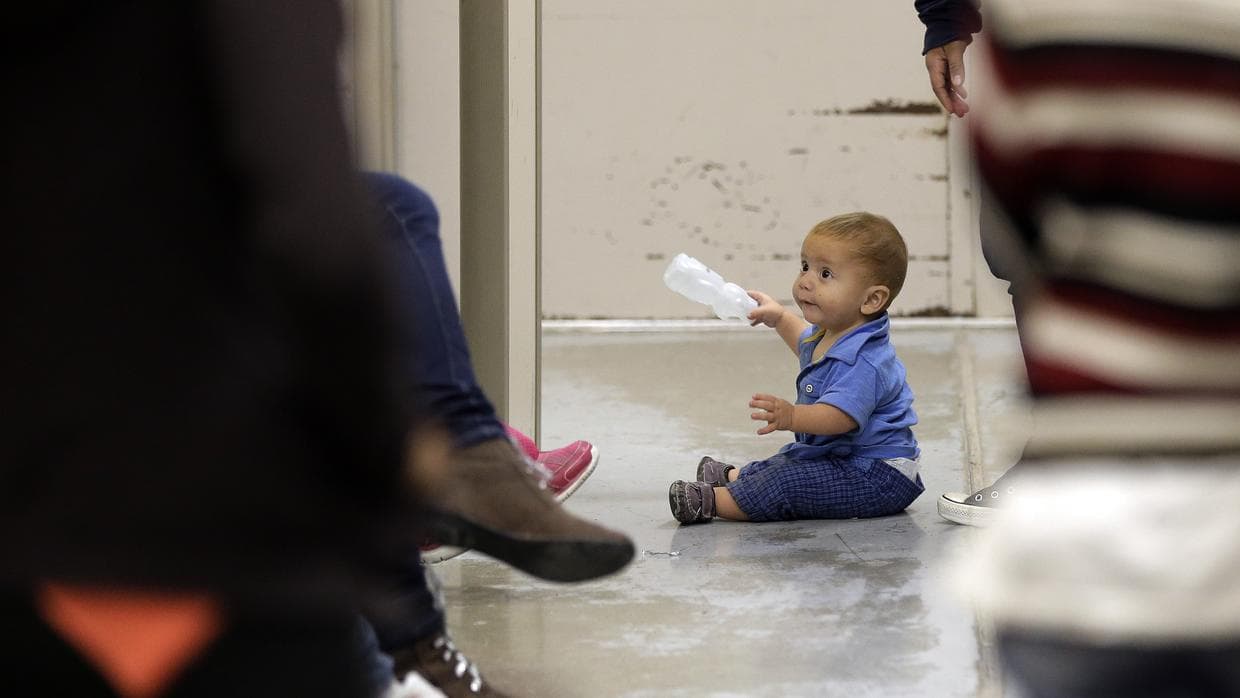
The Trump administration is placing kids who enter the country illegally into the government’s – not their parents’ - custody.
Imagen Getty Images
It should do so now.
But at least the President was right on one count – it is a horrible thing to remove children from their parents’ arms at the border. When Representative Mark Meadows, chairman of the ultra-conservative Freedom Caucus, agrees with the American Civil Liberties Union, maybe they're on to something.
So, what changed, and why are we all now talking about separating immigrant parents from their children at the border?
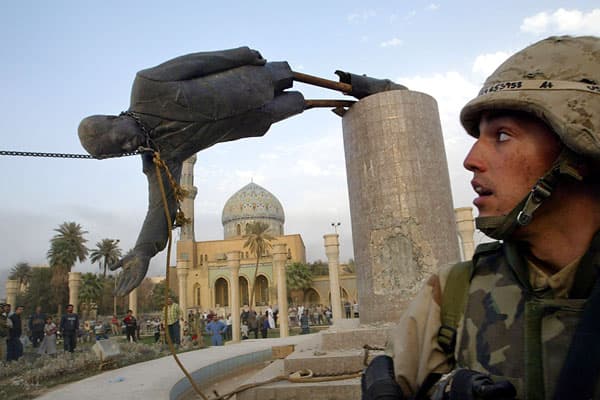
Despite a near universal desire for an end to Venezuela’s manmade disaster, sending in U.S forces to take out the Maduro regime would be counter-productive. It should be categorically rejected by interim president Juan Guaidó, not to mention the Trump administration.
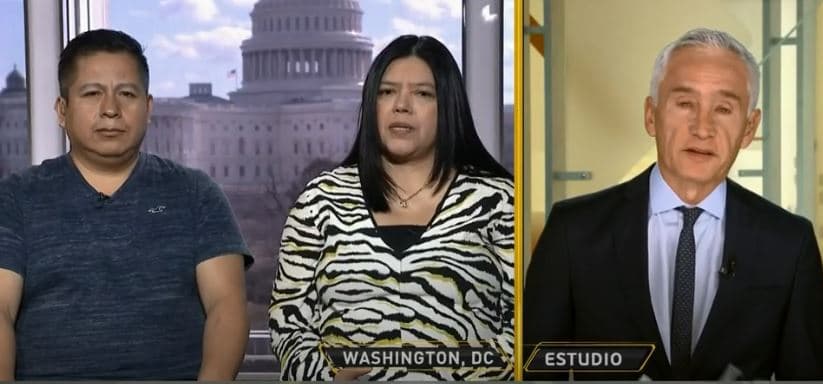
The firing of undocumented workers at Trump's golf clubs just shows how the practice of employing immigrants without legal work papers is much more common than we might imagine. Such is life in the United States.
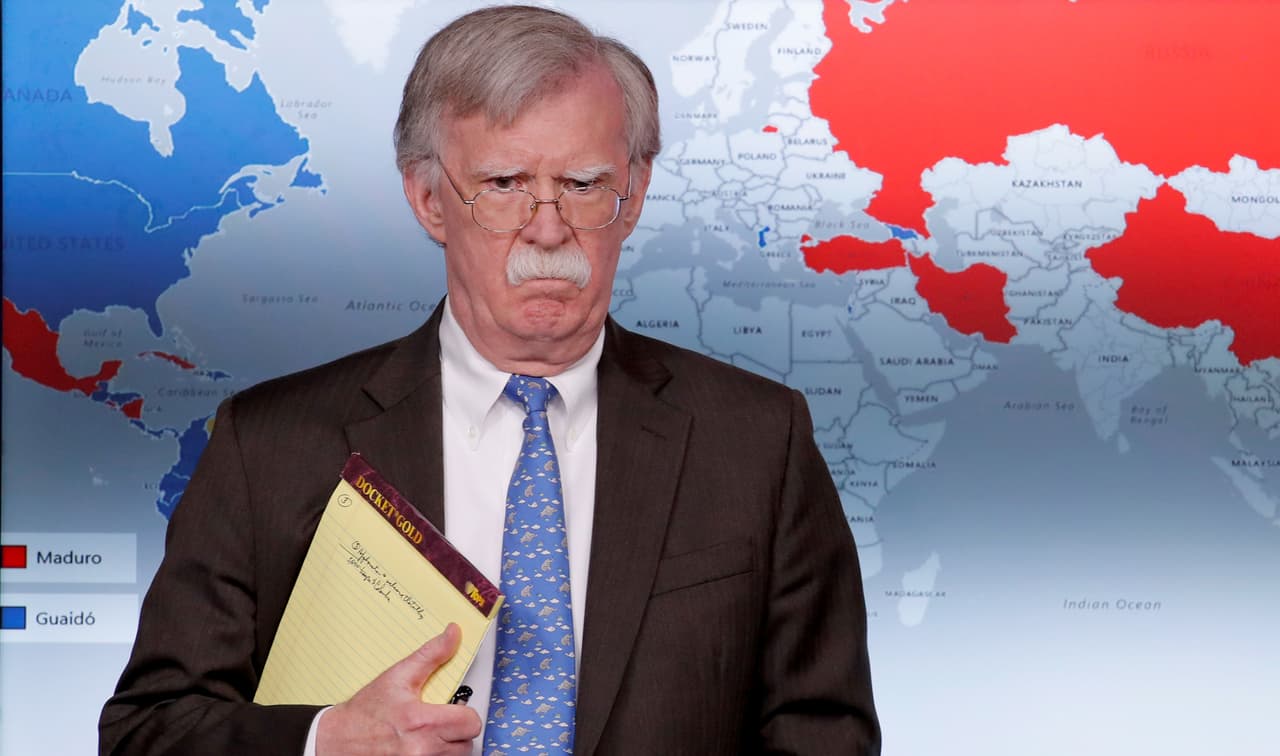
The Trump administration should be wary of fueling fake news predictions about an imminent American invasion which unrealistically raises expectations about Maduro's removal.
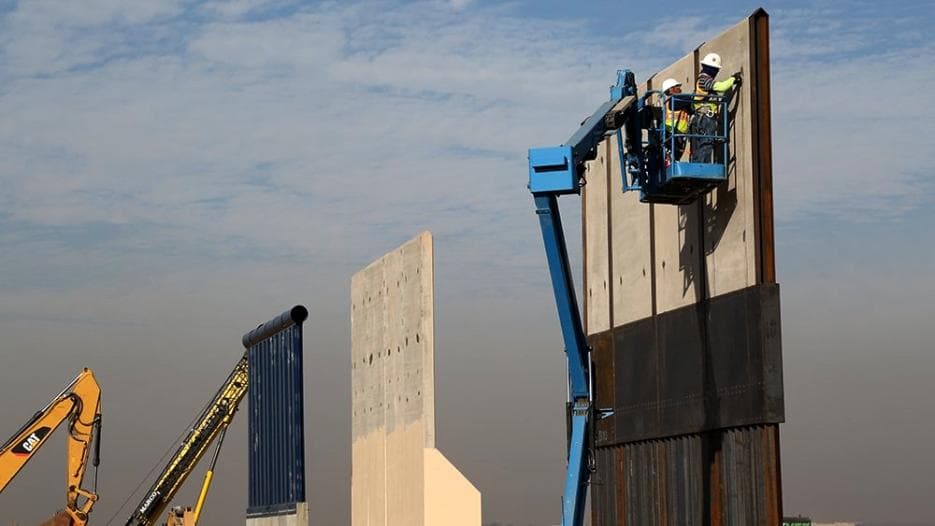
At some point we will have to accept the fact that the border between Mexico and the United States is nothing more than an invention.

The United States has had a major role in the evolving drama of the fight for democracy in Venezuela and Nicaragua. And so far, it’s been surprisingly coordinated, a veritable model of multilateralism.
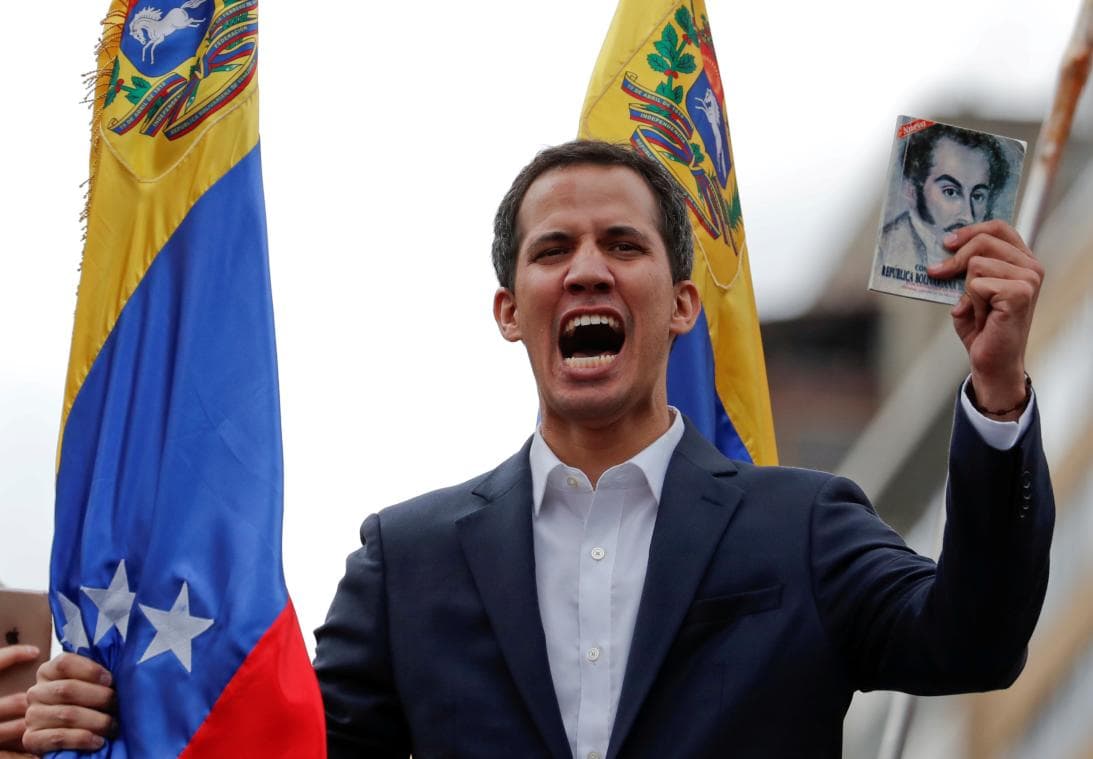
Has the Maduro regime reached breaking point? It remains hard to say, but tomorrow is another - more hopeful - day for the restoration of democracy in the South American nation.
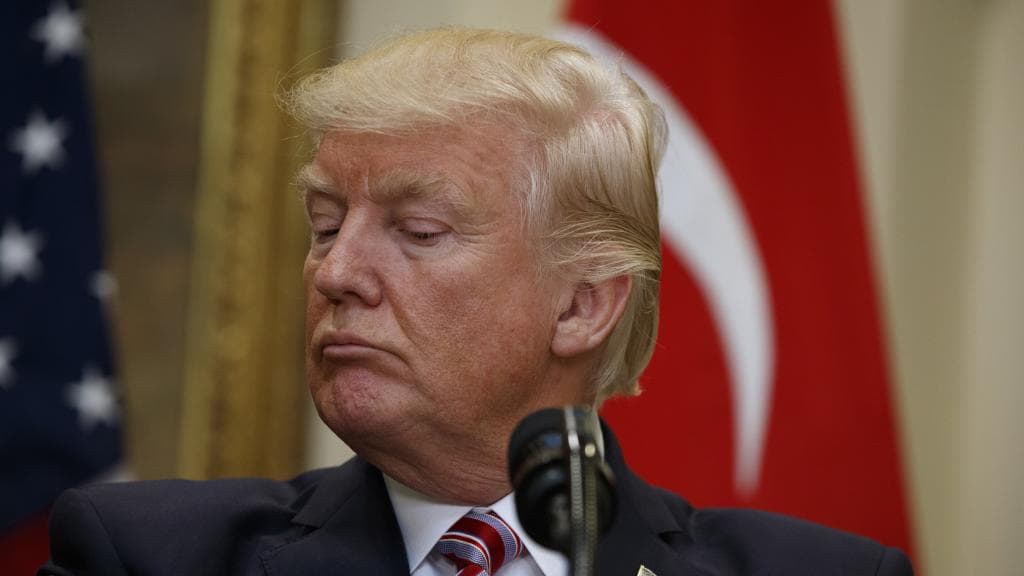
It’s impossible to get into Trump’s head but what comes out of his mouth are racist remarks. But, saddest of all are the millions who tolerate his views, cheer him on and emulate his behavior.
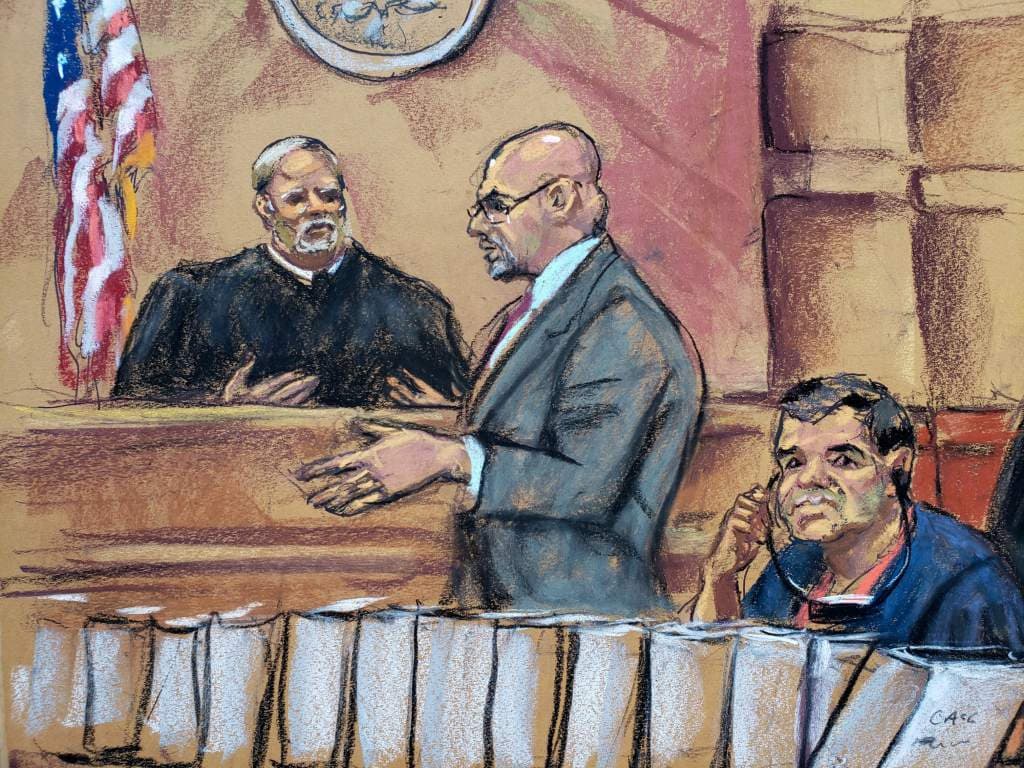
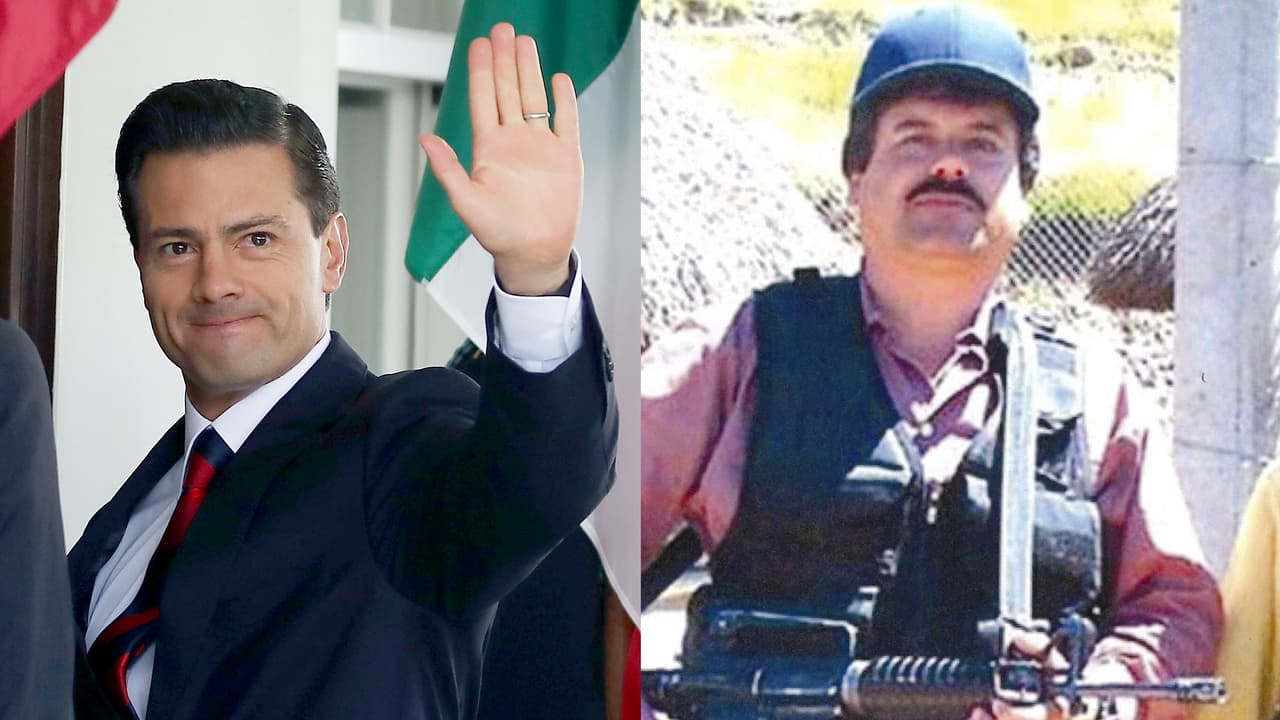
The time is well past due for the U.S. government to conduct a thorough review of leaders and their senior colleagues before they leave office to determine if they merit visas.
What changed is that the Trump administration criminalized illegal entry into the United States when it was previously treated as a misdemeanor. This puts adults who cross our border without proper documents into criminal proceedings, and that puts their kids into the government’s – not their parents’ -custody. While the law has technically always permitted the government to do this, historically we didn't prosecute adults accompanied by children so as not to separate them. Now that we've decided to do so, we are seeing the consequences. Once the adults are put into criminal proceedings, the children are placed with Health and Human Services in temporary shelters. If the adult pleads guilty to the illegal border crossing charge, the family can be reunited quickly, and put in line for repatriation back home.
However, if the parent files for asylum, the process slows down considerably. Under the new enforcement policies, this will almost certainly lead to long-term family separation. Under the 1997 Flores Decree, unaccompanied children can only be held for a maximum of 20 days. Asylum cases take longer than that, usually a matter of years, given the paucity of immigration judges. In the past, the Government would release the family together into the United States to await adjudication of their asylum claim, absent information that they posed a threat to Americans. Now, as Attorney General Sessions recently announced, the “zero tolerance” policy – not the law – mandates detaining the parent and releasing the children to friends or family already living in the U.S. And what happens when there are no family or friends in the United States? As Chief of Staff Kelly said, “they are placed into foster care or whatever.”
The administration is callously betting that the "horrible" threat of family separation will deter families from fleeing Central America, where the vast majority come from, and keep them at home. Again, the administration is wrong. For many of these young Central American families, staying home isn't a rational option.
In spite of some progress made over the past couple of years, the Northern Triangle countries of Guatemala, El Salvador and Honduras remain plagued by violence, including murder rates ten times higher than those in the United States; poor governance, which means citizens can't depend on the police or the courts to protect them; and a lack of economic opportunities, which means that the lure of criminal gangs - often the only people in a community who are prosperous - tempt Central American youth to join, flee, or suffer the consequences of staying behind.
We've served as United States Ambassadors in Central America. We know the communities that these migrants come from. We've walked the streets, sat in the churches and community centers, talked to grieving parents and terrified kids. We've also worked hard to design and implement programs, generously funded by bipartisan consensus in the Congress, to get at the roots of the violence, the lack of governance, and the jobless economies that constitute the push factors of migration to the United States.
We know it is in U.S. interests to continue these efforts, chipping away at the reasons that people flee and helping create a Central America where young folks see a future for their families at home and not in the United States.
But while that work goes on, we must remain to faithful to our own ideals at home. Regardless of politics, all Americans believe that children deserve to be surrounded by families that love and care for them. Separating families at the border might deter a few families from making the dangerous and uncertain journey to the United States. But as we are already seeing, it won’t stop those who are truly desperate and fear for their lives.
It will however, leave a permanent stain on our history. Japanese concentration camps; Jim Crow; the Chinese Exclusion Act; and now separating Central American families at the border. As Americans, we rightly judge other nations by the way they treat their minorities, their women, and their children. We must hold ourselves to the same standard. We can and must do better.
( James D. Nealon was U.S. Ambassador to Honduras from 2014 to 2017 and is now a Wilson Center Global Fellow. John D. Feeley was U.S. Ambassador to Panama from 2016 to 2018 and is currently a consultant with Univision.)
Relacionados: