The White House recently announced new financial sanctions on Venezuela in a rebuke to the country’s power-grabbing president, Nicolás Maduro. Earlier this month, his Socialist Party created a special government-controlled assembly aimed at rewriting the nation’s Constitution and, in effect, replacing the opposition-controlled legislature.
Venezuela: Why Trump’s sanctions won't work
Cutting off the Maduro regime’s cash flow won’t help the humanitarian crisis in Venezuela, where hunger, poverty and sickness are deepening the nation’s plunge into chaos.

Cutting off the Maduro regime’s cash flow won’t help the humanitarian crisis in Venezuela, where hunger, poverty and sickness are deepening the nation’s plunge into chaos.
Imagen AP Photo/Ariana Cubillos
The sanctions send a clear condemnation of Maduro’s autocratic maneuvering, but they overlook two key issues: Russia’s growing role in propping up Venezuela’s economy and the suffering of the Venezuelan people.
Since late 2016, low global oil prices and government mismanagement have plunged Venezuela into a severe economic crisis complicated by the world’s worst hyperinflation, currently estimated at 712.5 percent.
Widespread shortages of food and medicine have spurred a humanitarian crisis. Violent repression of daily nationwide protests have left at least 125 people dead since April of this year.

In response, the Trump administration has decided to bar the issuing of new Venezuelan government bonds in the U.S., prohibit Venezuela’s state oil company, PDVSA, from issuing new bonds in American financial markets and prevent U.S. banks from providing new loans to the government or PDVSA.
Sarah Huckabee Sanders, White House press secretary, said the measures were “carefully calibrated to deny the Maduro dictatorship a critical source of financing to maintain its illegitimate rule.”
Citgo’s Russia connection
In part, the sanctions won’t work because of what they don’t target: oil trade. In stopping short of banning imports of Venezuelan oil to the U.S., the Trump administration has allowed Maduro to keep his goverment’s main source of income.
The U.S. currently buys between 750,000 and 800,000 barrels of oil per day from Venezuela, which represents approximately 40 percent of the country’s daily production. Additional cash has come from Venezuela’s issuance of sovereign debt in U.S. markets, which is now restricted by the sanctions.
As liquidity becomes more difficult for Maduro’s government, the possibility of a default on the country’s foreign debt – 28.2 percent of GDP at the end of 2016 – has increased. A critical test will come in the fourth quarter of this year, when US$3.8 billion in bond payments come due.
Nevertheless, in anticipation of U.S. sanctions, including a possible oil embargo, PDVSA has been actively cultivating relations with potential new buyers, namely Russia and China.
Beyond both countries’ interest in obtaining cheap oil, Russia has shown a deeper involvement in the struggling Venezuelan oil industry. Rosneft, the Russian oil giant, already owns significant portions of five major Venezuelan oil projects.
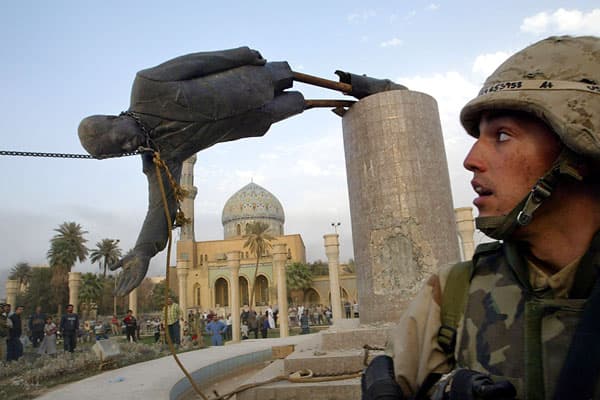
Despite a near universal desire for an end to Venezuela’s manmade disaster, sending in U.S forces to take out the Maduro regime would be counter-productive. It should be categorically rejected by interim president Juan Guaidó, not to mention the Trump administration.
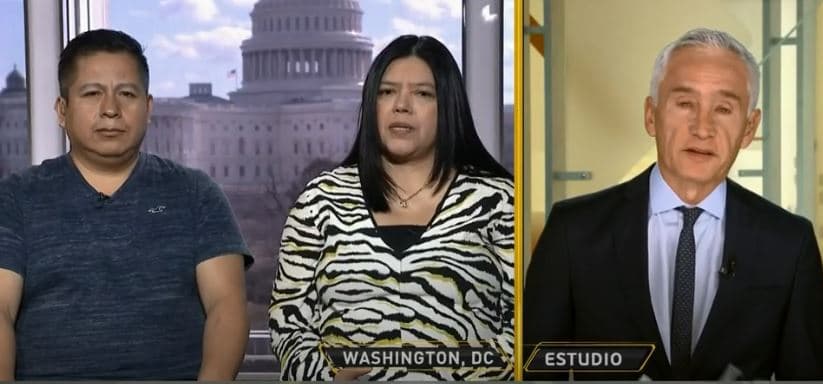
The firing of undocumented workers at Trump's golf clubs just shows how the practice of employing immigrants without legal work papers is much more common than we might imagine. Such is life in the United States.
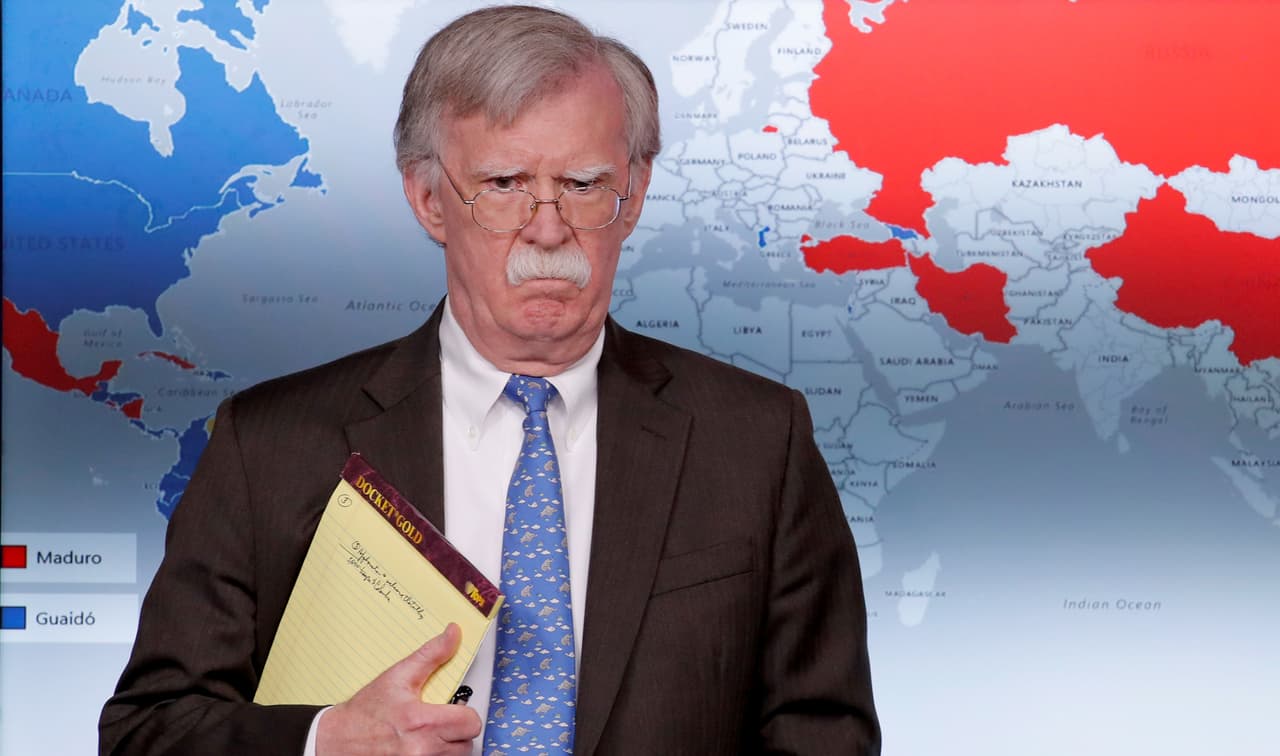
The Trump administration should be wary of fueling fake news predictions about an imminent American invasion which unrealistically raises expectations about Maduro's removal.
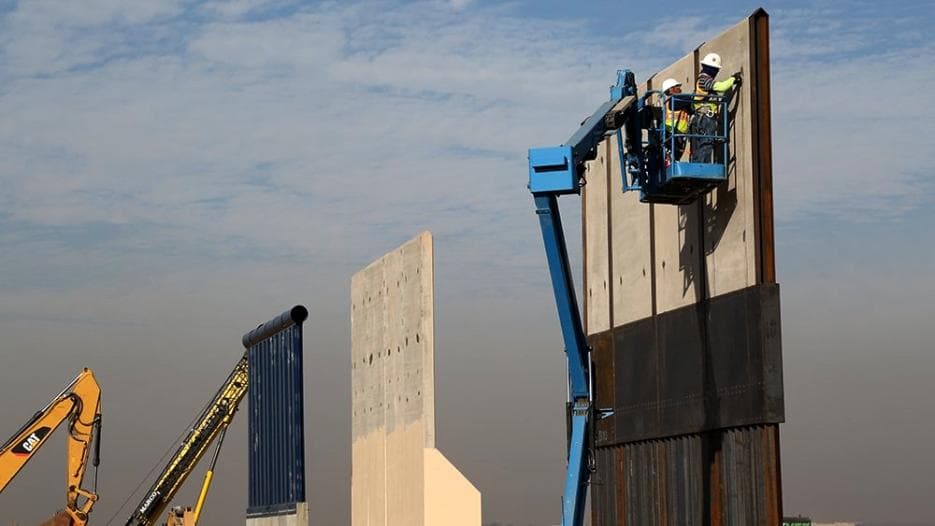
At some point we will have to accept the fact that the border between Mexico and the United States is nothing more than an invention.

The United States has had a major role in the evolving drama of the fight for democracy in Venezuela and Nicaragua. And so far, it’s been surprisingly coordinated, a veritable model of multilateralism.
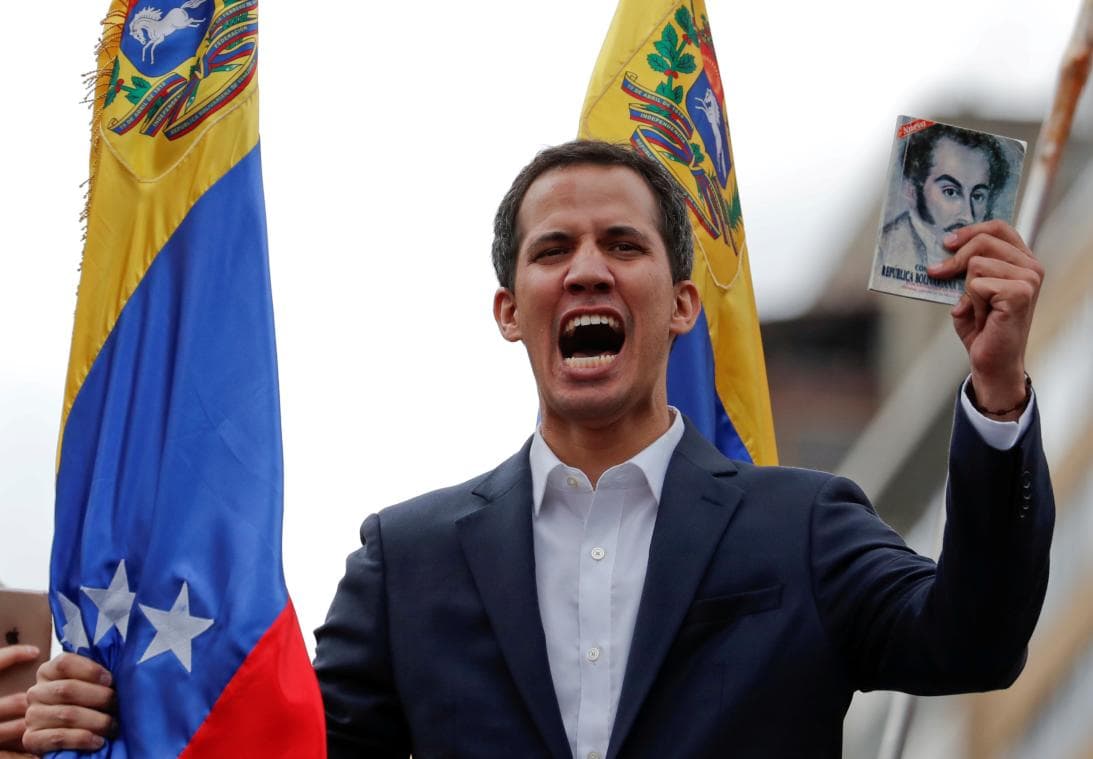
Has the Maduro regime reached breaking point? It remains hard to say, but tomorrow is another - more hopeful - day for the restoration of democracy in the South American nation.
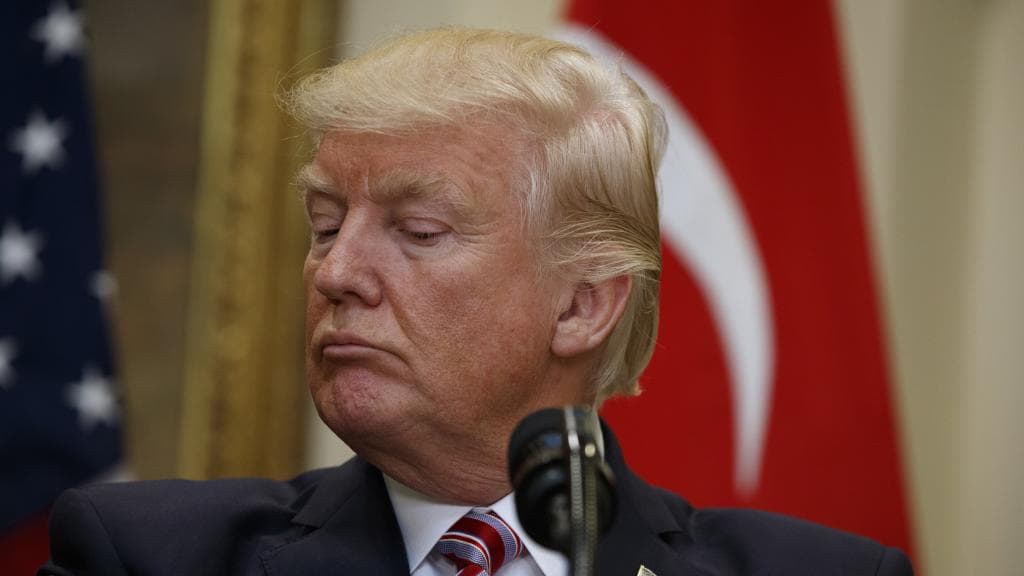
It’s impossible to get into Trump’s head but what comes out of his mouth are racist remarks. But, saddest of all are the millions who tolerate his views, cheer him on and emulate his behavior.
The time is well past due for the U.S. government to conduct a thorough review of leaders and their senior colleagues before they leave office to determine if they merit visas.

And PDVSA, Venezuela’s state oil company, is now offering Rosneft five additional projects in the Orinoco River, the country’s largest oil-producing area, as well as several others in lucrative Lake Maracaibo.
Russia also stands to benefit more directly from the lack of a U.S. oil embargo. In December 2016, as part of a loan for $1.5 billion from Rosneft, PDVSA offered 49.9 percent of its shares in Citgo – its U.S. subsidiary company, which has been exempted from the American sanctions – as collateral.
If Venezuela defaults on this loan, Rosneft can legally seize Citgo’s assets, allowing the Russia oil company to take over Citgo refineries in the U.S. In June, six U.S. senators called on the Trump administration to investigate whether this scenario would threaten national security and violate U.S. sanctions on Russia.
This is probably not what Citgo had in mind when it invested heavily in lobbying Washington to avoid a Venezuelan oil ban. The company also pitched in half a million dollars to Trump’s presidential inaugural ceremony.
As tensions mount between Washington and Caracas, Moscow continues to provide the necessary cash that Maduro’s authoritarian regime needs to keep itself afloat. This undermines Washington’s sanctions and comes at a very high cost to Venezuela, which is gradually losing control over its nationalized oil industry.
Feeding the hungry
As Maduro’s cash-strapped government faces strategic choices about what to pay for, it is the Venezuelan people who suffer the most.
Maduro has consistently chosen to service the foreign debt rather than use revenues to feed Venezuelans, mainly because defaulting would stem the influx of foreign currency.
Historically, this cash has fuelled corruption in the country and fills the pockets of a significant number of Venezuelan officials, who own government bonds as a way to receive high returns in dollars. In most countries, it is unusual for public officials buy the bonds of their own governments.
Beyond the bureaucrats who benefit from this crisis, most people in Venezuela today can’t even afford to feed themselves. It is estimated that on average, Venezuelans have lost 19 pounds each since the beginning of the crisis.

Nor can hospitals afford to provide health care. More and more Venezuelans are dying from untreated conditions, especially babies under one month of age, as a result of the lack of essential medicines.
Sanctions do nothing to ease this humanitarian crisis.
No easy fix
An alternative approach could be an oil-for-food program of the sort implemented in Iraq after the first Gulf War.
In this scheme, the U.S. would deposit the payments for Venezuelan oil in an escrow account controlled by the United Nations, which could ensure that the money goes to buying food and medicines rather than lining the pockets of government officials.
But the oil-for-food idea, too, has a fatal flaw: International intervention would need the agreement of the Venezuelan government. That seems unlikely given Maduro’s increasingly retaliatory and authoritarian behavior.

Since Trump’s sanctions, Maduro has requested “a historic trial for treason” from the Supreme Court and new special assembly – both of which are wholly controlled by his party – to punish every Venezuelan citizen who had contributed to the imposing of the sanctions.
There is no easy solution to Venezuela’s problems, but many Venezuelans are encouraged by the sanctions announcement because it showed that the U.S. is finally paying attention.
 Although the opposition has traditionally been cautious about backing U.S. intervention, on August 25 its leaders said that “in the absence of impartial justice in Venezuela…sanctions for violations of human rights and looting of public resources will always have our support.”
Marco Aponte-Moreno, Assistant Professor of Global Business, St Mary's College of California and Lance Lattig, Adjunct Professor, St Mary's College of California
This article was originally published on The Conversation. Read the original article.
Relacionados: