It pains me deeply to watch the turmoil afflicting Mexico and Venezuela, two countries I love. Both are suffering so much internal strife that they seem on the brink of war — not with each other, or with other nations, but with themselves.
Two Nations Close to War — With Themselves
"While Mexico seems resigned to the cycle of violence, the streets of Venezuela pulse with people hoping for change," writes Jorge Ramos. "Unfortunately, the crowds are being met with tear gas fired at them by Venezuela’s national guard."
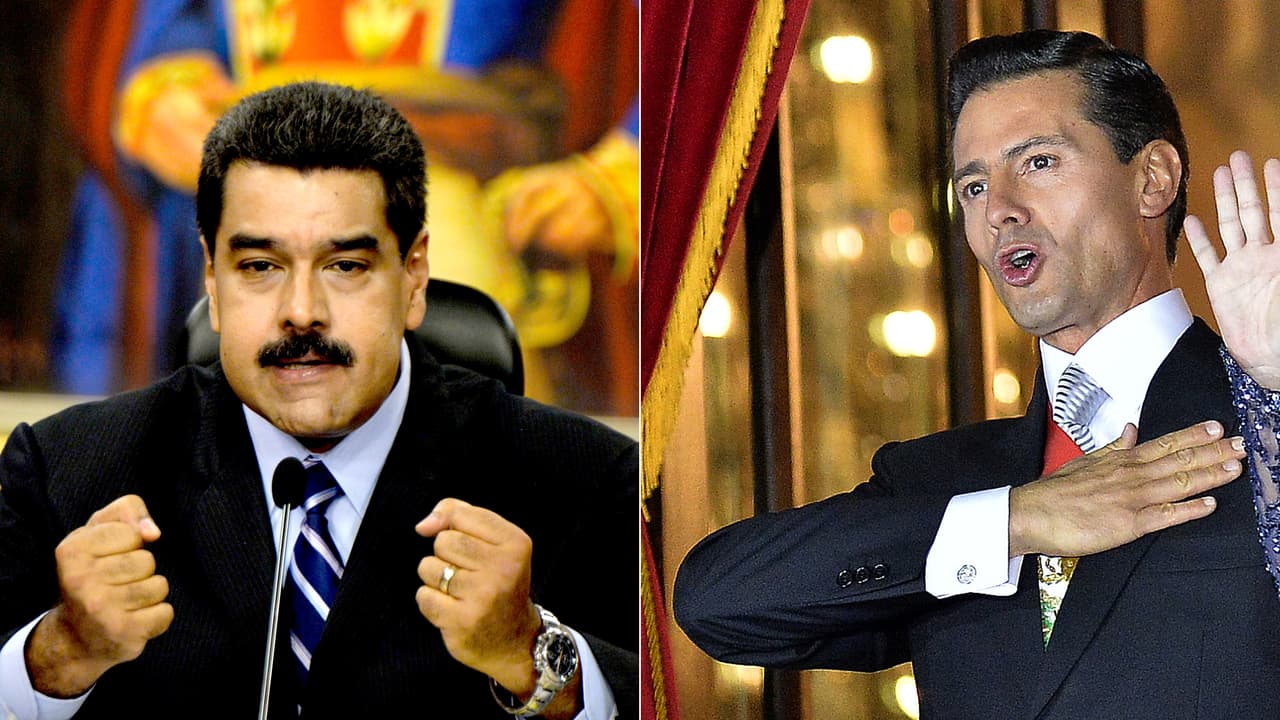
"No, civil war hasn’t broken out in Mexico and Venezuela. But both seem headed in that direction," writes Jorge Ramos.
Imagen David Maris/Univision
Mexico is privileged both culturally and geographically — a country rich in solidarity, color and humor. It’s hard to feel lonely there, since the people are so welcoming. (And the food is quite tasty.)
However, the International Institute for Strategic Studies recently described Mexico as the second most dangerous country in the world. Only Syria surpassed Mexico in deaths by violence in 2016 — despite all of Mexico’s official denials about the body count.
In the five years of President Enrique Peña Nieto’s tenure, more than 79,000 people have died violent deaths in Mexico. These days it’s hard to find a Mexican family that hasn’t been affected firsthand by violent crime. All you need to do is ask, and you’ll hear horror stories.
Two recent images of Mexico’s carnage have been haunting me. One photo, widely shared on social media, shows a bloodstained hat that belonged to Javier Valdez, a journalist known for covering drug trafficking. He was shot to death earlier this month in Culiacan, Sinaloa. The other photo is of a Mexican soldier executing an unarmed civilian on a street in Palmarito, Puebla, following a shootout. Both images are equally brutal.
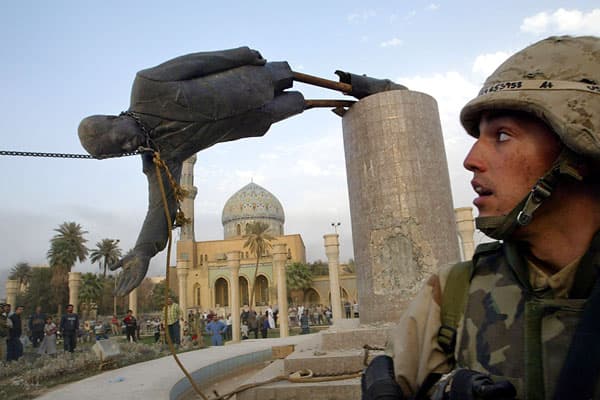
Despite a near universal desire for an end to Venezuela’s manmade disaster, sending in U.S forces to take out the Maduro regime would be counter-productive. It should be categorically rejected by interim president Juan Guaidó, not to mention the Trump administration.
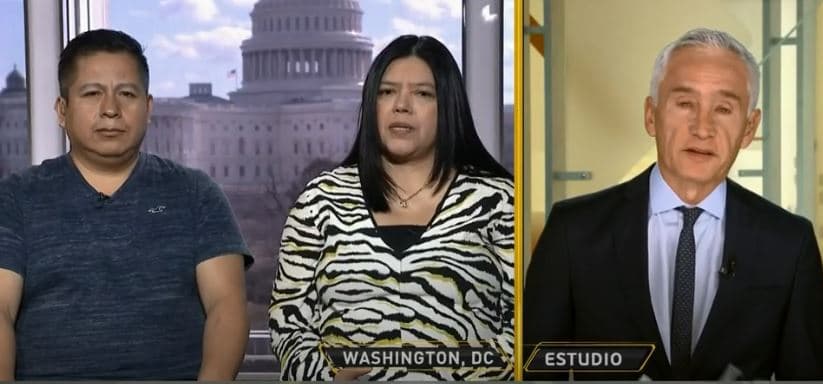
The firing of undocumented workers at Trump's golf clubs just shows how the practice of employing immigrants without legal work papers is much more common than we might imagine. Such is life in the United States.
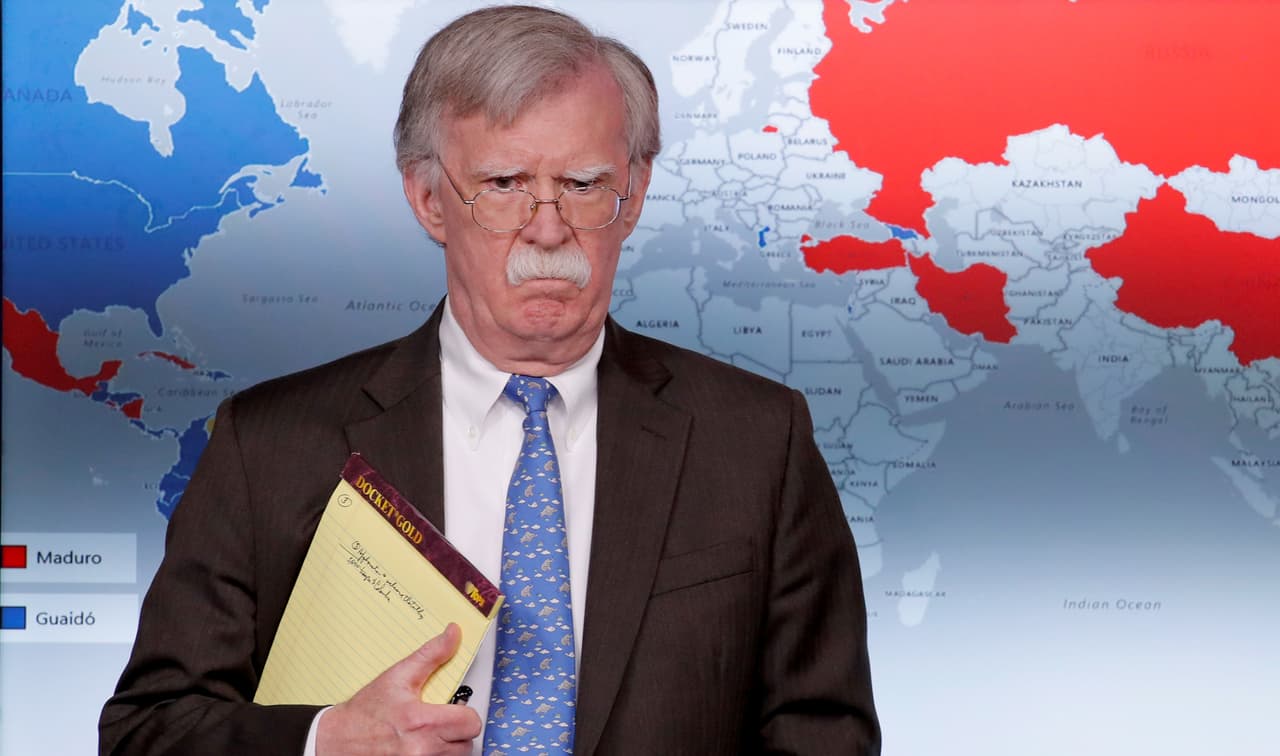
The Trump administration should be wary of fueling fake news predictions about an imminent American invasion which unrealistically raises expectations about Maduro's removal.
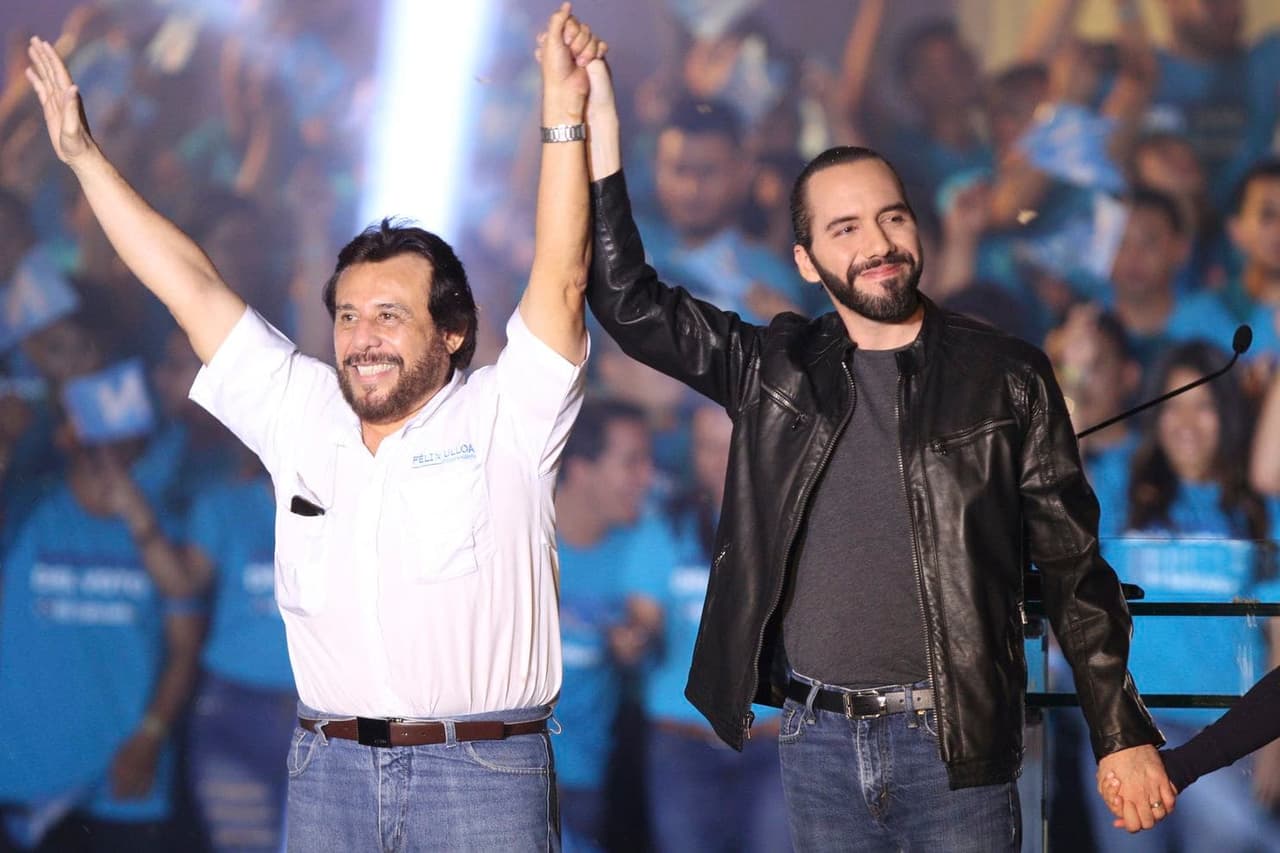
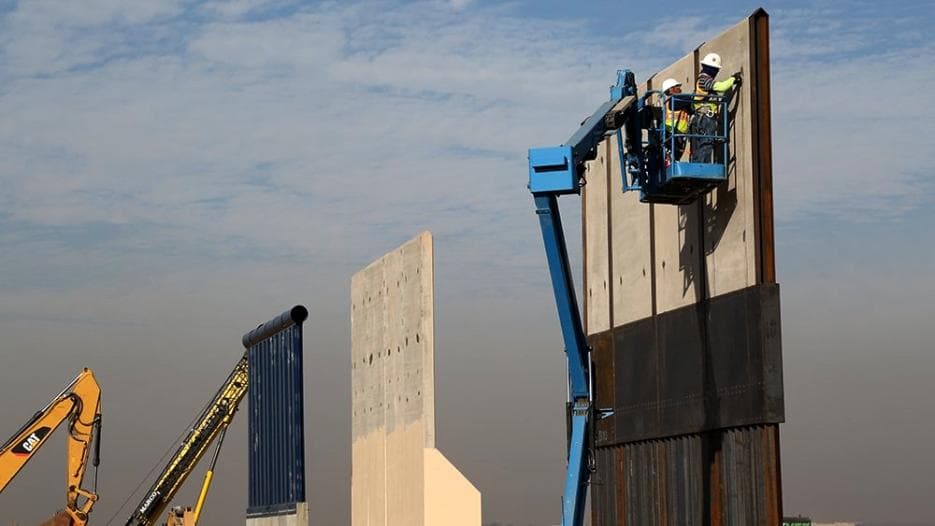
At some point we will have to accept the fact that the border between Mexico and the United States is nothing more than an invention.

The United States has had a major role in the evolving drama of the fight for democracy in Venezuela and Nicaragua. And so far, it’s been surprisingly coordinated, a veritable model of multilateralism.
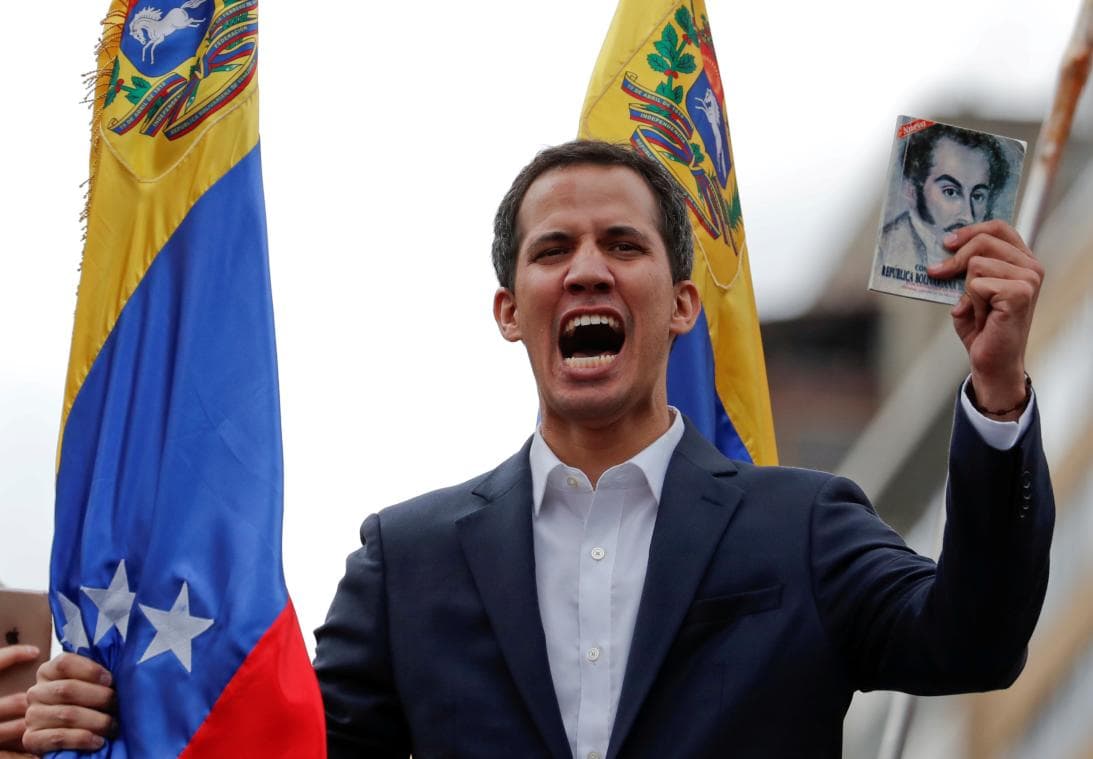
Has the Maduro regime reached breaking point? It remains hard to say, but tomorrow is another - more hopeful - day for the restoration of democracy in the South American nation.
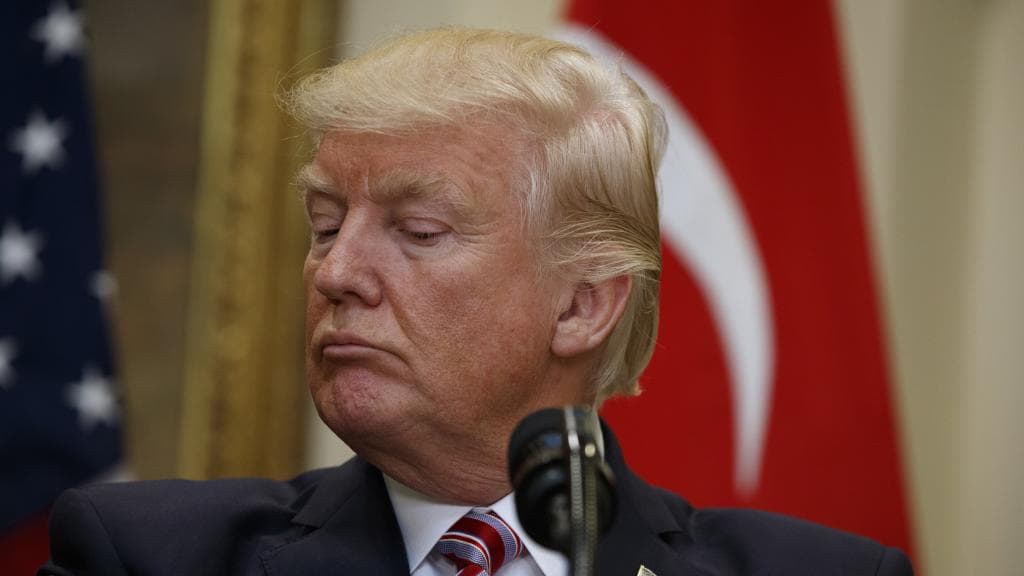
It’s impossible to get into Trump’s head but what comes out of his mouth are racist remarks. But, saddest of all are the millions who tolerate his views, cheer him on and emulate his behavior.
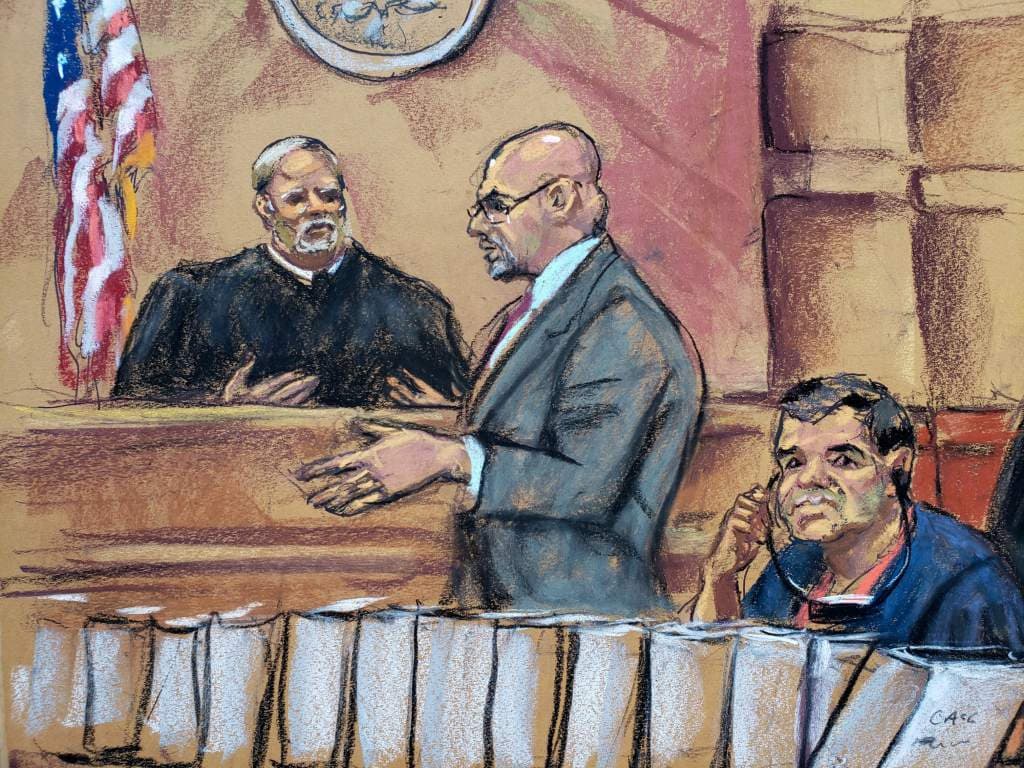
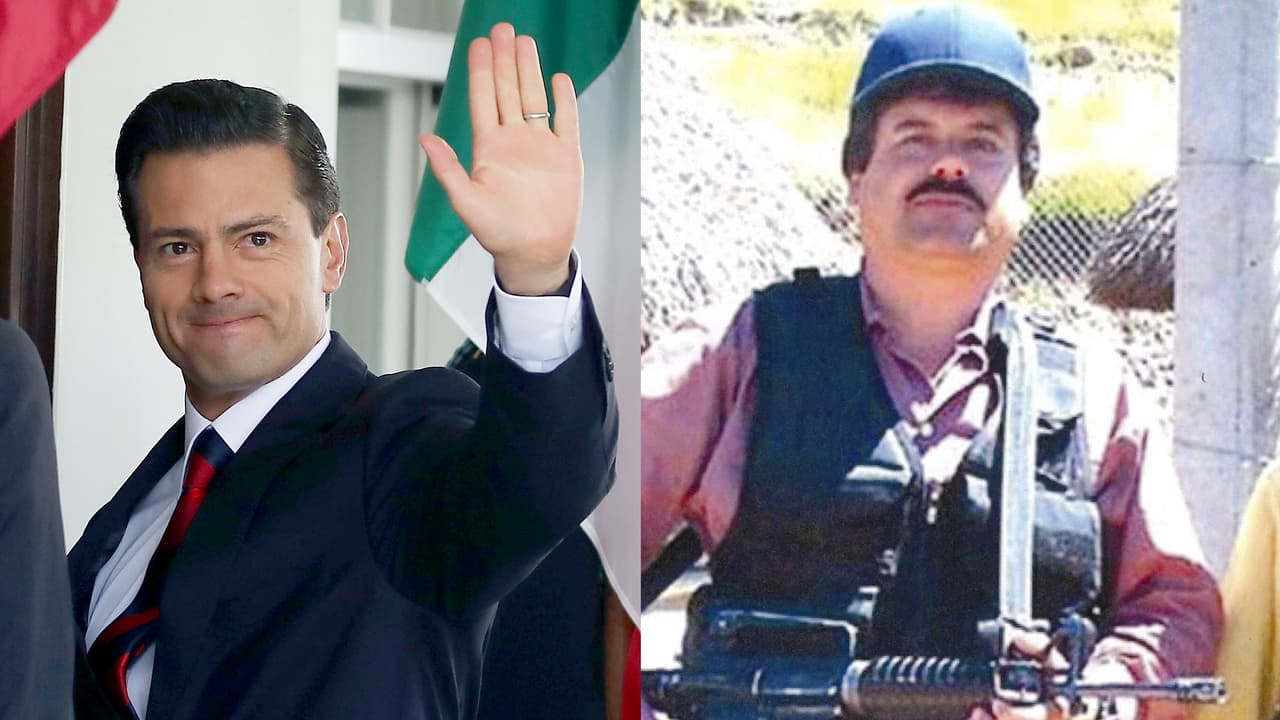
The time is well past due for the U.S. government to conduct a thorough review of leaders and their senior colleagues before they leave office to determine if they merit visas.
Unfortunately, Mexicans have grown so familiar with such brutality that there has been no urgent reaction to these killings, no widespread calls for justice. In Mexico, death hangs around so often that it has become a companion.
Events that formerly caused outrage — such as the still-unsolved disappearance of 43 college students from Ayotzinapa in 2014 — have become just another item in an ever-growing list of unpunished crimes. So many Ayotzinapas happen every month in Mexico — young people disappearing without a trace — that Mexico has seemingly become insensitive to the horror of parents desperate to find their children.
The worst part is that nobody expects Peña Nieto to do anything about the violence. Few Mexicans believe that the president will change course before he leaves office next year, or that the situation will improve.
While Mexico seems resigned to the cycle of violence, the streets of Venezuela pulse with people hoping for change. Unfortunately, the crowds are being met with tear gas fired at them by Venezuela’s national guard.
Venezuela is so strikingly beautiful that Christopher Columbus, when he saw it on his third voyage to the New World, thought he had arrived in paradise. That paradise is now crumbling, especially since President Nicolas Maduro stopped pretending to be a democratic leader and ordered the dissolution of Congress. These days, the streets of Caracas and other major Venezuelan cities have become battlegrounds.
The opposition’s strategy is clear: Take to the streets until Maduro is toppled or agrees to an exit plan. Meanwhile, the government intends to crack down on the opposition until the protesters simply can’t endure any more.
Leopoldo Lopez, an opposition leader now behind bars, coined a rallying cry to galvanize the movement: “If you get tired, you lose.” The opposition has taken that cry to heart and has refused to yield the streets. But more than 40 people have been killed in clashes with authorities. The victims are mostly young people who should be studying, traveling, dancing and discovering life, not death.
Two recent videos from Venezuela have given me sleepless nights. One shows a guard shooting a tear-gas canister point-blank at a protester’s chest. The protester stands up, staggers a few feet and then falls again, fatally wounded. The other video is of a television screen where Maduro is seen dancing — as the camera pans to show the official crackdown out on the street, as though Maduro were Nero at play while Rome burned.
After almost 18 years of authoritarian rule, and now living under an open dictatorship, Venezuelans can’t take any more. Shortages of food and medicine have become intolerable, and everyone who could get out has left the country. Those who are left behind have no choice but to push forward. And now we’re starting to see that even the Chavistas who created the system are disillusioned with it.
Over the years, many analysts, myself included, have predicted that Venezuela was finally on the verge of change, only to see the status quo remain. But recently when I saw a group of youngsters forcing an armored car to back up, I thought: “They’ve lost their fear in Venezuela. Maduro is over.”
No, civil war hasn’t broken out in Mexico and Venezuela. But both seem headed in that direction.
Relacionados: