Being a journalist is a true privilege. In one week alone you can see the best and worst of a nation, as I did recently during a trip to Guadalajara, Tijuana and Mexico City. What began as a celebration of books ended with a reminder that deep inequality endures in Mexico.
The three Mexicos
A recent visit served as a welcome reminder of how "Mexico is truly a rich country," from the Guadalajara book fair to the migrant caravan in Tijuana to the presidential residence of Los Pinos in Mexico City.
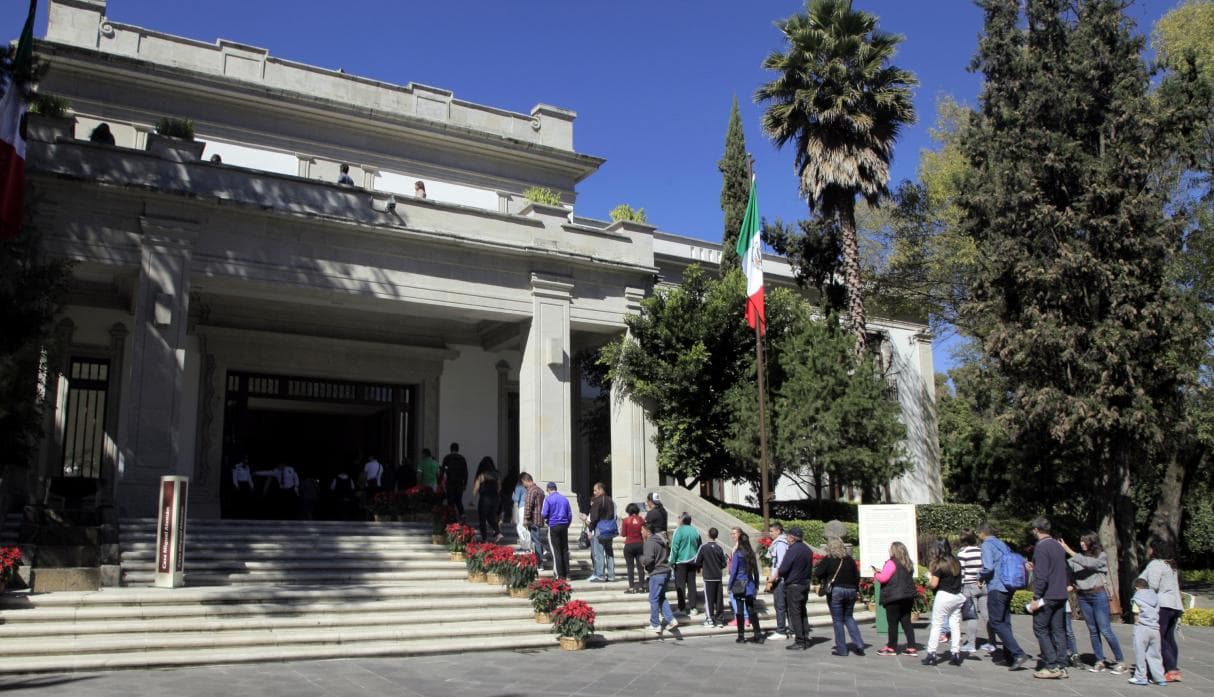
Los Pinos, the traditional presidential residence opened its doors to the public after the country's new president, Andres Manuel Lopez Obrador, announced he would not be living there.
Imagen AFP
There’s nothing quite like walking amid stacks of books today. In an increasingly digital world, the scent of bound paper pages is almost nostalgic. This is why the Guadalajara International Book Fair is, undoubtedly, one of the best events Mexico hosts each year. In a labyrinthine convention center, culture, the past and the present are gathered together and celebrated. The biggest problem is finding a bag big enough to fit all the books you want to take away with you, to read in the coming months.
While I was there, leafing through (and smelling) the books, I recalled an interview that I conducted in 2006 with the indispensable Carlos Fuentes. “This is a country with a very strong civil society, with a very strong culture, and one that has been putting democracy into practice through a myriad civic organizations,” the writer told me. “There’s a civic culture that has been developing underground. This country has a long-standing tradition of exercising democracy, which, despite its not always having manifested institutionally, has certainly been exercised on the popular-culture level.” Mexico is truly a rich country.
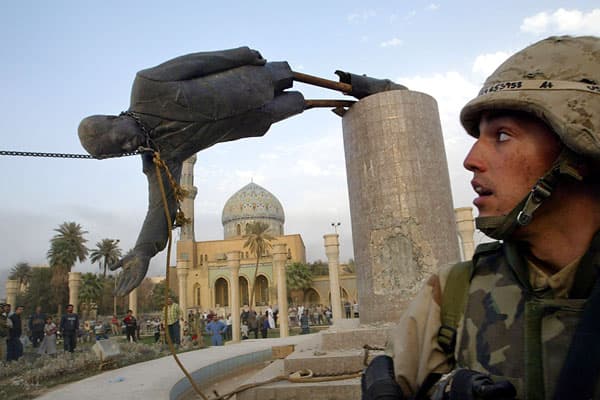
Despite a near universal desire for an end to Venezuela’s manmade disaster, sending in U.S forces to take out the Maduro regime would be counter-productive. It should be categorically rejected by interim president Juan Guaidó, not to mention the Trump administration.
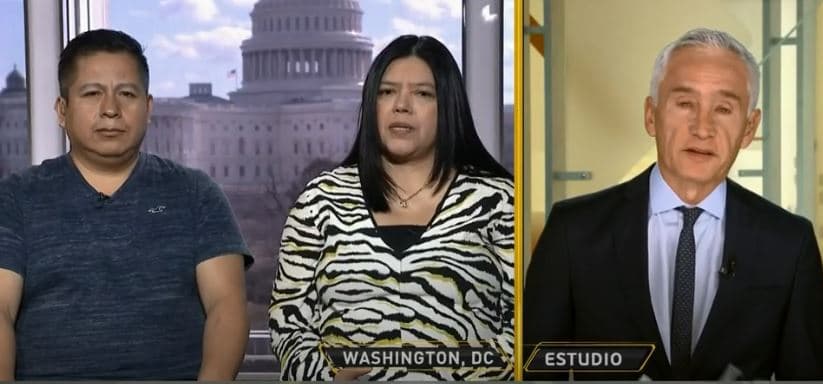
The firing of undocumented workers at Trump's golf clubs just shows how the practice of employing immigrants without legal work papers is much more common than we might imagine. Such is life in the United States.
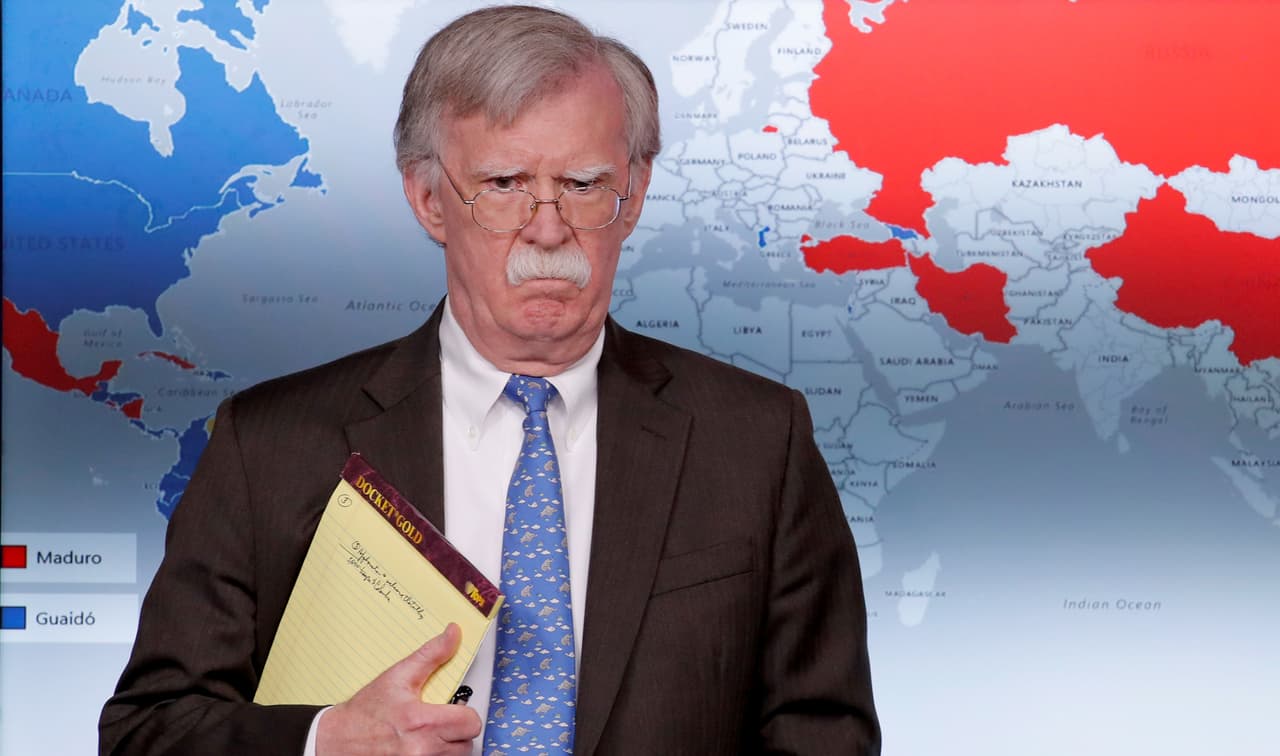
The Trump administration should be wary of fueling fake news predictions about an imminent American invasion which unrealistically raises expectations about Maduro's removal.
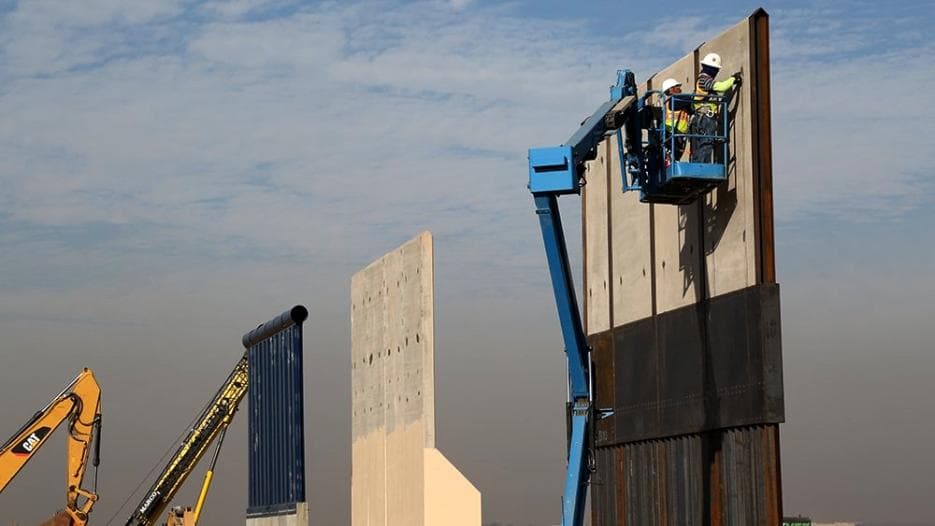
At some point we will have to accept the fact that the border between Mexico and the United States is nothing more than an invention.

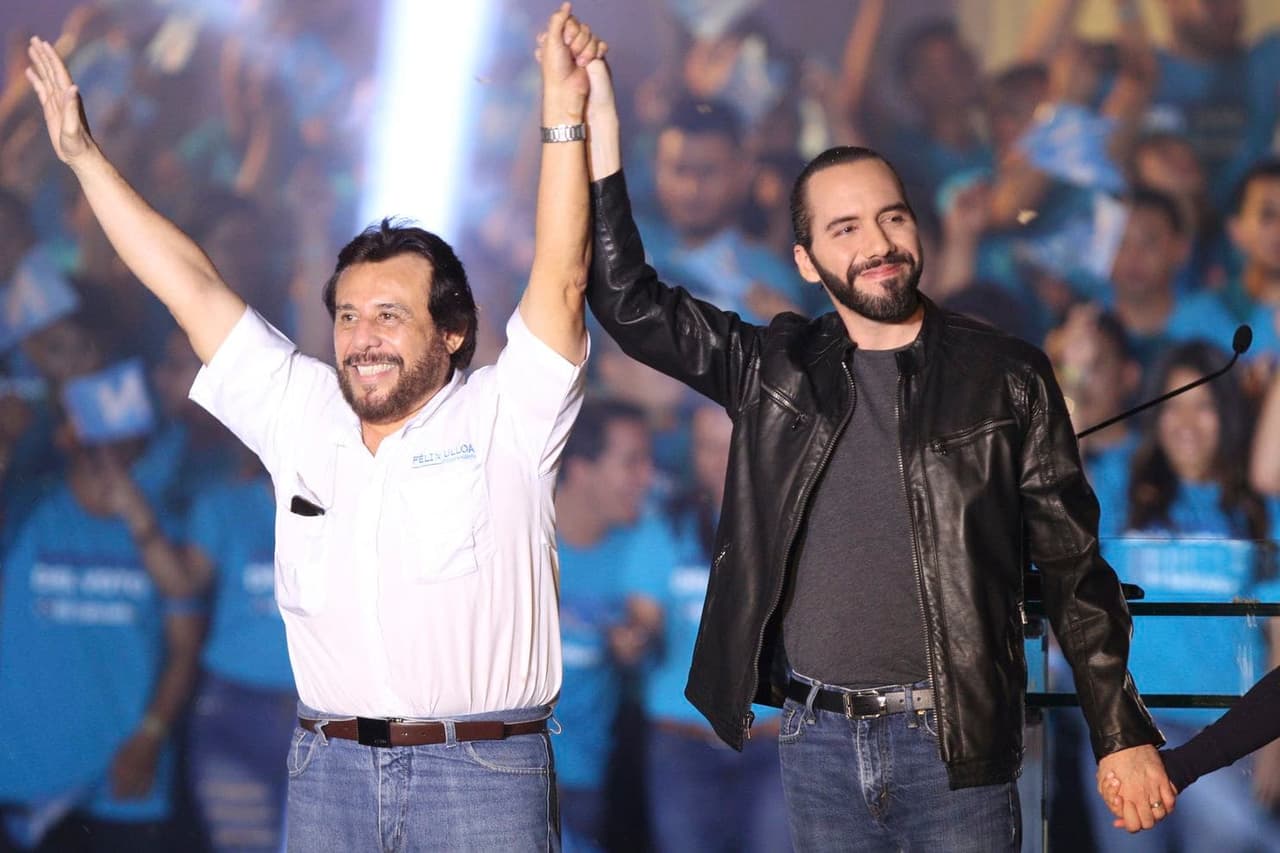
The United States has had a major role in the evolving drama of the fight for democracy in Venezuela and Nicaragua. And so far, it’s been surprisingly coordinated, a veritable model of multilateralism.
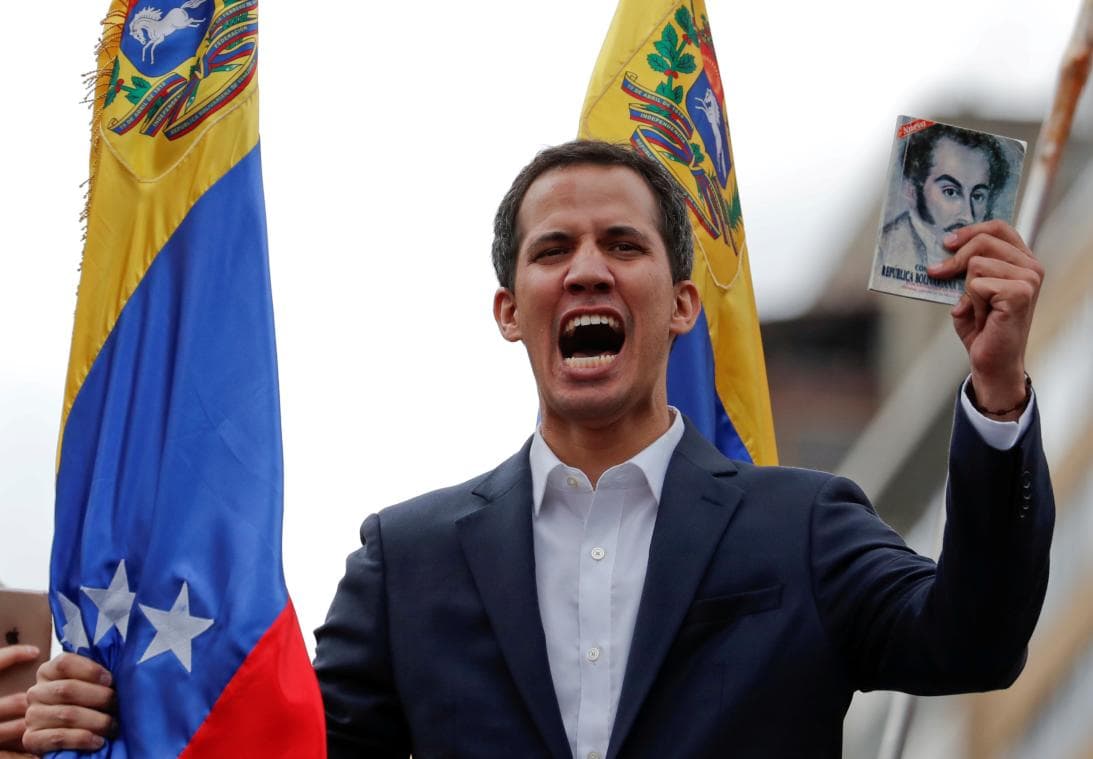
Has the Maduro regime reached breaking point? It remains hard to say, but tomorrow is another - more hopeful - day for the restoration of democracy in the South American nation.
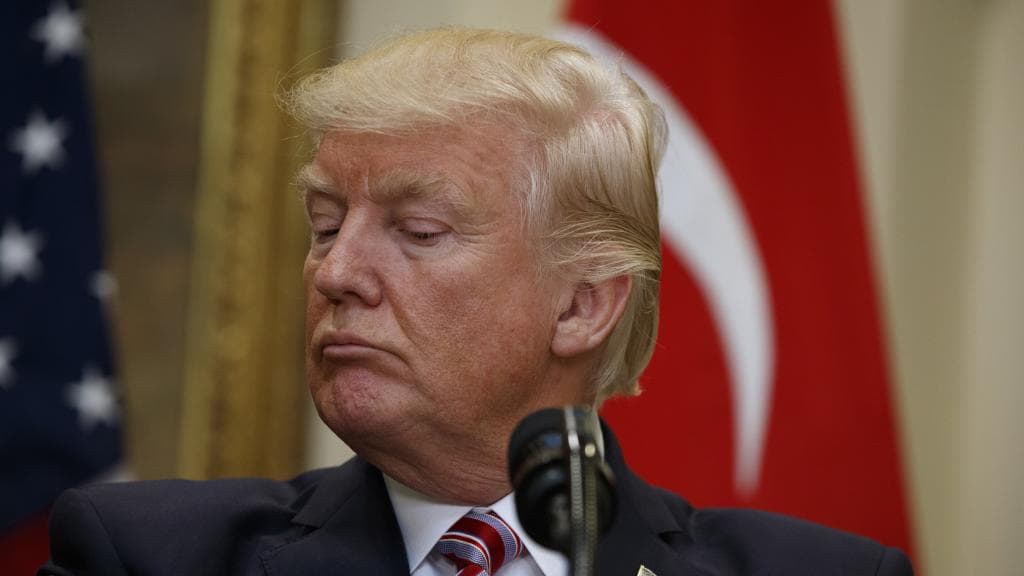
It’s impossible to get into Trump’s head but what comes out of his mouth are racist remarks. But, saddest of all are the millions who tolerate his views, cheer him on and emulate his behavior.
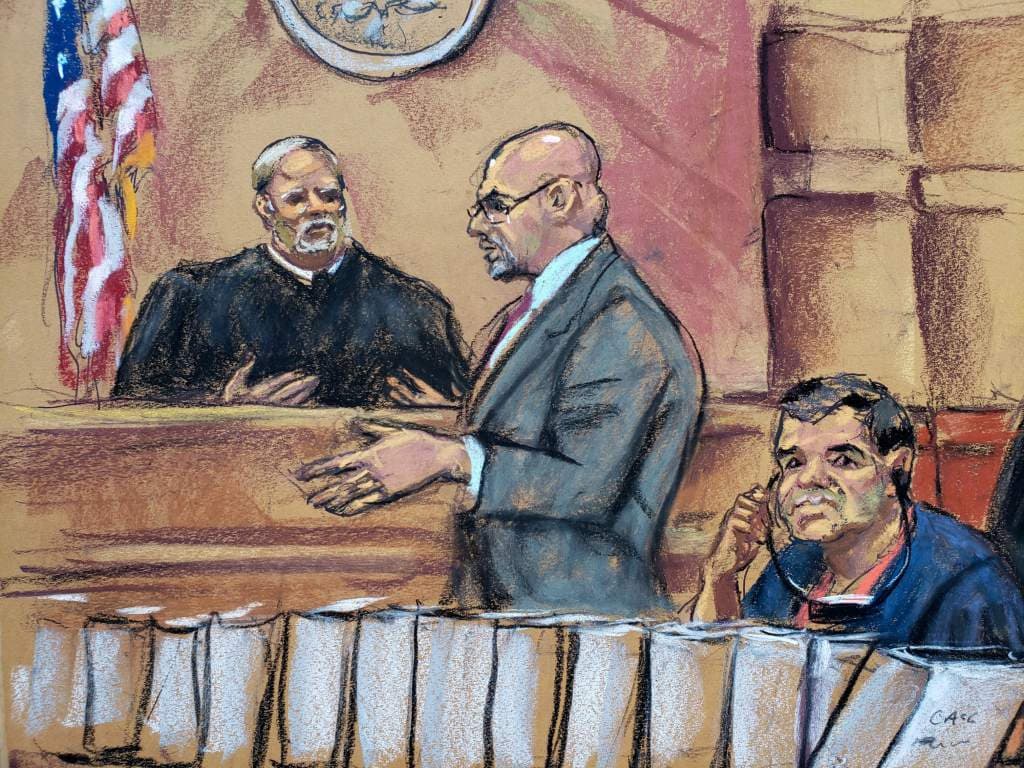
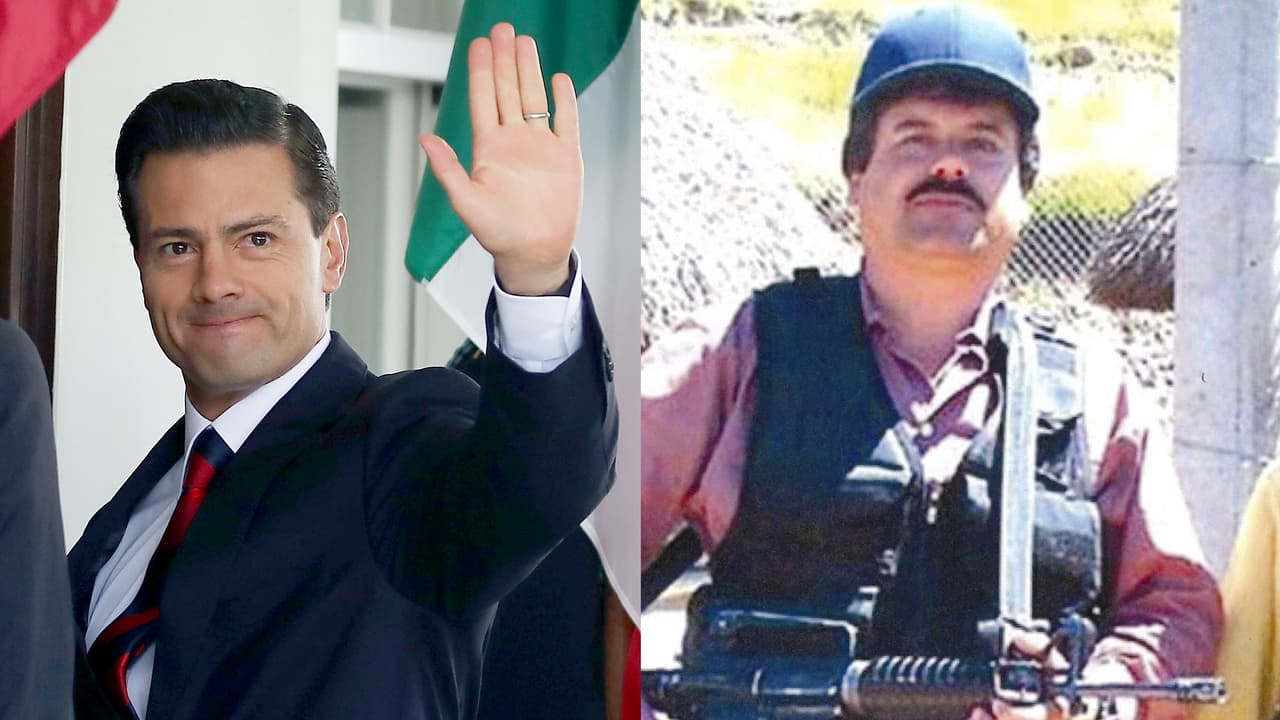
The time is well past due for the U.S. government to conduct a thorough review of leaders and their senior colleagues before they leave office to determine if they merit visas.
I left Guadalajara recharged, then headed to Tijuana, where Central American refugees continued to arrive in the border city. These desperate migrants are fleeing gang violence, corruption and extreme poverty, and criticizing them for doing so is absurd. When these refugees, most of them from Honduras, started their journey as a group, they did so because they could get closer to the United States in relative safety without having to pay thousands of dollars to smugglers.
I have been following them since they crossed the border from Guatemala into Mexico, and I’ve rarely witnessed such personal sacrifice. I recently spoke with a single father, 27 years old, who pushed his 7-year-old daughter in her wheelchair, or carried her, for hundreds of miles. The child had suffered a stroke, and her father wanted to see if she could get medical treatment in the United States. He had already entered the country previously.
During a recent storm in a camp where refugees were staying in Tijuana, makeshift plastic roofs were no match for the rainfall. The few belongings people had brought with them were soaked. Children were sick. People went without shoes. All this just a few yards from the U.S. border, which had been almost entirely sealed by President Donald Trump.
Most of these migrants have been relocated to a shelter with a roof and better conditions. Others are taking their chances and jumping the border fence, returning to their own countries or exploring their options for a new life in Mexico. Thousands of Mexicans have helped them along in their journey with clothes, food, transportation and encouragement. But I’m still haunted by the xenophobic cries and insults I heard hurled at the migrants in Tijuana. Xenophobia has no place in a country that has been exporting immigrants for decades.
From there I went to Mexico City, to the inauguration ceremonies for Andrés Manuel López Obrador. The new president was elected by more than 30 million Mexicans seeking change, and it can already be felt. Still, some people are beginning to test the limits of this new administration, though many give López Obrador the benefit of the doubt.
As a symbol of this change, I have to mention the opening of the president’s home, Los Pinos, an estate much larger than the White House, to the public. There’s nothing like seeing firsthand the luxurious, eccentric and out-of-touch lives former Mexican leaders have lived at the expense of the taxpayers. Is it really necessary to have a private movie theater? And a bunker? Not-normal is the new normal.
That’s how I saw the three Mexicos in one go.
Relacionados: