The rise of the Democratic Socialists of America, or D.S.A., has become an unmistakable new feature of the American political landscape since Alexandria Ocasio-Cortez’s remarkable primary victor over 19-year Democratic incumbent, Joseph Crowley. Her success immediately cast a widely reported glow upon the rise of the far-left in America.
Socialism in America? Remember Venezuela.
Will socialism really become a major political movement in America? Should it?

Bernie Sanders llega Arizona en busca de los votos para ganar de la nominación demócrata. Las elecciones primarias en Arizona son el martes 17 de marzo.
Imagen Getty Images
But will socialism really become a major political movement in America? Should it?
According Michelle Goldberg of The New York Times, this phenomenon is already well underway. In a column entitled “The millennial socialists are coming,” Goldberg reports that D.S.A. membership has “exploded” “from 7,000 members to more than 37,000” since Bernie Sanders’ dynamic, though failed, 2016 presidential run.
Now, in the wake of Ocasio-Cortez’s success, it seems new stories of D.S.A. candidates running for office are everywhere. In another New York Times feature about the rise of young socialists, the Times reports there are now “dozens” of D.S.A. members proudly “embracing the socialist label” running for elected office all across the country. What used to be a political pejorative is now a badge of honor worn by young progressives railing against what they see as pervasive structural income inequalities in America. A recent Gallup poll reinforces this idea, revealing that more Democrats view socialism positively (57 percent) than capitalism (47 percent, down from 56 percent in 2016).
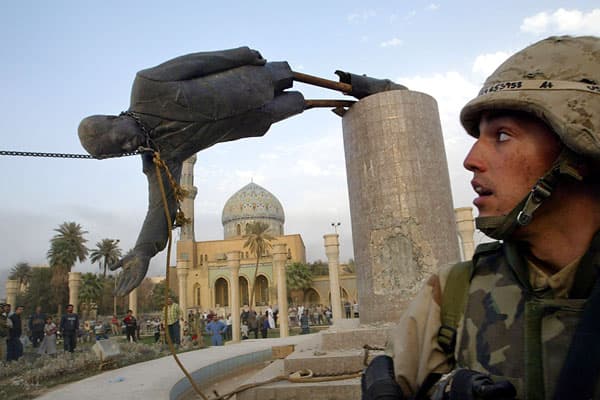
Despite a near universal desire for an end to Venezuela’s manmade disaster, sending in U.S forces to take out the Maduro regime would be counter-productive. It should be categorically rejected by interim president Juan Guaidó, not to mention the Trump administration.
The firing of undocumented workers at Trump's golf clubs just shows how the practice of employing immigrants without legal work papers is much more common than we might imagine. Such is life in the United States.
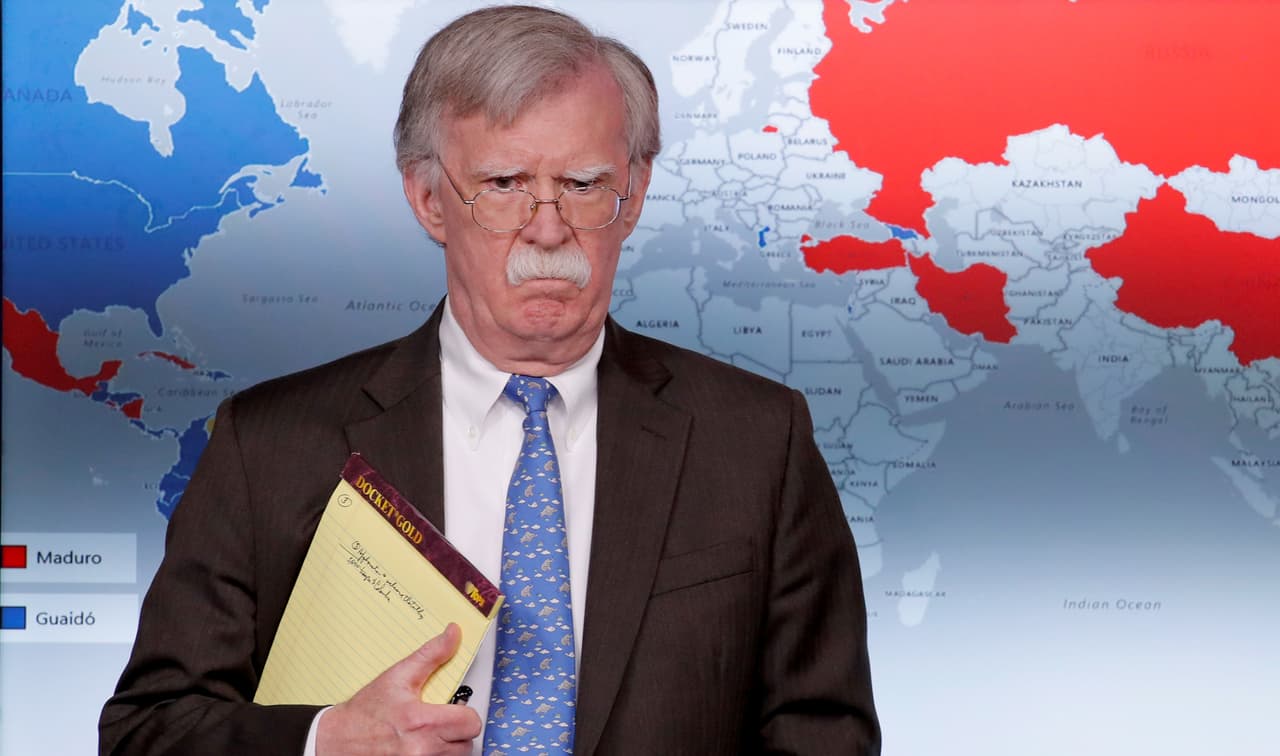
The Trump administration should be wary of fueling fake news predictions about an imminent American invasion which unrealistically raises expectations about Maduro's removal.
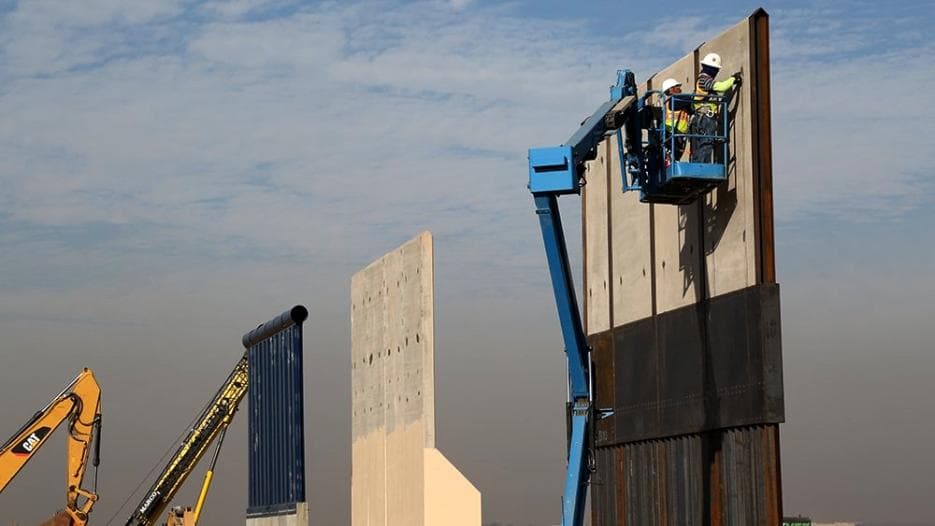
At some point we will have to accept the fact that the border between Mexico and the United States is nothing more than an invention.

The United States has had a major role in the evolving drama of the fight for democracy in Venezuela and Nicaragua. And so far, it’s been surprisingly coordinated, a veritable model of multilateralism.
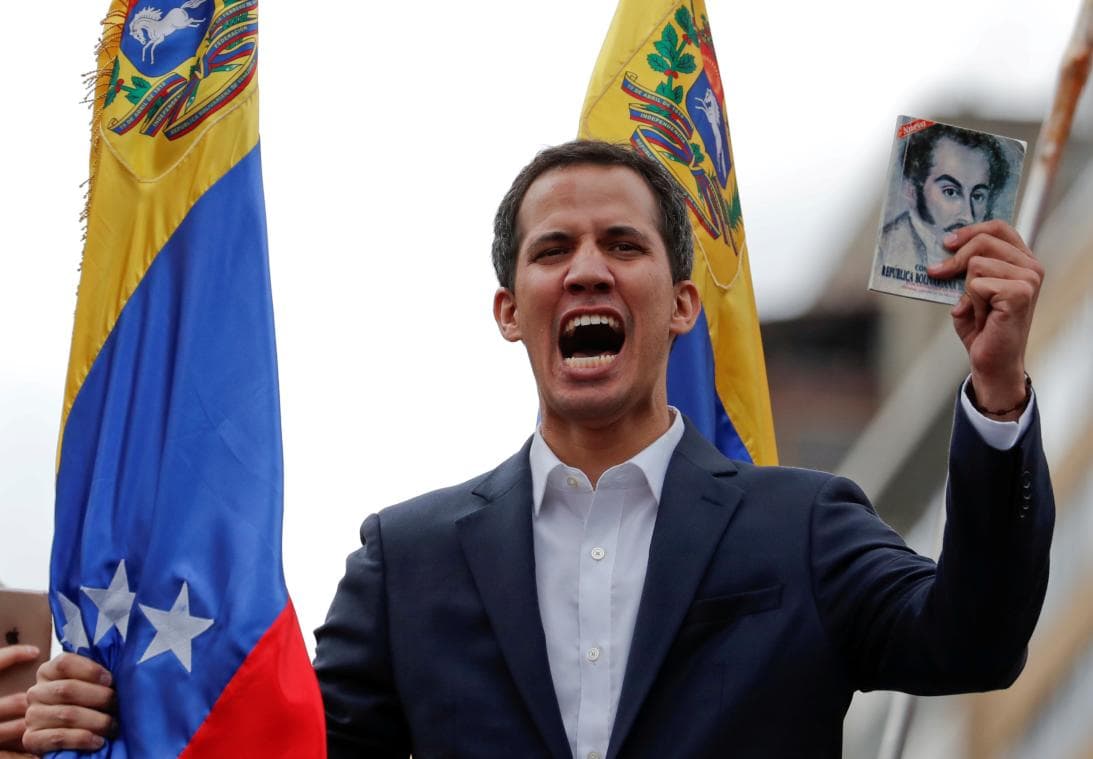
Has the Maduro regime reached breaking point? It remains hard to say, but tomorrow is another - more hopeful - day for the restoration of democracy in the South American nation.
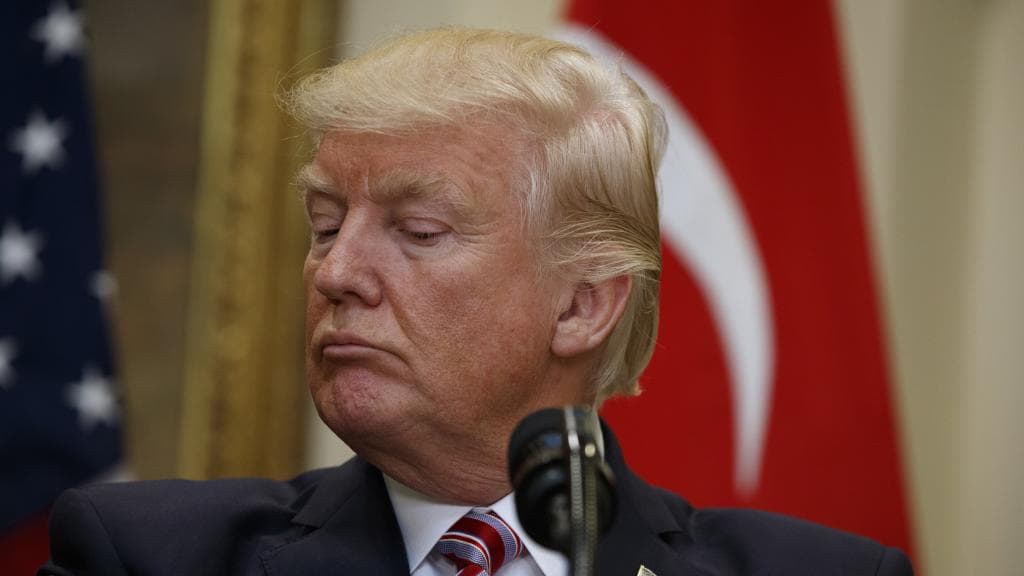
It’s impossible to get into Trump’s head but what comes out of his mouth are racist remarks. But, saddest of all are the millions who tolerate his views, cheer him on and emulate his behavior.

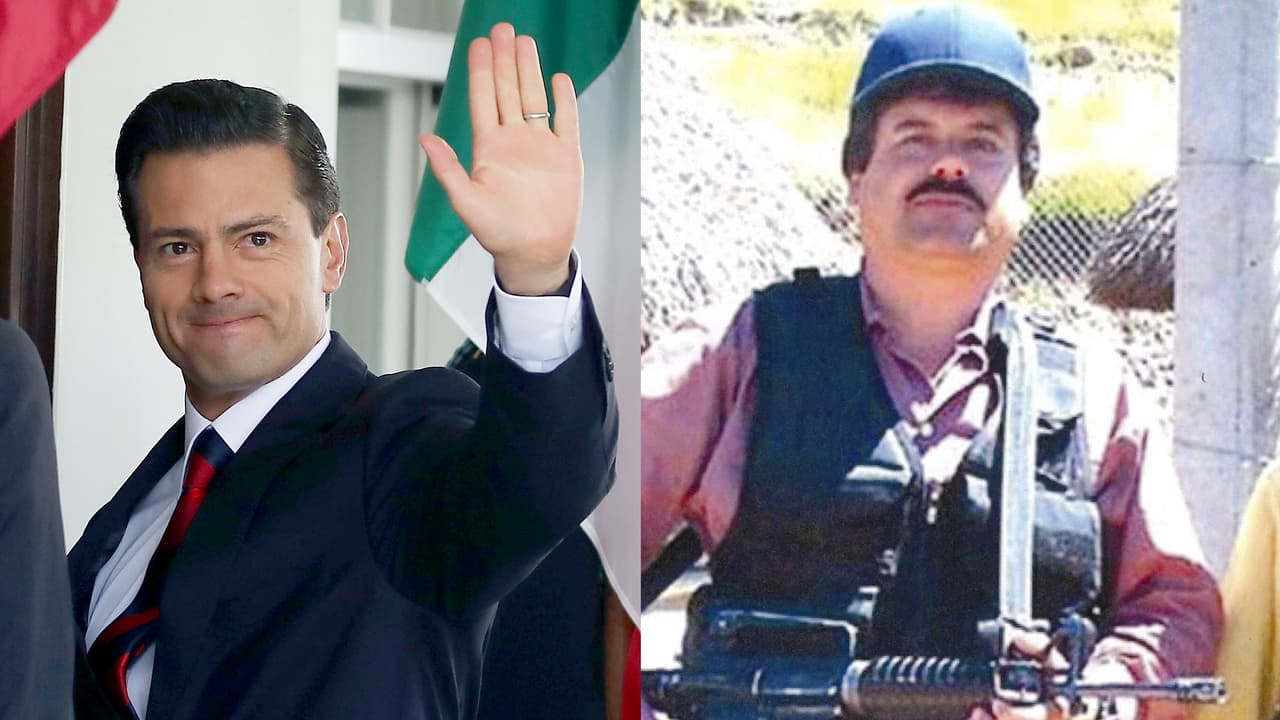
The time is well past due for the U.S. government to conduct a thorough review of leaders and their senior colleagues before they leave office to determine if they merit visas.
The spark of socialism, it seems, has been lit and it’s spreading like wild fire across America. This should concern traditional capitalists in both political parties.
You see, one of the central tenants of Americanism, one that has contributed to its unparalleled economic might and freedom, is that while we believe passionately in equality of opportunity, we reject fervently equality of outcome. Let me be clear, I believe in fighting poverty. As a Christian, this is a central mandate of Christ and it must be part of any virtuous society. Socialism however seeks to address this problem not by the church, charities or individuals generously helping their fellow citizens, but by state mandated redistribution of other peoples’ money. That is the opposite of freedom!
Under capitalism, we are free to produce and to risk, free to buy, sell, invest and save as we see fit. Socialism on the other hand, removes our economic freedom and says to the worker and business owner, “You do not own what you create.” Capitalism unleashes the creativity and genius of the individual, socialism promises instead a utopian fantasy which saps economic actors of the incentives to produce. If pursued to its logical conclusion, history demonstrates this leads to tyranny.
Democratic socialists will undoubtedly rebut this claim. They will say that the “democratic” aspect of the D.S.A. platform ensures the extremes of past socialist regimes are tempered by the ability to vote bad leaders out of office. They look to Scandinavia as a model for how America can address growing income inequalities, but as Nima Sanandaji of the of the Center for Policy Studies has suggested, drawing this direct parallel is fraught with inconsistencies.
Sanandaji argues quite persuasively that Scandinavia’s economic success owes to these countries' small, homogenous cultures with low crime, low corruption and a strong work ethic. In fact, Scandinavia's growth and relative equality long predates the implementation of socialist policies. In fact, once the fast-growing economies in the world, when socialist policies were implemented in the mid 70s, they slowed significantly. Reacting to this slow down, Scandinavian nations have since reversed course, reducing their tax burden by more than 5 percent of GDP since the 1990s.
Then of course, there’s Venezuela.
With more verified oil reserves than any other country in the world, Venezuela’s former President Hugo Chavez believed he could end income inequality (sound familiar) with the wealth generated by the country’s enviable oil exports. A decade of rising oil prices allowed this scheme to work too, at least for a time. By 2003 Chavez had succeeded in passing a series of drastic socialist reforms like nationalizing entire industries, implementing price controls and pegging the price of the Venezuelan Bolivar. These policies “sowed the seeds” of its future economic collapse when in 2014 the price of crude plummeted. From 2013 - 2017 the IMF estimates that the Venezuelan economy shrunk by more than 30%. Now, Venezuela is famous not for its beautiful culture, gorgeous beaches and robust economy, but for an annual inflation of 1,000,000 percent, millions of its citizens fleeing around the globe, and for those who remain behind losing on average 24 lbs. in weight last year. Tragically, 90 percent of the country now lives in desperate poverty.
Many Hispanics have chosen to come to America when they could have chosen to go to another Latin American country with a similar culture and the same language. They came instead to the United States because it is singular in its economic opportunity, freedoms and its adherence to the rule of law. They came, in other words, for the American Dream. If you find yourself in the coming years drawn to the utopia promised by the D.S.A or any other party, just remember this: If at the center of the American Dream is capitalism, the core of Venezuela’s nightmare is socialism.
Relacionados: