Already in 2018 there has been quite a bit of forewarning of Russian interference in democratic elections, but not just in this year’s U.S. mid-term elections.
Russia's assault on Latin America’s democracies and sovereignty
U.S. officials say they are seeing signs of Russian interference in Latin American democracies using informational and cyber tools to undermine and discredit the democratic consensus that the U.S. has, since at least the end of the Cold War, sought to defend and promote. Weakening U.S. influence and its historic bonds with Latin America serves the Kremlin’s global objective of undermining the Western world and United States leadership of it.
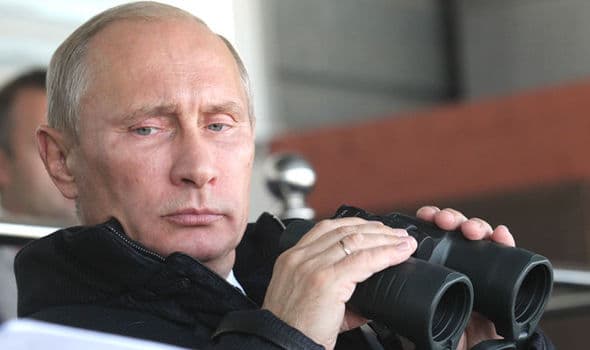
Russian premier Vladimir Putin uses binoculars to view presentations at the Russian armament exhibition Expo Arms-2011, Sept 9, 2011 in the Urals town of Nizhny Tagil, Russia.
Imagen Getty Images
Much of the focus is on Latin America, Russia’s new target of opportunity in its global multidimensional effort to undermine the prestige and legitimacy of democratic institutions and processes. This year alone Brazil, Colombia, Costa Rica, Mexico and Paraguay will elect new leaders. Nearly 7 out of every 10 citizens in the region will be voting for president.
On Jan 7, White House National Security Adviser General HR McMaster asserted in a speech that there were some “initial signs” of Russian “subversion and disinformation and propaganda” in Mexico’s presidential campaign. Three days later, the Democratic Party minority on the Senate Foreign Relations Committee issued an exhaustive report on the objectives and means of Russian elections meddling in the U.S. and beyond. In a subsequent interview with Miami Herald columnist Andres Oppenheimer, the ranking member of the committee, Senator Ben Cardin, asserted that “he had no doubt that Russian President Vladimir Putin will try to interfere in this year’s elections in Mexico and Colombia.”
The mounting evidence seem to have led to a response from Congress. On Jan 31, just as Secretary of State Rex Tillerson prepared for his first official visit to Latin America, Senators Marco Rubio, Bob Menendez and Tim Kaine requested the Trump administration “step up its efforts and do more to protect strong, independent electoral systems in Mexico and Latin America” against Russian interference. At the end of his Latin American tour, Tillerson urged Mexico to be on the lookout for Russian penetration and manipulation of its July elections. “We see some of Russia’s fingerprints around elections that have occurred in Europe … We are seeing similar activity in this hemisphere,” he warned.
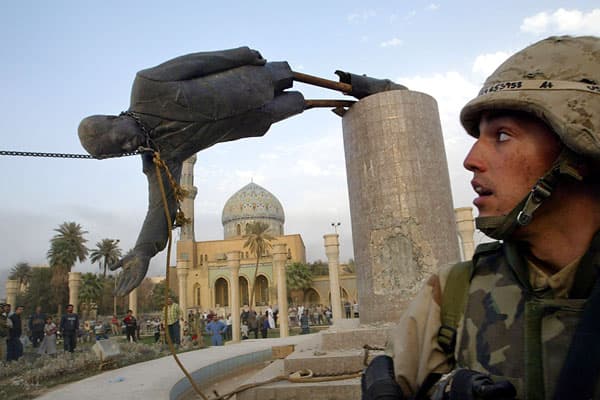
Despite a near universal desire for an end to Venezuela’s manmade disaster, sending in U.S forces to take out the Maduro regime would be counter-productive. It should be categorically rejected by interim president Juan Guaidó, not to mention the Trump administration.
The firing of undocumented workers at Trump's golf clubs just shows how the practice of employing immigrants without legal work papers is much more common than we might imagine. Such is life in the United States.
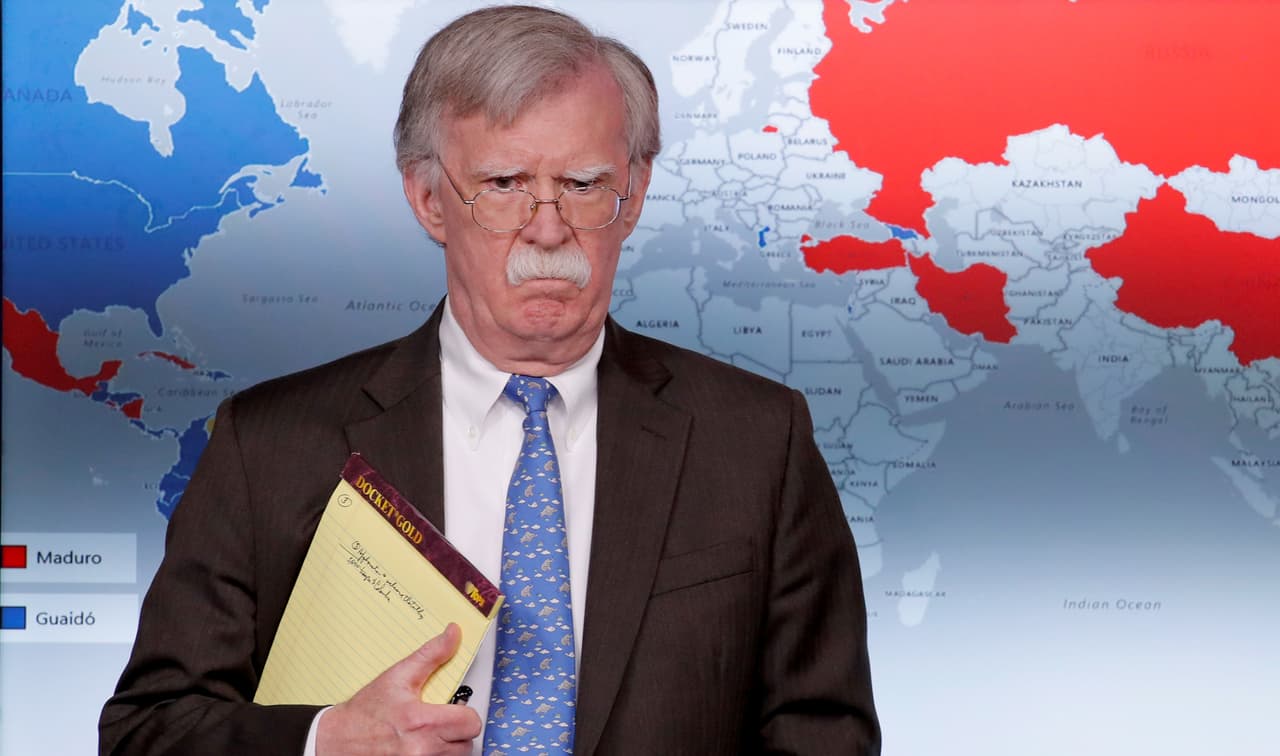
The Trump administration should be wary of fueling fake news predictions about an imminent American invasion which unrealistically raises expectations about Maduro's removal.
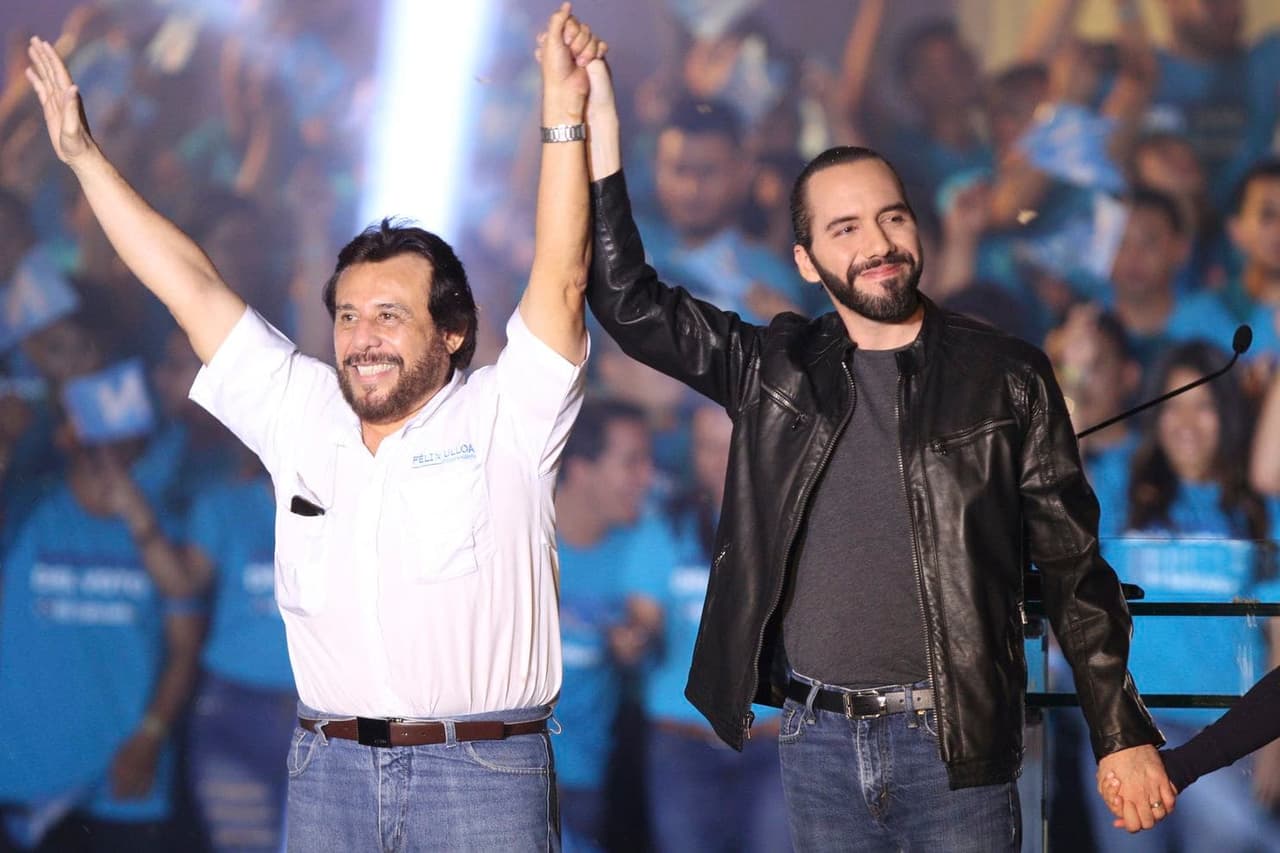
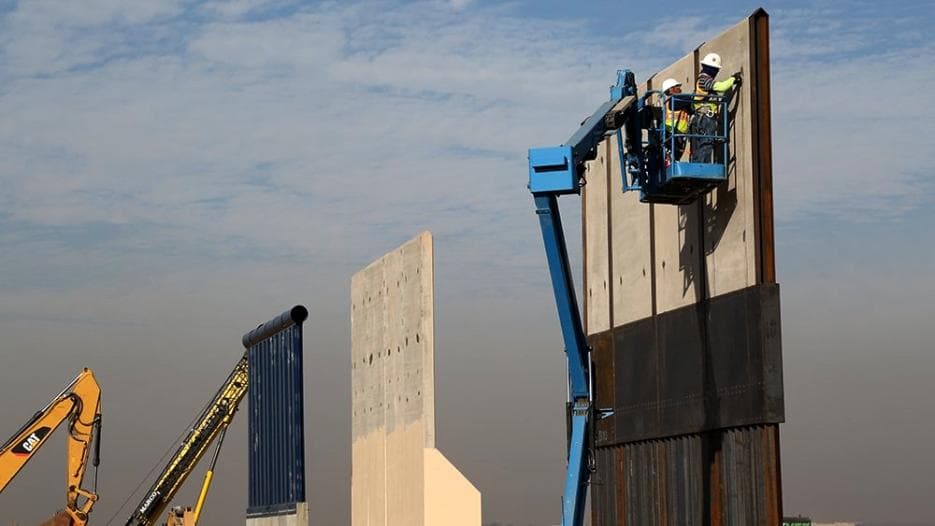
At some point we will have to accept the fact that the border between Mexico and the United States is nothing more than an invention.

The United States has had a major role in the evolving drama of the fight for democracy in Venezuela and Nicaragua. And so far, it’s been surprisingly coordinated, a veritable model of multilateralism.
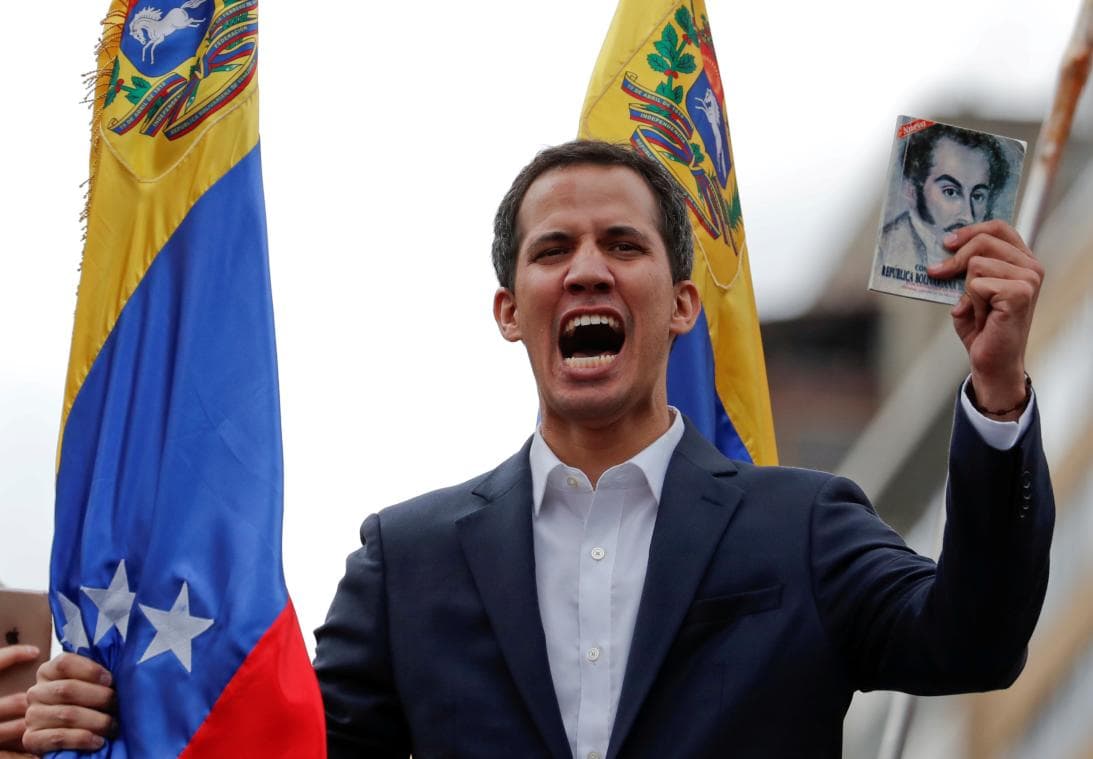
Has the Maduro regime reached breaking point? It remains hard to say, but tomorrow is another - more hopeful - day for the restoration of democracy in the South American nation.
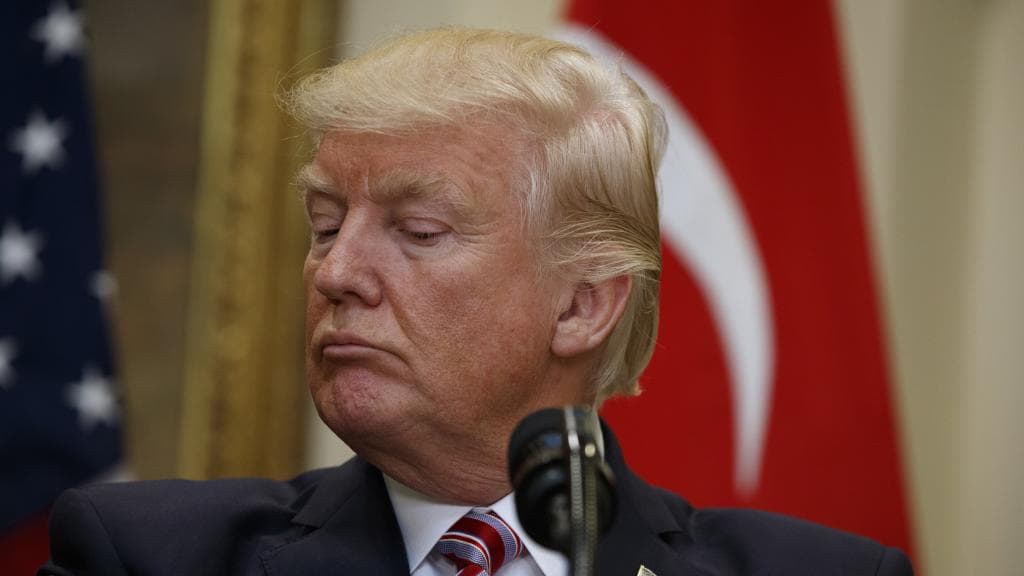
It’s impossible to get into Trump’s head but what comes out of his mouth are racist remarks. But, saddest of all are the millions who tolerate his views, cheer him on and emulate his behavior.
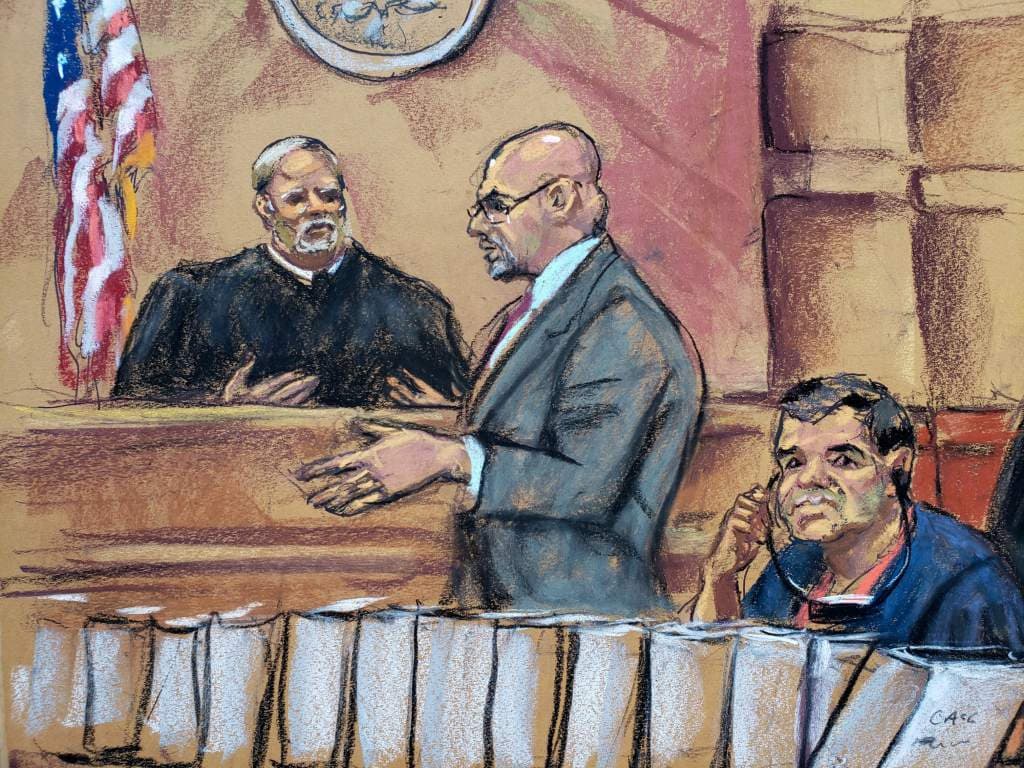
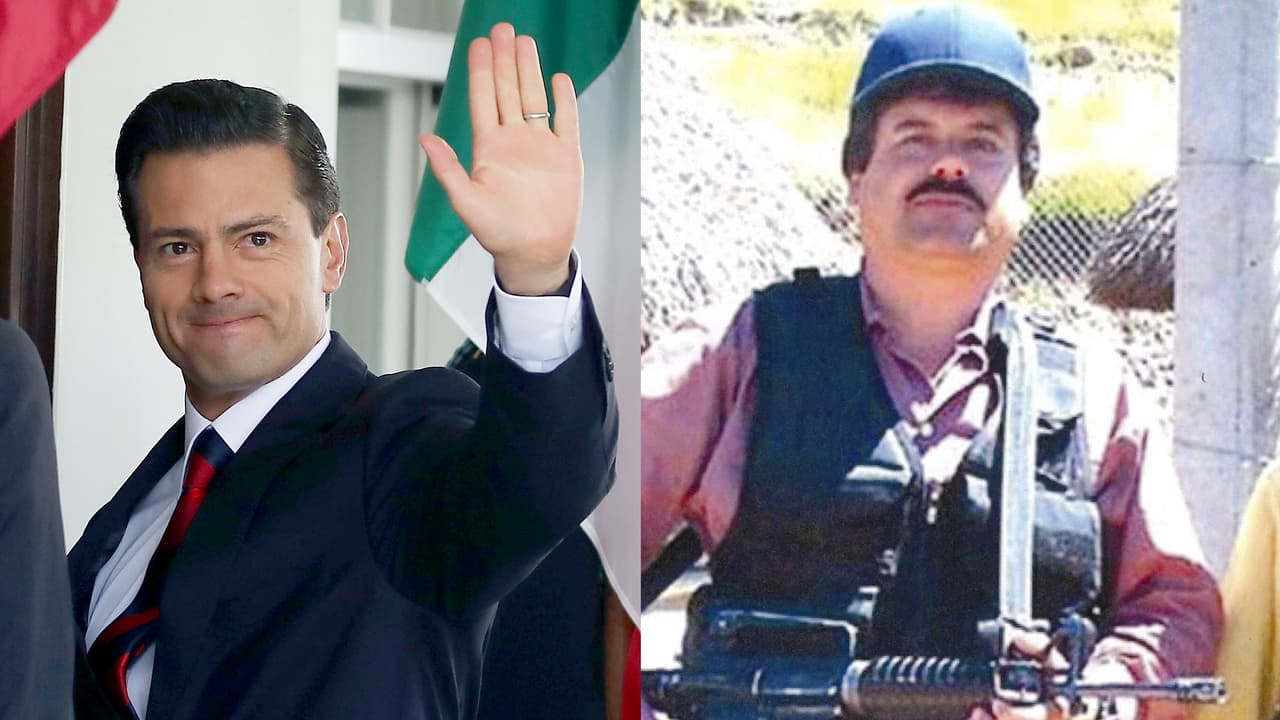
The time is well past due for the U.S. government to conduct a thorough review of leaders and their senior colleagues before they leave office to determine if they merit visas.
Clearly, these senior government officials observed enough evidence to publicly raise alarms about the growing Russian threat to Latin America’s elections and democracies. But what interest or strategic reason could Russia have in disrupting and discrediting regional elections, and what means does it use to achieve its goals? Christopher Walker and Jessica Ludwig of the National Endowment for Democracy recently published a study that examines why and how authoritarian regimes seek to project influence through sharp power, "in the sense that they pierce, penetrate or perforate the political and information environments in the targeted countries … seeking to manipulate or poison their target audiences by distorting information that reaches them.”
Russia strategic goal is to undermine the credibility of democratic regimes, exploiting pre-existing rifts and vulnerabilities by using informational and cyber tools to exacerbate the frustration and distrust that societies have of their flawed democracies. The promotion of narratives “that tap into existing frustrations and cynicism of local populations” deepens polarization and the crisis of legitimacy of poorly performing democratic institutions.
In the end, Moscow is attempting to undermine and discredit the democratic consensus that the U.S. has, since at least the end of the Cold War, sought to defend and promote. Moscow’s other key strategic objective, is to create or intensify existing cleavages between Washington and its allies, whether it’s NATO or its two most important strategic partners in Latin America – Mexico and Colombia. Weakening U.S. influence and its historic bonds with Latin America serves the Kremlin’s global objective of undermining the Western world and United States leadership of it.
Since at least the 1960s the Soviets and later Russians engaged in what is known as active measures – actions of political and information warfare that ranged from media manipulation, disinformation, counterfeiting and even violence. In the digital age, Russians use modern platforms like the cyber space and social media to achieve the same goals of disruption, distrust and political divisiveness.
Today, Russia utilizes three active measures or sharp power instruments to achieve its strategic ends:
First, Moscow’s state media outlets like Actualidad RT (Spanish Russia Today) and Sputnik Mundo engage in sophisticated information warfare in which distorted or fabricated falsehoods are propagated about political candidates, local news media, integrity of electoral process, and relations (“interventionism”) with the United States (e.g. 2016 RT article that falsely alleged the U.S. maintained bases in Chile, Argentina, Brazil, etc). In recent months, there has been an upsurge in manipulated online content in both Mexico and Colombia.
The second set of tools is focused on social media, particularly Facebook and Twitter. Because of the penetration and use of smart phones and social media in Latin America, particularly Colombia, this space is particularly attractive and vulnerable to Russian manipulation and spreading of disinformation. There is increasing evidence that Russia has moved beyond probing or testing to pushing fake news through Facebook and YouTube in Colombia.
Finally, there is cyber hacking and the use of open platforms like Wikileaks to publish embarrassing and politically damaging communications, as was observed in the 2016 US election. At this point there is no evidence that Russia is engaged in this active measure method in Latin America but there is no reason to believe that it might not if the opportunity or need arose.
The challenge is not just Russian intervention but the complacency with which Latin American governments, media and civil society have dealt with this threat to the region’s elections, democracy and sovereignty. Ignorance and neglect will not dissuade the Kremlin for pursuing its goals. In addition to enhancing digital literacy in the public, governments must work closely with civil society, social media platforms and traditional media to expose and contain efforts to weaken their democracies by polarizing and pitting their citizens against one another. The consequences of Moscow’s pernicious efforts in the U.S. and parts of Europe should serve as a clear warning.
Frank O. Mora is director of the Kimberly Green Latin American and Caribbean Center at Florida International University. He served as Deputy Assistant Secretary of Defense for the Western Hemisphere, 2009-2013.
Relacionados: