One of the surest ways to gain an advantage over your political opponents is to sow disunity among them. Unfortunately, this tactic has been leveraged against the American people to great effect in recent times.
Russia Won! How Putin succeeded in dividing America
Our political, racial, religious and economic rifts are glaringly obvious for all to see and they constantly assault our sense of national identity. What it means to be American is as fragile today as it’s ever been and this presents an easy opening for those who wish to do us harm.
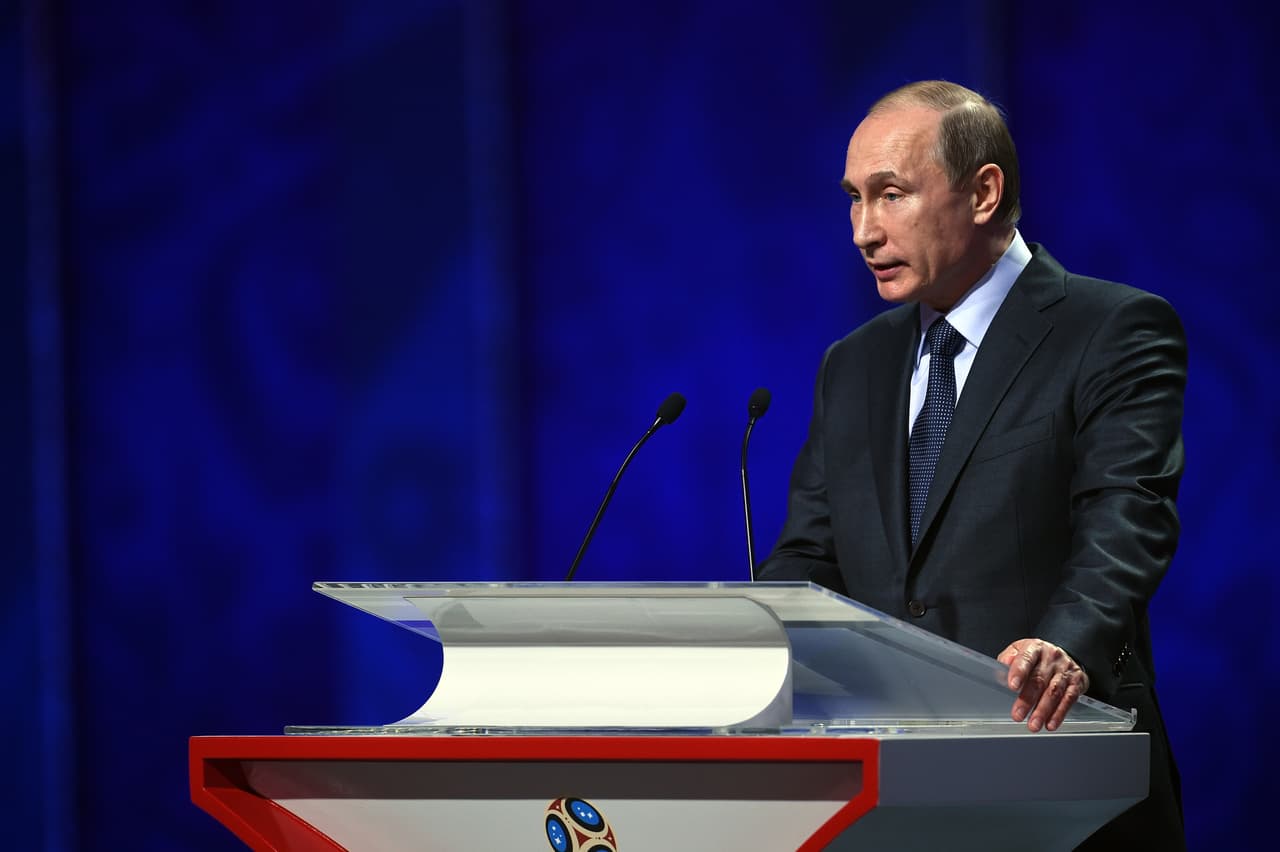
Vladímir Putin
Imagen Getty Images
The strategy is relatively simple: isolate the divisions inherent in any population or people group and aggravate the underlying bitterness, distrust or even hatred that may exist.
Just how do you do this? Unfortunately history is littered with examples. From North versus South in the Civil War, Catholic against Protestant in Northern Ireland, Black and White in Apartheid South Africa, the Tutsis and the Hutus in Rwanda, to Hitler's genocide against six million Jews in WWII—if you can convince one side that the other is the root of all sorts of evils, you can turn brother against brother and even throw a nation into madness.
A more recent example comes to us from the Second Gulf War. Shortly after President George W. Bush infamously declared, “mission accomplished” from the deck of the USS Abraham Lincoln, Al Qaeda militant, Abu Musab al-Zarqawi, sought to trigger a wave of sectarian violence and thereby foil the United States’ goal of a democratic Iraq. A Sunni, al-Zarqawi knew that he could cripple Iraq’s fragile sense of national identity if he could pit Shia Muslim against Sunni Muslim.
After attacks on Shia shrines in Karbala and Baghdad in 2004, as well as the Al Askari Mosque in Samarra in 2006, al-Zarqawi’s ruthless plan was nearly accomplished. He had successfully antagonized centuries of deep-seated tribalism and distrust between the two groups and brought Iraq to the brink of civil war.
Despite a near universal desire for an end to Venezuela’s manmade disaster, sending in U.S forces to take out the Maduro regime would be counter-productive. It should be categorically rejected by interim president Juan Guaidó, not to mention the Trump administration.
The firing of undocumented workers at Trump's golf clubs just shows how the practice of employing immigrants without legal work papers is much more common than we might imagine. Such is life in the United States.
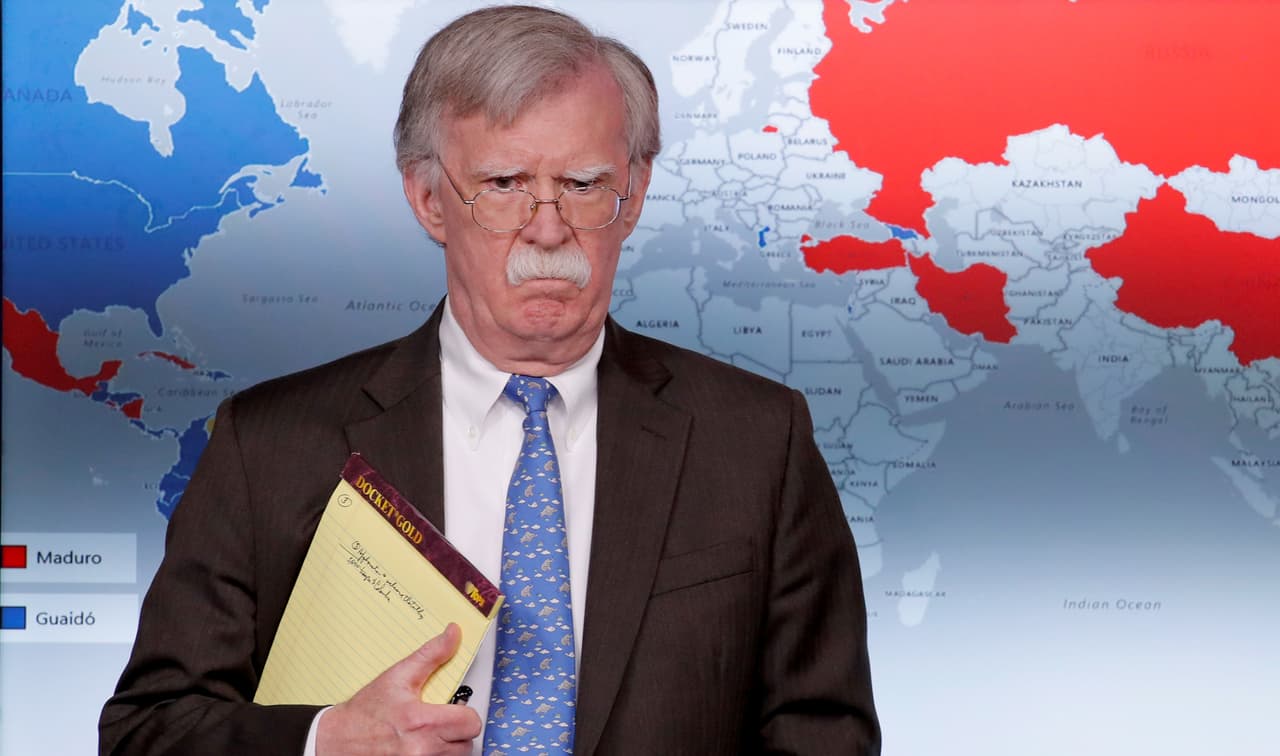
The Trump administration should be wary of fueling fake news predictions about an imminent American invasion which unrealistically raises expectations about Maduro's removal.
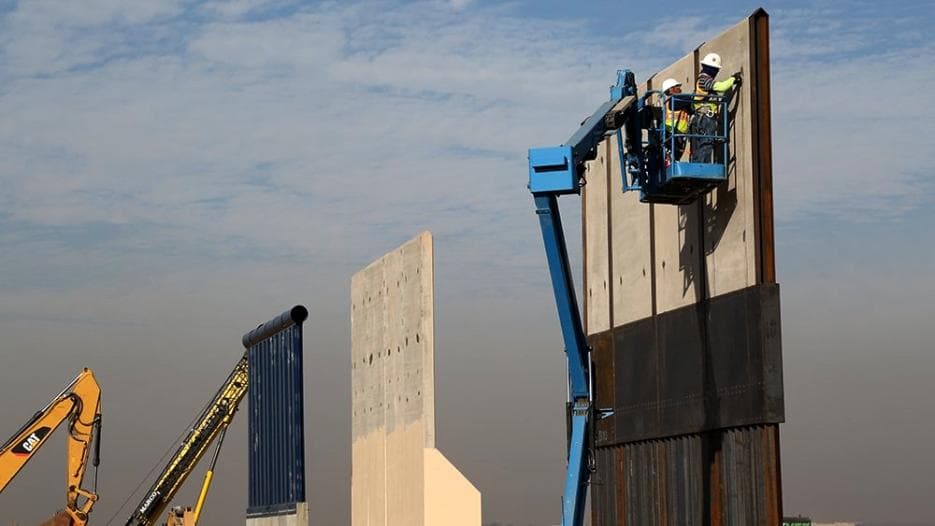
At some point we will have to accept the fact that the border between Mexico and the United States is nothing more than an invention.

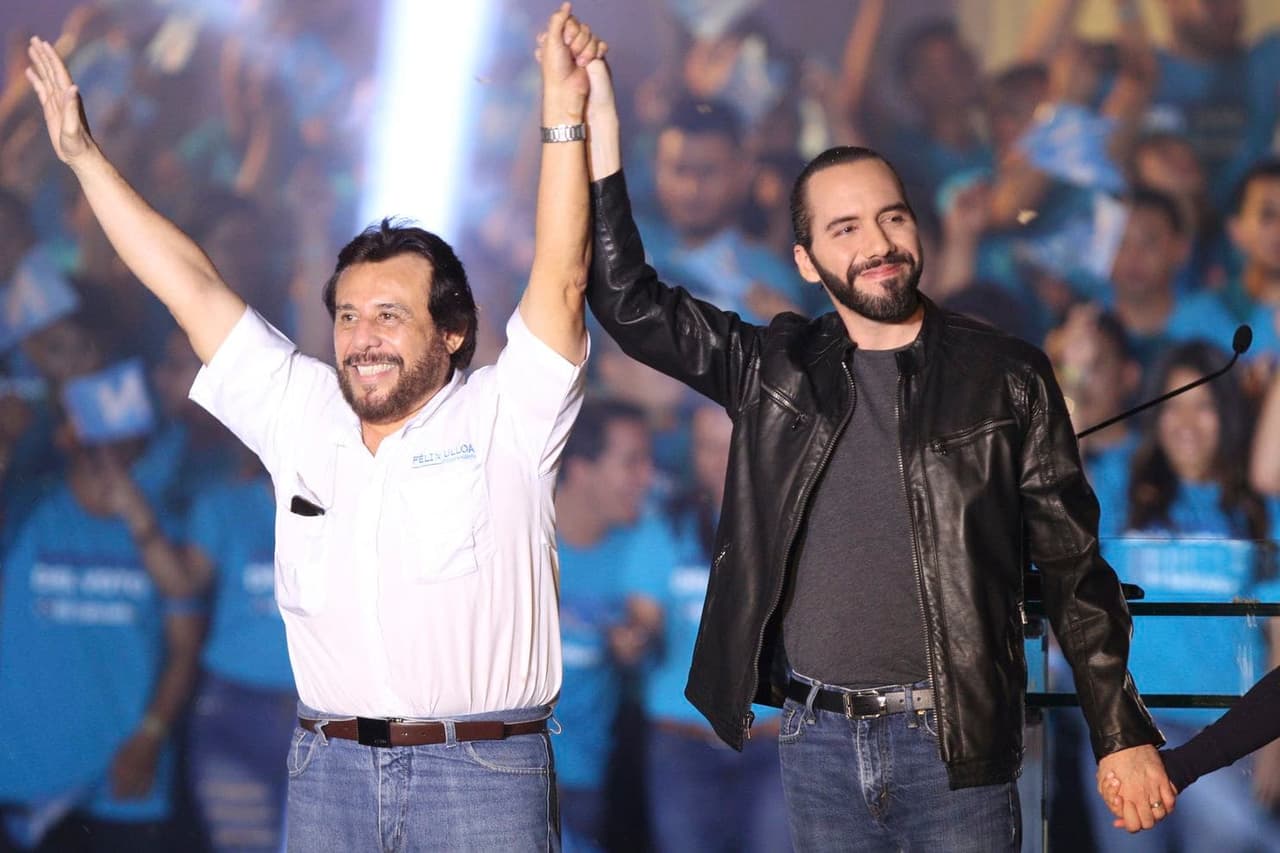
The United States has had a major role in the evolving drama of the fight for democracy in Venezuela and Nicaragua. And so far, it’s been surprisingly coordinated, a veritable model of multilateralism.
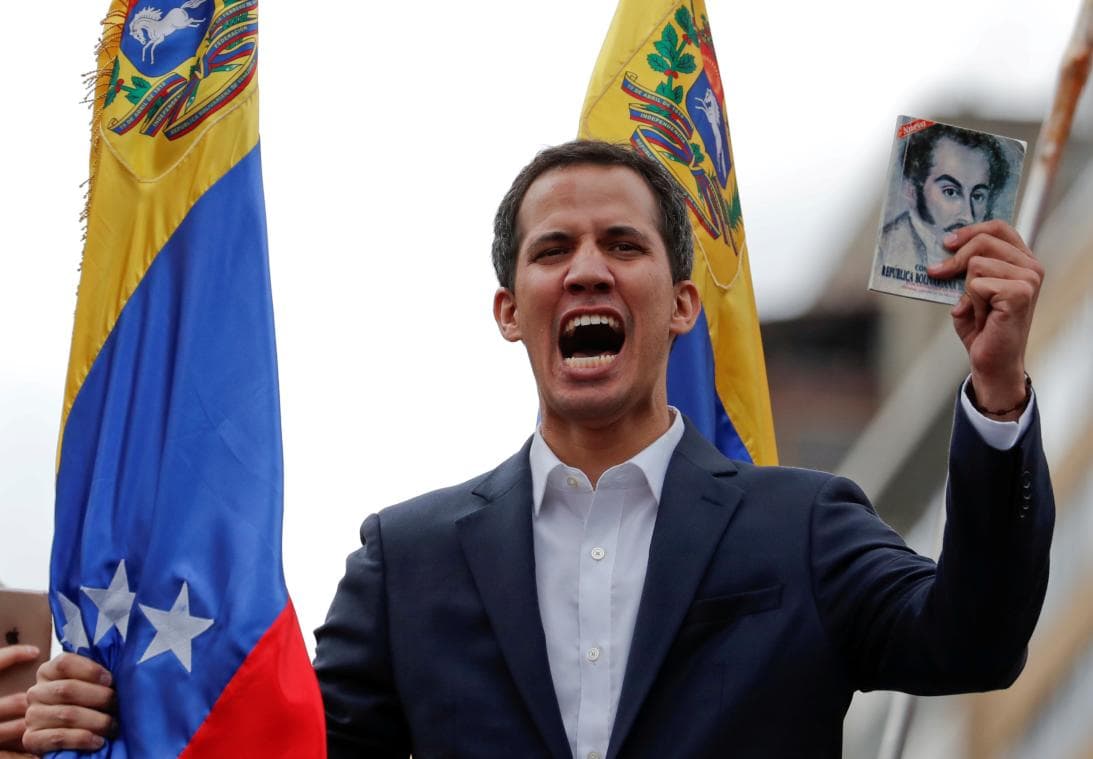
Has the Maduro regime reached breaking point? It remains hard to say, but tomorrow is another - more hopeful - day for the restoration of democracy in the South American nation.
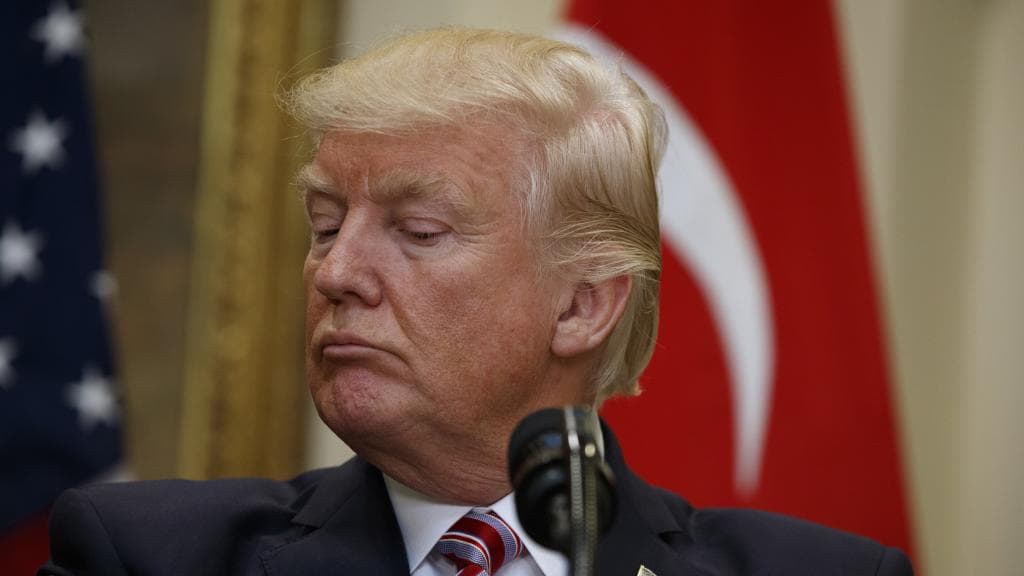
It’s impossible to get into Trump’s head but what comes out of his mouth are racist remarks. But, saddest of all are the millions who tolerate his views, cheer him on and emulate his behavior.
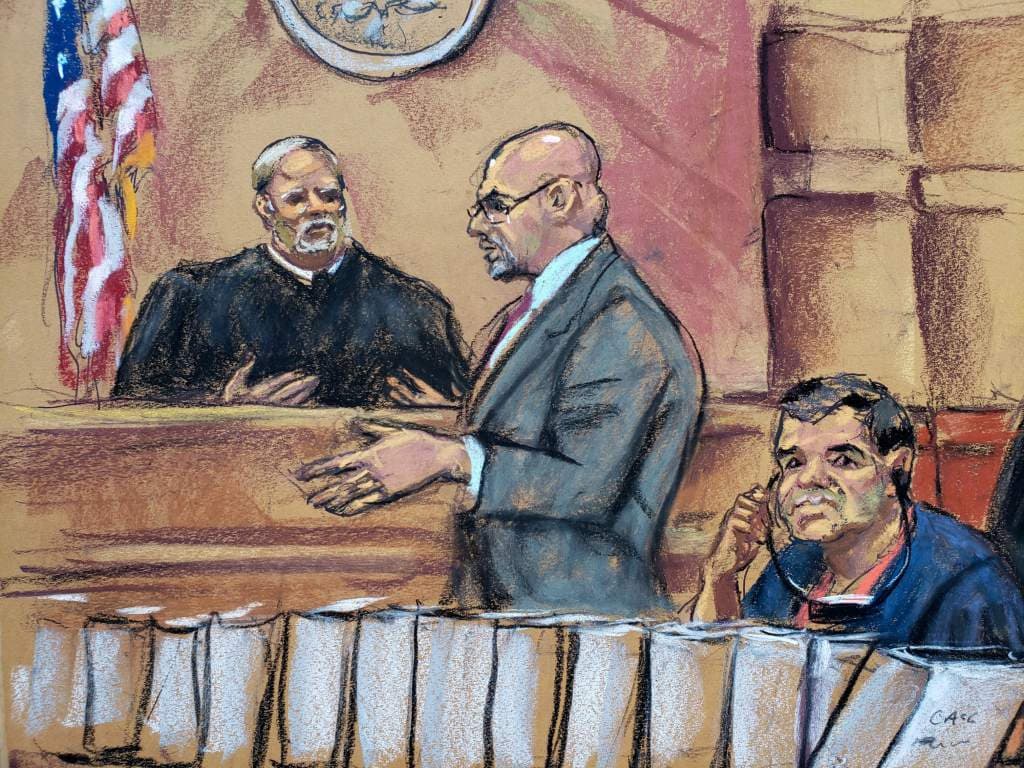
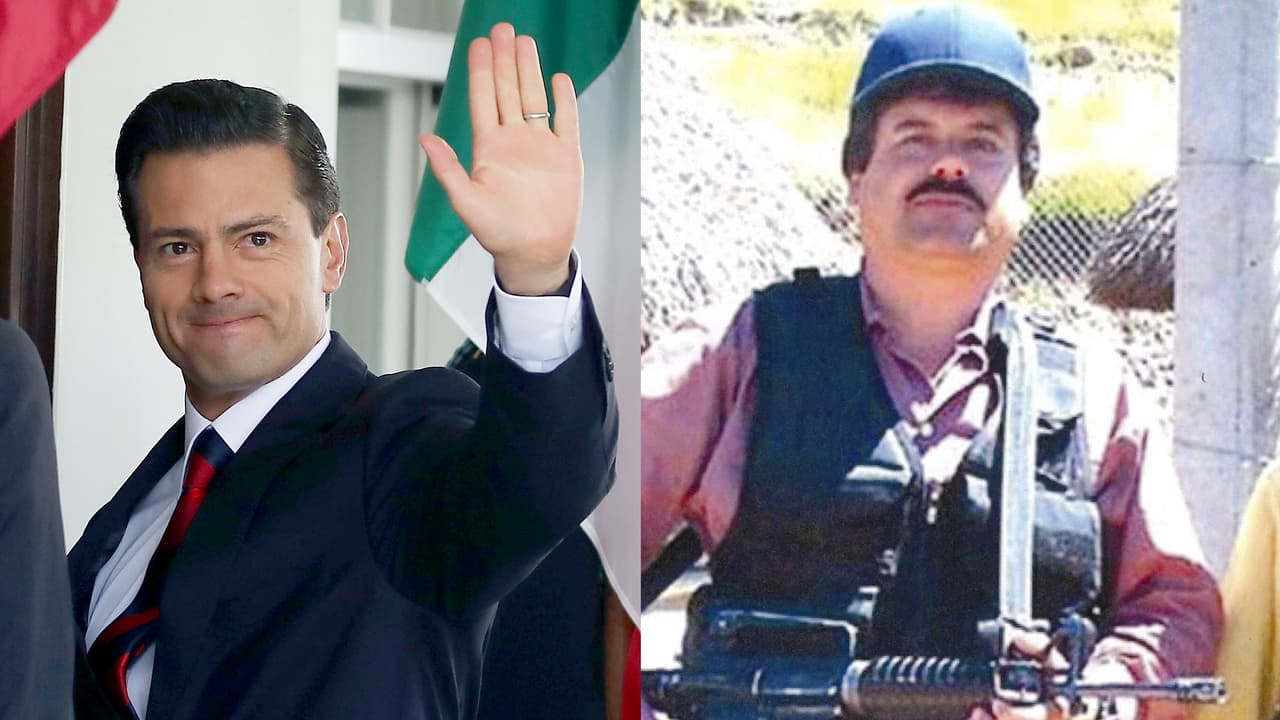
The time is well past due for the U.S. government to conduct a thorough review of leaders and their senior colleagues before they leave office to determine if they merit visas.
Thankfully, al-Zarqawi was killed by a U.S. strike in 2006 before he could see his plan through to completion. And yet, the lesson is a relevant one for America in today’s world of unprecedented political and social division.
Our political, racial, religious and economic rifts are glaringly obvious for all to see and they constantly assault our sense of national identity. What it means to be American is as fragile today as it’s ever been and this presents an easy opening for those who wish to do us harm.
And it’s that vulnerability which the Russians exploited during our presidential elections.
Whether Russia wanted Donald Trump to win the election or simply hoped to delegitimize Sec. Clinton, assuming she would ultimately be president, they exacted their plan with stunning effect. Seizing upon the “two Americas,” (or said in other ways, the red states vs. blue states, white vs. brown, the haves vs. the have-nots, the Democrats vs. the Republicans) the fallout from Russia meddling in our elections has likely succeeded beyond their wildest expectations.
And yet the truth is their tactics have succeeded only as much as our divisions have allowed.
By injecting chaos into our electoral institutions, regardless of how effective their efforts may or may not have been on their own, it’s the resulting finger pointing and backbiting that has taken the most costly toll. Like stepping on an anthill or plunging a stick inside a wasp nest, after inserting the element of chaos, the Russians needed only watch us frantically scramble and squirm about, eating our own.
The Russians won because we allowed them to. We have given up our sense of togetherness and unity in exchange for throwing barbs at our fellow Americans.
Recent developments in Syria only serve to heighten this sense of disunity. While we were engrossed in infighting, the Russians have been playing geopolitics like a chessboard, embedding themselves deeply inside of regimes diametrically opposed to our values. While we talk of scandal at home, Russia has been busily disrupting Western democracies, the only formidable check on its ambitions.
When President Trump finally intervened in Syria, it sent shock waves throughout the civilized world. Why? Because it was a moment that finally lifted us all out of the day-to-day bickering we have become so accustomed to. I am reticent to support military intervention to settle international disputes, but I was thankful for a moment that reminded us what unity felt like.
As our country took action against the use of chemical weapons, we were again witnessed what evil truly looks like. Though the moment was fleeting, I remain hopeful it might mark an inflection point in our political and social discourse; that we would remember a house divided will fall, but together we are unbreakable.
If we remember all that binds us together—and what we stand for as a country—we can never be truly defeated. Our values, our ideas and our faith in each other will win the day.
Rev. Samuel Rodriguez is president of the National Hispanic Christian Leadership Conference. He has been named by CNN and Fox News as “the leader of the Hispanic Evangelical movement."
Faith and Education Coalition is an initiative of the National Hispanic Christian Leaders Conference (NHCLC), with 2,568 members representing almost 3,000 local churches in 44 states.
Relacionados: